
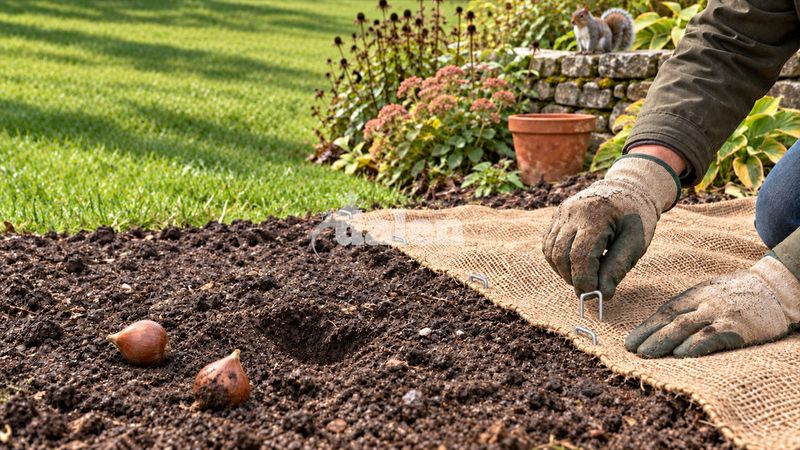
You plant a batch of fresh bulbs, and the next morning the soil is churned up and a few bulbs are gone. It is easy to blame the first animal that comes to mind.
But several creatures dig in garden beds, and the fix works best when you know what you are dealing with. Here is how to look for clues and make the bed harder to raid.
A bed found disturbed in the morning does not identify the digger
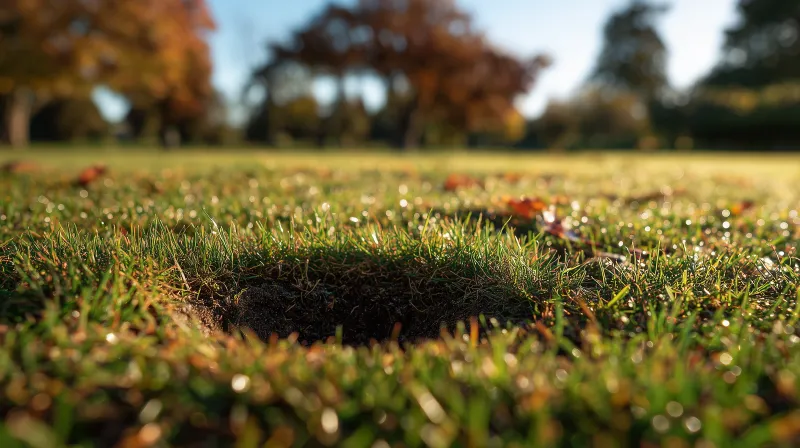
Seeing torn-up soil at sunrise tells you the bed was disturbed at some point, not when. The digging could have happened at dusk, in the dark, or hours after you finished planting.
Unless you have camera footage or other evidence, the real timing stays unknown.
Squirrels can dig up bulbs, so they are a fair suspect. They are far from the only one, though.
Utah State University Extension lists skunks, raccoons, voles, rabbits, ground squirrels, and birds as other possible bulb raiders.
UGA Extension describes tree squirrels as active by day, while raccoons, skunks, opossums, and woodrats are among the animals that are active at night. That makes a quick squirrel guess shaky when you only found the damage in the morning.
Even so, activity patterns do not pin down one animal. UGA also notes that flying squirrels are nocturnal, so even a squirrel could be the visitor after dark.
Use tracks, feeding signs, or a camera to investigate
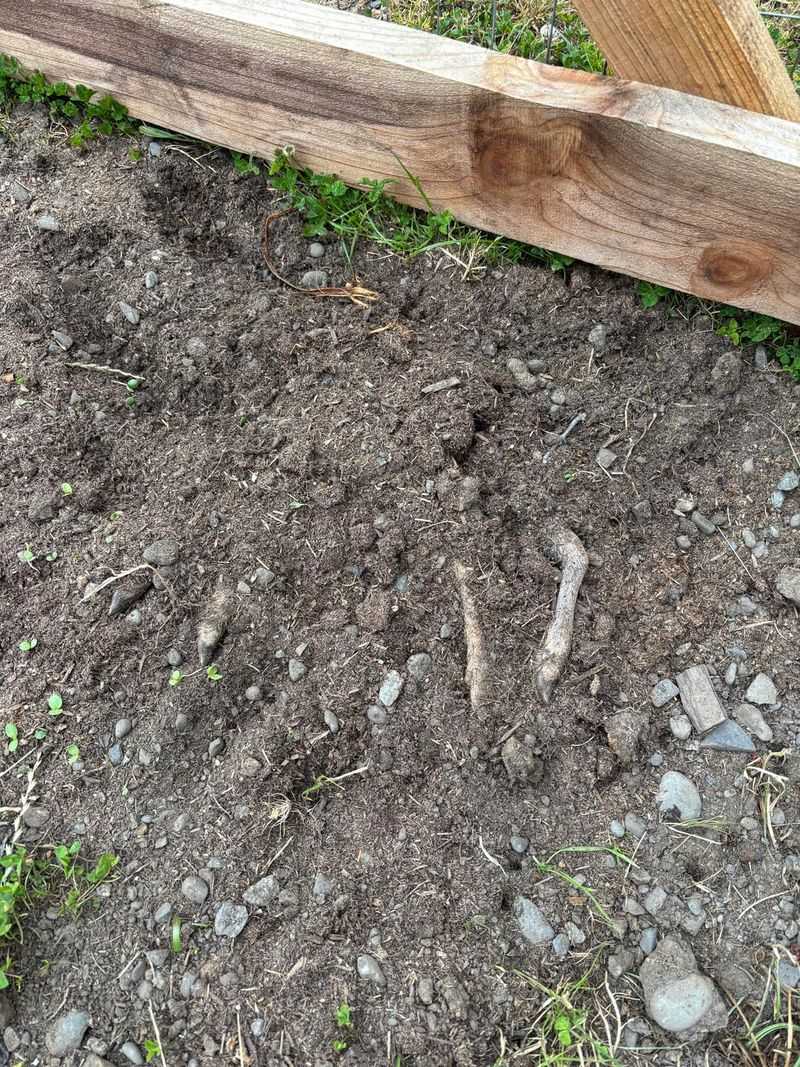
Before picking a fix, spend a few minutes looking around. Check the loose soil for tracks, and examine any bulbs left behind for gnaw marks.
USU Extension suggests looking for exactly these signs.
If the clues are unclear, set up a motion-activated wildlife camera near the damaged spot. UGA Extension describes cameras as a way to learn which animals visit a yard.
Footage can also show when the digging happens, which a morning walk-through never can.
Treat all of this as helpful clues rather than a guaranteed test. A muddy print may be smudged, and a camera can miss a quick visitor.
Also keep in mind that a hole is not proof that something ate your bulbs. An animal may have been digging for grubs or other food, or it may have carried a bulb off somewhere else.
Knowing the difference keeps you from chasing the wrong problem.
Mesh can protect bulbs even when the culprit is uncertain
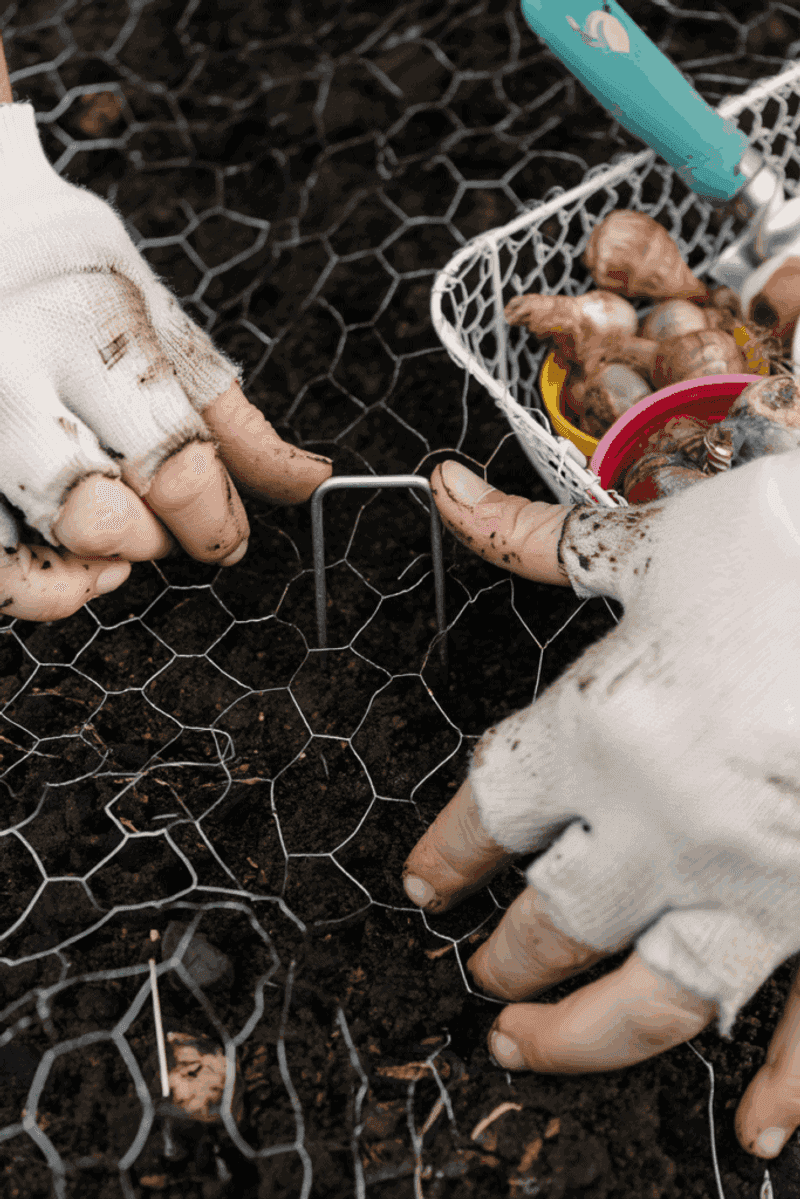
When several animals could be responsible, a physical barrier is a sensible move. Mesh makes bulbs harder to reach and may reduce digging, whatever the visitor turns out to be.
It cannot promise that every animal will be kept out, so think of it as lowering the odds.
Extension sources describe two slightly different approaches. University of Minnesota Extension recommends anchoring poultry wire over plantings and covering it with mulch.
Plant foliage can grow up through the openings.
UF/IFAS Extension instead recommends hardware cloth laid horizontally above the bulbs. These are separate recommendations with their own details, so choose one rather than blending them.
Since Florida readers and others in the South will often turn to the UF/IFAS advice, the next section walks through its placement step by step.
Place hardware cloth horizontally above the bulbs
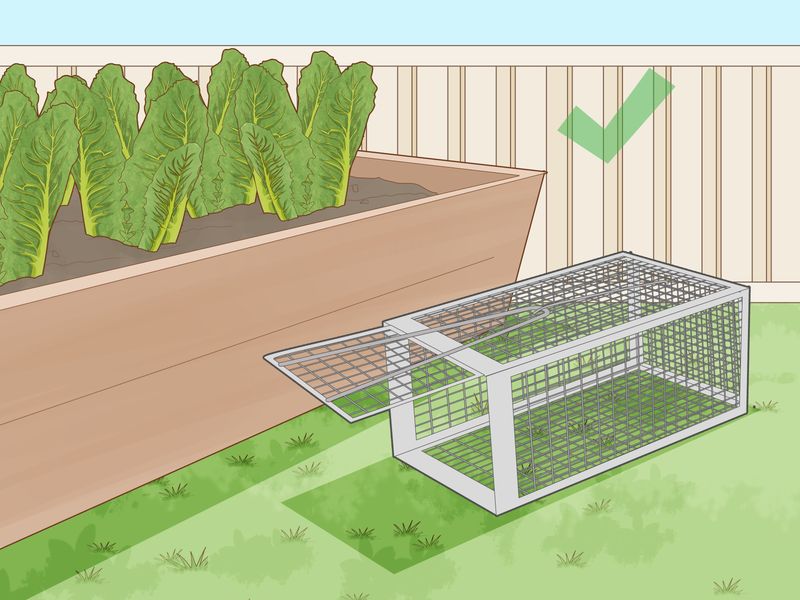
Here is the UF/IFAS recommendation in plain terms. Use half-inch hardware cloth, and lay it horizontally above the bulbs.
Let it extend at least one foot beyond the edges of the bed. You can read the details in the UF/IFAS deterrent guide.
The extra foot matters because the barrier needs to cover the whole planted area, with some margin around it. Shoots can grow through the mesh, so you do not need to remove it when the plants come up.
Keep in mind what this is and what it is not. It is a flat, buried layer that sits over the bulbs.
It is not a fence around the garden, and it is not a design meant to stop animals that tunnel.
Because the source does not give further installation specifics, stick with these basics rather than adding extra steps. Even a well-placed layer may only reduce digging, not end it.
Treat repellents cautiously and keep mothballs out of garden beds
Repellents are tempting, but go in with modest expectations. USU Extension cautions that regular garden watering and local weather can weaken commercial products.
The sources reviewed also do not show that pantry remedies such as cayenne or vinegar give reliable, lasting results, so no promises there.
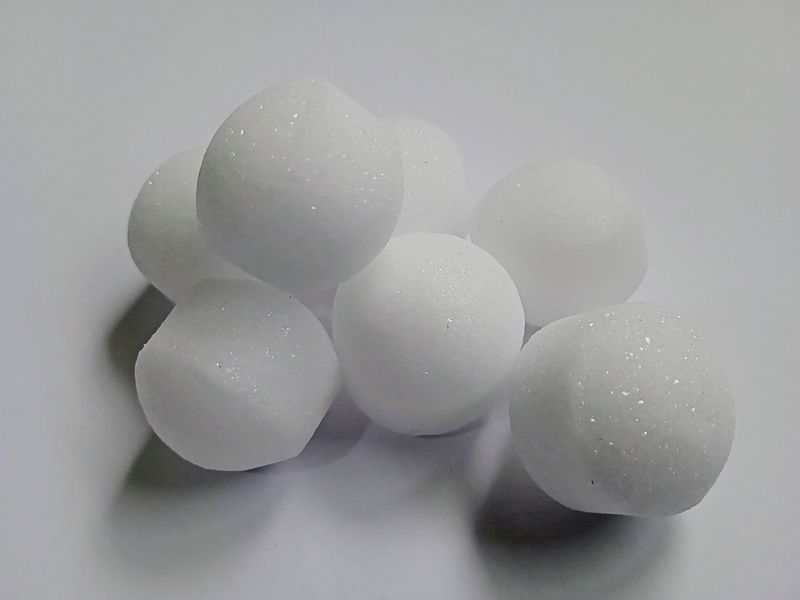
Mothballs deserve a firm no. They are pesticides, and the EPA explains that using a pesticide in a way that does not match its label is generally unlawful.
The mothball label we looked at, an EPA-listed product label, directs use in airtight storage containers and closets. It does not describe garden bed use.
Always read and follow the label on any product you bring home. If a label does not list your use, leave it out of your garden.
Choose bulbs and planting times for local conditions
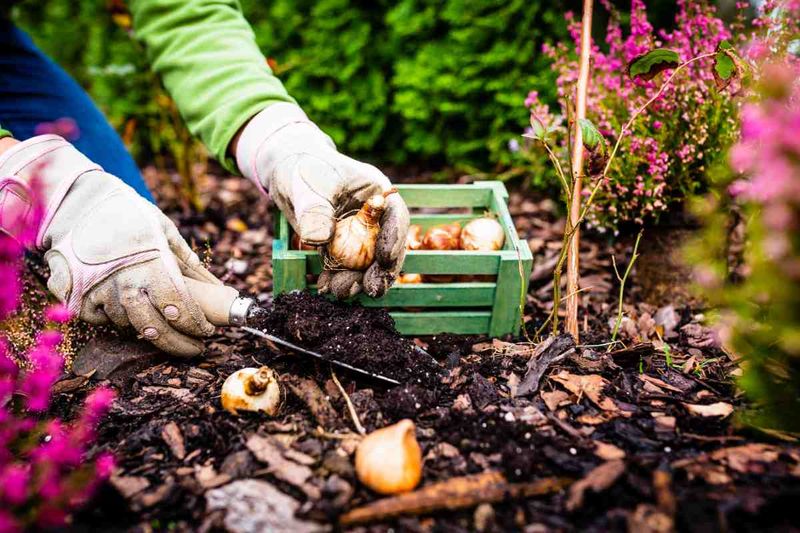
The South covers a lot of ground, so one planting calendar will not fit everyone. In Texas, Texas A&M AgriLife describes late fall and winter as planting time for bulbs that bloom in late winter and early spring.
Florida gardeners have a different set of options. UF/IFAS notes that many tropical and subtropical bulbs do well there.
Treat these as two examples, not a rule for every yard. Bulb choice and timing depend on your local conditions, so check with your county extension office before you buy.
A bed planted at the right time with the right bulbs, and covered with mesh, gives you a fair shot at flowers instead of empty holes.