
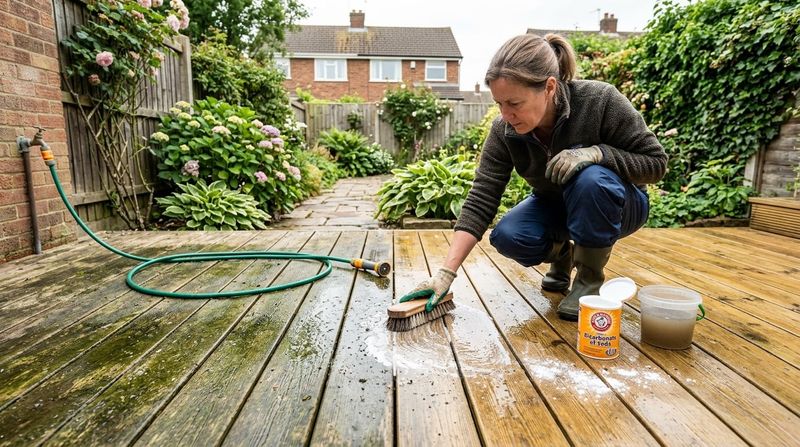
That slick green coating creeping across your porch or patio is more than an eyesore. It can make surfaces dangerously slippery, and scrubbing it off once rarely keeps it away for long.
The good news is that an inexpensive cleaning routine, paired with a few simple site fixes, can clear the buildup and slow its return without a lot of guesswork.
Green slime is a description, not a diagnosis
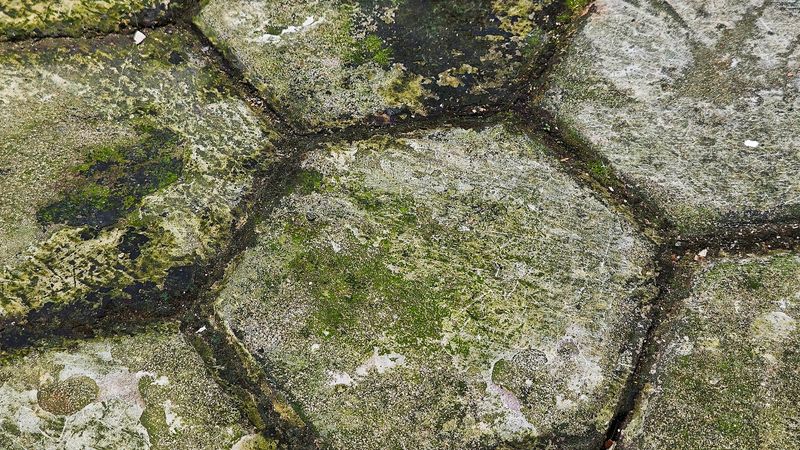
That greenish coating on your porch or patio goes by many names, but “green slime” is really just a description of what you see, not a confirmed identification of what is actually growing there. UC IPM guidance on algae, lichens, and mosses notes that algae and moss commonly develop on moist, shady hard surfaces such as decks and pavement, and that they can create a slipping hazard alongside the visual problem.
Appearance can offer a starting clue. A thin, flat green film or scum points more toward algae.
A thicker, tangled growth that resembles a miniature carpet is more consistent with moss. Green or jelly-like material that appears where water collects regularly may have a different cause altogether, such as cyanobacteria like Nostoc, as described in UGA Extension’s surface growth publication.
What appearance cannot do is confirm the exact organism without a closer inspection. Algae, moss, mildew, cyanobacteria, and even dirt-related staining can look similar enough to confuse a casual glance.
UGA Extension’s Bartow County office also flags cyanobacteria as a slippery-surface culprit that is often mistaken for something else. Because a confident identification typically requires an inspection, this article focuses on practical surface care that applies across the most common types of moisture-loving growth rather than on diagnosing your specific case.
Why the buildup can return
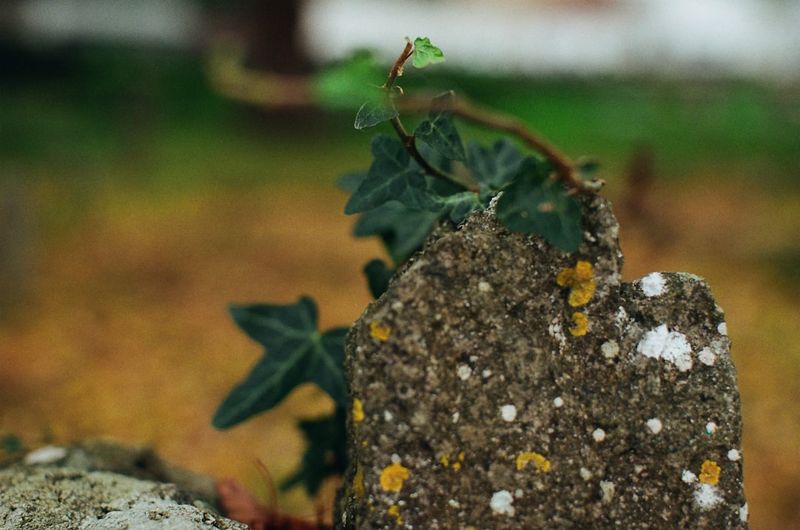
Scrubbing the green off your porch or patio can feel like a victory, but the growth often comes back because the conditions that supported it never changed. Extension guidance on recurring surface growth makes clear that cleaning is temporary when persistent dampness, runoff, standing water, shade, poor airflow, or organic debris remains in place.
Persistent wetness is usually the main driver. Sprinkler heads that overspray onto pavement, downspouts that drain water across a patio, low spots where puddles linger, and shaded areas where surfaces stay damp long after rain all create exactly the environment that algae and moss prefer.
UC IPM’s surface growth resource identifies moisture, shade, and organic debris as the core conditions that support these organisms on hard surfaces.
Leaves, soil, and other organic material that accumulate on pavement add a nutrient layer that feeds surface growth and holds moisture against the surface even longer. OSU Extension’s pavement moss guidance and UGA’s surface growth publication both connect debris accumulation with recurring moss and algae.
Warm, humid conditions common in parts of the South can prolong surface wetness, but the local moisture pattern at your specific site matters more than geography alone. A porch that drains well and gets afternoon airflow may stay clean far longer than a shaded, waterlogged one in the same city.
Begin with debris removal, scrubbing, and a controlled rinse
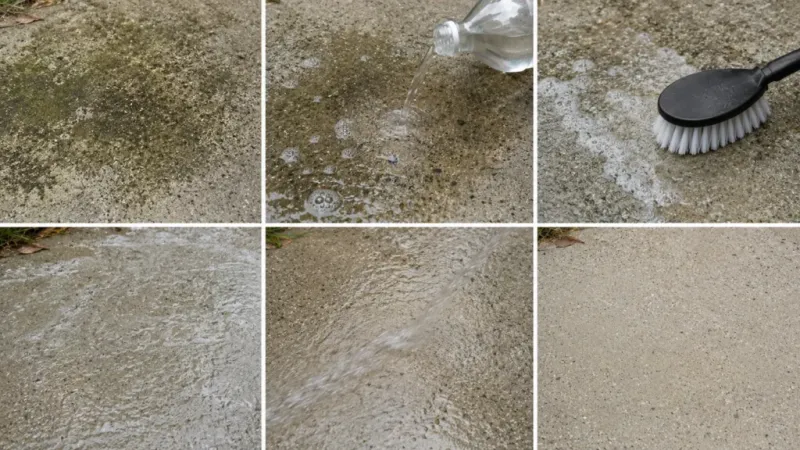
Before reaching for any product, start with the most straightforward and inexpensive step available: remove the debris, scrub the surface, and rinse carefully. Extension guidance on cleaning surface growth supports vigorous sweeping or scrubbing, particularly when the growth is wet, as a practical first-line approach for removing visible algae and moss from pavement.
Clear leaves, soil, and any accumulated organic material from the area first. Debris holds moisture and feeds surface growth, so leaving it in place while you scrub only invites a faster return.
Once the surface is cleared, use a stiff-bristle brush or broom to scrub the affected area. Working the growth while it is still wet can make removal easier, though this will vary with the surface type and how established the growth has become.
UC IPM’s algae and moss guidance also recommends removing organic debris as part of any surface care routine.
Rinsing after scrubbing can flush loosened material away, but the rinse water needs to be managed responsibly. Wash water that carries sediment, organic matter, or cleaning products into storm drains, ponds, streams, or other waterways can cause real environmental harm.
EPA stormwater runoff guidance and Portland’s pressure-washing discharge rules illustrate the kind of local restrictions that may apply in your area. Check your municipality’s rules before rinsing chemicals or heavy sediment toward any drain.
Keep in mind that this first-line scrub-and-rinse step removes visible growth; it does not address the moisture conditions that may bring it back.
Trace the water before reaching for chemicals
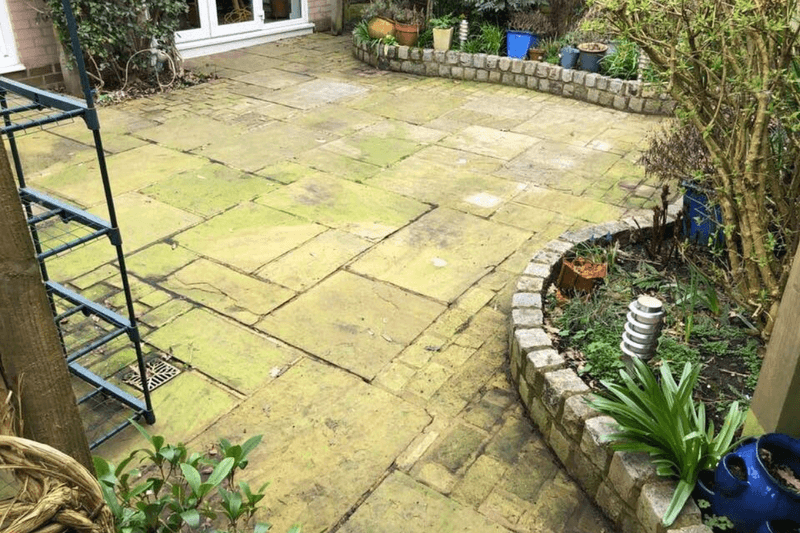
Once the visible growth is scrubbed away, walk the perimeter of your porch or patio and look at where water actually comes from. Sprinkler heads that hit the hardscape, downspouts that deposit runoff directly onto or across the surface, low spots where water pools after rain, and dense plantings that block airflow are all worth identifying before you decide on any next step.
Redirecting a sprinkler or extending a downspout away from the patio is often a low-cost change that meaningfully reduces how long the surface stays wet. Extension guidance on recurring surface growth specifically recommends correcting the water source as a key part of slowing recurrence.
Clearing leaf litter and soil from the patio edge on a regular schedule also removes the nutrient layer and moisture retention that debris provides, which OSU Extension’s moss-on-pavement guidance connects directly to recurring surface growth.
Improving airflow around the patio, where practical, can help surfaces dry faster after rain or irrigation. Trimming nearby shrubs or low-hanging branches that block air movement is one option worth considering.
However, do not assume that adding sunlight alone will solve the problem. UC IPM notes explicitly that increased light can sometimes stimulate algae growth rather than suppress it.
The more reliable focus is reducing how long the surface stays wet and how much organic material accumulates there, with the site’s specific conditions guiding every decision.
Use a labeled product only when the surface and growth fit
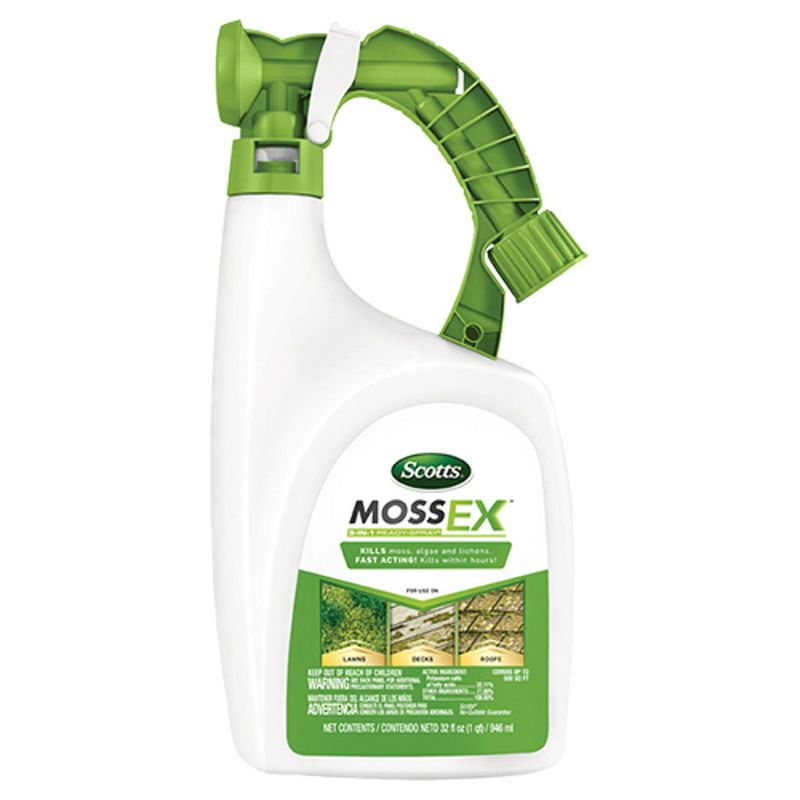
When scrubbing and site corrections have not kept the growth at bay, a commercial treatment may be worth considering. The key qualifier is that the product must be EPA-registered and its label must specifically cover both the surface you are treating and the type of growth you are dealing with, whether that is algae, moss, mildew, mold, or lichen.
One EPA-registered label for patio and hardscape surfaces and another registered formulation covering similar uses both illustrate the specificity required: surfaces, application rates, reentry intervals, plant protection, aquatic precautions, and disposal instructions are all spelled out on the label, and following them is not optional.
Before applying any product across the full surface, test it in a small, inconspicuous area. Concrete, brick, pavers, painted surfaces, wood decking, composite materials, and sealed decorative concrete can react differently to the same chemical.
Surface compatibility matters, and the product or surface manufacturer’s instructions may include specific warnings.
Several common suggestions circulate online that are worth avoiding. Vinegar is sometimes listed as a natural option for moss and algae on pavement, but OSU Extension’s pavement guidance does not present it as universally effective or surface-safe, and mixing vinegar with bleach can generate chlorine gas, according to CDC chemical disinfectant guidance.
Concentrated bleach, muriatic acid, unlabeled biocides, and improvised bleach-and-detergent mixtures are also not appropriate casual patio remedies. CDC bleach safety guidance is clear that bleach should not be mixed with other cleaners.
Stick to what the label authorizes, follow every direction on it, and do not assume that a product marketed as natural or plant-derived is automatically safe around gardens, pets, or nearby waterways.
Set limits on bleach and pressure washing
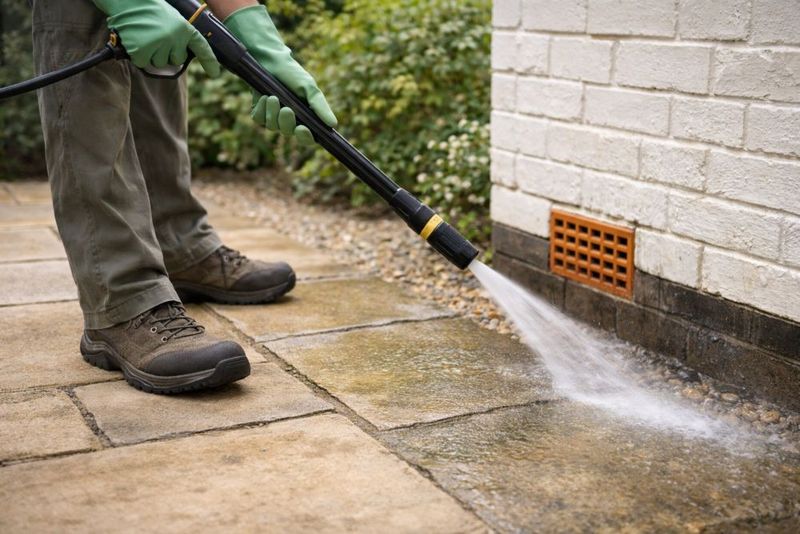
Both bleach and pressure washing can play a role in surface cleaning when used correctly, but neither is a risk-free default. Understanding the limits of each helps you decide whether the potential benefit is worth the extra caution required.
Pressure washing can remove surface growth quickly, but it is not automatically the safest or best first step on every surface. The American Concrete Institute cautions that aggressive pressure washing can leave wand marks and damage architectural or decorative concrete, and it recommends care on sealed surfaces.
Excessive pressure can also disturb joint material between pavers, harm nearby plants, and spread contaminated wash water across a wider area. Portland’s pressure-washing discharge rules and EPA stormwater guidance are examples of local and federal frameworks that restrict where contaminated wastewater can go.
Check your municipality’s rules before directing wash water toward any drain.
If bleach is considered as a label-authorized treatment on a compatible surface, specific precautions apply without exception. Wear gloves and eye protection, work in a well-ventilated area, and protect nearby plants and vulnerable surfaces before applying.
Keep people and pets away from the treated area until it has been thoroughly rinsed and allowed to dry. CDC bleach safety guidance states clearly that bleach must never be mixed with other cleaners.
That includes vinegar, ammonia, acids, and detergents. CDC ammonia fact sheet guidance explains the toxic gas hazard created when bleach contacts ammonia, and CDC disinfectant guidance covers the chlorine gas risk when bleach meets acids.
Always test an inconspicuous area first, and follow the product label’s specific directions for the surface and intended use.
Repeat the inspection, not a miracle claim
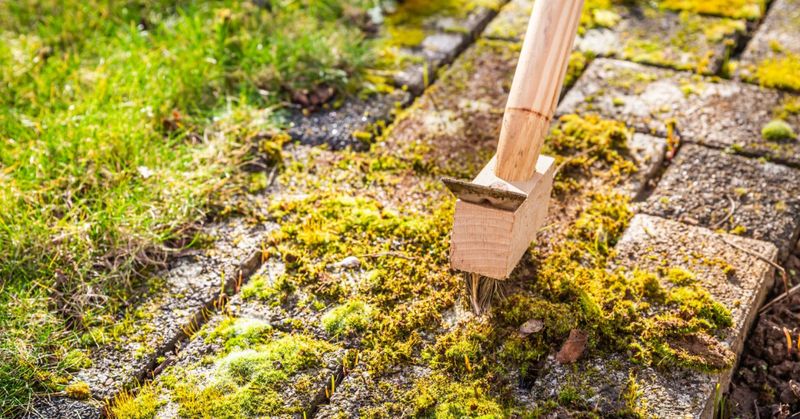
Keeping green buildup from becoming a recurring problem comes down to repeating a short, practical sequence rather than relying on any single product or one-time treatment. Clear leaves and debris from the surface regularly, especially after rain or when organic material accumulates at the edges.
Scrub and rinse when growth appears, following the runoff precautions that protect nearby drains and waterways. Extension cleaning guidance supports this kind of routine maintenance as an ongoing practice rather than a one-and-done fix.
After each wet period or seasonal rain event, reassess the area. Look for new moisture sources, check whether redirected downspouts or adjusted sprinklers are still doing their job, and note any spots where water continues to pool.
Extension guidance on recurring surface growth reinforces that the conditions driving recurrence, not the visible growth itself, are what need ongoing attention. Address drainage problems and standing water when they appear rather than waiting for the green to return before acting.
The realistic payoff of this routine is a cleaner surface and a slower recurrence rate, not a permanent solution. UC IPM’s surface growth guidance is consistent on this point: no single inexpensive treatment guarantees lasting elimination when the site stays damp, shaded, or debris-covered.
A porch that drains well, stays clear of leaf litter, and gets regular attention will simply give algae and moss fewer reasons to settle back in.