
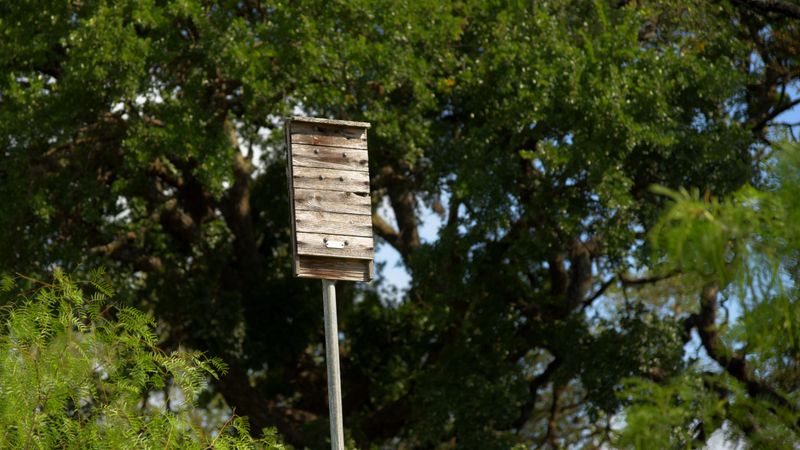
Winter looks quiet in a Central Texas yard, but it is the right time to get a bat house ready. Mexican free-tailed bats start heading back to Texas as early as February, and a box on the wall or pole is one small way to offer them a place to roost.
There is no promise any bats will move in, and a bat house will not clear your patio of mosquitoes. Here is how to build a smart, safe habitat project and what to expect from it.
Why put a bat house up in winter?
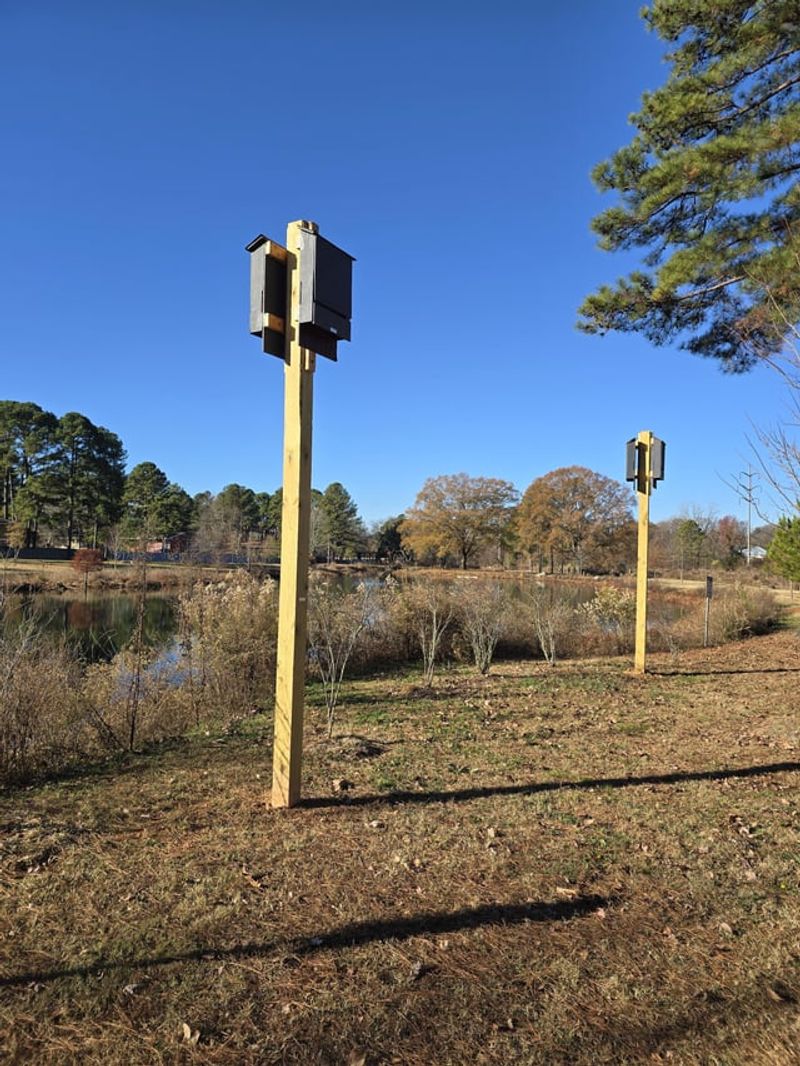
Winter gives you time. Texas Parks and Wildlife says Mexican free-tailed bats are common across Texas, and in most of the state they spend the cold months in Mexico.
They begin returning in February and form maternity colonies by early spring.
A box that is already up before that return is ready if a bat happens to be house-hunting. That is the whole advantage of a winter install.
You are preparing a spot, not setting a trap.
The seasonal return of the bats and the choice of your particular box are two separate stories. Millions of bats may fly back into Texas, and your backyard house can still sit empty.
Bats pick roosts based on things we cannot see from the ground, like nearby natural roosts, food, and water.
Patience matters here. The U.S.
Fish and Wildlife Service says new boxes can take up to five years to be occupied. Some never are.
Florida extension guidance, such as this UF/IFAS publication, also recommends winter installation. It is a useful timing tip, but it is written for Florida, so treat it as general reasoning rather than proof for Central Texas.
If the cost and effort of a pole and a sturdy box feel worthwhile for a long-shot habitat project, winter is your moment. If you need results by summer, this is not that project.
A bat house is not mosquito control
Bats do eat mosquitoes, and that fact fuels a lot of bat house sales. But eating some mosquitoes is different from shrinking the number biting you on the patio.
The UF/IFAS Extension concludes there is no scientific evidence that increasing bats locally reduces mosquito numbers enough to affect human biting rates.
Here is what the research does show. A Wisconsin study from 2018 found mosquito DNA in droppings from two bat species, little brown and big brown bats.
That confirms mosquitoes were on the menu for those bats.
It does not tell us what Texas free-tailed bats do in your neighborhood. The same study notes that effects on wild mosquito populations are largely unanswered.
You may also hear that a bat eats 1,000 mosquitoes an hour. That number came from enclosure experiments, where bats were confined with plenty of insects, and the researchers point out those figures may not reflect natural conditions.
A real yard has moths, beetles, and many other insects to choose from.
For mosquitoes, stick with the basics: dump standing water, keep gutters draining, and use screens and repellent. Think of any bat visitors as a bonus, not a pest-control plan.
Design for Central Texas heat
Triple-digit summers can turn a poorly designed box into an oven. That is why heat control should drive your shopping and building choices.
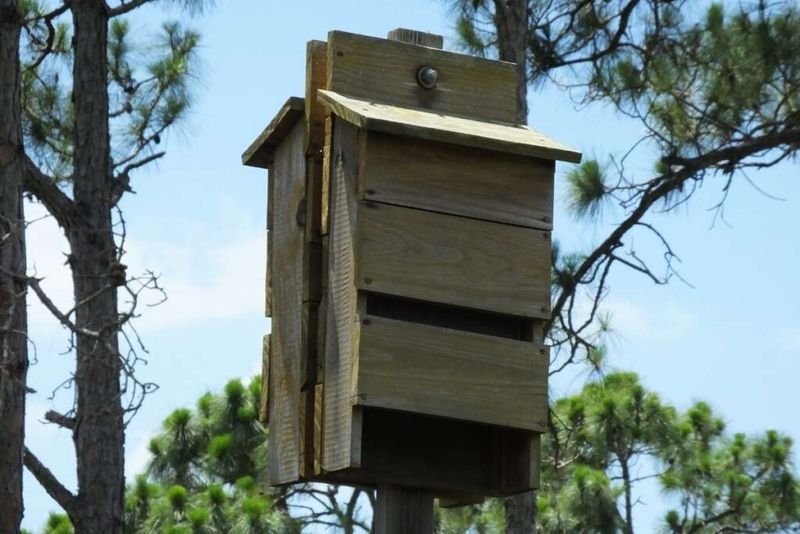
Look for a well-built, multi-chamber house with ventilation so bats can move to a cooler or warmer spot as the day changes.
Bat Conservation International recommends light-colored boxes in hot climates. Dark paint in strong sun can push the interior temperature too high.
Color is not one-size-fits-all, though. UF/IFAS stresses matching color to the amount of sun and local heat.
A box that gets blazing afternoon sun needs a lighter finish than one that gets only a few hours of light.
Quality matters as much as paint. Choose sturdy, untreated or properly sealed exterior materials, tight seams that keep out rain, and rough interior surfaces so bats can grip.
Skip tiny single-chamber novelty boxes sold as garden decor.
A practical check before you buy: ask how many chambers it has, where the vents are, and whether the maker gives color advice for hot regions. A clear answer is a good sign.
No design can guarantee bats will move in. A thoughtful, heat-conscious box simply gives you the best shot at a safe place for them if they do show up.
Choose a high, unobstructed location
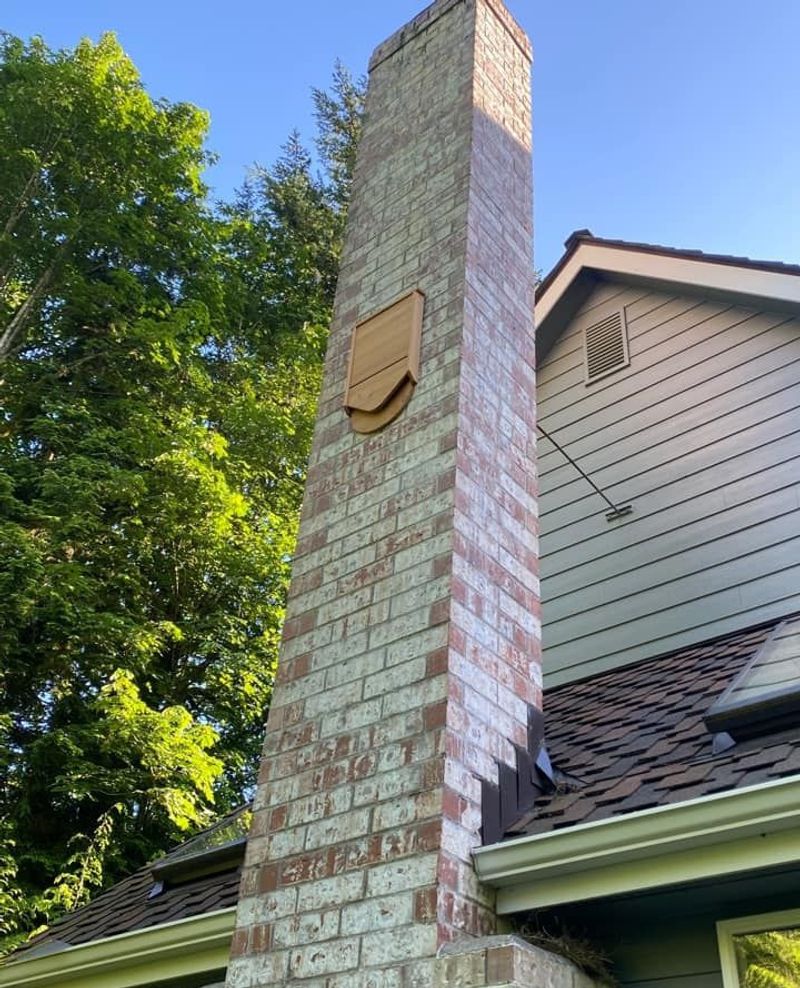
Height and open air are the two big siting rules. UF/IFAS recommends mounting a box at least 12 feet high, and higher is often better if your pole or wall can handle it.
Bats drop out of the box into flight, so they need room below and in front.
Mount it on a building or a pole instead of a shaded tree. Trees can block the flight path, cast shade that keeps the box too cool or damp, and give predators easy access.
Walk your yard and look for predator perches. Branches, rooflines, and wires close to the box can give hawks, owls, or climbing animals a place to wait.
Pick a spot with a clear approach on the front side.
Where you place the box in the landscape may also improve the odds. Nearby water and varied foraging habitat, like native plantings, a creek edge, or open meadow, may make the area more appealing.
None of these guarantee use.
Remember the droppings. Choose a spot away from seating areas, which the later section on safety covers in detail.
A back corner near a pond or garden bed often works better than the patio wall.
Let bats find the house on their own
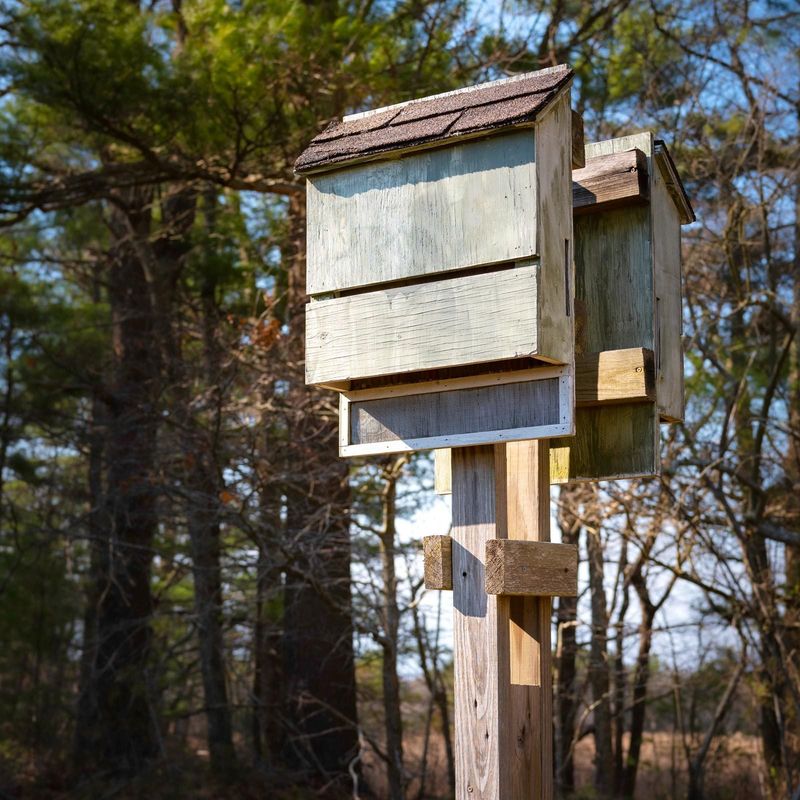
Once the box is up, the hardest job begins: waiting. Resist the urge to speed things along.
UF/IFAS says tricks like guano, scents, or sounds do not work, and Bat Conservation International advises letting bats find the house on their own. Never use captured bats to lure others.
Think of the box as a possible habitat aid. The U.S.
Fish and Wildlife Service says keeping suitable natural roosts is the first choice, and boxes may help in particular settings, such as where roosts have been lost. If you have old trees with loose bark or hollows, protect them.
You may have read that Texas bats use man-made structures. That is true, and a 2018 Texas study documents Mexican free-tailed bats roosting in specialized box-beam bridges.
Those are large, purpose-shaped structures, so the finding does not show that an ordinary small backyard house will attract a colony.
Check the box from the ground a few times a year with binoculars, and skip opening it. If bats do move in, leave them undisturbed.
Do not handle them, move them, or poke at the box.
Plan for droppings and bat safety
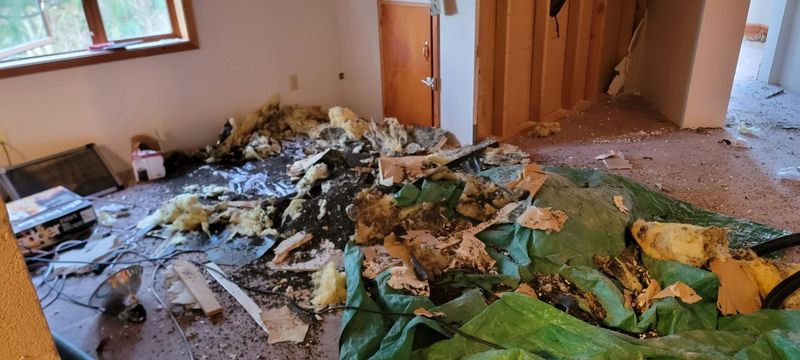
Bats leave droppings, called guano, and it falls straight down. Put the box well away from patios, grills, play areas, and car parking spots.
A far corner of the yard is a better home for it than the wall by the back door.
Do not dry-sweep droppings or stir up contaminated soil. Dust can carry spores, and CDC histoplasmosis guidance advises avoiding disturbing contaminated soil and droppings in ways that create dust.
For large accumulations of bird or bat droppings, hire a professional cleanup service.
Keep your hands off the bats themselves. Bats are valuable wildlife, but people should not handle them, relocate them, or open an occupied box.
If you or a pet may have touched or been bitten by a bat, act quickly. CDC guidance on bats and rabies says to avoid contact and to contact public-health or animal-control officials after possible bat contact.
A bat found on the ground or inside your home is a reason to call, not to scoop it up.
Teach everyone in the household, including kids, the simple rule: look, do not touch. Good placement plus a hands-off habit keeps the project low-stress.
Measure success as habitat, not fewer bites
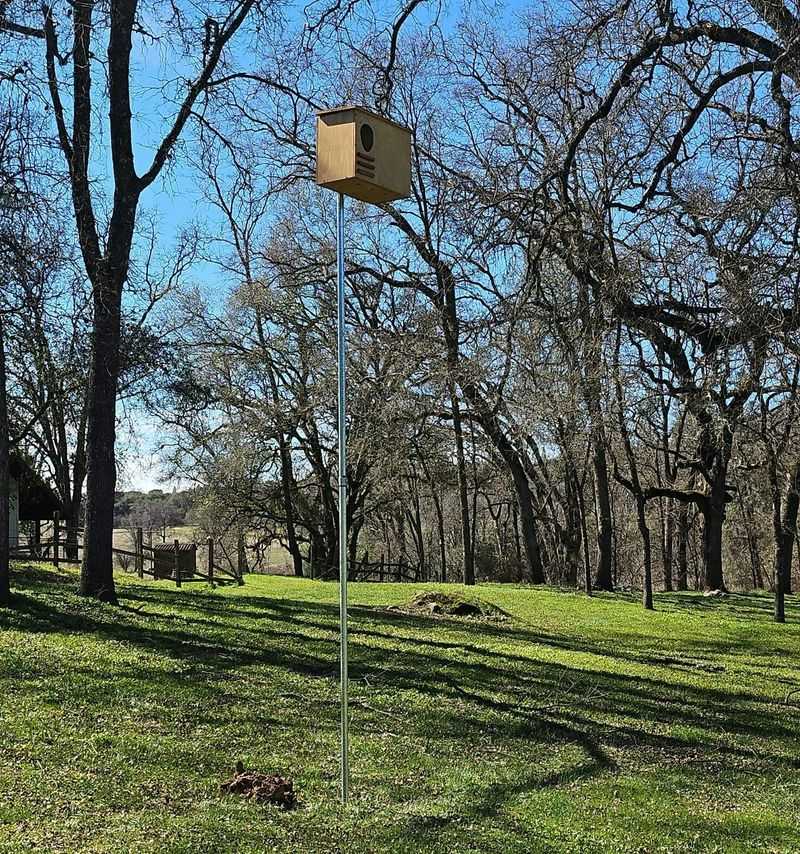
A winter install gets the box ready before spring, but whether bats move in is out of your hands, and fewer mosquitoes is not a dependable result. The U.S.
Fish and Wildlife Service puts natural roosts first, so protect old trees and let the box play a supporting role.
Judge the project by habitat: a well-sited house, a yard with water and native plants, and a chance for bats to use it someday. Even an empty box is a fair price for keeping the door open.