
Cold-night forecasts can make a fall spinach bed feel like a ticking clock. The good news is that spinach is tougher than many gardeners expect, so a chilly evening is not always an emergency.
Knowing how cold it will really get helps you decide whether a cover is worth the effort. Here is how to read the forecast, set up a cover safely, and avoid the mistakes that can hurt the plants you are trying to protect.
Spinach often tolerates a light frost
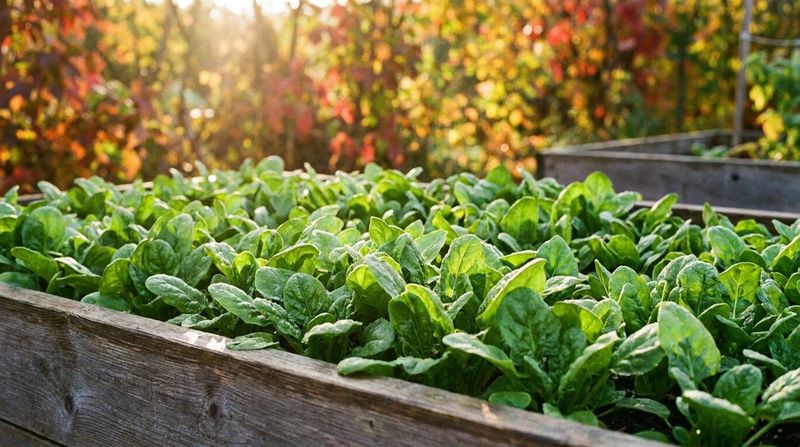
Spinach is one of the tougher cool-season greens. Texas A&M AgriLife Extension lists it among frost-tolerant vegetables, so a light frost does not automatically ruin a fall bed.
Age and conditions matter, though. Utah State University Extension says young plants are not seriously damaged at 32°F and can stay outside after light frosts.
It also notes that spinach with four or five true leaves, established late in the year, may overwinter.
South Dakota State University Extension places spinach in the group that can handle light freezes of about 28 to 32°F. That is a useful yardstick, but it is not a promise for every bed.
A tiny seedling, a plant stressed by drought, or a spot with no wind break may fare worse than a sturdy, well-established row.
So the sight of a frost advisory is not a reason to panic. It is a reason to check how cold the night is expected to get, how long it will last, and how mature your plants are.
Colder nights are where a cover may start to earn its keep.
Read the local forecast, not just the word frost
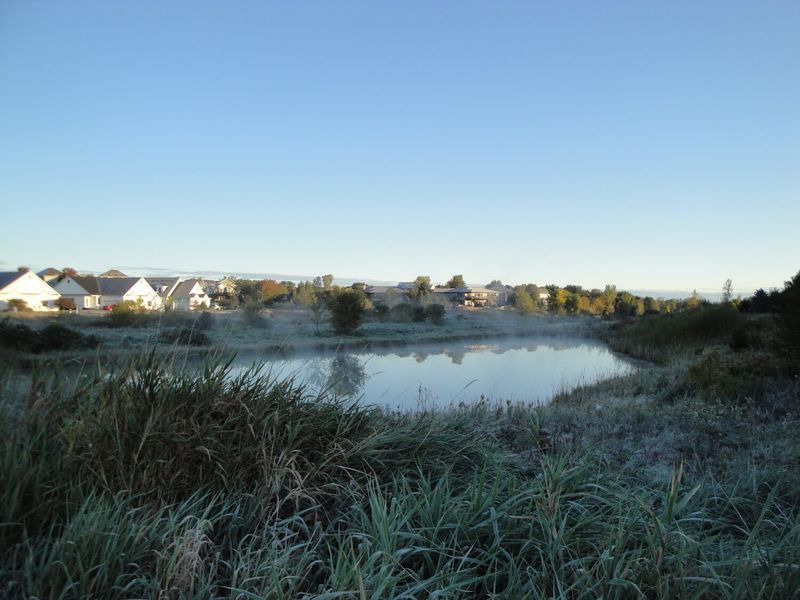
Frost, freeze, and hard freeze are not the same thing. The National Weather Service can issue frost advisories when forecast temperatures are in the 33 to 36°F range under suitable conditions, which is above freezing.
A hard freeze is a different level of cold. The NWS glossary describes it as 28°F or lower for an extended period.
Local offices can word their alerts and set their criteria differently, so check your own forecast instead of judging risk from one word.
Southern freeze risk also varies a lot. UF/IFAS notes that freezes are occasional in Central Florida, rare in South Florida, and a bigger concern in North Florida.
Texas is just as mixed. Texas A&M treats spinach as frost-tolerant, yet a Panhandle gardener and a Rio Grande Valley gardener face very different nights.
Look at the predicted low, how many hours it stays there, and whether the air will be calm and clear.
Cover the bed before sunset if you choose to protect it
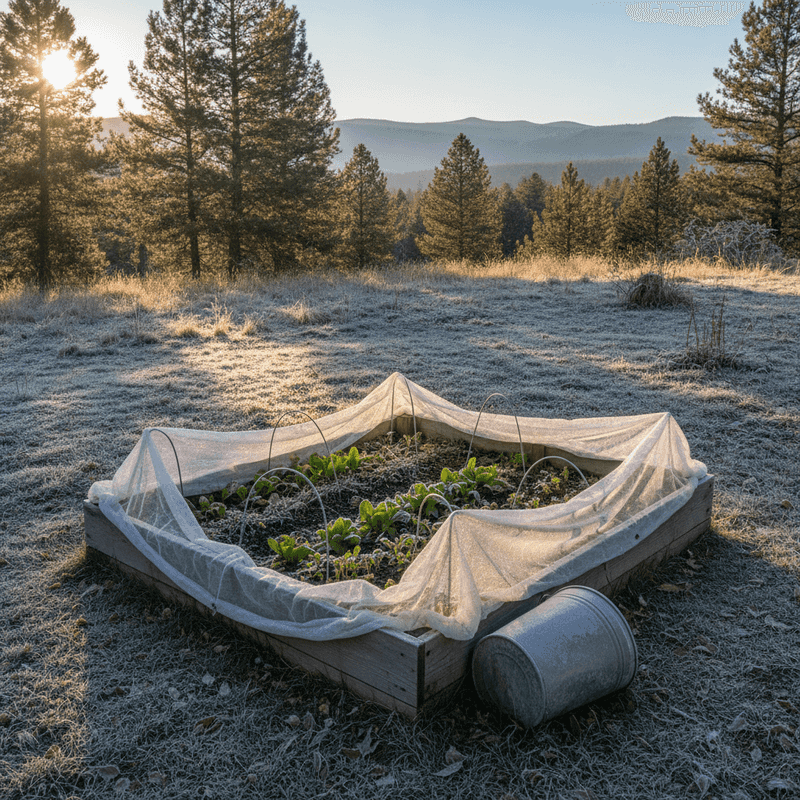
If the forecast looks colder than your spinach may like, timing is the first thing to get right. Put the cover on in the evening before sunset, while the soil and air still hold some of the day’s warmth, as National Weather Service guidance suggests.
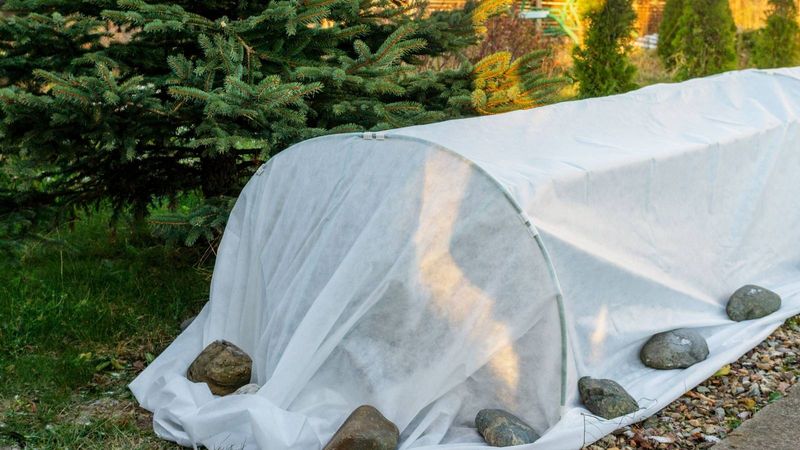
Next, let the material reach the ground and anchor the edges with bricks, boards, or soil. That helps hold heat around the bed and keeps cold air from blowing underneath.
University of Minnesota Extension describes the same basics for row covers: slack, secured edges, and good coverage.
Think of this as an optional step for a colder night. A light frost often does not call for it, and even a well-fitted cover cannot guarantee results.
It is a low-cost precaution that may add a little protection, and that is a fair way to judge it.
Use fabric and keep it off the leaves
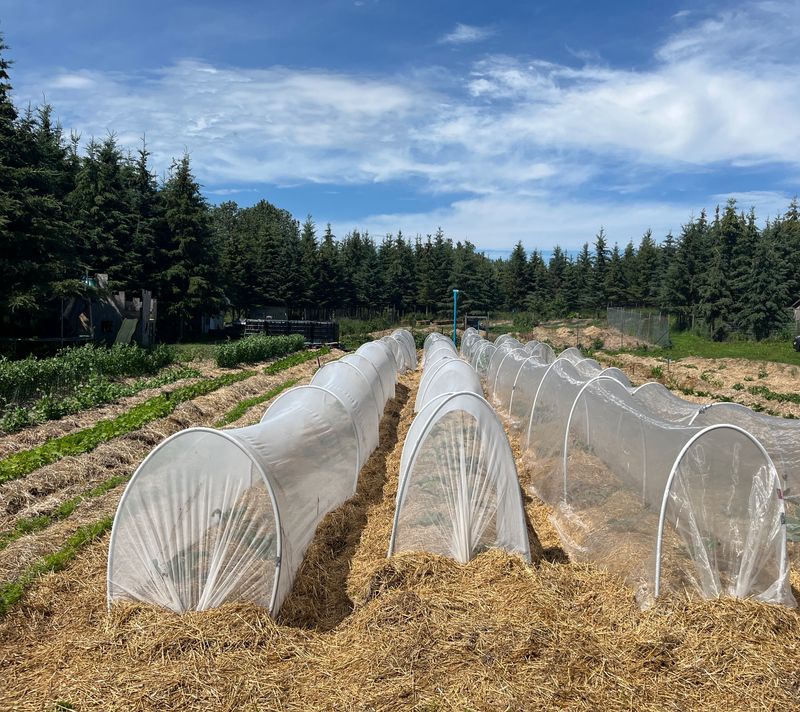
Fabric is the safer choice for covering greens. UGA Extension warns that plastic touching foliage can make cold injury worse, so keep plastic away from the leaves.
Contact is a concern with fabric too. Utah State and UF/IFAS both note that leaves touching row-cover material can still be vulnerable to frost damage.
Hoops are the practical fix. Bent wire, PVC pipe, or even a few stakes can hold the material above the plants.
For a low crop like spinach, fabric can also be laid loosely over the bed with extra slack and secured edges. Just remember that any leaf pressed against the cover may still get nipped.
A household sheet cannot promise freeze protection
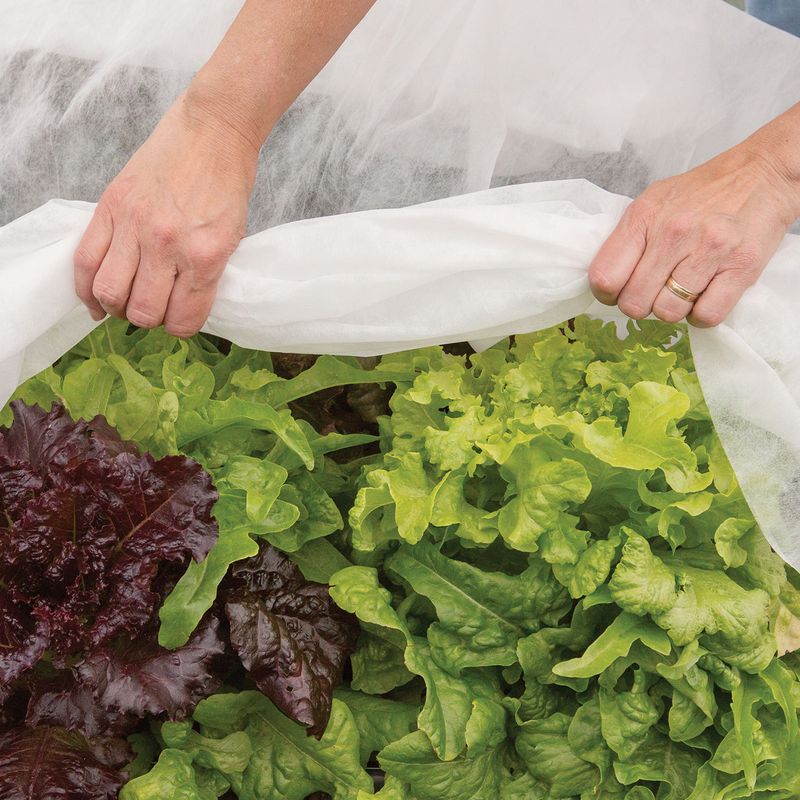
Covers differ a lot in how much they help. Performance depends on the material, its weight, how well it is installed, the wind, and how cold the night gets.
UF/IFAS reports about 3°F of protection from floating covers in general, with more in some Florida strawberry research. Its below-20°F example involves heavy-weight covers on strawberries, so it does not tell you what a sheet will do for spinach.
University of Minnesota Extension says the heaviest row-cover fabrics can protect plants to around 20°F. That figure belongs to rated, heavy material and should not be applied to a bedsheet.
An ordinary sheet may add a small buffer on a borderline night. During a long hard freeze, it may not be enough, and some leaf damage is still possible.
Treat it as a modest helper, not a guarantee.
Remove or vent the cover as the day warms
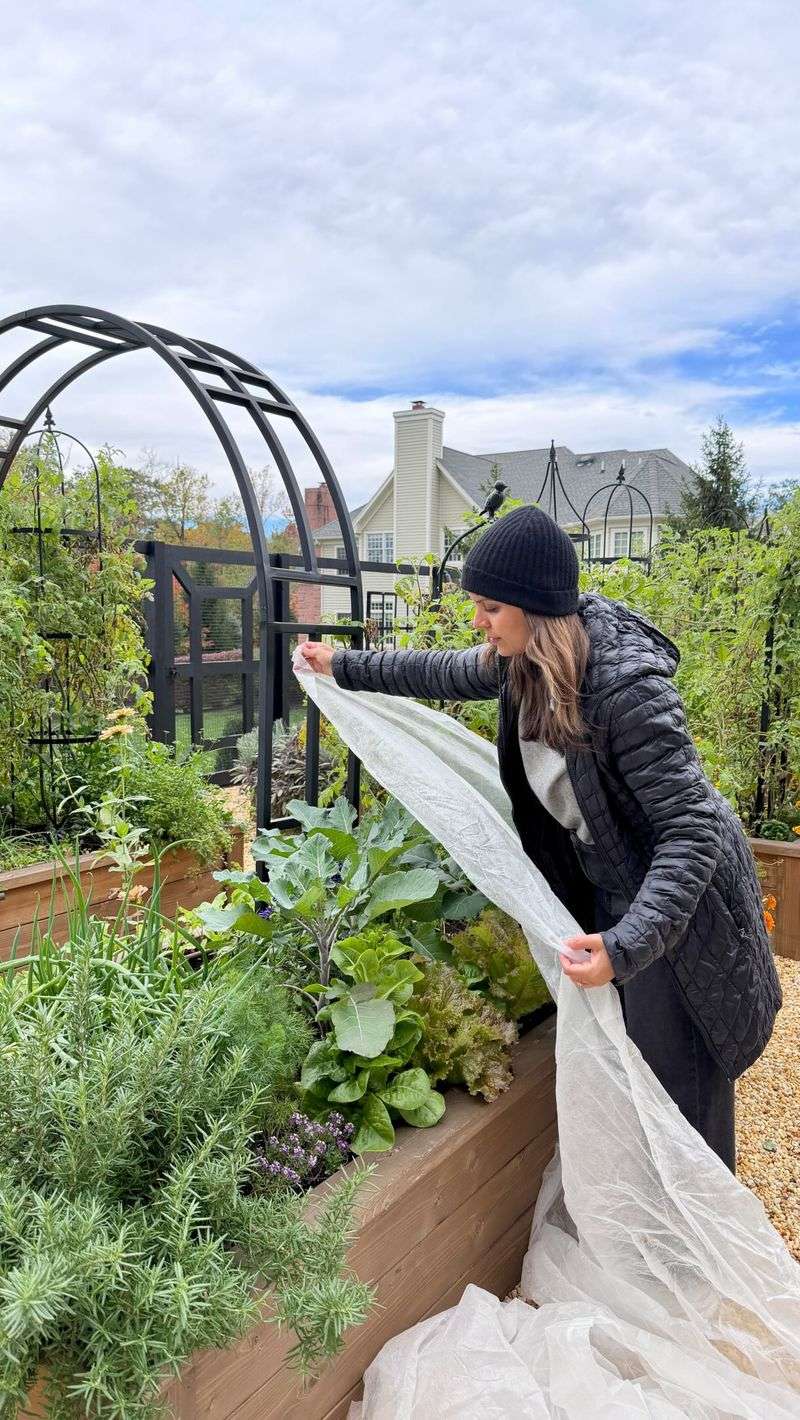
Morning is part of the plan. Once temperatures climb, take the cover off or open it up, especially on a sunny day.
UGA Extension and University of Minnesota Extension both warn that trapped heat can harm plants.
A simple routine works well: uncover once the air is above freezing and the sun is up, then fold the fabric and store it where you can grab it again. If another cold night is coming, you can reuse it that evening.
Here is the bigger picture. Spinach often handles light frost on its own, while a hard freeze is the kind of night when a cover may help.
Match your effort to your local forecast.
Spinach has been shrugging off cold longer than any bedsheet has been around.