
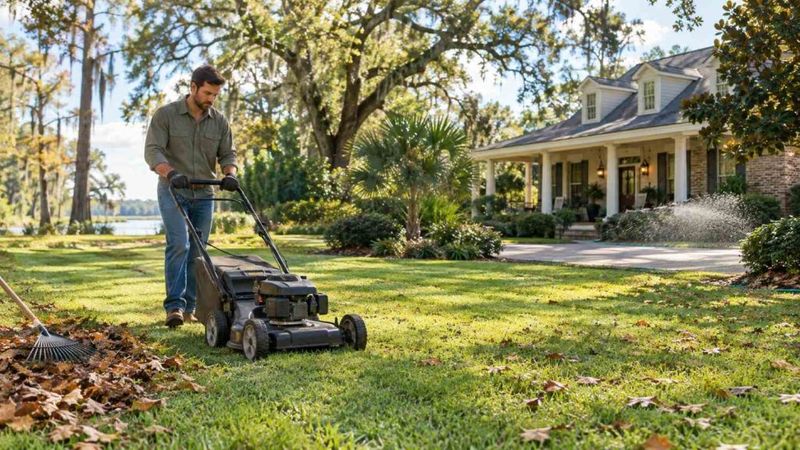
Fall brings a to-do list for the yard, and the lawn often gets lumped in with everything else. But a Southern lawn is not one thing.
Florida and Texas yards grow different grasses, and each one has its own best mowing height. Here is how to handle those last mowings without guessing.
Fall mowing height depends on the grass, not the season
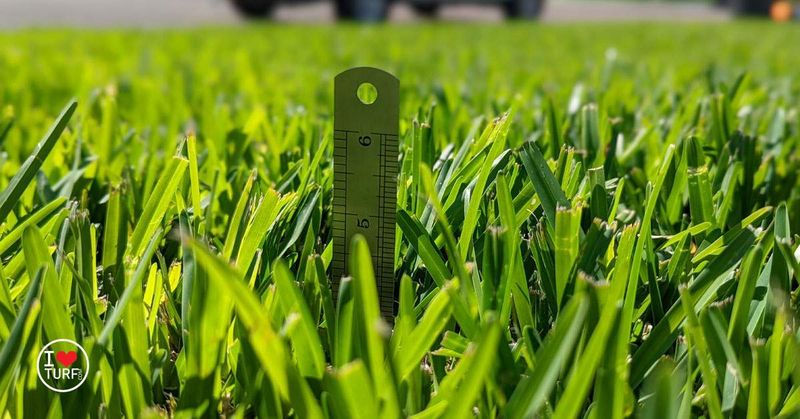
Walk through a few Southern neighborhoods and you will see very different lawns. Mowing height follows the grass, and sometimes even the cultivar, far more than the calendar.
Texas A&M lists species-specific mowing ranges: common bermudagrass at 1.5 to 3 inches, centipedegrass at 1.5 to 2 inches, St. Augustinegrass at 2.5 to 4 inches, and coarse-textured zoysia at 1 to 2.5 inches.
UF/IFAS guidance gives similar ranges and says most St. Augustine cultivars do best around 3.5 to 4 inches. Dwarf and semi-dwarf types are exceptions, so check which one you have.
Warm-season grasses are common here, but they are not the whole story. Cool-season tall fescue is also grown in parts of the South, including Georgia and Texas, according to UGA Extension.
A single fall height for every yard simply does not fit.
Keep actively growing warm-season turf at its recommended height
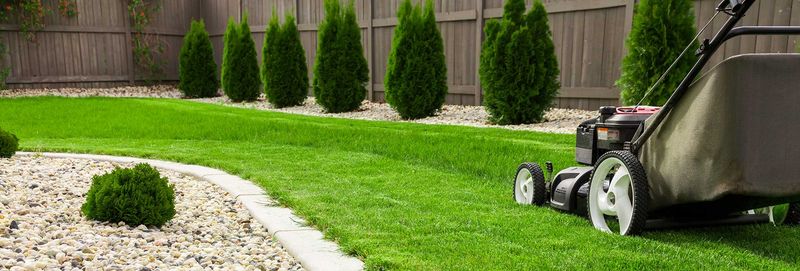
Warm-season grass does not shut off the moment October arrives. In much of Florida and Texas, it keeps growing, and the mower should keep working while it does.
Stay inside the range for your species, the same one you used all summer. UGA Extension advises keeping the appropriate height and resisting the urge to scalp warm-season turf as it nears dormancy.
Scalping cuts away most of the green leaf, which leaves less surface for the grass to make energy and exposes the crowns and soil. A height reduction is not required, so there is no need to drop the deck.
Local weather decides how long growth lasts. A warm Gulf Coast fall and a cooler North Texas one will not match, so watch the grass instead of the date.
Does gradually lowering the mower prevent winter damage?
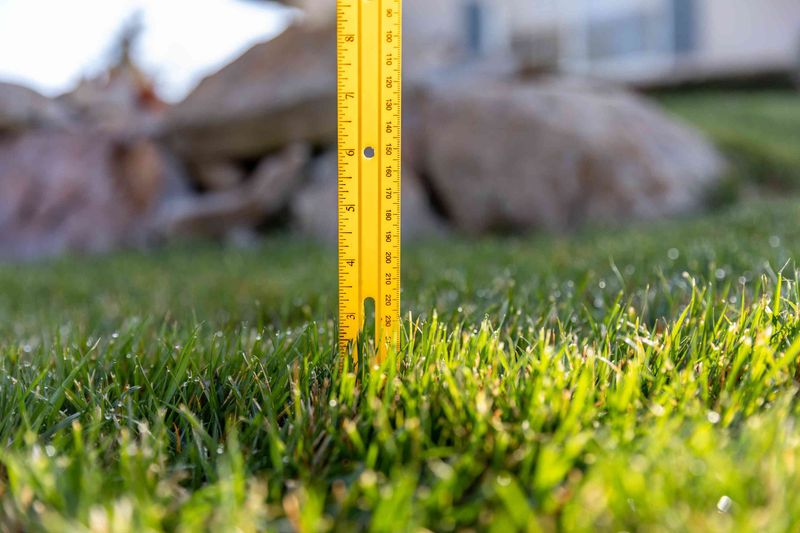
The popular tip says that stepping the mower down over the last few cuts keeps grass from matting, molding and thinning by spring. The sources reviewed do not establish that.
No promise of those outcomes holds up.
What the guidance does support is simpler. Avoid letting turf grow overly tall, and cut at the height that suits your grass, as in the Texas A&M mowing ranges.
Disease is a separate matter. Maryland Extension ties lawn diseases to weather and moisture conditions, so mower height alone cannot guarantee protection.
So skip the stair-step routine. Mow at the right height and handle leaves and overgrowth as they come up.
The one-third rule helps prevent an abrupt, damaging cut
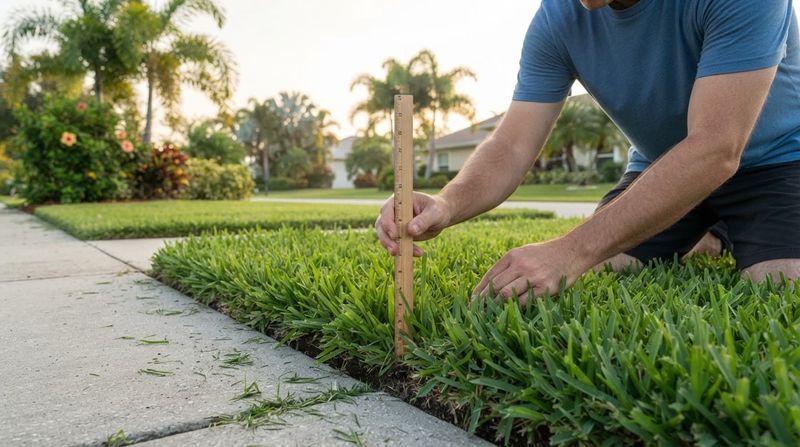
Here is a rule that is easy to use: never remove more than one-third of the grass blade in a single mowing. If your lawn is kept at 4 inches, cut it before it passes about 6 inches.
Mowing frequency should follow growth, not a fixed weekly habit. When growth is fast you may mow often, and when it slows you can stretch the gap.
Height matters here too. Texas A&M’s St. Augustinegrass guidance warns that shorter mowing means mowing more often to avoid scalping or injury.
Cutting below the species range, or taking off too much leaf at once, can stress turf. The published height ranges are a good boundary to stay inside.
Thick leaf cover is a separate cause of lawn matting
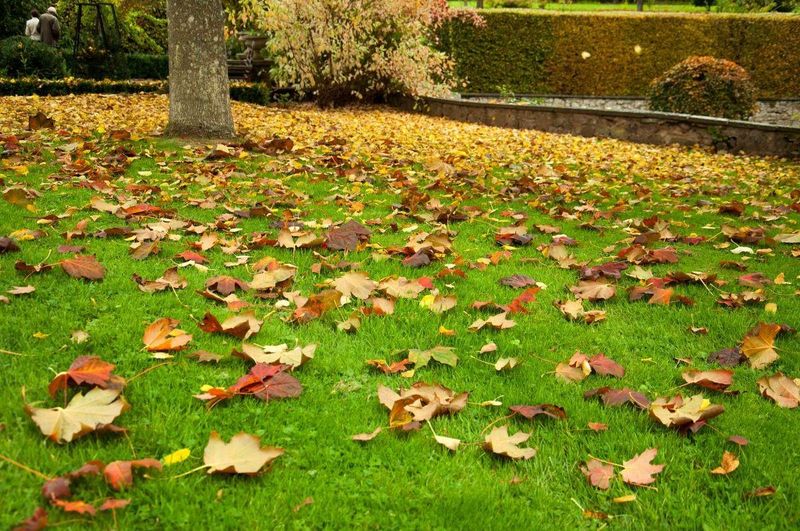
If your lawn looks flattened and soggy in late fall, look at what is sitting on it. A heavy blanket of fallen leaves is a more likely culprit than your mower setting.
Maryland Extension notes that thick leaf layers can mat over turf and trap moisture. It recommends removing heavy leaf cover and continuing to mow in autumn while turf is actively growing.
Rake, blow or mulch the leaves so grass can get light and air. A light scattering of shredded leaves is a different story from a thick, wet mat.
Notice that this fix has nothing to do with lowering the deck. Treat leaves as a leaf problem and mowing height as its own decision.
Snow mold advice varies with climate and local conditions
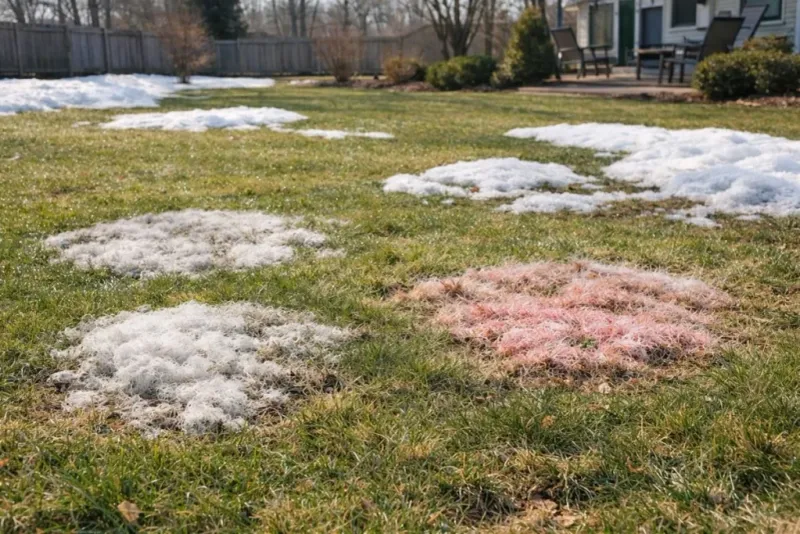
Advice to cut shorter before winter often comes from places where snow sits on the ground for months. Snow mold is a cold-weather problem tied to cool, wet conditions.
It can show up in the South too. Texas A&M says pink snow mold can occasionally occur in extended cool, wet weather, with or without snow or ice.
Even colder-region experts disagree. Minnesota Extension suggests mowing somewhat shorter, with a two-inch floor, while University of Idaho Extension says lowering is not essential and favors proper height and frequent mowing.
Shorter grass is no guarantee against disease either, since Maryland Extension describes snow mold on short-mown turf. That mixed picture is a poor basis for a rule covering every Florida or Texas lawn.
Let active growth—not a calendar date—set the final mowing decision
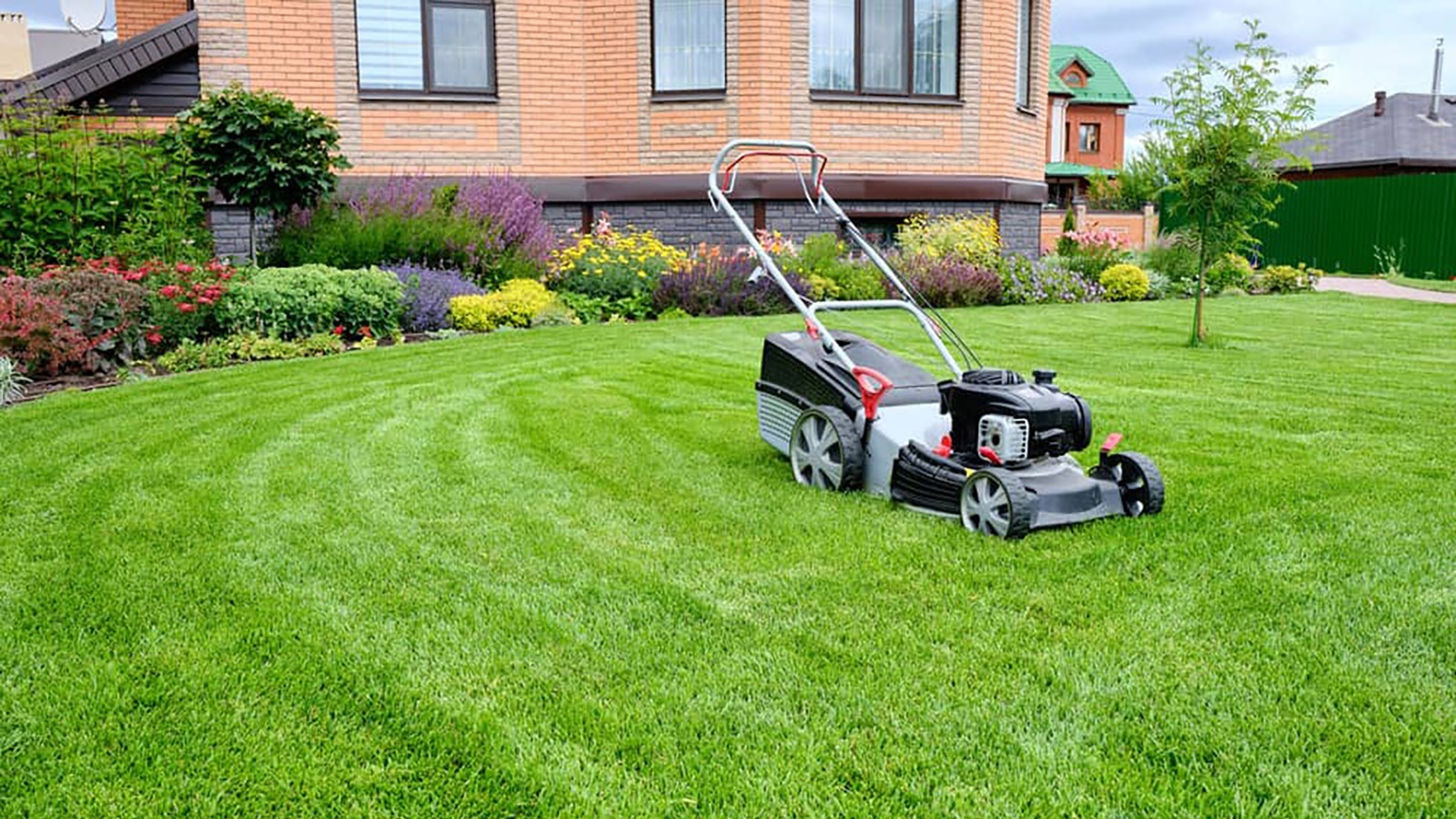
Start by naming your grass, then mow at its recommended height, taking no more than one-third of the blade at a time. Keep going while it is actively growing, as UGA Extension advises.
Stop when growth has truly ended, not just slowed. A gradual height drop is not backed as a universal step.
The grass will tell you when the season is done, long before the calendar does.