
Summer heat in North Carolina hits fast, and a porch pot full of flowers or herbs can go from thriving to wilting in a single afternoon. Unlike plants growing in the ground, container plants have a small amount of soil that can dry out or overheat much more quickly.
Knowing what to check first, and acting before the worst heat of the day arrives, can mean the difference between a plant that bounces back and one that does not. This guide walks through the steps North Carolina gardeners can take right now to protect their porch containers.
Why a porch pot can heat and dry faster than the yard
A pot sitting on a sun-baked porch is in a completely different situation than a shrub growing in the yard. The soil volume inside a container is small, and that limited mix dries out far more quickly than in-ground soil, which is insulated by surrounding earth, organic matter, and a much larger mass of particles holding onto moisture.
Wind sweeps across an exposed porch and pulls water from the potting mix surface and from the leaves, speeding up the drying cycle even further.
The heat problem goes beyond air temperature. NC State Cooperative Extension specifically notes that dark containers sitting in direct sun can produce root-zone temperatures 20 to 30 degrees Fahrenheit above the surrounding air temperature, depending on the container, its color, and the site.
That is a meaningful gap. A 90-degree afternoon could mean the potting mix inside a small black plastic nursery pot is approaching conditions that challenge root function, while a nearby in-ground plant stays far cooler underground.
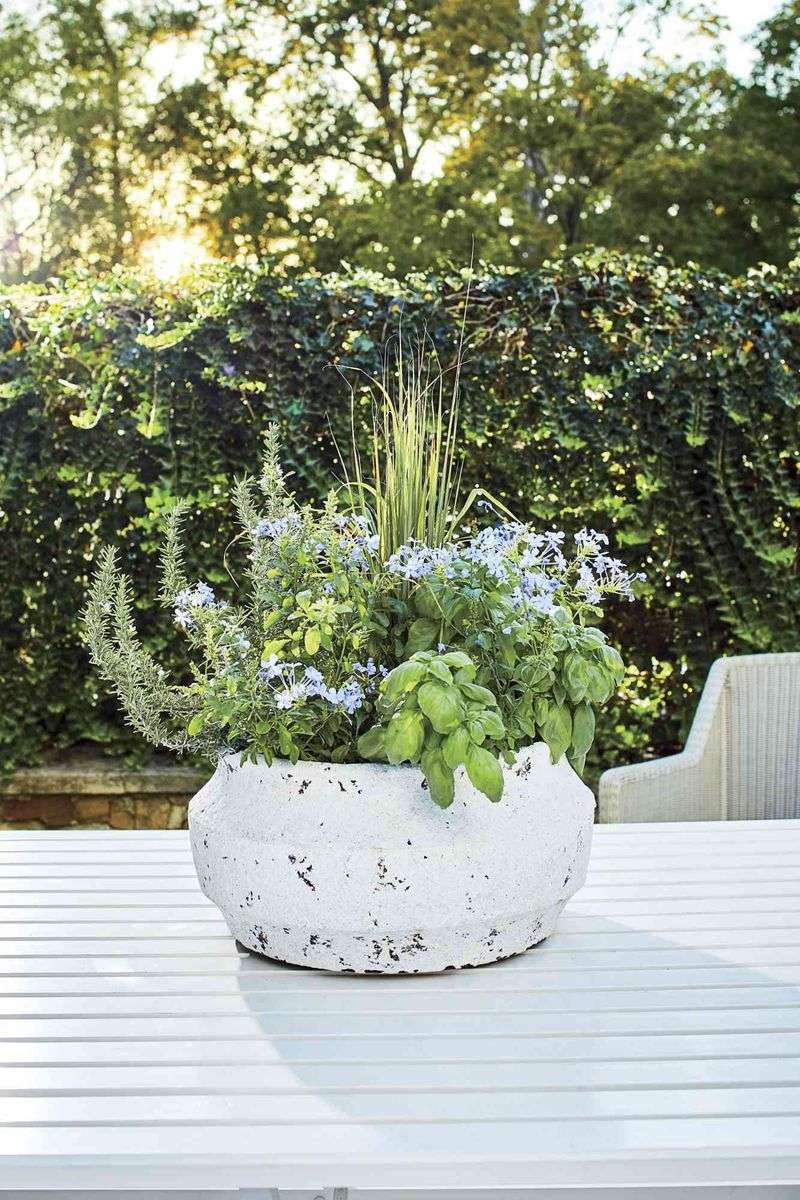
Light-colored containers generally absorb less solar radiation than dark ones, so a white or pale ceramic pot will stay cooler than a matching dark pot in the same spot. University of Illinois Extension points out that container material also matters: unglazed clay pots allow moisture to evaporate through their walls, while plastic and glazed ceramic hold water longer but can trap heat differently.
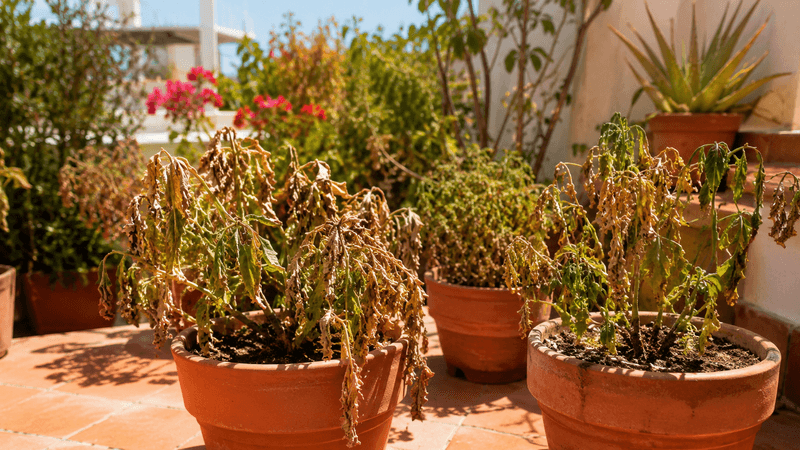
The title’s image of plants being cooked in their pots describes a genuine risk for heat-sensitive species in small, dark, exposed containers, not a guaranteed result for every porch plant. A large half-barrel planter in dappled light with a moisture-retentive mix behaves very differently from a small black nursery pot on a south-facing concrete step.
NC State Extension’s container gardening guidance emphasizes that the combination of limited soil volume, exposed surfaces, and variable container properties is what makes pots more vulnerable than beds, and that small, dark, exposed containers deserve the most prompt attention during hot weather.
Start with the soil, not the wilted leaves
Wilted or drooping leaves are easy to spot, but they do not tell you what is actually wrong. Heat alone can cause leaves to curl, droop, or look limp even when the potting mix still has adequate moisture.
Overwatering can produce the same droopy look by damaging roots so they can no longer take up water. Sunscald, wind stress, and a root-bound container can each push a plant toward the same tired appearance.
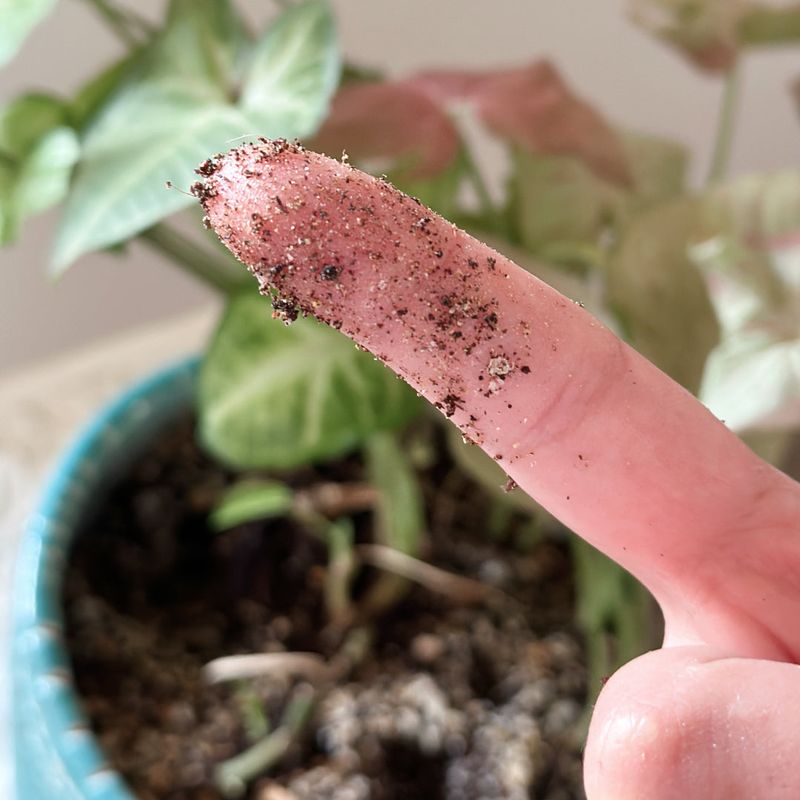
Before reaching for the hose, press your finger about 2 to 3 inches into the potting mix. University of Minnesota Extension recommends checking soil moisture before watering, because heat-induced wilting can occur even in adequately moist soil, and adding more water to an already saturated mix compounds root problems rather than solving them.
If the mix at finger depth feels cool and damp, the plant may need shade and time rather than water.
Drainage is the second half of the check. Crouch down and look at the bottom of the pot.
University of Illinois Extension explains that blocked or absent drainage holes allow water to pool at the bottom of the container, creating a waterlogged zone that cuts off oxygen to the roots. A pot that has been sitting in a saucer full of water may look thirsty at the top while the lower root zone is suffocating.
When you combine the finger-feel of the mix with a quick look at the drainage holes and any standing water in the saucer, you have enough information to choose your next step. NC State Extension’s container handbook describes this moisture-and-drainage check as the foundation for all container care decisions, and it is especially important when multiple causes can produce identical symptoms.
Dry mix with open drainage holes points toward watering. Moist mix with no standing water points toward shade or time.
Soggy mix with a blocked saucer points toward drainage first.
Illinois Extension’s watering guidance adds that root-bound plants can appear drought-stressed because so much root mass has displaced the potting mix that the container holds very little water even after a thorough soak. Keep that possibility in mind if a pot that you water frequently still looks stressed, and plan to address root binding after the heat passes.
Choose prompt watering, temporary shade, or both
Once you know what the soil feels like, you have a clear path forward. There is no single correct sequence that applies to every pot on every porch.
The right response depends on what the moisture check tells you, how exposed the container is, and how heat-sensitive the plant is.
A pot with genuinely dry mix needs water promptly. A plant sitting in moist mix that is still wilting in full afternoon sun may need shade rather than more water.
A plant with dry mix that is also baking in full exposure may need both, and there is no reason to choose one over the other when both problems are present. Oregon State Extension’s heat-stress plant guide describes immediate shade as a parallel first-aid option alongside watering, not a step that comes after or before it.
Temporary shade means moving a vulnerable pot out of the hottest afternoon exposure, or placing something overhead to block intense direct sun during peak hours. Morning sun with afternoon shade is a useful target for heat-sensitive containers during extreme weather.
Oregon State Extension recommends moving containers to a spot that gets morning light but is protected from the most intense afternoon heat when temperatures climb to dangerous levels.
Morning watering is a good routine because it gives moisture time to reach the root zone before the hottest part of the day. However, a pot with dry mix that is already showing heat stress at two in the afternoon should be watered then, not left to wait until the next morning.
Minnesota Extension frames morning watering as a helpful habit rather than an emergency-only rule, and reinforces that a genuinely dry, stressed plant should be watered promptly regardless of the time of day. Shade and water together, when both are needed, give the plant the best chance to recover before nightfall.
Rehydrate a dry root ball slowly and completely
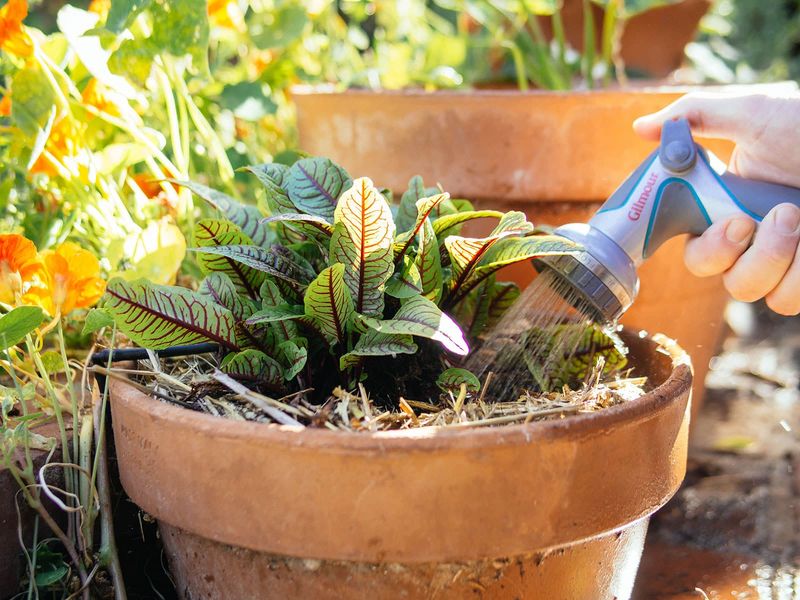
Speed is tempting when a plant looks distressed, but a fast pour of water over the top of a dry pot often runs straight down the gap between the shrunken root ball and the container wall, exits the drainage holes without ever wetting the roots, and leaves the gardener with the false impression that the plant has been watered. Rehydrating a dry container takes patience and technique.
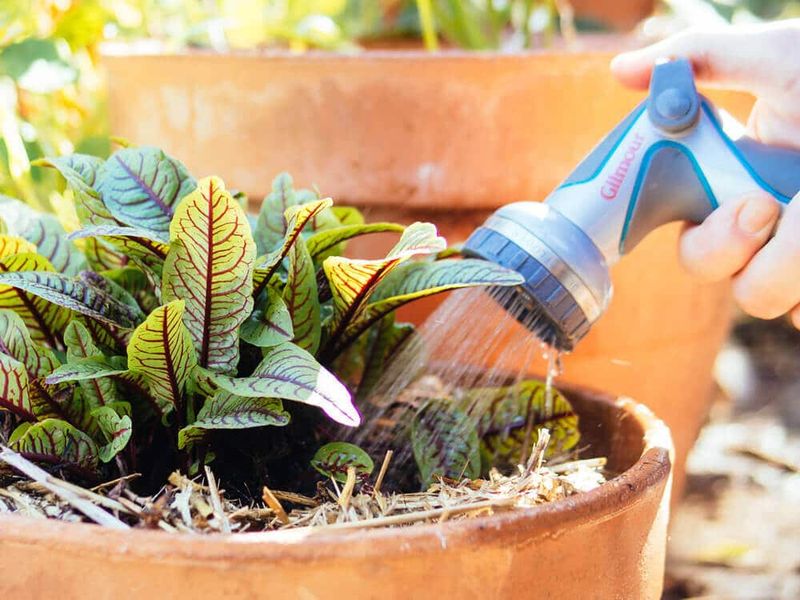
University of Illinois Extension recommends applying water slowly at the base of the plant, continuing until water flows steadily from the drainage holes, which confirms that moisture has moved through the full root ball rather than channeling around it. Pour, pause, and pour again.
If the mix is extremely dry, it may have become water-repellent, a condition where the organic material in the potting mix shrinks away from the container walls and resists rewetting.
When a root ball is so dry that water beads and runs off the surface rather than soaking in, a second application after a short wait can help. For small containers, temporary bottom-soaking works well: set the pot in a shallow basin of water and let it absorb moisture through the drainage holes for 20 to 30 minutes, then lift it out and let the excess drain completely before returning it to the porch.
Illinois Extension’s container gardening publication describes this bottom-soaking approach as a way to rehydrate severely dry mix that surface watering alone cannot reach.
Before you turn on the hose, run the water briefly to clear any hot water that has been sitting in a sun-heated hose. Water trapped in a dark garden hose lying in full sun can reach temperatures that are damaging to roots and uncomfortable for the gardener, so let it run until it feels cool before directing it at the pot.
Hot, windy North Carolina summers can push containers to need water daily or even more than once a day, but that is not a prescription for every pot on every porch. NC State Extension and Minnesota Extension’s container fertilizing and watering guide both emphasize that frequency depends on pot size, plant type, container material, wind, humidity, sun exposure, and how densely roots fill the container.
Keep checking the mix rather than following a fixed schedule, and let what you feel at 2 to 3 inches below the surface guide when you water next. University of Georgia Extension’s container gardening bulletin reinforces that no single watering interval fits all containers and conditions.
Cool the container and protect the root zone
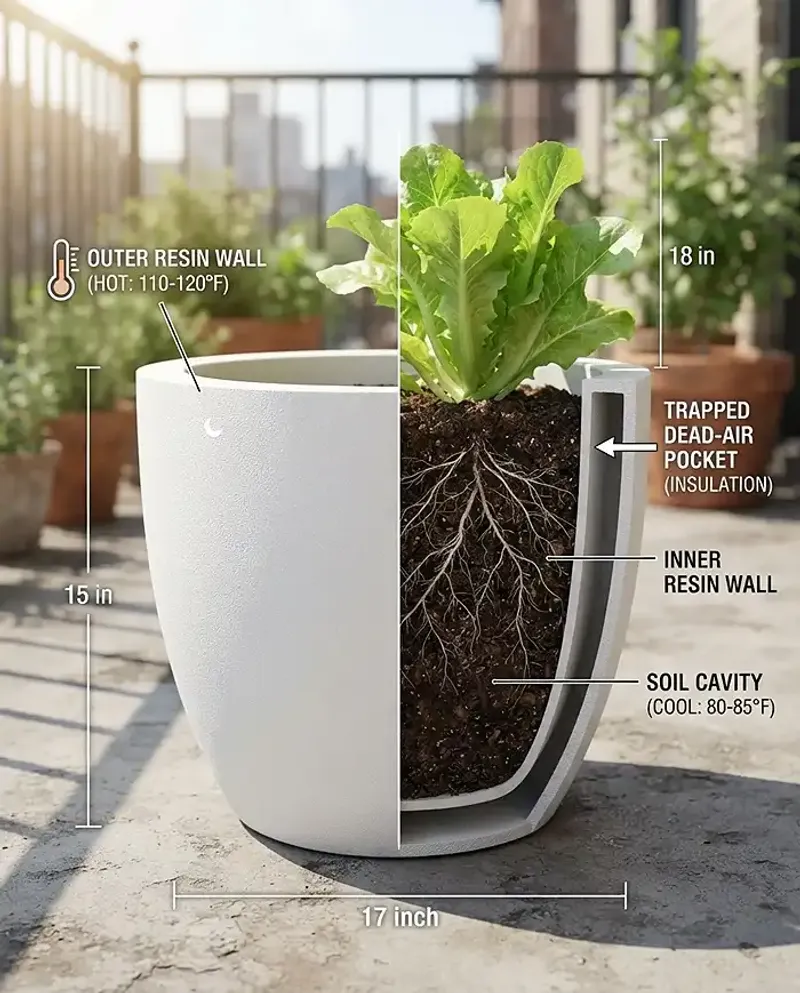
After you have addressed immediate moisture and moved the most vulnerable pots out of the worst afternoon exposure, the next task is reducing how much heat builds up around the root zone in the first place. The container itself is part of the problem or part of the solution, depending on what it is made of and what color it is.
Light-colored containers generally absorb less solar radiation than dark ones, so a white, cream, or pale gray pot will stay cooler than a matching dark container in the same spot. University of Illinois Extension notes that container color and material both affect how quickly the root zone heats up.
This does not mean you need to repot every dark container during a heat wave, but it is worth knowing for future purchasing decisions and for deciding which pots to prioritize for shade or insulation right now.
Larger containers buffer root-zone temperature changes more effectively than small ones because a greater volume of potting mix takes longer to heat through and longer to dry out. Illinois Extension’s container-size guidance explains that small containers are the most vulnerable to rapid drying and temperature swings, which is why a tiny four-inch pot on a south-facing railing needs more attention than a large half-barrel planter in the same general area.
Double-potting is a practical technique for the pots you already own: slip the planted pot inside a slightly larger outer container and fill the gap between them with moistened sphagnum moss, shredded bark, or another insulating material. NC State Extension describes this approach as a way to buffer root temperatures and slow moisture loss without changing the plant’s container.
About 1 inch of mulch applied to the potting mix surface, kept slightly away from the plant stem, can reduce surface evaporation and moderate the temperature of the upper mix layer. Minnesota Extension recommends surface mulch for containers as a simple way to slow moisture loss.
Grouping pots together creates a slightly cooler, more humid microclimate around the containers, though grouped plants still need airflow and should not sit in pooled water. University of Georgia Extension’s plant-care guidance supports grouping as a way to raise humidity around foliage while reducing individual pot exposure.
Keep temporary shade and groupings breathable
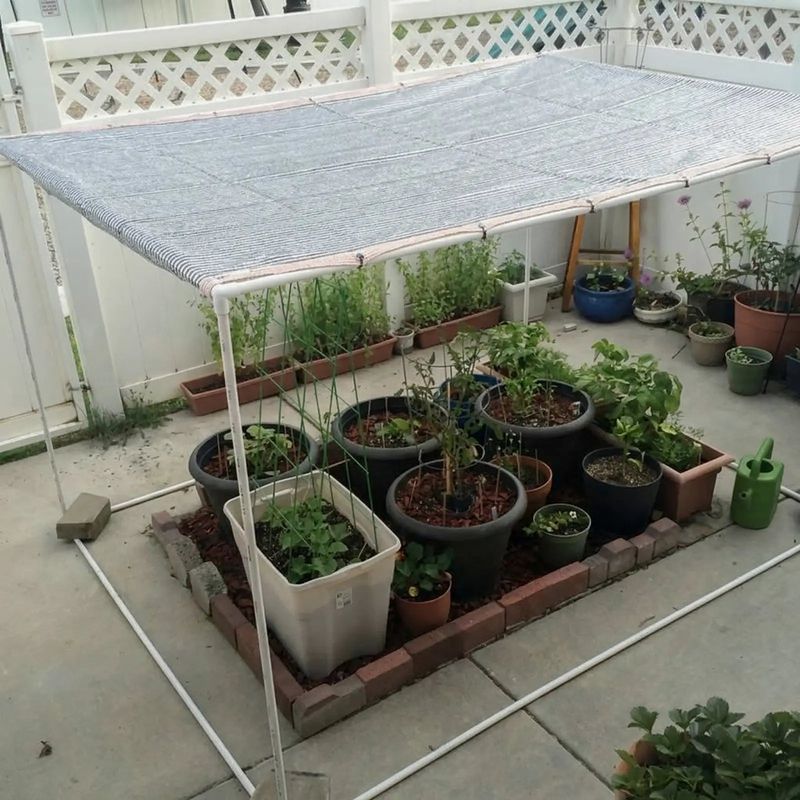
Shade cloth and grouped containers can make a real difference during a North Carolina heat wave, but both strategies can backfire if they trap heat or moisture instead of releasing it. Ventilation is what separates useful temporary shade from a covered environment that creates its own problems.
When you rig a shade structure over porch pots, use a material that filters light rather than blocking it completely, and leave the sides open so air can move through freely. Oregon State Extension’s heat-stress plant guide recommends shade cloth or similar overhead structures that reduce intense sun exposure while maintaining airflow around the plants.
Draping a tarp or plastic sheeting directly over a pot turns the container into a small greenhouse and can accelerate the very heat damage you are trying to prevent.
Morning sun with afternoon shade is a practical target for vulnerable containers during extreme heat. Moving a pot to a spot that receives good light before midday but is protected from the hottest hours gives the plant light energy without the worst radiant stress.
Oregon State Extension specifically recommends this morning-sun, afternoon-shade approach for container plants during periods of extreme heat.
Grouping pots creates a slightly cooler, more humid pocket of air around the containers because the plants shade each other and release moisture through their leaves together. UGA Extension’s landscape plant-care guidance supports grouping as a way to raise ambient humidity around foliage.
Leave a few inches between pots so air circulates, and check after watering that no shared saucer or low spot is collecting standing water beneath the group.
Temporary shade is not a permanent light change. Full-sun plants such as zinnias, portulaca, and most culinary herbs need strong light to grow well, and keeping them in heavy shade for more than a few days can cause them to stretch, weaken, or lose flower production.
Once the heat wave passes and temperatures return to a more typical range for your part of North Carolina, move these plants back into their normal light conditions gradually rather than all at once.
Keep drainage working while you rescue the plant
Rescuing a heat-stressed plant from drought and then accidentally drowning it is more common than it sounds. Urgent watering during a heat wave can quickly become overwatering if drainage is blocked, saucers fill up and stay full, or the watering frequency climbs higher than the plant actually needs.
Start by confirming that the drainage holes at the bottom of each pot are open and unobstructed. Roots, compacted potting mix, and even decorative rocks placed inside the container can block or slow drainage over time.
University of Illinois Extension’s drainage guidance explains that blocked drainage allows water to pool at the base of the container, cutting off oxygen to the root zone. Roots deprived of oxygen deteriorate quickly, which is one reason that overwatered plants and underwatered plants can look identical from above.
After each watering session, let the excess water drain completely and then empty the saucer. A saucer left full of water does not provide a useful slow-release reservoir for most container plants; it keeps the lower root zone saturated and removes the air pockets roots need.
NC State Extension recommends emptying saucers after irrigation as a standard practice for container care. On a North Carolina porch in summer, there is an additional reason to stay on top of this: standing water in saucers, pot bases, and any low spots near grouped containers creates mosquito-breeding habitat.
UGA Extension’s mosquito-control guidance identifies containers holding stagnant water as a significant source of mosquito breeding around the home.
Direct water at the base of the plant rather than routinely wetting the foliage. Illinois Extension notes that wet leaves can increase the risk of foliar disease, particularly in the warm, humid conditions that follow a North Carolina heat wave.
Base watering also puts moisture exactly where it is needed, at the root zone, rather than running off leaves and missing the mix entirely.
Avoid tempting fixes that add stress
When a porch plant looks terrible, the instinct is to do something decisive. Fertilize it to boost recovery.
Cut off the damaged leaves. Move it to a bigger pot.
Drop in some ice cubes to cool the roots. These responses are understandable, but most of them add stress to a plant that is already struggling to maintain basic function.
Fertilizer applied to a heat-stressed plant can push tender new growth at exactly the wrong moment, or it can concentrate salts in a dry root zone and make root damage worse. Oregon State Extension’s heat-stress guide recommends postponing fertilizer until temperatures moderate and the plant has had time to stabilize.
The same patience applies to hard pruning. Cutting back large amounts of foliage removes the leaf area the plant is using to shade its own stems and continue limited photosynthesis.
Remove only clearly dead material if the appearance is a concern, and leave partially scorched or wilted leaves in place until the heat wave passes.
Repotting is similarly off the table during a heat event. Disturbing the root ball, even when moving a plant to a larger container, causes physical root disruption that compounds heat stress.
Oregon State Extension’s post-heat-wave care guide is clear that repotting and major pruning belong in the recovery period after extreme heat, not during it.
Ice cubes placed on the potting mix surface and ice-cold water poured over roots have circulated as social-media rescue tips, but no reliable extension guidance supports ice as a general treatment for overheated containers. Ordinary clean water applied slowly and thoroughly to the potting mix is the evidence-backed approach.
Self-watering pots with built-in reservoirs can be useful tools, but they do not replace monitoring. NC State Extension does not present self-watering containers as a guaranteed solution, and drought-adapted plants such as succulents can develop root problems if kept in a constantly moist reservoir environment.
Water-holding crystals also have mixed support across extension sources, with NC State Extension specifically not recommending polyacrylamide hydrogels as an effective water-management tool. During a heat wave, the most reliable action is still to check the mix, address moisture and drainage, reduce exposure, and let the plant stabilize before adding anything new.
Illinois Extension’s watering guidance and Illinois Extension’s drainage guidance both reinforce that consistent monitoring outperforms any single product or shortcut.
Recheck the pots after the heat breaks
When temperatures finally drop back toward a more typical range, the work is not finished. Plants that made it through a heat wave may carry visible damage, hidden root stress, or a moisture imbalance that needs reassessment now that conditions have changed.
Start with the same moisture check used during the heat event: finger 2 to 3 inches into the mix, look at the drainage holes, and empty any saucers. A pot that needed daily water during peak heat may now need water every two or three days as temperatures moderate and evaporation slows.
Adjust frequency based on what you feel in the mix rather than carrying forward the emergency schedule.
Oregon State Extension recommends waiting to cut partially scorched or browned leaves until the plant has had adequate time to recover, because some tissue that looks dead may still be protecting healthy growth beneath. Once the plant has had a week or two to stabilize and show new growth, you can trim away clearly dead material and assess what is genuinely gone.
A pot that continues to look drought-stressed even after careful watering may be root-bound. When roots have filled the container and displaced most of the potting mix, the container holds very little water even after a thorough soak.
Henderson County Cooperative Extension explains that root-bound plants benefit from moving up to a slightly larger container, but that transition belongs after the heat wave rather than during it. Check for circling or tightly packed roots at the drainage holes as a first sign that repotting may be the right next step.
Different plants on the same porch may be in very different conditions after the same heat event. University of Georgia Extension’s container plant bulletin and NC State Extension both emphasize that succulents, tropicals, annuals, herbs, vegetables, and woody shrubs have different moisture, light, and temperature tolerances, so recovery care should be matched to each plant rather than applied uniformly across the porch.
The pots that came through looking healthy are a clue about which species, container types, and positions on your specific porch handle North Carolina summers best.