
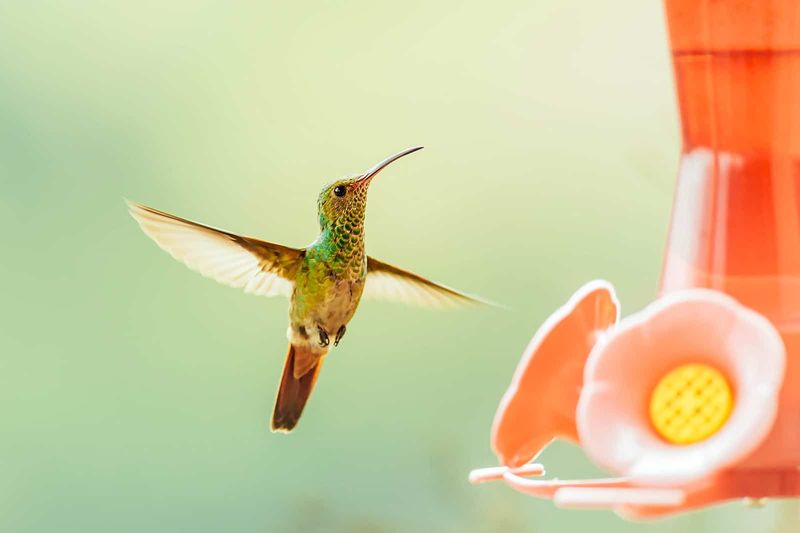
A hummingbird feeder that suddenly goes quiet can leave you scratching your head. Before you start changing things at random, it helps to know what a good nectar mix looks like and what else can affect visits.
The recipe takes about a minute in your kitchen. Here is how to make it, keep it fresh, and check the other things that may be going on in your yard.
The reliable home recipe is one part sugar to four parts water
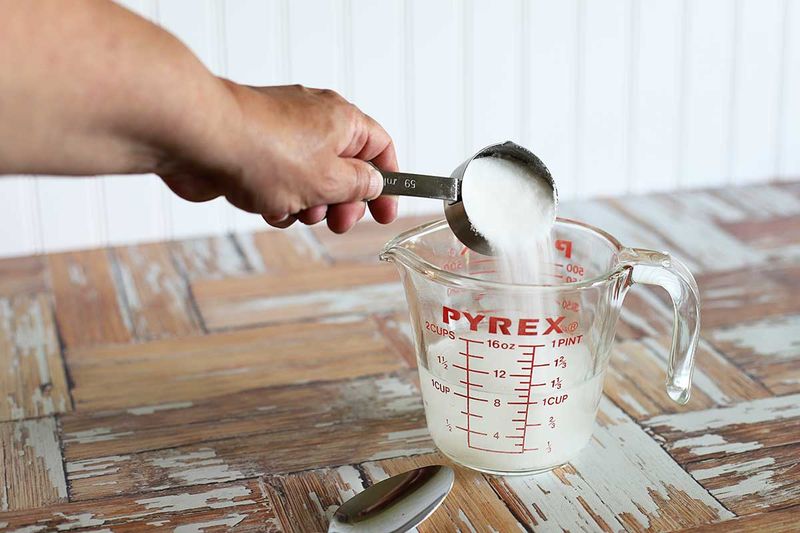
Here is the kitchen math: stir ¼ cup of refined white sugar into 1 cup of water. That is the 1:4 recipe that the Smithsonian’s National Zoo shares, and Cornell, UF/IFAS, Texas Parks and Wildlife, and Audubon all point to the same mix.
The word “parts” simply means an equal-sized measure. One scoop of sugar goes with four scoops of water, never the other way around.
So ½ cup of sugar with 2 cups of water works just as well, and so does a tablespoon of sugar with four tablespoons of water if you only need a tiny batch.
Think of this as the commonly recommended recipe and a reliable standard, not a magic fix. Nothing shows that a different ratio is the reason a feeder has gone quiet, and switching to this mix cannot promise that birds will return.
What it does give you is a safe, simple starting point that you can mix in under a minute.
Use simple ingredients and skip the red dye
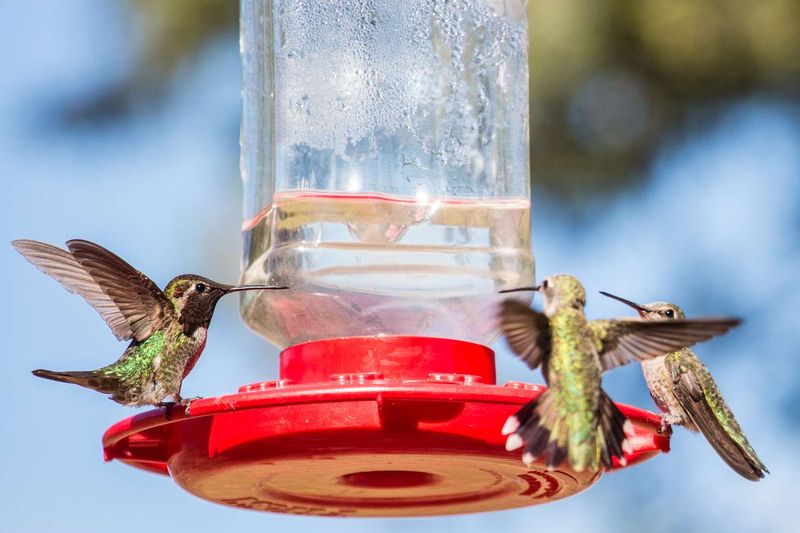
Two ingredients are all you need: plain refined white sugar and water. Both Audubon and the Smithsonian advise sticking with white sugar only.
Leave the pantry shortcuts on the shelf. Honey is out because, as Cornell notes, diluted honey can support bacterial and fungal growth.
Raw or unprocessed sugars and artificial sweeteners are also off the list.
Red dye is not needed either. Cornell, the Smithsonian, and Audubon all say it is unnecessary and may be harmful.
Most feeders already have red parts on the outside, which gives a visible splash of color without anything extra in the nectar. Clear nectar in a red-accented feeder is the straightforward choice.
Dissolve the sugar and cool the nectar before filling
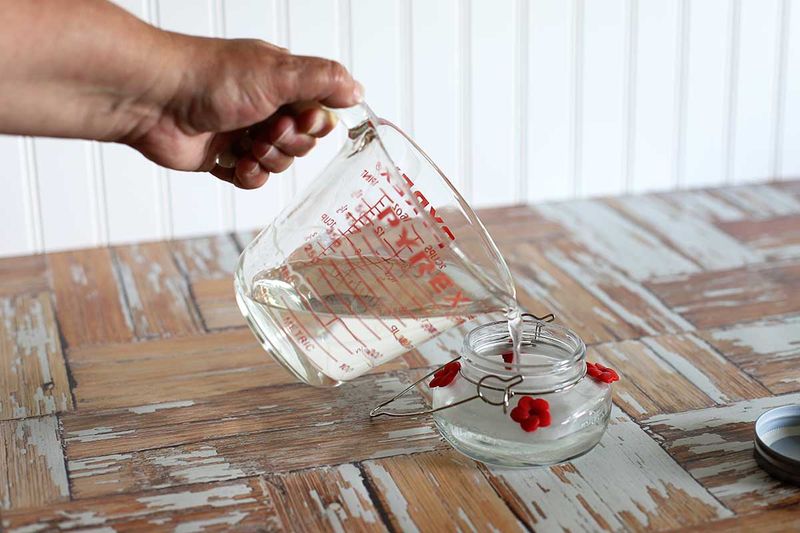
Stir the sugar into the water until every grain disappears and the liquid looks clear. For a small batch, that stirring is the whole job, which matches the Smithsonian’s instructions.
Boiling is not needed when you mix small batches often. According to Cornell, it can be handy when you are making a larger batch to keep in the refrigerator.
If you do heat the water, that is the only time it makes sense.
Whatever method you pick, let the nectar cool all the way before it goes into the feeder. Warm liquid is hard to judge by touch, so wait until it feels room temperature.
Then fill the feeder and hang it up.
A quiet feeder does not identify the cause
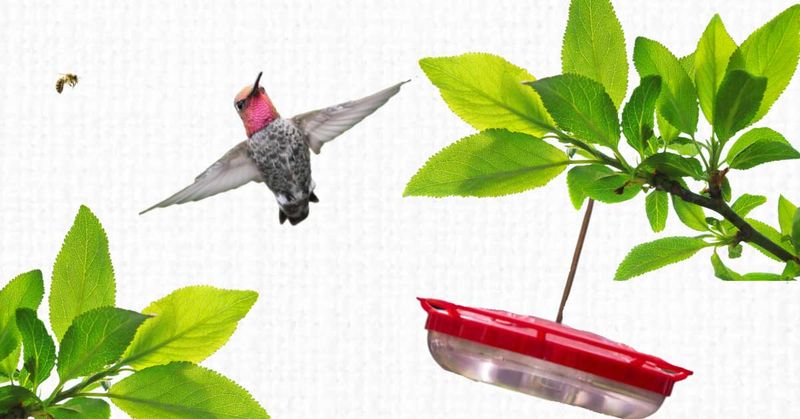
An empty perch is frustrating, but it cannot tell you the nectar ratio is the problem. Many things can lower visits, and Cornell lists several: seasonal changes, natural food from flowers and insects, territorial birds guarding a spot, and other feeders nearby.
Maybe your garden is full of blooming plants this week, so birds are busy elsewhere. Maybe one feisty bird is chasing the rest away.
Maybe it is simply the time of year when birds move on.
Lab studies on nectar strength, such as one on energy intake and concentration preferences and another on preferences at low volume, used particular species in controlled choice tests. They do not name one ideal ratio for every bird or explain why your feeder is quiet.
Treat a quiet feeder as a cue to check several things.
Check nectar freshness often in Southern heat
Heat speeds up spoilage, and Southern summers have plenty of it. UF/IFAS warns that Florida heat can encourage fast bacterial growth in feeders.
Advice on timing varies by source. Cornell suggests daily changes in very hot weather, and Audubon says daily or every other day in heat.
So no single schedule fits Florida, Texas, and cooler spots alike.
A practical habit is to glance at the feeder every day when it is hot. Replace the nectar sooner if it looks cloudy, stringy, or has specks floating in it.
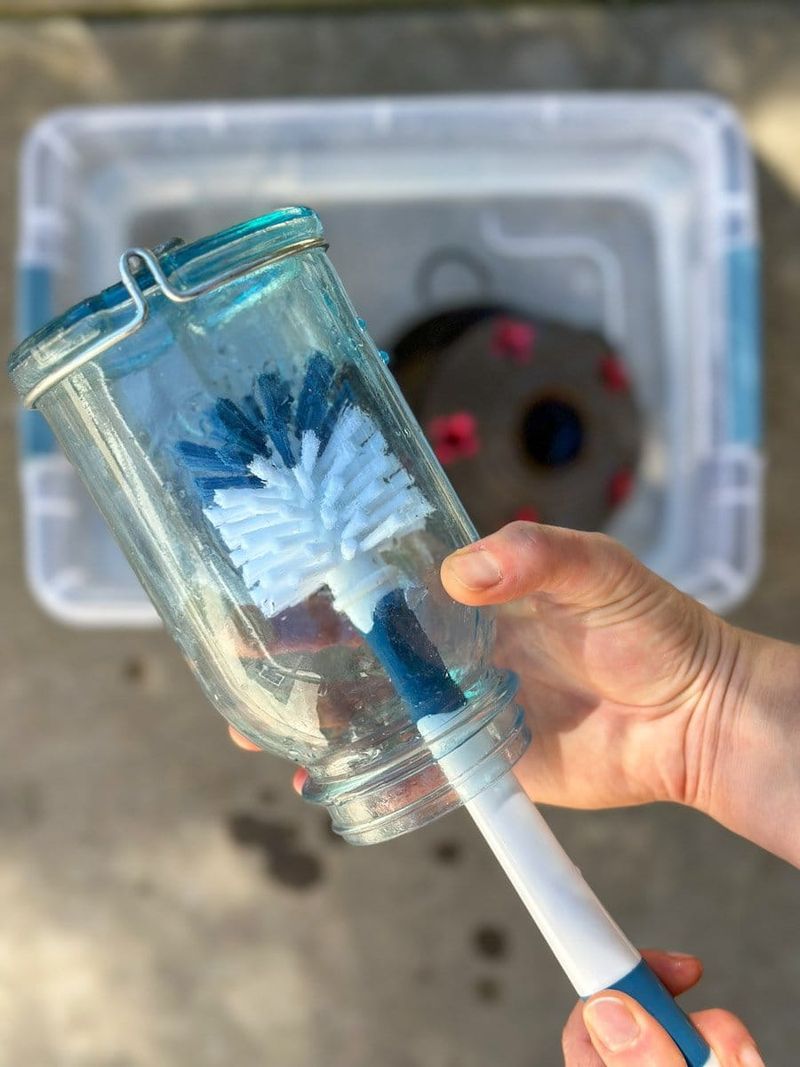
When you refill, take the feeder apart and scrub it with hot water and a brush. Then follow a trusted extension or feeder-maker cleaning method for the finishing step, so you are not guessing at products.
Use shade and spacing to improve feeder access
Placement can make a feeder easier on the nectar and easier on the birds. Cornell recommends keeping feeders out of direct sun, since shade can help slow spoilage.
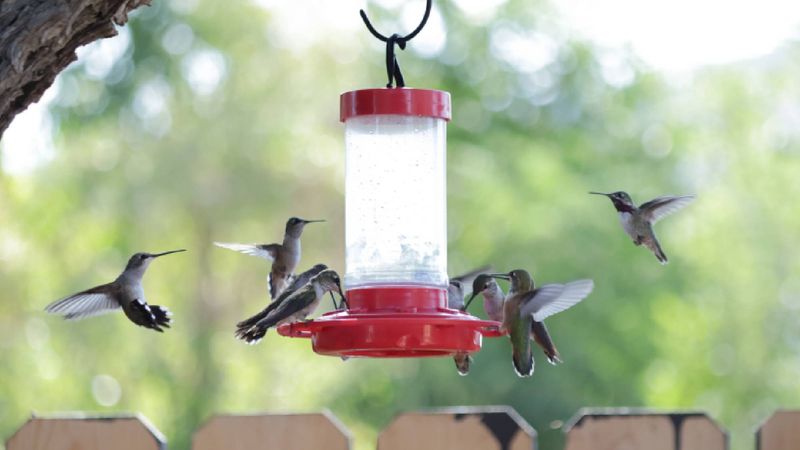
A dominant bird may also guard a feeder and chase off others. Several smaller feeders spaced around the yard, ideally out of sight of each other, may serve more birds than one large feeder, according to Cornell’s feeding guidance.
Remember that a feeder is a bonus, not the whole menu. UF/IFAS notes that sugar water offers little nourishment compared with the natural foods hummingbirds find, so flowers and insects matter too.
Moving a feeder into shade or adding a second one is worth a try, but it does not guarantee more visitors.
Check the basics instead of making the nectar stronger
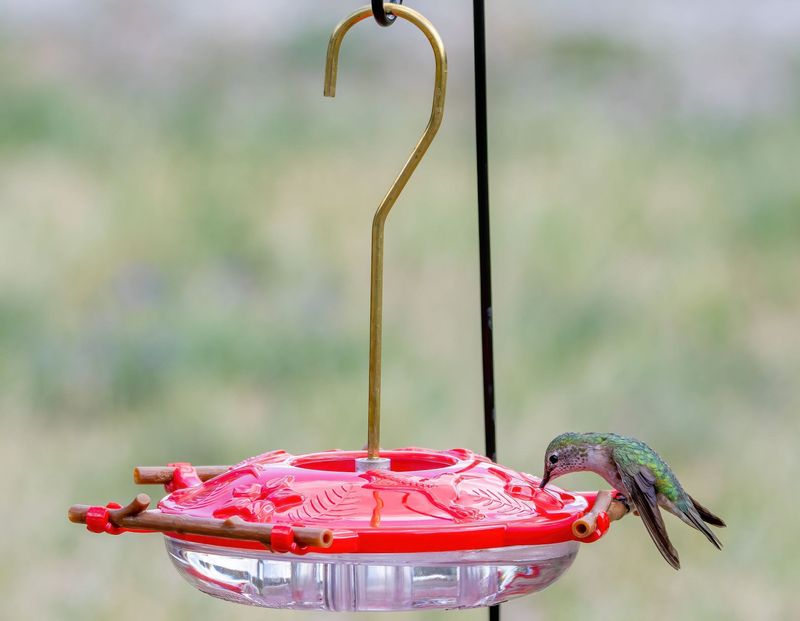
Run through a quick list. Confirm you used one measure of sugar to four of water, and that the sugar is plain refined white.
Look at the nectar for cloudiness, wash the feeder, and see whether it sits in shade or needs a companion feeder across the yard.
Then think about the bigger picture: season, nearby flowers, and neighborhood feeders can all change how many birds stop by. None of these steps is a diagnosis, just a set of sensible checks.
Resist the urge to add extra sugar. Texas Parks and Wildlife says not to make the mix stronger, and UF/IFAS cautions against sweeter solutions.
Visits rise and fall for reasons Cornell explains at length, so patience is part of the routine. Sometimes the best thing a feeder can do is stay clean and wait.