
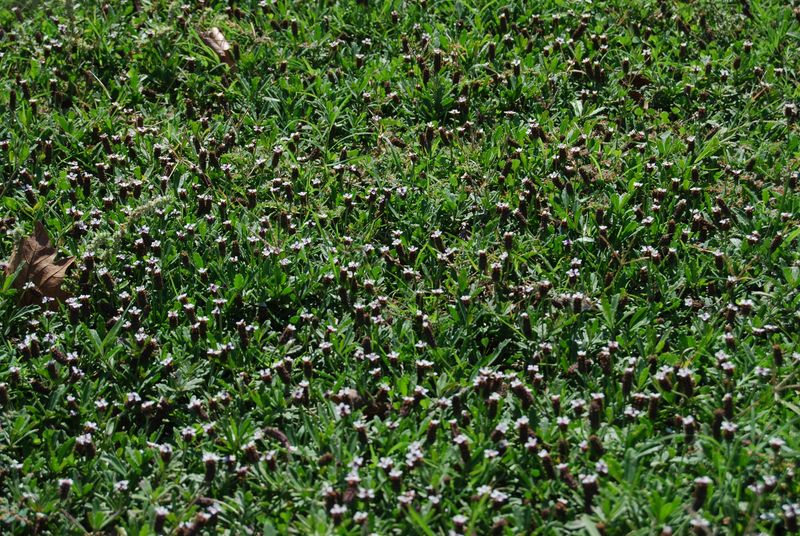
Bare patches in a Southern lawn are an open invitation for weeds, and no amount of pulling seems to keep them away for long. Frogfruit, known scientifically as Phyla nodiflora, is a low-growing native groundcover that can gradually spread across those exposed areas and make it harder for new weeds to get a foothold.
It won’t end every weeding chore overnight, but once it settles in, it works quietly and steadily to fill the gaps. This guide walks you through what frogfruit can realistically do, whether your site is a good fit, and how to get it established the right way.
Frogfruit can gradually fill bare ground
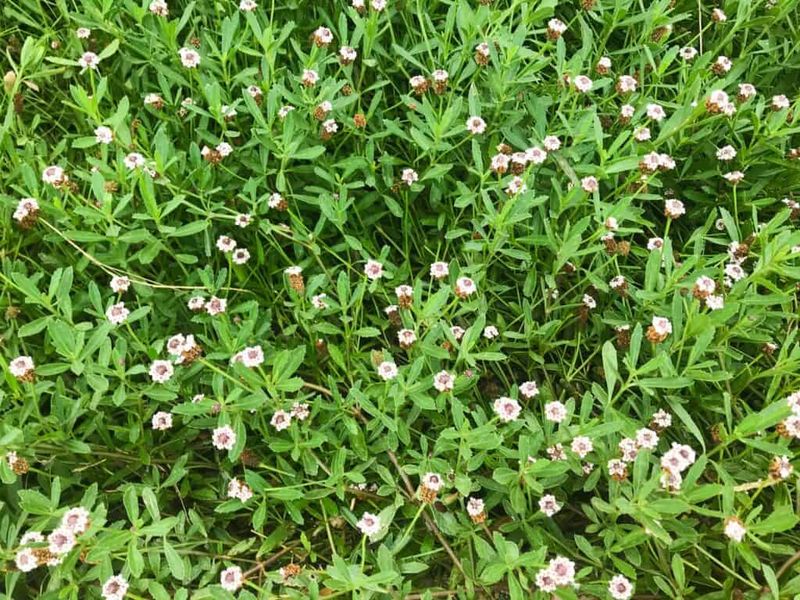
Frogfruit, Phyla nodiflora, grows close to the ground and spreads by sending out creeping stems that root wherever they touch soil. That rooting habit is exactly what makes it worth considering for bare lawn patches, because each new node becomes another anchor point in the spreading mat.
UF/IFAS Gardening Solutions describes it as a vigorous groundcover whose plugs can spread into bare lawn areas while staying roughly one-half to one foot tall depending on conditions and use.
The plant produces small flower heads in white, pink, lavender, or purple-centered clusters that appear along the stems as it spreads. Those blooms are modest but frequent, adding a quiet visual texture rather than a showy display.
The overall look is a tightly woven, low carpet that hugs the ground rather than mounding up.
Where frogfruit performs well, it gradually occupies open soil and helps shade the surface, which reduces the bare ground that weed seeds need to germinate and establish. That suppression effect builds over time as coverage increases.
The plant does not eliminate weeds on its own, but filling open ground is the first and most important step toward reducing them.
A dense mat reduces weed-friendly openings
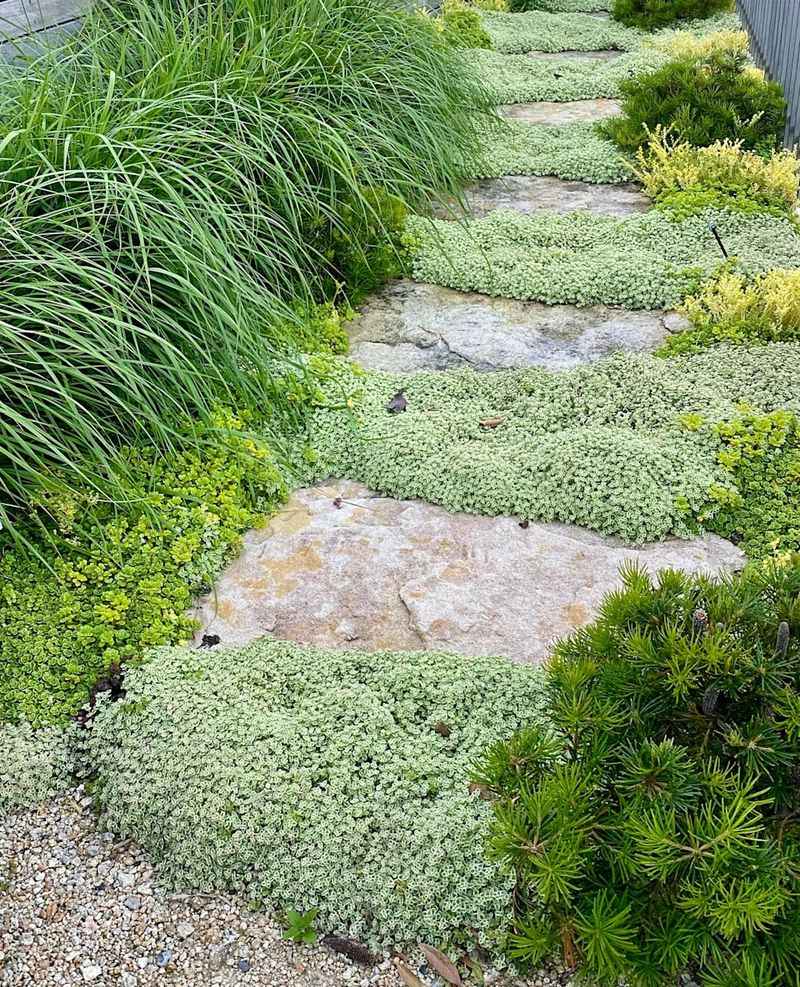
Once a groundcover fills in, it changes the conditions at ground level in ways that make weed germination harder. The foliage shades the soil surface, which reduces light availability for seeds that need it to sprout, and the root system competes with any seedlings that do manage to emerge for water and nutrients.
University of Maryland Extension guidance on groundcovers confirms that a dense planting suppresses weeds by reducing open ground and competing for resources, though it notes that weed control remains most critical during establishment before coverage closes.
Suppression is not the same as eradication. Frogfruit will not kill existing weeds or stop every new seedling from appearing, particularly where gaps remain between young plants.
Any open patch of soil is still an opportunity for wind-blown or bird-dropped weed seeds to land and root.
University of Wisconsin Extension and University of Delaware Cooperative Extension both frame groundcovers as long-term weed reducers rather than instant solutions, emphasizing that realistic expectations and continued observation are part of any successful planting. Plan to check the area regularly, pull any weeds that appear in thin spots, and give the mat time to close those openings on its own schedule.
Diagnose the bare spot before planting
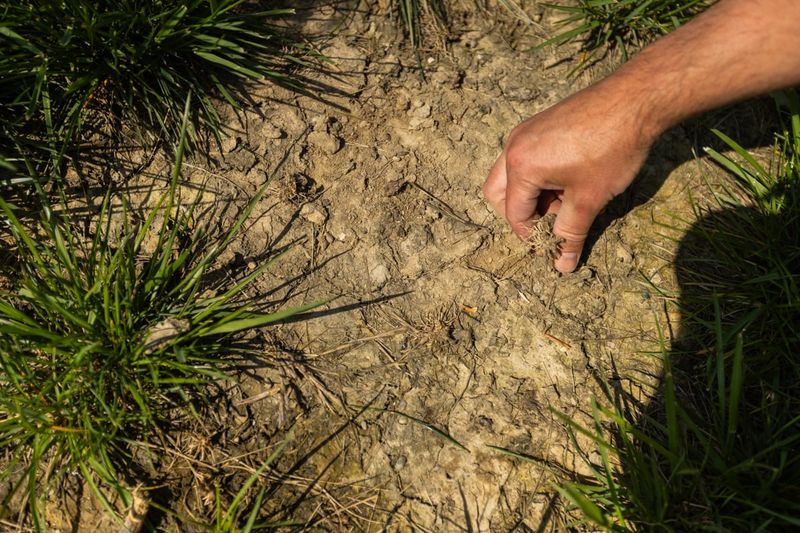
Bare ground rarely appears without a reason, and planting frogfruit over an unresolved site problem is likely to produce another weak planting rather than a healthy mat. Common causes include dense shade, soil compaction, poor drainage, repeated drought stress, heavy foot traffic, pest or disease pressure, and a turf or plant selection that was never a good fit for the spot.
Texas A&M AgriLife guidance notes that weeds commonly exploit bare or thinned areas, which means the same conditions that weakened the original planting will challenge whatever goes in next.
Start by observing the spot across different times of day to gauge actual light levels. Check whether water pools after rain or drains away quickly, and push a screwdriver into the soil to test for compaction.
If the spot loses plants to foot traffic repeatedly, frogfruit alone won’t solve that without also adding stepping stones or a defined path.
Frogfruit handles full sun to partial shade and tolerates a range of soil textures and moisture levels, but it has limits. UF/IFAS groundcovers-for-shade guidance and the frogfruit plant profile both indicate that dense shade, prolonged drought, or poorly draining soil can limit its performance.
Fix the underlying problem first, and the groundcover will have a much better chance of holding the space.
Clear the area and plant plugs or rooted cuttings
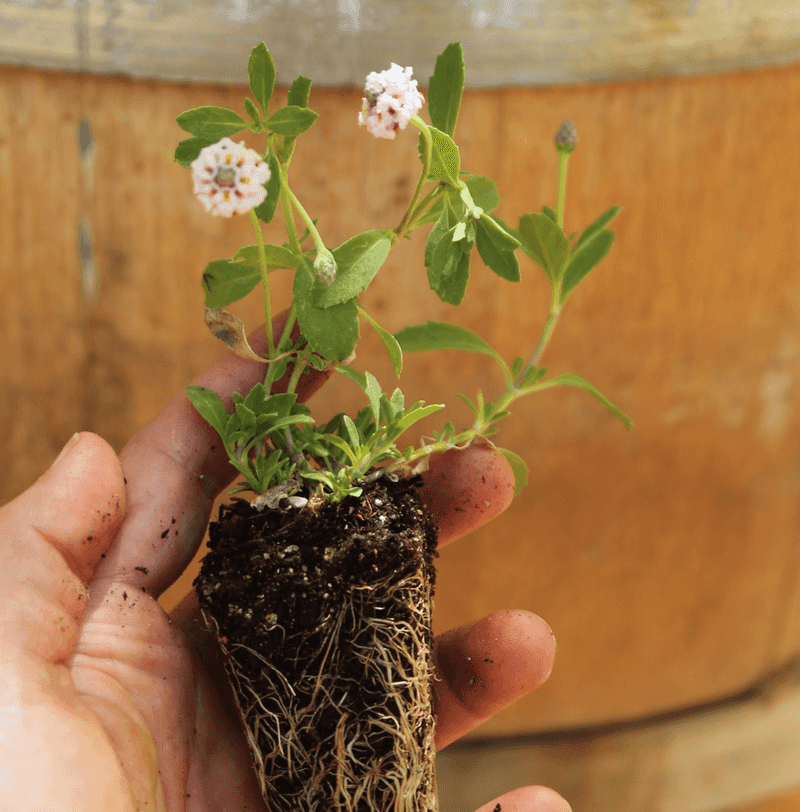
Preparation matters more than most gardeners expect. Before any frogfruit goes in the ground, remove existing weeds completely, including their roots, so they are not competing with new plants from day one.
A clean planting area gives the groundcover the best possible start and reduces the competition that slows early spread.
UF/IFAS describes frogfruit as propagated from cuttings placed in wet potting soil or water and notes that plugs spread into bare lawn patches once established. Nursery plugs are the most practical starting point for most home gardeners because they give the plant a head start over direct seeding and reduce the time the soil sits exposed.
Look for plants labeled with the scientific name Phyla nodiflora from a reputable regional or native-plant nursery, since related species and cultivars sold under overlapping common names may differ in cold tolerance, spread rate, or regional suitability.
University of Maryland Extension reinforces that a clean, weed-free planting area is foundational for any groundcover, because competing plants slow establishment significantly. Think of site preparation as reducing the workload during the weeks and months while the plants fill in, rather than a step you can skip and compensate for later with extra watering or fertilizer.
Care for the planting while it fills in
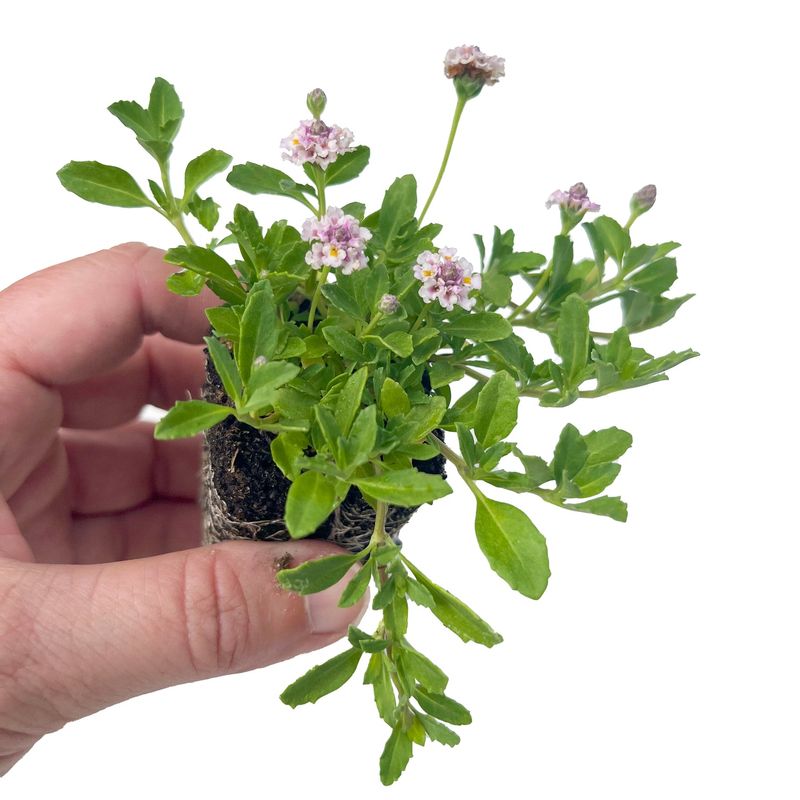
New frogfruit plants need consistent moisture while their roots establish and their stems begin to spread. Water whenever the soil dries out in the top inch or two, and pay closer attention during hot or windy stretches when the ground loses moisture faster.
The goal is to keep the soil from drying out completely before the plants have built a strong enough root system to recover on their own.
University of Maryland Extension and University of Delaware Cooperative Extension both emphasize that weed control during the establishment period is the most important maintenance task, because open gaps between young plants remain just as weed-friendly as bare soil. Pull weeds by hand before they set seed, and consider applying a thin layer of mulch between plugs to suppress germination and hold soil moisture until the foliage closes in.
How long the establishment period lasts varies considerably. Planting density, weather, soil quality, moisture availability, and the vigor of the specific plants all affect how quickly coverage develops.
There is no universal timeline, and pushing plants with heavy fertilizer to speed things up can sometimes encourage weeds more than it helps the groundcover. Patient, consistent care produces a more durable mat than forcing quick results.
Expect lighter maintenance after establishment
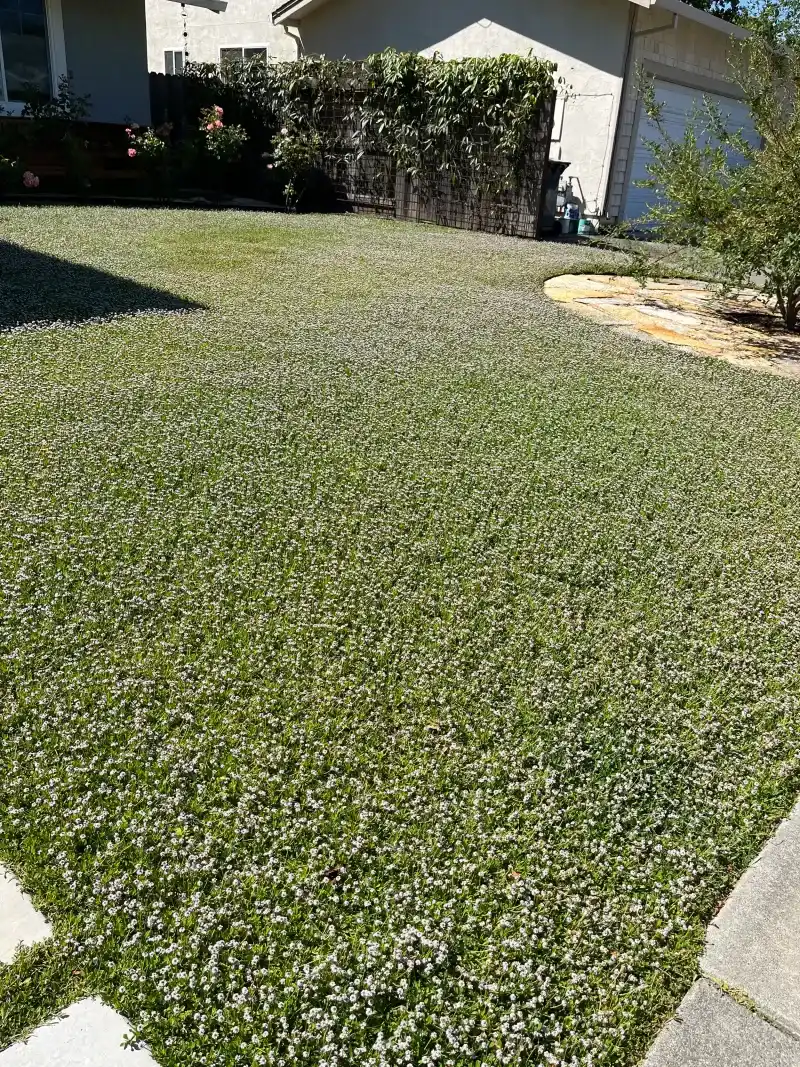
An established frogfruit mat is genuinely easier to maintain than a patch of bare ground that keeps growing weeds, but it is not maintenance-free. UF/IFAS notes that occasional mowing at four inches or higher can improve the plant’s appearance without harming the mat.
Mowing is optional for most situations, but it can help keep the planting looking tidy if stems start to look ragged or tangled.
The City of Austin’s plant guide recommends cutting the plant back to approximately three inches in winter, which can encourage fresh growth when warm conditions return. Edging along sidewalks, bed borders, or lawn areas may also be needed periodically, since frogfruit spreads by creeping stems and will move into adjacent spaces if left unchecked.
Drought and freezing weather are the main conditions that can interrupt an otherwise steady planting. Frogfruit may lose vigor or go dormant during extended dry periods or hard freezes rather than remaining green year-round across all Southern locations.
When that happens, consistent watering during drought and patience after a freeze are usually enough to allow recovery, but the outcome depends on the severity of the conditions and the specific site. Monitor the mat seasonally and be ready to fill any gaps that open up after stress events, since bare patches can reappear and invite new weeds.
Match frogfruit to the right Southern location
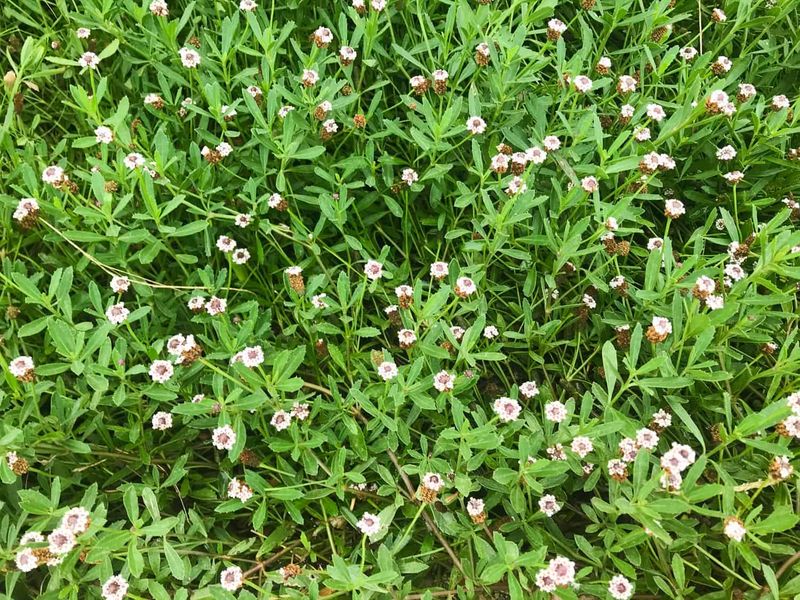
UF/IFAS documents frogfruit as well adapted throughout Florida, and the City of Austin lists it as a native Texas groundcover. Texas Master Gardener material also identifies it as a rapidly spreading native option for suitable sites.
Those are meaningful endorsements, but Texas alone spans multiple climate zones, soil types, and freeze patterns, and a plant that thrives along the Gulf Coast or in Central Texas may not perform the same way in the Panhandle or far West Texas.
Gardeners outside the documented Florida and Central Texas settings should check with their county Extension office or use a regional tool like the Texas A&M Earth-Kind Plant Selector before committing to a large planting. University of Wisconsin Extension’s groundcover guidance reinforces that regional fit should always be confirmed locally before planting.
On the wildlife side, UF/IFAS identifies frogfruit as a larval host plant for the phaon crescent, buckeye, and white peacock butterflies, and its flowers attract pollinators. Those are genuine documented benefits worth knowing, though they should inform plant selection rather than override site-fit considerations.
For traffic, frogfruit may tolerate occasional light foot traffic, but it is better suited to low-use bare areas than to heavily used paths or play spaces, where stepping stones or a defined walkway will protect both the plants and the people using the space.
Use frogfruit to reduce bare ground, not to promise a weed-free yard
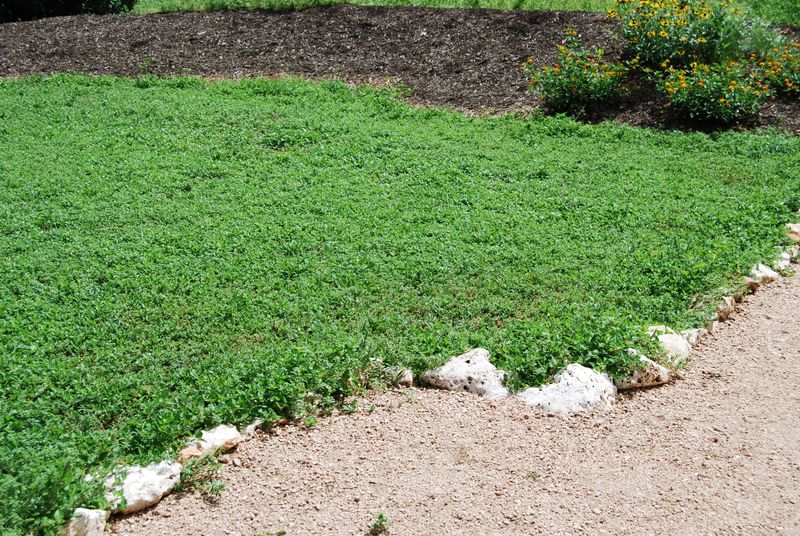
Frogfruit makes the most sense when the site genuinely suits a low, spreading groundcover and the goal is to gradually occupy bare soil rather than to eliminate all future weeding in one step. The sequence that gives it the best chance of success is straightforward: diagnose what caused the bare spot, resolve any underlying site problems, remove existing weeds thoroughly, plant verified Phyla nodiflora from a reputable source, and provide consistent care while the plants fill in.
University of Maryland Extension and University of Delaware Cooperative Extension both make clear that a dense groundcover can reduce routine weeding without ending it entirely. New weeds can still appear in seasonal gaps, after drought damage, or following a hard freeze, so monitoring the mat and addressing thin spots promptly remains part of the long-term routine.
One area where caution is especially important is herbicide use. Do not apply a lawn or bare-ground herbicide over frogfruit unless the product label specifically permits that use and directs the application method.
UF/IFAS weed-control guidance notes that herbicide options can be restricted for desirable groundcovers, and EPA pesticide labels commonly prohibit spraying desirable ornamental foliage. A well-tended frogfruit mat won’t hand you a weed-free yard, but it can make bare ground far less of an ongoing problem.