
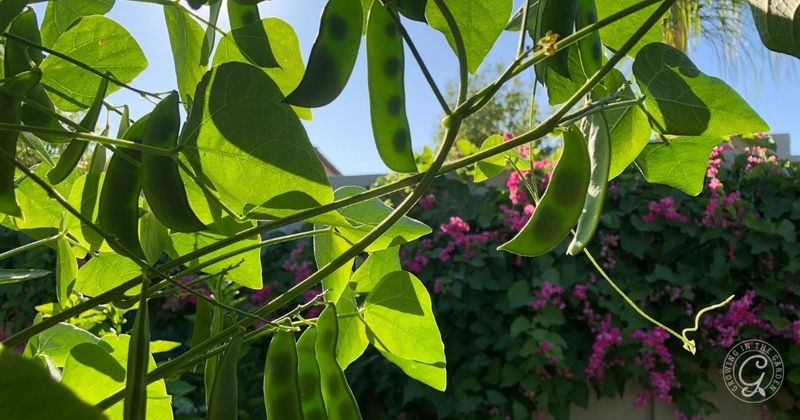
You water your beans faithfully, the vines look full and green, flowers keep popping open every morning, and yet the pods never seem to fill out. Something is going wrong at the blossom stage, and heat is often the culprit. Understanding what happens inside those tiny flowers during a heat wave can help you make the right moves before the whole season slips away.
Lush leaves do not prove the blossoms are healthy
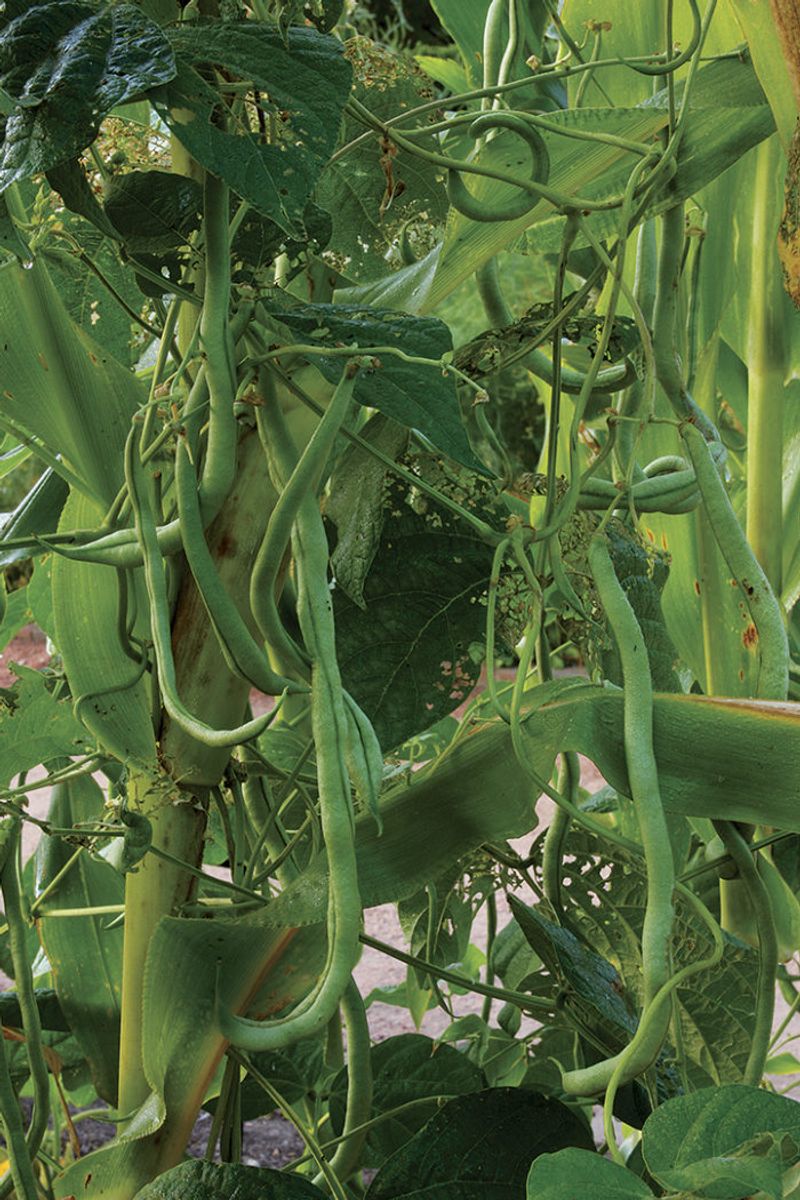
A bean plant can look completely healthy from a few feet away while its reproductive system is quietly struggling. Leaves and stems run on photosynthesis, which keeps humming along even when temperatures climb. Flowering and pod formation are different jobs entirely, and they are far more sensitive to heat than the vegetative parts of the plant.
The pattern to watch for is this: flowers open on schedule, maybe even in abundance, but they drop off before a pod develops, or a pod forms but stays short, oddly shaped, and nearly empty inside. University of Delaware Cooperative Extension notes that high temperatures can damage bean reproduction even when the foliage remains vigorous, because the heat interferes with processes inside the flower rather than with leaf function.
That distinction matters for how you respond. Lush growth is not a sign that the plant needs more fertilizer to push out pods. Adding nitrogen when a plant is already producing abundant leaves can actually encourage more leafy growth at the expense of flowering and fruiting. Heat damage to the blossoms is a working diagnosis, not a guaranteed verdict, so the goal right now is to reduce additional stress while you look more carefully at what else might be going on.
Heat interrupts fertilization before pods can fill
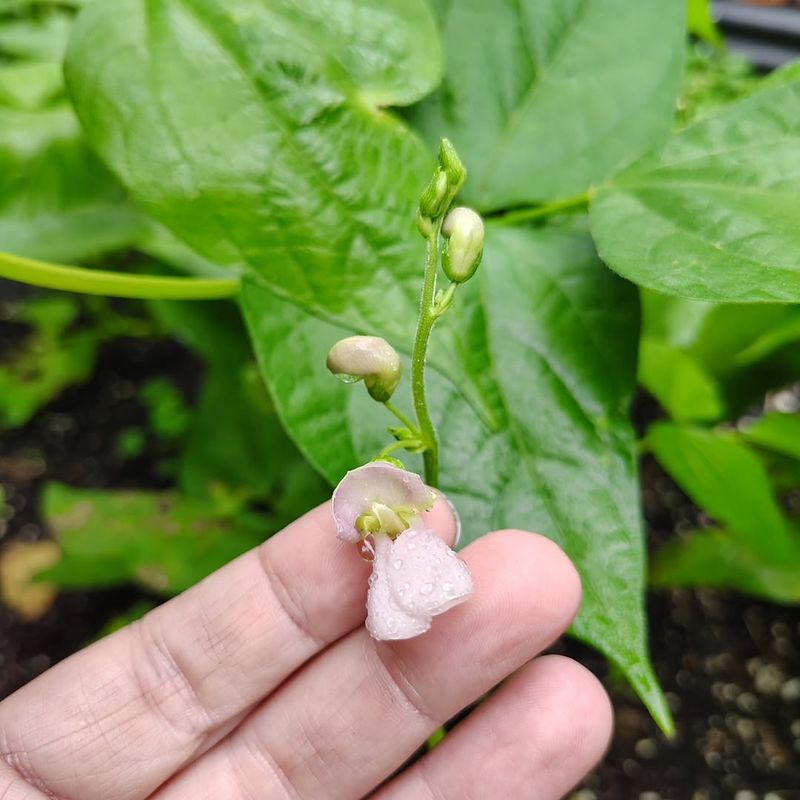
Inside each bean flower is a small, precise event: pollen has to be released, land on the right surface, and fertilize the ovules that will become seeds. High temperatures can disrupt that sequence at multiple points. Heat can reduce how much pollen a flower releases, lower the quality and viability of that pollen, and make it harder for fertilization to succeed even when pollen is present.
University of Delaware extension guidance on bean heat stress explains that when fertilization fails or is incomplete, the plant often drops the flower or the very young pod rather than continuing to invest in it. That is why you may see a steady stream of blossoms followed by nothing, or pods that start forming but abort early.
The symptoms look a little different depending on which type of bean you grow. Snap beans may hold onto their pods but produce ones that are short, twisted, lumpy, or have only a seed or two inside. Lima beans are particularly sensitive and may drop poorly fertilized pods in clusters, sometimes showing an uneven or delayed set. Dry and shelling beans can develop seeds that never fill out completely, leaving flat or papery spots in the pod.
Keeping the soil adequately watered can reduce drought stress on top of the heat, but UC Cooperative Extension research on lima bean heat stress makes clear that irrigation cannot fully prevent reproductive damage during extreme heat. Some blossoms will abort even when the root zone has plenty of moisture, because the temperature itself is the problem.
Warm nights can matter as much as hot afternoons
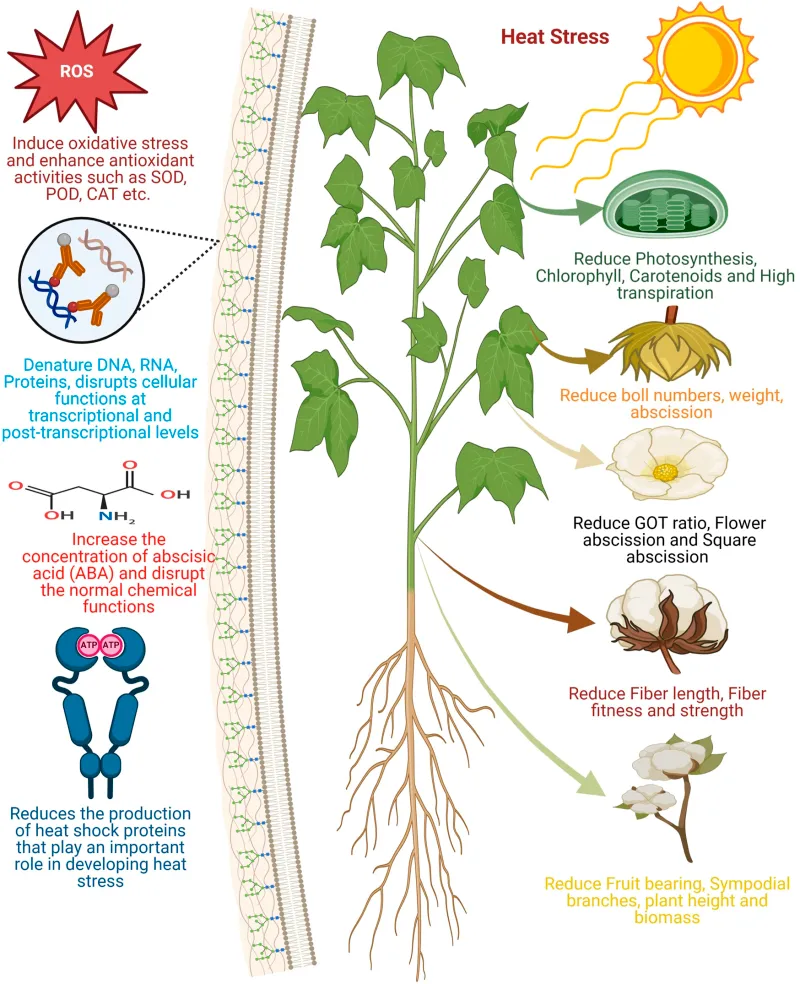
Most gardeners check the afternoon forecast and assume a 95-degree day explains the empty pods. Nighttime temperatures deserve just as much attention. Beans need a period of cooler overnight air to recover from daytime heat and to complete the reproductive processes that lead to pod set.
University of Delaware weekly crop update guidance identifies approximately 68 degrees F as a nighttime risk threshold for heat-sensitive snap beans and around 70 degrees F for lima beans. Utah State University Extension describes a combined risk pattern of days above 90 degrees F paired with nights around 75 degrees F, especially when soil moisture is low and humidity is reduced. These are approximate warning ranges, not precise biological on-off switches.
Cultivar matters considerably. Some bean varieties have been bred for better heat tolerance and will hold flowers and set pods under conditions that cause a more heat-sensitive variety to abort almost everything. Bean type also plays a role: limas are generally considered more vulnerable to warm nights than most snap varieties, and dry beans can show incomplete seed fill even when pod abortion is not dramatic.
Duration counts too. A single hot night followed by a cool-down may cause minimal damage. A stretch of warm nights across an entire week during peak flowering is a much bigger problem. Utah State University Extension guidance on legume abiotic disorders emphasizes that the combination of heat, low humidity, and moisture stress together raises the risk well beyond what any single factor would cause alone.
Keep the root zone evenly moist
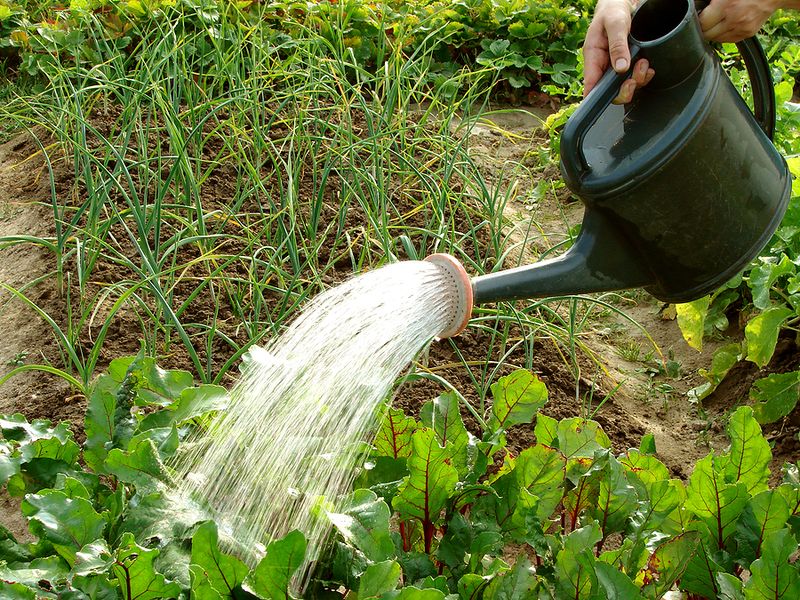
Beans have relatively shallow roots, and those roots are working hard during flowering and early pod set. Water stress at that stage is one of the most direct ways to trigger blossom and pod drop on top of whatever heat is already doing. The practical goal is to keep the root zone evenly moist throughout the entire flowering window, not just after you notice the leaves starting to look tired.
Penn State Extension snap bean production guidance recommends checking soil moisture in the root zone rather than waiting for obvious leaf wilt, because wilting is a late signal that water stress is already well underway. Push a finger or a trowel a few inches into the soil near the base of the plant. If it feels dry at that depth, water now rather than waiting.
When you do water, soak the root zone thoroughly so moisture reaches several inches down. A light sprinkle that only wets the surface evaporates quickly and can encourage shallow rooting over time. University of Minnesota Extension guidance on vegetable irrigation strategies supports deep, infrequent watering over frequent shallow applications as a way to build a more resilient root system.
Steady moisture can reduce the additional stress load on your plants and may help limit how many flowers and young pods drop during a heat spell. What it cannot do is restore blossoms that have already been damaged by extreme temperatures. University of Delaware crop update research on bean irrigation and heat confirms that irrigation is a stress-reduction tool, not a reversal of heat injury already done.
Water gently and avoid the dry-wet cycle
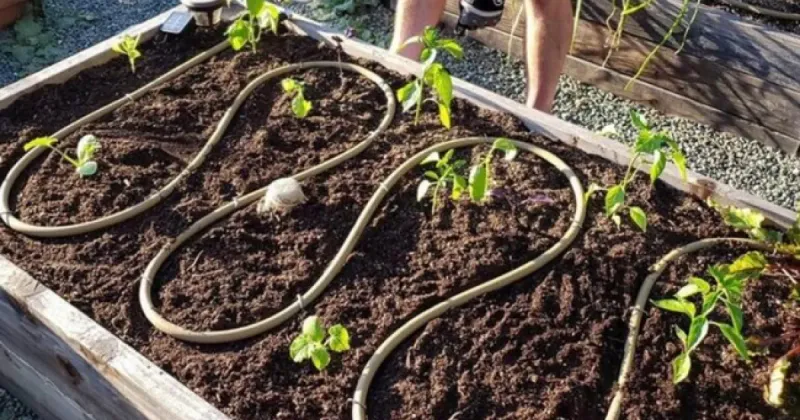
How you deliver water matters almost as much as how much you apply. A forceful spray aimed directly at flowering plants can knock blossoms off before they have any chance to set. It also wets the foliage, which prolongs leaf wetness and can encourage fungal diseases, especially in dense plantings where air movement is limited.
A soaker hose or drip system laid along the base of the row puts water exactly where beans need it, at the root zone, without disturbing the flowers or saturating the leaves. University of Minnesota Extension guidance on gardening in hot weather recommends watering at the soil surface, preferably in the morning when practical, so the soil absorbs moisture before the hottest part of the day and any wet foliage has time to dry.
Swinging between bone-dry soil and heavy saturation is one of the most common watering mistakes during a heat wave. Utah State University Extension notes on legume abiotic disorders flag both moisture stress and overwatering as conditions that reduce crop performance and increase disease risk. Aim for consistent, not extreme, soil moisture.
Refreshing a layer of organic mulch around your plants, kept a few inches away from the stems, can help hold that moisture in the ground and moderate soil temperature on hot days. Utah State University Extension bean gardening research supports mulch as a practical moisture-conservation measure. Mulch will not rescue blossoms already damaged by heat, but it can reduce the moisture stress that compounds heat injury.
Do not answer dropped blossoms with automatic nitrogen
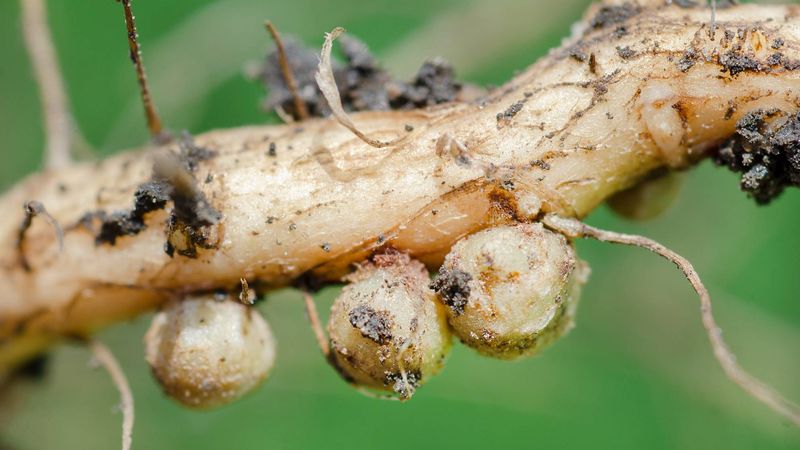
Watching flowers fall without producing pods is frustrating, and the instinct to feed the plant something is understandable. High-nitrogen fertilizer is usually the wrong move here. Beans form a partnership with soil bacteria called rhizobia, which colonize the roots and can fix atmospheric nitrogen into a form the plant uses. When that association is working well, the plant is already getting meaningful nitrogen support without any input from you.
Utah State University Extension bean gardening guidance cautions that adding excess nitrogen to beans can push the plant toward producing more leaves and stems rather than channeling energy into flowers and pods. If you have already been fertilizing heavily, that lush foliage you are seeing may partly reflect an imbalance. Utah State University Extension soil guidance for legumes recommends basing any fertilizer decision on actual soil conditions and crop needs rather than on the presence of dropped blossoms.
Nitrogen fixation through rhizobia is not guaranteed under every condition. Poor soil, inadequate bacterial populations, waterlogged roots, or very dry soil can all reduce or prevent effective fixation. That does not mean fertilizer is never needed, but it does mean a soil test or careful observation of plant health gives you better information than a dropped blossom alone.
Misting the flowers or using overhead watering to cool them is also not an established fix. University of Maryland Extension guidance on poor blossom and fruit set notes that overhead watering can knock flowers off, increase leaf wetness, and raise disease risk without reliably improving pod set during heat.
Inspect the plant before blaming every empty pod on heat
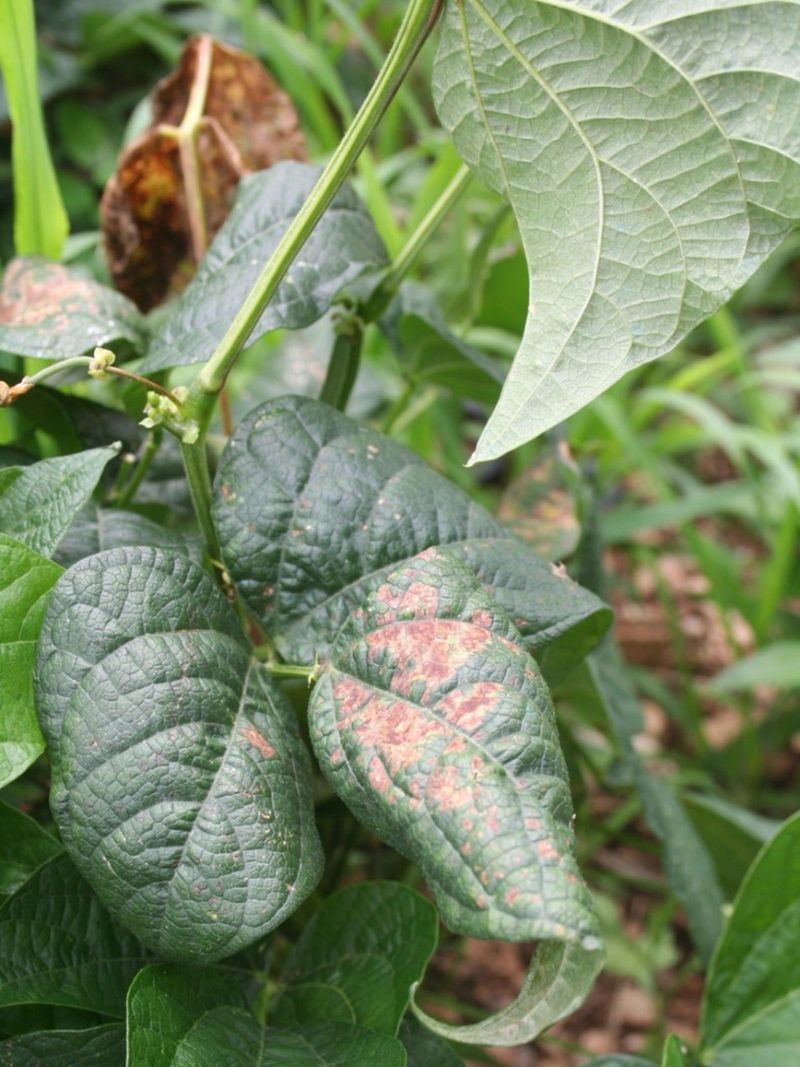
Heat is a reasonable working explanation when lush beans fail to set pods during a heat wave, but it should not be the only thing you consider. A few other causes produce nearly identical symptoms, and treating the wrong problem wastes time and can make things worse.
Beans are generally self-fertile, meaning each flower carries both male and female parts and does not need bees to move pollen from plant to plant. University of Minnesota Extension guidance on saving vegetable seeds confirms that ordinary beans set pods through self-pollination, so a quiet garden with few pollinators is not the default explanation for poor pod set the way it would be for squash or cucumbers.
Insects are worth a careful look. Lygus bugs, stink bugs, and other piercing-sucking insects feed on flowers, young pods, and developing seeds. UC Cooperative Extension work on lima bean stress and pod abortion notes that insect feeding can closely mimic heat injury. Signs that insects may be involved include patchy damage that skips some flowers or pods entirely, small feeding scars or dimples on pods, stippling or discoloration on leaves, and seeds that are misshapen or partially consumed inside otherwise normal-looking pods.
Beyond insects, check the whole plant. University of Maryland Extension guidance on blossom and fruit set problems identifies disease, poor drainage, root damage, and excessive shade as causes of reduced pod production that gardeners sometimes attribute to heat. Pull back a little soil near the base of a few plants and look at the roots. If they are dark, soft, or rotted rather than firm and white, drainage or a root disease may be contributing.
Judge recovery by the next flowers, not the old damage
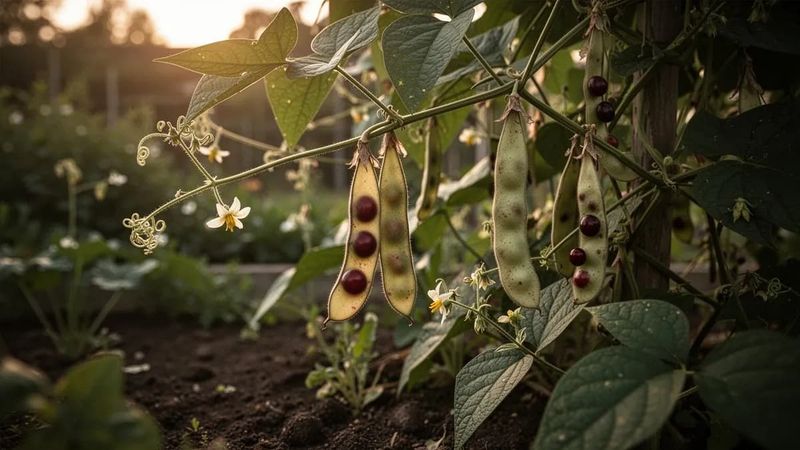
Once a flower has aborted or a pod has dropped, that particular pod is gone for the season. Trying to nurse it back is not productive. The more useful question is whether the plant can produce new flowers that succeed when conditions improve.
Pole beans have a real advantage here. Because they keep growing and setting new flowers over a long season, a healthy pole bean plant can resume production after temperatures moderate and put out a decent late harvest. University of Minnesota Extension guidance on growing beans notes that bush beans face a harder situation because their flowering window is compressed. If the heat wave hits during that short window, the timing loss is harder to recover from, and total yield for the season may be reduced more significantly.
Regular harvesting of snap beans helps regardless of what caused the earlier problem. University of Illinois Extension snap bean guidance recommends picking pods as soon as they reach a usable size because leaving mature pods on the plant signals it to slow down or stop producing. Harvest frequently and the plant keeps flowering. This will not repair the blossoms lost to heat, but it keeps the productive window open as long as possible.
The practical sequence going forward is straightforward: stabilize root-zone moisture, inspect the plant carefully for insects and disease, keep harvesting what does set, and watch the new flowers that open after temperatures drop. Those next blossoms are the real measure of whether your plants are recovering.