
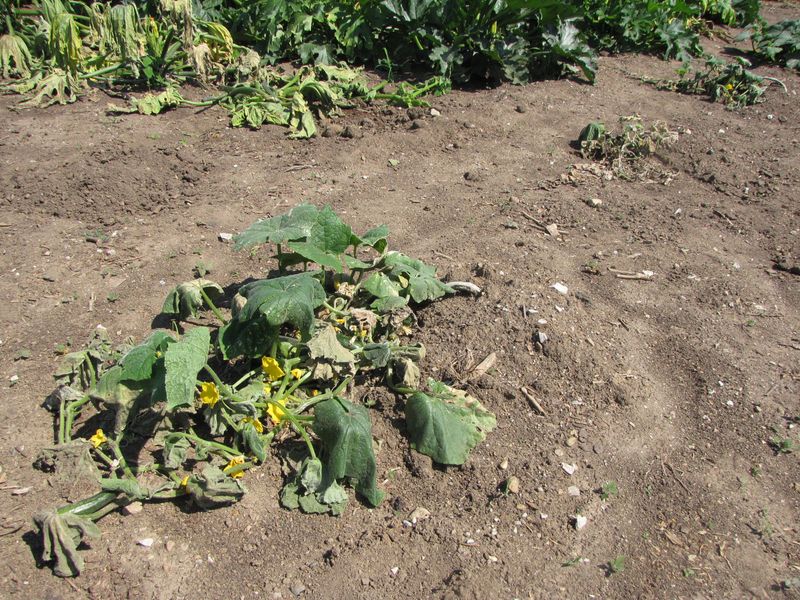
Watching your cucumber vines droop in the afternoon heat is frustrating enough, but discovering the soil is already wet makes it genuinely alarming. Most gardeners assume wilting means thirst, so finding moisture in the ground raises a harder question: if water is there, why can’t the plant use it? Wet soil and struggling roots can go hand in hand, and the answer often lies below the surface rather than at the end of a hose. This guide walks you through what to look for, what to hold off on, and how to tell whether your plant needs drainage help, disease investigation, or simply a closer look.
Wet soil can still leave a cucumber unable to take up water
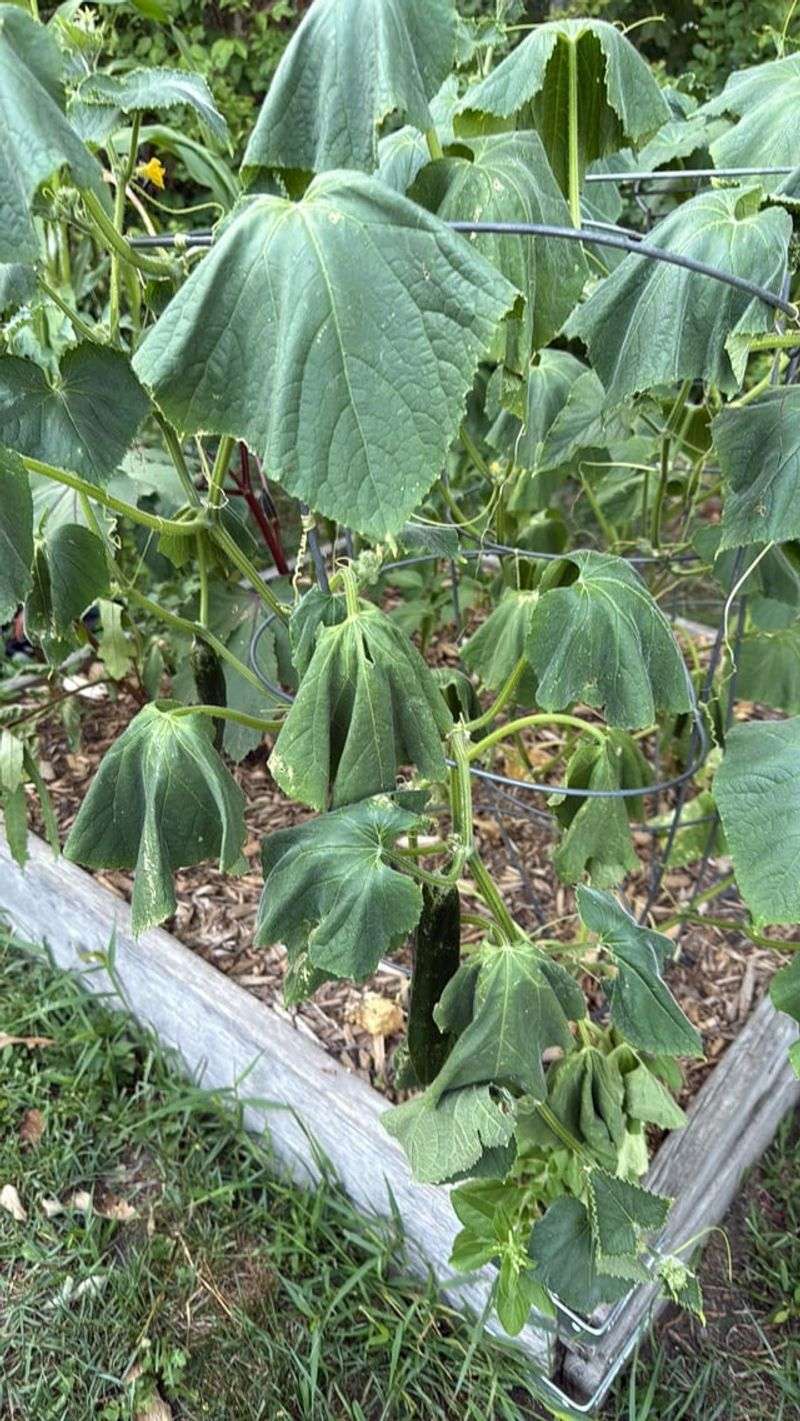
Healthy roots need both moisture and oxygen to function. When soil stays saturated for an extended period, water fills the air pockets that roots depend on for gas exchange, and those roots begin to suffocate. A cucumber plant sitting in waterlogged ground may look like it needs a drink while its roots are actually struggling to do their job at all.
Prolonged oxygen deprivation weakens root tissue, and weakened roots become more vulnerable to the organisms that cause crown and root disease. USU Extension guidance on cucurbit irrigation specifically recommends well-drained soil for cucumbers and associates overwatering with root rot, underscoring that too much moisture is just as problematic as too little. Once root tissue starts to break down, the plant loses its ability to pull water upward even when the surrounding soil is soaked.
This does not mean that every wilt in moist soil is root rot. Saturated conditions explain why a cucumber can wilt despite wet ground, but they do not name a specific pathogen or confirm that disease is present. Penn State Extension on root rot and oxygen displacement explains that root damage from saturation can prevent normal water uptake regardless of soil moisture levels. The first step is understanding this reversal so you stop reaching for the hose and start looking at what is happening below the surface.
Overnight recovery is an important clue, not a diagnosis
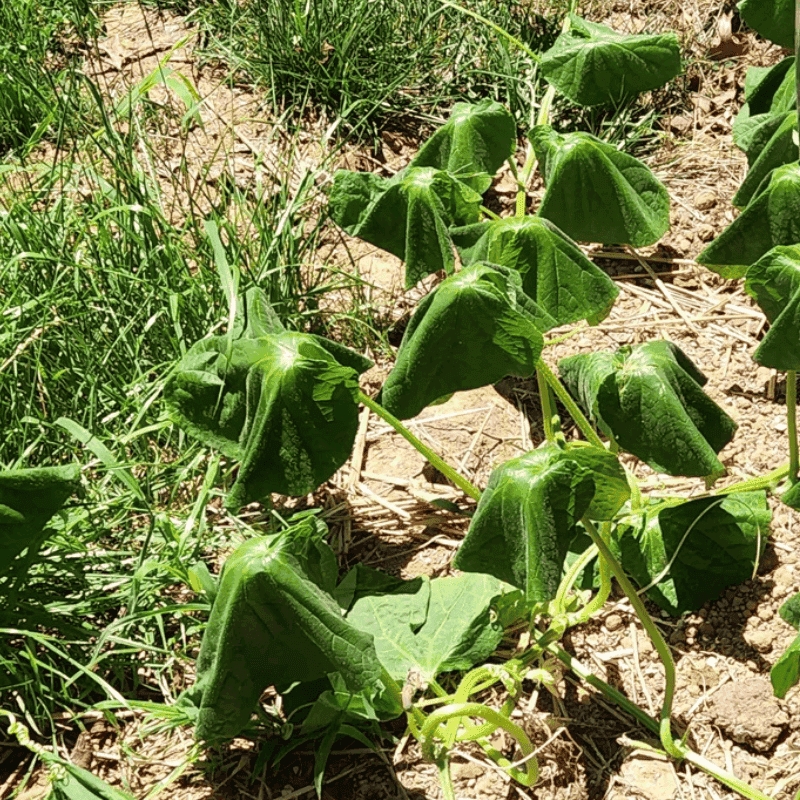
One of the most useful observations you can make costs nothing and requires only patience: check the vines at midday, again in the evening, and once more the following morning before temperatures climb. The pattern you see across those three windows tells you more than a single midday photograph ever could.
Afternoon wilt that fully recovers by morning is sometimes ordinary heat stress. On a hot summer day, a cucumber plant may lose water through its leaves faster than even healthy roots can replace it, causing a temporary droop that rights itself once temperatures drop. UGA Cooperative Extension guidance on vegetable garden water use notes that some plants wilt on hot afternoons and recover overnight without any lasting damage.
The catch is that overnight recovery is not a clean bill of health. Early-stage bacterial wilt and some vascular wilts can follow the same pattern at first, with plants recovering at night before the disease advances far enough to cause permanent collapse. University of Minnesota Extension’s cucumber wilt diagnostic guide lists both heat stress and several diseases as causes of wilt that may initially recover.
Wilt that persists into the morning, especially when accompanied by yellowing, general decline, or a soft stem base, deserves prompt attention. That pattern is more concerning than temporary afternoon drooping, but it still does not identify a single cause on its own. USU Extension’s Fusarium wilt page notes that midday wilting followed by nighttime recovery can appear in the early stages of Fusarium infection as well, which is why observation alone rarely closes the case.
A root-zone inspection shows saturation or damage, not necessarily its cause
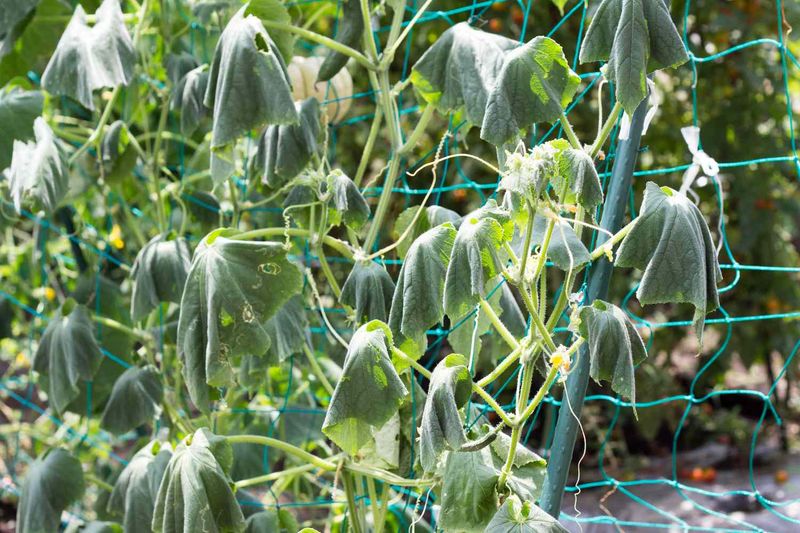
Judging soil moisture by pressing a finger into the top inch is not enough. The surface can feel dry while the soil six inches down remains saturated, and the opposite is also true: a wet surface can sit above a compacted layer that roots have barely penetrated. Grab a hand trowel and dig carefully a few inches to the side of the main stem, working down to where the roots actually live.
Once you reach root depth, look at both the roots and the stem base. Firm roots with visible fine hairs are a reasonable sign of function. Roots that are brown or black, soft, water-soaked, or that shed their outer tissue and leave thin strands behind are showing signs of injury. University of Minnesota Extension’s root inspection guidance describes this contrast between healthy and damaged root tissue in practical terms.
Keep in mind that damaged roots indicate injury but cannot tell you whether Pythium, Phytophthora, Fusarium, Rhizoctonia, or simple drowning is responsible.
While you are in the root zone, assess the drainage situation around the plant. USU Extension’s drainage solutions guide suggests that a planting hole should generally drain within about 24 hours; soil that stays squishy well beyond that window points to a drainage problem worth addressing. Look for signs of pooling, low spots in the bed, or layers of compacted soil that water cannot move through.
UGA Extension’s vegetable problem-avoidance guidance reinforces that light, frequent watering can leave deeper roots stressed even when the surface looks moist, while clay or compacted soil can hold saturation below a surface that already appears to have dried. What you find at root depth is the starting point for any next step.
Several wilt diseases and stresses can mimic root trouble
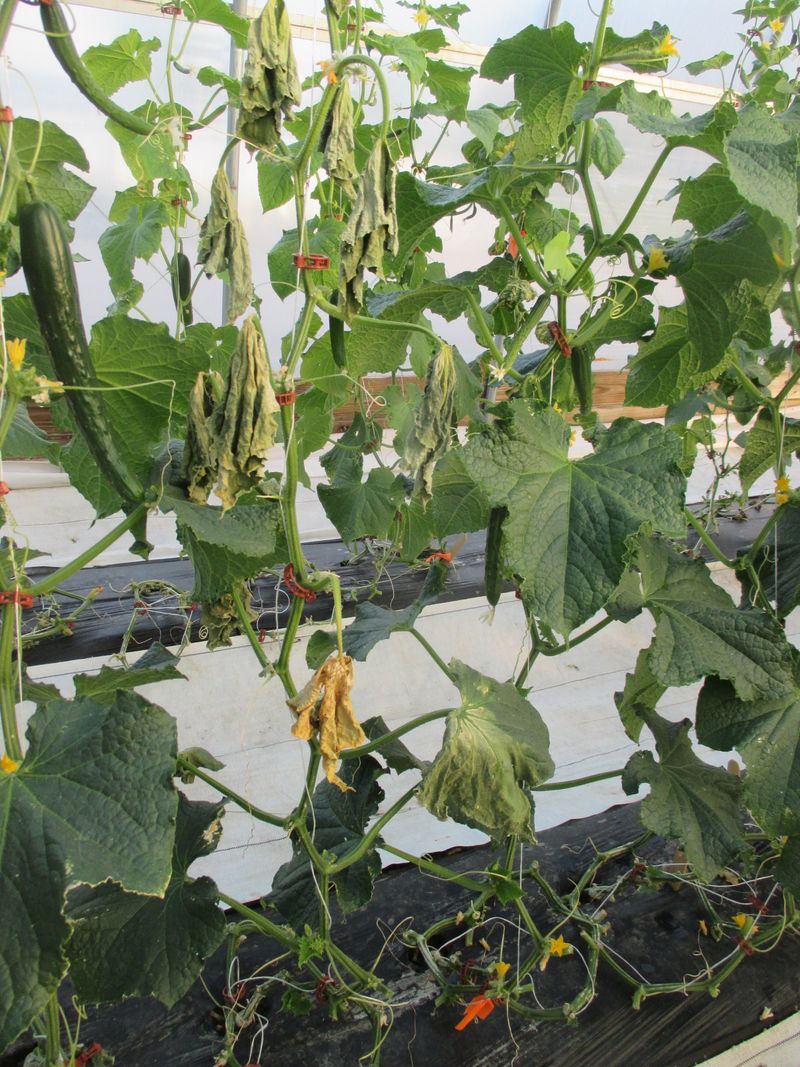
Root damage from saturation is one explanation for wet-soil wilt, but several other problems produce symptoms that look nearly identical. Working through the alternatives before settling on a cause can save you from a treatment that does nothing useful or makes things worse.
Bacterial wilt is a vascular disease, not a root-rot disease. It is spread primarily by striped and spotted cucumber beetles, which carry the bacterium from plant to plant as they feed. University of Minnesota Extension’s bacterial wilt guide explains that the bacterium is not considered seedborne and does not persist in soil, so treating the soil as the source would miss the actual pathway entirely. Look for the beetles themselves, characteristic feeding scars, and wilt that starts on a single runner before spreading.
A simple field test can offer a clue: cut a wilted runner near the base, press the two cut ends together, then slowly pull them apart. Thread-like bacterial ooze that bridges the gap suggests bacterial wilt, but UMN notes that a negative result does not rule the disease out. UMN’s cucumber beetle resource is worth reviewing for identification help; if you decide to use an insecticide, confirm the product is labeled for use on cucumbers and follow all current label directions, including harvest intervals.
USU Extension’s Fusarium wilt overview describes a disease that can begin with midday wilting and overnight recovery before progressing to yellowing, permanent collapse, and vascular discoloration inside the stem. Phytophthora blight, a disease favored by wet conditions, can cause water-soaked crown lesions and rapid decline. When signs overlap or the plant is valuable, UMN’s cucumber wilt diagnostic tool and your local Extension plant clinic are far more reliable than a home guess.
Pause watering while you assess the saturated root zone
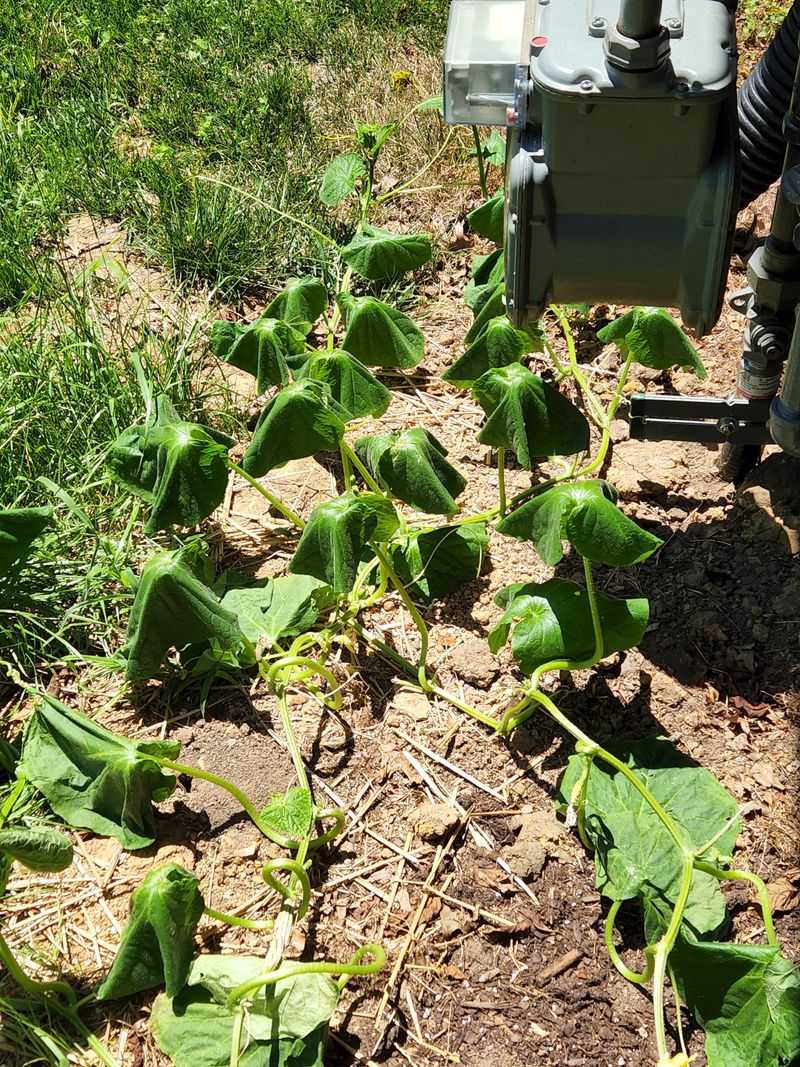
When the soil is already saturated and the vines are wilting, the single most helpful immediate action is to stop routine irrigation. Adding more water to a root zone that cannot drain pushes out whatever remaining oxygen the roots have access to and creates conditions that favor the organisms behind crown and root disease. Resist the instinct to water a wilting plant until you have checked what is actually happening below the surface.
Shallow rescue sprays are equally unhelpful. Wetting only the top layer of soil while the deeper root zone stays saturated does nothing to relieve the underlying problem and may keep the surface misleadingly moist. USU Extension’s cucurbit irrigation guidance emphasizes that overwatering deprives roots of oxygen and contributes to root rot, which is precisely the cycle you want to interrupt.
Illinois Extension’s drowning and edema resource explains that plants in saturated soil can show wilting and decline even without a pathogen present, because oxygen deprivation alone is damaging. Fertilizer applied directly around a wilting plant, compost mounded against the crown, or a broad-spectrum fungicide used without a confirmed diagnosis are not reliable fixes and may not address the actual problem at all. UMN Extension notes that some wilt diseases have no effective curative treatment once a plant is infected, which is one more reason to focus first on understanding what you are dealing with before reaching for any product.
Improve drainage before you restore regular irrigation

Fixing a drainage problem before resuming normal watering is the more durable solution. Raised beds are one of the most practical options where soil drains poorly; the elevated growing area allows excess water to move away from roots rather than pooling around them. USU Extension’s cucurbit soil preparation guidance specifically recommends raised beds in areas with drainage challenges, and that recommendation applies whether the problem is clay subsoil, compaction, or a low spot in the yard.
Beyond raised beds, look at the broader site. Grading that directs runoff toward the planting area, low spots that collect water after rain, and compacted layers that act as a barrier below the surface are all worth addressing before the next growing season if not sooner. USU Extension’s soil drainage solutions resource covers practical approaches to compaction and grading that translate well to home vegetable beds. Reducing irrigation frequency and shifting to deeper, less frequent watering sessions also helps soil dry between cycles rather than staying perpetually wet.
Once drainage returns to normal and the root zone has had a chance to recover, you can gradually resume consistent irrigation. USU Extension’s cucumber growing guide offers a general starting point of roughly 1 to 2 inches of water per week, and UGA Cooperative Extension advises soaking the soil to approximately 6 to 8 inches rather than applying light daily sprays. Both figures are adjustable starting points, not fixed rules. Rainfall, soil type, air temperature, and the size of your plants all affect how much water is actually needed at any given time.
Use evidence before removing plants or choosing treatment
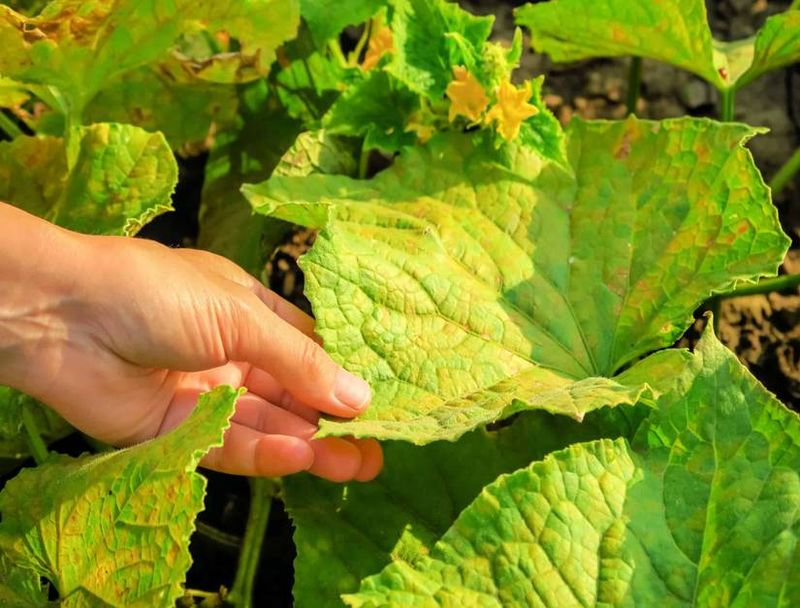
Before pulling a plant or applying any treatment, work through what you actually know. Check whether the vines recover fully by morning or remain wilted. Inspect the crown and root zone for soft tissue, discoloration, or signs of root-hair loss. Assess whether the soil at root depth is still saturated, and hold off on watering until it is not.
Scout the plant and surrounding area for striped or spotted cucumber beetles and their feeding damage, since their presence shifts the likelihood toward bacterial wilt rather than a soil-borne root disease. UMN Extension’s bacterial wilt guidance recommends removing infected plants when bacterial wilt is suspected, because infected plants can serve as a source that beetles carry to healthy ones nearby. Removal based on strong evidence and Extension guidance is reasonable; removal based on afternoon wilt alone is premature.
When your observations do not point clearly to one cause, or when the plant is valuable and you want a reliable answer, contact your local Extension office or send a sample to a plant diagnostic laboratory. UMN’s cucumber wilt diagnostic tool is a good starting reference for narrowing possibilities, but laboratory confirmation is the only way to distinguish pathogens that require different responses. Wet-soil wilt calls for careful investigation – what you find in the root zone and overnight recovery pattern matters far more than how quickly you act.