
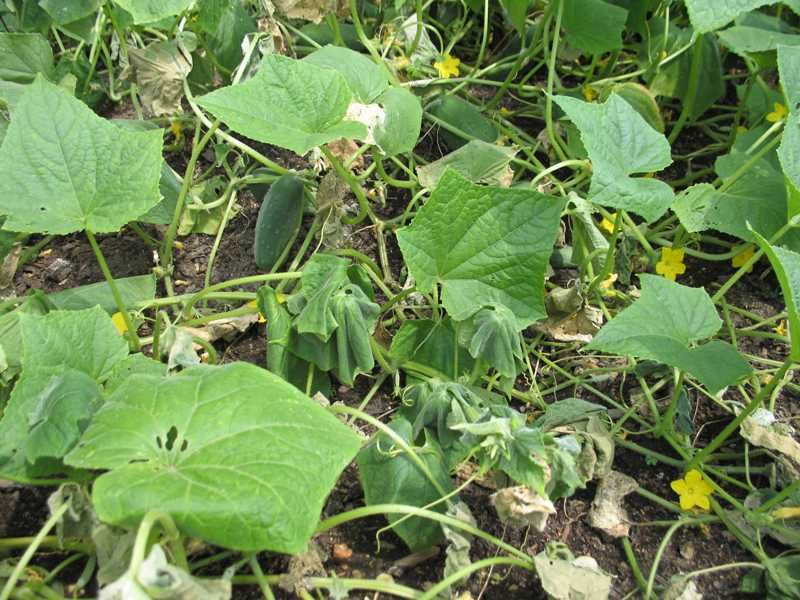
Walking out to your cucumber patch and finding vines that were perfectly healthy yesterday now lying limp and collapsed is a gut-punch moment for any gardener. The heat gets blamed first, and sometimes it really is the culprit, but a vine that stays down through the cool of the night or fails to bounce back after watering is telling you something more serious may be going on. Root disease, crown rot, vascular blockage from cucumber beetles, severe drought, and poor drainage can all look identical from above ground. Working through a short checklist before you reach for the hose or pull the plant can save you time, protect healthy vines nearby, and give you a real answer.
Check whether the vine recovers overnight
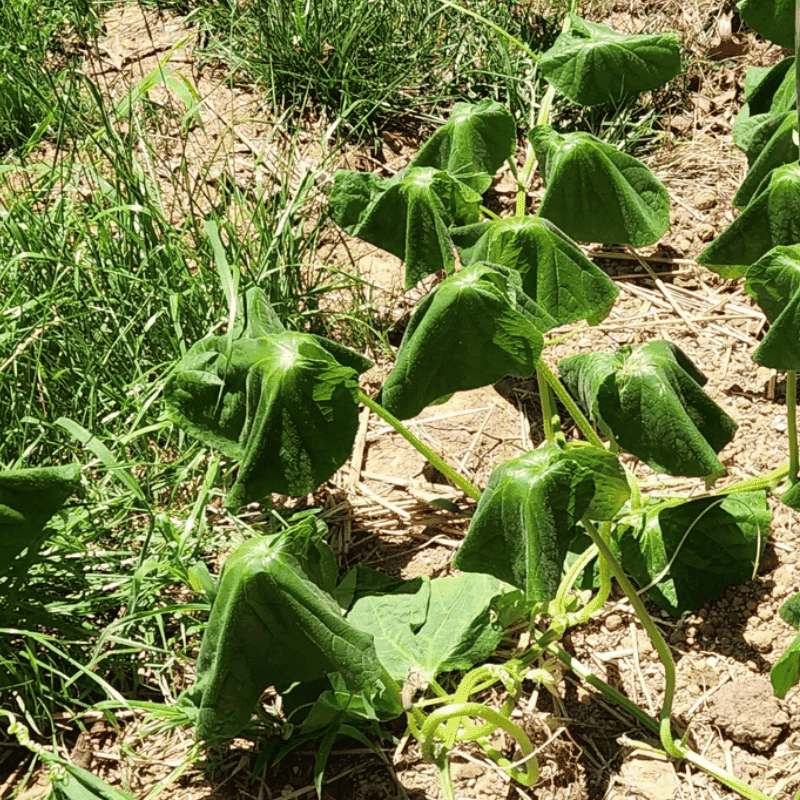
Timing is the first thing to notice. A vine that droops badly during the hottest, windiest part of the afternoon but looks normal again by early morning is showing you a pattern that fits ordinary heat stress. University of Illinois Extension guidance on heat stress explains that hot, windy conditions can temporarily push water loss faster than roots can replace it, causing leaves to wilt even when soil moisture is adequate.
The concern rises when you step outside before temperatures climb and the vine is still collapsed. Persistent morning wilt, a plant that fails to recover after appropriate watering, or one that gets visibly worse over consecutive days all make disease, damaged roots, severe drought, physical injury, or another structural problem more worth investigating. Those patterns suggest the plant cannot move water properly even when conditions ease.
One important caution: overnight recovery does not clear a plant of disease. Utah State University Extension’s bacterial wilt fact sheet notes that bacterial wilt commonly begins with daytime wilting and nighttime recovery before progressing to permanent collapse. So a vine that recovers by morning deserves a second look the following afternoon and the morning after that, rather than an all-clear. Think of overnight recovery as an early clue, not a diagnosis.
Check the soil before you water or inspect roots

Limp leaves are not a reliable soil-moisture gauge on their own. Before doing anything else, push two fingers about two inches into the soil near the base of the vine. If the soil at that depth feels dry and crumbly, the plant needs water and the fix is straightforward. University of Minnesota Extension’s vegetable-garden watering guide recommends roughly one inch of water per week as a general starting point, but notes that containers, sandy soils, extreme heat, and recent rainfall all change what a garden actually needs on any given day.
When the soil is dry, water thoroughly at the soil line rather than sprinkling the foliage repeatedly. A deep, slow soak encourages roots to reach downward and is more effective than several shallow passes. Drip lines or soaker hoses also keep leaf surfaces drier, which can reduce the spread of some foliar pathogens.
The opposite situation deserves equal attention. Soil that feels soggy, stays wet for days after rain, or smells sour can be just as dangerous as dry soil. UC IPM’s Phytophthora root and crown rot page explains that prolonged saturation creates the exact conditions that favor root-rotting pathogens, meaning a vine can wilt from too much water just as it can from too little. Adding more water to already saturated ground will not help and may accelerate root damage, so check the soil first and respond to what you actually find.
Inspect the crown and roots for disease clues
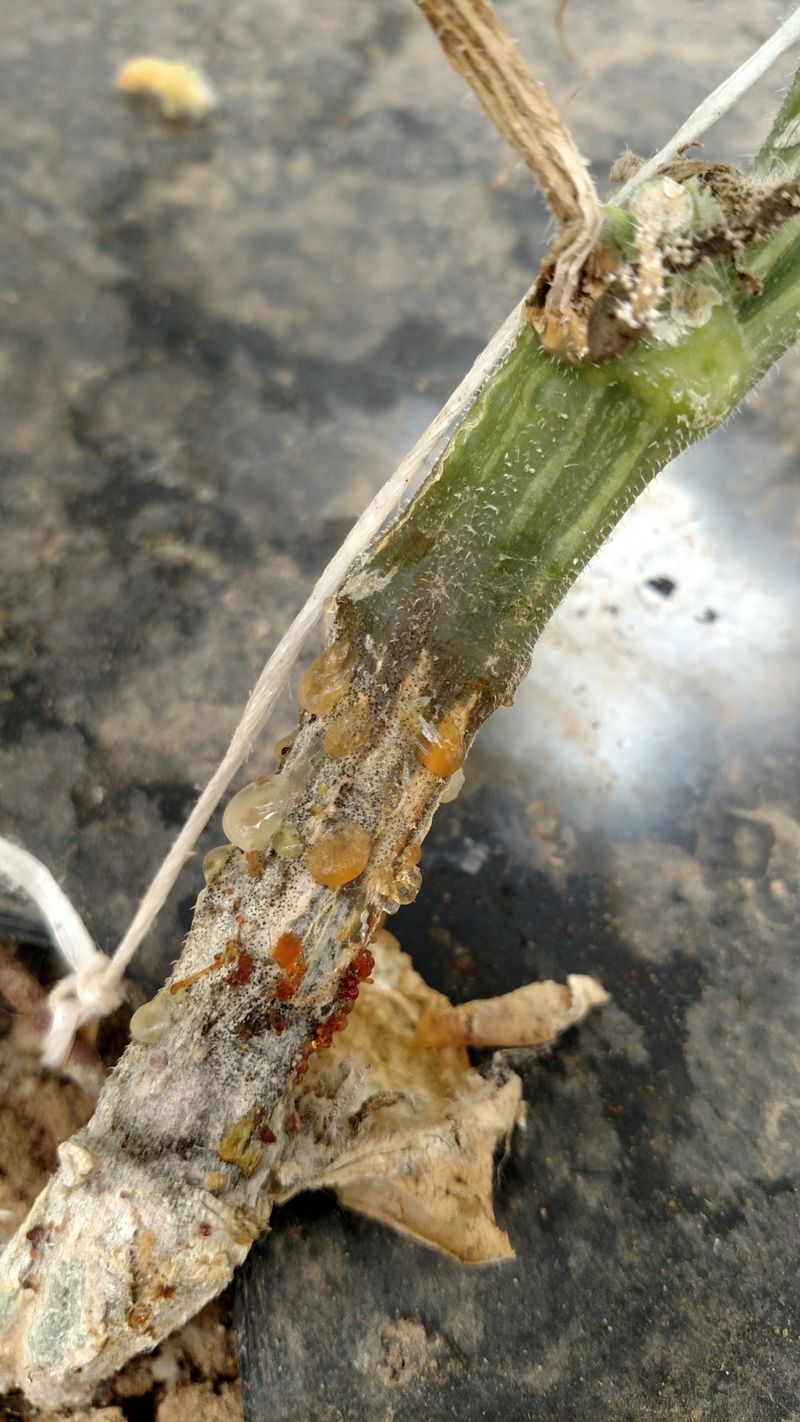
If the vine has not recovered and the soil moisture check did not point to a clear answer, the next step is a closer look at the plant itself. Focus on a vine that is already badly affected rather than disturbing one that seems to be recovering. Gently brush soil away from the base of the stem at the soil line, which is called the crown, and look at the lower few inches of the main stem and any visible roots.
Healthy cucumber crowns are firm and light-colored. Signs that suggest crown or root disease include tissue that looks dark, water-soaked, sunken, or soft; roots that are brown, mushy, or significantly reduced in number; and any unusual discoloration inside the lower stem when you make a careful cut. UC IPM’s crown and root rot resource describes dark, water-soaked crown tissue as a characteristic sign of Phytophthora infection, though similar symptoms can appear with other soilborne pathogens.
These findings are clues, not a confirmed diagnosis. Several different pathogens can produce nearly identical root and crown symptoms, and only laboratory testing can identify the exact organism involved. The UC IPM cucurbit pest management guidelines note that disease development can be rapid and that multiple soilborne organisms may produce similar collapse patterns. A normal-looking root system would not rule out bacterial wilt or a vascular problem, because those diseases may leave roots intact while blocking water movement inside the stem.
Look for cucumber beetles and signs of bacterial wilt
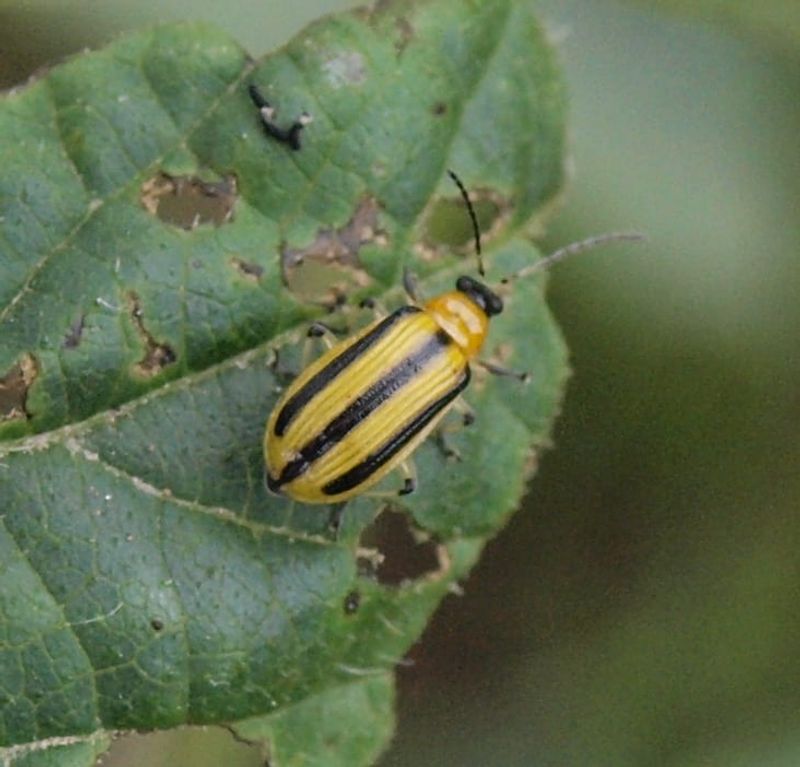
A wilted cucumber vine with roots that look perfectly fine raises the question of bacterial wilt, and the first place to look for evidence is not inside the plant but on it. Striped and spotted cucumber beetles are the insects that spread bacterial wilt as they feed, carrying the bacterium from plant to plant through their mouthparts. Utah State University Extension explains that the bacterium multiplies inside the plant’s water-conducting vessels, eventually blocking them so completely that the vine collapses even though the roots themselves may show no obvious decay.
Scan the leaves, stems, and flowers for beetles and for their characteristic feeding scars – ragged, irregular patches where leaf tissue has been eaten away. Finding beetles on a wilting vine increases the plausibility of bacterial wilt as a cause, though beetles alone do not confirm the disease.
A field test that can add another clue involves cutting a wilted stem close to the crown, pressing the two cut surfaces firmly together for a few seconds, and then slowly pulling them apart. If fine, thread-like strands of bacterial ooze stretch between the surfaces, that supports a bacterial wilt diagnosis. Oklahoma State University Extension’s cucurbit disease guide describes this ooze test as a useful field indicator while acknowledging that the threads can be difficult to see clearly. A positive result supports the diagnosis, but a negative or unclear result does not rule out bacterial wilt, so treat the test as one piece of evidence rather than a definitive answer.
Recognize the different ways disease can cause collapse
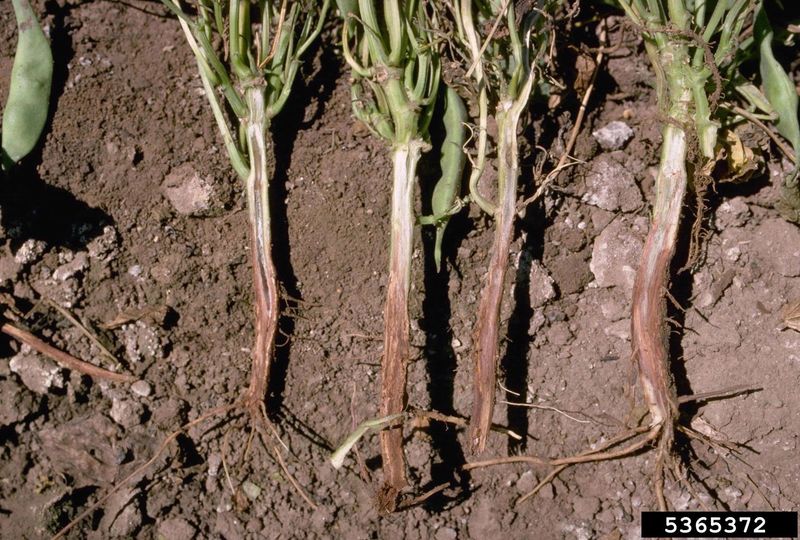
Not every collapsing cucumber vine has the same problem below ground, and understanding the general categories can help you interpret what you find. Bacterial wilt, as described in the previous section, primarily attacks the vascular system – the internal plumbing that carries water – and is tied to cucumber-beetle feeding rather than soil conditions. The roots may look normal even as the plant dies from the inside out.
A separate group of problems involves pathogens that more directly damage the crown and roots. The UC IPM cucurbit guidelines identify multiple soilborne organisms, including Pythium species, that can cause crown leaves to yellow and the plant to collapse rapidly. These organisms are often favored by prolonged soil wetness, poor drainage, and conditions that stress roots before the plant ever shows symptoms above ground. Phytophthora root and crown rot follows a similar pattern and can cause wilting even when irrigation seems adequate, because the damaged roots cannot function normally regardless of how much water is available.
Fusarium species occupy a middle ground, entering through roots and then moving into vascular tissue, which helps explain why symptoms can overlap with both root rot and vascular wilt. Hot weather acts on all of these situations by increasing the plant’s water demand at the exact moment its ability to supply that water is compromised. Heat may expose a hidden failure rather than create one, which is why a collapse that appears sudden during a heat wave often reflects a problem that was already developing underground.
Choose a response that matches the evidence
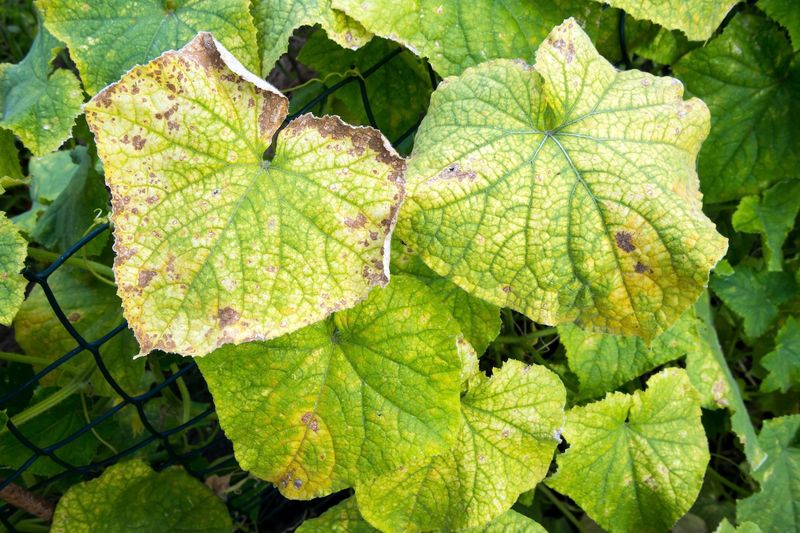
Once you have worked through the checklist, the response should follow what you actually found rather than a default reaction. Dry soil calls for a thorough watering at the soil line. Soggy, poorly drained soil calls for restraint with the hose and a longer-term look at bed drainage – adding water to saturated ground will make root-rot conditions worse, not better. A plant showing only midday wilt that fully recovers by morning and has moist, healthy-looking soil and roots may simply need consistent moisture during the heat and does not require removal.
The calculus changes when disease is clearly involved. Utah State University Extension states plainly that bacterial wilt has no curative treatment once a plant is infected, and that removing affected plants is the recommended course of action. A vine with advanced crown rot, severely decayed roots, or permanent wilt that does not respond to appropriate watering is also a candidate for removal rather than rescue.
When you pull a diseased vine, take the roots with it. University of Minnesota Extension’s Fusarium crown and root rot guidance recommends removing plants including their root systems and disposing of them rather than leaving debris in the bed. UMN’s home-garden disease management page notes that composting diseased material requires a pile that reaches at least 148 degrees Fahrenheit with complete breakdown, so bagging and discarding is the safer choice for an unidentified wilt. Clean your tools with a dilute bleach solution or rubbing alcohol before using them on other beds, and avoid tracking soil from the affected area to healthy parts of the garden.
Generic fungicides are not a reliable rescue here – UC IPM reports that fungicides have not proven effective against sudden wilt, and any product must be specifically labeled for cucumbers and the target disease.
Reduce future risk with drainage, rotation, and prevention

After dealing with a collapsed vine, attention naturally turns to protecting the rest of the season and planning ahead. Soil drainage is one of the most practical places to start. UC IPM’s cucurbit pest management guidelines recommend at least two to three years out of cucurbits for sudden-wilt pathogens, and Oklahoma State Extension similarly advises avoiding sites that held cucumbers and their relatives for the previous three years. Raised beds, amended soil with good structure, and careful irrigation intervals that allow the soil to partially dry between waterings can reduce the conditions that favor Pythium, Phytophthora, and related crown pathogens.
Rotation is a risk-reduction measure, not a guarantee. Moving cucumbers to a different part of the garden each year lowers the buildup of soilborne pathogens in any one spot, but some organisms persist in soil for years and can affect plants even after a long break. Rotation works best as part of a broader approach that also includes sanitation and good drainage.
For future plantings, University of Minnesota Extension’s cucumber growing guide notes that resistant or tolerant varieties are available and worth considering when a specific disease has been identified. Resistance is disease-specific, so a variety labeled for bacterial wilt tolerance will not protect against Phytophthora or Fusarium. Row covers placed over transplants can help exclude cucumber beetles before flowering, but Utah State Extension notes that covers generally need to come off when flowers open so pollinators can reach the blossoms, unless you are growing a parthenocarpic variety that sets fruit without pollination. These steps can meaningfully lower risk over time without eliminating it entirely.
Get a diagnosis when the clues do not agree
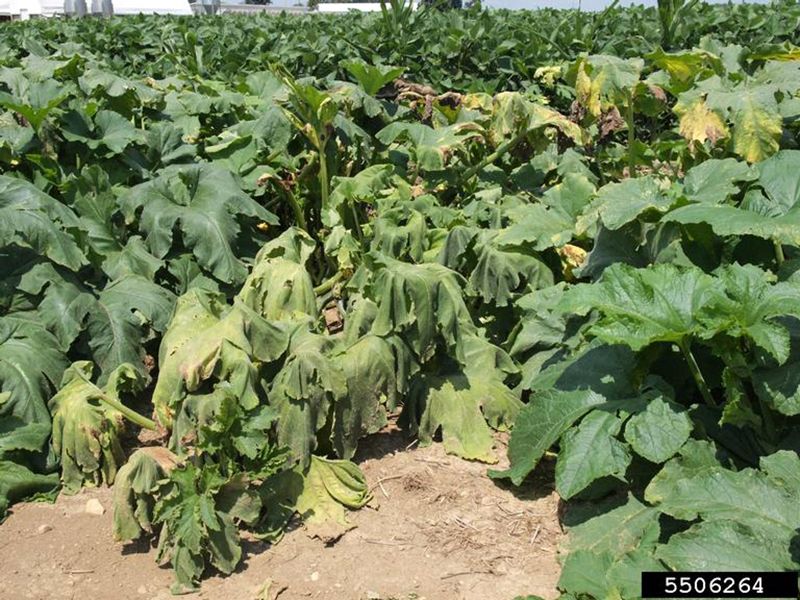
Sometimes the checklist does not produce a clear answer. The soil moisture is fine, the roots look acceptable, there are no beetles in sight, and yet the vine keeps declining. Overlapping symptoms are genuinely common with cucumber wilt diseases, and several different pathogens can produce nearly identical patterns of collapse. When that happens, guessing at a cause and treating for it is unlikely to help and may waste time the remaining plants do not have.
The most reliable next step is to contact your state’s Cooperative Extension diagnostic laboratory. University of Minnesota Extension’s cucumber resource and its home-garden disease management guide both point to Extension diagnostic services as the appropriate resource when the cause of a plant problem is uncertain. A lab can identify the specific pathogen, which matters because management differs: bacterial wilt, Phytophthora, Pythium, and Fusarium are all distinct problems that respond to different strategies.
Remove and bag a vine that is clearly declining while you wait for a diagnosis, and keep notes on what you observed, including timing, soil conditions, beetle activity, and what the crown and roots looked like. Heat is not necessarily innocent in this story, but it is also rarely the whole explanation. A wilt that appears sudden during a heat wave is often the visible result of a problem that had been quietly developing for days, and identifying that problem accurately is the step that makes next season’s garden stronger.