
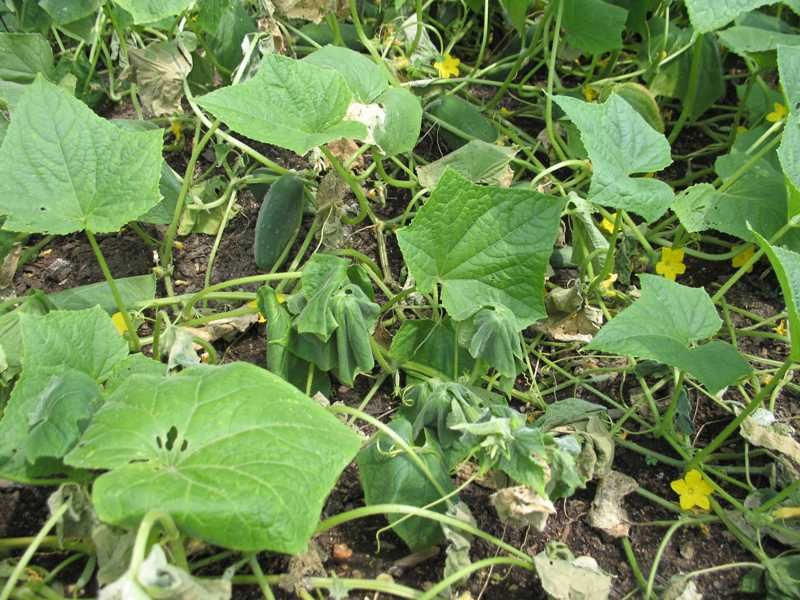
Walking out to your garden at noon and finding your cucumber vines draped and limp is an unsettling sight, especially when the soil around them feels perfectly moist. Many gardeners reach straight for the hose, but adding more water to a plant that already has plenty can make things worse. The real question is not whether the soil is wet, but why the plant cannot use the water that is already there. Figuring that out starts with watching the plant carefully before you do anything else.
Start with the wilt pattern, not the watering can
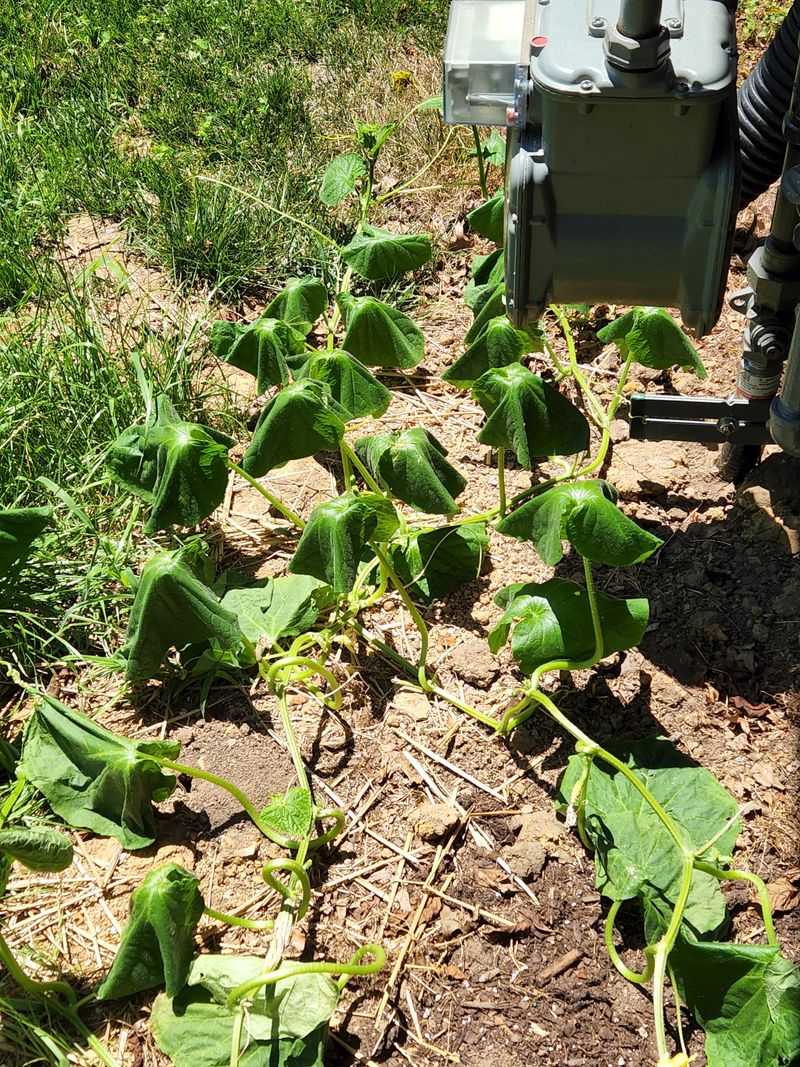
Grabbing the watering can the moment you spot a drooping cucumber vine is a natural reaction, but the timing and pattern of the wilt carries more information than the soil surface does. A vine that sags during the hottest part of the afternoon and then stands back up by evening or the next morning is behaving very differently from one that starts wilting during the day, appears to bounce back overnight at first, and then gradually gets worse over several days.
That first pattern, reliable daily recovery with no other visible changes, can point toward temporary heat stress rather than disease. Oregon State Extension heat-stress guidance explains that leaves can lose water faster than roots replace it during hot, dry, or windy conditions, even when the root zone holds adequate moisture. The second pattern, worsening wilt accompanied by dull-green foliage, yellowing, browning, or dieback runner by runner, raises more concern and points toward a vascular or soilborne problem.
University of Minnesota Extension bacterial wilt guidance describes this progressive decline as characteristic of bacterial wilt, though the symptom pattern alone cannot confirm that diagnosis. Observing the plant over two or three days before pulling it or adjusting irrigation gives you the information needed to make a smarter call. The University of Georgia cucumber production guide reinforces that consistent observation is the foundation of sound diagnosis in home vegetable gardens.
Bacterial wilt can disrupt the vine’s water transport
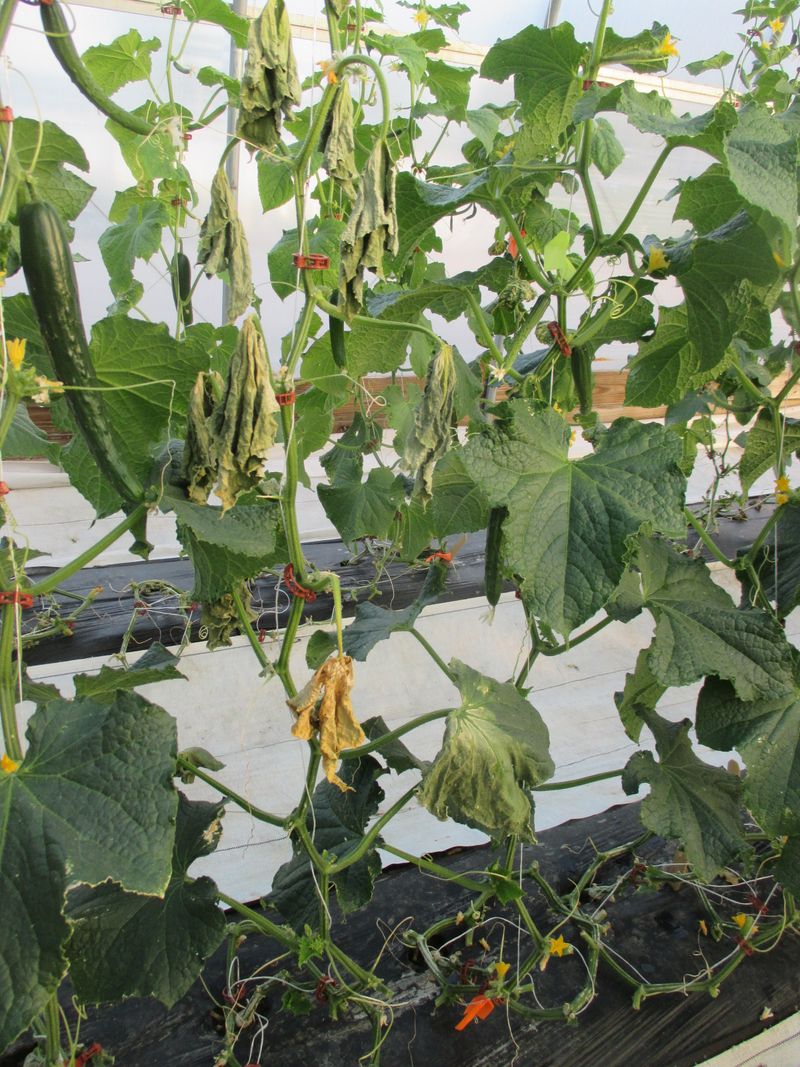
Bacterial wilt is caused by Erwinia tracheiphila, a bacterium that can interfere with the vine’s ability to move water through its internal tissue. Cucumbers and melons are the most susceptible crops; pumpkins and squash tend to be less severely affected. The disease does not arrive on its own. Striped or spotted cucumber beetles carry Erwinia tracheiphila and deposit it while feeding on the plant.
The characteristic progression begins with leaves that look slightly dull or off-green, then wilt during the day while appearing to recover overnight. Over time, the overnight recovery stops. Runners wilt one by one, foliage yellows and browns, and the plant declines. University of Minnesota Extension describes this sequence clearly and notes that symptoms can take one to three weeks to appear after a beetle transmits the bacterium, so a plant that looks fine today may have already been infected.
This progression makes bacterial wilt a leading suspect when wilt worsens over days and beetles are present, but it is not a confirmed diagnosis based on symptoms alone. Heat stress, root rot, and other soilborne diseases can produce overlapping symptoms. Treating bacterial wilt as a strong possibility rather than a certainty keeps you from removing a healthy plant prematurely or, conversely, from waiting too long while the disease spreads to neighboring cucurbits. Pesticides cannot cure a plant already infected with bacterial wilt, so the focus must be on early detection and thoughtful management.
Inspect beetles before you blame the soil
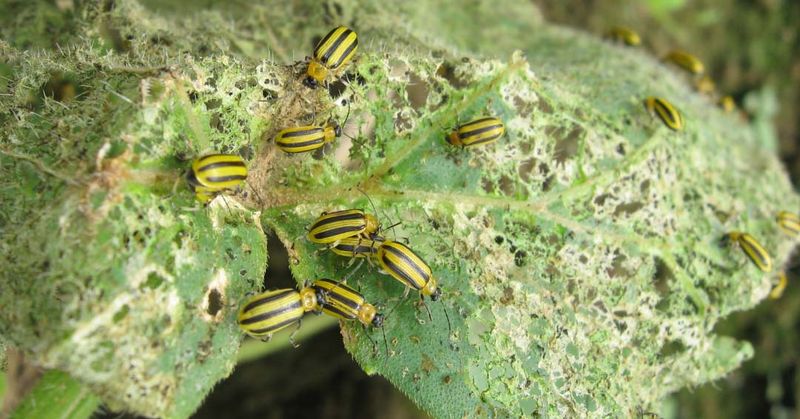
Before drawing any conclusions about soil moisture or disease, spend a few minutes looking at the plant itself. Striped cucumber beetles are yellow-green with three black stripes running lengthwise; spotted cucumber beetles are similar in color but carry twelve black spots instead. Both species feed on leaves, flowers, stems, and fruit, leaving behind irregular holes or ragged edges that are easy to spot once you know to look for them.
Check the undersides of leaves and the base of the plant where beetles often shelter during the heat of the day. University of Minnesota Extension cucumber beetle guidance notes that beetles can be present and feeding before wilt symptoms ever appear, and that infection may take one to three weeks to show up in the plant. Finding beetles at the same time as wilting is a meaningful clue, not proof, that bacterial wilt may be involved.
An important distinction: not every cucumber beetle carries Erwinia tracheiphila. University of Minnesota IPM blog guidance on tricky vegetable pests clarifies that beetles must first feed on an infected plant before they can transmit the bacterium to a healthy one. Seeing one beetle on your plant does not mean transmission has occurred, but a heavy population feeding actively on a wilting plant is reason to keep bacterial wilt on the short list. Record what you see so you can compare it against what happens over the next few days.
Use the stem-streaming check as a clue, not a verdict
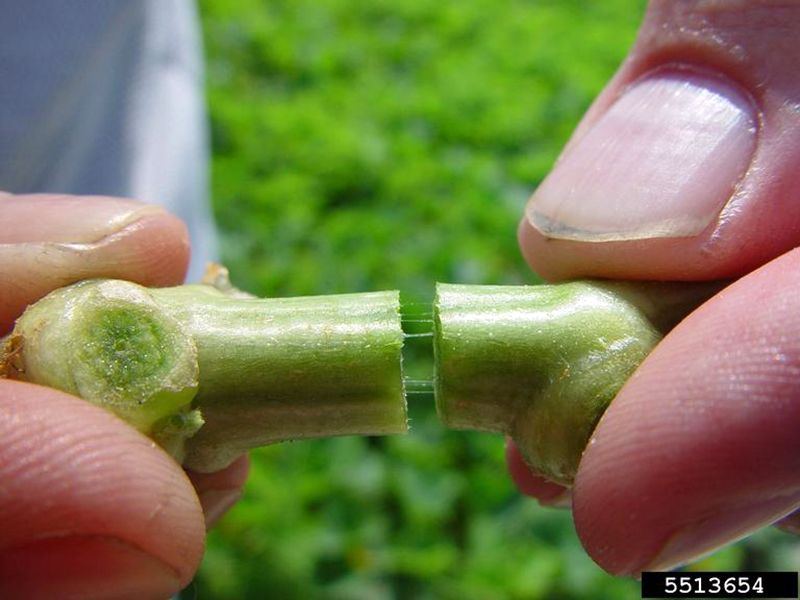
A rough field check called the bacterial-streaming test can help you assess whether bacterial wilt is a likely cause of the wilting. Cut a wilted stem close to the crown of the plant, then press the two cut surfaces together firmly for a few seconds. Slowly pull them apart and watch closely. If thin, threadlike strands stretch between the cut faces as you separate them, that result supports a bacterial wilt diagnosis.
The test has real limits. University of Minnesota Extension is clear that failing to see threads does not rule out the disease, because the strands can be difficult to observe depending on the stage of infection and lighting conditions. A positive result adds weight to the suspicion; a negative result simply means you have not confirmed it yet. Treat the outcome as one piece of evidence, not a final answer.
When the result of this test will determine whether you remove a productive, healthy-looking plant, a more reliable path is professional confirmation. Oklahoma State Extension plant disease and insect diagnostic laboratory is one example of the kind of plant disease clinic that can analyze a submitted sample and return a definitive result. Most land-grant universities operate similar services, and many charge only a modest fee. If your cucumber is a prized variety or you are uncertain, sending a sample costs far less than pulling a plant that did not need to come out.
Saturated roots can leave a vine short of usable water
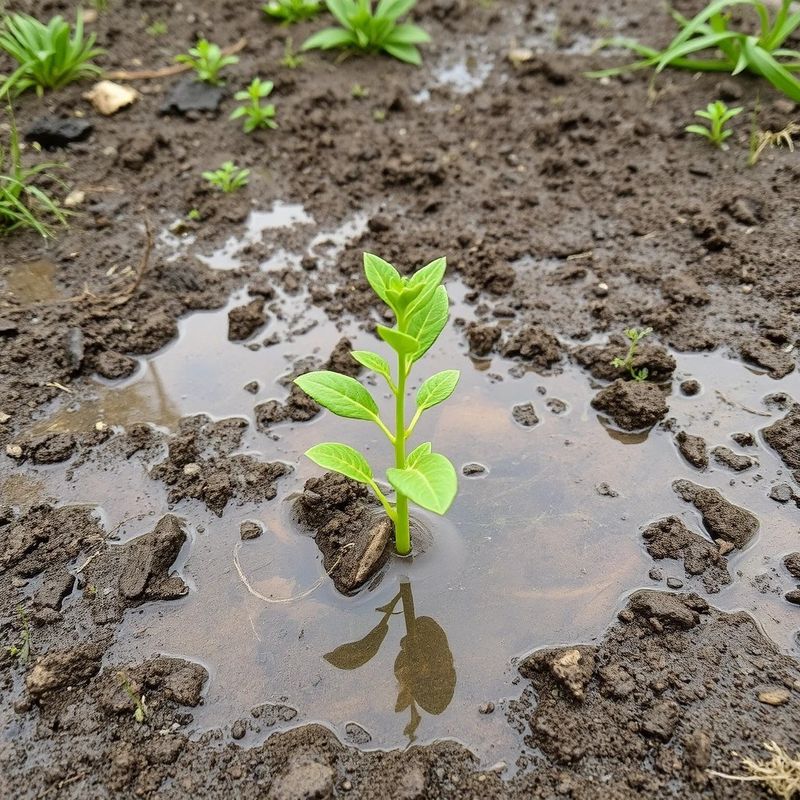
Moist soil at the surface does not automatically mean the roots have access to usable water. Soil that stays saturated for extended periods contains too little oxygen for roots to function properly, and roots deprived of oxygen lose their ability to absorb water even when it surrounds them. University of Illinois Extension guidance on drowning and edema in plants explains this mechanism clearly, noting that waterlogged conditions can damage or kill roots in ways that mimic drought symptoms above ground.
Compacted soil creates a related problem. Water may pool near the surface while the deeper root zone stays dry, or drainage may be so poor that roots sit in standing water after every rain or irrigation cycle. Utah State University Extension Pythium root rot guidance identifies saturated, poorly drained soil as a key condition that favors Pythium and similar root-rot organisms, which further compromise the plant’s ability to take up water.
Check moisture several inches below the surface by pushing a finger, trowel, or moisture meter into the root zone rather than just touching the top layer. Utah State University Extension water recommendations for vegetables advise checking several inches down before deciding to water. If the soil stays soggy for days after irrigation or rain, assess whether the bed drains adequately before adding any more water.
Heat stress can explain a vine that recovers every night
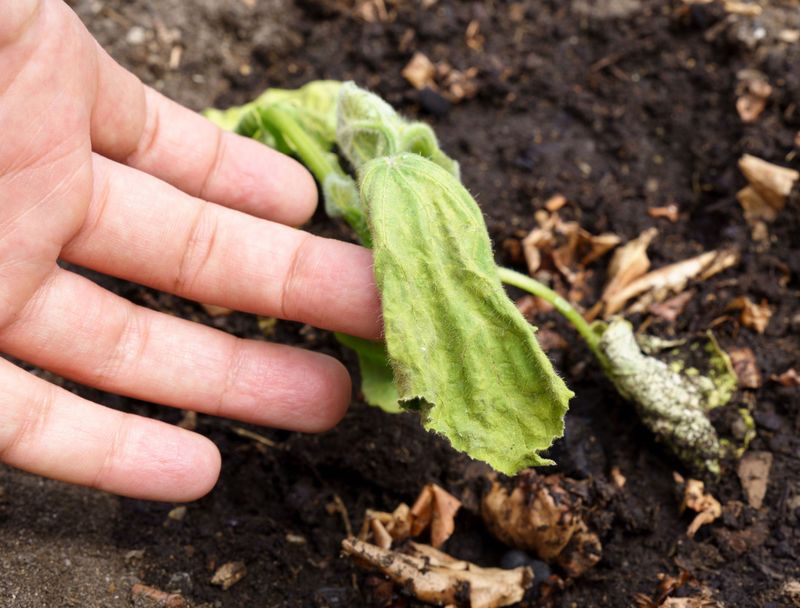
Not every cucumber that droops at noon has a disease problem. On hot, dry, or windy days, leaves can release moisture into the air faster than the root system can pull water up from the soil, causing temporary wilting even when the root zone is adequately moist. Oregon State Extension guidance on heat stress in gardens describes this as a normal physiological response to extreme conditions rather than a sign of disease or damage.
The key question is whether the plant recovers. A cucumber vine that looks limp at two in the afternoon but stands upright and green by early evening or the following morning, with no yellowing, browning, or runner dieback, is showing a pattern consistent with heat stress rather than bacterial wilt or root dysfunction. University of Georgia Healthy GA News guidance supports this distinction, noting that temporary wilting during peak heat is common in cucurbits and does not by itself signal a serious problem.
Watch the plant through two or three hot afternoons before making any decisions. The University of Georgia cucumber production guide reinforces that consistent daily recovery, combined with no other symptoms, points away from disease. If that pattern holds steady, the vine likely does not need removal or extra treatment, just continued monitoring during the hottest part of summer.
Check the crown, roots, and runners for other causes
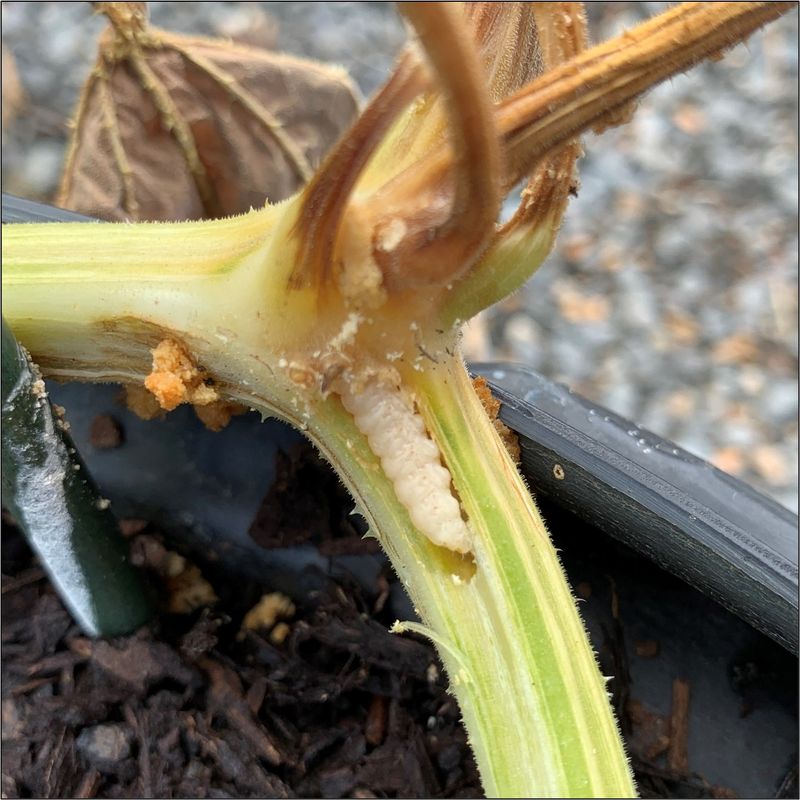
Once you have observed the wilt pattern and checked for cucumber beetles, take a closer look at the plant’s physical structure. Squash vine borer is less common in cucumbers than in summer squash or pumpkins, but cucumbers can be affected. If the plant wilts in the morning rather than only at midday, or if the wilt came on suddenly, check the crown and lower stem for small entry holes and greenish or orange sawdust-like material called frass. University of Minnesota Extension squash vine borer guidance describes these signs clearly and explains that the larvae feed inside the stem, cutting off water transport from within.
Other soilborne diseases can produce symptoms that closely resemble bacterial wilt. UC IPM guidance on Verticillium wilt in cucurbits notes that Verticillium can cause progressive wilting and yellowing that moves through the plant in a pattern similar to bacterial wilt. Utah State University Extension Fusarium guidance identifies Fusarium crown and root rot as another possibility, particularly when the crown tissue shows discoloration.
Root-knot nematodes are worth considering if the plant is stunted, the foliage is pale, the garden has sandy soil, or the bed has a history of nematode problems. Oklahoma State Extension cucurbit disease identification guidance describes knobby, poorly developed roots as a key sign to look for when pulling a suspect plant. The broader Oklahoma State cucurbit disease guide presents Pythium and other root diseases as additional alternatives that require their own management approaches. Symptoms alone rarely identify which of these is responsible, so professional diagnosis is worth pursuing when the picture remains unclear.
Adjust irrigation only after checking the root zone
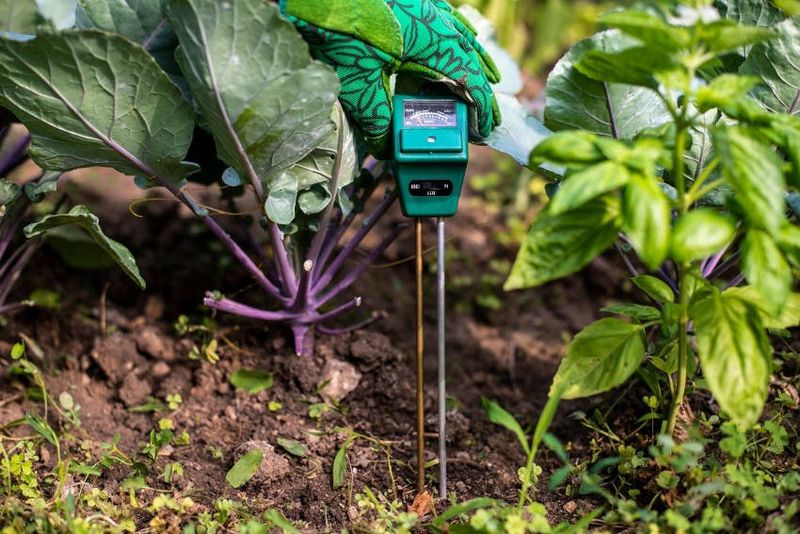
A wilting plant almost always triggers the urge to water, but adding moisture before checking the root zone can deepen the problem rather than solve it. Push a finger, a trowel, or a soil moisture meter several inches below the surface near the plant’s roots. If the soil at that depth is already wet and stays that way for an extended period after rain or irrigation, more water is not the answer.
University of Illinois Extension cucumber gardening guidance and Penn State Extension cucumber production guidance both emphasize that cucumbers need consistent, even moisture throughout the growing season. The goal is to maintain adequate moisture without allowing the root zone to become waterlogged. If drainage is poor, amending the bed with organic matter or redirecting water away from the planting area may reduce further root stress.
Oregon State Extension watering basics guidance recommends checking soil moisture before every irrigation rather than watering on a fixed schedule. That said, improving drainage or correcting moisture levels can prevent additional root damage, but it cannot reliably revive a plant that already has advanced root rot or bacterial wilt. University of Illinois Extension plant drowning guidance is direct on this point: once root damage is extensive, the plant may not recover regardless of what you do at the surface. Act early and base your decision on what the soil actually shows, not on what the leaves look like.
Remove strongly suspect plants and protect healthy ones
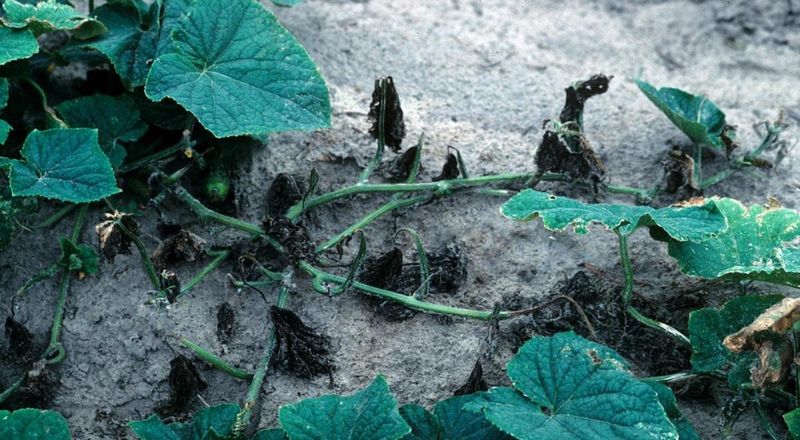
When the evidence points strongly toward bacterial wilt, removing the affected plant is the most responsible step you can take for the rest of your garden. Do not add it to the compost pile. University of Minnesota Extension explains that infected plant tissue can allow cucumber beetles to pick up Erwinia tracheiphila and carry it to healthy cucurbits nearby. Bagging the plant and discarding it with household waste removes that reservoir.
Penn State Extension vegetable garden diagnosis guidance supports this approach when bacterial wilt is the working diagnosis.
Protecting the plants that remain starts with managing cucumber beetles before they feed. Frequent scouting, at least two or three times per week during peak season, helps you catch populations early. On small plantings, hand-picking beetles and dropping them into soapy water is a practical nonchemical option. Floating row covers placed over transplants at planting time can physically exclude beetles from young plants.
University of Minnesota Extension and UC IPM cucumber beetle guidance both identify covers as an effective exclusion method for the early season.
Covers must come off when flowering begins so bees can reach the blossoms and pollinate the crop. Penn State Extension research on organic cucurbit systems found that delayed removal after flowering began reduced bacterial wilt incidence in one muskmelon trial, but that finding should not be applied automatically to every home cucumber planting or climate. If you are considering a pesticide, choose only products whose current label specifically lists cucumbers and cucumber beetles as targets. EPA guidance on reading pesticide labels is clear that the label governs legal use, protective equipment, harvest intervals, and application directions.
One beetle on a healthy plant is rarely grounds for an automatic spray. The plants you protect today are far easier to save than the ones you try to cure tomorrow.