
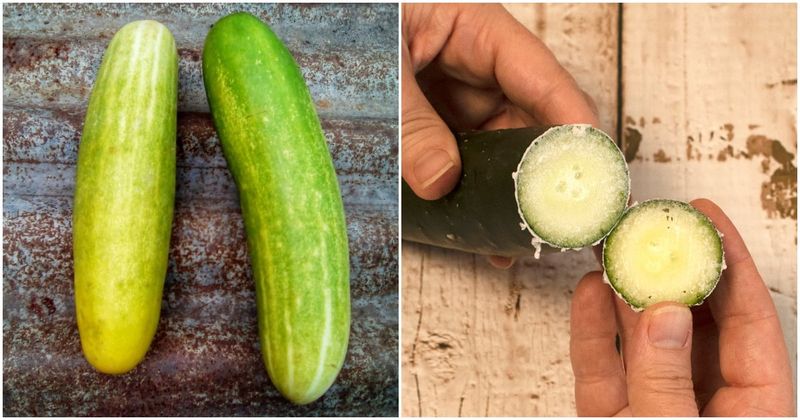
Pulling a cucumber off the vine only to find one end looks perfect while the other is pinched, pointed, or shriveled is one of summer’s most frustrating garden moments. Add a bitter taste to that, and it feels like the whole plant is working against you. The good news is that inconsistent soil moisture is often involved, and that is something you can actually change. Better watering may not fix the cucumbers already on the vine, but it can give the next ones a real shot at coming out right.
Fluctuating moisture is a common suspect, not a diagnosis
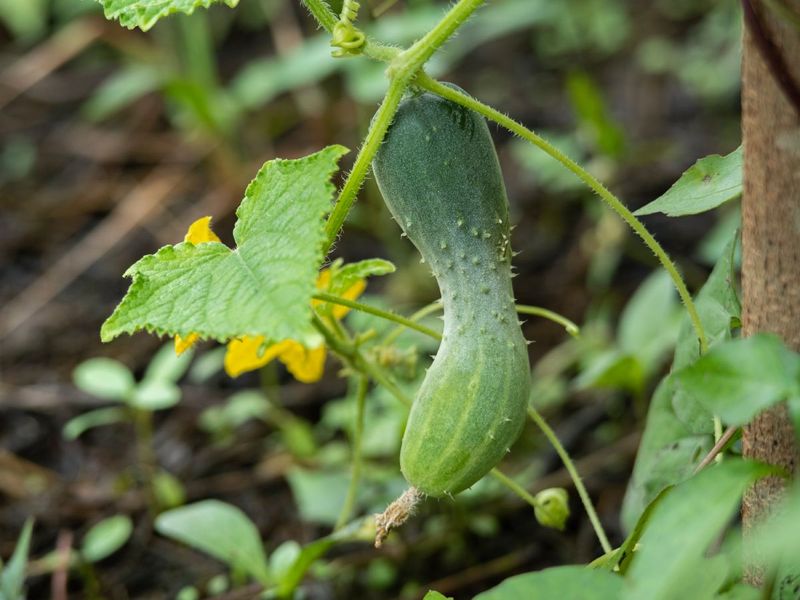
When a cucumber grows normally on one end and pinches down to a skinny, pointed tip on the other, moisture is often part of the story. Illinois Extension notes that cucumbers developing under moisture stress can end up normal on one end and skinny on the other, especially during the roughly seven-day window when the fruit is actively sizing up. Pair that with summer heat, and the problem can show up fast.
Bitterness tends to travel with this kind of uneven growth. When a plant experiences drought stress mid-fruit-development, it can concentrate compounds called cucurbitacins, which are responsible for that sharp, unpleasant flavor. Heat raises the plant’s water demand at the same time, so even a gardener who waters regularly may be leaving the soil drier than it looks between sessions.
Still, a pointed or shriveled end does not confirm that watering caused it. Utah State University links water stress to bitter, misshapen cucumbers, but poor pollination, low fertility, cold or wet spells, cultivar traits, viruses, and physical damage can produce similar results. The goal here is practical: figure out whether moisture is the likely culprit and set up a routine that gives the plant’s next cucumbers a better environment to develop in, without assuming the current fruit can be saved.
Heat amplifies water stress during fruit development
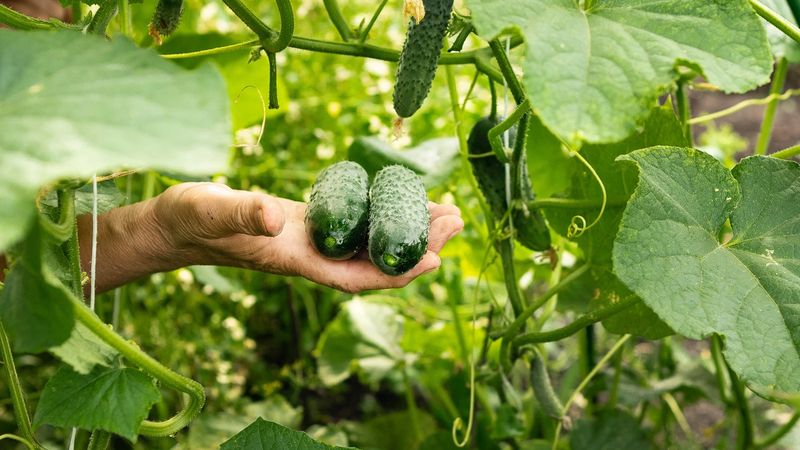
Cucumbers are thirsty plants under the best conditions, and heat pushes that demand even higher. When temperatures climb and soil moisture swings between dry and wet, the plant cannot keep up a steady supply of water to developing fruit. That disruption during fruit growth is thought to trigger the uneven cell expansion that produces a tapered or misshapen cucumber.
The connection to bitterness runs through cucurbitacins, the naturally occurring compounds that give cucumbers their sharp edge when levels get high. Research on cucurbitacin biosynthesis supports the link between plant stress and elevated levels of these compounds, though the relationship is not perfectly linear and genetics also play a role. A stressed plant produces more of them; a well-watered, healthy plant generally produces fewer.
Heat does not only work through moisture, though. Penn State Extension notes that temperatures above roughly 90 degrees Fahrenheit can reduce cucumber reproductive performance, affecting flowering, fruit set, and fruit development even when the plant is receiving adequate water. So heat and inconsistent irrigation often team up, but either one can cause trouble on its own. Oregon State University lists both high temperatures and drought as stressors associated with bitterness, which is a useful reminder that fixing the watering routine may not solve every case.
Check the soil before choosing a watering interval

Calendars are a poor guide for cucumber watering. A schedule that works during a mild, overcast week can leave plants thirsty during a stretch of 95-degree afternoons, or waterlogged after a rainy spell. The more reliable approach is to check what the soil is actually doing before reaching for the hose.
University of Minnesota Extension recommends pressing a finger about 2 inches into the soil near the plant’s root zone. If the soil feels dry at that depth, watering is likely needed. If it still feels moist, giving it another day is usually fine. This simple check takes about ten seconds and is more accurate than any fixed interval.
How often that check triggers watering depends on several factors. Sandy soil drains fast and may need water every day or two during hot weather. Heavier loam or clay holds moisture longer and can go several days between sessions. Containers dry out faster than in-ground beds, sometimes needing water twice a day in peak heat.
Rainfall, plant size, and whether the bed sits in full sun all shift the equation too.
Utah State University offers approximately 1 to 2 inches of water per week as a general range for vegetable crops, with fruiting plants like cucumbers often needing the higher end. Treat that figure as context rather than a target to hit mechanically. Soil feel, not a measuring cup, should drive the decision.
Water slowly at the root zone
Where and how water lands matters as much as how much you apply. Splashing water onto leaves or flooding the surface quickly can cause more runoff than absorption, leaving the root zone drier than it appears while also wetting foliage unnecessarily.
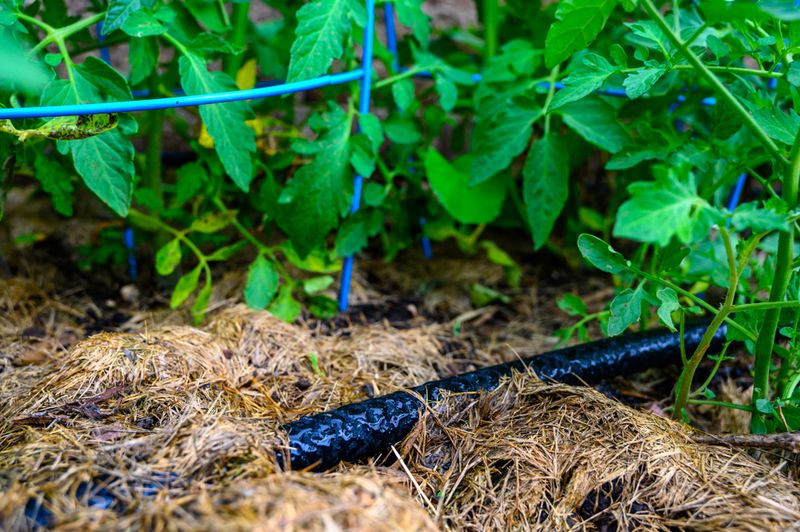
The better approach is to deliver water slowly, directly at the plant’s base, so it has time to soak down into the soil where the roots are. Utah State University’s cucurbit irrigation guidance recommends drip irrigation or soaker hoses as reliable methods for keeping cucumber root zones consistently moist. A low-flow hose held near the base works too. The key is giving the water time to penetrate rather than sending it sheeting across the surface.
University of Minnesota Extension also emphasizes slow, targeted application to support healthy root development. The goal is steady, even moisture across the root zone, not a cycle of drought followed by a sudden flood. Overwatering carries its own risks: saturated soil deprives roots of oxygen, encourages root rot and other diseases, and can contribute to fruit quality problems that look a lot like the ones caused by drought.
If you have been hand-watering quickly and moving on, slowing down and focusing on the base of each plant is one of the most straightforward adjustments you can make. It costs no extra money and can meaningfully reduce the moisture swings that stress developing fruit.
Use mulch and sensible timing to limit moisture swings

Watering well once does not guarantee the soil stays moist until next time. Summer heat pulls moisture out of bare soil surprisingly fast, and the dry-wet-dry cycle that follows is exactly what stresses developing cucumbers. Mulch is one of the most practical tools for slowing that cycle down.
University of Minnesota recommends roughly 2 to 3 inches of organic mulch around vegetable plants to conserve soil moisture and moderate temperature swings at the surface. Straw, shredded leaves, and wood chips all work well. Keep the mulch a few inches back from the stem itself so it does not hold moisture directly against the plant and invite rot.
Timing irrigation thoughtfully also helps. Morning watering is generally a good choice because it hydrates the plant before the hottest part of the day and allows any moisture that lands on foliage to dry off before evening, reducing the risk of fungal problems. University of Minnesota’s heat-management guidance supports morning irrigation as a standard practice during summer.
That said, timing is a preference, not a hard rule. If plants are already wilting badly in the afternoon and the soil is dry, waiting until morning to water would only extend the stress. Watering when the plant needs it is always the priority. Morning is the preferred window, not a reason to delay when the situation is already urgent.
Expect better later fruit, not a repaired cucumber
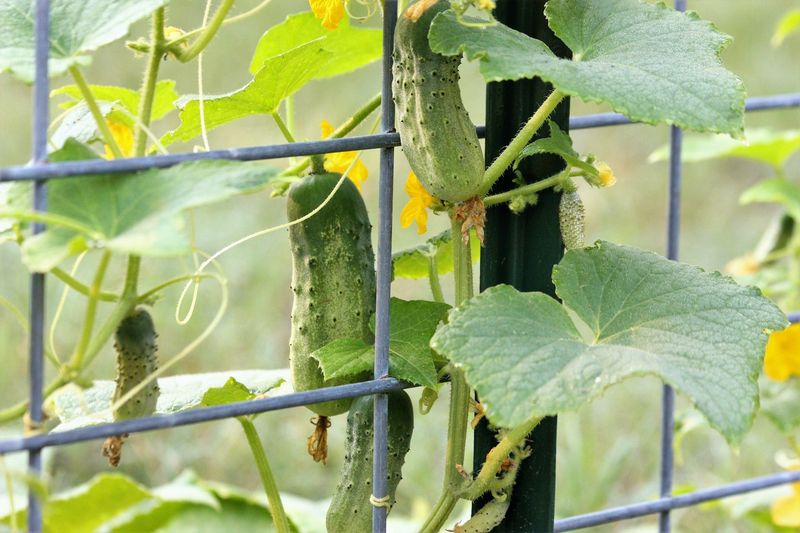
Correcting your watering routine will not change a cucumber that has already developed a tapered end or a bitter flavor. A fruit that formed under stress carries that stress in its shape and chemistry, and better irrigation going forward cannot reverse what already happened inside the cells. Understanding this upfront saves a lot of frustration.
What improved moisture management can do is give the plant’s next fruits a steadier environment to develop in. Oregon State University notes that picking cucumbers frequently once they reach the desired size can allow younger fruit on the vine to develop. Leaving large, overgrown cucumbers on the plant signals it to slow production, so regular harvesting keeps the plant in an active fruiting mode. This is about supporting continued production, not redirecting resources away from damaged fruit.
Pull any cucumbers that are already bitter, misshapen, or shriveling, and then let the vine keep going. Judge the success of your watering correction by what the next round of fruit looks like, not by whether the problem cucumbers improve. If fruit set continues and the new cucumbers come out fuller and less bitter over the following week or two, that is a good sign the plant is responding. Patience matters here: a cucumber plant does not reset overnight, but a healthier moisture routine gives it a real chance to produce better going forward.
Separate tapering from blossom-end damage
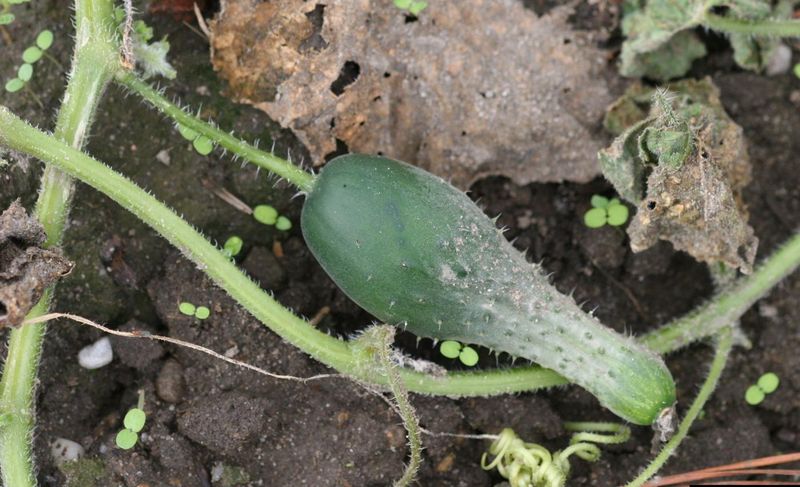
Not every problem at the tip of a cucumber is the same problem. Simple tapering, where the fruit narrows to a point or shrivels unevenly, is different from a dark, sunken, leathery, or water-soaked spot at the blossom end. Mixing them up can lead you toward the wrong fix.
That discolored, collapsed blossom end may indicate blossom-end rot, a physiological condition linked to calcium uptake problems in the developing fruit. Utah State University’s plant health resources and Illinois Extension’s blossom-end rot overview both explain that the condition is often tied to moisture imbalance, heat, and root stress rather than simply low calcium in the soil. The plant may have plenty of calcium available but struggle to move it into fruit when roots are stressed or moisture fluctuates sharply.
Illinois Extension’s cucurbit trouble guide and Colorado State University Extension both caution against automatically reaching for calcium fertilizer or eggshells when blossom-end symptoms appear. Adding calcium to soil that already has adequate levels rarely helps and can create other imbalances. The more defensible first step is to address moisture consistency and root health, and to run a soil test before amending anything. Secondary fungal or bacterial rot can also move into a damaged blossom end, making it look worse than the original physiological issue.
Check other causes before blaming the hose
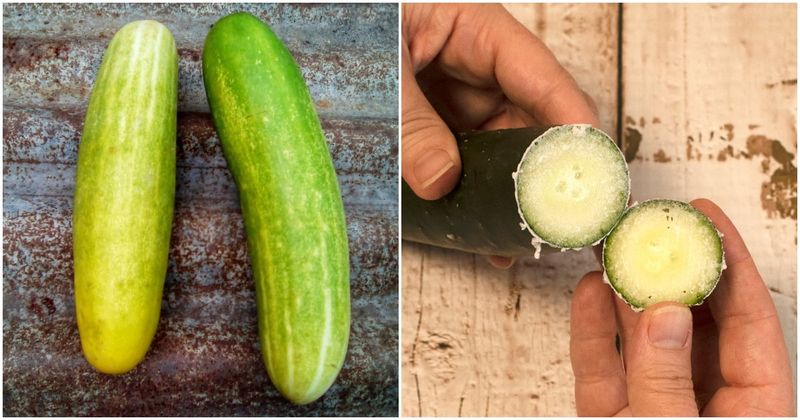
Steadier moisture is worth trying first, but some cucumber problems persist regardless of how carefully you water. When new fruit continues to come out misshapen or bitter after you have corrected your irrigation, it is time to look elsewhere.
Poor pollination is a common culprit for misshapen fruit. Penn State Extension’s cucumber pollination guide explains that incomplete pollen transfer during the flower stage can result in partially developed, lopsided, or stunted cucumbers. Bee activity, timing, and flower availability all affect pollination success. Low fertility, cold or rainy weather during flowering, and mechanical damage from pests or equipment can also produce fruit that looks a lot like water-stress damage.
Genetics matter too. Research on cucurbitacin genetics confirms that cucumber varieties differ significantly in their tendency to produce bitter compounds, and some cultivars can taste bitter even when grown under good conditions. Illinois Extension also directly addresses the persistent myth that cucumbers turn bitter from cross-pollination with muskmelons or watermelons, identifying that claim as false. Cross-pollination between species does not affect the current season’s fruit flavor.
For mildly bitter cucumbers, Illinois Extension notes that peeling the skin and trimming the stem end can reduce bitterness enough to make the fruit usable. Oregon State University warns that unusually or intensely bitter cucurbit fruit can contain high cucurbitacin levels capable of causing gastrointestinal illness. If a cucumber tastes sharply, intensely bitter beyond the usual mild edge, spit it out and discard the fruit rather than eating through it.
Steady moisture gives the next harvest its best chance
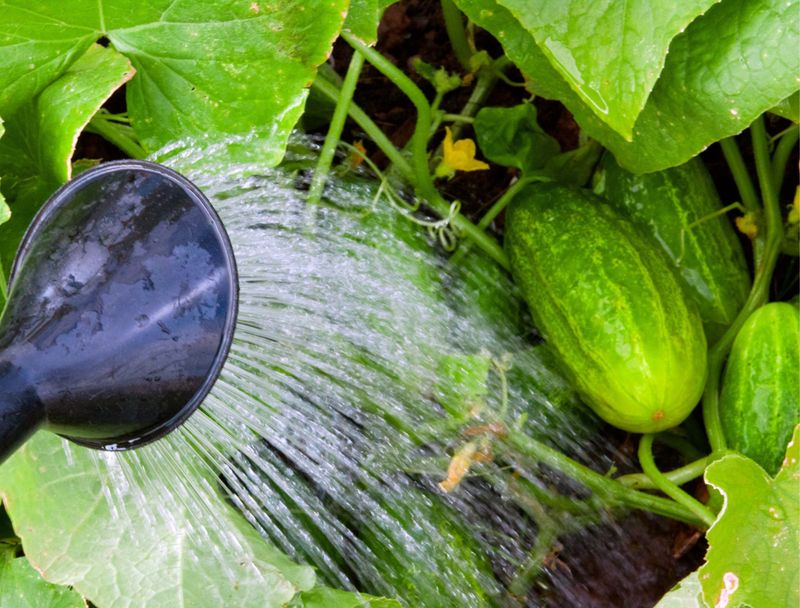
Pulling this together into a routine is straightforward. Check the soil about 2 inches below the surface before watering. If it feels dry there, water slowly at the root zone using a drip line, soaker hose, or low-flow hose. Utah State University’s cucurbit irrigation guidance and University of Minnesota Extension both support this soil-based approach as more reliable than a fixed schedule.
Keep 2 to 3 inches of organic mulch over the root zone to slow evaporation between waterings. Avoid both extremes: a prolonged dry spell followed by a heavy soak is as problematic as soil that never drains. Harvest cucumbers regularly so the vine stays productive, and watch the new fruit rather than the old ones to judge whether conditions are improving.
Consistent moisture is a defensible first fix when bitter or tapered ends appear during hot weather, but it is not the only answer. If new cucumbers remain misshapen or intensely bitter after several weeks of better irrigation, investigate pollination, cultivar choice, and other stressors. A cucumber plant that gets what it needs, reliably and at the root, tends to tell you so with fruit that is worth eating.