
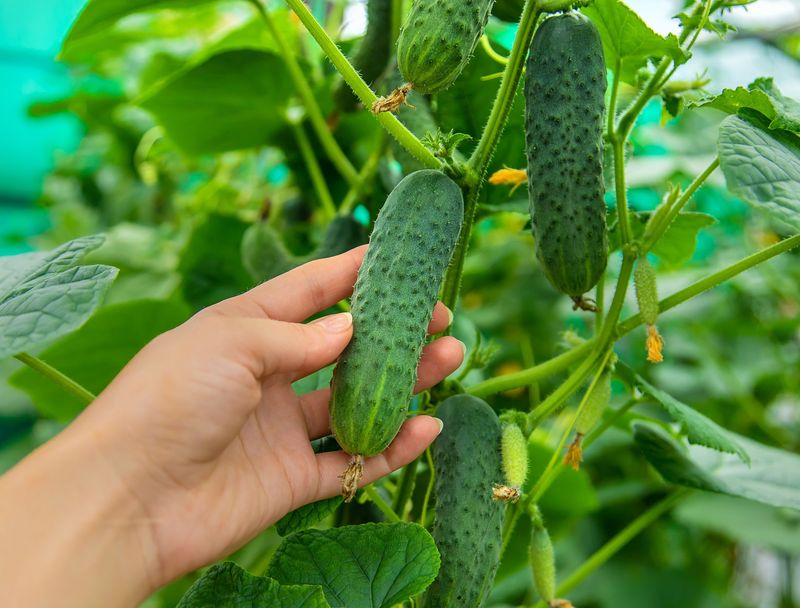
Pulling a cucumber off the vine and biting into something that tastes more like medicine than a salad ingredient is genuinely discouraging, especially after weeks of careful tending. Inconsistent soil moisture is one of the most common, preventable contributors to bitter cucumbers during hot weather, but it is not the only explanation. Heat itself, cultivar genetics, overmaturity, and other stresses can all push the same compound that makes cucumbers taste sharp and unpleasant. Understanding what is actually happening in your garden gives you a real shot at better fruit later in the season.
Inconsistent moisture can make heat-stressed cucumbers bitter
Pulling up a cucumber only to find it tapered, misshapen, or mouth-puckeringly bitter is one of the more frustrating moments in a summer garden. Fluctuating soil moisture is a well-documented contributor to that outcome, particularly during flowering, fruit set, and active fruit development. When a plant repeatedly dries out and is then flooded with water, the stress that cycle creates can show up directly in fruit flavor and shape.
That said, watering is one common, preventable contributor rather than a guaranteed diagnosis. Utah State University Extension notes that cucumbers need consistent moisture, especially during fruiting, and links moisture stress to both bitterness and poor fruit development. But heat itself raises the plant’s water demand, and high temperatures can affect fruit quality even when a gardener is watering on a reasonable schedule.
The cycle most likely to cause trouble looks like this: soil dries out during a stretch of hot days, the plant shows stress, and then a heavy watering arrives too late to prevent the damage already done to developing fruit. USU’s cucurbit irrigation guidance and University of Illinois Extension both point to inadequate or fluctuating moisture as a key factor in bitter, distorted cucumbers during extreme weather. The takeaway is not that you are definitely watering wrong, but that steadying the moisture supply is one of the most practical levers you have.
Cucurbitacins explain the bitter taste
The bitter flavor in cucumbers comes from a family of compounds called cucurbitacins. In cultivated cucumbers specifically, cucurbitacin C is the primary compound responsible. These are naturally occurring chemicals found throughout the cucurbit family, and they exist in cucumbers at varying levels depending on both the plant’s genetics and the stresses it encounters during growth.
Research published in the journal Phytochemistry confirms that cucurbitacin production is regulated by genetic factors and can be amplified by environmental stresses. A 2015 Nature Genetics study identified the specific genes controlling bitterness in cucumbers and other cucurbits, showing that the plant has a built-in biological switch for producing these compounds. That switch can be triggered or intensified by stress, which is why the same variety can taste fine in a cool, well-watered spring and turn sharply bitter by midsummer.
Heat is not simply a proxy for drought. Recent research on cucurbitacin accumulation shows that high temperatures and temperature swings can affect cucurbitacin levels independently of whether the plant appears wilted or dry. Oklahoma State University Extension also notes that very high temperatures contribute to bitterness, separate from watering habits. This means that even a gardener who waters carefully may still encounter bitter fruit during a prolonged heat wave, and that is not a personal failing.
Check the root zone before watering again
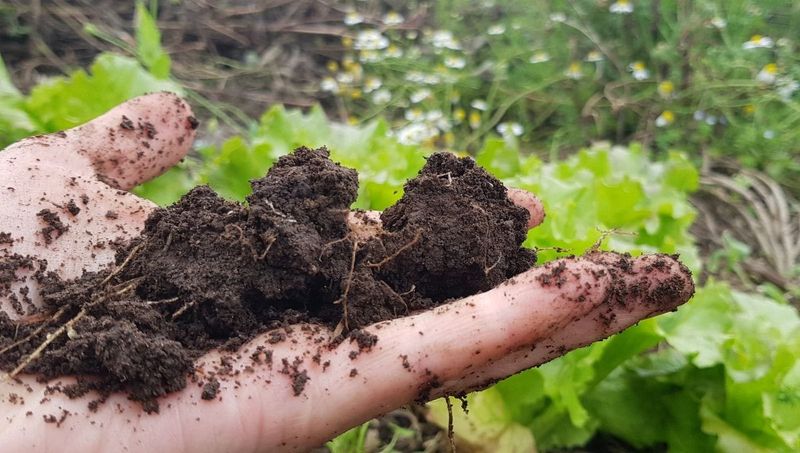
Before reaching for the hose, check what is actually happening in the soil. Many gardeners water by the calendar or respond to wilting leaves, but neither of those signals is reliably accurate in hot weather. University of Minnesota Extension’s vegetable watering guidance recommends inspecting the root zone several inches below the surface rather than judging moisture by surface appearance or plant posture alone.
Heat causes temporary midday wilting even when soil moisture is perfectly adequate. UMN’s heat gardening resource explains that cucumbers and other vegetables may droop in the afternoon simply because the leaves are losing water faster than the roots can replace it, not because the soil is dry. Adding more water to already-moist soil in that situation can lead to overwatering and root problems. The right move is to press two or three fingers a few inches into the soil near the base of the plant; if it feels dry at that depth, water thoroughly.
If it feels moist, wait and check again later in the day or the next morning.
Soil type, growing setup, and weather all change how often that check will signal a need. Utah State University’s vegetable water recommendations note that sandy soils drain quickly and may need more frequent attention, while heavier clay soils hold moisture longer. UMN’s cucumber growing guide adds that containers and raised beds dry out faster than in-ground beds, especially during hot and windy stretches. Large, actively fruiting plants also pull more water than young seedlings, so the same garden can need very different routines across the season.
Build a steady root-zone watering routine
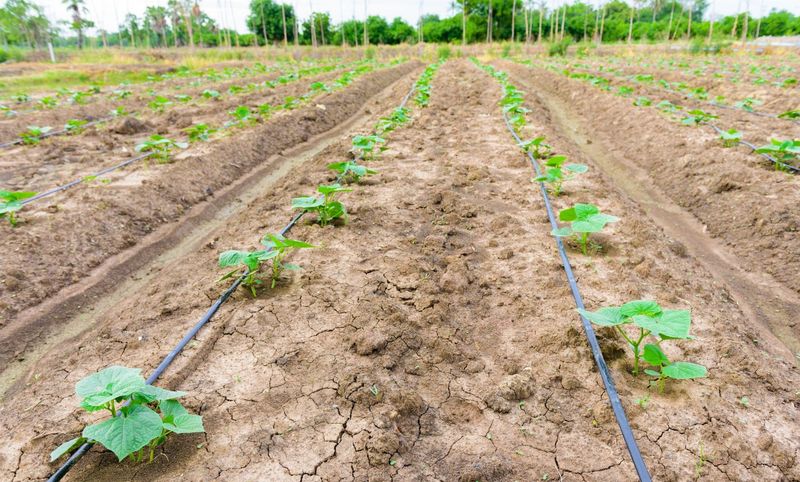
Once you know your soil is genuinely dry, the goal is to water thoroughly and consistently rather than lightly and often. A common starting range cited by Extension programs is roughly 1 to 2 inches of water per week, but treat that as a baseline, not a fixed rule. Utah State University Extension’s water recommendations for vegetables make clear that actual needs shift with temperature, wind, soil type, plant size, fruiting stage, and recent rainfall.
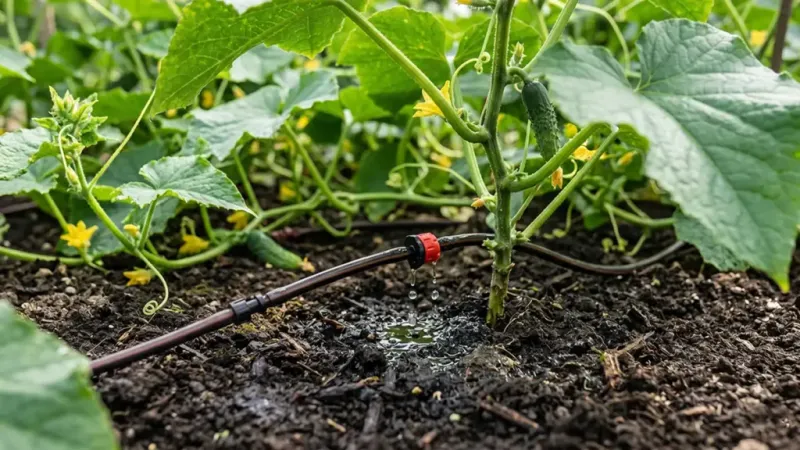
A large cucumber plant loaded with fruit during a 95-degree week in sandy soil will need water far more often than a younger plant in clay soil after a rainstorm. Containers and raised beds dry out faster than in-ground beds and may need daily attention during a heat wave. The key is keeping the soil evenly moist and well-drained, not constantly wet or waterlogged. USU’s cucurbit irrigation resource and UMN’s cucumber guide both recommend slow, thorough application directly to the root zone using drip irrigation, a soaker hose, or a slow hand-watering stream so water penetrates deeply rather than running off the surface.
One important clarification: improving your watering routine supports the quality of fruit that has not yet formed. Alabama Cooperative Extension’s guidance on bitter cucumbers describes bitterness as a stress-related fruit-quality problem, and existing bitterness in fruit that has already developed is not reliably reversed by watering changes. The payoff from a steadier routine shows up in the next flush of cucumbers, not the ones already on the vine.
Use morning watering and mulch to limit moisture swings
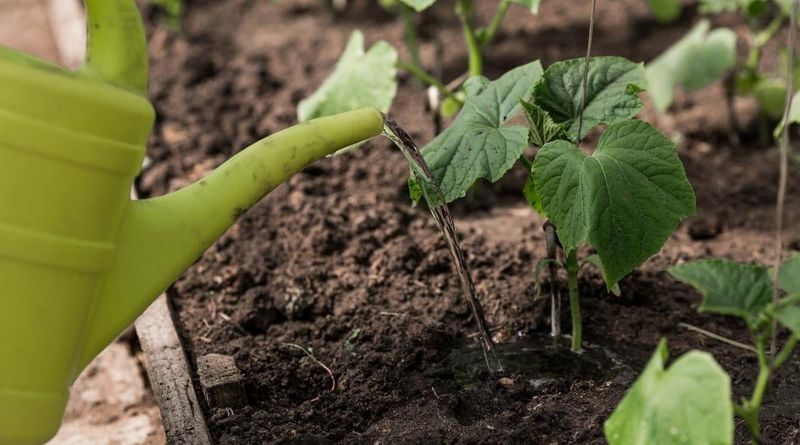
Timing and technique can make consistent moisture much easier to maintain during hot spells. Watering early in the morning gives the soil time to absorb moisture before peak heat drives evaporation, and it lets any water that does splash onto foliage dry off before nightfall. University of Minnesota Extension’s water-wisely guidance recommends morning watering and applying water at soil level to reduce both evaporation loss and prolonged leaf wetness.
Keeping routine water off the foliage matters because wet leaves that stay wet overnight create conditions favorable to fungal diseases. Oklahoma State University Extension specifically recommends soil-level application for this reason. To be clear, nighttime overhead watering is a concern because of the disease risk from prolonged leaf wetness, not because it has a proven direct link to bitter fruit.
Mulch is one of the most practical tools for moderating soil moisture between waterings. UMN’s hot-weather gardening resource recommends applying approximately 2 to 3 inches of organic mulch around vegetable plants. Straw, shredded leaves, or wood chips spread around the base of your cucumber plants slow evaporation, buffer soil temperature, and reduce how quickly the root zone dries between watering sessions. That buffer is especially valuable during the multi-day heat stretches that tend to produce the most moisture stress.
Reassess heat, variety, nutrition, and maturity
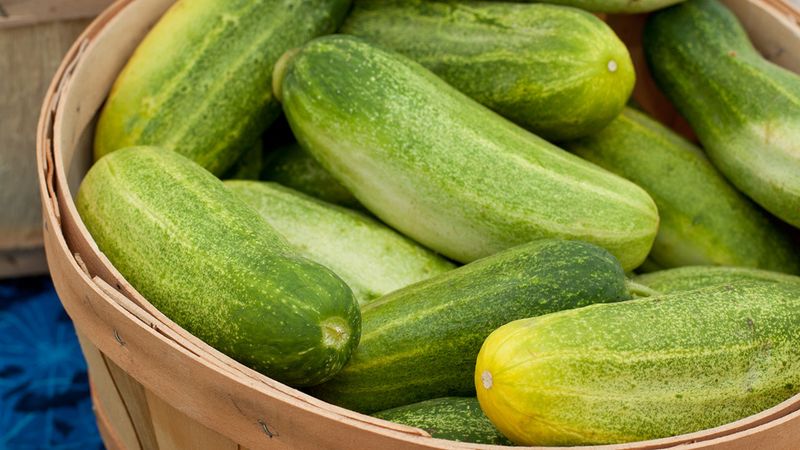
After tightening up your watering routine, a cucumber that still tastes bitter is telling you something else is also at work. Cultivar genetics play a large role. University of Minnesota Extension’s cucumber growing guide notes that bitterness can concentrate near the skin and stem end, and that varieties differ substantially in their tendency to become bitter under stress. Some modern cultivars are specifically bred with low-bitterness traits, and switching to one of those may help more than any change in watering.
Temperature swings are another factor that watering alone cannot fix. NC State’s cucurbit breeding program notes that heat and temperature fluctuations can increase cucurbitacin production regardless of soil moisture. A well-watered plant exposed to dramatic day-to-night temperature swings may still produce bitter fruit, particularly during the hottest weeks of summer.
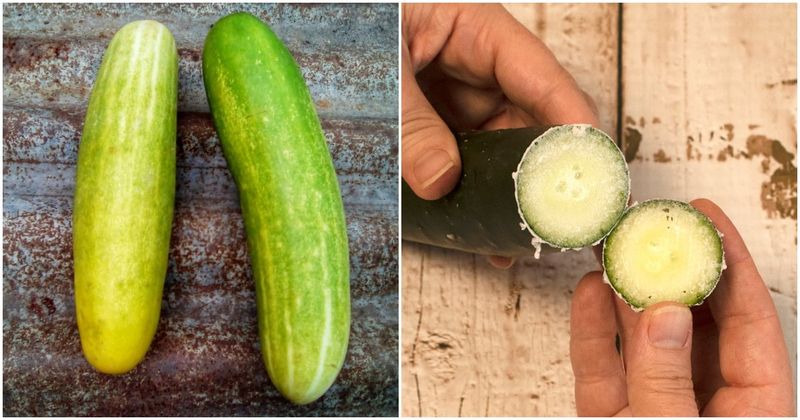
Overmaturity is a simpler problem to check. University of Illinois Extension points out that cucumbers left on the vine too long develop more pronounced bitterness and poorer texture. University of Georgia Extension’s cucumber production guide adds that nutrient imbalances and other plant stresses can also contribute. If your watering is now steady and the soil is consistently moist but fruit is still bitter, consider whether your variety is a poor fit for summer heat, whether the cucumbers are being left on too long, or whether a soil test might reveal a nutritional gap worth addressing.
Harvest young cucumbers and recognize the safety boundary
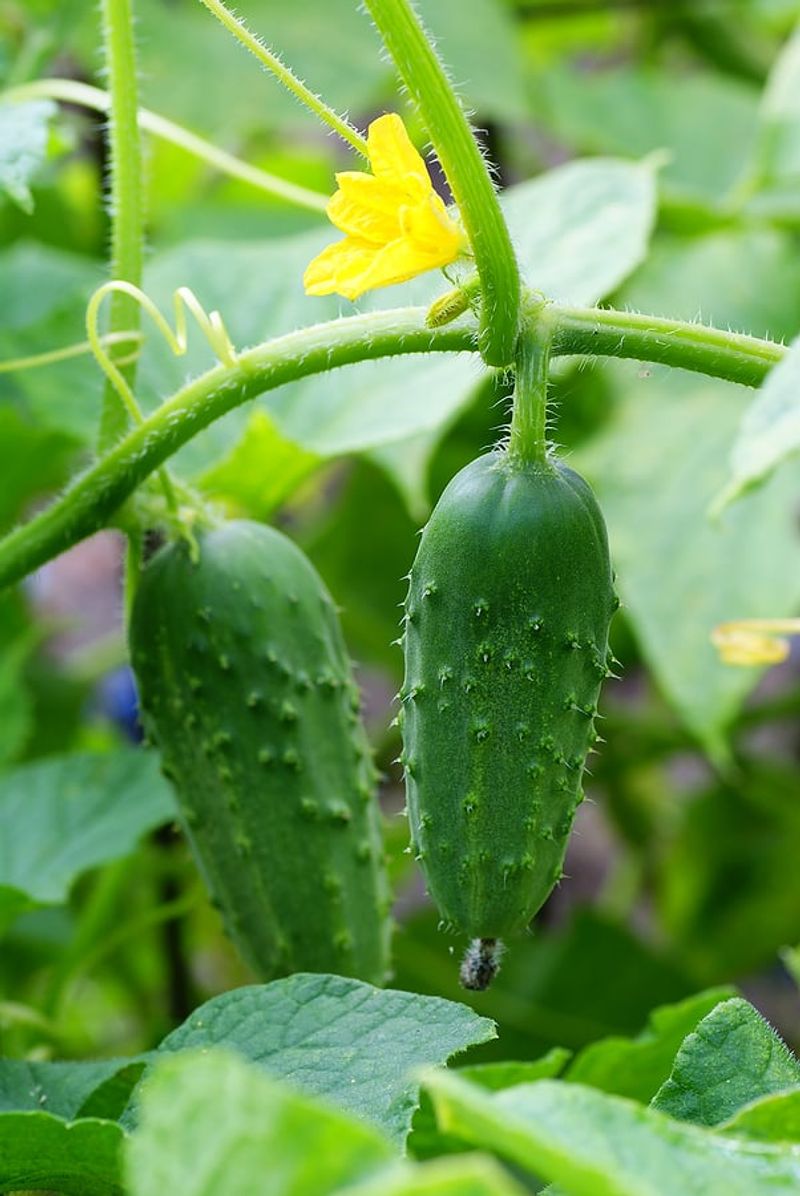
Frequent harvesting is one of the most straightforward things a gardener can do to improve cucumber quality. University of Georgia Extension recommends picking cucumbers while they are young and well-sized, before they start to yellow or swell into overmaturity. University of Illinois Extension echoes this, noting that regular harvesting also encourages the plant to keep producing rather than putting energy into maturing seeds inside an overgrown fruit.
Mild bitterness that is concentrated near the skin or the stem end is a recognized quality issue in cultivated cucumbers. UMN’s cucumber guide confirms that bitterness often localizes in those areas. Peeling the cucumber and trimming the stem end may reduce that localized sharpness, and Oregon State University Extension notes this as a practical workaround for mildly affected fruit. Peeling is a quality adjustment, though, not a reliable safety measure for a fruit that is intensely bitter throughout.
An unusually or intensely bitter cucumber is a different situation. Oregon State Extension’s guidance on toxic cucurbits and the Pacific Northwest Pest Management Handbook’s entry on toxic cucumber both advise against eating fruit that is strongly bitter throughout. Do not try to mask intense bitterness through cooking, pickling, or juicing. Discard the fruit.
If someone eats a very bitter cucumber and develops gastrointestinal symptoms, contact Poison Control at 1-800-222-1222 or seek medical care promptly. Mild bitterness in a garden cucumber is a common quality problem; intense, unusual bitterness throughout the entire fruit is a different matter and should be taken seriously.
Steadier moisture improves the odds for later fruit
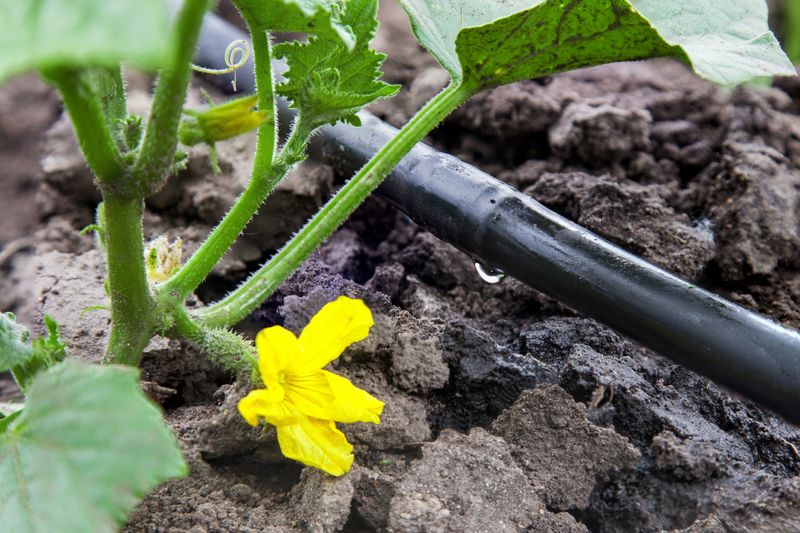
The practical path forward is straightforward: check root-zone soil before watering, apply water slowly and thoroughly to the root zone when it is dry, lay down 2 to 3 inches of organic mulch to slow evaporation, and water in the morning at soil level. Harvest cucumbers young and often, and reassess your variety if bitterness persists even after moisture becomes more consistent. Utah State University Extension and USU’s cucurbit irrigation guidance both support steady moisture as a key factor in fruit quality.
These steps may meaningfully improve the cucumbers that develop after you make the changes, but they cannot guarantee mild fruit. UMN’s cucumber guide is a useful reminder that genetics, heat, maturity, and other stresses all play a role alongside moisture. A garden that stays consistently watered, well-mulched, and harvested on time is simply a garden where bitterness has fewer chances to take hold.