
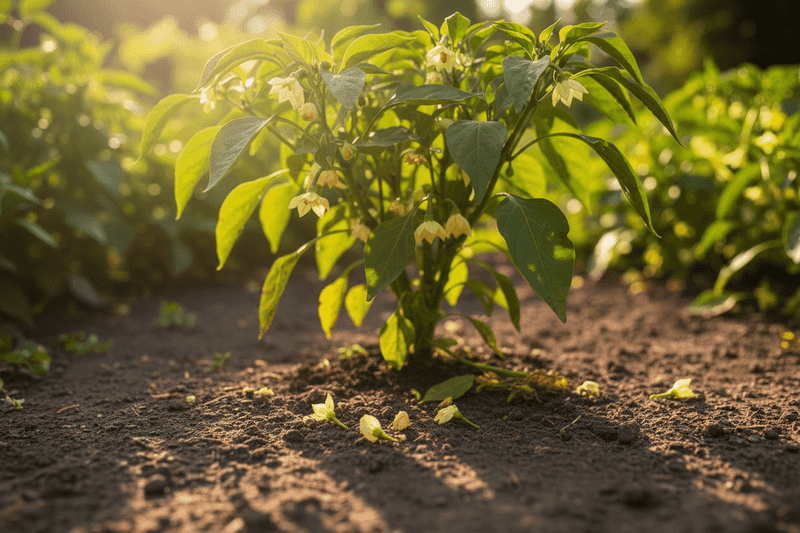
Few things are more frustrating in the summer garden than a pepper plant loaded with blooms that never turn into fruit. You water, you wait, and every flower falls off before a single pepper has a chance to form.
Late-summer heat is almost always the first place to look when this happens to an otherwise healthy-looking plant. Understanding what heat does to pepper flowers makes it much easier to know what to do next.
The heat pattern points to a temporary fruit-set problem
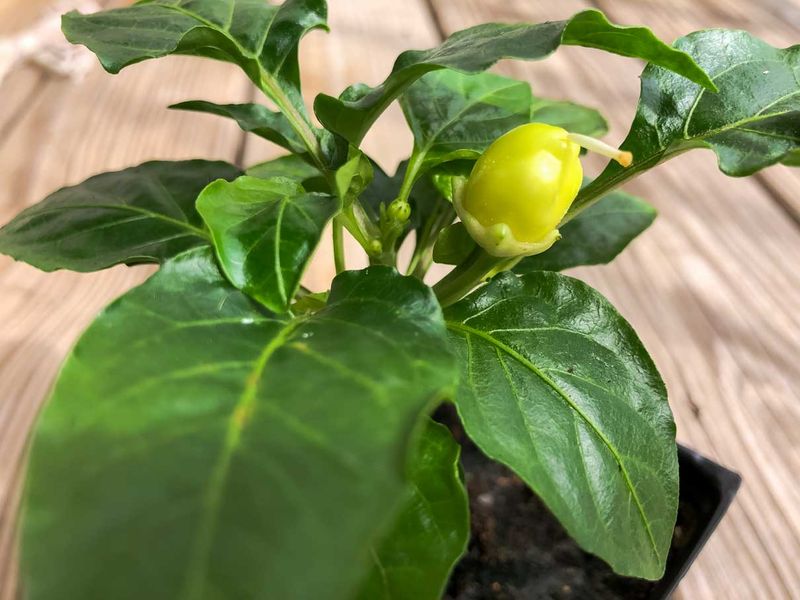
A pepper plant covered in blossoms that fall away cleanly, without ever swelling into tiny fruit, is one of the most recognizable signs of heat-related flower drop. The pattern gardeners in Texas, Florida, and the rest of the deep South know well: days pushing past 90 degrees, nights that barely cool below 75, and a plant that keeps blooming but never sets.
Oklahoma State University Extension pepper production guidance identifies those temperature ranges as the point where fruit set commonly breaks down for many pepper varieties.
Those figures are useful starting points, not hard cutoffs. Cultivar, humidity, how long the heat lasts, and how well the plant is watered all affect the outcome.
Bell peppers and other large-fruited types tend to struggle sooner and more severely than smaller, hotter varieties like jalapeños or cayennes, which can sometimes push through a warm stretch with more success. UF/IFAS pepper production research in South Florida confirms that some chili types keep producing through hot, humid summers while large-fruited bells are more vulnerable.
A brief temperature spike does not guarantee that every flower will fail. The bigger risk comes from sustained heat that lasts day after day without relief.
The encouraging news is that the plant is not dying. Later flowers may set fruit once temperatures moderate, especially when the rest of the plant’s care is dialed in.
The sections that follow cover the practical steps that give those later flowers the best possible chance.
Why a healthy-looking pepper can abort its flowers
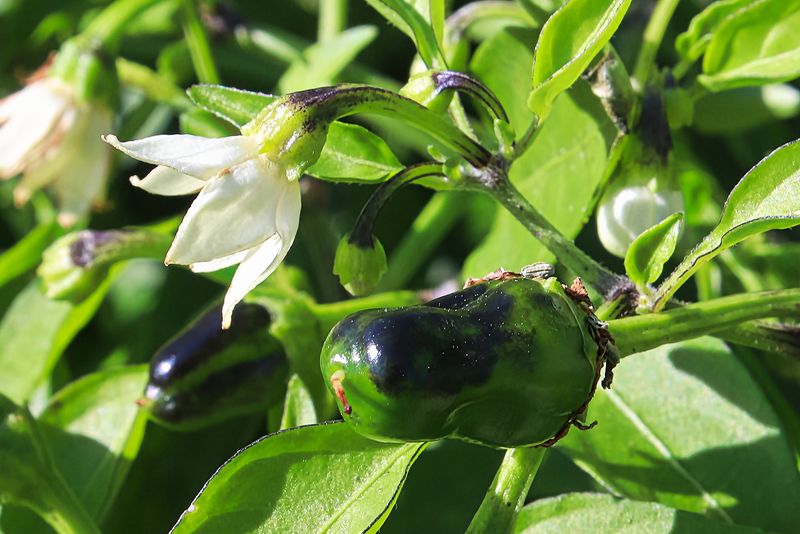
Green, vigorous leaves are not a reliable sign that everything inside the flower is working correctly. Heat affects reproductive tissues differently than it affects the rest of the plant.
Research by Erickson and Markhart published in Plant, Cell and Environment found that sustained exposure to temperatures around 91 degrees Fahrenheit damaged bell pepper reproductive organs at specific developmental stages, reducing fruit set even when the vegetative parts of the plant appeared normal.
What goes wrong is fairly straightforward once you know where to look. Pollen can become less viable, fertilization may not complete, and the earliest stages of fruit development can stall before the flower even has a chance to hold on.
The plant senses that conditions are not favorable for supporting a fruit and drops the flower rather than investing resources in it. The canopy looks fine because the leaves can tolerate temperatures that the reproductive system cannot.
Peppers are generally self-pollinating, which means a shortage of bees is not the default explanation for this kind of widespread flower drop. Texas A&M AgriLife Extension guidance on peppers notes that the flowers release pollen without requiring an outside pollinator.
Gently shaking the plant can help move pollen in calm indoor or protected settings, but it cannot repair pollen that heat has already damaged or rescue a flower that has already been compromised. The fix has to address the conditions around the plant, not just the flowers themselves.
Stabilize moisture and protect the root zone
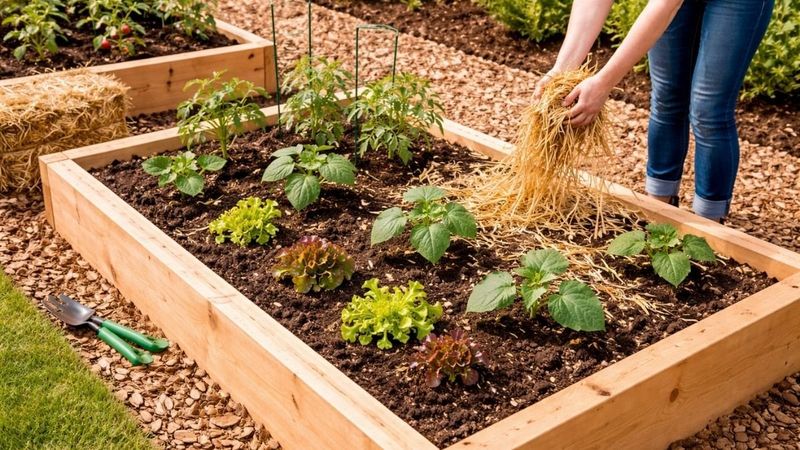
Keeping soil moisture steady during a heat wave is one of the most direct things a gardener can do to reduce additional stress on a pepper plant that is already struggling to set fruit. Swinging from bone-dry to waterlogged is hard on roots and can trigger flower and small-fruit drop on its own, separate from any temperature problem.
Oklahoma State University Extension’s pepper production fact sheet recommends consistent moisture as a key part of managing peppers through hot conditions.
Deep watering is more useful than frequent shallow wetting. The goal is to moisten the full root zone and then let the soil approach dryness before watering again, adjusting that interval for your specific setup.
Containers dry out faster than in-ground beds. Sandy Florida soils drain more quickly than clay soils in other parts of the South.
Plant size, recent rainfall, and summer heat all shift how often watering is actually needed. UF/IFAS guidance on pepper production specifically flags that peppers in Florida are sensitive to flooding and poor drainage, and that excess water can harm roots and reduce fruit quality just as drought can.
A two-to-three-inch layer of organic mulch around the base of each plant can make a real difference by slowing evaporation and moderating soil temperature. Oklahoma State University Extension’s mulching guide recommends keeping mulch a few inches away from the stem to avoid trapping moisture against it.
Mulch helps create more uniform conditions between waterings, but it does not guarantee that flowers will set. Think of it as removing one more source of stress during an already difficult stretch.
Use temporary, ventilated afternoon shade
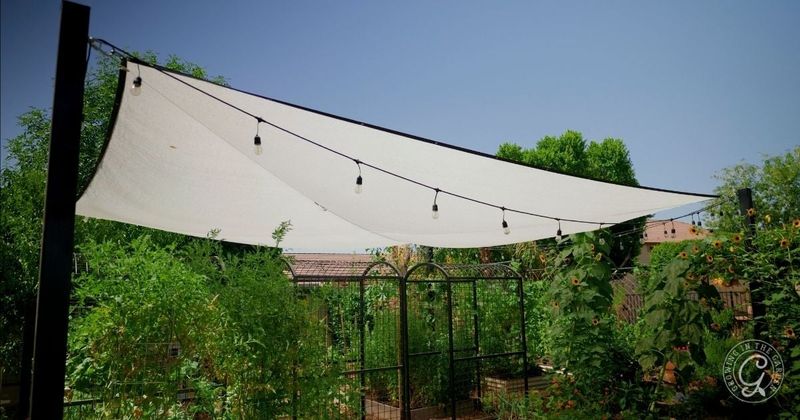
Afternoon shade is a tool for the hottest stretch of summer, not a permanent change to how your pepper plants live. When daytime temperatures are regularly climbing past 90 degrees, a few hours of filtered protection during the peak heat window can lower the temperature around the plant enough to reduce additional stress on developing flowers.
University of Georgia Cooperative Extension’s August gardening tips recommend shade cloth when daytime temperatures exceed 90 degrees Fahrenheit as a practical response to heat-related flower drop.
That 90-degree figure is a useful trigger, not a universal rule. Local humidity, how long the heat persists each day, and how exposed your garden bed is all affect whether shade makes sense for your situation.
The key word in any shade recommendation is ventilated. Shade cloth allows air to move through while cutting direct sun intensity.
Plastic sheeting, cold frames, or any unventilated cover traps heat and makes conditions worse rather than better during hot weather. Avoid those entirely in summer.
All-day deep shade is also the wrong approach. Peppers need substantial light to grow and produce, and blocking too much sun for too long reduces the plant’s ability to support future flowering.
Limit shade to the hottest afternoon hours, typically from around midday through mid-afternoon, and remove or roll back the cloth on cooler days. Shade may improve the odds for later flowers by keeping the plant from accumulating more heat stress, but it cannot force the flowers already on the plant to become peppers.
Feed cautiously and harvest mature peppers
Reaching for a fertilizer bag when flowers keep dropping is a common reaction, but it can make things worse. Excess nitrogen pushes a pepper plant toward lush, dark-green leaf growth at the expense of flowering and fruiting.
A plant that already looks full and healthy almost certainly does not need more nitrogen, and adding it during a heat-stress period can delay fruiting further rather than encourage it. University of Minnesota Extension’s fertilizing guide recommends basing nutrient applications on actual plant needs and soil-test results rather than on the assumption that something is missing.
Phosphorus, potassium, and calcium supplements are sometimes suggested as fixes for flower drop, but the evidence does not support that approach for ordinary heat-related blossom loss. Calcium, in particular, belongs to a different conversation.
Dark, sunken lesions on the bottom end of a developing pepper are the sign of blossom-end rot, which involves localized calcium movement and irregular watering. University of Georgia Extension’s guide on bell pepper defects explains that blossom-end rot affects fruit that has already formed, not flowers that fall off before any fruit develops.
Treating one as though it were the other wastes time and money.
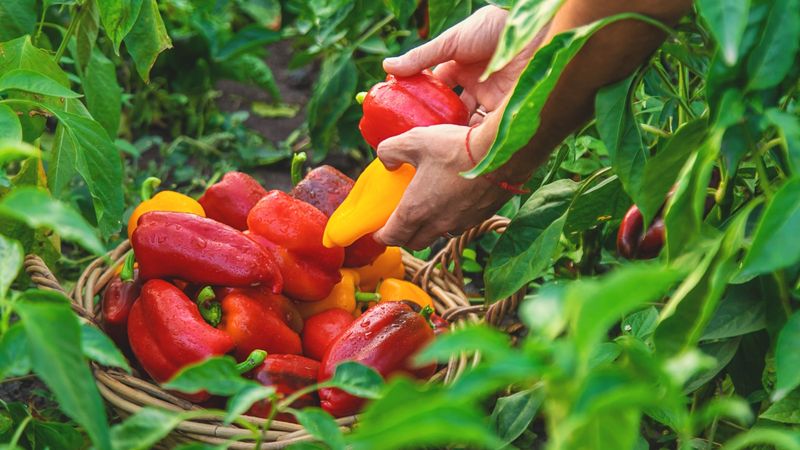
Regular harvesting is worth doing for a different reason. University of Minnesota Extension’s pepper-growing guidance notes that picking mature peppers promptly can encourage continued flowering and production.
It will not override severe heat stress, but leaving ripe fruit on the plant does signal to the plant that it has already succeeded, which can slow new flower development. Keep harvesting on schedule and let the plant focus its energy on what comes next.
Inspect buds and fruit for problems heat cannot explain
Heat fits the picture when flower drop is widespread, temperatures have been consistently high, and the plant otherwise looks normal. When the pattern does not match, or when drop continues after temperatures ease, a closer look at the plant itself is the right next step.
University of Minnesota Extension’s pepper-growing page notes that diseases, viruses, insects, root problems, insufficient light, wind, and moisture stress can all affect flowers and fruit, and that diagnosis should include leaves, stems, roots, buds, and any developing fruit.
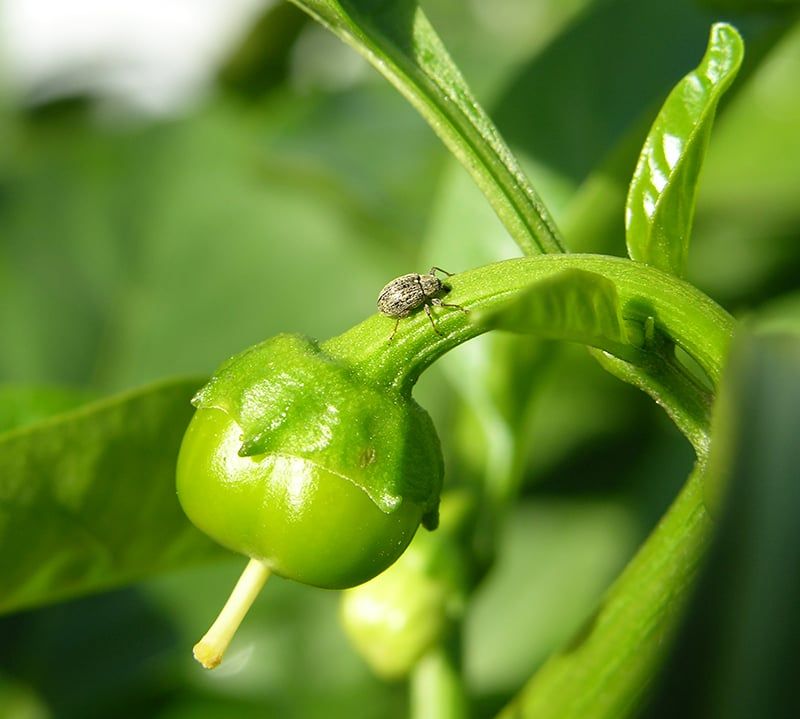
Pepper weevil is a specific pest worth knowing. The larvae feed inside buds and young fruit, causing them to drop in ways that can look like heat stress from a distance.
University of Georgia IPM reporting on pepper weevil in Georgia describes severe bloom and fruit drop as a key symptom of weevil infestation. Look for buds that appear deformed, have small entry holes, or drop while still tight.
If you cut open a dropped bud and find a small larva inside, weevil is the likely culprit and heat is not the primary explanation. Severe, unexplained losses warrant a call to your local Extension office.
Two other disorders are sometimes confused with flower drop but affect fruit that has already formed. Blossom-end rot shows up as a dark, sunken, leathery lesion on the bottom of a developing pepper.
UGA Extension’s bell pepper defects guide also describes sunscald as pale, tan, or bleached damage on the side of a pepper that faces direct sun. Neither of those explains flowers falling off before any fruit forms.
Keeping those distinctions clear helps you apply the right response to the right problem.
Give the next flowers a better chance
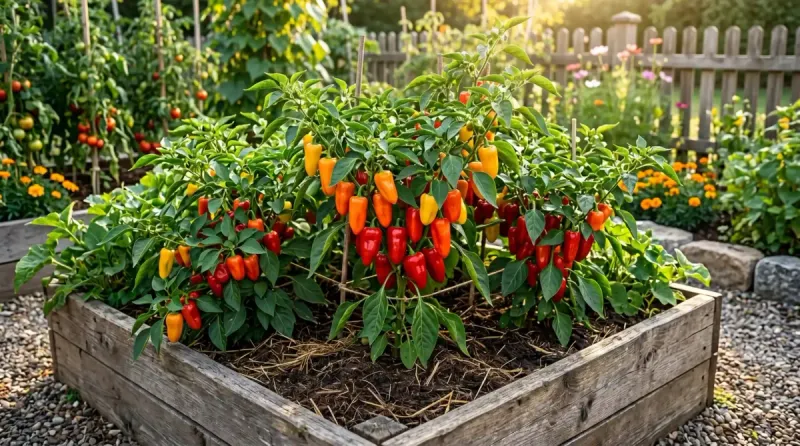
Working through a heat-related flower-drop problem comes down to a practical sequence rather than a single fix. Start by checking actual day and night temperatures over several days rather than assuming heat is the cause without confirming the pattern.
Georgia Extension’s August gardening tips confirm that pepper flowers may fail to develop above 90 degrees and can resume setting as temperatures cool, which is the best-case outcome for plants that are otherwise healthy and well cared for.
Once you know heat is likely involved, work down the list: stabilize root-zone moisture without overwatering, apply mulch around but not against the stem, and add temporary ventilated afternoon shade during the hottest period if temperatures are consistently high. Oklahoma State University Extension supports consistent moisture and appropriate care as the practical response to heat stress in peppers.
Hold off on heavy fertilizer applications unless a soil test points to a real deficiency, and keep harvesting mature fruit on schedule.
Bell peppers and other large-fruited types will likely remain more vulnerable than smaller hot varieties even after you have addressed every controllable factor. If flower drop continues well after temperatures moderate, broaden the diagnosis to include pests, disease, light, roots, and moisture rather than reaching for unverified sprays or products that promise guaranteed recovery.
University of Minnesota Extension recommends contacting a local Extension office when the cause is unclear and losses are severe. The plants that make it through the hottest stretch with steady care are usually the ones still producing when the season finally turns.