
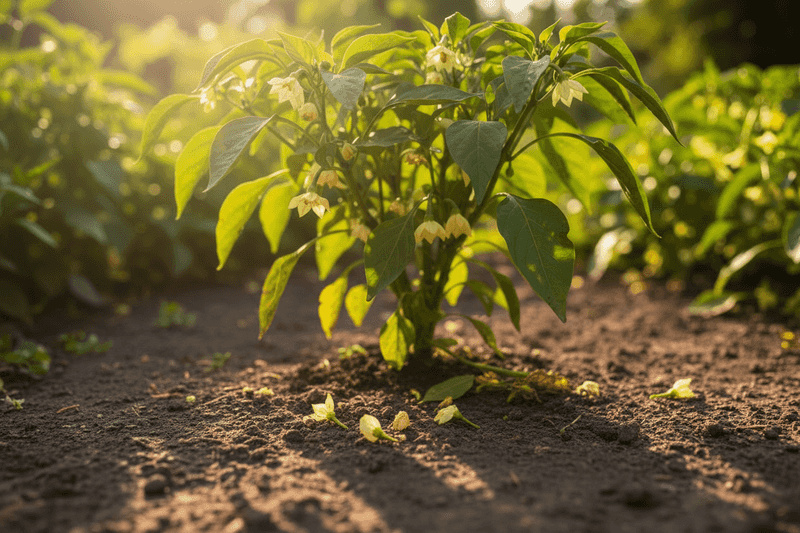
Watching your pepper plant bloom beautifully, then shed every flower before a single fruit forms, is one of the more discouraging sights in a summer garden. The good news is that this pattern has recognizable causes, and most of them are fixable. Hot weather is often the direct trigger, but what is happening in the soil beneath the plant can make things worse or better. Checking both temperature exposure and root-zone conditions together gives you the clearest picture of what your plant actually needs.
Heat may trigger the drop, while the root zone can intensify it
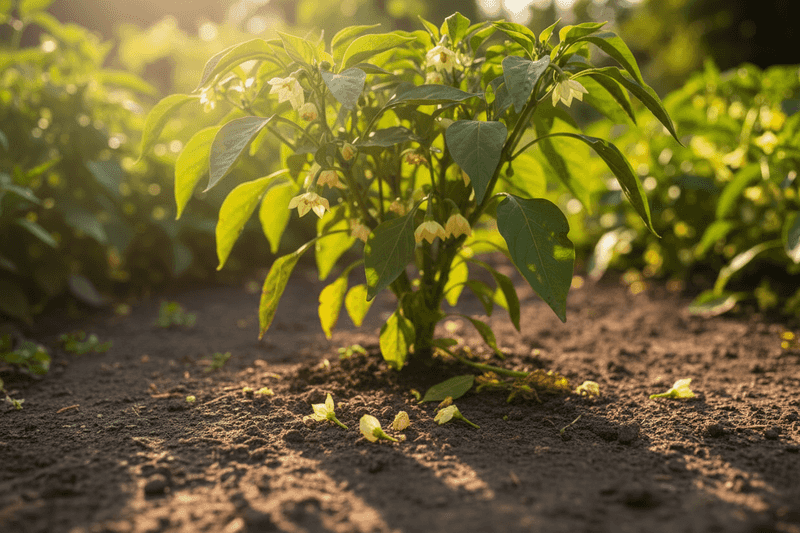
Pepper plants are known for flowering generously, so finding a cluster of dropped blossoms on the soil beneath your plant feels like a betrayal. The pattern is common during hot summers, and the cause is rarely just one thing. High temperatures are often the immediate trigger for blossom abortion, while uneven soil moisture, poor water uptake, shallow roots, or waterlogged soil can amplify the stress already placed on the plant by the heat.
Rather than treating either heat or root problems as the definite culprit, assess both together. University of Minnesota Extension guidance on growing peppers emphasizes that flower drop during hot weather can involve temperature stress and soil moisture inconsistency at the same time, which is why a fix aimed at only one factor may fall short. The root zone is an important diagnostic and management location, not automatic proof that damaged roots caused every dropped flower.
Before reaching for fertilizer or trying to hand-pollinate remaining blooms, take a moment to observe the full picture. Check how hot the site has been running, feel the soil near the plant, and look for signs that the plant is struggling beyond the dropped blossoms. Oklahoma State University’s pepper production guide and Oregon State Extension’s pepper growing guide both point to heat and moisture management as the primary areas to address before anything else.
Hot days and nights can interrupt fruit set directly
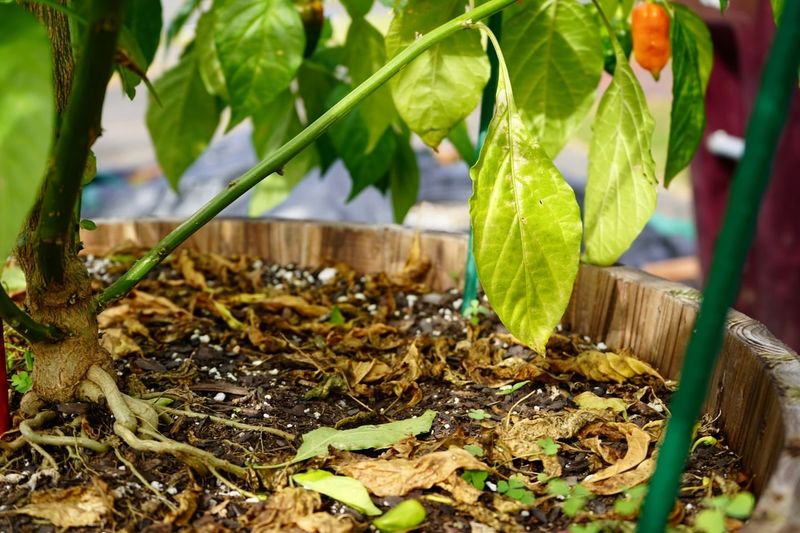
Peppers are warm-season plants, but they have limits. When daytime temperatures climb into the upper 80s or push past 90 degrees Fahrenheit, and especially when nighttime temperatures stay above roughly 70 to 75 degrees, the plant’s ability to complete normal flower development and fruit set can break down. Oklahoma State Extension’s vegetable FAQ identifies combined day and night heat as a key factor in pepper blossom drop, though the exact temperatures that cause problems vary by cultivar, growing conditions, and how long the heat persists.
The nights matter just as much as the days. Research on the effects of diurnal temperature on sweet pepper fruit set found that elevated nighttime temperatures can substantially increase blossom drop and reduce fruit set, with injury potentially occurring during flower development both before and after pollination. A study by Erickson and Markhart on bell pepper heat sensitivity confirmed that different stages of flower development carry different levels of vulnerability to heat, so a single hot stretch can affect multiple flushes of bloom.
Variety plays a real role here. Oklahoma State’s pepper production fact sheet notes that small-fruited, pungent pepper types often handle high-temperature fruit-set problems better than bell peppers do. Humidity, wind, container size, and how well the plant has acclimated to its site also shape the response. Flowers that have already aborted will not recover, so the goal is to protect the next flush of blooms by addressing conditions before they form.
Check the soil and plant before changing the watering routine
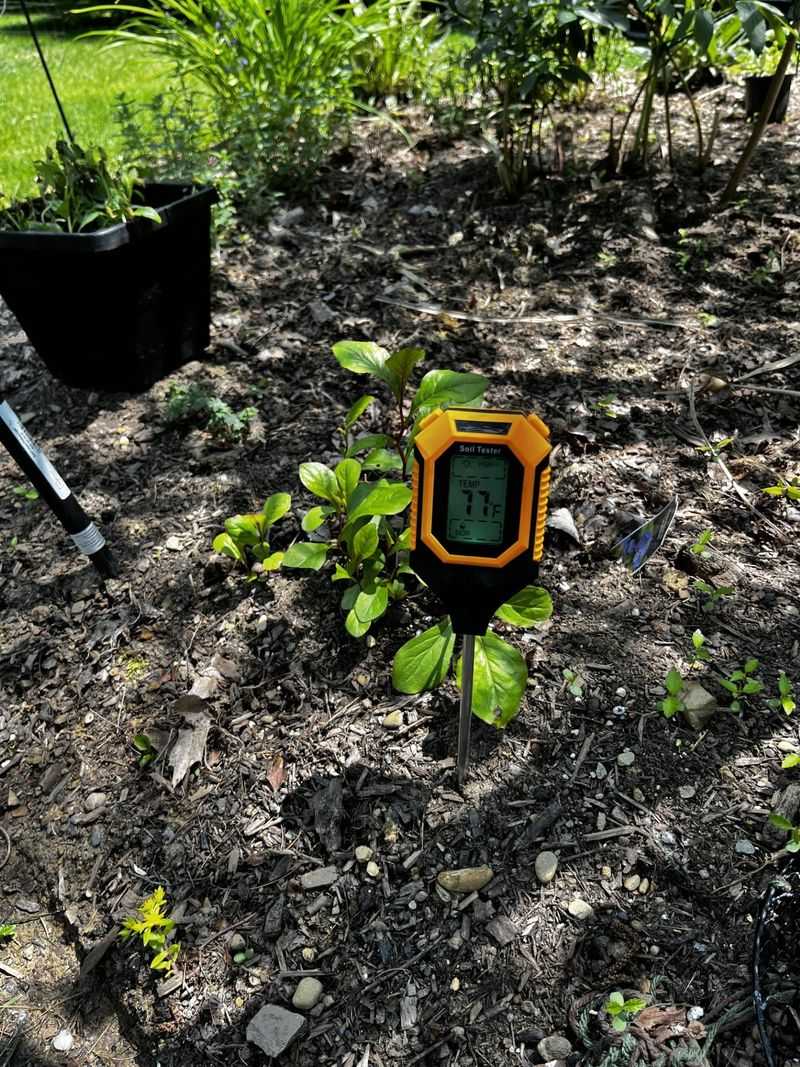
A wilting pepper plant on a scorching afternoon does not automatically mean the soil is dry. Heat and high evaporative demand can pull moisture out of leaves faster than roots can supply it, even when the soil holds plenty of water. University of Minnesota Extension’s guidance on keeping gardens healthy through heat specifically advises checking soil conditions before irrigating, because a plant that perks up after sunset likely had enough water and did not need more added during the hottest part of the day.
Start by pushing a finger or a narrow trowel a few inches into the soil near the plant, not directly at the stem. You are looking for whether the soil feels genuinely dry several inches down, stays wet and cold, or dries out very quickly in a container or a windy spot. Oklahoma State Extension horticulture tips recommend digging carefully beside the root ball rather than through it when investigating possible root problems, to avoid compounding any existing stress.
If the plant is also showing persistent wilting that does not improve overnight, yellowing leaves, poor overall vigor, or rapid decline, those are signals to look more closely. Gently expose the upper root zone and examine the roots and the stem base near the soil line for discoloration, soft tissue, or lesions. Keep in mind that a brief visual check can point you toward a problem but cannot definitively identify every possible disease or disorder.
Even moisture helps roots keep pace with a hot plant
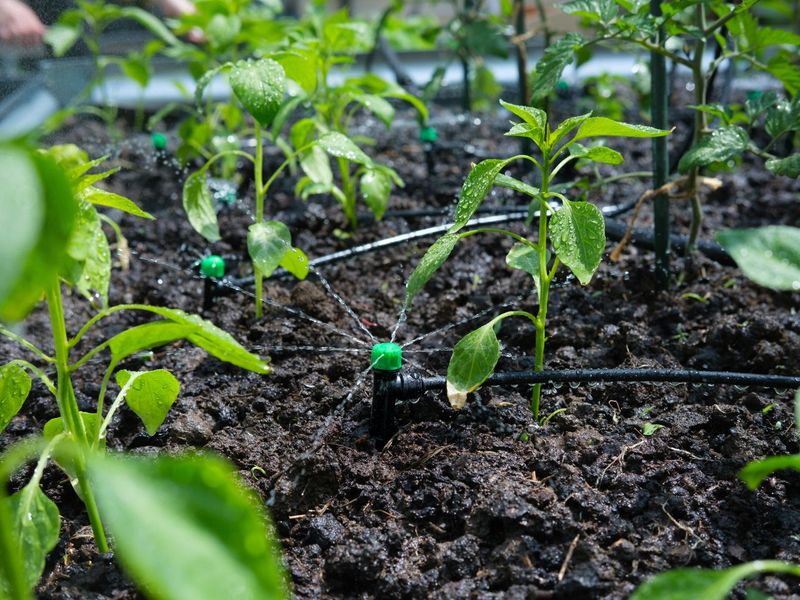
Once you know whether the soil is too dry, too wet, or somewhere in the middle, you can build a watering plan that actually fits the plant’s situation. The goal is to keep moisture reasonably consistent at root depth, not to water on a rigid daily schedule. University of Minnesota Extension’s pepper growing guide warns that shallow, repeated sprinkling encourages roots to stay near the surface, which leaves them far more exposed to heat and drought during the hottest weeks of summer.
Water thoroughly at the root zone when the soil needs it, then let conditions guide how soon you water again. Soil type, plant size, weather, drainage, and whether the plant is in a container all shift that interval considerably. A pepper in a small pot on a south-facing patio may need water every day during a heat wave, while one in a deeply mulched in-ground bed with good clay content might go two or three days between waterings. Checking the soil rather than the calendar keeps you from both under- and over-irrigating.
Organic mulch applied a few inches deep over the root zone can meaningfully reduce evaporation and help buffer soil temperature swings, though it should be kept a couple of inches away from the stem to avoid trapping moisture against the crown. Mulch cannot compensate for poor drainage, and it is not a substitute for correcting an underlying moisture problem. Drip irrigation, a soaker hose, or careful hand watering directed at the soil surface will serve the plant better than overhead sprinkling, which wets foliage and can splash soil-borne pathogens onto lower leaves.
Soggy soil changes the rescue plan
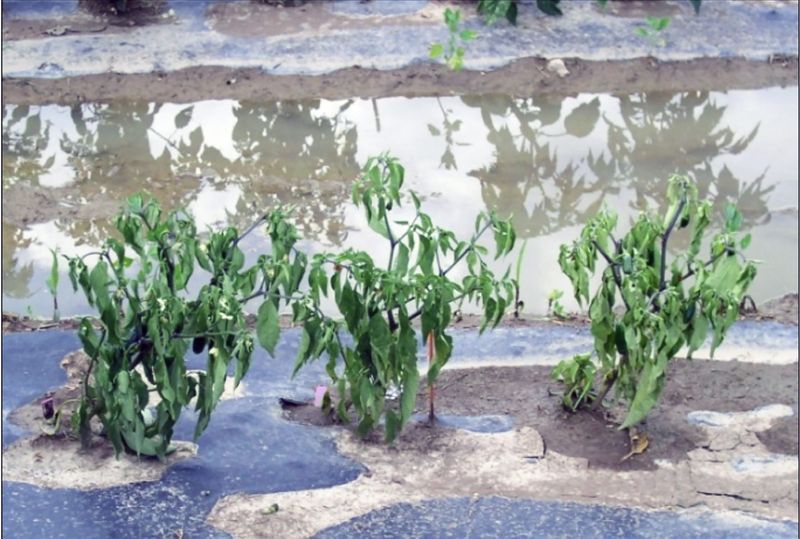
More water is not always the right answer, and in poorly drained soil it can actively make things worse. When the root zone stays saturated for extended periods, roots lose access to oxygen and begin to break down. Phytophthora root rot and other soilborne pathogens thrive in these conditions, and the result above ground can look almost identical to drought stress: wilting, yellowing leaves, and a plant that seems unable to take up water no matter how much is applied.
Oklahoma State’s pepper production fact sheet identifies overwatering and poor drainage as contributors to root and crown disease in peppers, and Oklahoma State’s guide to Phytophthora blight describes how the pathogen spreads rapidly in saturated, warm soil. A plant that remains wilted even after irrigation, or that shows dark stem lesions near the soil line, warrants a closer look at drainage rather than another round of watering.
If the bed or container stays wet long after rain or irrigation, improving drainage is the more useful intervention. For in-ground beds, that might mean amending heavy clay soil or adjusting the planting site. For containers, check that drainage holes are open and unobstructed. University of Minnesota Extension’s information on Fusarium crown and root rot notes that once root disease is established, changing the watering schedule alone may not save the plant.
A cautious approach means pausing irrigation, assessing drainage, and watching for improvement before deciding on next steps.
Protect the next flowers while the heat wave lasts
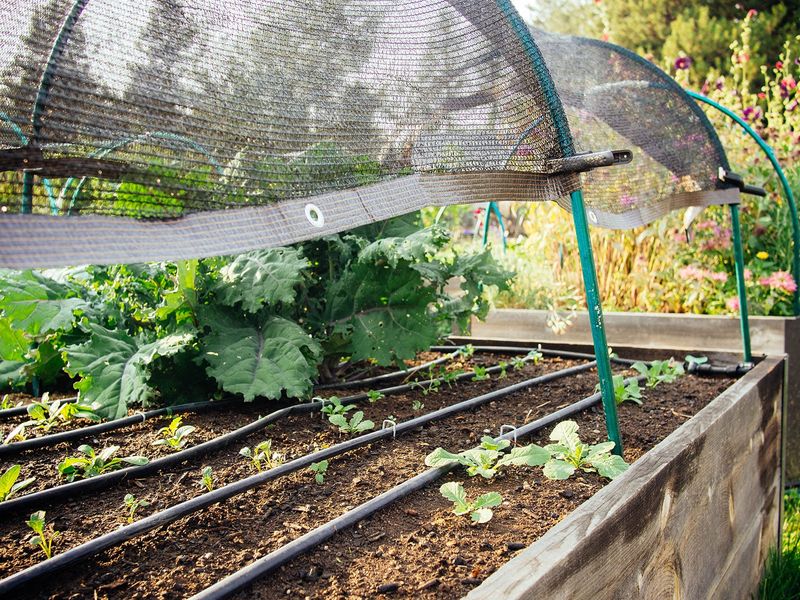
After you have assessed soil moisture and drainage, there are a few proportionate steps that may help reduce the heat load on your pepper plants while the hot stretch continues. Temporary shade is one of them. Afternoon shade from shade cloth or a strategically placed board can lower the temperature around the plant during the hottest hours of the day, and University of Minnesota Extension’s guidance on heat effects in the vegetable garden supports using temporary shade during prolonged extreme heat.
The key word is temporary. Peppers need substantial direct light to grow and produce normally, so shade that extends too far into the morning or stays in place too long after the heat wave breaks can reduce the light available for healthy growth. Shade cloth also cannot bring back blossoms that have already aborted. Oregon State Extension’s heat wave garden guide is clear that interventions during a heat wave protect future growth rather than reverse what has already been lost.
Keeping the root zone evenly moist during a heat wave reduces the combined burden on the plant, since moisture stress and temperature stress together are harder on flower development than either one alone. Avoid overhead watering in the heat of the day, which can scald wet foliage and increases evaporation before water reaches the roots. Minnesota Extension notes that peppers commonly resume more normal production once temperatures moderate, though newly formed flowers still need suitable conditions to complete fruit set.
Do not mistake blossom drop for a fertilizer or pollination problem
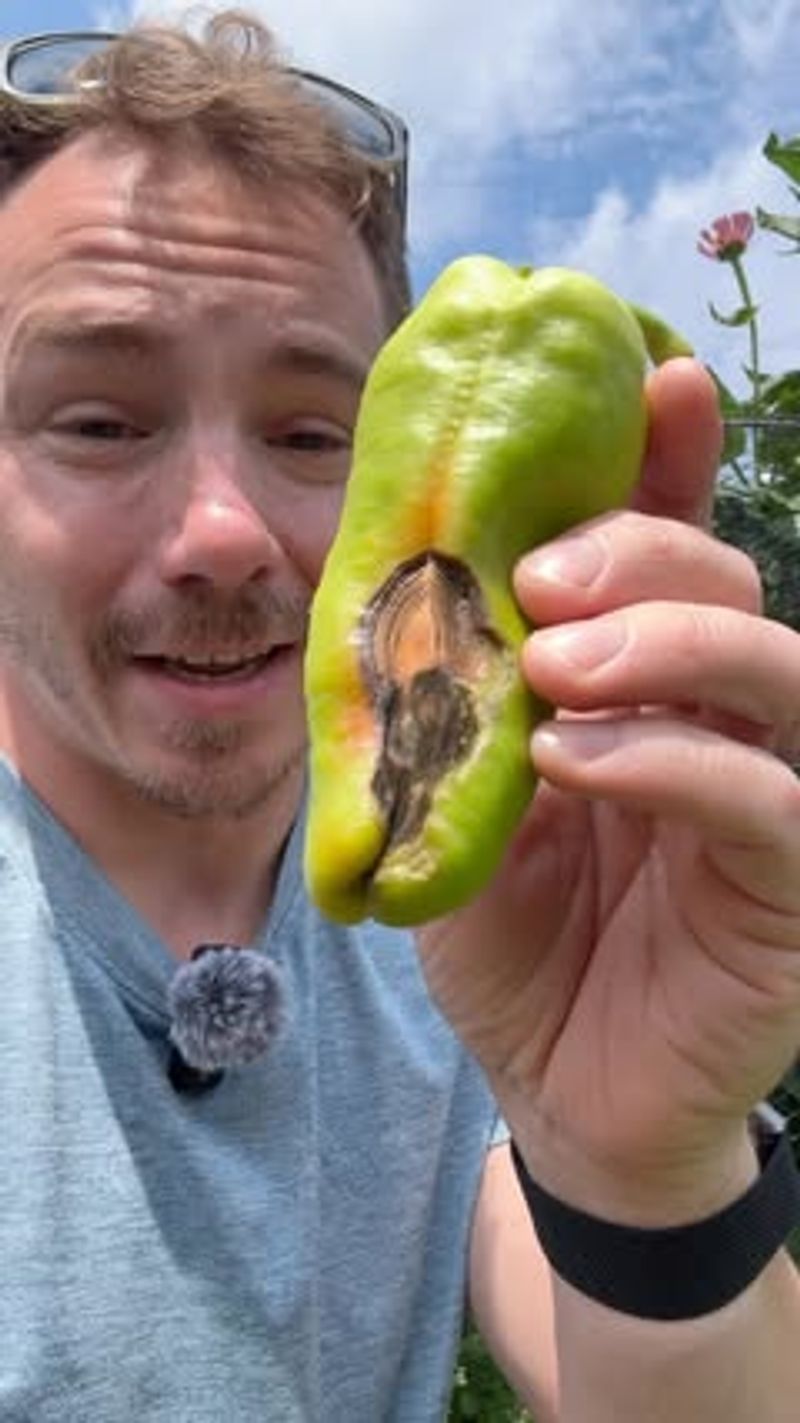
Two problems that often get confused with each other are blossom drop and blossom-end rot. They are not the same disorder. Blossom drop means the flower or a very tiny fruit falls off before any real development happens, leaving no fruit behind. Blossom-end rot appears later, on a fruit that is already sizing up, as a dark, sunken, leathery area at the bottom tip of the pepper.
University of Minnesota Extension’s pepper fruit problem diagnostic tool explains the distinction clearly and can help you confirm which issue you are actually seeing.
Pepper flowers are generally self-pollinating, which means a shortage of bees is not the default explanation for flower abortion during hot weather. Oklahoma State Extension’s vegetable FAQ confirms that pepper flowers self-pollinate, while also noting that heat can damage reproductive tissues and reduce fruit set regardless of pollinator activity. Hand-shaking the flower clusters to encourage pollen release is sometimes suggested, but it is an unreliable response to heat-induced abortion. The more productive path is to address temperature and moisture conditions first, because shaking a flower that has already been damaged by heat stress is unlikely to produce fruit.
Adding calcium or phosphorus fertilizer is another common impulse that rarely addresses the actual cause of blossom drop. University of Minnesota Extension’s guidance on interpreting soil tests recommends basing any fertilizer decisions on actual soil-test results rather than symptoms alone. Illinois Extension’s pepper guide points out that a plant carrying no developing fruit often looks unusually green and leafy, not because it needs fertilizer, but because resources that would normally go into fruit are going into foliage instead. Excess nitrogen can reinforce that pattern and delay fruit set further.
Use a two-part check to prepare the plant for its next bloom
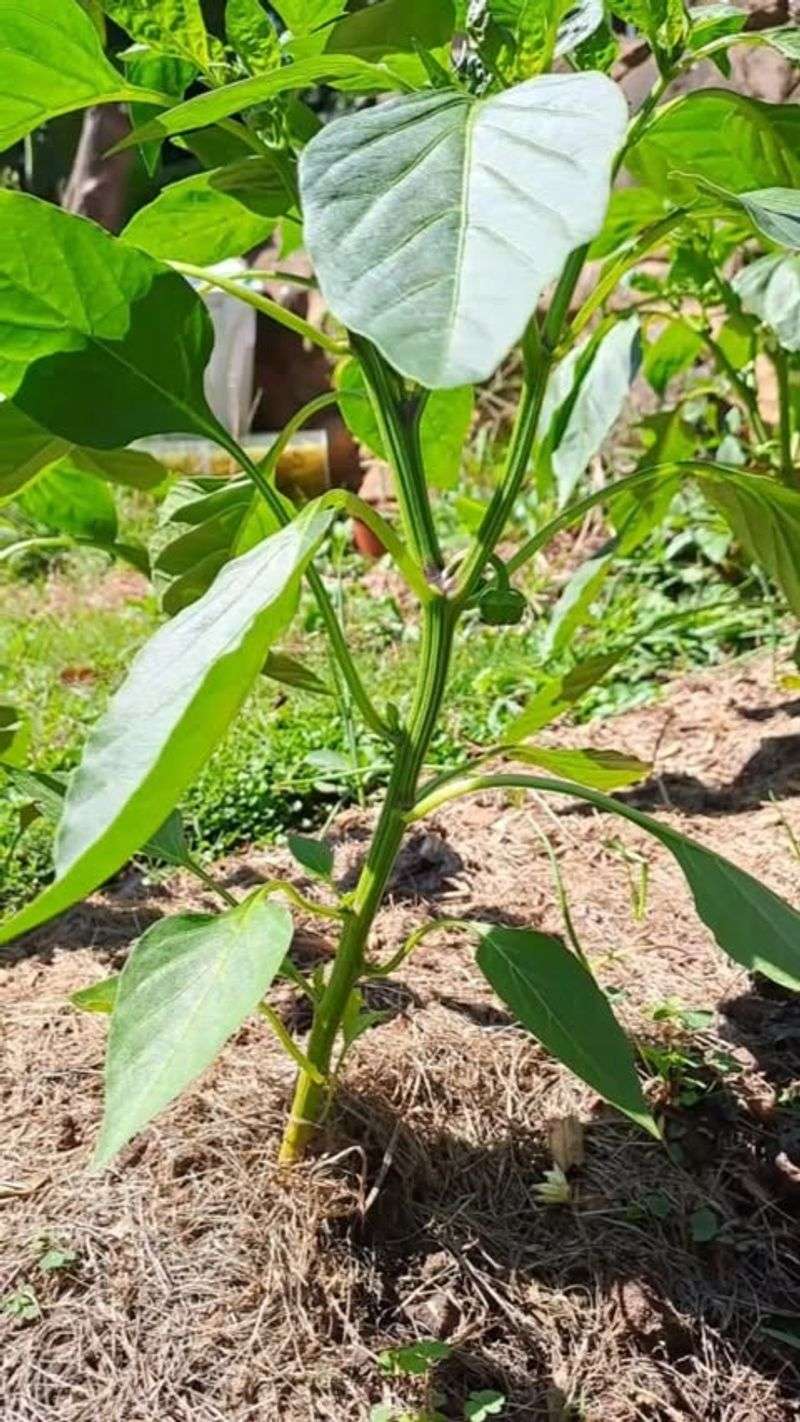
A practical starting point is to work through two quick assessments side by side. First, think about recent temperatures at your specific site, including overnight lows, and whether the plant has had any shade or wind protection. Second, check the soil at root depth, look at drainage, and examine the stem base and upper roots if the plant has been declining. University of Minnesota Extension and Oregon State Extension’s heat wave garden guide both support this paired approach, because heat and root-zone conditions interact rather than operate independently.
Correct any moisture problem without pushing the soil toward saturation, and use temporary shade only as long as the heat wave genuinely warrants it. Oklahoma State Extension horticulture tips remind gardeners to dig carefully beside the plant rather than through the roots when inspecting. The flowers already lost will not return, but a pepper with a healthy root system and steady moisture may surprise you once the weather turns.