
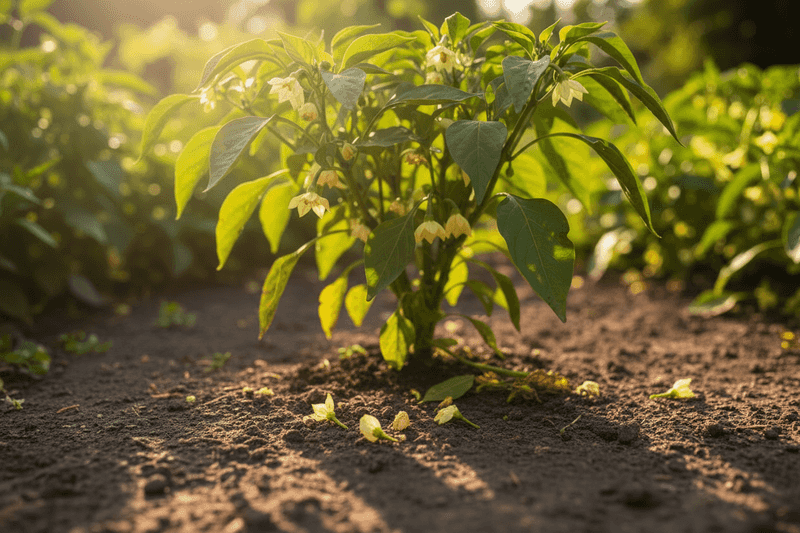
A pepper plant that shoots up tall and leafy while losing every flower can feel like a mystery worth panicking over. Before blaming yourself or your fertilizer routine, though, the real picture is usually more complicated than one single mistake. Heat, watering habits, and feeding history can all play a role, and sorting out which factor matters most in your garden right now is the key to getting fruit on those plants.
First, identify the symptom correctly
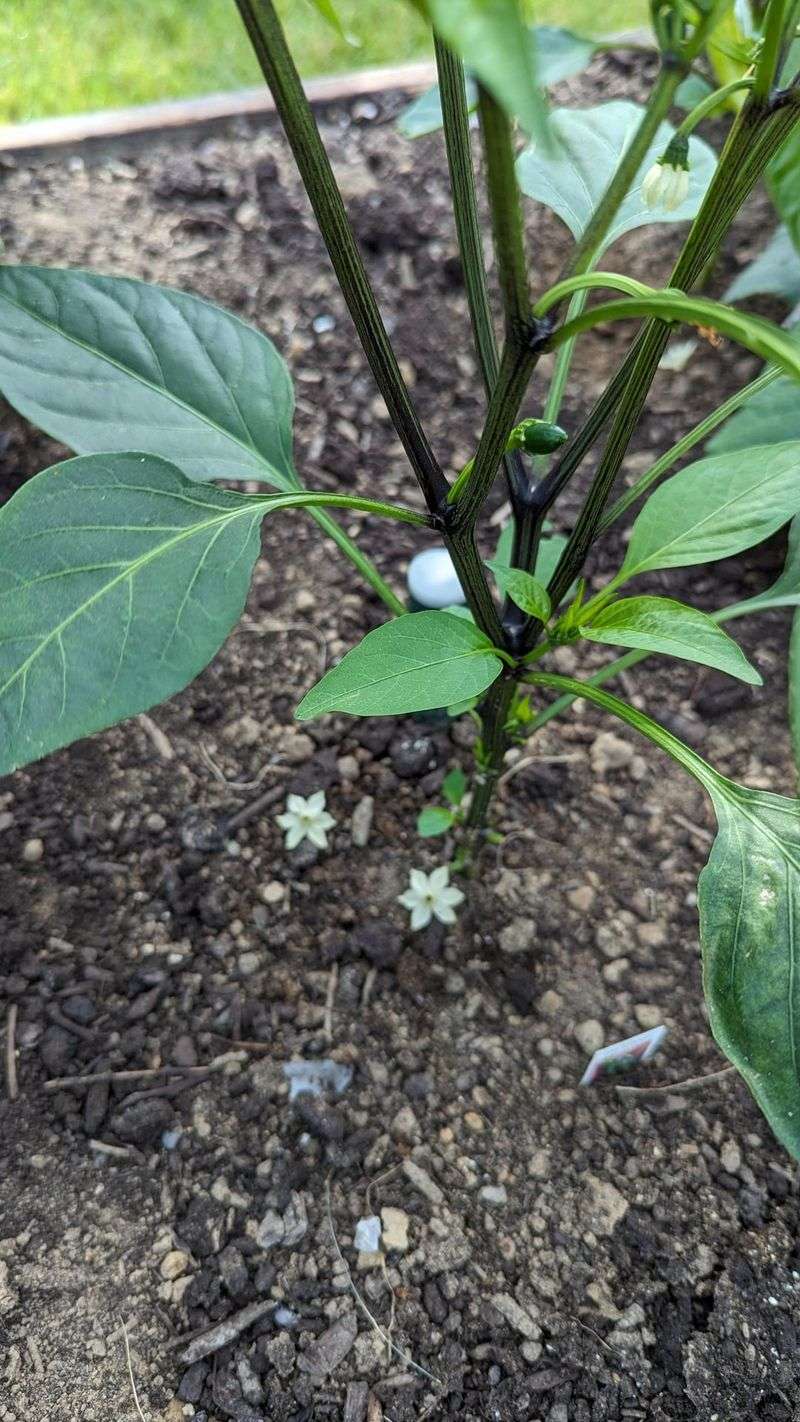
Blossom drop means exactly what it sounds like: a flower or tiny developing fruit detaches from the plant and falls away before it has a chance to mature. That is different from blossom-end rot, which shows up as a dark, sunken, leathery lesion on the bottom of an already-forming fruit. Confusing the two leads to very different and sometimes counterproductive responses, so getting the symptom right matters before anything else.
A tall, bushy pepper plant losing its flowers is a clue worth investigating, not a verdict. New Mexico State University Extension lists high temperatures, low humidity, insufficient water, wind, and nutrient imbalances among the many possible causes of pepper flower drop. Insect damage and natural reproductive abortion can produce the same result.
Lush vegetative growth with few blooms narrows the list of suspects, but it does not point a finger at any single cause on its own. The plant’s feeding history, recent weather, moisture levels, and even the variety you are growing all belong in the investigation. University of Florida IFAS distinguishes blossom-end rot from flower abortion clearly, and University of Illinois Extension notes that peppers can fruit under a wide range of fertility conditions, which is a reminder that no single factor is always to blame.
Excess nitrogen can delay fruiting
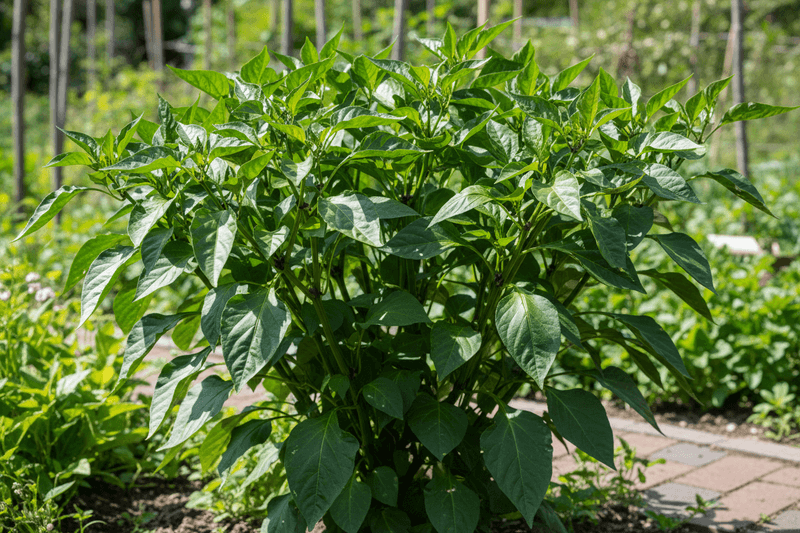
Nitrogen is the nutrient that drives green, leafy growth, and peppers need a reasonable amount of it. The problem comes when a plant receives more nitrogen than it can channel into reproduction. When that happens, energy goes into producing bigger leaves and taller stems rather than setting flowers and holding onto fruit.
University of Minnesota Extension states directly that too much nitrogen makes peppers bushy, leafy, and slow to bear fruit. Clemson Extension describes a plant with a great deal of foliage but few blooms or fruit as a sign of nitrogen overfertilization. Both sources point to repeated or heavy applications as the likely culprit rather than a single modest feeding.
The connection becomes more plausible when a plant has received multiple rounds of a high-nitrogen fertilizer, fresh or composted manure, fish emulsion, or other nitrogen-rich amendments over a short period. Unusually dark green foliage, very soft stems, and rapid vegetative growth alongside few or no flowers all strengthen the suspicion. That combination of feeding history plus lush appearance is what makes excess nitrogen worth considering, though it still does not confirm that nitrogen is the reason flowers are dropping right now.
Heat, inconsistent moisture, and other stresses can layer on top of a nitrogen-heavy situation, making it harder to separate one cause from another without looking at the full picture.
Heat may be the immediate cause of blossom drop
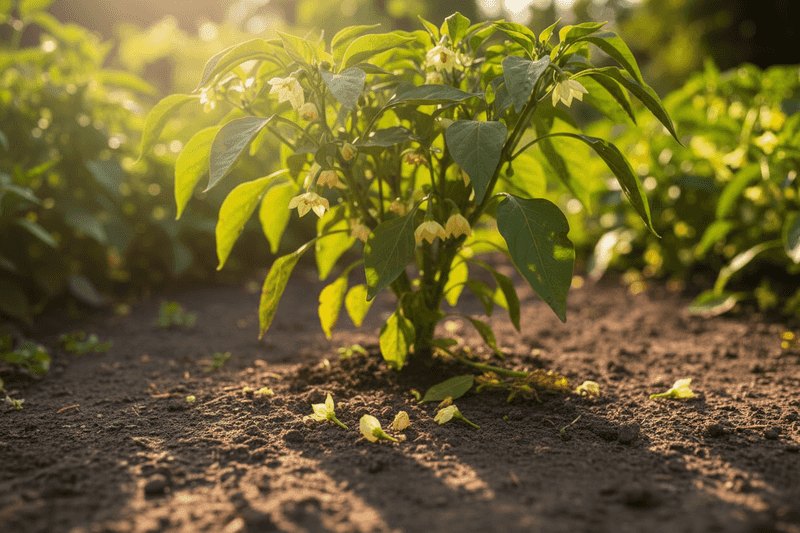
Peppers are warm-season crops, but they have a comfort zone, and sustained high temperatures push them outside it. When daytime or nighttime heat climbs past certain approximate thresholds, the plant keeps producing leaves and even new flower buds while quietly aborting the flowers it already has. The result looks a lot like a fertilizer problem from the outside.
University of Maryland Extension reports that pepper flowers and small fruit may drop when night temperatures climb above roughly 75 degrees F or when daytime temperatures exceed about 95 degrees F. Oklahoma State Extension notes very little fruit set above 90 degrees F during the day or below 60 degrees F at night. These ranges are approximate warning thresholds, not guaranteed cutoffs. Cultivar, humidity, how long the heat lasts, and how established the plant is can all shift the point at which flowers begin to abort.
Controlled research adds important detail. A study published in Plant, Cell and Environment found that exposing bell peppers to temperatures around 33 degrees C (91 degrees F) reduced fruit set at sensitive stages of flower development. Even post-pollination heat exposure substantially reduced fruit set in the experiment, which means hand-pollinating flowers cannot reliably override the problem.
Peppers are generally self-fertile, but heat can impair pollen viability and flower development before a bee or a breeze ever gets involved. When a heat wave lines up with the start of blossom drop, temperature stress deserves serious weight as an explanation alongside any feeding concerns.
Use symptoms and timing as clues, not a verdict
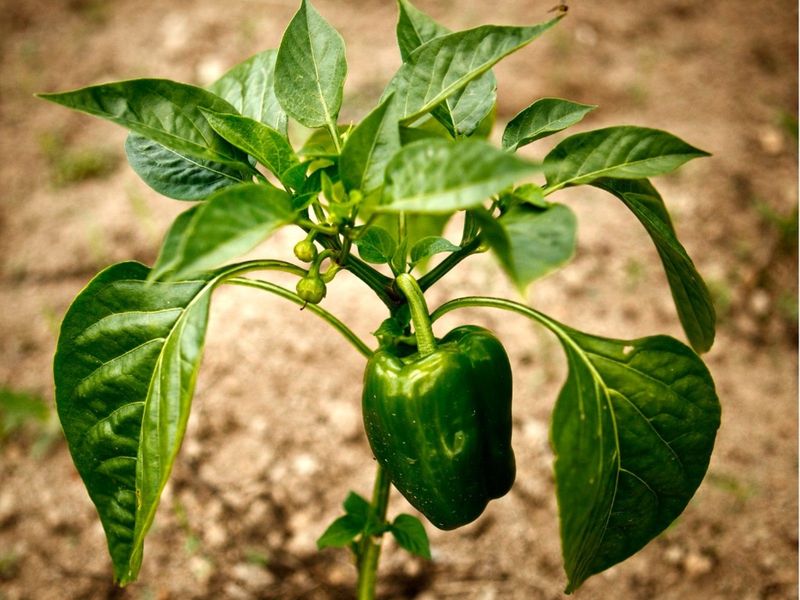
Sorting out what is actually hurting your pepper plant means looking at timing and context together rather than latching onto the first explanation that fits. Neither excess nitrogen nor heat stress comes with a label, so the goal is to weigh the evidence you already have in front of you.
Nitrogen becomes a more plausible explanation when the plant has received repeated feedings of a high-nitrogen product, when the foliage is unusually dark green or soft, and when the lush growth preceded the blossom drop by several weeks. Heat becomes more plausible when flower loss started or intensified during a stretch of hot days and warm nights, especially if the plant also shows wilting during the afternoon, dry soil between waterings, or exposure to drying winds.
Both stresses can be present at the same time, and other factors can produce the same symptoms independently. New Mexico State University Extension lists humidity, wind, insects, nutrient deficiency, and nutrient toxicity alongside temperature and water stress as contributors to flower drop. Natural reproductive competition also plays a role: Wageningen University research and work published in the Journal of Experimental Botany show that existing fruit on the plant can compete with newer flowers for resources, causing some flowers to abort even in an otherwise healthy plant.
The practical takeaway is that a thorough look at feeding history, weather records, and soil moisture gives you far better information than any single symptom can on its own.
Pause unnecessary nitrogen instead of chasing blooms
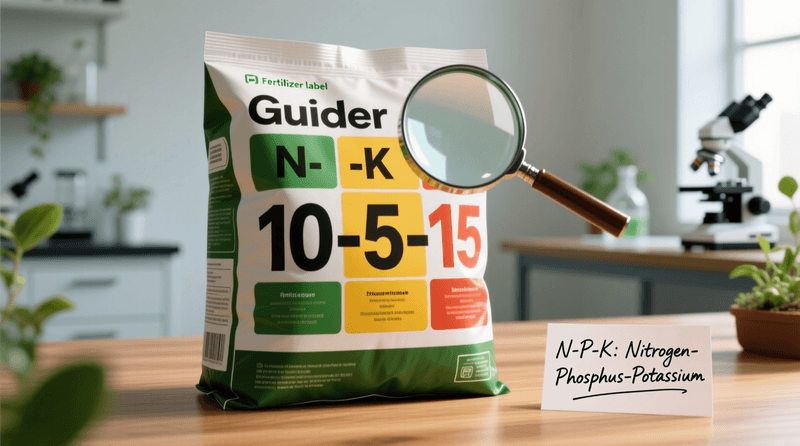
When a pepper plant has recently received several rounds of a nitrogen-rich fertilizer, manure, or fish emulsion, the most straightforward response is to stop adding more nitrogen while you assess what the plant and soil actually need. Pausing is not the same as abandoning the plant; peppers still need nutrients, and the goal is to avoid compounding a possible imbalance rather than to starve the plant into fruiting.
Reading the fertilizer label is a practical first step. The three numbers on any fertilizer bag represent nitrogen, phosphate, and potash, in that order. Clemson Extension’s guide to fertilizer labels explains how to interpret those numbers and apply only the amount the label or a soil test recommends. A product with a high first number applied repeatedly is where excess nitrogen accumulates.
Reaching for a phosphorus-heavy bloom booster when you see few flowers is a common instinct, but NDSU Extension cautions that high-phosphorus fertilizers do not reliably increase flowering when phosphorus is already sufficient in the soil. University of Minnesota Extension recommends low- or no-phosphorus fertilizer for peppers unless a soil test calls for more. Similarly, adding calcium products for dropped blossoms is not supported: University of Florida IFAS notes that foliar calcium is unlikely to prevent or correct blossom-end rot, and calcium supplementation addresses neither heat-driven flower abortion nor most cases of blossom drop. Foliar sprays of any kind carry a burn risk, particularly during hot or dry weather.
Iowa State Extension’s fertilizing guide reinforces following label rates and avoiding guesswork applications. Pausing unnecessary nitrogen and waiting for a soil-test result is safer than chasing symptoms with additional products.
Protect flowers with even moisture and temporary shade
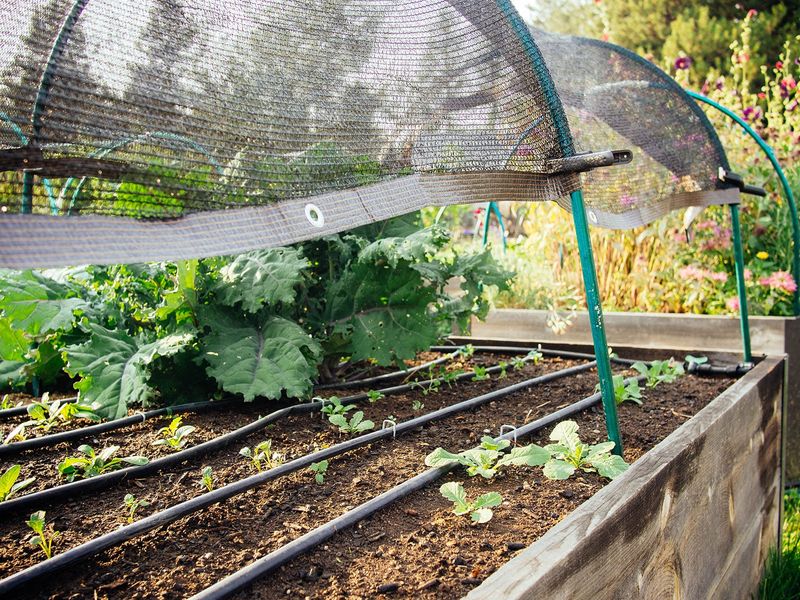
Consistent soil moisture is one of the most reliable things you can do for a pepper plant during a heat wave. Dry soil, irregular watering, and hot drying winds can all trigger bud, flower, and small-fruit abortion even when fertilizer is not the issue. Keeping the root zone evenly moist without waterlogging it removes one major stressor from the plant’s plate.
Clemson Extension and Oregon State Extension both recommend consistent watering as a key practice for pepper production and stress reduction. Iowa State Extension’s watering guide advises thorough, even irrigation rather than shallow or sporadic applications. A 2 to 3 inch layer of mulch over the root zone can slow evaporation, moderate soil temperature swings, and reduce the frequency of watering needed. UC IPM’s cultural tips for peppers also point to mulch and drip irrigation as practical tools for maintaining stable root-zone conditions.
Temporary afternoon shade can help during an extended heat wave. University of Maryland Extension recommends late-afternoon shade and cooling measures during hot, dry weather. A shade cloth rated at 30 to 40 percent, propped up on the west side of the plant for the hottest hours, reduces heat load without blocking the morning and midday light peppers need for growth and production. Leaving a plant in deep shade all day trades one problem for another, so the goal is targeted relief, not darkness.
These steps address heat and water stress directly. They do not reverse excess nitrogen in the soil, but they can reduce the compounding effect of multiple stresses hitting the plant at the same time.
Let a soil test guide the next application
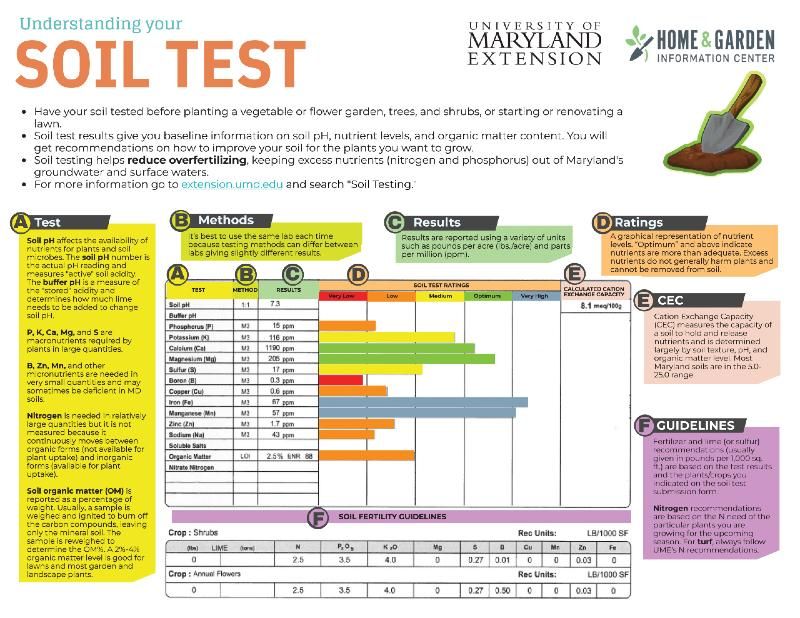
Once the immediate heat-wave care is in place, the most useful thing you can do for future feedings is find out what your soil actually contains. Guessing at nutrient levels based on how a plant looks leads to the kind of repeated applications that can cause problems in the first place. A soil test replaces that guesswork with numbers.
Penn State Extension and University of Minnesota Extension both explain that a soil test measures available nutrients and provides crop-specific lime and fertilizer recommendations. Most state land-grant universities offer this service at low cost through their cooperative extension offices. The results tell you what to add, how much, and sometimes what to stop adding entirely.
University of Maryland Extension’s vegetable garden fertilizing guide recommends following soil-test results rather than applying fertilizer by habit. When applying granular fertilizer, keeping it away from stems and foliage reduces the risk of burn, which matters especially during hot weather when plant tissue is already under stress.
One response that is not recommended is flooding the garden bed to try to wash excess fertilizer out of the soil. EPA guidance on nutrient pollution and EPA yard care recommendations both note that excess irrigation moves nitrogen and phosphorus into runoff and nearby waterways. Normal, thorough watering that keeps the root zone consistently moist is the right approach; deliberate flooding is not.
Watch for renewed fruit set after the heat eases
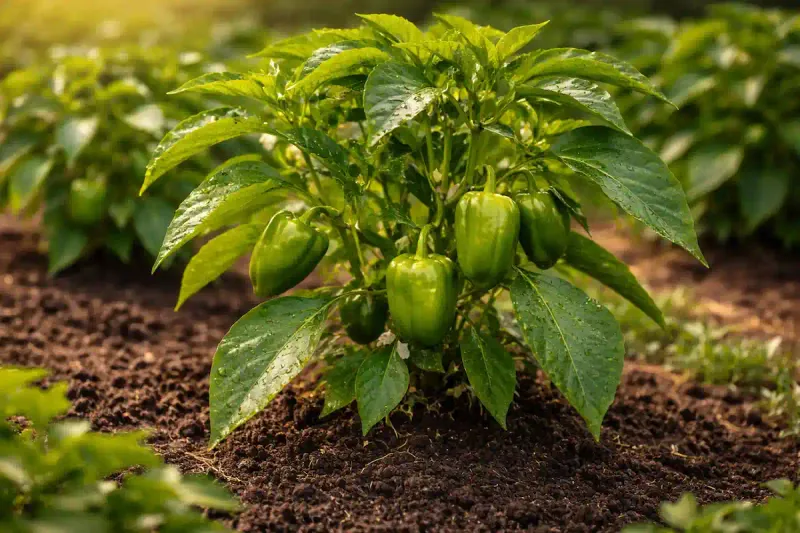
Recovery from a stretch of heat-related blossom drop is possible, and many healthy pepper plants resume flowering and setting fruit once temperatures moderate. Judging the entire season by the flowers a plant lost during a heat wave can lead to pulling a plant that is about to turn a corner.
Continue even moisture and hold off on any nitrogen applications you cannot justify with a soil test or label recommendation. As new flowers appear after the heat eases, watch whether small fruit begins to develop and hold on. Oregon State Extension’s heat-wave garden guide and University of Maryland Extension both note that a temporary pause in production does not mean the plant is permanently damaged. UC ANR guidance similarly supports a wait-and-assess approach rather than assuming the worst.
Pepper type matters here too. Iowa State Extension notes that hot peppers tend to tolerate high temperatures better than bell peppers, so a jalapeno and a bell pepper growing side by side may behave very differently under the same conditions. If your bell peppers are struggling while your hot peppers are setting fruit, heat is almost certainly the dominant factor. The feeding history is still worth reviewing, but temperature and moisture conditions are where the most immediate answers usually live.