
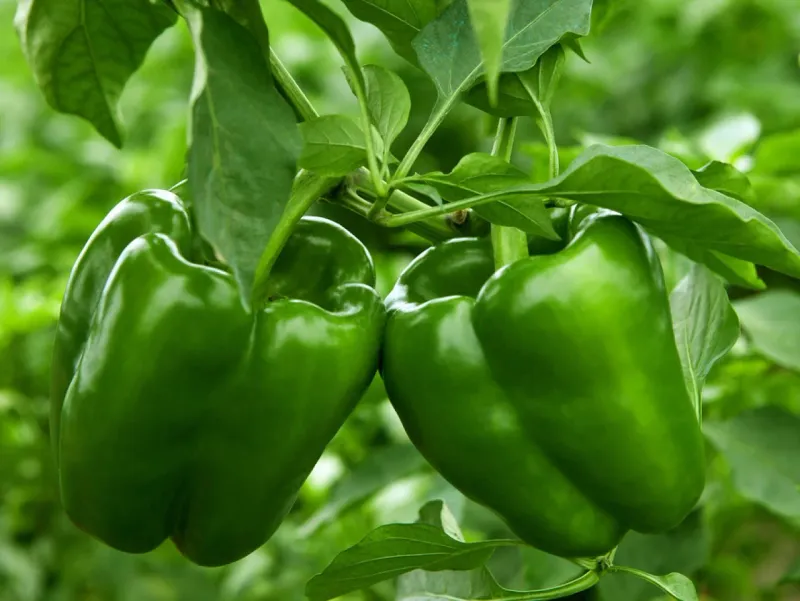
Your pepper plant looks fantastic, full of dark leaves and strong stems, but the fruit just sits there staying green no matter how long you wait. Before you add more fertilizer or try a ripening trick you read about online, it helps to figure out what your plant is actually struggling with. There are two very different problems that look similar from a distance, and the fix for one can make the other worse. Getting the diagnosis right first saves you time, money, and a lot of frustration.
Start by separating green fruit from missing fruit
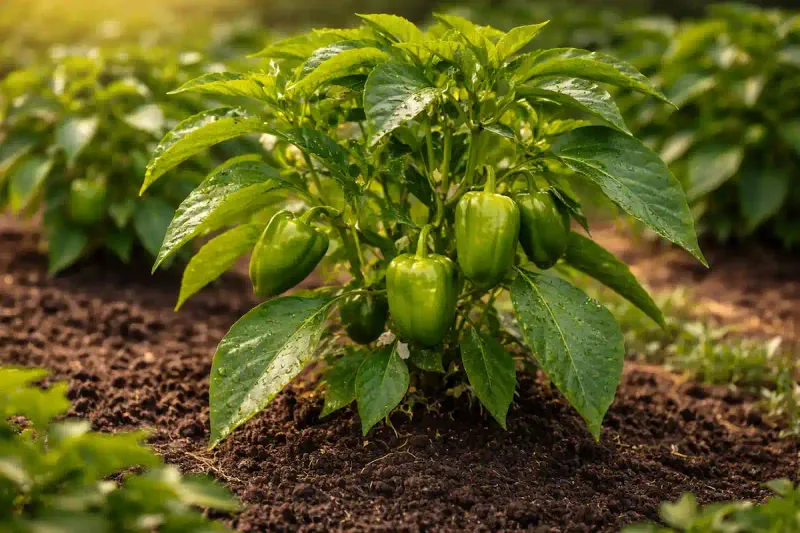
Two things get lumped together when gardeners say their peppers are not ripening, and they are worth separating right at the start. The first is a plant with full-sized fruit that simply stays green and never changes color. The second is a plant that grows beautifully, puts out dense dark leaves and thick stems, but produces very few flowers or developing fruit to begin with. Repeated high-nitrogen feeding fits the second pattern far more strongly than it explains every slow-coloring pepper.
Knowing which problem you have changes everything about your next step. A plant with full-sized green fruit may just need more time on the vine, or it may be a cultivar that is supposed to stay green. A plant with lush foliage and almost no fruit is the one most likely to benefit from a review of your fertilizer habits. Illinois Extension notes that a pepper plant with no developing fruit can redirect its resources into foliage, which can make the plant look unusually vigorous even when nitrogen is not excessive.
Lush, dark-green growth is a clue worth noticing, but it is not proof of a nitrogen problem on its own. Cultivar traits and naturally rich soil can produce the same look. University of Minnesota Extension guidance on fertilizing plants makes clear that the pattern of growth, not color alone, is what points toward a nutrient issue. Count your fruit, check your flowers, and then decide what to investigate next.
Check whether your pepper is supposed to turn another color
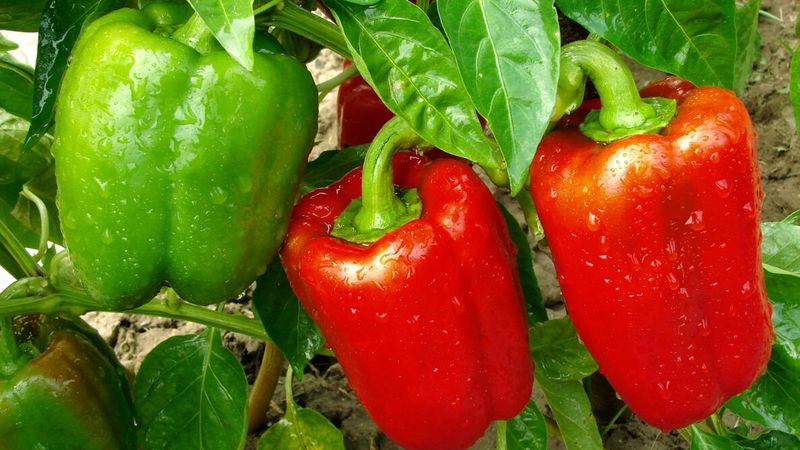
Many gardeners wait for a pepper to turn red without ever checking whether their particular variety does that. Pepper fruit start out green on every plant, but what happens next depends entirely on the cultivar. Research on pepper pigment biosynthesis confirms that mature pepper color is genetically determined and can be red, orange, yellow, purple, brown, or green, with no single color being the universal endpoint.
Your seed packet or plant tag is the fastest place to check. If the description says “matures to chocolate brown” or “golden yellow at full ripeness,” waiting for red is simply waiting for something that will never happen. Some specialty varieties, including certain poblanos and shishitos, are intentionally harvested green and never develop a dramatically different ripe color at all.
Green bell peppers are a separate case worth mentioning. They are commonly sold and harvested at full size while still immature, which is why grocery store bells are almost always green. University of Maryland Extension’s growing guide for peppers explains that leaving bell peppers on the plant after they reach full size allows further color development and generally produces fruit that tastes sweeter. A naturally green-maturing cultivar, though, needs no ripening intervention of any kind because it is already doing exactly what it was bred to do.
Count fruit age before changing the fertilizer
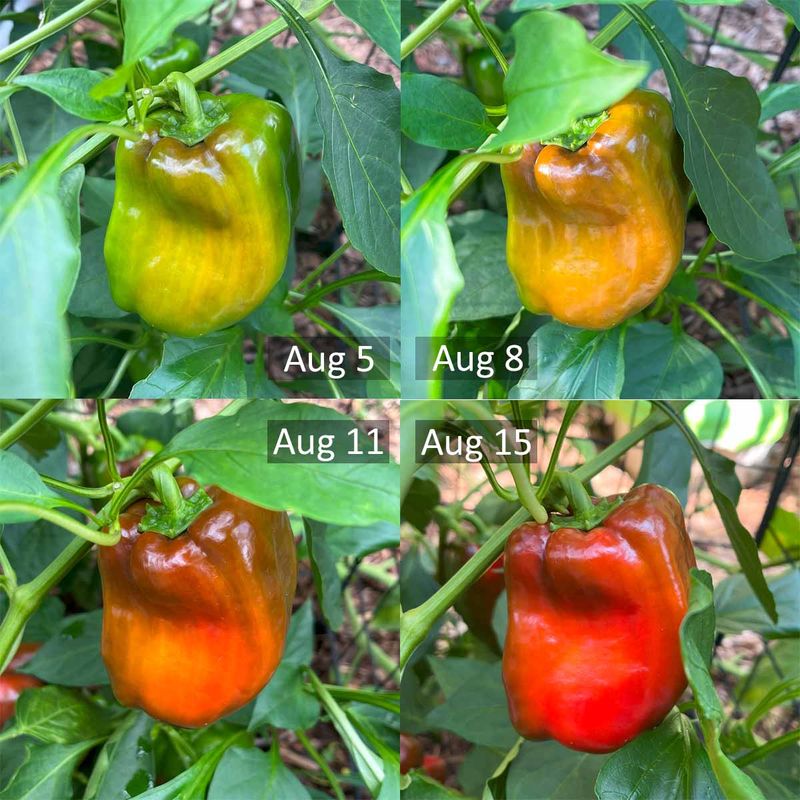
Fruit age is one of the most overlooked factors when gardeners start troubleshooting green peppers. A fruit that flowered three weeks ago is simply not ready yet, and no fertilizer adjustment will speed up a biological clock that is still ticking on schedule. Utah State University Extension’s pepper growing guide puts the typical maturity window at roughly 35 to 45 days from flowering to full color, with real variation based on cultivar and the temperatures your plants experience through that period.
Bell peppers add another layer to this. After a bell pepper reaches what growers call mature-green size, meaning it looks like a full-sized green pepper you would buy at the store, it may still need an additional two to three weeks on the plant before color develops. Pulling it off the plant at that stage and setting it on a windowsill is not a reliable way to finish the process. Peppers are generally not climacteric fruits, meaning they do not continue ripening normally after harvest the way a banana or tomato might.
A practical check is to recall or note when you first spotted the flower that became the fruit you are watching. If you are still inside that 35-to-45-day window, the fruit may simply need more time. Changing your fertilizer routine or adding nutrients when the real issue is immaturity adds cost and risk without addressing what the plant actually needs right now.
Review repeated high-nitrogen feeding
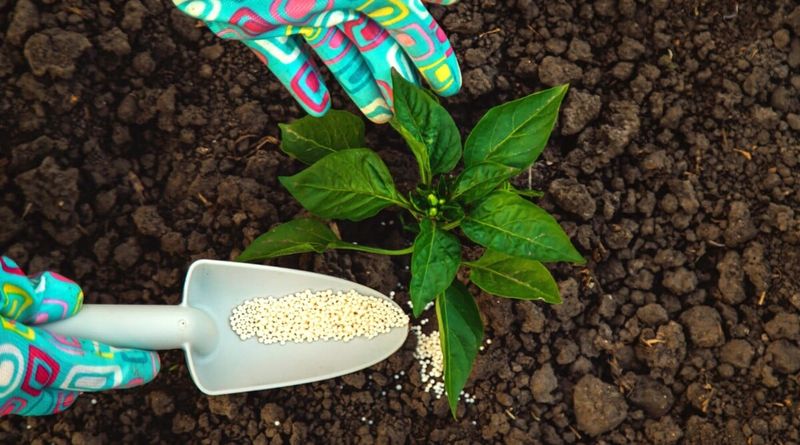
Once you have confirmed that your plant is producing few flowers or developing fruits rather than just holding green mature peppers, your fertilizer history is the right place to look. Start with the label on whatever product you have been using. The three numbers printed on every fertilizer package represent nitrogen, phosphorus, and potassium in that order. The first number is nitrogen, and a high first number applied repeatedly through the season is the feeding habit most likely to push a pepper plant toward lush foliage at the expense of fruit production.
UMN Extension’s fertilizing guide explains that nitrogen promotes vegetative growth, and excessive late-season nitrogen can minimize or delay fruiting. The same concern applies to repeated applications of composted manure, fresh manure, or general-purpose garden fertilizers with a high first number, because all of these add available nitrogen to the soil over time. UC IPM’s guidance on nitrogen excess describes the result as unusually dark green, vigorous growth with reduced fruit production, which matches what many gardeners see when they fertilize peppers the same way they feed their lawn.
The recommended step is to pause routine high-nitrogen applications when your plant already shows that dark-green, vigorous pattern and is producing little fruit. Pausing is not the same as stopping all fertilizer permanently. Containers, sandy soils, and plants under heavy irrigation can still develop genuine nitrogen shortages later, so check the growth response over the following two to three weeks before making any further changes.
Do not replace nitrogen with guesswork
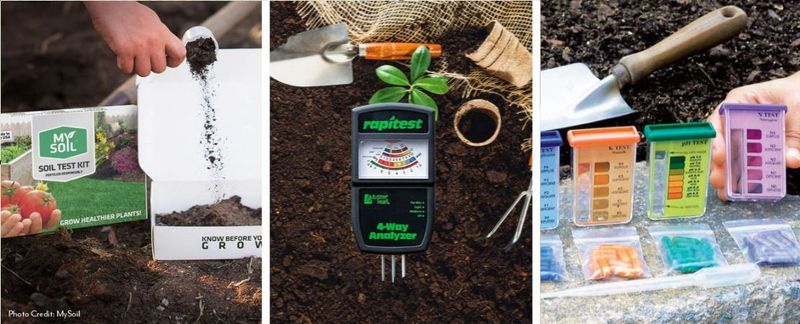
Pausing high-nitrogen fertilizer is a reasonable step when the growth pattern supports it, but the next move matters just as much. A common response is to swap out nitrogen for a heavy dose of potassium or phosphorus on the theory that one of those nutrients will trigger ripening or fruit color. That logic is not backed by the research available to home gardeners, and over-applying any nutrient carries real risks including soil salt buildup, plant damage, and nutrient runoff into waterways.
University of Florida IFAS research summarizing nitrogen, phosphorus, and potassium trials with peppers found no continuing improvement in pepper fruit quality or weight above recommended potassium rates. That finding means applying more potassium than your soil actually needs is unlikely to help and may cause harm. Potassium can support yield and fruit quality when soil levels are genuinely low, but a soil test is the appropriate way to find out whether that applies to your garden.
Oregon State University Extension’s pepper production guidance describes sidedressing with nitrogen after fruit set when crop conditions or soil information justify it, which reflects a broader principle: nutrient decisions should follow evidence, not a one-size-fits-all formula. The same logic applies to phosphorus, calcium sprays, and manure applications. If your soil already has adequate fertility and your plant looks healthy, adding more nutrients is solving a problem that does not exist. A basic soil test from your local cooperative extension office is the most cost-effective tool you have before reaching for any fertilizer product.
Check heat and moisture for a fruit-set problem
A lush pepper plant with very few new peppers is not always a fertilizer story. Summer heat is a separate and well-documented cause of the same symptom, and it can operate independently of anything you are feeding the plant. Oklahoma State University Extension’s pepper production fact sheet reports that daytime temperatures above roughly 85 to 90 degrees Fahrenheit, or nighttime temperatures staying above about 70 to 75 degrees, can reduce flowering, pollination, and fruit set, with differences between cultivars. During the hottest stretches of a US temperate summer, a pepper plant may simply be unable to hold onto its flowers or young fruit no matter how well you manage the soil.
Heat has strong evidence for disrupting the early stages of fruit development, including pollen viability, flower drop, and young fruit abortion. What heat does not reliably explain is why an already full-sized, mature pepper changes color slowly. Those are different stages of the plant’s reproductive cycle, and conflating them leads to the wrong fix.
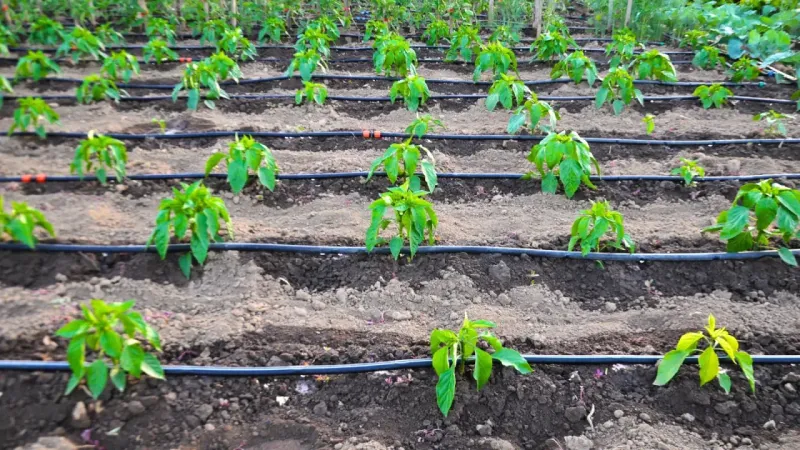
Moisture management is the most practical lever available during hot weather. UC IPM’s cultural tips for growing peppers recommend keeping soil moisture consistent, using mulch to reduce evaporation, and running drip or soaker irrigation to deliver water steadily at the root zone. UConn Extension’s pepper factsheet adds that drought or irregular watering during bloom and early fruit growth can reduce fruit set and contribute to blossom-end rot. Evening out your watering routine will not guarantee a flush of new peppers during a heat wave, but it removes one more stressor from a plant already working hard to cope.
Let healthy fruit mature and harvest it carefully
After working through cultivar, fruit age, fertilizer history, soil fertility, heat, and moisture, you may find that your plant is actually fine and the fruit just needs more time. When the growth pattern looks healthy, fertility appears adequate, and the fruit are still within their normal maturity window, the lowest-risk response is steady watering and patience rather than another nutrient application. Adding fertilizer to a plant that does not need it introduces more variables without solving the underlying wait.
USU Extension’s pepper guide reinforces that peppers develop their full color and sweetness on the plant, not after harvest. Picking a green pepper and placing it on the kitchen counter in hopes that it will turn red is generally not a reliable strategy. Peppers do not complete normal ripening after being picked immature the way some other fruits do, so the flavor and color you want are built on the vine, not on the windowsill.
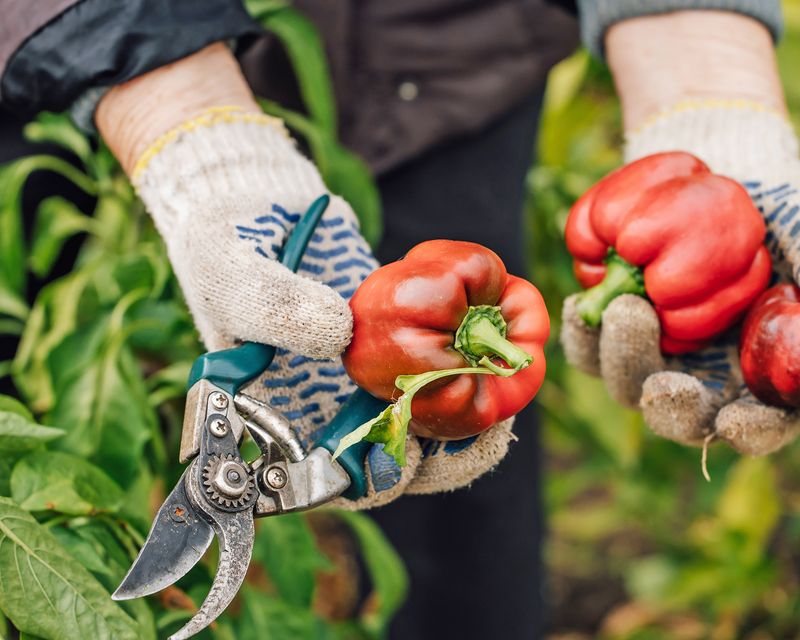
When the time comes to harvest, use scissors or pruning shears rather than pulling the fruit by hand. Iowa State University Extension’s late-season harvest guidance notes that pepper branches are brittle and can snap easily, which can damage the plant and reduce future production. Commercial ripening products containing ethephon exist, but the EPA label for one registered pepper-use product warns of foliage damage, fruit drop, and excessive ripening under hot conditions, and notes it will not ripen immature green fruit. For most home gardeners, these products introduce more risk than benefit.
The most durable fix is a plant that is well-matched to your site, fed with purpose rather than habit, and given enough time to finish what it started.