
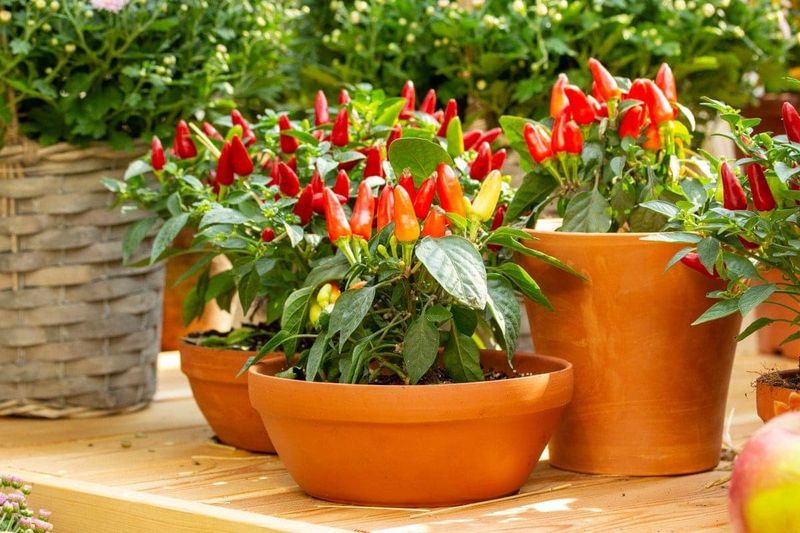
Watching your container peppers sit there small and struggling while the summer heat cranks up is genuinely frustrating, especially when you’ve been watering and feeding them all season. The truth is, a feeding mistake can play a role, but it’s rarely the only culprit and often not the main one.
Heat, uneven moisture, cramped roots, poor drainage, pests, and disease can all make a pepper plant look just as weak as a hungry one. Before you reach for the fertilizer bag, a quick check of your container setup can save you from making things worse.
Small peppers do not automatically need more fertilizer
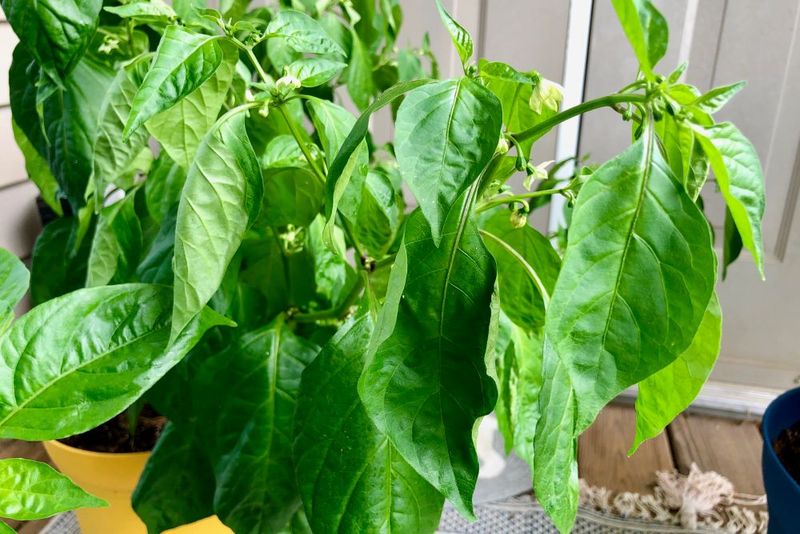
A pepper plant that looks small, pale, or just plain tired is sending a signal, but that signal does not come with a label saying “feed me more.” Yellow leaves, slow growth, and a lack of fruit can each result from a long list of problems, and nutrient shortage is only one of them. Jumping straight to fertilizer without investigating first is one of the fastest ways to turn a struggling plant into a damaged one.
Two very different feeding errors can produce similar symptoms. Too little replenishment can slow a container plant after the initial nutrients in the potting mix run out.
Too much fertilizer, especially one that is high in nitrogen, can burn roots, cause leaf-tip scorch, and push the plant to produce dense foliage while fruit production stalls. UMN Extension’s pepper growing guidance specifically warns that excessive nitrogen can make plants bushy and leafy while slowing fruit production.
Stunted vegetative growth and poor fruit set are also two separate problems worth distinguishing. A plant may grow decently but fail to flower or hold fruit during a heat wave, and no amount of fertilizer will fix a temperature problem.
Penn State’s plant health diagnostic guidance reinforces that yellowing, wilting, and slow growth can stem from watering issues, root problems, pests, or disease just as easily as from low fertility. The practical rule here: inspect the environment and fertilizer history before adding anything to the pot.
Frequent watering can leach nutrients from a container
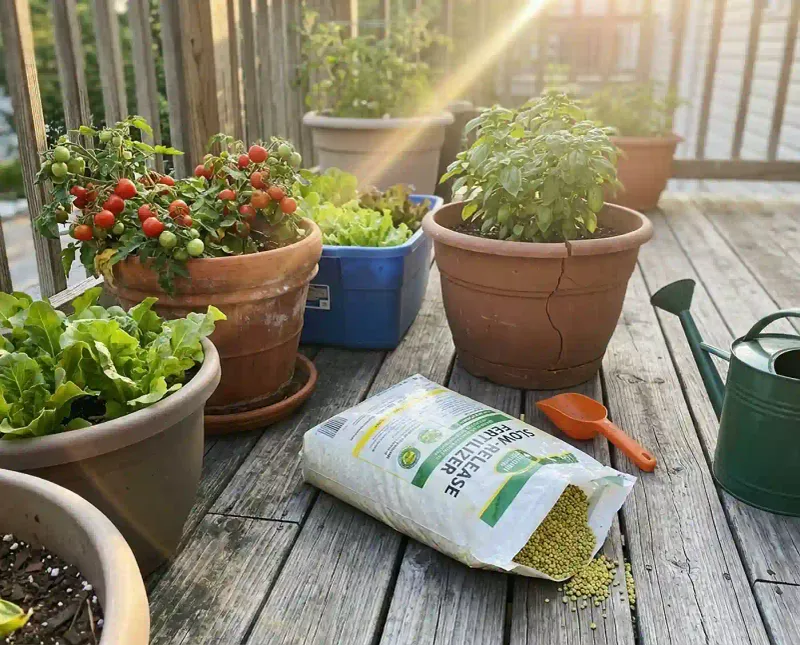
Garden soil holds nutrients across a large root zone, but a container works with a fixed, limited volume of potting mix. Every time water moves through that mix and out the drainage holes, it can carry soluble nutrients along with it.
Over weeks of frequent summer watering, that repeated flushing can reduce the available nutrient supply in the pot, particularly when the initial charge in a commercial potting mix has already been used up.
The extent of this leaching depends on several variables. The type of potting medium, the form of fertilizer used, how much water passes through each time, the size of the pot, how fast the plant is growing, and whether any fertilizer has been added recently all affect how much nutrient loss actually occurs.
A slow-release granule embedded in a dense mix will behave very differently from a soluble liquid fertilizer applied to a fast-draining, perlite-heavy blend.
UMN Extension’s container plant feeding guidance recommends beginning regular fertilizer applications after the initial nutrient charge in the potting mix declines, and adjusting the frequency and strength to match the container, the medium, the watering schedule, and the plant’s growth rate. Soluble fertilizers can provide a faster correction when a shortage is genuinely suspected, while slow-release options can offer more sustained nutrition over time.
Neither approach is automatically better; the right choice depends on the specific situation in your pot.
The wrong fertilizer can weaken roots or delay fruiting
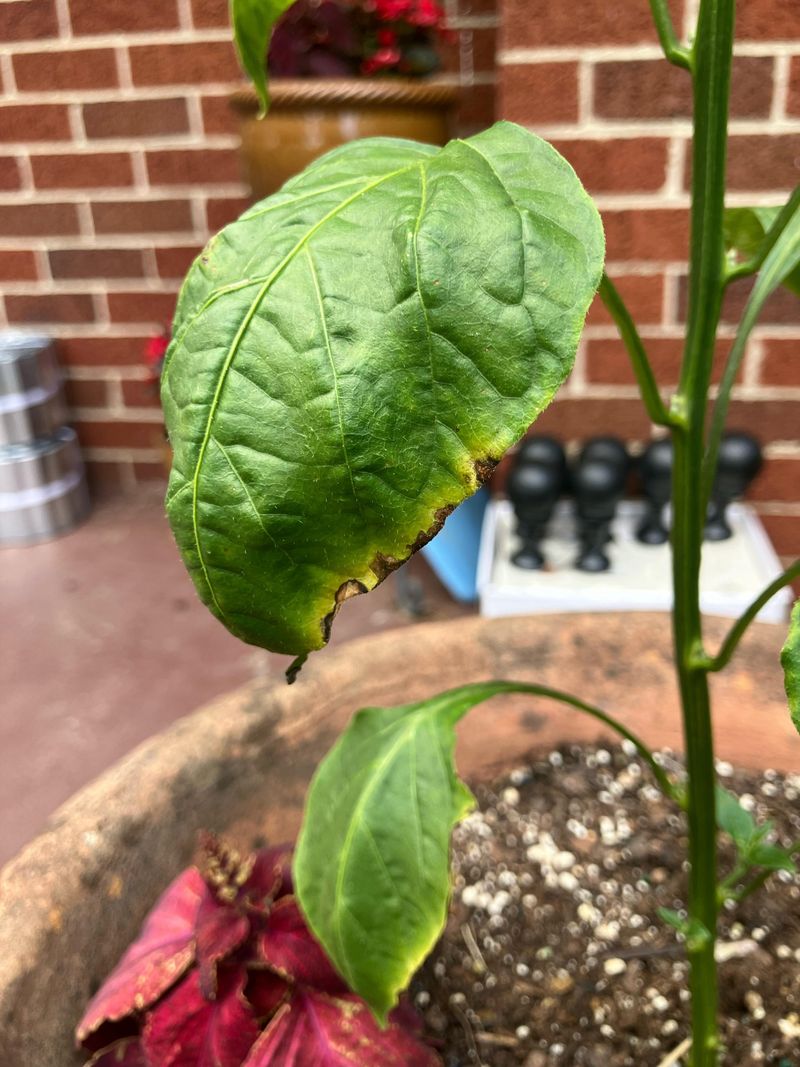
Overfertilization is a real and underappreciated cause of weak pepper plants. When soluble fertilizer accumulates in the root zone faster than the plant can use it, the resulting salt concentration can pull moisture away from roots through osmosis, causing the same wilting, scorched leaf tips, and stunted growth that gardeners often mistake for drought or nutrient deficiency.
Penn State Extension’s bedding plant disease guidance identifies salt injury from repeated fertilizer applications as a genuine cause of root damage and poor plant performance.
Clues that overfertilization may be the problem include a white crusty deposit on the rim or surface of the pot, scorched or brown leaf margins, recent repeated liquid fertilizer applications, or a plant that looks lush and leafy but refuses to set fruit. That last symptom often points to excess nitrogen specifically.
High nitrogen pushes vegetative growth, and a plant busy making leaves and stems may delay the hormonal shift toward flowering and fruiting.
Controlled-release fertilizer deserves special attention in Southern summer heat. Texas A&M’s soils and fertilizers guidance notes that release rates for these products are temperature-dependent, meaning a granule designed for slow release can deliver nutrients much faster when soil temperatures climb.
Adding liquid fertilizer on top of an existing slow-release charge during a heat wave is a straightforward way to push total salt levels into damaging territory, even with the best intentions.
Heat can stop fruit set even when nutrition is adequate
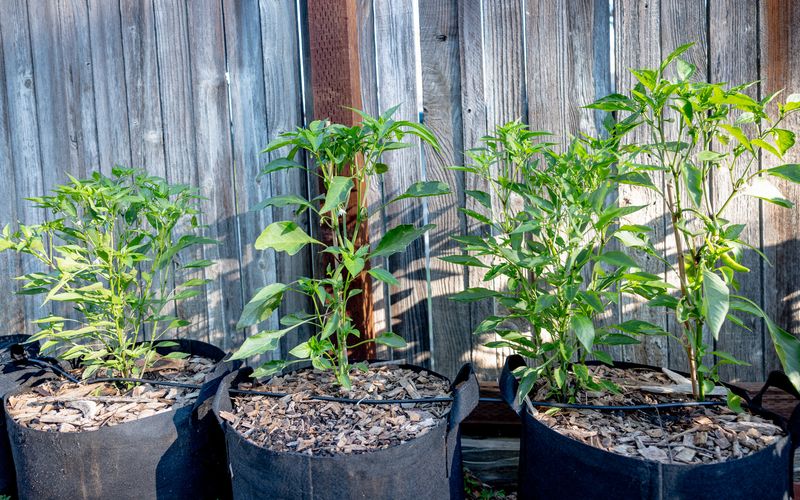
A pepper plant that grows steadily but produces few or no peppers during late summer may not have a feeding problem at all. High temperatures can interfere directly with pollination and fruit set, causing flowers to drop before they ever develop into fruit.
When that happens, more fertilizer cannot solve the problem because the obstacle is temperature, not nutrition.
Oklahoma State University’s pepper production fact sheet notes that little fruit set occurs when daytime temperatures exceed 90 degrees Fahrenheit or when nighttime temperatures fall below 60 degrees Fahrenheit, with the most reliable fruit set happening in the 65 to 80 degree range. These figures come from Oklahoma State’s extension research and should be understood as general guidance rather than a hard threshold for every pepper cultivar or every Southern microclimate.
Some varieties tolerate heat better than others, and sheltered spots may behave differently than open, exposed containers.
UMN Extension’s research on heat and vegetable gardens confirms that excessive temperatures can reduce fruit size, trigger blossom drop, and cause a temporary production pause even in otherwise healthy, well-fed plants. The practical response to this kind of heat stress is not more fertilizer.
Moving containers to a spot that receives afternoon shade, keeping moisture stable, and protecting the root zone from direct heat are more useful immediate steps. Most pepper plants resume flowering and setting fruit once temperatures moderate.
Check the pot, roots, and moisture before you feed
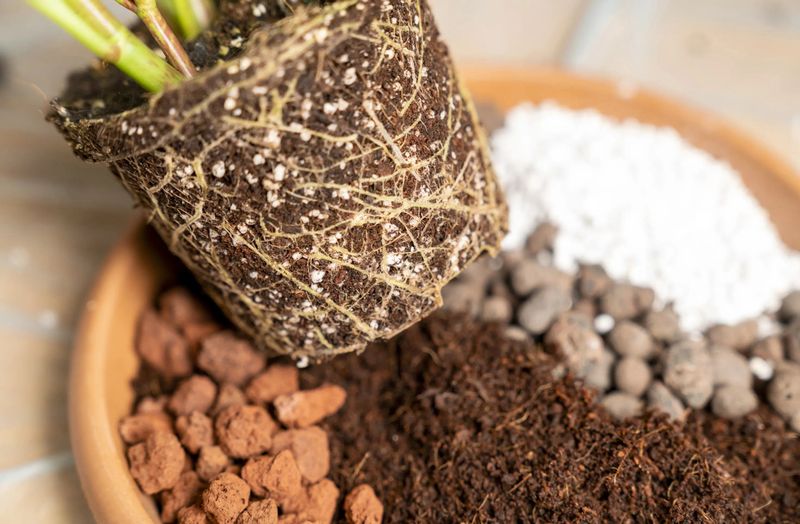
Before adding any fertilizer, work through a short physical inspection of the container and plant. Start with pot size.
A container that is too small restricts root development, which limits how much water and nutrition the plant can take up regardless of what you add to the mix. UGA Cooperative Extension’s container gardening publication lists two to three gallons per bell pepper plant as a practical working minimum, while Texas A&M materials identify five-gallon containers as a good fit for peppers.
Larger pots also buffer moisture fluctuations, which matters during Southern summer heat.
Next, check drainage. Lift the pot and look at the drainage holes.
If water sits in the mix for more than a few minutes after watering, the roots may be sitting in conditions that promote rot rather than growth. Tip the plant gently out of the pot if you can, and look at the roots.
Healthy roots are white or light tan and firm. Dark, mushy, or foul-smelling roots point to rot, which fertilizer will not fix and may worsen.
Also check the potting mix itself. A mix that dries to a hard, shrunken mass within hours of watering may be repelling water rather than absorbing it.
Texas A&M AgriLife Extension’s fertilizing guidance reinforces that fertilizer helps only when nutrient shortage is actually limiting growth, and that it cannot correct poor drainage, root damage, or severe environmental stress. While you are inspecting, look for signs of pests on leaf undersides and stems, and note whether the plant receives at least six hours of direct sun each day.
Stabilize moisture and protect the root zone
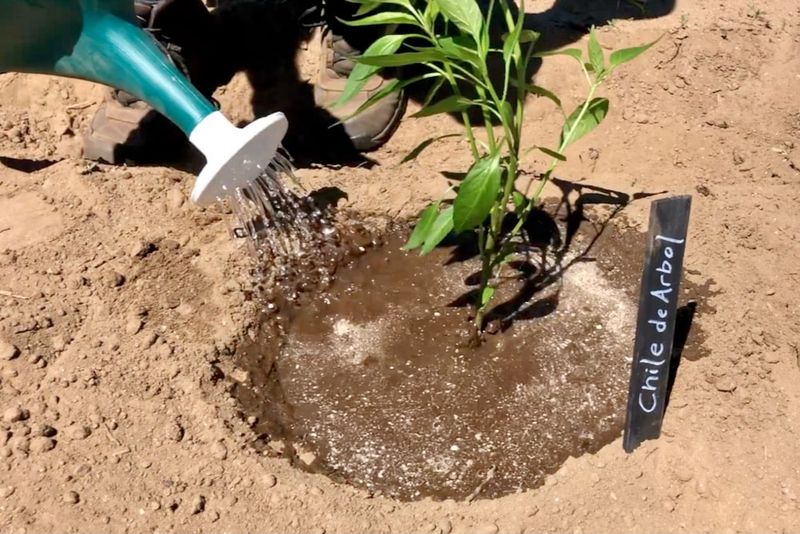
Once you have ruled out or addressed root damage and drainage problems, the next priority is stable, consistent moisture. Peppers are sensitive to swings between wet and dry, and those swings weaken flowers, cause young fruit to abort, and contribute to problems like blossom-end rot.
Getting moisture right often produces visible improvement before any feeding adjustment does.
Water thoroughly at the root zone each time, letting water move all the way through the mix and drain freely from the bottom. Do not leave containers sitting in saucers of standing water.
In hot Southern conditions, containers may need daily checks, and during intense heat waves, some pots may need attention more than once a day. UMN Extension’s container watering guidance notes that water needs vary with pot size, material, wind exposure, plant size, and the potting mix, so fixed schedules are rarely reliable in peak summer.
Protecting the root zone from heat is equally practical. Dark-colored containers absorb more radiant heat from the sun, which can raise root-zone temperatures to damaging levels.
Moving pots to a location that gets morning sun and afternoon shade, grouping containers together to reduce wind exposure, and adding a modest layer of mulch over the potting mix surface can all reduce moisture loss and root-zone stress. UMN Extension’s heat-gardening tips identify shade and stable moisture as more urgent responses to heat stress than additional feeding.
Correct moisture conditions first, then reassess the plant before considering whether fertilizer is needed.
Use a measured, label-directed feeding plan
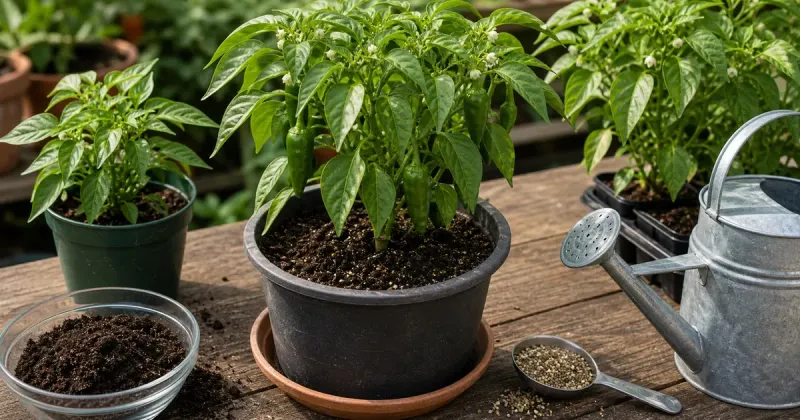
Feeding makes sense only after moisture, drainage, root space, and heat conditions are under reasonable control and the plant’s history actually points toward a nutrient shortage. A plant that has been growing in the same potting mix for several months without any fertilizer additions, in a pot that drains well and has healthy roots, may genuinely benefit from replenishment.
One that was fertilized heavily two weeks ago almost certainly does not need more.
When you do feed, follow the product label rather than a generic recipe. The right rate depends on the specific fertilizer, the potting medium, how much fertilizer may already be present in the mix, the plant’s size, and how often you water.
One practical approach described in UMN Extension’s container feeding guidance is using a lower concentration applied more frequently, but only when that adjustment stays within what the product label allows. Avoid high-nitrogen boosters when the plant is already leafy, and do not add extra phosphorus simply because the plant looks weak.
Fertilization should match what the plant and its history indicate, not what the packaging promises.
If overfertilization seems more likely than deficiency, stop adding fertilizer, confirm that the pot drains freely, and water thoroughly enough that drainage water carries soluble salts out of the root zone. Penn State Extension’s foliar fertilization guidance cautions that foliar feeding is not a reliable shortcut, since root uptake is the main nutrient pathway and improperly mixed foliar sprays can scorch leaves.
Similarly, UMN Extension’s soil amendment research states that Epsom salt does not prevent blossom-end rot and may interfere with calcium uptake when magnesium is already adequate. Skip both as routine rescue treatments.
Judge recovery by new growth and fruit set, not by one feeding
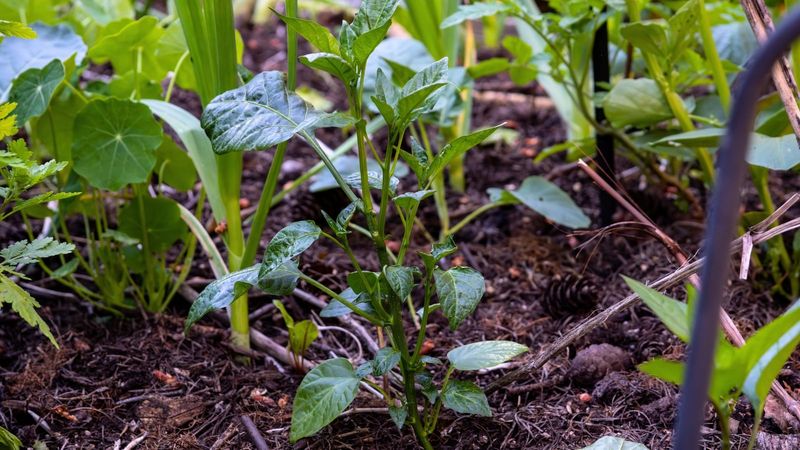
Recovery from late-summer stress rarely happens overnight, and one application of fertilizer will not tell you much on its own. After conditions stabilize, including consistent moisture, free drainage, adequate root space, and some relief from peak heat, give the plant time to respond before making further adjustments.
New growth emerging at the tips, firming of existing leaves, and the appearance of flower buds are the signals worth watching.
UMN Extension’s pepper growing guidance and Oklahoma State’s pepper production research both point toward realistic expectations during extreme heat: even well-managed, adequately fed pepper plants may pause fruit production temporarily when temperatures push into ranges that disrupt pollination. Reassessing after conditions moderate is more informative than repeatedly adjusting fertilizer while stress factors remain active.
The broader lesson for container growers is that feeding is one part of a coordinated system. Pot volume, moisture consistency, drainage, root health, and protection from peak heat all determine whether a fertilizer application helps or simply adds more stress to an already struggling root zone.
In a small container, every variable is amplified, and the plant has less buffer against mistakes in any direction. Get the environment right first, and feeding becomes a fine-tuning step rather than a rescue attempt.