
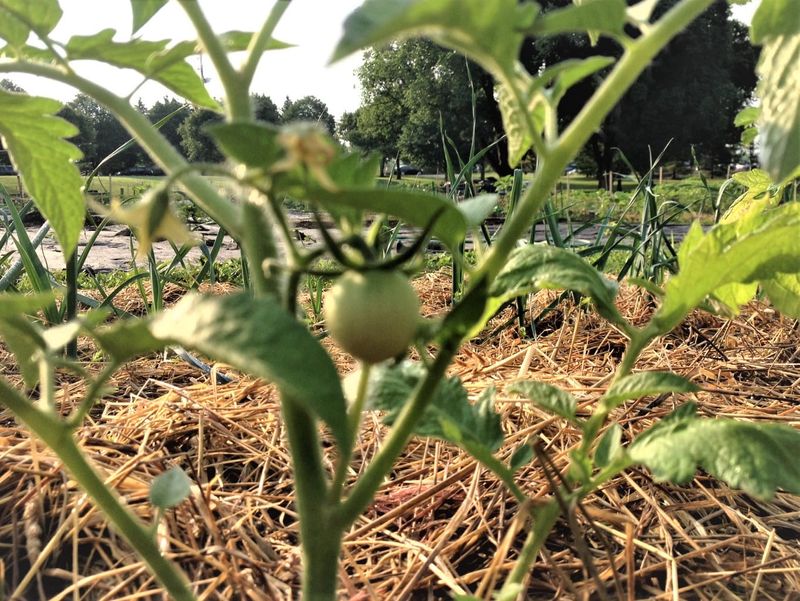
Watching a tomato plant that was loaded with blooms suddenly go quiet in late July or August is genuinely frustrating. Before you reach for a fertilizer bag, it helps to know that heat is usually the first suspect, not a hungry plant. Understanding what is actually happening to your tomatoes makes the difference between a fix that works and one that backfires.
First identify what ‘stopped fruiting’ means
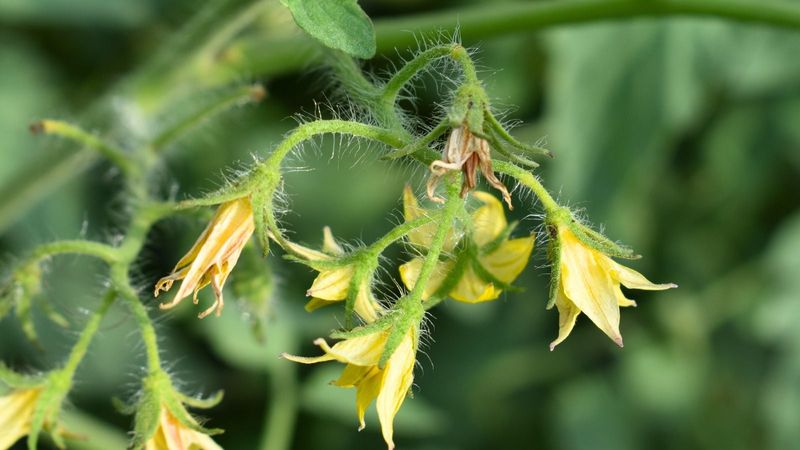
A tomato plant that has “stopped fruiting” can mean several very different things, and the difference matters. Flowers forming and then dropping before the fruit swells point toward heat, poor pollination, uneven moisture, excessive nitrogen, or strong winds as possible causes, according to University of Maryland Extension guidance on poor blossom and fruit set. Flowers that stay on the plant but never enlarge into fruit suggest that pollination may have failed, often because heat damaged the pollen.
Fruit that is present but refuses to turn red is a separate issue entirely. University of Minnesota Extension notes that temperatures above 85 degrees Fahrenheit can actually block the pigments that give tomatoes their red color, so green or orange-shouldered fruit during a heat wave is a color problem, not a fruiting failure. A lush, leafy plant with very few flowers may instead point toward too much nitrogen or insufficient light.
Pay close attention if leaves are spotted, distorted, yellowing on only one side of the plant, or showing a general decline that does not match the heat pattern. Minnesota Extension’s tomato leaf diagnosis tool and their tomato disorders guide both flag disease, pests, herbicide injury, and root problems as causes that need investigation rather than fertilizer. Pinning down which pattern fits your plant before doing anything else will save you from the wrong response.
Heat often explains the late-summer fruiting stall
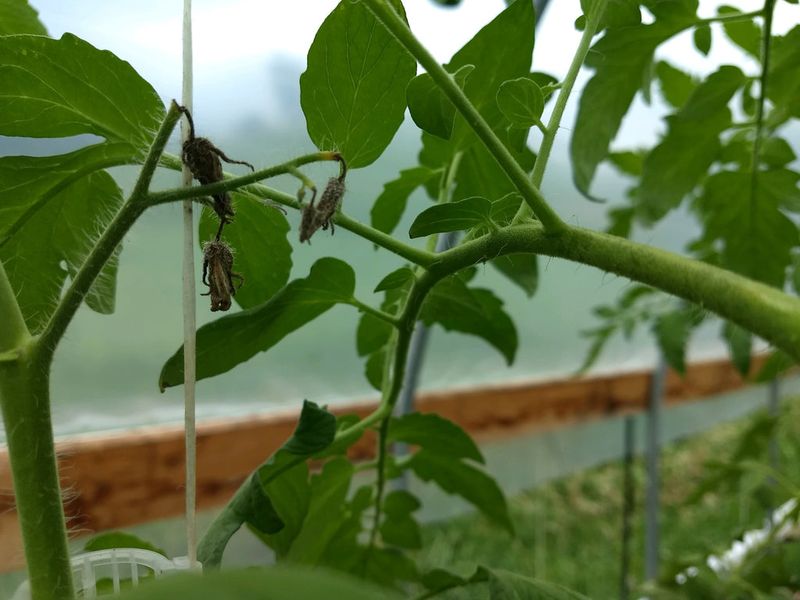
When daytime temperatures climb into the upper 80s or 90s and nights stay above roughly 70 to 75 degrees Fahrenheit, tomato pollen can become sticky, nonviable, or simply fail to release properly. Penn State Extension identifies 88 to 102 degrees Fahrenheit as a heat-stress range during which tomatoes can develop abnormal flowers, experience poor pollination, and drop blossoms before fruit ever forms. The plant is not necessarily sick or starving – it is responding to conditions that make successful reproduction difficult.
Nighttime temperatures matter just as much as daytime highs. When nights stay warm, the plant has no recovery window, and pollen quality often suffers further. University of Minnesota Extension reports that sustained heat above 85 degrees during the day and 70 degrees at night can cause an entire round of flowers to drop without setting fruit, and that tomatoes commonly resume normal fruit development after cooler nights return.
Keep in mind that these temperature ranges are approximate guidelines, not a universal switch that shuts every tomato plant down at the same moment. Cultivar, humidity, soil moisture, plant health, and prior heat exposure all influence how badly a particular plant is affected. High temperatures can also slow or prevent red pigment development in fruit that is already on the vine, which looks alarming but is a different problem from heat-related failure to set new fruit. Heat management is the primary response here, not fertilizer.
Protect the plant before changing its feed
The first move during a heat wave is stabilizing the root zone, not opening a fertilizer bag. Check soil moisture by pushing a finger two inches into the soil near the plant base. Utah State University Extension recommends giving tomatoes roughly one to two inches of water per week, adjusted for soil type, rainfall, container conditions, and plant size, rather than following a rigid daily schedule. During extreme heat, that may mean watering every day or every other day, but the soil check, not the calendar, should guide the decision.
Water deeply at the root zone rather than giving the plant frequent shallow sips. University of Minnesota Extension recommends morning watering with drip irrigation or a soaker hose, which delivers moisture directly to the roots and keeps foliage dry. Wet leaves from overhead watering can raise disease risk, and shallow watering encourages roots to stay near the surface where they are more vulnerable to heat and drought.
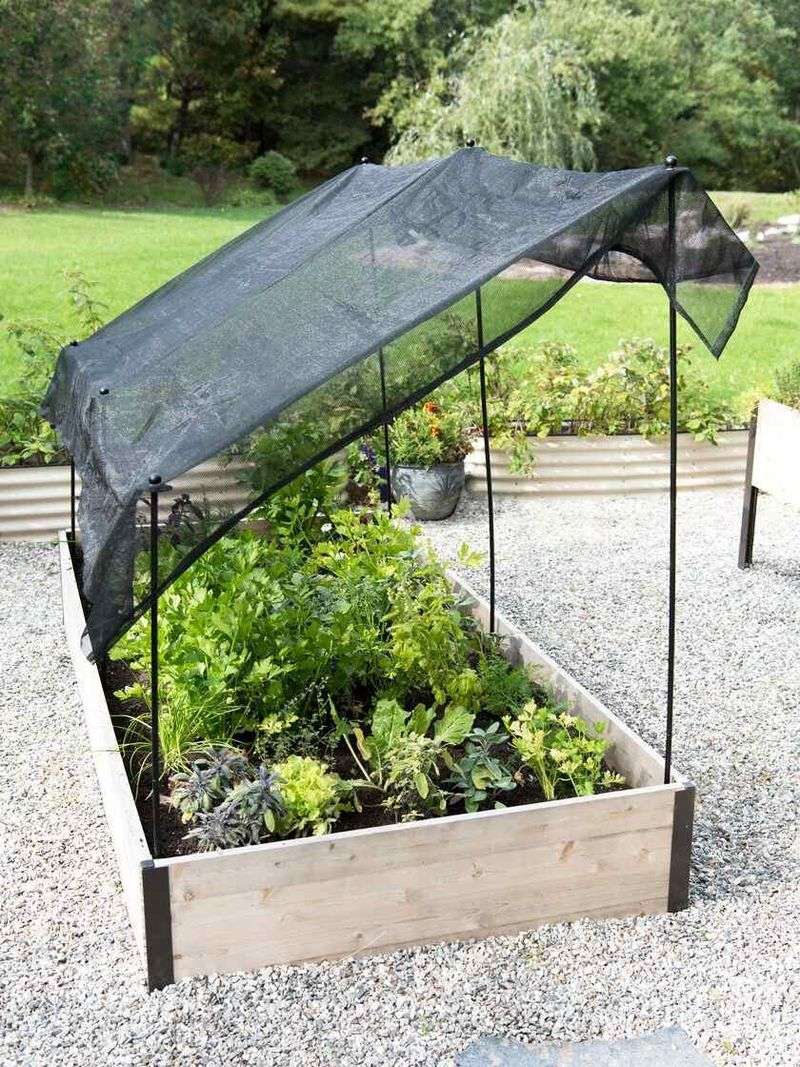
A two-inch layer of mulch around the base of the plant – kept away from the stem itself – can reduce evaporation and moderate soil temperature meaningfully. Minnesota Extension recommends temporary shade during peak heat, including 30 to 40 percent shade cloth, arranged so the plant still receives adequate light and airflow. That same extension guidance advises waiting until the heat wave passes before pruning tomatoes, because removing foliage during extreme heat adds stress and exposes fruit to sunscald. Remove only clearly diseased or damaged material, if anything at all, until the worst heat is over.
These steps support future flowers, but they do not instantly restore blossoms that have already been lost.
A leafy plant with few flowers can signal excess nitrogen
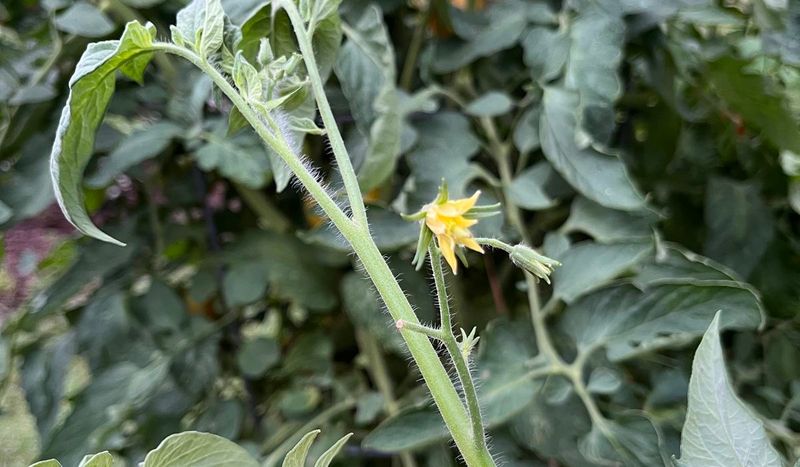
Not every stalled tomato is a heat victim. A plant that looks vigorous and lush, producing thick stems and deep green leaves in abundance but almost no flowers or developing fruit, tells a different story. University of Minnesota Extension states that too much nitrogen can produce bushy, leafy plants that are slow to set fruit, and that excessive late-season nitrogen applications can minimize or delay fruiting further. If you have been feeding with a high-nitrogen product regularly throughout the season, that pattern becomes a credible explanation.
The key distinction is timing and appearance. Flowers dropping suddenly during a heat wave, on a plant that was previously setting fruit normally, does not by itself establish a nitrogen problem. That is more likely a heat response. The nitrogen-excess pattern tends to appear gradually, on a plant that never quite transitions from vegetative growth to fruiting, especially after repeated feeding with lawn fertilizer, high-nitrogen vegetable fertilizer, or manure-heavy compost.
Nutrient symptoms can overlap and mislead. Yellow leaves alone are not enough to diagnose a deficiency or an excess. Minnesota Extension’s fertilizing guide recommends using a soil test as the starting point for fertilizer decisions, and their Maryland Extension’s blossom and fruit-set resource reinforces that several different causes can produce the same visible result. Treating every stalled tomato as underfed risks making the problem worse rather than better.
Make the feeding reset a restraint decision
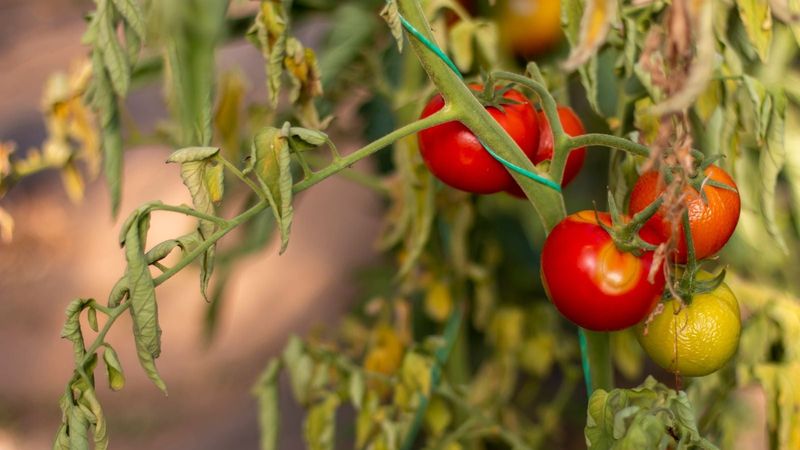
When the lush-plant-with-few-flowers pattern is genuinely present and excessive nitrogen is a credible explanation, the correction is simple: stop adding high-nitrogen products. That includes fertilizers with a high first number on the label, weed-and-feed products, and repeated heavy compost applications. University of Minnesota Extension specifically flags weed-and-feed products and excessive nitrogen as contributors to delayed or reduced fruiting in tomatoes.
Stopping high-nitrogen inputs prevents further vegetative excess and removes a barrier to flowering, but it does not directly reverse flowers already damaged by heat or guarantee that fruiting restarts on any particular schedule. Recovery depends primarily on improved growing conditions and the development of new flowers. Resist the urge to substitute a high-phosphorus bloom booster, which is not an established universal remedy. Minnesota Extension’s fertilizing guidance recommends soil-test-based phosphorus decisions and notes that many established garden soils already contain sufficient phosphorus.
Adding more without a test can cause its own imbalances.
Potassium, calcium, and Epsom salts should similarly be withheld unless a soil test or a clearly diagnosed deficiency supports their use. If testing or a confirmed deficiency does warrant a fertilizer application, follow the product label, apply to moist soil, and keep granular fertilizer away from the stem. Colorado State University Extension warns that overapplication of nitrogen fertilizers can burn or kill plants. Excess fertilizer in general can increase salt stress, damage roots, push the plant back toward vegetative growth, and delay fruiting further.
Maryland Extension’s potassium resource also cautions that late applications may not repair fruit quality problems that originated at fruit set. Less is often the right move here.
Separate nutrient questions from look-alike disorders
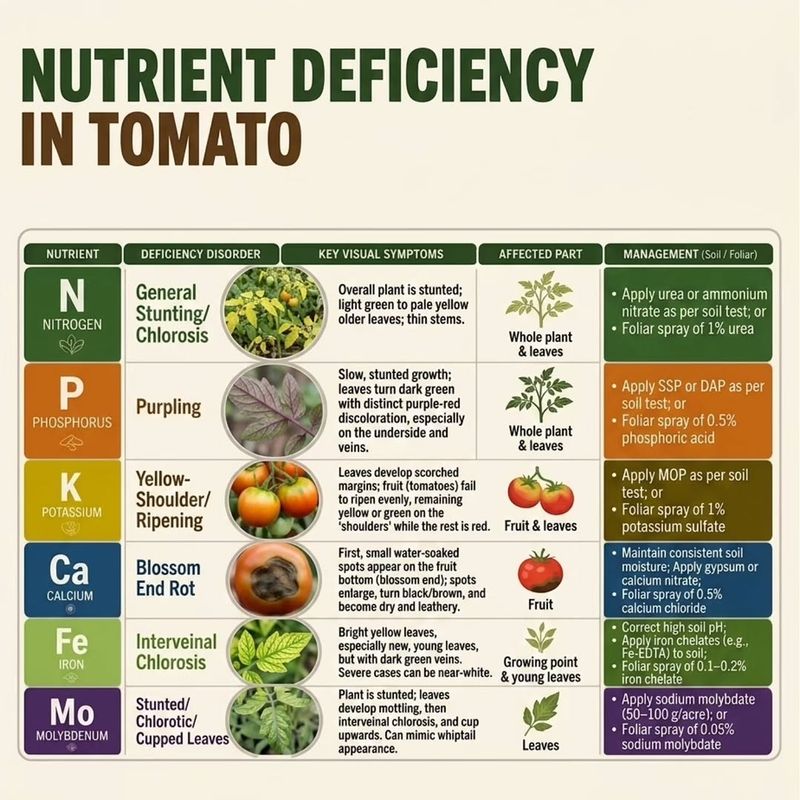
Fertilizer is often the wrong answer precisely because so many tomato problems look similar from a distance. Minnesota Extension’s tomato leaf diagnosis tool shows how viruses, bacterial diseases, herbicide injury, root problems, and insects can all produce discolored or declining foliage that might be mistaken for a nutrient problem. Applying fertilizer to a diseased or pest-damaged plant can delay correct treatment and sometimes worsen the underlying condition.
Blossom-end rot is a particularly common source of confusion. The dark, sunken patch on the bottom of developing fruit looks like a calcium deficiency, but Minnesota Extension’s tomato disorders guide explains that blossom-end rot usually reflects a calcium transport and moisture management problem rather than genuinely low soil calcium. Uneven watering, root damage, excess salts, and rapid growth can all interfere with how the plant moves calcium into developing fruit. Adding calcium sprays or Epsom salts indiscriminately is not supported, and Maryland Extension advises against Epsom salts unless soil testing confirms a magnesium deficiency.
Yellow shoulders, cracking, and slow-to-color fruit are also separate from a general heat-induced fruit-set stall. Maryland Extension’s potassium resource notes that potassium can play a role in certain ripening and quality problems, but that is a distinct situation from flowers failing to set. When symptoms are complex or overlapping, Minnesota Extension recommends starting with a soil test and using tissue testing for more complicated cases, rather than applying several products at once and hoping one of them helps.
Watch for new growth after the heat breaks
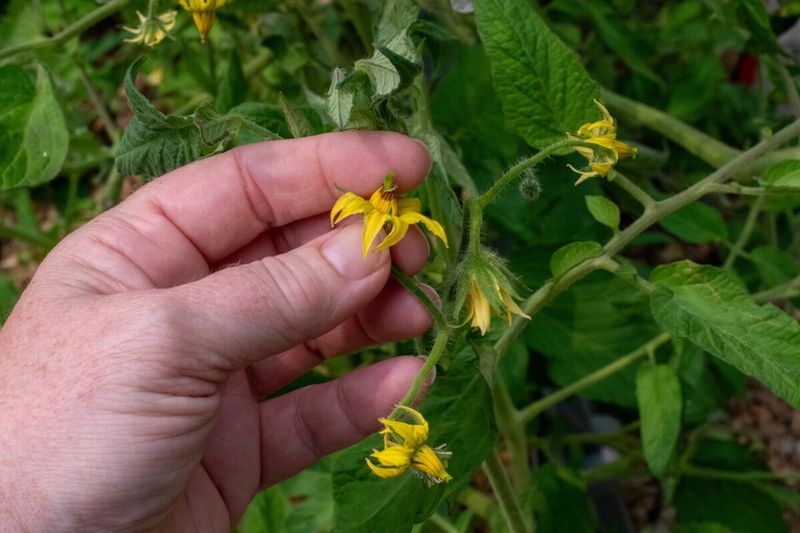
Flowers already aborted or damaged by heat cannot be rescued with fertilizer or any other product. The realistic goal during a heat wave is keeping the plant healthy, well-watered, and stable so that it can produce a new flush of flowers when conditions improve. University of Minnesota Extension notes that tomatoes often resume normal fruit development after cooler nights return, provided the plant remains in good health.
Penn State Extension reinforces that the pathway back to fruiting runs through improved temperature conditions and new flower development, not through any single product applied during the stall. Watch for fresh flower clusters and small swelling fruit rather than expecting existing buds that dropped to somehow recover. Florida IFAS Extension notes that cherry tomatoes and heat-tolerant cultivars tend to set fruit more reliably during hot weather than large-fruited or heat-sensitive types, so variety selection matters for future seasons.
The sequence that holds up across all of this is straightforward: identify which fruiting pattern you are actually seeing, stabilize moisture and reduce heat load first, and correct nitrogen only when a lush-and-leafy growth pattern or a soil test supports doing so. A patient, well-watered plant in reasonable health is the one most likely to reward you when the nights finally cool down.