
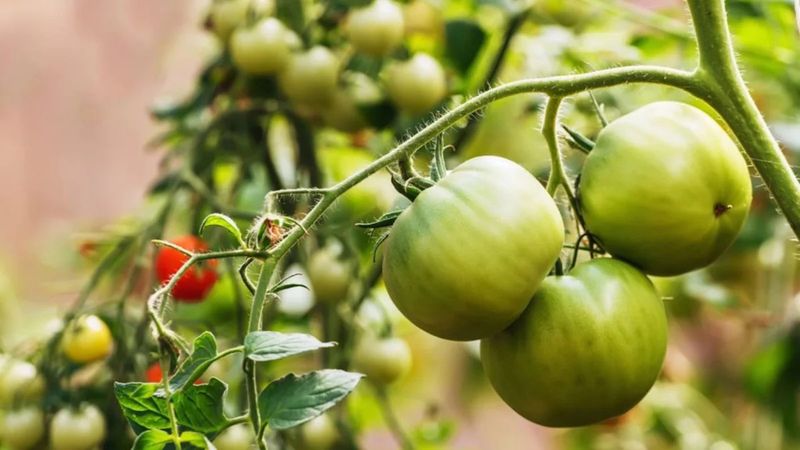
Walking out to the garden and finding a plant loaded with green tomatoes that refuse to change color is one of the most frustrating moments of the growing season. Before you grab a fertilizer bag, though, the problem may have nothing to do with what you are feeding your plants. Heat, cultivar genetics, fruit maturity, and watering habits can all stall color development in ways that no fertilizer will fix overnight. Understanding what is actually happening gives you a much better shot at saving the harvest.
First confirm what color the tomato should reach
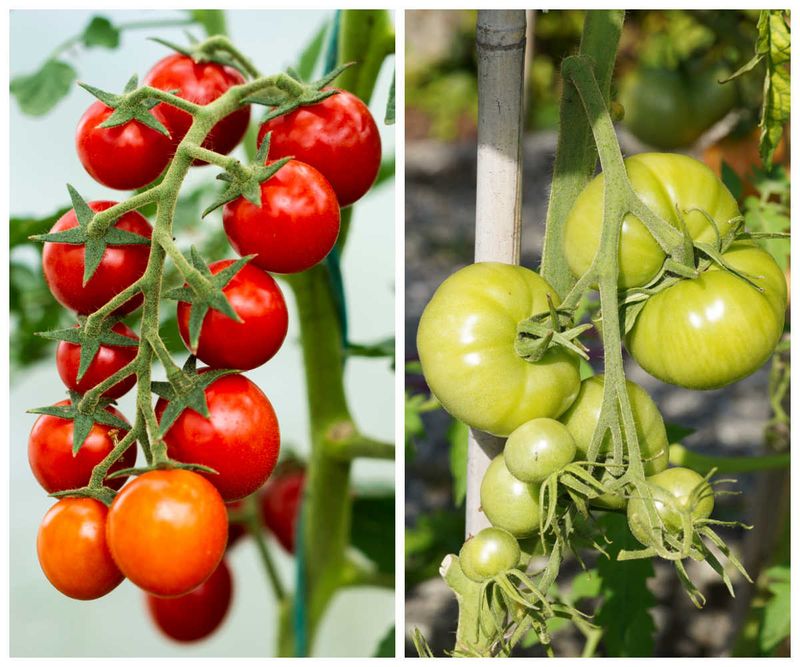
Before assuming something has gone wrong, pull up the seed packet or plant tag and check what color your variety is actually supposed to reach at maturity. Not every tomato turns red. Yellow Pear, Lemon Boy, and Brandywine Yellow ripen to a golden yellow. Green Zebra stays green with yellow stripes even when it is fully ripe.
Orange tomatoes, pink tomatoes, and chocolate-brown varieties all exist, and treating a ripe Yellow Pear as a stalled green tomato would send you chasing a problem that does not exist.
Once you have confirmed the expected mature color, take a look at the plant itself and at the fruit it is carrying. There is a meaningful difference between a plant that has very few or no fruits and one that is carrying full-size green fruit that has simply not changed color yet. Illinois Extension guidance on tomatoes points out that heat-related flower drop and poor pollination during hot spells can sharply reduce fruit set, which means a near-empty plant may not be a feeding problem at all.
Run through a short checklist before touching your fertilizer: confirm the expected mature color, estimate whether the fruit is full-size or still small and hard, and look at the plant’s foliage to see whether it is unusually lush and leafy or reasonably balanced. University of Minnesota Extension’s heat and vegetable garden guide notes that a persistent green area near the stem may signal yellow shoulder, a ripening disorder linked to heat, cultivar genetics, and light exposure rather than a straightforward nutrient shortage. Getting the diagnosis right first saves you from applying the wrong fix.
Heat can pause red color without stopping fruit development
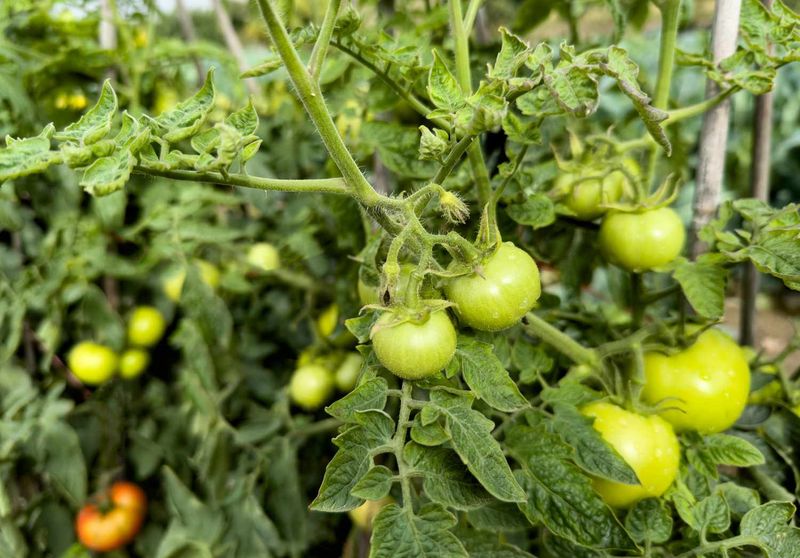
A tomato that has grown to full size but stays stubbornly green during a heat wave is often experiencing something that fertilizer cannot touch. Fruit maturity and visible color change are two separate events. A mature-green tomato can already have fully developed seeds and the gelatinous tissue surrounding them while still waiting for the right conditions to produce its final pigments. The fruit is biologically ready, but the color chemistry has not yet run its course.
For most red-fruited tomatoes, color develops most reliably when temperatures stay around 68 to 77 degrees Fahrenheit. University of Minnesota Extension’s guidance on heat and vegetable gardens explains that sustained temperatures above roughly 85 degrees Fahrenheit can suppress the production of lycopene and carotene, the pigments responsible for red color in tomatoes. Warm nights compound the problem because the plant gets no overnight recovery period. The result is fruit that looks yellowish-green, orange, or unevenly colored even as it continues to develop internally.
Intense heat brings additional quality problems beyond delayed color. Sunscald can bleach exposed fruit where foliage has been removed or lost to disease. Yellow shoulder, a firm green or yellow patch near the stem, is also associated with high temperatures and direct sun exposure. Poor texture and reduced flavor are common heat-season complaints as well.
Illinois Extension’s tomato page connects these disorders to heat and light exposure, reinforcing that the fix involves managing the environment rather than adjusting the fertilizer program. Cooler overnight temperatures are often what finally gets color moving again.
Pause nitrogen when the plant is all leaves
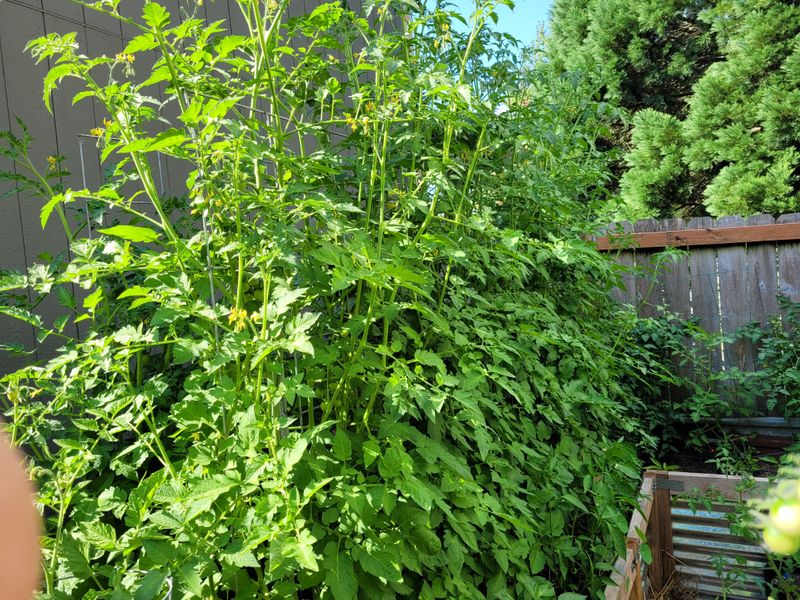
A tomato plant that is putting out thick, dark-green stems and abundant foliage while producing very few flowers or fruits is sending a recognizable signal. Excess nitrogen pushes the plant toward vegetative growth, and when that drive is strong enough, flowering, fruit set, and maturity can all fall behind. University of Minnesota Extension’s tomato growing guide describes this as luxuriant growth that delays the transition from leaf production to fruiting. If your plant matches this description, the safest immediate step is to stop adding nitrogen-heavy fertilizer until conditions change.
Reading the fertilizer label matters more than trusting the product name. A bag labeled “tomato food” may still carry a significant nitrogen percentage in its N-P-K ratio, and applying it to an already-leafy plant can deepen the imbalance. UMN Extension’s quick fertilizing guide makes clear that the correct product choice depends on what the soil and crop actually need, not on the marketing language on the front of the bag. Check the three numbers on the label and set aside anything with a high first number until the plant shows better fruit development.
Pausing unnecessary nitrogen can stop the problem from getting worse, but be realistic about what it will accomplish in the short term. It will not instantly reverse heat-suppressed pigment production, and it will not turn tomatoes red overnight. The goal at this stage is to remove a factor that may be working against you, not to trigger an immediate color change. Once the plant stops channeling energy almost entirely into new shoots and leaves, it has a better chance of putting that energy toward the fruit it already carries.
Test before adding potassium
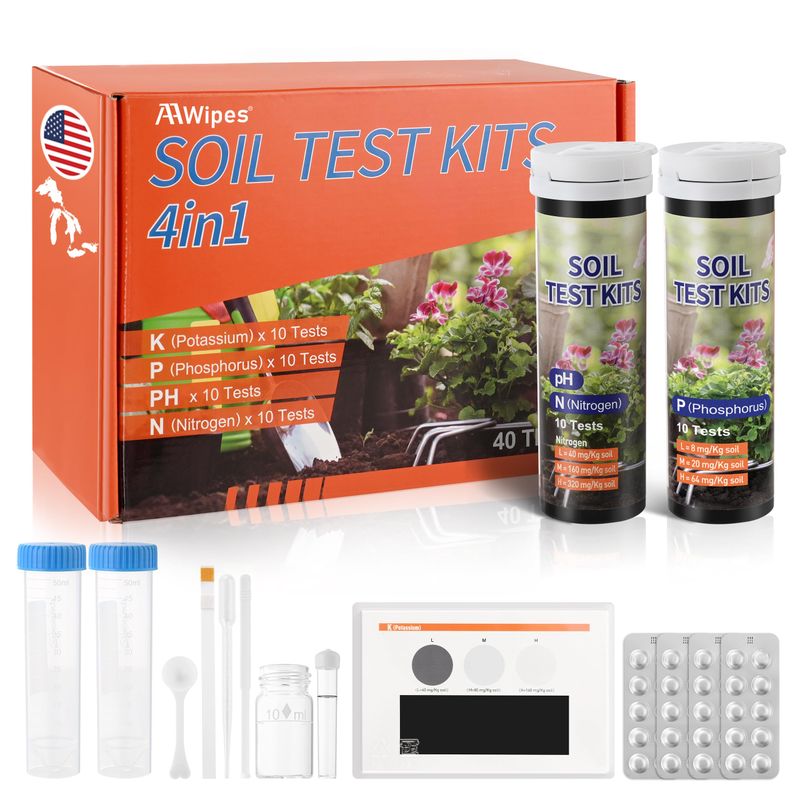
Potassium comes up frequently in conversations about tomato ripening, and adequate levels do support healthy plant function and fruit development. Some research also connects potassium status to certain color and yellow-shoulder problems. However, the connection between adding extra potassium and actually improving fruit color in a typical home garden is not as reliable as it might seem. Illinois Extension’s 2025 article on stalled green tomatoes notes that soil tests in stalled-ripening cases often show potassium is already adequate, while tissue testing may reveal that uptake is the real issue rather than supply.
A 1970 Journal of Experimental Botany study on potassium nutrition and tomato fruit pigmentation found relationships between potassium levels and carotenoid development, but field conditions vary considerably, and later trials have not shown a consistent color response to added potassium where soil levels were already sufficient. The appropriate starting point is a Penn State Extension soil test, which measures plant-available nutrients and provides crop-specific recommendations you can actually act on.
Excess rain, poor light, root stress, and uneven soil moisture can all interfere with nutrient uptake even when potassium is present in the soil. Applying more potassium without addressing those underlying conditions may accomplish little. There is also a nutrient-balance concern: UMN Extension’s tomato disorders guide points out that heavy or unnecessary applications of potassium or magnesium can interfere with calcium uptake and raise the risk of blossom-end rot. Get the test first, follow the recommendation, and apply according to the product label rather than guessing at a dose.
Manage heat without stressing the roots or fruit
Fertilizer adjustments matter less during a heat wave than keeping the root zone stable. Tomatoes need consistent, even moisture, and the way you deliver water makes a real difference. Deep, thorough watering encourages roots to grow downward where soil stays cooler and more reliably moist. Repeated shallow watering keeps moisture near the surface, which dries out quickly in high heat and forces roots to stay in the most stressful zone.
University of Georgia Extension’s guidance on tomato watering practices emphasizes that consistent moisture delivery protects plants from the compounding stress of wet-and-dry cycles during summer heat.
The commonly cited guideline of roughly one inch of water per week is a reasonable starting point, but it needs to flex with your actual conditions. Sandy soils drain faster and may need more frequent watering. Containers can dry out completely in a single hot day and may need water twice daily during extreme heat. Rainfall counts toward the total, so check soil moisture before watering rather than following a fixed schedule.
A two- to three-inch layer of mulch over the root zone helps moderate soil temperature and slow moisture loss, and Illinois Extension’s tomato heat tips specifically recommend mulch as a practical tool for managing heat stress. Avoid saturating the soil, which can impair roots and make nutrient uptake worse.
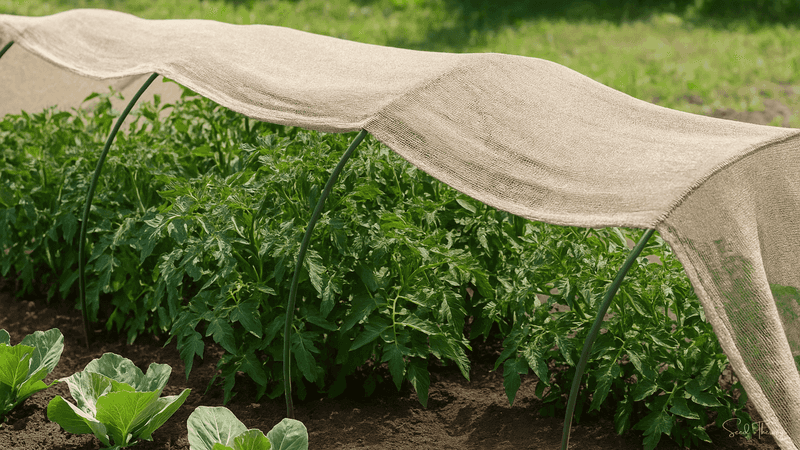
Shade cloth stretched over plants during the hottest part of the day can reduce solar and heat stress, though it works as a stress-management tool rather than a guaranteed ripening trigger. Protecting the foliage that is already on the plant matters just as much. Leaves shade developing fruit and lower its surface temperature. Illinois Extension’s article on rolling and wilted tomato leaves reinforces that severe pruning during hot weather removes the very shade that protects fruit from sunscald.
Preserve healthy foliage and hold off on aggressive leaf removal until cooler conditions return.
Harvest tomatoes that have reached the right stage
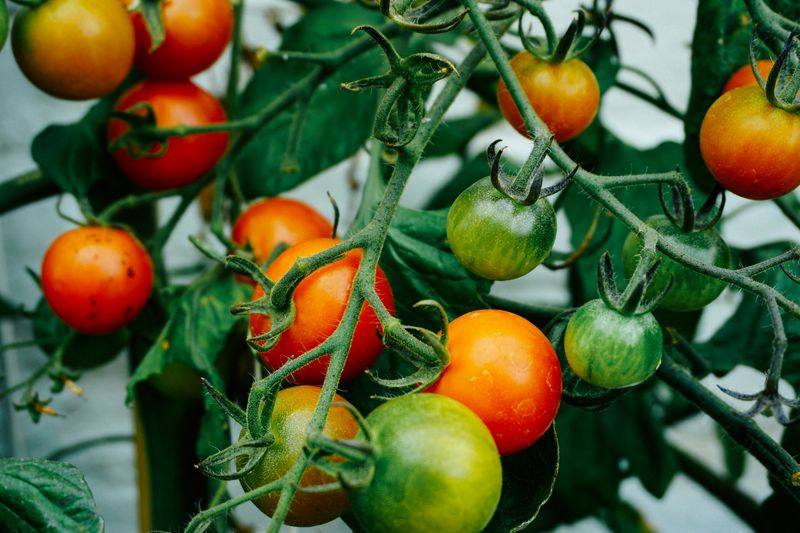
When hot weather shows no sign of letting up, waiting for tomatoes to fully ripen on the vine can mean losing fruit to sunscald, cracking, or continued color suppression. Picking fruit at the right stage and finishing it indoors is a practical way to protect what you have grown. The target is the breaker stage, the point when a mature-green tomato begins shifting from solid green toward a blush of pink, yellow, or red depending on the variety. Illinois Extension recommends harvesting tomatoes once color has started to develop and finishing them indoors at around 70 to 75 degrees Fahrenheit, away from direct sunlight.
Fully mature-green tomatoes that have not yet started to blush can also ripen indoors at room temperature. Placing them in a ventilated paper bag can help retain some of the natural ethylene the fruit produces, which may speed the process slightly. Check the bag every day or two and remove any fruit that shows soft spots or off smells before they affect the others. Keep them on a counter rather than in the refrigerator, since cold temperatures stop the ripening process and damage texture.
The important limit here is fruit maturity. UMN Extension’s tomato growing guide cautions that very small, hard, immature fruit is unlikely to ripen successfully indoors. Indoor ripening works as a protective measure for fruit that has already completed most of its development on the plant, not as a rescue for tomatoes that were picked too early. If the fruit is still small and dense with no sign of internal development, leaving it on the plant a bit longer is the better option when conditions allow.
Use the symptom pattern to choose the next step
Rather than applying a single fix across the whole garden, match your response to what you actually see. A plant that is producing very few fruits despite healthy-looking foliage most often points toward heat-related flower drop or poor pollination during hot spells, though excess nitrogen is worth considering if the plant is unusually dark and leafy. UMN Extension’s heat and vegetable garden resource explains that high temperatures can reduce both pollination success and fruit set, which means the calendar and the thermometer may be doing more damage than your fertilizer program.
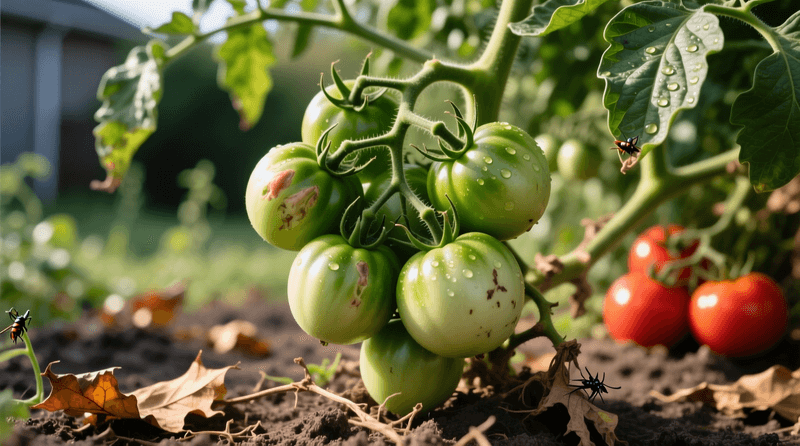
Full-size fruit that is uniformly green and not changing color during a sustained heat stretch most likely reflects heat-delayed pigment production rather than a nutrient gap. Persistent green or yellow coloring near the stem on otherwise ripening fruit is a stronger sign of yellow shoulder, a disorder tied to heat, light exposure, and cultivar genetics. Small, hard, dense fruit that has not yet reached full size simply needs more time on the plant. Illinois Extension’s stalled green tomato article walks through these distinctions and reinforces that the right response changes depending on which pattern you are dealing with.
The practical plan for most heat-wave situations comes down to a few consistent actions: pause extra nitrogen on overly leafy plants, skip untested potassium and household amendments, keep soil moisture even, reduce heat stress where you can, and protect the foliage that is already shading your fruit. UMN Extension’s tomato growing guide supports this steady, evidence-based approach over reactive feeding changes. Stopping the things that are working against you is a genuinely useful step, even when the heat itself remains outside your control.