
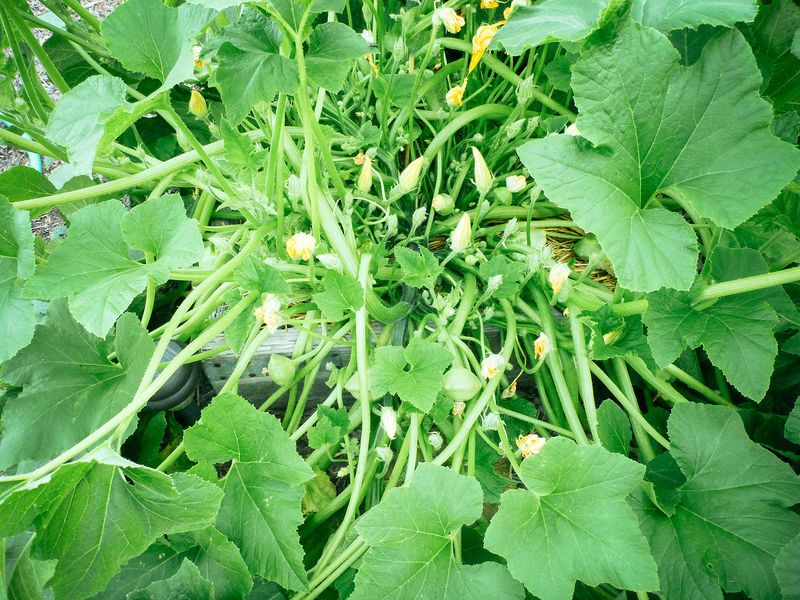
You planted one zucchini and ended up with a jungle of leaves, but the vines are empty. Before you assume something is deeply wrong, know that this is one of the most common mid-summer frustrations for backyard gardeners across the US. The flowers are the best place to start your diagnosis, though they won’t always point to the same culprit. A few minutes of close observation can tell you more than any guesswork.
Start with the flower base, not the leaf canopy
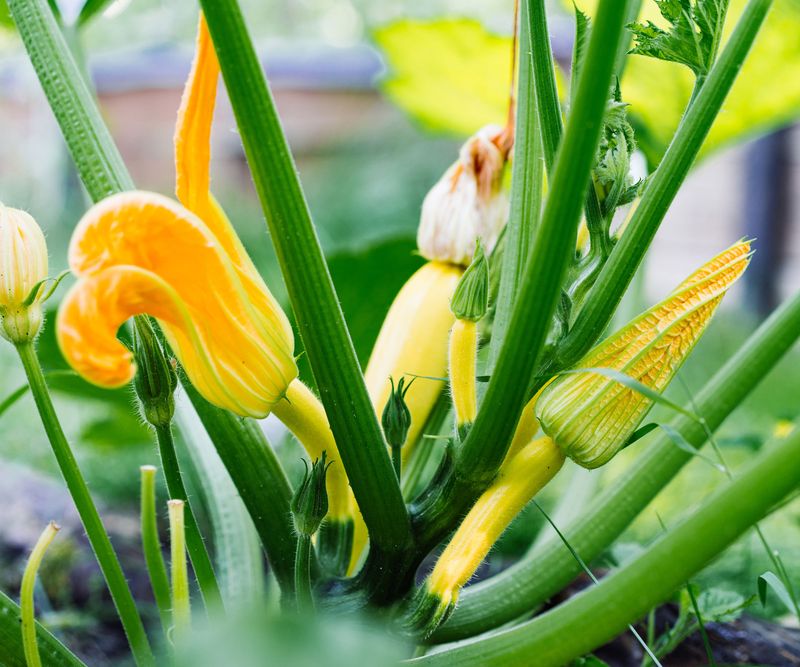
Before assuming the worst, crouch down and look closely at the flowers themselves. The blossoms are the most informative part of a plant that refuses to fruit, but inspecting them carefully is more useful than drawing conclusions from the leafy canopy alone. As University of Minnesota Extension guidance on cucurbit flowering explains, pollen must travel from a male flower to a female flower for a zucchini to develop, so understanding which flowers you have is the logical first step.
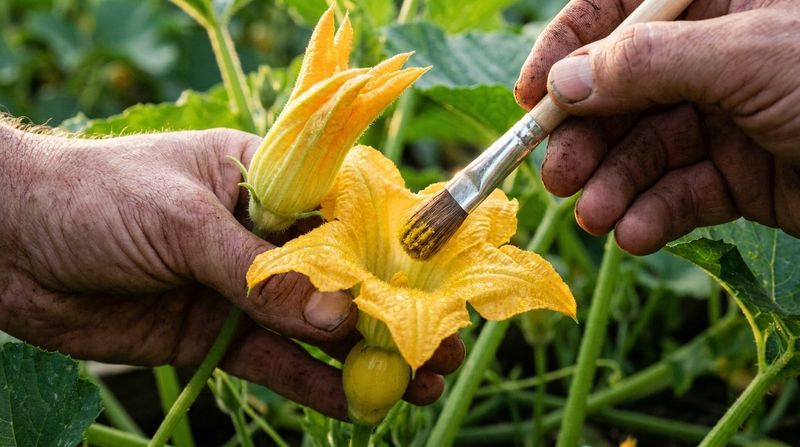
Male and female flowers look different at the base. A male flower sits on a long, thin, ordinary-looking stem and produces pollen. A female flower has a swollen miniature zucchini between the blossom and the vine. That tiny bulge is the ovary, and it only grows into an edible fruit if pollination succeeds.
Young zucchini plants commonly produce mostly male flowers during their first few weeks of flowering, and those blossoms will drop after a day or two without becoming fruit. Illinois Extension’s Ask Extension resource on zucchini confirms that male blossom drop is entirely normal and should not be read as disease or failure. Check whether female flowers are present at all. If you see only male flowers, the plant may simply need more time, though heat and other stresses can also push production toward males.
If female flowers are forming and then shriveling, the diagnosis shifts to a different set of possibilities entirely.
Female flowers that shrivel narrow the diagnosis
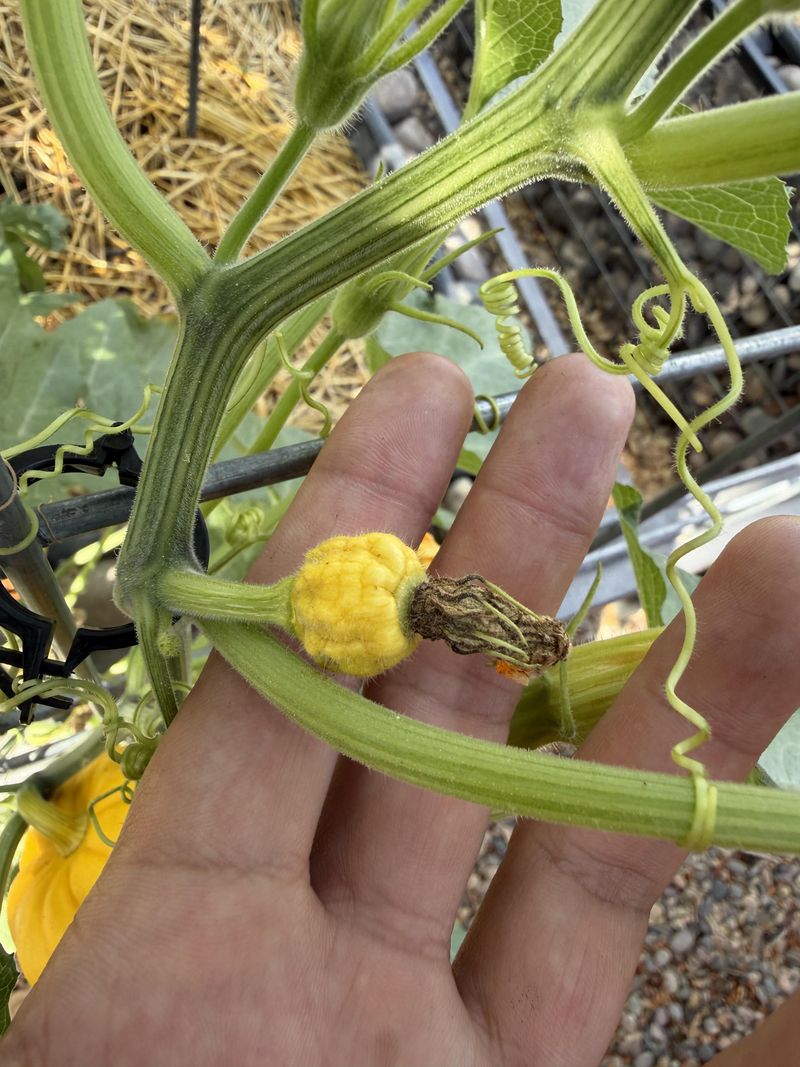
Spotting a female flower that opens briefly and then collapses, or a tiny zucchini that starts to grow but turns soft and aborts, tells you something specific. The ovary was there, the plant tried, and something interrupted the process. Inadequate pollination is one plausible explanation for this pattern, though it is not the only one worth considering.
For a zucchini to develop, pollen from a fresh male flower must reach the stigma inside the female flower, and the window is narrow. Zucchini flowers are typically open for only a few hours in the morning. Rain, extreme heat, or low bee activity during that window can all reduce the chances of successful pollen transfer. University of Minnesota Extension’s guide to growing summer squash notes that poor pollination can cause a female flower to abort or result in a small, misshapen fruit that fails to fill out.
That said, keep the conclusion qualified. Utah State University Extension’s small fruits and vegetables advisory points out that heat stress, water stress, and general plant stress can produce similar symptoms even when pollinators were present. A shriveled female flower is a useful clue, not a final verdict. Note whether the problem happens on days following heavy rain or during a heat wave, and check the rest of the plant for signs of wilting or other stress before settling on pollination as the sole cause.
Hand-pollinate only when the flowers line up
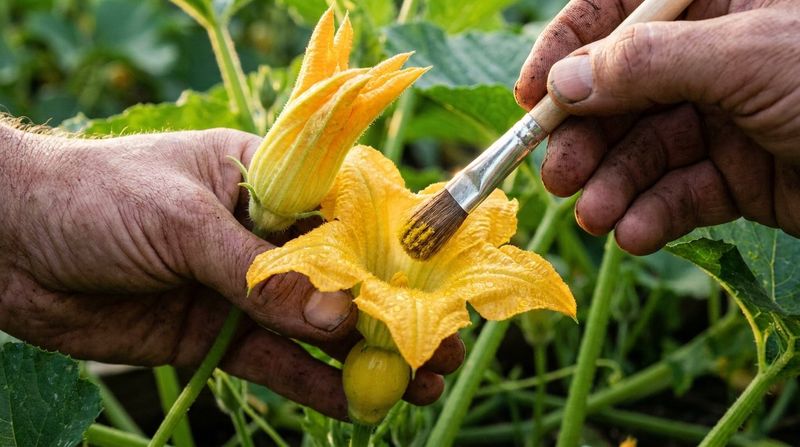
When you have an open female flower and limited bee activity on the same morning, hand-pollination is a reasonable and immediate thing to try. Colorado State University Extension specifically recommends this approach in their Vegetable Garden Hints resource, and the technique is straightforward enough for any gardener to attempt.
Work in the morning while both flower types are open. Pick a fresh male flower, peel or fold back its petals so the pollen-covered center is exposed, and gently dab that center against the stigma inside the open female flower. The stigma is the sticky structure at the center of the female blossom. One gentle contact is usually enough; you do not need to scrub or repeat it aggressively.
The limits of this technique matter as much as the steps. Hand-pollination cannot conjure female flowers where none exist. It cannot help a plant that is under severe heat or drought stress, because those conditions may prevent fruit development even after successful pollen transfer. It also cannot repair structural damage from squash vine borers or correct the effects of disease.
As Illinois Extension’s zucchini Q&A makes clear, the method is useful only when compatible flowers are available and the plant is otherwise capable of setting fruit. Think of it as removing one obstacle, not guaranteeing a harvest.
Keep pollinator access open during flowering
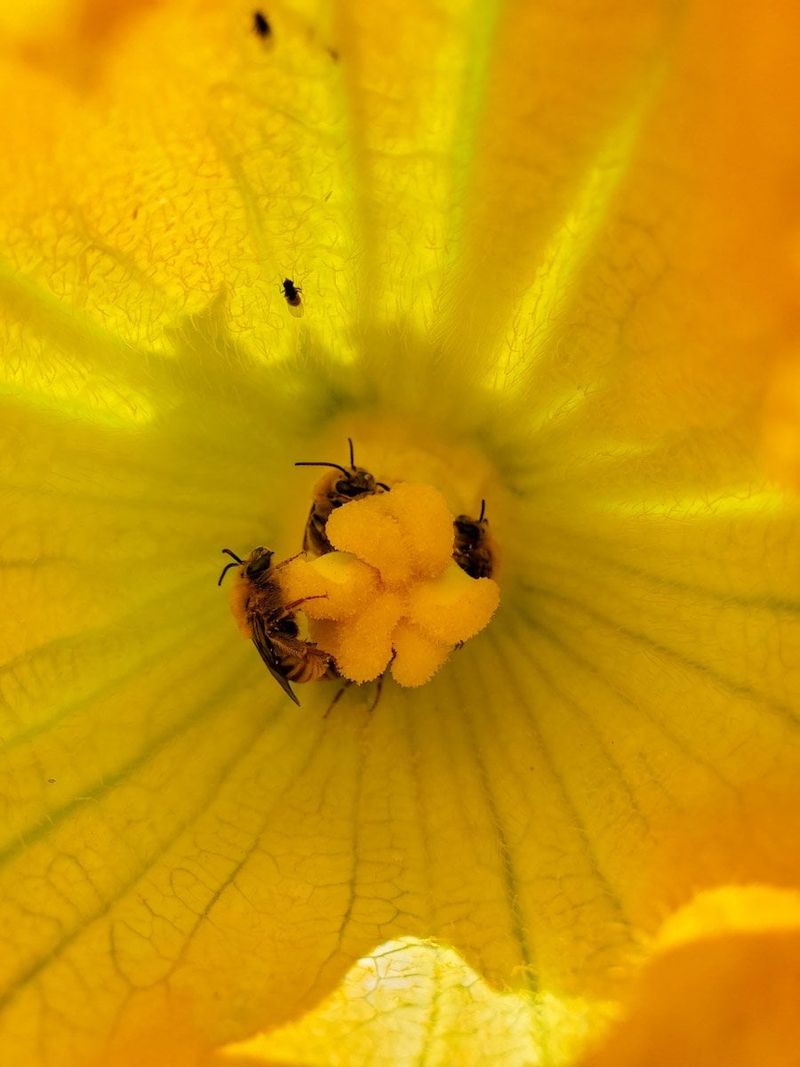
Honey bees get most of the credit for garden pollination, but they are not the only bees that matter for zucchini. Squash bees are native, ground-nesting bees that specialize in squash and related plants, and Colorado State University Extension’s pollinator guidance for vegetable gardens notes that these bees may forage very early in the morning, sometimes before honey bees are active. Bumblebees also visit zucchini flowers effectively. If you have not seen honey bees, that does not mean your flowers are going unvisited.
Squash bees nest in bare soil, often near the base of squash plants. Try not to till or disturb those areas unnecessarily during the growing season, since you may be disrupting a pollinator that is already working your garden. A small patch of undisturbed soil nearby is more helpful than harmful.
Row covers are worth reconsidering once your plant begins flowering. University of Minnesota Extension’s summer squash guide advises removing row covers at flowering so that beneficial insects can reach the blossoms. Covers are useful earlier in the season for pest exclusion, but they block pollinators as effectively as they block insects you do not want. If you prefer to keep covers on for pest management, plan to hand-pollinate every morning while female flowers are open.
Supporting natural pollination and maintaining pest protection are compatible goals, but they require you to choose one approach or actively manage both.
Heat and moisture can derail fruit set
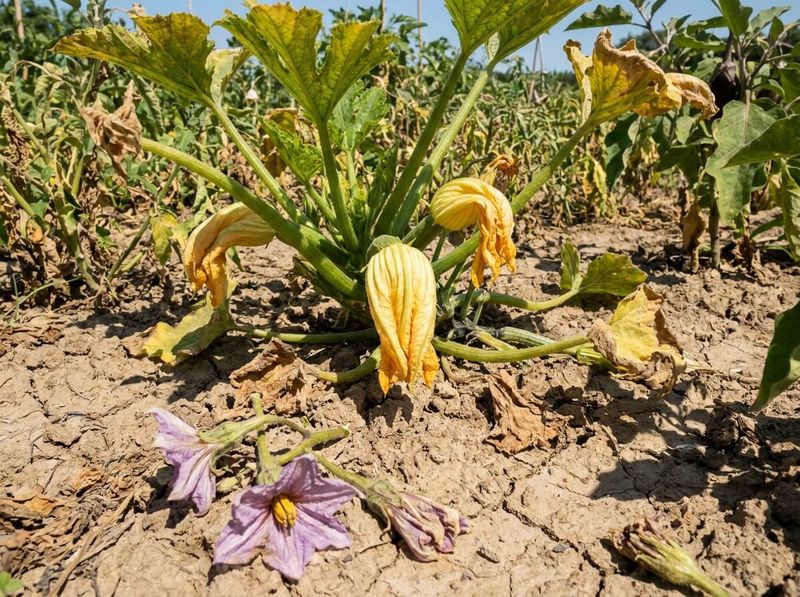
Some summers, the plant looks vigorous and the bees are visiting, but zucchini still refuses to set fruit. Heat is often the overlooked variable in that situation. University of Minnesota Extension’s vegetable IPM blog on heat stress reports that day temperatures above roughly 90 degrees Fahrenheit and night temperatures above about 70 degrees Fahrenheit can shift a plant toward producing more male flowers and fewer female ones, and can reduce fruit set even when female flowers are present. These figures are useful warning points, not a precise threshold that guarantees failure for every variety or garden, but they are worth tracking during a hot stretch.
Rain during the brief morning flowering window can also reduce pollinator activity on specific days, and heavy or prolonged rain can wash pollen from open flowers. Neither of these situations signals a permanent problem, but they can explain why fruit set stalls during a wet or sweltering week.
Moisture consistency matters throughout the plant’s development. The Colorado Vegetable Guide from Larimer County Extension recommends steady, even moisture for squash, since both drought stress and excessive soil moisture can contribute to flower drop or poor fruit development. Shade cloth is one option some gardeners try during the hottest weeks. Oklahoma State University Extension’s fruiting vegetables column presents it as a possible heat-management step while noting that fruit set may remain low during the most intense heat regardless of what you do.
Consistent watering and some shade may help, but neither is a guaranteed correction when temperatures are extreme.
Do not fertilize a fruiting problem by guesswork
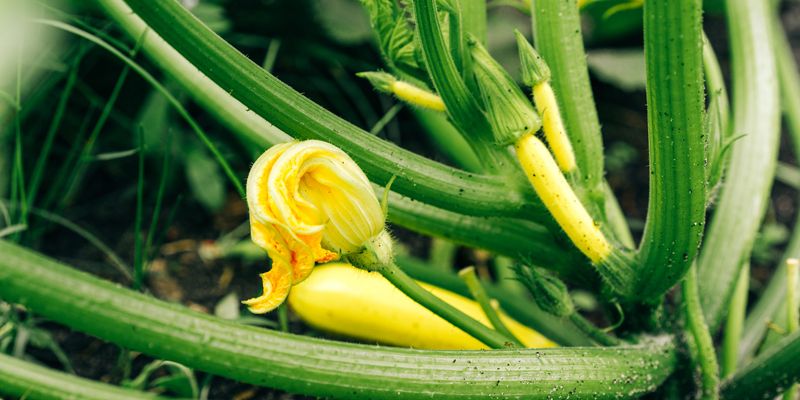
A plant covered in enormous leaves but empty of fruit can make fertilizer feel like the obvious answer. Resist that impulse without more information. Oklahoma State University Extension’s squash and pumpkin production guide explains that excess nitrogen is documented as a contributor to leafy, vine-heavy growth that delays or reduces flowering and fruiting. Adding more nitrogen to an already-lush plant can make the problem worse, not better.
That said, do not assume that every leafy zucchini was overfertilized. Weather, flower sex ratio, pollination, irrigation, pests, disease, and plant age all influence how a plant grows and whether it fruits. A canopy full of leaves is a symptom with multiple possible causes, and fertilizer is only one variable among several.
The practical step is a soil test rather than a guess. Your local cooperative extension office can guide you toward an affordable test, and the results will tell you what your soil actually needs rather than what the plant looks like it might need. Crop-specific fertilizer recommendations, when available for your region, are more reliable than general-purpose products applied by eye. If you have been fertilizing heavily and the plant is all leaves, hold off on additional applications and focus instead on the diagnostic steps in the other sections of this article.
Nutrition is one piece of the puzzle, not the whole picture.
Inspect a stressed vine for pests and disease
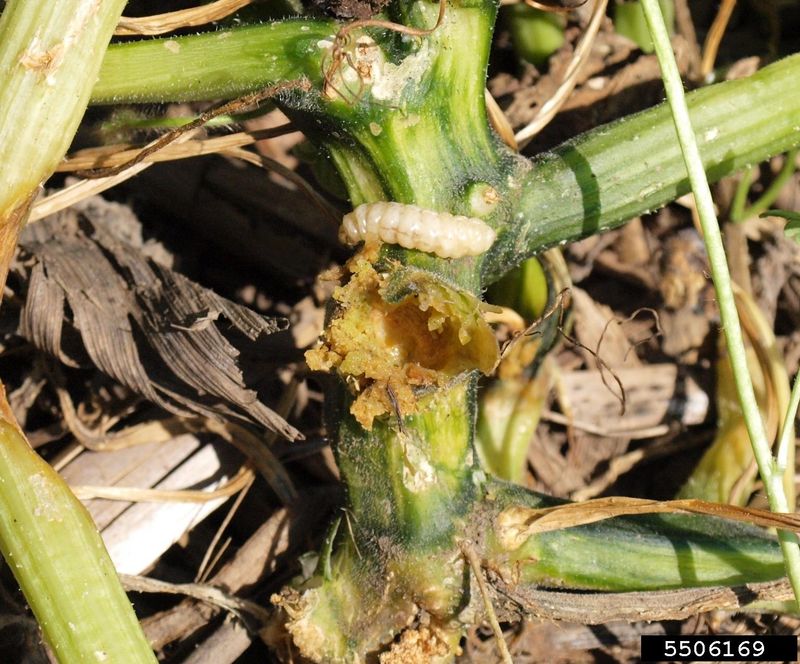
A plant that wilts unexpectedly, shows chewing damage along the leaves or stems, or declines despite producing female flowers is telling you something beyond a simple pollination problem. Pest and disease stress can reduce yield and interfere with fruit set, but these conditions require their own diagnosis and are not interchangeable with a pollination failure.
Scout the undersides of leaves and along the main stem for squash bugs, which cluster in groups and lay bronze-colored egg masses. Check the base of the main stem for a telltale hole or sawdust-like frass that signals a squash vine borer. Oklahoma State University Extension’s squash production guide lists squash bugs, cucumber beetles, and squash vine borers as primary threats to yield. University of Minnesota Extension provides detailed identification help for squash bugs and squash vine borers separately, since the two pests cause different types of damage and respond to different management strategies.
If you determine that an insecticide is necessary, read the product label carefully before applying anything. EPA guidance on pollinator protection recommends avoiding applications to blooming plants when possible and following all crop-specific label restrictions. Applying at dawn or in the evening does not automatically make a treatment safe for pollinators, particularly for products with systemic or residual activity. University of Minnesota Extension’s pesticide and pollinator guidance emphasizes that label compliance is the baseline, not an optional precaution.
Targeted, nonchemical controls are worth trying first when the pest pressure is manageable.
Follow the evidence from flowers to harvest
Working through this problem is more productive when you follow a sequence rather than trying fixes at random. Start by checking whether the plant is producing female flowers at all. If you find female flowers that shrivel or produce stunted fruit, observe morning pollinator activity and note weather conditions during the flowering window. Then check for signs of heat stress, moisture inconsistency, pest damage, or disease, and revisit whether recent fertilizer use might have pushed the plant toward foliage over fruit.
Hand-pollinate on mornings when a fresh male and a fresh female flower are both open and bee traffic appears low. Maintain steady, even watering through flowering and fruit development. Protect pollinator access by removing row covers once flowering begins, and avoid disturbing bare soil near the plant base where squash bees may nest. As Oklahoma State University Extension notes, harvesting zucchini regularly and removing any oversized or defective fruits can encourage the plant to set additional fruit.
Large fruits left on the vine signal the plant to stop producing, so pick often even if some fruit seems small.
One thing that does not explain odd-looking fruit this season: cross-pollination with other cucurbits. Oklahoma State Extension’s vegetable FAQ clarifies that crosses generally affect saved seed and the plants grown from it, not the fruit already developing on the vine. If this season’s zucchini looks strange, look to stress, pests, or incomplete pollination rather than a neighboring plant. The flowers told you where to look first; the harvest will tell you whether your adjustments worked.