

Pale, patchy zucchini leaves on a hot summer day can stop a gardener cold, and it is easy to blame the weather or a skipped watering. The truth is more complicated: that mosaic-like pattern may point to a virus carried by aphids or cucumber beetles, but heat stress, nutrient problems, and other culprits can look surprisingly similar. Before pulling the plant or reaching for a spray bottle, a careful look at the whole picture will tell you far more than the leaf color alone.
Mosaic leaves show a symptom pattern, not a diagnosis
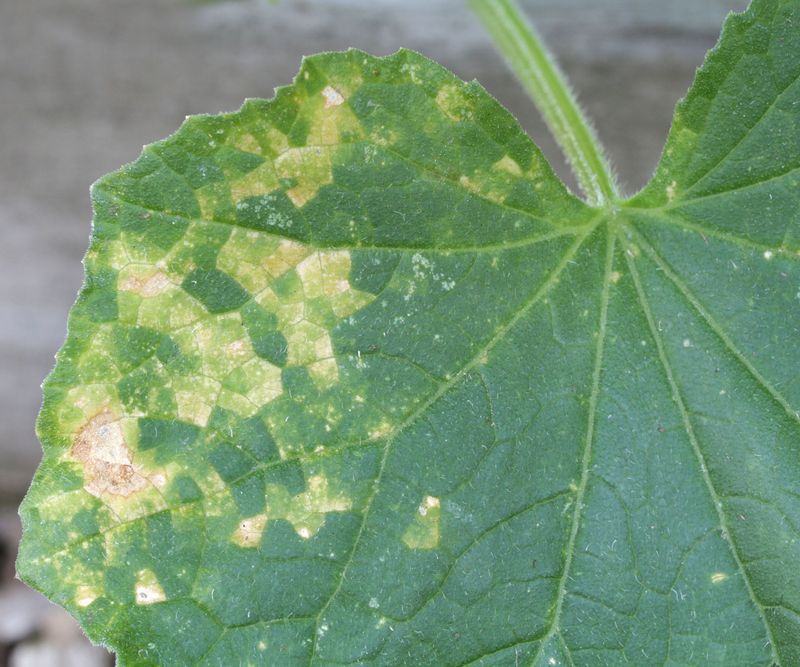
Pale green and yellow patches arranged in an irregular mosaic across a zucchini leaf are worth taking seriously, but they are a symptom category rather than a confirmed diagnosis. University of Minnesota Extension guidance on cucurbit viruses describes a range of signs that can accompany viral infection: light- and dark-green mosaic patterns, yellow or white mottling, vein clearing, puckered or cupped leaf surfaces, distorted or undersized new growth, stunted plants, and misshapen or discolored fruit. Stronger symptoms on young leaves can raise suspicion, but they cannot name the virus causing them.
Insects do play a role in spreading several cucurbit viruses, but the story is more specific than a general “bugs did it” explanation. Aphids are the primary vectors for many cucurbit viruses, while striped and spotted cucumber beetles carry squash mosaic virus. Heat, herbicide drift, nutrient imbalances, and insect feeding damage can all create patterns that look similar to a viral mosaic, so one pale leaf during a heat wave does not settle the question.
According to Penn State Extension’s cucumber mosaic virus resource, a plant diagnostic laboratory is needed to confirm which virus, if any, is present. Treating the leaf pattern as a possibility rather than a certainty keeps your next steps practical and proportionate.
Check heat and moisture before calling it mosaic

A hot stretch of weather can leave zucchini leaves looking surprisingly rough, and some of those symptoms overlap with what a virus produces. Oregon State Extension’s heat-wave garden guide notes that heat stress commonly causes wilting, leaf curling or cupping, dry margins, bleaching, scorching, stalled growth, and flower or fruit drop. These are real stress responses, and they can make a plant look diseased when the core problem is temperature and inadequate soil moisture.
The key distinction is that heat and water stress do not typically produce a true mosaic pattern – the irregular mix of light and dark green patches that moves across leaf tissue. If your plant is wilting at midday and recovering by evening, or if the leaf edges are brown and papery but the rest of the leaf is a uniform color, environmental stress is a more likely explanation than a virus. University of Minnesota’s heat gardening guidance recommends assessing the whole plant and recent weather before drawing conclusions from a single symptom.
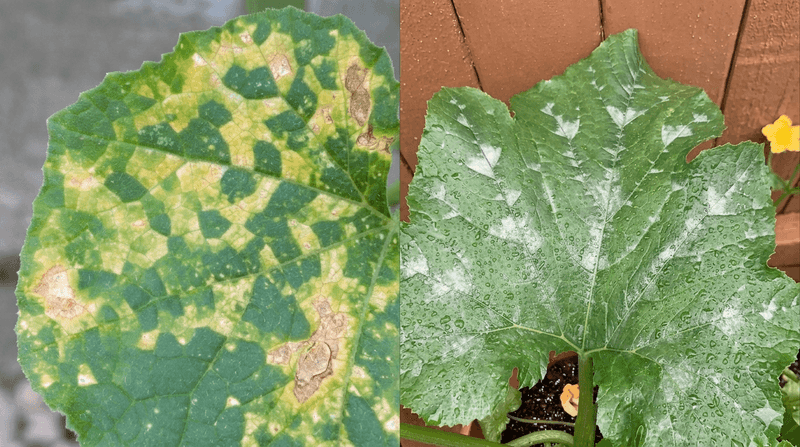
Other nonviral causes are worth ruling out too. Herbicide drift from nearby lawn treatments, nutrient imbalances, and direct insect feeding can all create pale or distorted patches. One more specific look: if you see pale angular lesions with a gray-brown or purplish fuzzy growth on the underside of the leaf, that profile points toward downy mildew rather than a virus, and Penn State Extension’s downy mildew alert notes it can rapidly defoliate cucurbits. A systematic plant health diagnosis considers all of these possibilities together.
The likely insect depends on the virus
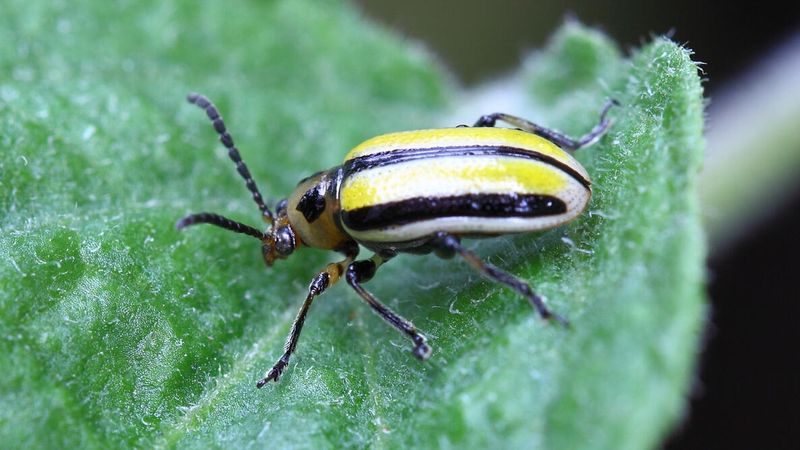
Not every insect found near a struggling zucchini plant is the culprit, and correctly identifying the insect matters because different viruses travel on different carriers. UC IPM’s cucurbit virus overview makes clear that aphids are the primary vectors for many cucurbit viruses, including cucumber mosaic virus and several potyviruses. Whiteflies can carry still other cucurbit viruses. Start by turning leaves over and checking the growing tips for small, soft-bodied insects clustered along the veins.
Squash mosaic virus follows a different path. UC IPM’s squash mosaic virus page identifies striped and spotted cucumber beetles as the relevant vectors for that specific virus, which causes mottled leaves and deformed fruit. If you find those beetles feeding on flowers or stems, squash mosaic virus is a more plausible concern than if only aphids are present.
Ordinary squash bugs occupy a separate category. UC IPM’s squash bug resource describes their damage as speckling followed by yellow-to-brown foliage, wilting, and sometimes plant collapse from sap feeding – that is direct injury, not a mosaic virus. Squash bugs can transmit cucurbit yellow vine, a bacterial disease associated with yellowing and decline, but they are not established carriers of the mosaic viruses most gardeners worry about. Finding squash bugs on a plant with mosaic-like leaves does not confirm they caused the leaf pattern.
Use inspection to narrow the possibilities, not to name the virus
A thorough look at the plant can meaningfully narrow the list of possibilities even if it cannot name the cause. Photograph the entire plant from a distance, then move in for close shots of the youngest leaves, older leaves, leaf undersides, any fruit present, and any insects you can find. Note whether the mosaic-like pattern is concentrated near feeding damage or spread across the whole plant, and whether newer growth shows stronger symptoms than older growth.
As University of Minnesota Extension’s cucurbit virus guidance explains, systemic symptoms that progress across the plant over days are more consistent with a virus than isolated patches that stay in one place. Also write down the recent history: Has there been a heat wave? Was irrigation skipped? Were any herbicides applied nearby?
Was fertilizer recently added or withheld? These details help separate environmental stress from a possible infection.
Penn State Extension’s plant health diagnosis framework and their cucumber mosaic virus resource both note that photographs and field symptoms cannot reliably confirm a specific virus. When the diagnosis will affect whether you remove the plant or protect nearby cucurbits, submitting a sample to a plant diagnostic laboratory or contacting your local cooperative extension office is a reasonable next step rather than guessing from appearance alone.
Remove a strongly progressive virus-like plant
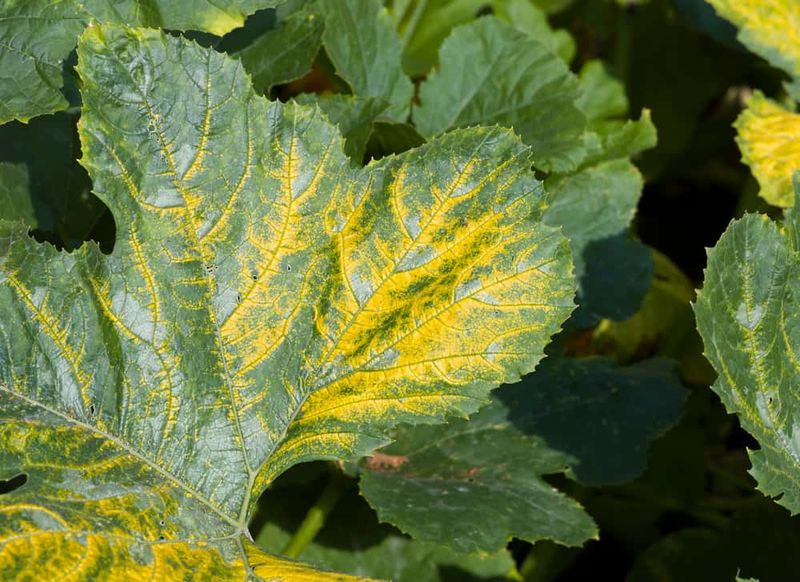
When one zucchini plant develops severe, spreading symptoms – distorted new growth, full-plant stunting, mosaic across most leaves – the practical response is to remove it rather than wait and hope. Viruses move through a plant systemically, meaning the infection is not limited to the leaves that show symptoms. Pulling only the affected leaves leaves the source in the ground and keeps a potential reservoir next to your healthy cucurbits.
University of Minnesota Extension recommends removing the entire plant, including the roots, placing it in a bag, and following local diagnostic or disposal guidance. Avoid leaving pulled material on the soil surface or in an open compost pile without confirmation that it is safe to compost; bagging and checking with your local extension office or waste disposal program is the safer route for material that may carry a virus.
After handling the plant, wash your hands thoroughly and clean any tools that contacted the plant. No pesticide reverses viral symptoms once a plant is infected, and UC IPM notes that aphids can transmit certain viruses after only brief feeding, so killing aphids after infection has already occurred does not undo the transmission. According to University of Minnesota’s home garden disease management guidance, prompt removal and good hygiene are the most reliable tools once a viral infection is suspected.
Water for plant health, not as a viral treatment

Good watering practice matters for a zucchini under any kind of stress, but adequate moisture cannot reverse viral mottling and should not be framed as a treatment. What it can do is reduce the environmental stress that overlaps with and complicates the picture. University of Minnesota Extension’s summer squash and zucchini growing guide recommends thorough watering that provides approximately 1 inch of rainfall or irrigation per week during the growing season, with more frequent watering in sandy soil or during heat events.
Drip irrigation or a soaker hose delivers water directly to the root zone without wetting foliage repeatedly, which is preferable to overhead watering. Wet leaves create conditions that can favor some pathogens, and University of Minnesota’s plant disease management guidance advises avoiding work among plants when leaves are wet to reduce the chance of spreading pathogens mechanically.
Check soil moisture a few inches down before watering – soil that feels dry at that depth during hot weather is a sign the plant needs water regardless of what else is happening. Oregon State Extension’s heat-wave plant stress guide notes that heat stress symptoms can intensify quickly when soil moisture is inadequate. Correcting a moisture deficit will not fix a virus, but it removes one layer of stress and makes it easier to read what is actually going on with the plant.
Prevent insect-transmitted problems in future plantings

Prevention is more reliable than any response after symptoms appear, and several practical steps can reduce the chance of insect-transmitted viruses reaching next season’s cucurbits. Start with seed: use reputable, commercially produced clean seed, and do not save seed from any plant that showed mosaic-like symptoms. University of Minnesota Extension’s cucurbit virus guidance notes that some viruses, including squash mosaic virus, can be seedborne, making seed source a meaningful first line of defense.
Row covers placed over young plants can physically exclude aphids, cucumber beetles, and other flying insects that carry viruses. The covers must come off when flowers open so pollinators can reach them – a plant that never gets pollinated will not produce fruit. UC IPM’s cucurbit virus prevention overview presents row covers as a measure that may reduce or delay insect-transmitted infection, not as a guarantee. Managing weeds around the garden also matters, since many common weeds can host the same viruses and serve as a reservoir for insects moving between plants.
Reflective mulch placed under plants may discourage aphids and other flying insects from landing, and UC IPM’s reflective mulch resource describes it as a preventive tool rather than a treatment for an already infected plant. For pest management beyond physical barriers, UC IPM’s aphid management guidance notes that broad insecticide applications can harm natural enemies and may miss virus transmission that happens before the insecticide takes effect. Any pesticide decision must be based on a product registered for your specific crop and pest; EPA guidance on pesticide labels and the EPA’s read-the-label-first resource both emphasize that the label is a legal requirement covering crop registration, harvest intervals, protective equipment, and pollinator precautions.
Match the response to the evidence
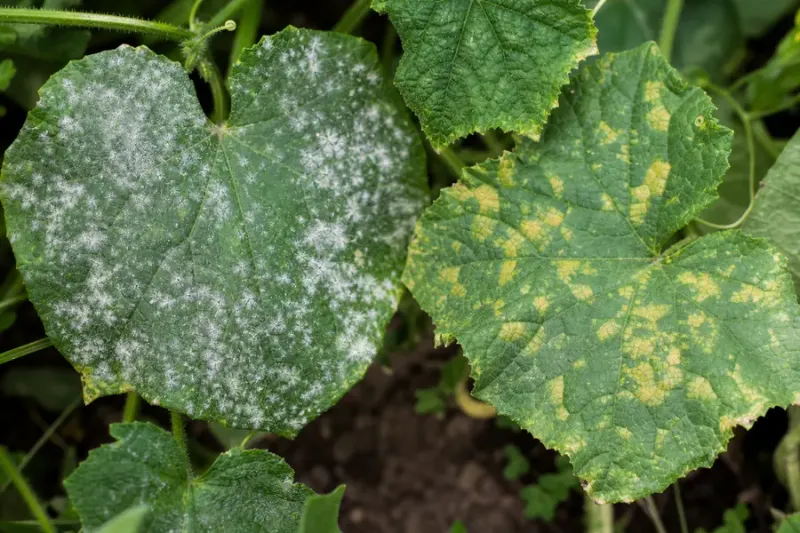
Pale mottling combined with distorted new growth or a noticeably stunted plant is enough to treat a virus as a real possibility and worth pursuing a diagnosis, but it is not enough to declare one. The practical decision rule is to use everything you can observe: soil moisture, recent temperatures, what the leaf undersides show, whether fruit is misshapen, whether there is any fungal growth, and which insects are actually present. University of Minnesota Extension’s cucurbit virus resource and UC IPM’s cucurbit virus overview both support this layered approach over a single-symptom conclusion.
From there, the response follows the evidence. Dry soil during a heat wave calls for correcting moisture first and reassessing. Angular lesions with fuzzy undersides point toward downy mildew and a different management path. Systemic mosaic with puckered young leaves and progressive spread, especially alongside aphids or cucumber beetles, justifies removing the whole plant and contacting your local extension office.
Oregon State Extension’s heat stress guide and University of Minnesota’s zucchini growing guidance together support keeping soil moisture steady as a baseline for any stressed plant.
A zucchini with genuinely mosaic-patterned leaves is giving you useful information. The job is to read it carefully rather than react to the first explanation that fits – because the right response depends entirely on what is actually happening.