
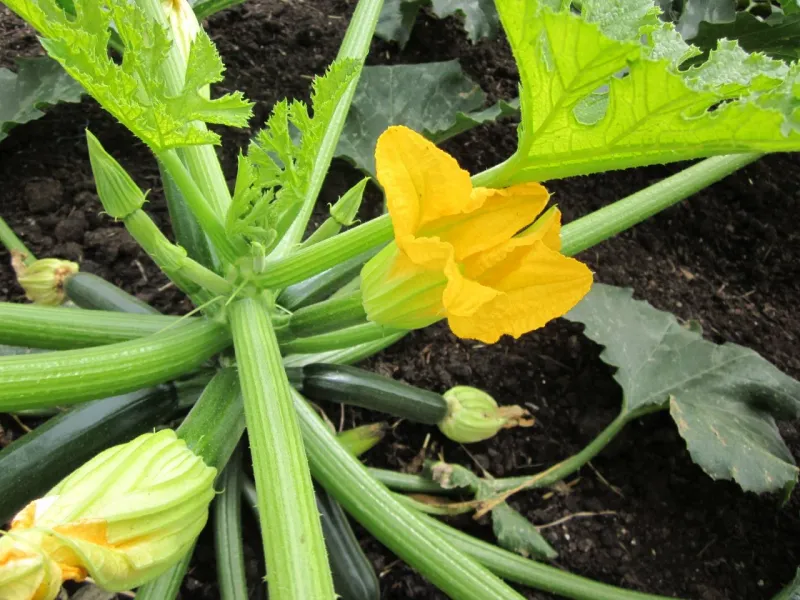
You walk out to your garden and count a dozen bright yellow flowers, yet not a single zucchini is forming. It feels like something is seriously wrong, but the truth is more complicated than one missed habit. Heavy flowering without any fruit can trace back to flower type, heat, water, pollinators, row covers, pesticides, or the way you are harvesting, and sorting through those possibilities is the real fix.
A Heavy Bloom Can Be Mostly Male Flowers
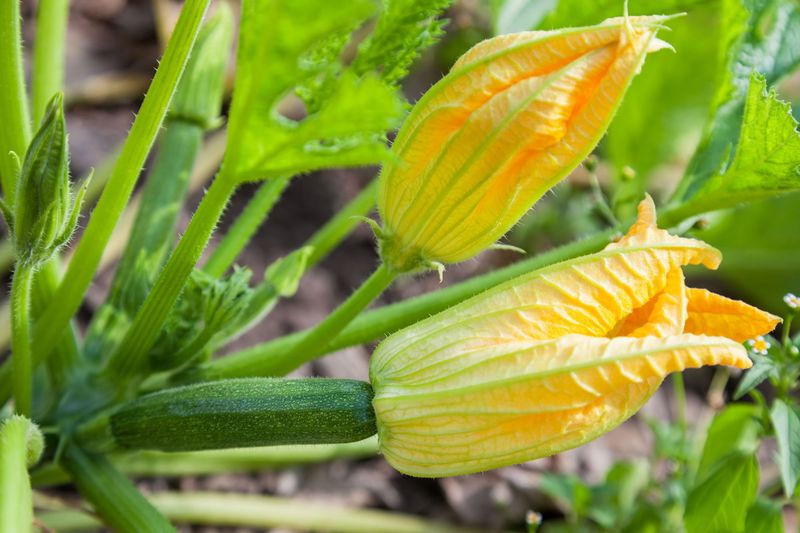
Zucchini plants produce two completely different kinds of flowers on the same plant, and only one of them can ever become a zucchini. University of Minnesota Extension guidance on summer squash explains that female flowers carry a swollen, miniature fruit at the base of the bloom, while male flowers sit on a long, thin stem with no swelling at all. If you are seeing lots of flowers but zero fruit, the first thing to check is whether any of those flowers are actually female.
Pull back the petals gently or look at the stem just below the bloom. A male flower connects to a plain, slender stalk. A female flower looks like it already has a tiny zucchini attached before it even opens. University of Illinois Extension notes that the two flower types are easy to tell apart once you know what to look for, and that distinction matters before you try any other fix.
Early in the season, plants commonly send out a flush of male flowers before the first female flower appears. That pattern is normal, not a sign that your plant is failing. Minnesota Extension’s vegetable IPM blog points out that a large flush of male flowers can look like abundant, productive flowering while producing no harvestable fruit at all. Spend two minutes checking whether any flower has that swollen base before you move on to other diagnoses.
Heat and Water Stress Can Disrupt Fruit Set
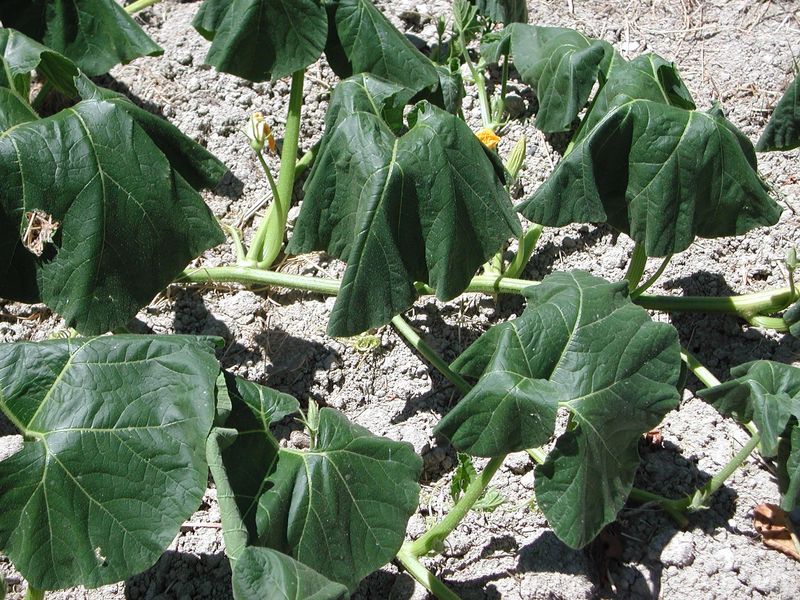
Hot weather does not simply slow zucchini down – it can actively shift which flowers the plant produces and whether small fruit survives at all. Minnesota Extension’s vegetable IPM blog on heat and poor yields describes how high temperatures can push cucurbits toward a heavier ratio of male flowers and can trigger flower or small-fruit abortion even when pollination occurred. Daytime temperatures in the 90s and nighttime temperatures in the 70s are useful warning ranges to keep in mind, though not every variety or location will respond identically at those exact numbers.
University of Minnesota’s vining vegetable guide connects water availability to fruit set as well. Too little water can reduce the number of female flowers the plant forms and can contribute to limited pollination. Too much water is also a problem: saturated soil can impair roots and reduce the plant’s ability to take up the nutrients it needs to support developing fruit.
A peer-reviewed study on cucurbit water stress supports keeping soil consistently moist without letting it stay waterlogged. Aim for even moisture rather than cycles of drought and flood. Hand-pollination is not a solution for heat-related abortion or drought stress – if the plant is under serious environmental pressure, manually transferring pollen may not be enough to keep a young fruit from dropping. Addressing temperature and water conditions gives any pollination effort a better chance of sticking.
The Useful Pollination Window Closes Before Noon
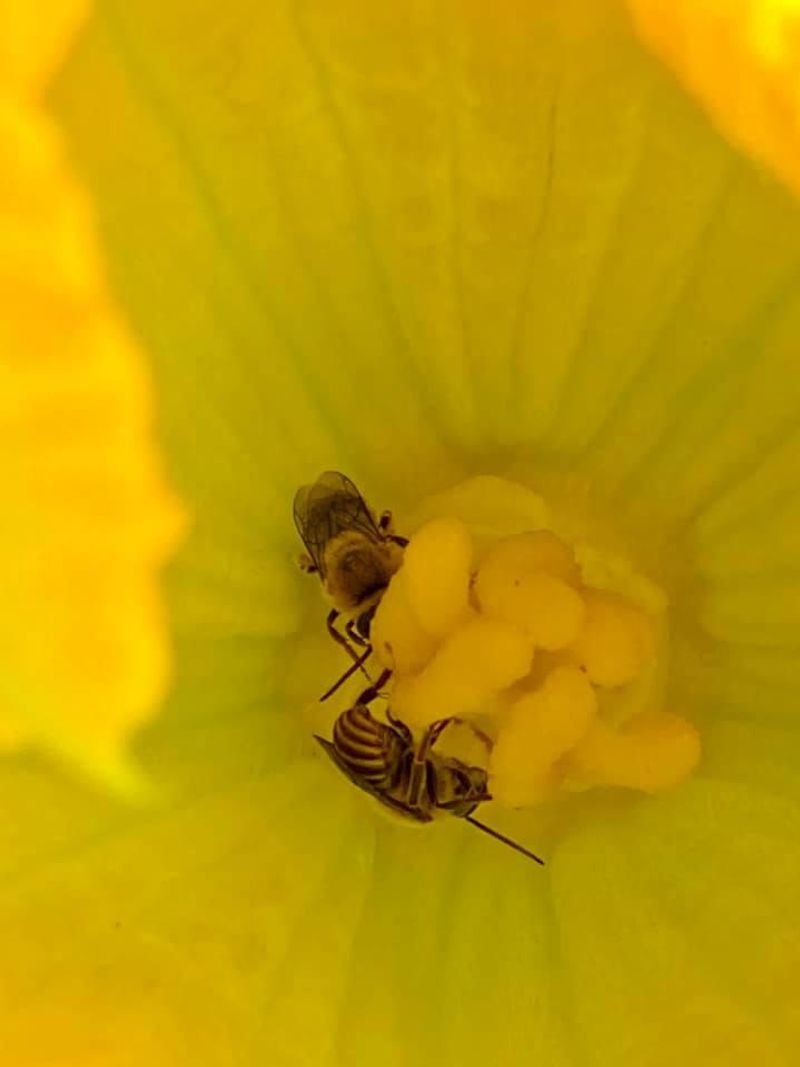
Squash flowers do not stay open all day. They commonly open around dawn and close before noon, which means pollen has to move during a fairly narrow window each morning. Oregon State Extension’s guide to squash bees notes that these specialist pollinators are active early in the day and are well-suited to the squash flower’s brief opening period. Squash bees, bumblebees, honeybees, and other insects may already be working your plants during that window, especially in gardens with nearby habitat or flowering plants nearby.
The practical takeaway is not that you need to replace the bees – it is that the window for any pollen transfer, whether by insect or by hand, is limited. Minnesota Extension’s vining vegetable guide confirms that pollination must happen while the flower is open and receptive. Once a flower closes, that opportunity is gone for that bloom.
Penn State Extension’s overview of cucurbit pollination reinforces that multiple pollinator visits improve fruit set, so a single bee passing through may not always be sufficient. If you head out between dawn and mid-morning and notice very few insects visiting open flowers, that is a reasonable signal to consider stepping in. But seeing no bees at a single glance does not mean pollinators are absent – it may just mean you arrived between visits.
Hand-Pollinate a Fresh Female Flower
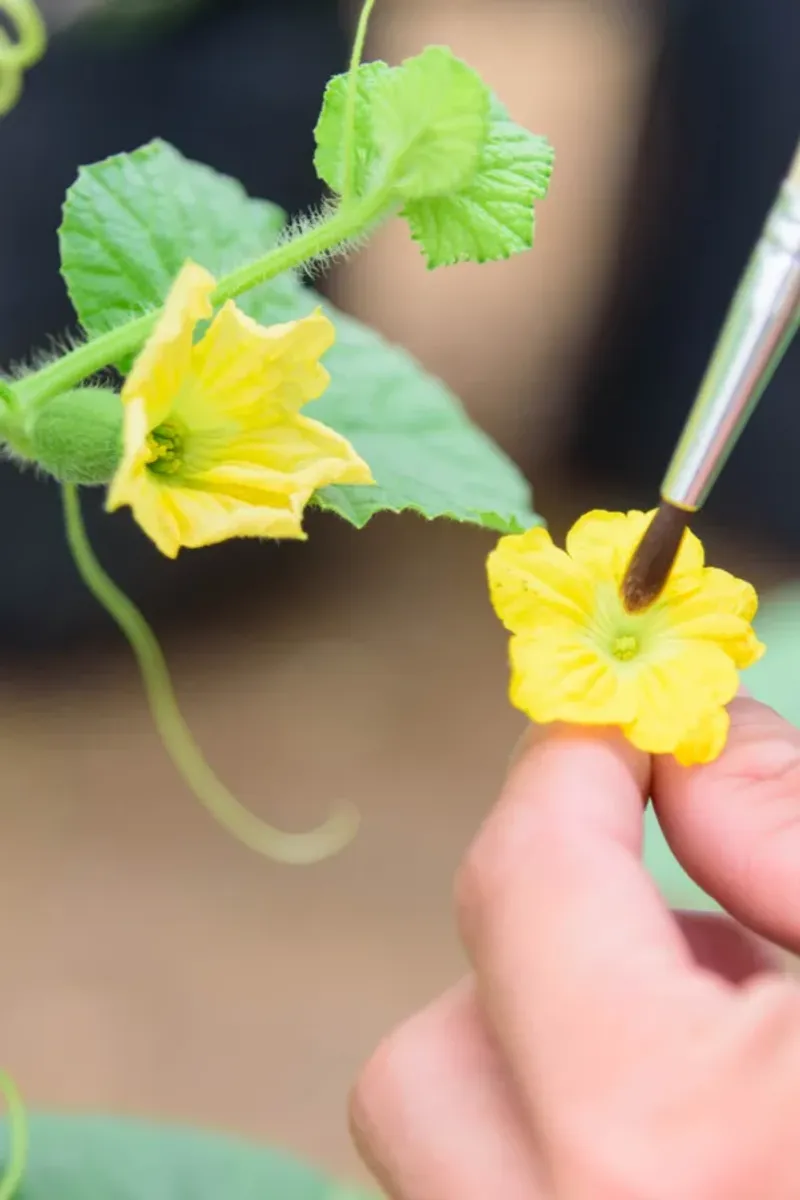
When fruit set is failing and bee activity looks limited, hand-pollination is a practical rescue step worth trying. The procedure is straightforward: head out early in the morning while flowers are freshly open, choose a male flower that has visible yellow pollen on its central anther, and carefully remove or peel back the petals so the anther is exposed. Oregon State Extension’s vegetable growing guide recommends gently touching that anther to the sticky central stigma of a freshly opened female flower.
One pollen-rich male flower can be used on more than one female if it carries enough pollen. Colorado State Extension’s vegetable garden hints suggest that a single male flower can dust several female flowers in succession. That said, there is no need to work through every bloom on the plant. Treating two or three promising female flowers gives you a useful test without removing all the flowers that visiting insects might use.
Oregon State Extension’s printable squash growing resource frames hand-pollination as a way to supplement natural pollination rather than replace it entirely. Think of the technique as a targeted diagnostic: if the ovaries you hand-pollinated enlarge over the next few days while others continue to drop, limited pollen transfer was likely part of the problem. If hand-pollinated flowers also drop, something else, such as heat, water stress, or disease, is probably the bigger factor. Oregon State’s five tips for growing great squash echo this measured approach.
Check the Symptoms Before You Blame the Bees
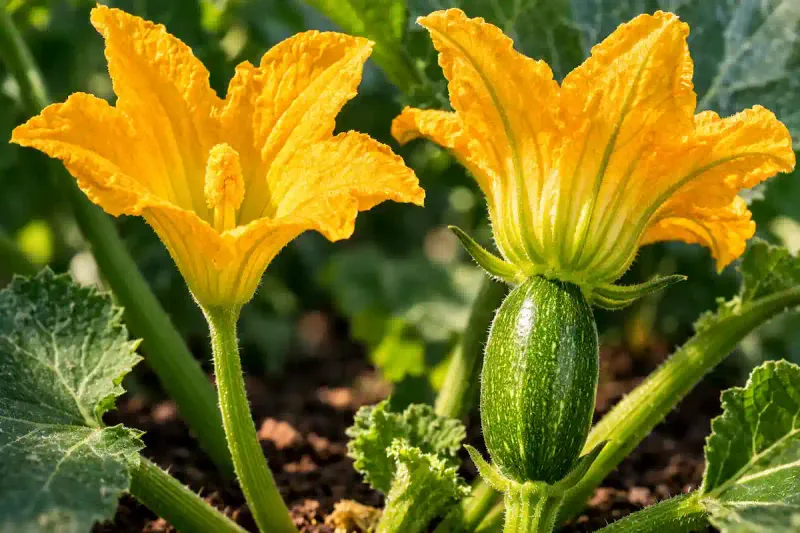
Before concluding that pollinators failed you, spend a moment reading what the plant is actually showing. Minnesota Extension’s IPM blog makes the point plainly: if every flower on the plant has a straight, thin stem and none has a swollen base, hand-pollination cannot produce fruit. Female flowers have to be present before pollen transfer does anything useful. If you are seeing only male flowers, the plant simply has not reached the stage where intervention helps.
A different pattern shows up when a female flower opens, the small ovary behind it begins to swell slightly, and then turns yellow, shrivels, and drops within a day or two. University of Illinois Extension’s ask-an-expert response on zucchini drop notes that this can happen after inadequate pollination, but it can also result from heat stress, drought, saturated soil, disease, or general plant stress. The symptom alone does not tell you which cause is in play.
University of Minnesota Extension’s pollination requirements resource explains that cucurbits need multiple pollen deposits for reliable fruit development, which means a single brief bee visit may not always be enough. Still, Minnesota Extension’s summer squash guide cautions against jumping to a single explanation. Use the morning check to gather information – note whether female flowers are present, whether any ovaries are enlarging, and whether insect activity is visible – before settling on a diagnosis.
Remove Other Barriers to Fruit Set
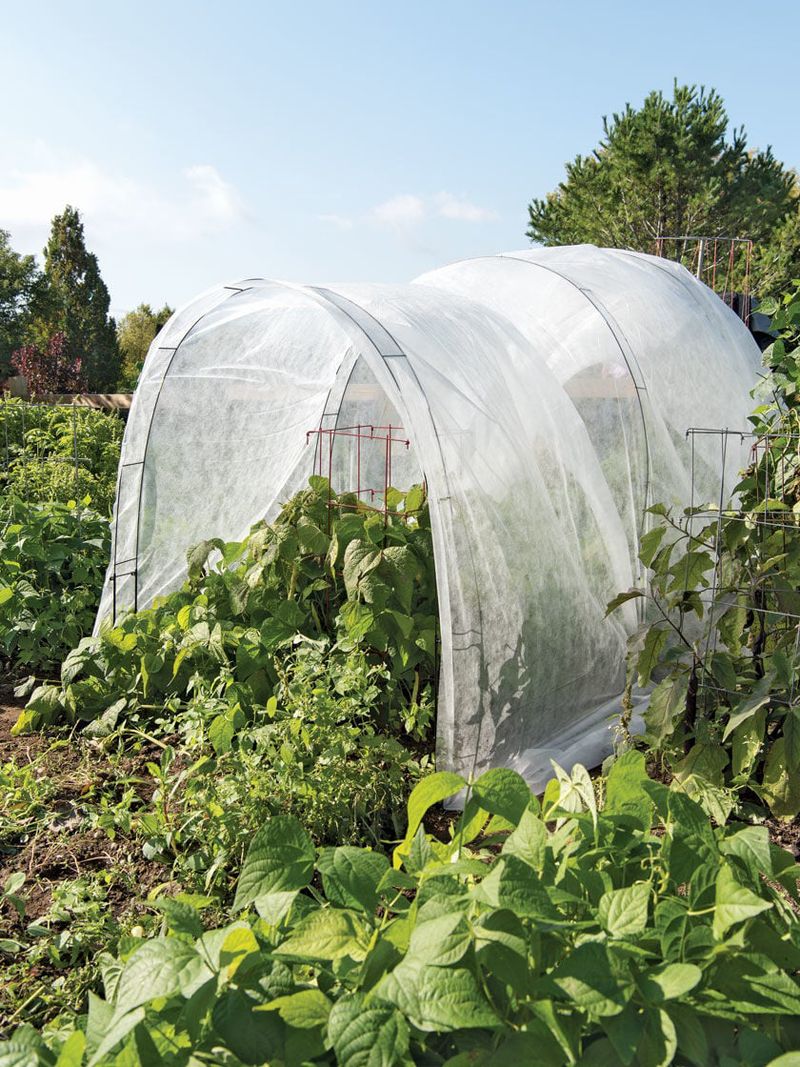
Pollination is only one piece of the fruit-set puzzle. Several common garden practices can quietly block zucchini from developing fruit regardless of how many bees visit or how carefully you hand-pollinate. Working through a short checklist of these barriers often turns up a fixable problem that has nothing to do with pollen timing.
Row covers are one of the most common culprits. Minnesota Extension’s summer squash guide recommends removing row covers once plants begin flowering, because fabric that stays in place after blooms appear can exclude the insects the plant depends on. If you have a specific reason to keep covers on, such as protecting against a severe pest, hand-pollination can fill the gap, but the cover still needs to come off long enough each morning for the procedure to work.
Consistent watering also matters more than most gardeners expect. Oregon State Extension’s squash growing tips and Minnesota Extension’s vining vegetable guide both connect steady soil moisture to better fruit development. Aim for even moisture without letting the bed stay soggy. Finally, harvest any zucchini that is already developing on the plant.
Colorado State Extension’s cucurbit guide notes that fruit already on the plant can suppress additional fruit set until it is removed or fully matures. Picking regularly keeps the plant focused on producing new fruit rather than finishing one oversized zucchini.
Protect Pollinators While You Troubleshoot
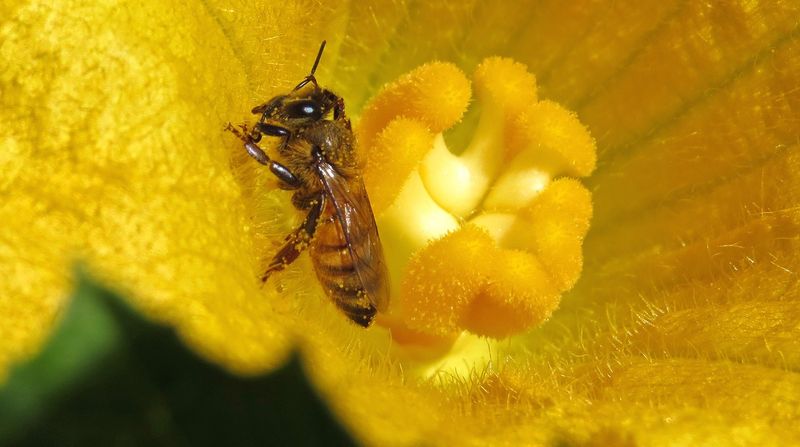
One assumption worth correcting: dawn is not automatically a safe window for pesticide applications around zucchini. Some gardeners reason that spraying early, before bees are active, protects pollinators, but that logic has a gap. Squash bees and some other wild bees begin foraging at or even before first light, which means early morning applications can still reach active pollinators. EPA pollinator protection guidance emphasizes that the safest approach is to avoid treating blooming plants whenever possible, not simply to shift the spray time.
When a treatment genuinely cannot be avoided, the product label controls the timing and method. EPA label compliance resources make clear that label language on pollinator protection is legally binding, not optional. EPA label review training explains that some labels specifically restrict application timing to protect bees, and evening or nighttime applications may be safer than early morning when the label permits either.
Protecting the insects that visit your zucchini – squash bees, bumblebees, honeybees, and other generalist pollinators – is not a separate concern from fruit set. Those insects are doing the majority of pollen transfer in most home gardens, and keeping them healthy and active is one of the most direct ways to support a reliable harvest. Treat hand-pollination as a supplement to that natural system, not a substitute for it.
Use the Morning Check as a Targeted Rescue
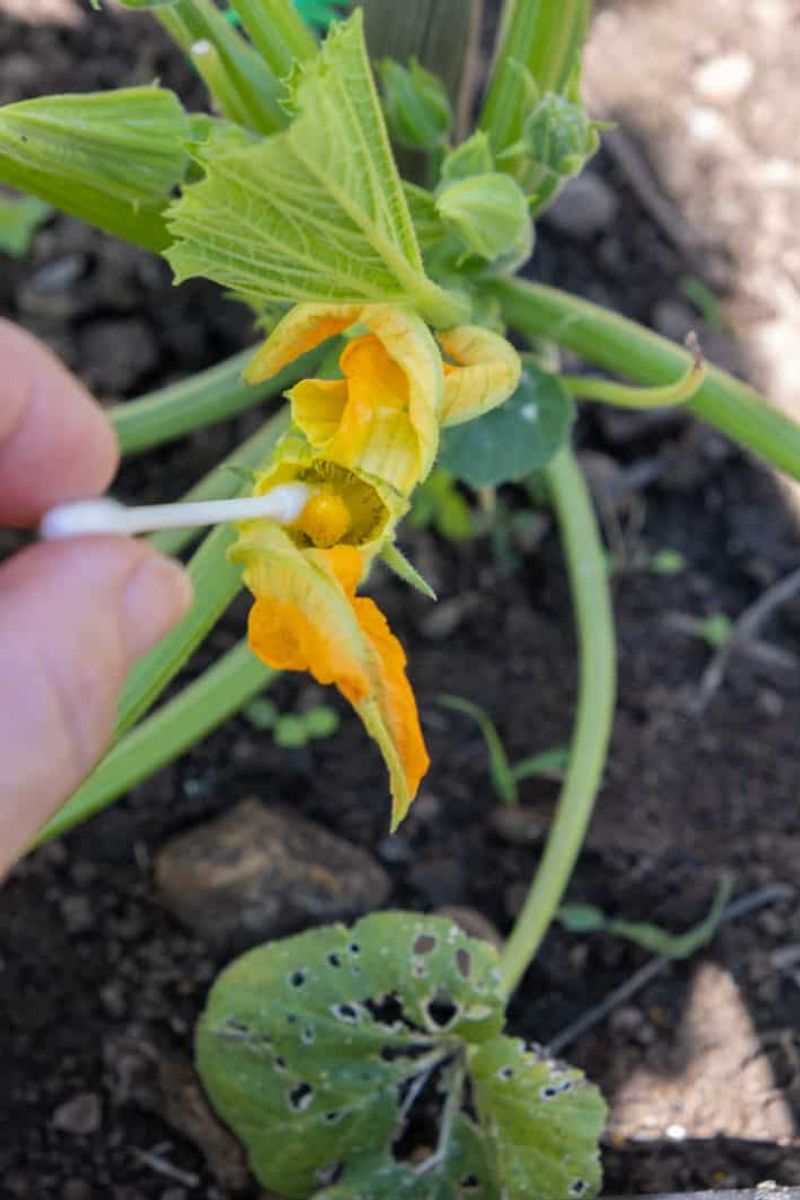
A practical morning routine for a struggling zucchini plant has a clear sequence. Start by checking whether any open flowers have a swollen ovary at the base. If female flowers are present and bee activity looks low, hand-pollinate two or three fresh female flowers using a newly opened male, then leave the remaining blooms for any visiting insects. Minnesota Extension’s vining vegetable guide supports this measured approach to intervention.
While you are out there, note what else you observe. Are the leaves wilting by mid-morning? Is the soil dry an inch below the surface or staying wet for days? Are there mature zucchini still on the plant from last week?
Each of those details points toward a non-pollination barrier that hand-pollination alone cannot fix. Minnesota Extension’s summer squash guide and Oregon State’s squash bee resource both frame morning observation as information gathering, not just intervention.
Watch the ovaries you pollinated over the next two to three days. Steady enlargement suggests pollen transfer was part of the problem. Continued drop points elsewhere. A zucchini plant covered in blooms is not a failing plant – it is a plant giving you plenty of material to work with while you narrow down the real cause.