
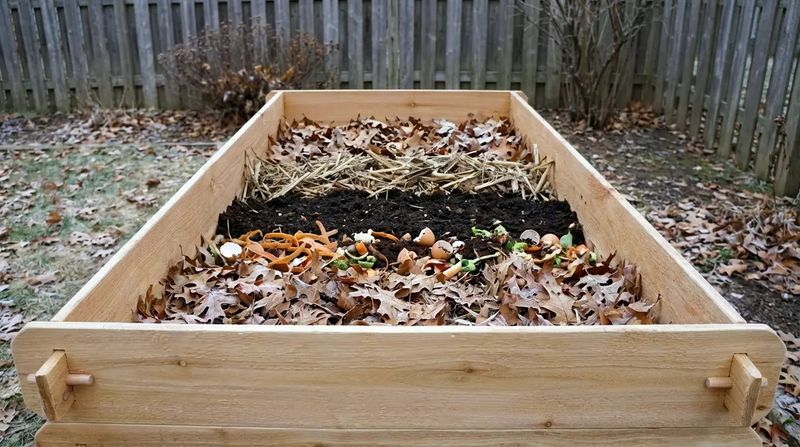
Your raised bed looks a little lower than it did in spring, and the tomato and pepper plants are winding down. It is easy to decide the soil is worn out and needs a big pile of compost.
But a sunken bed and a hungry bed are two different problems. A few simple checks can tell you which one you have before you spend money or add anything.
A lower soil line doesn’t prove the bed is hungry
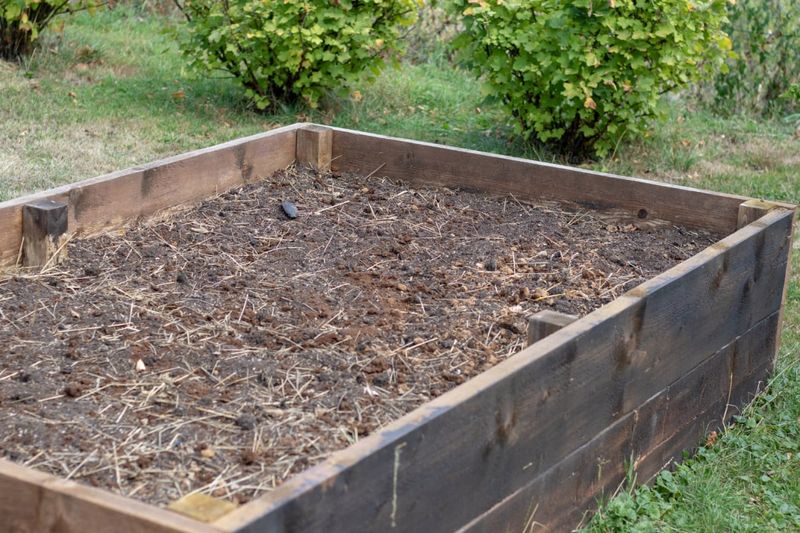
Soil in a raised bed can settle and shrink over time, which leaves the surface sitting below the top of the frame. UF/IFAS raised-bed guidance says to top off beds after planting seasons for just that reason.
A lower soil line tells you about volume, not about nutrients.
Fertility is its own question. A bed that has sunk may still hold plenty of nutrients, and a bed that looks full may actually hold too much of some of them.
A so-so harvest does not settle it either, since heat, water, pests, and variety all play a part.
So the plan is simple. Look at the bed, measure how far the soil has dropped, and test the soil before adding fertilizer or lime.
Refill only where volume has actually been lost.
Test before adding fertilizer or pH amendments
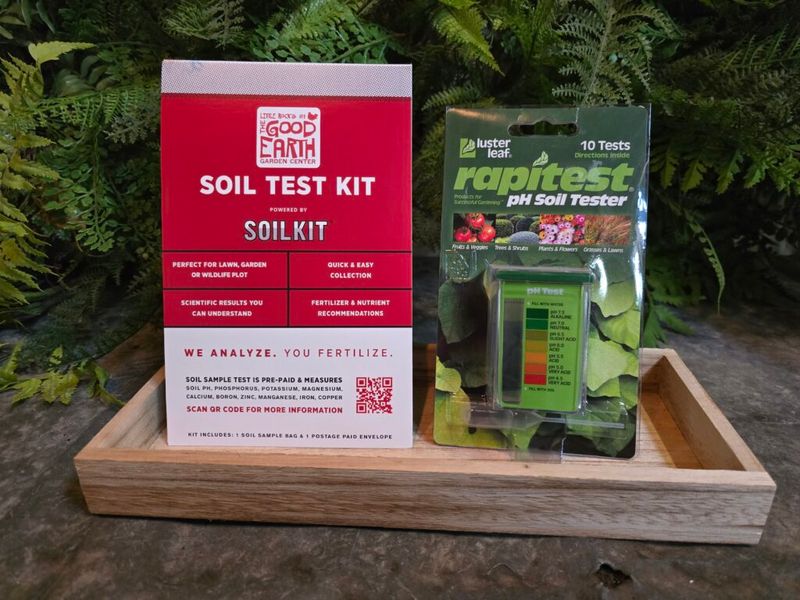
Guessing at nutrients is how beds end up with too much of one thing and too little of another. A lab test gives you numbers to work from, and extension guidance on raised beds ties fertilizer and lime choices to those results.
Florida gardeners should look at the Landscape and Vegetable Garden Soil Test, which is different from a container-media test. UF/IFAS soil testing information explains the options, and the Florida Vegetable Gardening Guide covers vegetable needs.
Texas gardeners can use the Texas A&M AgriLife soil-testing service.
There is no single pH target for every Southern bed. The right number depends on your growing medium, your crops, and what your local lab recommends, so follow the report you get back.
Refill settled beds with growing medium, not compost alone
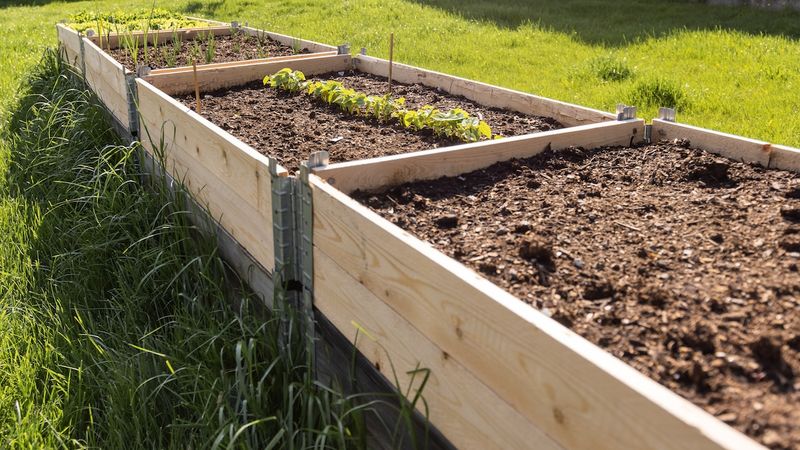
Topping up and feeding are different jobs. Topping up puts back the physical volume that settling took away, while nutrient amendments only come into play if a test shows a need.
For the refill, use a growing medium made for raised beds. UF/IFAS describes raised-bed media as a blend of components rather than a single ingredient.
Compost on its own makes a poor refill. UMN Extension cautions that too much compost can hurt water retention.
Fill to just below the frame so water does not spill over the edge. Match the new mix to what is already in the bed when you can.
Use compost as a measured amendment
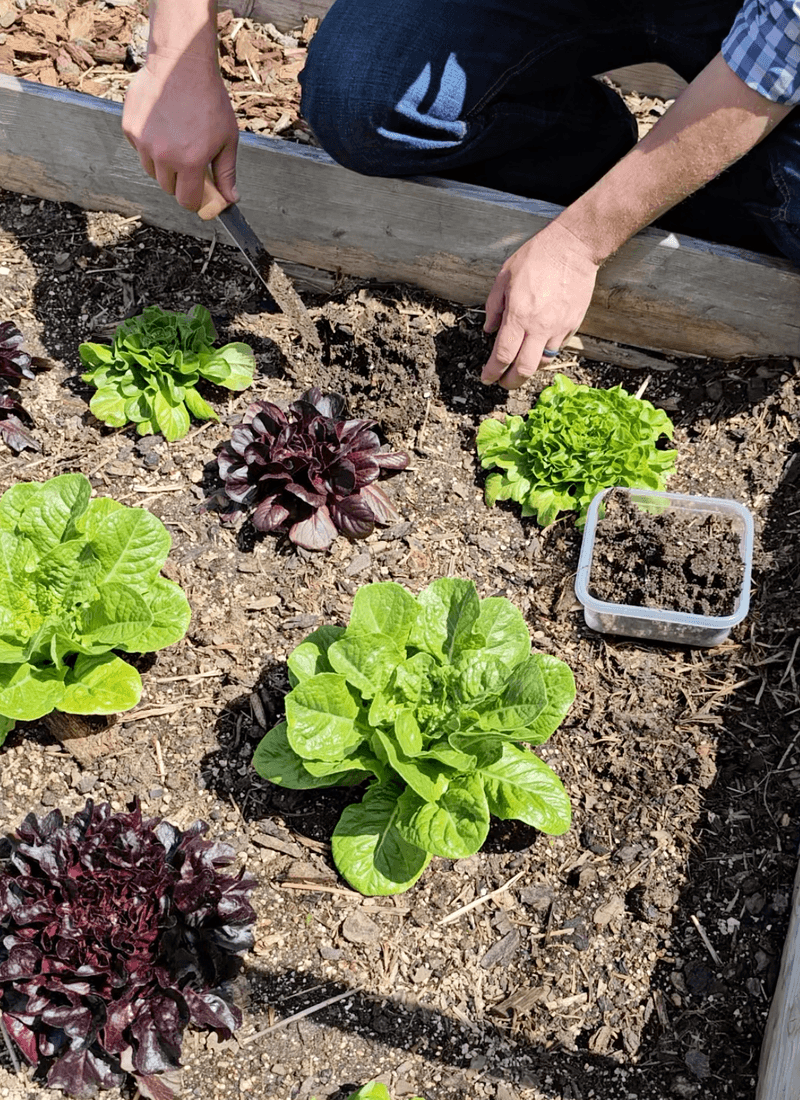
Finished compost can improve garden soil, but how much a bed needs depends on what is already in it. Extension sources do not agree on one dose.
Oregon State gives a general range for existing vegetable beds, while Penn State urges a far lighter hand when the compost has not been analyzed.
That gap is a good reason to skip a rule like add compost every fall. Compost varies a lot from one source to another, and your soil test is a better guide than a calendar.
Repeated or heavy applications can backfire, especially with manure-based compost. UMN Extension describes how too much compost and manure can build up phosphorus and other nutrients.
If your test already shows plenty, compost may not be what the bed needs.
Fresh manure is not a fall shortcut
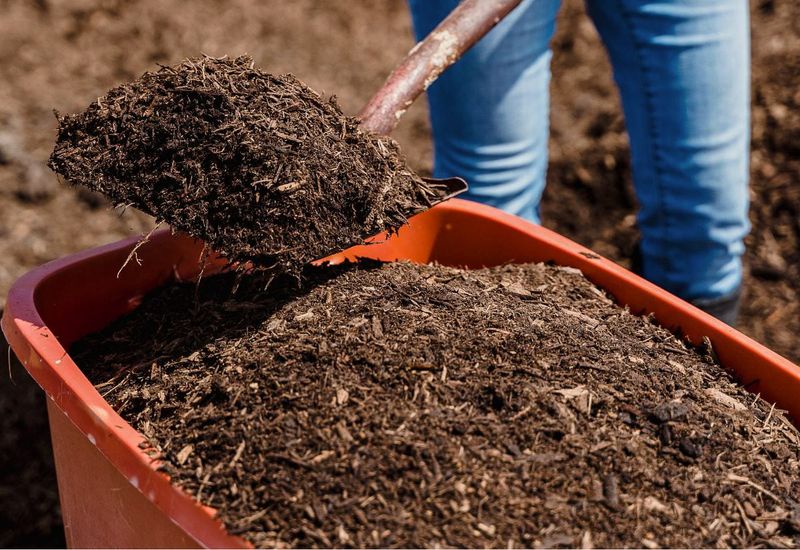
Raw manure might seem like a cheap way to wake up tired soil, but it is a poor quick fix. Texas A&M AgriLife warns that fresh manure can damage plants and bring in disease.
There is a food safety side too. The FDA identifies raw manure as a possible source of harmful pathogens on produce.
Finished compost is a different material and a safer choice for home beds. Letting manure sit for a while should not be treated as proof that it is safe, so keep raw and partly aged manure out of your vegetable beds.
A Southern fall bed may still be in production
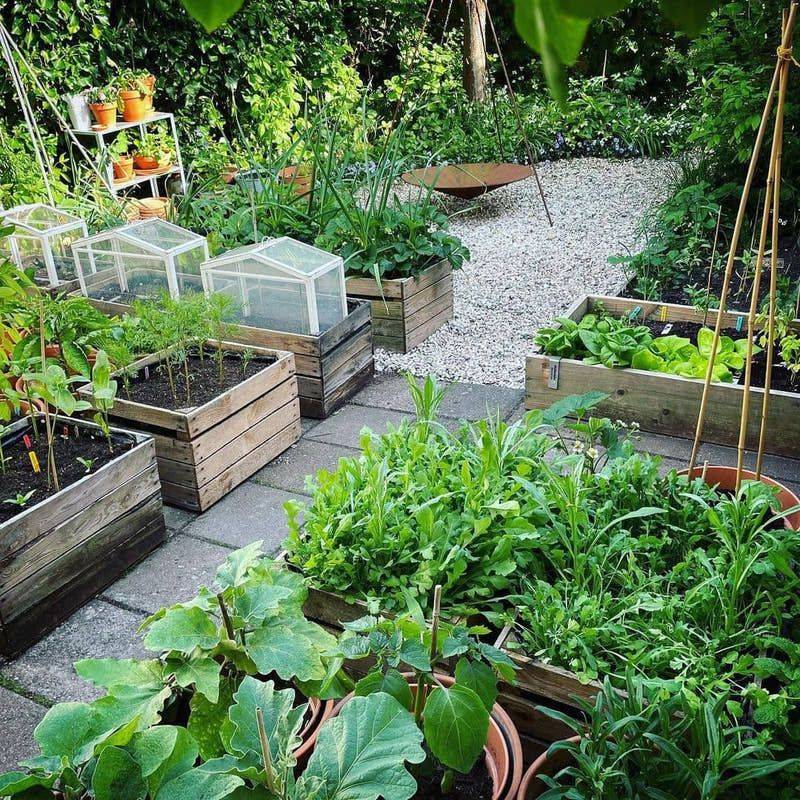
In much of the South, fall is planting time, not shutdown time. UGA fall vegetable guidance lists cool-season vegetables you can grow, and it also covers cover crops.
Florida and Texas gardeners do not share one calendar, so check your own state’s fall guidance for crops and dates. A bed in south Florida and a bed in north Texas will not follow the same schedule.
If a bed will otherwise sit empty, a locally suitable cover crop is an option. It can help protect the soil and add organic matter when worked in, but it is a choice, not a requirement.
Let the test—not the calendar—set the next step
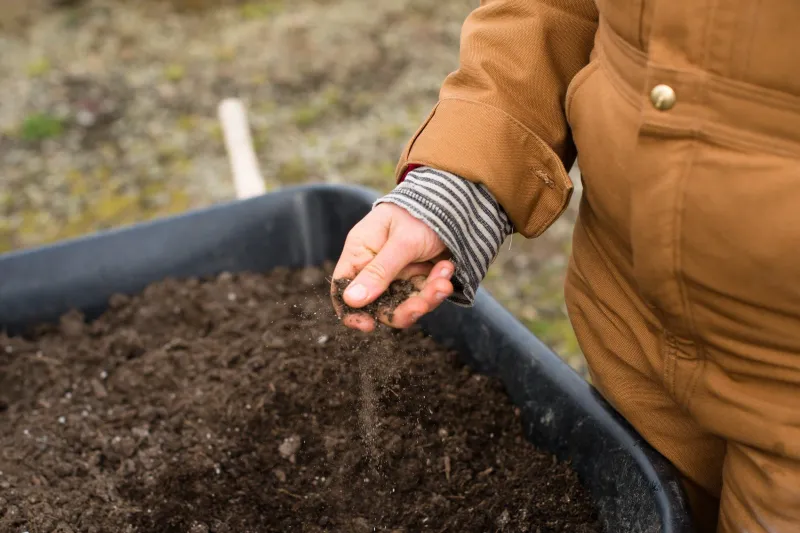
Start by checking how far the soil has dropped. Test before adding nutrient or pH amendments, then replace lost volume with a suitable growing medium.
Add compost or sow a cover crop only if your bed and your results call for it.
Soil work can address problems that a test identifies, but it cannot guarantee how next year’s tomatoes and peppers will perform. Weather and pests still have a say.
A sunken bed is just a bed asking for a refill.