
That pile of dead tomato vines in the corner of your garden might look harmless, but it could be a winter hotel for leaf-footed bugs. In Texas and Florida, these bugs often hide as adults through the cool months and come out hungry when your tomatoes start to ripen.
Their feeding can leave fruit with hard, pale spots, sunken patches, and rot. Clearing the right hiding places now may help you start next season with far fewer of these pests.
1. Old Tomato Vines and Spent Plants

Last summer’s tomato plants are the obvious first stop, and for good reason. Leaf-footed bugs spent months feeding there, so the dried stems, curled leaves, and forgotten fruit are already familiar territory for any adults looking to settle in.
Pull spent tomatoes, peppers, and eggplants roots and all rather than letting them stand. Check the stems as you work, since adults often cling to the shady side or tuck into leaf folds where they blend in remarkably well.
A bucket of soapy water held under the plant may help catch any that drop when disturbed.
Bag heavily infested material instead of tossing it on the compost pile, especially if you spotted lots of bugs or rotted fruit. In much of Florida and South Texas, where winters stay mild, these stragglers can remain active on warm days and may even feed a little.
Fallen fruit deserves extra attention. Rotting tomatoes on the ground can attract bugs and harbor disease, so rake them up completely.
Clearing one bed thoroughly usually beats skimming three beds halfway. If you only have time for a single cleanup task this month, this one likely gives you the biggest payoff for next season.
2. Woodpiles and Stacked Lumber

Here’s something many gardeners never suspect: the firewood stacked by the fence could be sheltering dozens of overwintering adults. Bark crevices and gaps between logs offer protection from wind, rain, and cold snaps, which makes them prime real estate.
You don’t need to get rid of your woodpile. Moving it farther away from vegetable beds, ideally 20 feet or more, may reduce how many bugs drift into your tomatoes come spring.
Raising wood on a rack instead of letting it sit on the ground also helps cut down on damp, hidden pockets.
Scrap lumber deserves the same scrutiny. Leftover boards from a raised bed project or old fence pickets leaned against the shed create narrow, sheltered gaps that bugs seem to love.
Restack or store them in a garage or shed if you can.
When you grab wood on a sunny winter afternoon, glance at the pieces before carrying them inside. Leaf-footed bugs are slow when cool and easy to knock into soapy water.
A quick inspection every few weeks through February can thin out the population without much extra effort, and it keeps the bugs from treating your yard as a safe winter retreat.
3. Thick Mulch Piles and Leaf Litter
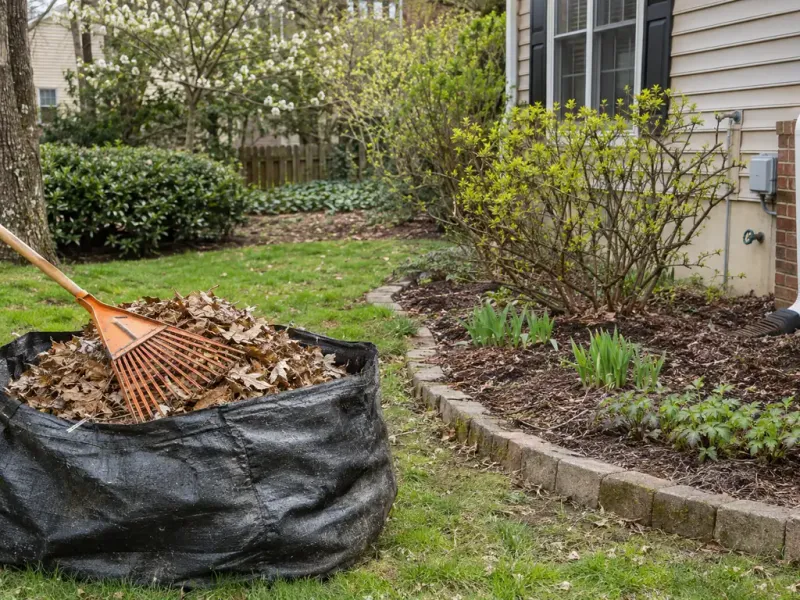
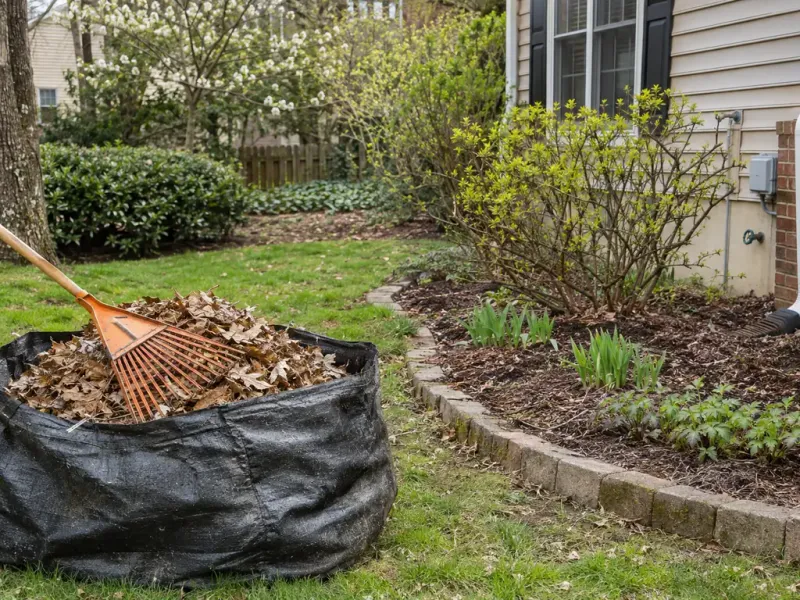
Mulch is a garden hero most of the year, but deep, undisturbed piles can turn into cozy winter bunkers. Leaf-footed bugs and their close cousins often crawl into loose layers of leaves, pine straw, and wood chips where temperatures stay steadier.
The goal isn’t to strip every bed bare. Instead, focus on spots where leaves have drifted into thick heaps, especially along fences, under shrubs, and right beside the area where tomatoes will go next spring.
Fluff and spread those piles into a thinner layer, about two to three inches, so they still protect soil without offering deep hiding pockets. Raking them out on a cool morning, when bugs move sluggishly, may reveal a few you can remove by hand.
Oak leaves are a big deal in many Texas and Florida neighborhoods, and they pile up fast in late fall. Shredding them with a mower before using them as mulch can help, since chopped leaves pack more tightly and leave fewer gaps.
Bonus: shredded leaves break down faster and feed your soil sooner. A tidier, thinner mulch layer still helps beneficial insects while making life a little less comfortable for tomato pests.
4. Weedy Fence Lines and Overgrown Edges
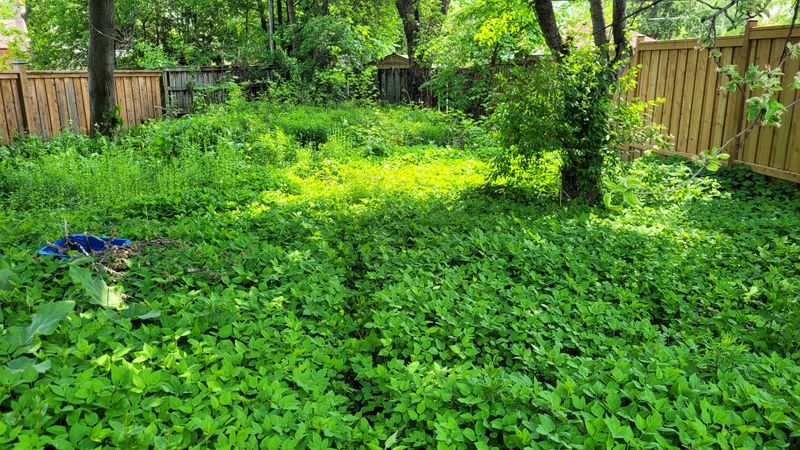
Picture the strip of weeds behind your raised beds that never quite gets mowed. To a leaf-footed bug, that tangle is both a pantry and a bedroom, offering seeds to nibble and dense cover to hide in.
Thistles and other seed-bearing weeds are known hosts for these insects. When those weeds go to seed in fall, bugs may feed on them right up until they tuck in for winter, then shift straight to your garden once spring arrives.
Cutting fence lines short and pulling seedy weeds now can break that cycle. A string trimmer works well for long stretches, while hand pulling makes sense around posts and corners where debris collects.
Don’t forget the gap between your fence and the neighbor’s yard. Wind blows leaves into that slot, and weeds sneak up through it, creating a hidden corridor that’s easy to overlook.
Many Southern gardeners find their worst bug pressure starts at the garden’s edge. Cleaning those borders likely won’t eliminate every pest, but it can shrink the staging area bugs use before moving in.
Think of it as clearing the runway before the season takes off.
5. Citrus, Pomegranate, and Fruit Tree Litter

Got a pomegranate bush or citrus tree in the yard? Then you might be hosting more leaf-footed bugs than you realize.
These pests happily feed on pomegranates, citrus, and other fruit, and the trees often keep them around well into the cooler months.
Fallen or mummified fruit is the main concern. Split pomegranates left hanging or rotting on the ground can attract bugs and keep them close to your vegetable beds.
Pick off old fruit and rake up the drop zone beneath each tree.
Look at the bark and branch crotches too. Adults sometimes cluster on trunks during sunny winter days, soaking up warmth, and that’s a handy chance to knock them into soapy water.
In Florida and the Rio Grande Valley, citrus may still be holding fruit through winter, so check those trees regularly rather than once. Clearing loose leaves and twigs from around the base helps remove extra shelter.
A fun fact: the leaf-footed bug gets its name from the flat, leaf-shaped flare on its hind legs. Once you spot that distinctive shape, you’ll start noticing these bugs on fruit trees everywhere.
6. Sheds, Pots, and Garden Clutter

Stacked pots, folded tarps, rolled-up row cover, and a jumble of tomato cages leaning on the shed all have one thing in common. They create tight, dry spaces that bugs may treat as winter shelter.
Start by unstacking empty containers and knocking them out. Then store them upside down or nested inside a closed bin.
Tomato cages are worth a careful look too, since old plant material often gets stuck in the wire and gives bugs a ready-made hiding spot.
Shed walls and eaves are another favorite. On warm afternoons, you may notice adults sunning on the siding, especially the south-facing side.
Gently brushing them into a bucket of soapy water is a simple, low-cost way to reduce their numbers.
Burlap sacks, piles of old landscape fabric, and bags of potting soil left open outdoors also deserve attention. Fold, store, or seal them so they don’t offer layered gaps.
Honestly, this is the most satisfying spot to tackle. You end up with a cleaner, more organized work area, and that tidier shed corner may mean fewer surprise pests when tomato season rolls around again.
7. Compost Bins and Brush Piles
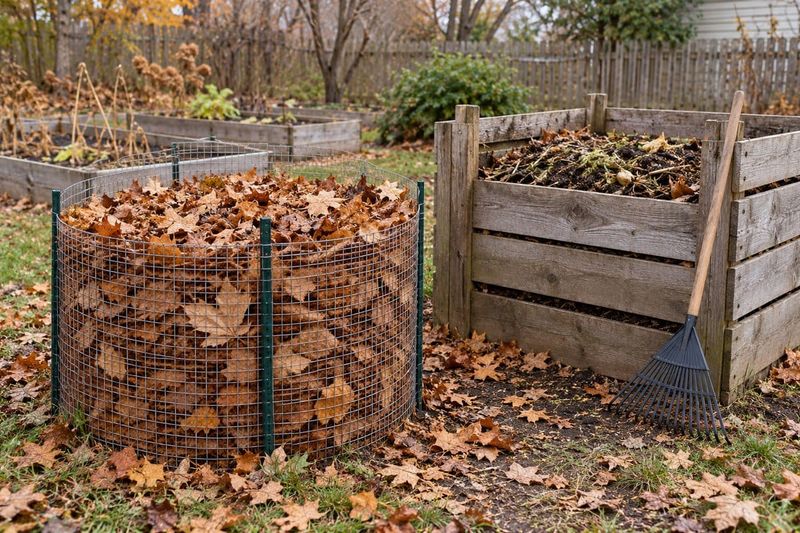
Composting is a smart habit, yet a cool, loosely packed bin full of dry stalks can double as an insect shelter. Leaf-footed bugs aren’t true compost dwellers, but coarse, unturned material may give them gaps to hunker down in.
The fix is mostly about heat and movement. Turning the pile every week or two, keeping it moist, and mixing in green material like kitchen scraps or fresh grass clippings can help it warm up and stay less hospitable.
A hot, active pile is far less inviting than a static heap of dead branches.
Brush piles are a different story. Many gardeners keep them for birds and wildlife, which is a worthwhile goal.
If you want one, simply place it well away from your vegetable beds so any bugs sheltering there have a longer trip to reach your tomatoes.
Avoid tossing infested tomato vines or rotting fruit into a cold compost bin. Bag those instead.
Paired with the other cleanup spots, managing compost and brush thoughtfully rounds out your winter plan. No single step guarantees a bug-free summer, but together they can noticeably lighten the pressure on next season’s tomatoes.