
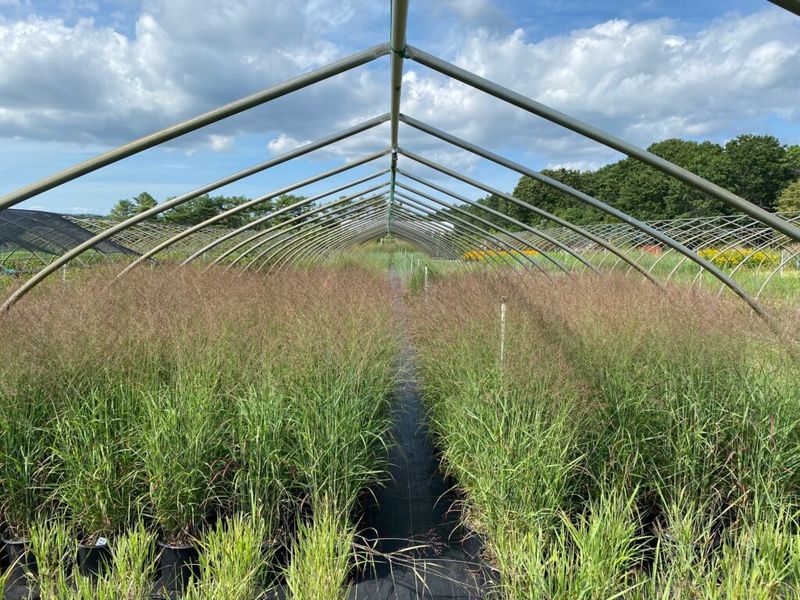
Those dry grass stems in your yard can still serve a meal. Florida’s native grasses offer seeds, hiding places, and spots where birds can hunt for insects through fall and winter.
Leaving them standing also saves you a cleanup job while adding color and texture to your garden. These seven choices suit different Florida growing conditions, so you can match the right grass to your space.
1. Muhly Grass
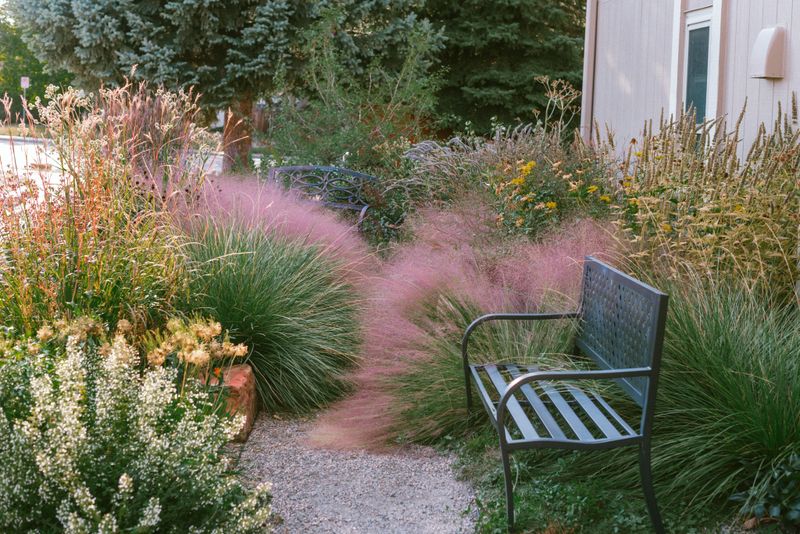
Pink clouds are only the opening act. After muhly grass finishes its fall show, the fading plumes leave a fine network of stems and tiny seeds that can keep a planting useful well into winter.
Muhlenbergia capillaris is a Florida native that fits sunny front-yard beds without looking like an untended field. Its foliage usually forms a mound about 2 to 3 feet tall, with flower stalks reaching higher.
Give it full sun and well-drained soil, especially where Florida sand dries quickly after rain. Space plants according to their mature width so each clump keeps its rounded shape, and avoid heavy fertilizer that can encourage floppy growth.
Small seed-eating birds may use the seed heads or search beneath the foliage for fallen food and insects. Plant several clumps near native shrubs so visiting birds have nearby cover, rather than placing one isolated grass in open lawn.
Skip the fall haircut. If older growth needs removal, tidy it near the end of winter before fresh growth gets underway, checking first for active nests.
2. Purple Lovegrass
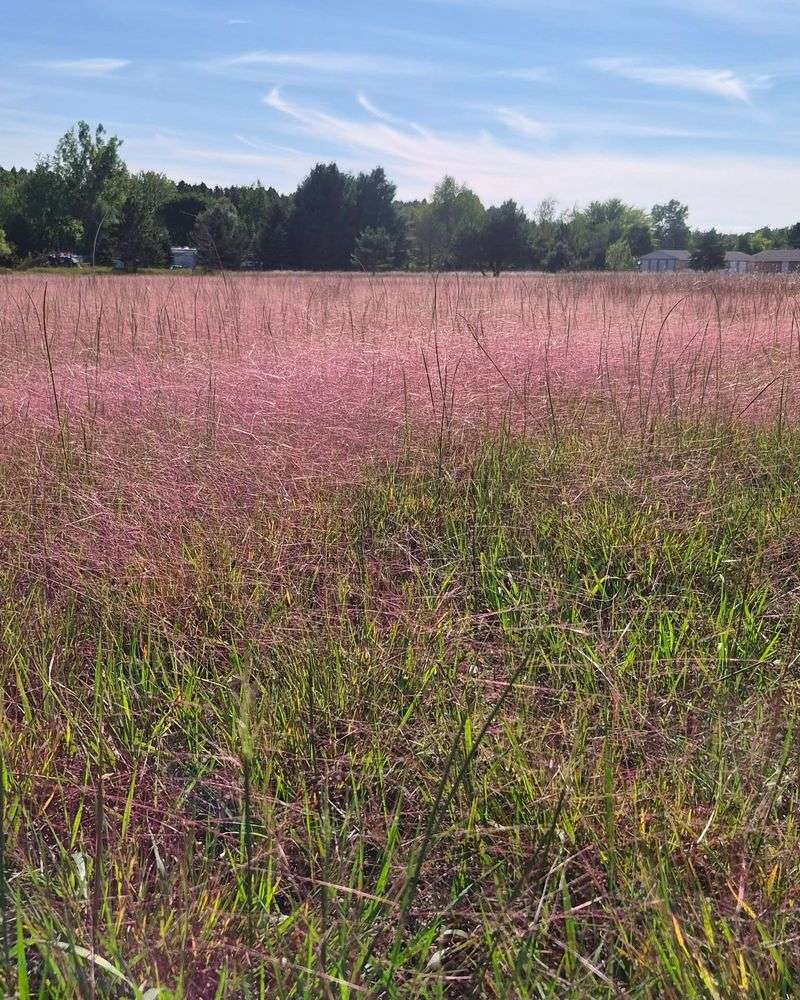
A small yard does not need a giant grass to offer birds something useful. Purple lovegrass brings its airy seed display close to the ground, making it a handy choice for a sunny border or a narrow strip beside a walk.
Eragrostis spectabilis is native to Florida and generally stays around 1 to 2 feet tall when flowering. Its loose purple-red flower clusters soften into warm brown tones as seeds mature, so the plant remains attractive after its brightest color fades.
Choose a sunny spot with sandy, freely draining soil. Once established, it handles dry spells well, but a newly planted clump still needs regular attention to watering while roots spread into the surrounding soil.
Leaving the seed-bearing stems alone gives small birds a chance to feed, including on seeds that drop beneath the plant. The low foliage also adds sheltered foraging space without blocking your view across the yard.
Expect some self-seeding where bare soil is available. Pull unwanted seedlings while small, or use a defined bed edge to keep the planting looking intentional without removing every winter stem.
3. Switchgrass
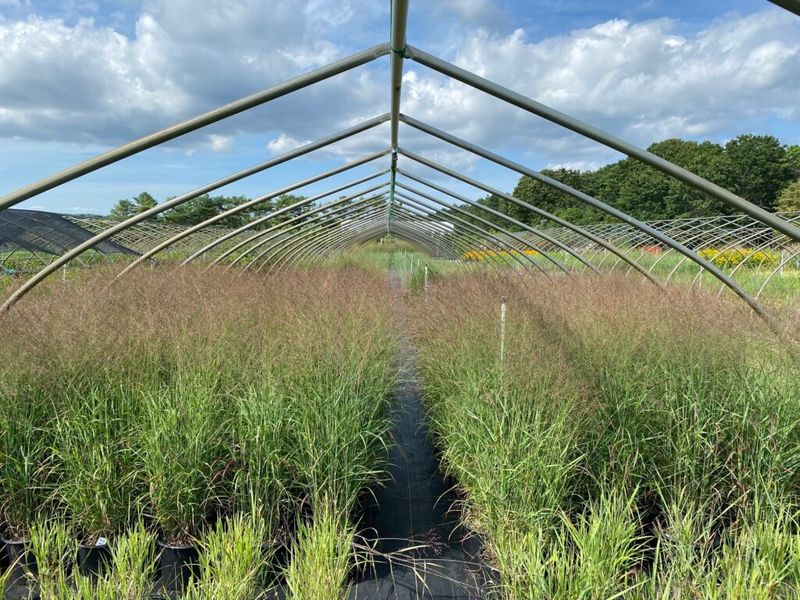
For a grassy backdrop that still looks good after the flowers fade, leave a stand of switchgrass untouched. Its upright stems and open seed heads add height while giving birds both feeding opportunities and places to slip out of sight.
Panicum virgatum is native to Florida, although its best placement depends on the source of the plants and local conditions. Many selections reach roughly 3 to 6 feet tall, so check the label before planting beneath windows or beside a narrow path.
Full sun produces the strongest growth. Average to moist soil suits many forms, making switchgrass worth considering where a bed holds moisture longer than the driest parts of a sandy yard.
Sparrows and other seed-eating birds can use its seeds, including those scattered on the ground. A group of plants offers more cover than a single clump, especially when paired with nearby native shrubs.
Keep fertilizer modest and avoid crowding the plants into shade, where stems may lean. Leave sound stalks through winter, then cut back old growth before the new shoots become difficult to avoid.
4. Bushy Bluestem
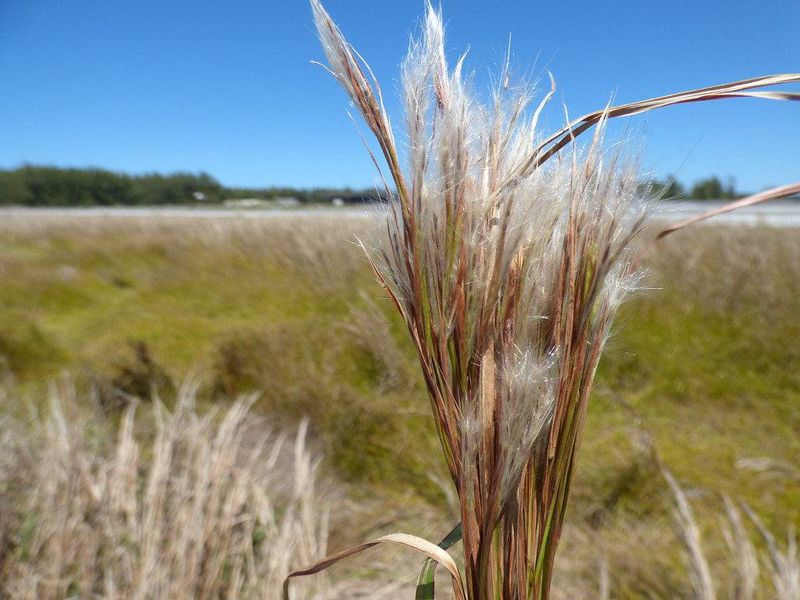
That damp corner where ordinary border plants struggle could become the most striking part of your fall garden. Bushy bluestem produces thick, fluffy flower clusters that catch low sunlight and remain interesting as they turn coppery brown.
Andropogon glomeratus is a Florida native associated with moist, open places. It often reaches about 3 to 6 feet tall, so give it room toward the back of a bed or along the edge of a suitable rain garden.
Unlike grasses chosen mainly for dry sand, this one is better suited to soil that stays moist. A sunny swale can work, provided its water pattern matches the plant’s needs; a low spot is not automatically suitable for every wetland grass.
The standing clumps offer birds cover and places to search for insects, while mature seeds can add to the available food. Its dense shape is especially useful where the rest of a garden becomes sparse during cooler weather.
Keep it away from narrow walkways, and remove unwanted seedlings if they appear. Delay major trimming until late winter, while removing any storm-broken stems that block access or create a hazard.
5. Lopsided Indiangrass
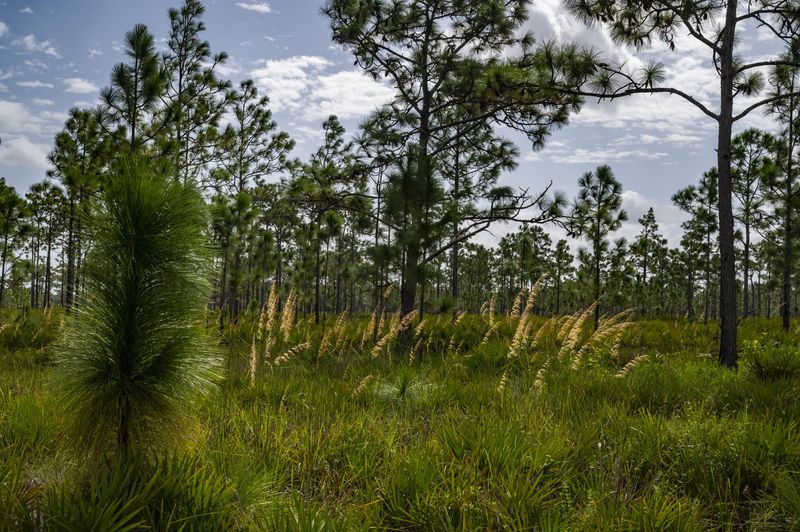
Look closely at the seed stalks and you will see how this grass earned its name. The flowers gather along one side of the stem, giving lopsided indiangrass a loose, slightly windswept outline.
Sorghastrum secundum is native to Florida and brings a natural flatwoods or meadow feel to a sunny yard. Flowering stalks can reach roughly 3 to 6 feet, rising well above the lower leaves without forming a solid wall.
Use it in an open border with well-drained soil, and choose nursery stock suited to your part of Florida. It looks especially at home among native wildflowers, where the seed stalks can remain standing after other blooms have faded.
Its seeds can contribute food for birds, while the foliage adds cover near ground level. The biggest benefit comes from treating it as part of a mixed habitat planting rather than expecting one grass to draw birds on its own.
Resist the urge to shear the whole bed when the stalks turn brown. Leave healthy growth through winter and tidy selectively before spring growth, keeping fallen seed available in an undisturbed part of the bed.
6. Sand Cordgrass
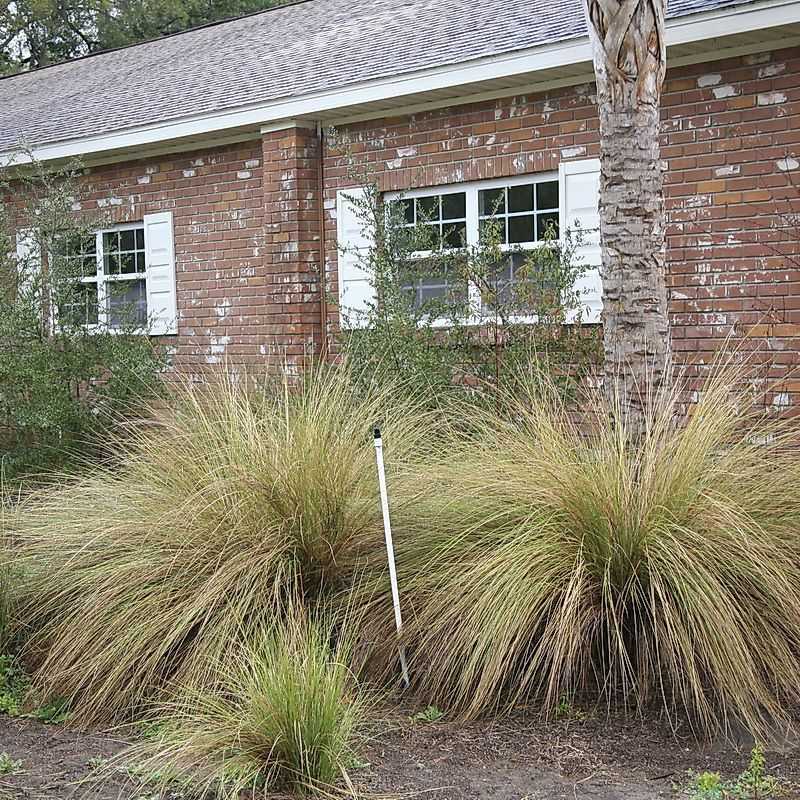
Think big before bringing this one home. Sand cordgrass forms a broad, fountain-shaped clump that can fill an awkward open area, but it needs far more room than a small ornamental grass.
Spartina bakeri, also classified as Sporobolus bakeri, is native to Florida. Mature plants commonly reach about 4 to 6 feet tall and can spread several feet wide, making them useful near ponds, along broad swales, or in roomy naturalized borders.
Despite its common name, it is not limited to dry sand. Established plants tolerate a useful range of moisture conditions, including periodic wetness, though the exact planting site still matters.
For birds, the dense fountain of leaves may be as valuable as the seed stalks. It creates sheltered space for movement and foraging, while mature seeds add another possible food source.
Plant well away from paths, play areas, and places that need clear sightlines because the long leaves can be rough. Rather than giving the clump a severe fall haircut, remove damaged material selectively and keep the standing structure available through winter whenever practical.
7. Eastern Gamagrass
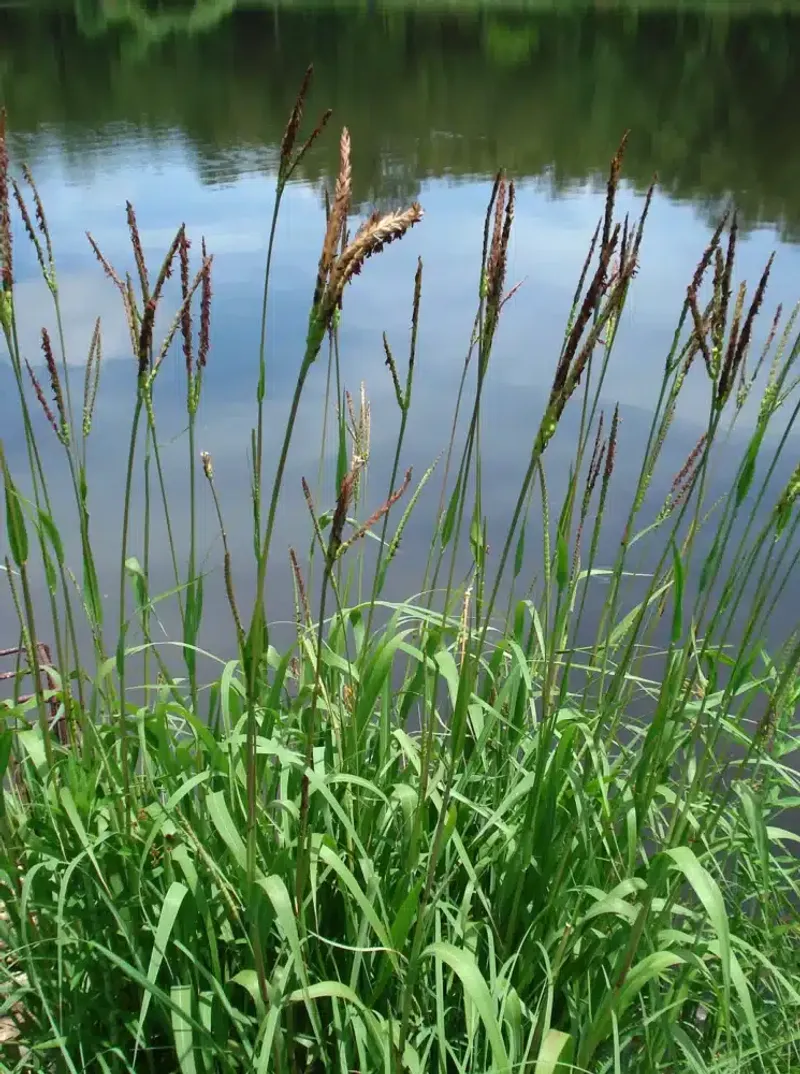
Broad leaves and chunky seed spikes give eastern gamagrass a different look from the fine-textured grasses on this list. It belongs in the substantial, leafy end of the garden, where its size can be an asset rather than a surprise.
Tripsacum dactyloides is native to Florida and forms large clumps, often around 4 to 6 feet tall with flowering stems rising above the foliage. Give it a generous bed instead of squeezing it between a sidewalk and the house.
A sunny location with moist, reasonably fertile soil is a good starting point. It can suit a broad rain-garden margin or another open area with dependable moisture, but it is not the first choice for a parched strip of sand.
The relatively large seeds can feed ground-foraging wildlife, including birds where they occur nearby. Dense foliage also creates sheltered foraging space, so leaving the plant intact offers more than simply saving its seed heads.
Some seeds will fall before winter, which is another reason to avoid raking the bed bare. Buy from a reputable native nursery, confirm local suitability, and leave healthy stems standing until seasonal cleanup is truly needed.