
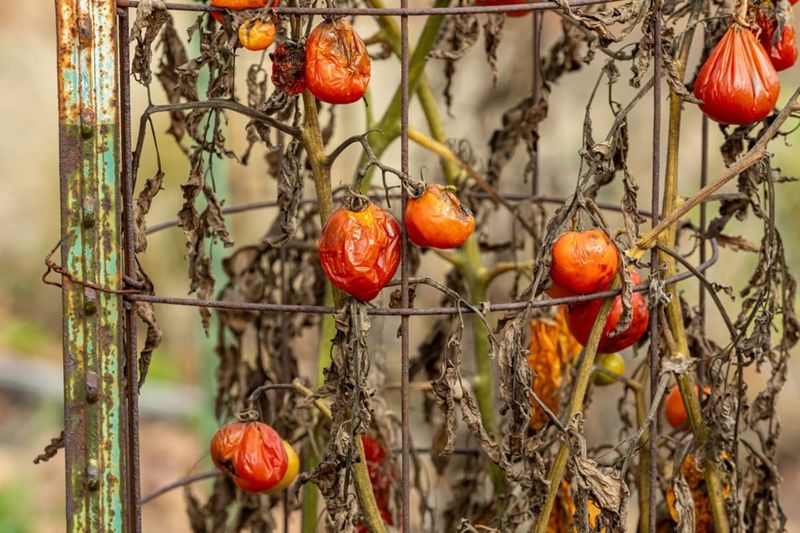
Those rusty tomato cages leaning against the fence held a whole summer of leaves, vines, and soil splashes. If your plants had spots or yellowing leaves, some of that mess may still be clinging to the wire.
A quick cleanup after the crop is done is an easy way to cut down one possible source of trouble before you reuse your supports. Here is how to do it safely, and what it can and cannot do for next year’s plants.
Treat supports as one possible place for pathogen carryover
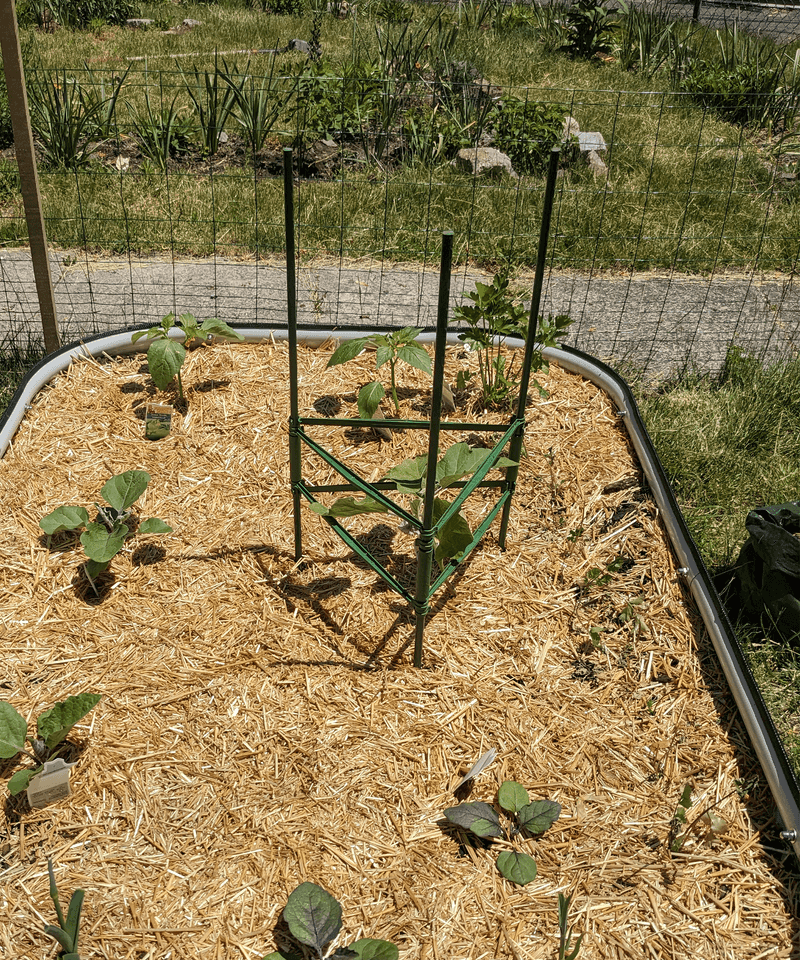
After a long season, cages and stakes collect dried leaf bits, soil, and plant sap in every bend and crevice. Illinois Extension notes that disease-causing pathogens can overwinter in the crevices of cages and stakes.
That makes supports a possible carryover point worth a little attention.
Florida guidance points the same direction. UF/IFAS advice on tomato disease control recommends decontaminating stakes, which fits the idea of cleaning before reuse.
Keep the scale in mind, though. Supports are one possible hiding spot, not a proven main source of next season’s disease, and leaving them outside does not automatically doom your plants.
Think of cleaning as a sensible sanitation step that costs you an afternoon and may lower your risk a bit.
Tomato diseases survive winter in different ways
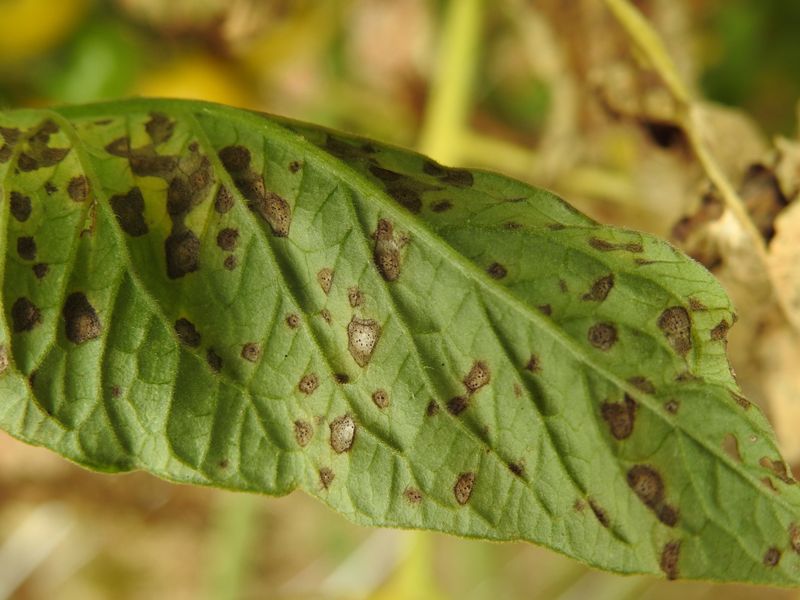
Calling every problem “blight spores” lumps several diseases together, and they do not all survive the same way. Penn State Extension says late blight spores cannot survive outside living plant tissue, so a dead vine or a bare cage is not where that disease waits out the cold.
Septoria leaf spot is different. University of Maine Extension reports that it can overwinter on infected plant debris, which is why leftover leaves and vines matter.
Early blight adds another example of why details matter. University of Minnesota Extension describes it as its own disease with its own management steps.
The takeaway is simple. Not every leaf spot lives on cages, so treat support cleaning as a general precaution rather than a fix for one named disease.
Remove infected vines and leaves when the crop is done
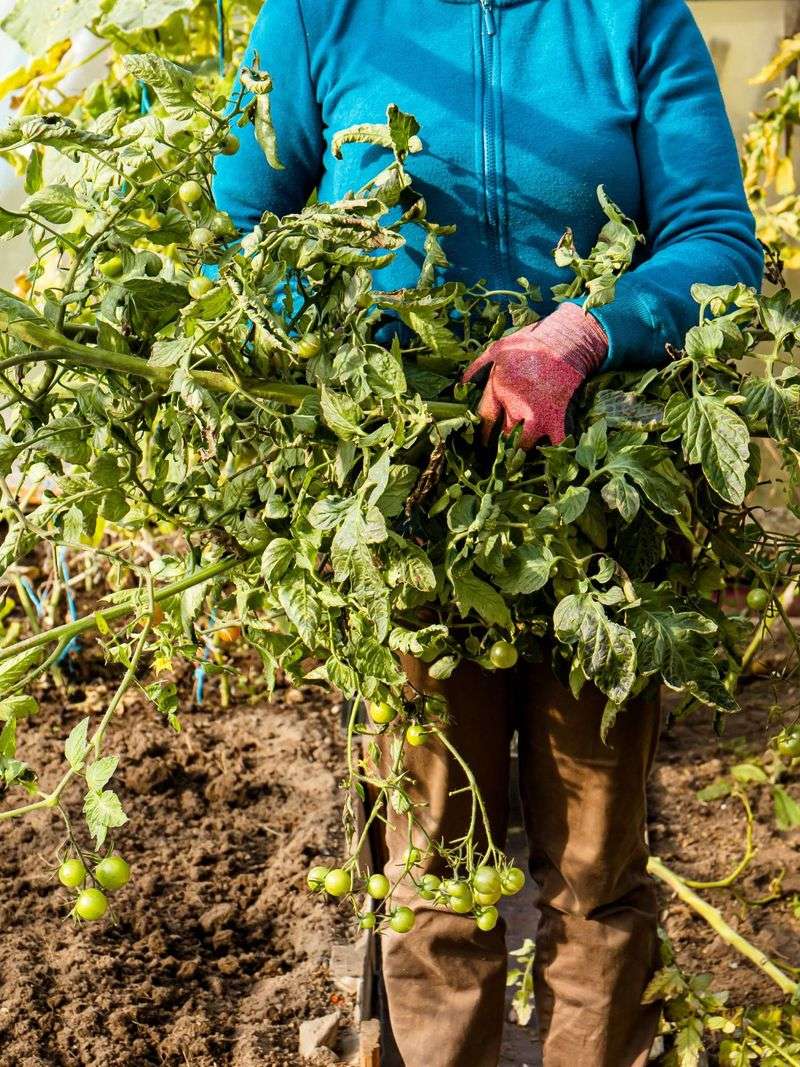
Once the last tomatoes are picked and the plants are finished, pull the vines and leaves off their supports. Dried foliage left tangled in a cage keeps infected material right where you will reach for that cage next spring.
This step targets a documented route for Septoria. Maine Extension recommends removing crop debris at the end of the season because the fungus can overwinter on it.
Do this before you touch a brush or sprayer. Cleaning a cage that still holds half a vine just wastes effort.
You do not need to name the disease first. If plants had spotted, declining leaves, remove the debris from the garden and check your local extension office for disposal rules in your area.
Remove soil and plant residue from supports
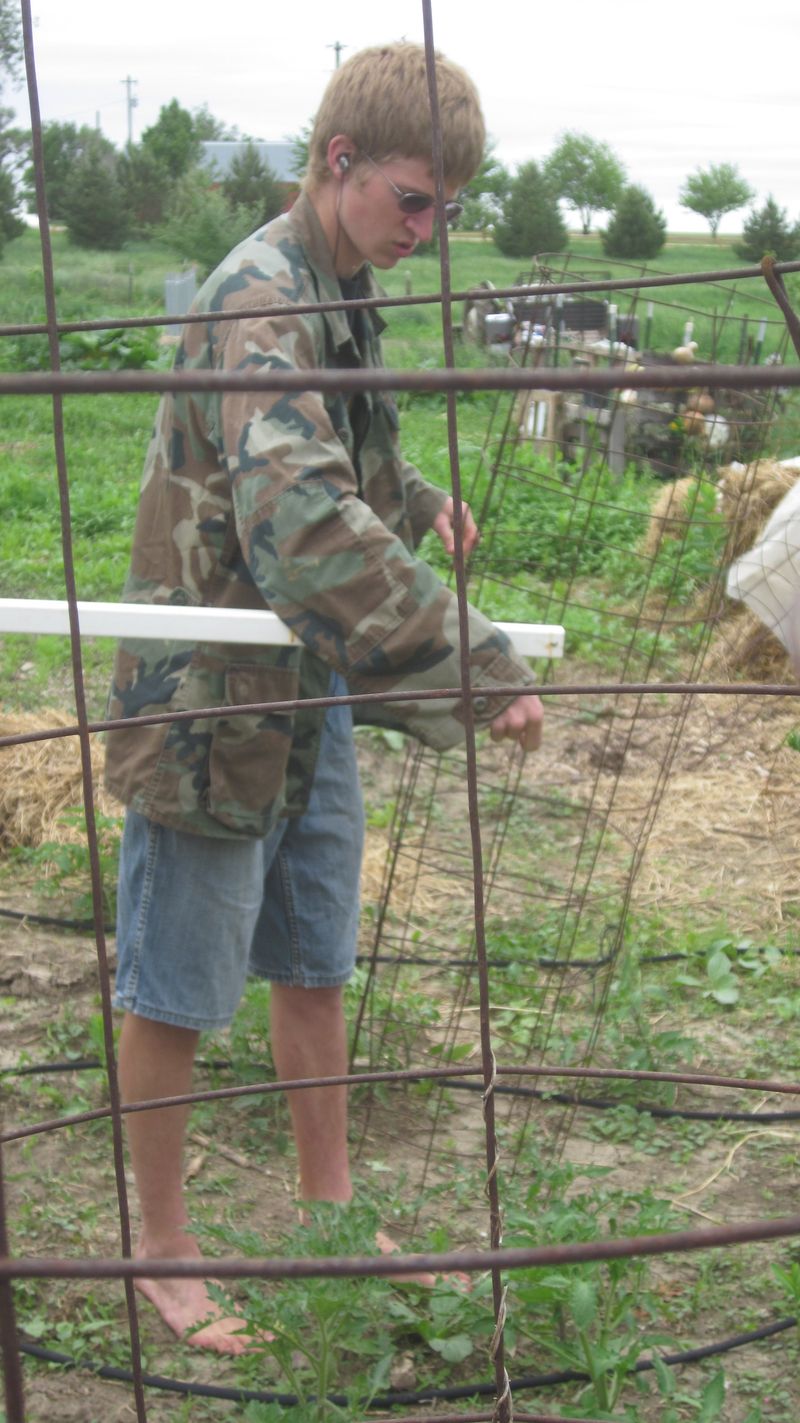
Disinfectant works poorly on a dirty surface, so start with plain physical cleaning. Knock off dried soil, peel away stuck plant bits, and scrub into the bends and joints where grime hides.
Cornell guidance advises power-washing stakes to remove soil before sterilizing them, as described in this Cornell Cooperative Extension article. A strong hose spray and a stiff brush can do much the same job at home.
Illinois Extension also suggests cleaning cages and stakes before they go back into the garden.
Work on a driveway, patio, or lawn edge so you are not rinsing residue back into your beds. Let the supports look visibly clean before you move to the next step.
Choose a disinfectant that suits the support material
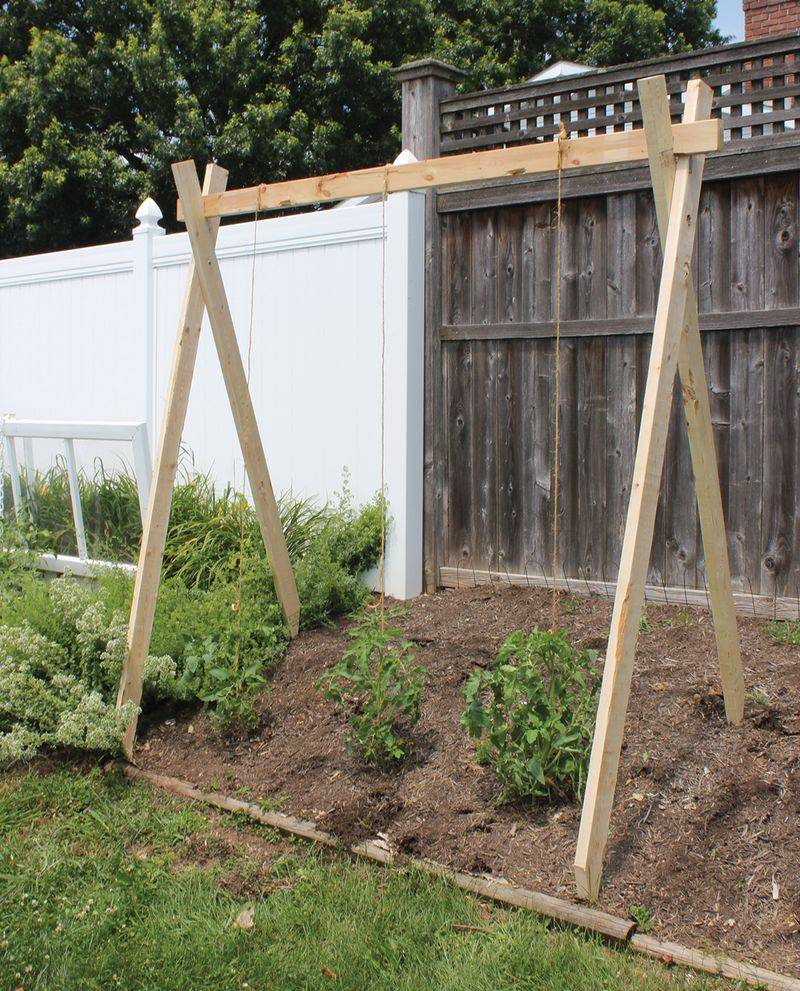
Cages and stakes come in galvanized wire, painted steel, wood, bamboo, and plastic coating, and they do not all handle the same products. Pick a disinfectant that suits what you own, then read the label for directions and contact time, which is how long the surface must stay wet to work.
Skip the one-size-fits-all bleach recipe. Cornell warns that bleach can damage metal stakes if it is not rinsed off.
UF/IFAS also advises decontaminating stakes in its Florida tomato disease guide, though your product label is the best guide for how.
Wear gloves, work outdoors, and let supports dry fully before storing them. If a product does not list your material, test a small spot first or choose another.
Combine support cleanup with other prevention steps
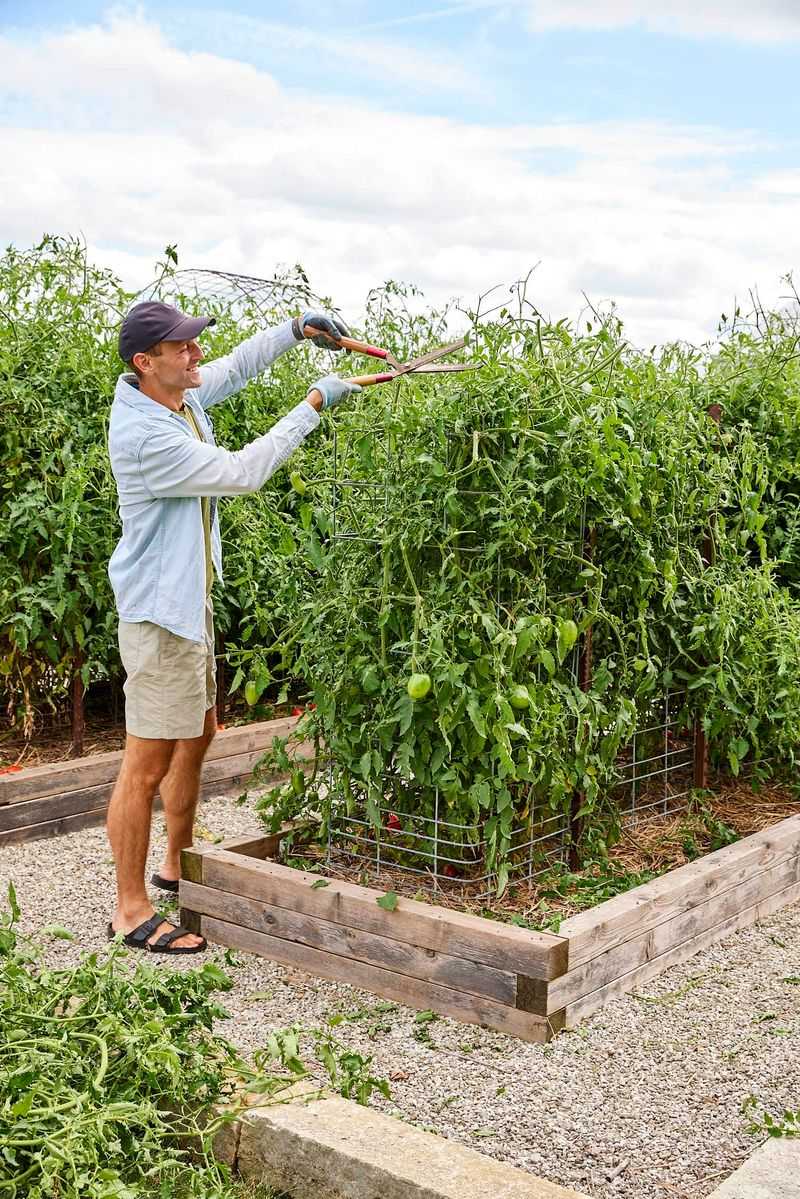
A clean cage is one piece of a bigger plan, and no cleanup can promise spot-free tomatoes. Other sources of disease, including weeds, soil, and transplants, can still play a role.
Septoria guidance from Maine Extension lists several habits that work alongside debris removal. These include rotating to nonsusceptible crops, controlling susceptible weeds, spacing plants for airflow, and avoiding handling wet foliage.
Florida growers can find more options in UF/IFAS disease control guidance.
Pick the steps that fit your garden. Moving tomatoes to a new bed and giving plants room to breathe may help as much as scrubbing wire, and together they can reduce the odds of trouble.
Clean supports after the crop finishes
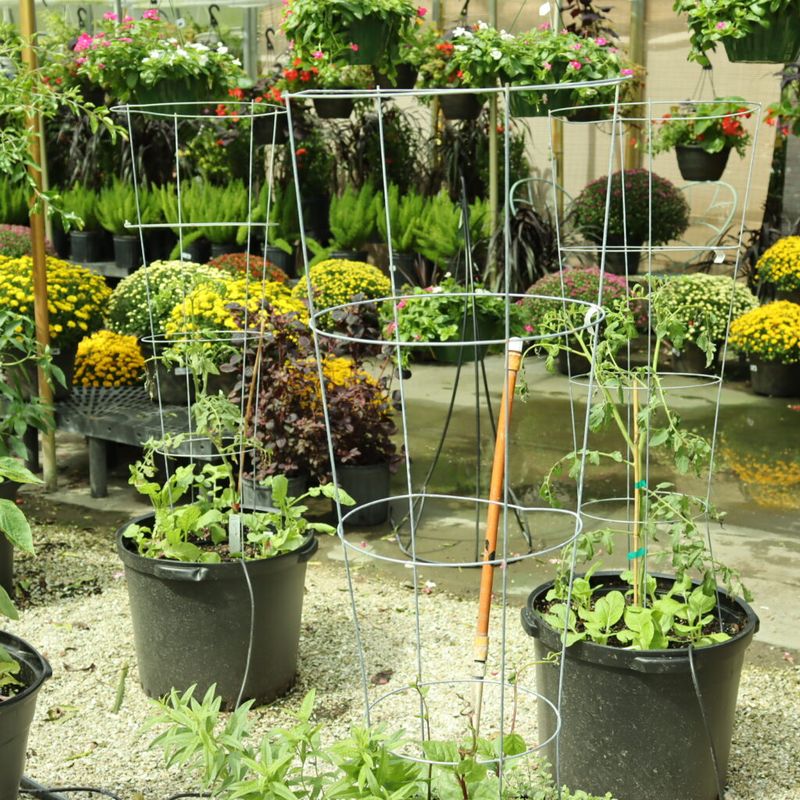
The right time to clean is when your tomatoes are done, not when the calendar says November. In Florida, UF/IFAS planting guidance lists tomato planting windows that reach into fall or winter in parts of the state, so your plants may still be producing.
If yours are still bearing fruit, leave the supports in place. Pull vines, clean, and disinfect once the harvest ends and before you reuse the cages or stakes.
Cleaning may lower one possible disease risk, but it cannot promise spotless plants next season. Still, a tidy cage is a small head start you control.