
Your fall lettuce looks watered and green on top, yet the plants stay small and droop in the afternoon. Many gardeners blame ants, aphids, or early bolting, but those are three different problems.
Lettuce root aphids are a real pest worth checking for, though the signs alone do not prove they are there. A quick look at the roots and your local growing conditions can tell you what is really going on.
Wilting lettuce can hide damage below the soil
Stunted lettuce that wilts in the afternoon is frustrating, especially when the soil looks damp. Root aphids can cause exactly those symptoms, but so can other problems, so the symptoms alone do not settle the question.
The only way to know is to look. Carefully lift one struggling plant, loosen the soil, and check the roots.
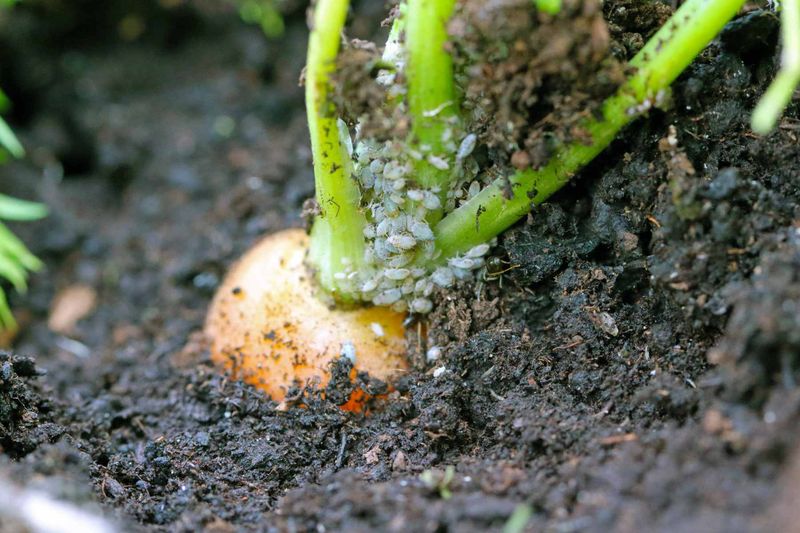
UC IPM monitoring advice is to examine the roots of stunted or wilting plants. Signs that fit root aphids include clusters of aphids under white, woolly material and brown or dying rootlets.
Also keep water in mind. A bed that looks well watered can still have trouble underground.
Texas A&M AgriLife notes that too much water can cause root rot, followed by stunting or death. If the roots are mushy and dark but have no woolly patches, soggy soil is a better suspect than aphids.
What do ants tell you about the roots?
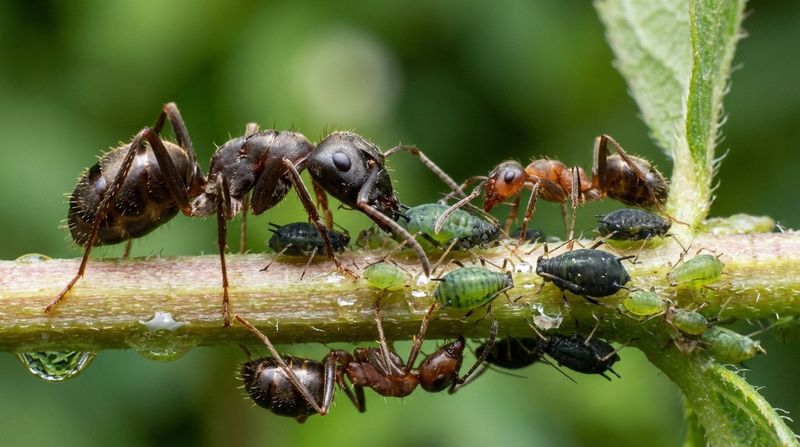
Ants in a lettuce bed catch the eye, and some of them do have a habit worth knowing about. Ants may tend aphids to collect their sweet honeydew, and a peer-reviewed study documents ants farming subterranean aphids.
That is a general finding about ants and underground aphids. It does not tell you what is happening under one lettuce plant in a Texas or Florida garden.
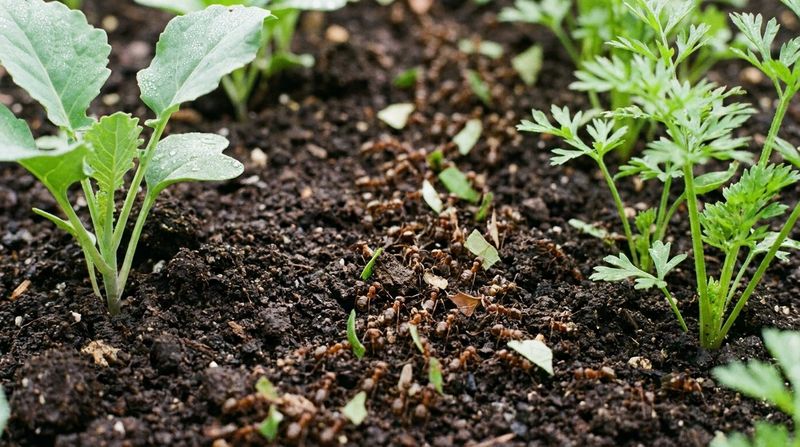
Ants also wander through beds for many other reasons, so a trail of them is only a clue, never a diagnosis.
If you see ants, let that nudge you to check the roots rather than treat the soil. Look for aphids and white, woolly material on the rootlets.
Nearby Lombardy poplars add context. UC IPM describes this aphid as a serious pest mostly where lettuce is planted near those trees.
If you have none nearby, root aphids are less likely to be your answer.
Heat can trigger bolting without explaining root damage
Bolting means the plant sends up a tall stem and flowers, and the leaves turn bitter. It is a different problem from root damage.
Root aphids may contribute to stunting and wilting, but nothing shows that aphids or ants cause lettuce to bolt.
Heat is the usual suspect. UF/IFAS explains that lettuce prefers roughly 50 to 75°F and can bolt prematurely in hot weather.
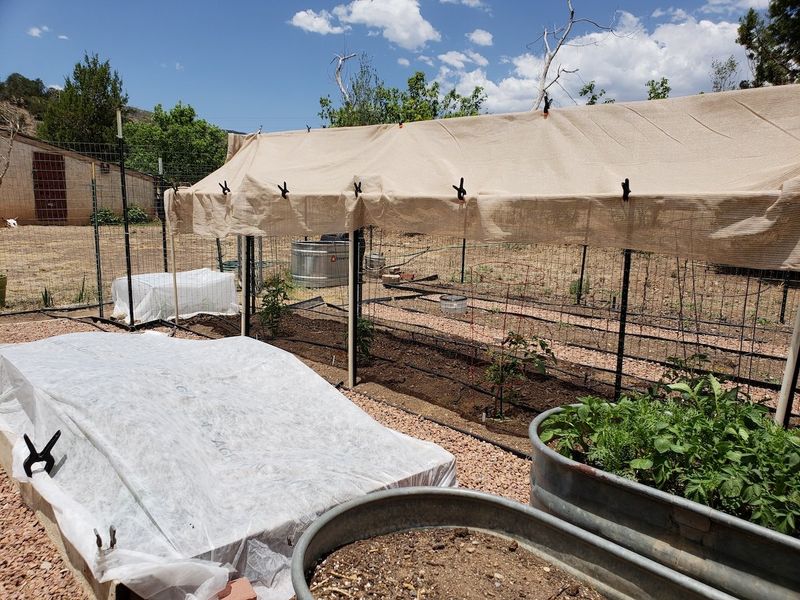
For Florida beds, UF/IFAS suggests afternoon shade or shade cloth when temperatures go above 85°F, and consistently moist soil that is never waterlogged. These steps are growing guidance, not guaranteed fixes, and they may reduce heat stress without stopping bolting completely.
So if your lettuce is both stunted and shooting up stalks, treat them as two questions. Check the roots for one, and check your temperatures and planting date for the other.
Fall planting dates depend on where you garden
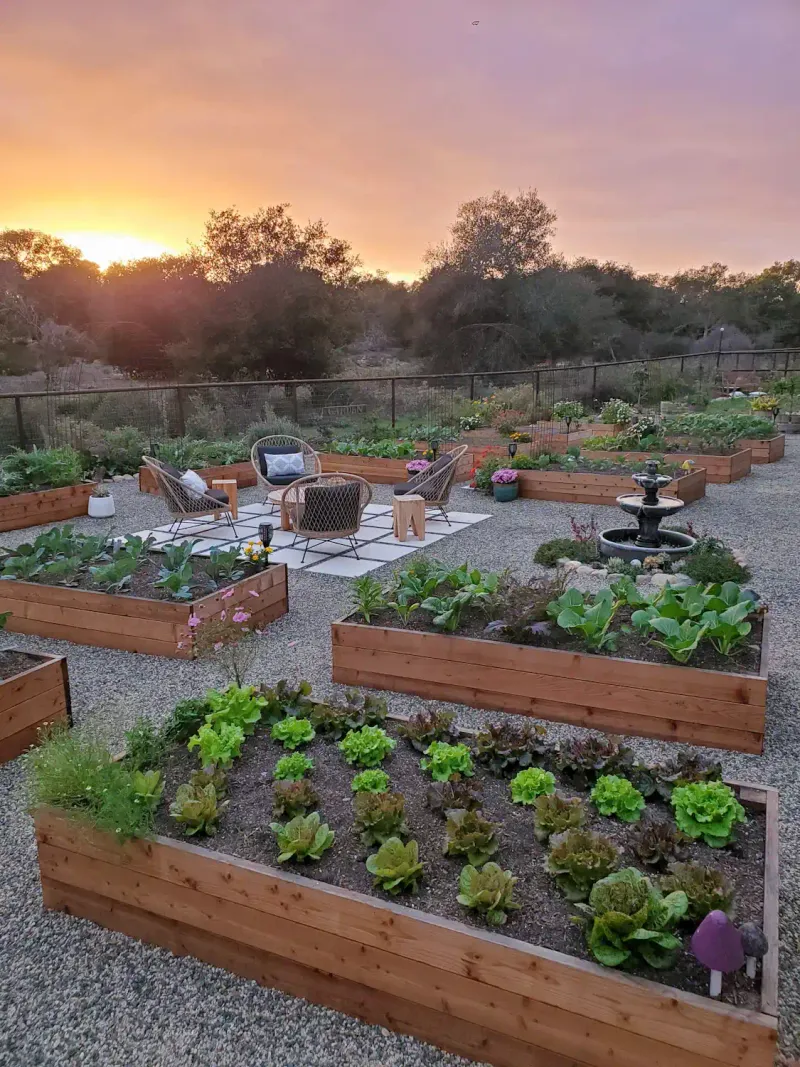
Texas stretches across very different climates, and the planting calendar shows it. Texas A&M AgriLife’s fall guide lists average leaf-lettuce planting dates from September 1 in Region I to December 1 in Region V.
It also says correct timing is especially important for fall gardening.
That wide spread means no single date works for the whole state. Find your region on the map and use its window instead of copying a neighbor in another part of Texas.
Florida is the same. The UF/IFAS Florida vegetable gardening guide directs gardeners to planting dates for their part of the state, so look up yours.
Timing matters because it controls how much heat young lettuce faces. Planting too early can expose seedlings to warm days, though a good date alone cannot promise lettuce that never bolts.
Prevention starts with healthy roots and suitable conditions
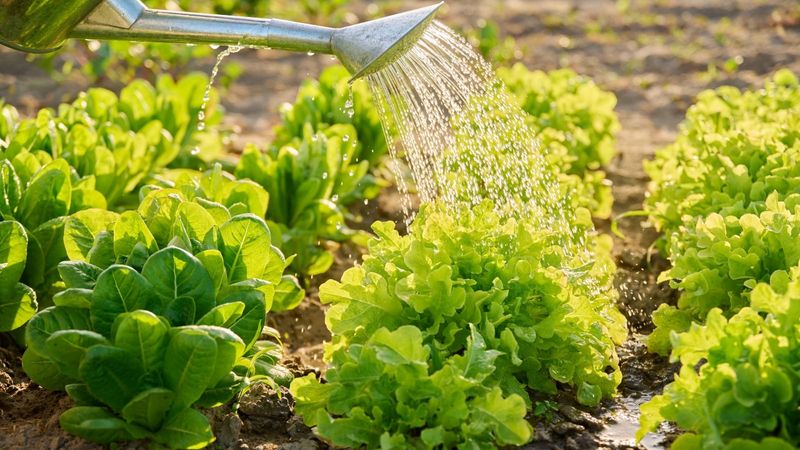
If you confirm root aphids, prevention is the main tool. UC IPM recommends cultural steps such as keeping plants vigorous, maintaining suitable water levels, and choosing resistant varieties where appropriate.
These steps may lower the risk for future plantings, but they are not a cure for plants already infested.
Soil moisture is a good place to start. UF/IFAS advises keeping lettuce soil consistently moist but not waterlogged.
Squeeze a handful from a few inches down: it should feel like a wrung-out sponge, not dripping mud.
Location matters too. UC IPM lists Lombardy poplar as the aphid’s overwintering host and suggests checking nearby poplars for galls.
If you have one close to the bed, plant lettuce farther away next season. If you have none, do not assume root aphids are behind every struggling plant.
A soil drench is not a dependable rescue
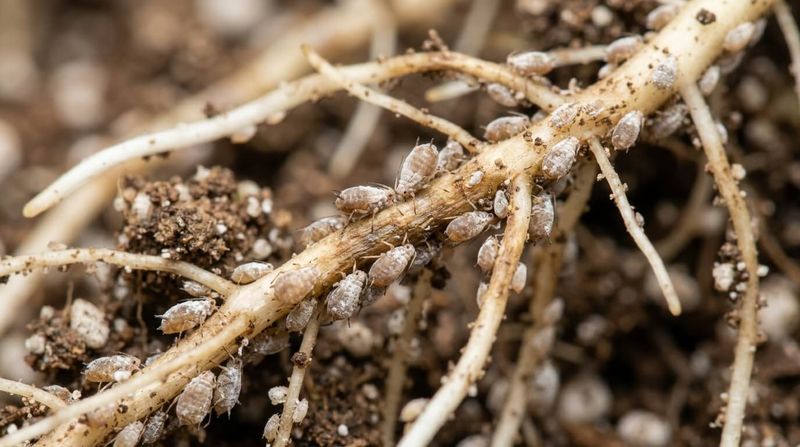
Some online advice promises that a soil drench will stop root aphids. That promise is too broad.
UC IPM says no insecticides are available to control lettuce root aphids once the crop is already infested.
UC IPM does list a chemical approach used at planting, which may help prevent an infestation. That is different from rescuing plants that are already damaged, and it is not a home-garden drench recommendation.
If you ever consider a pesticide, read the label first. The EPA explains that labels are legally enforceable, and using a product inconsistently with its label violates federal law.
The label must permit your crop, the pest, the application method, and the site.
Treating soil only because ants are visible is not a good plan. Confirm the problem at the roots, and put your effort into prevention for the next planting.
Start with a root check, not an assumption
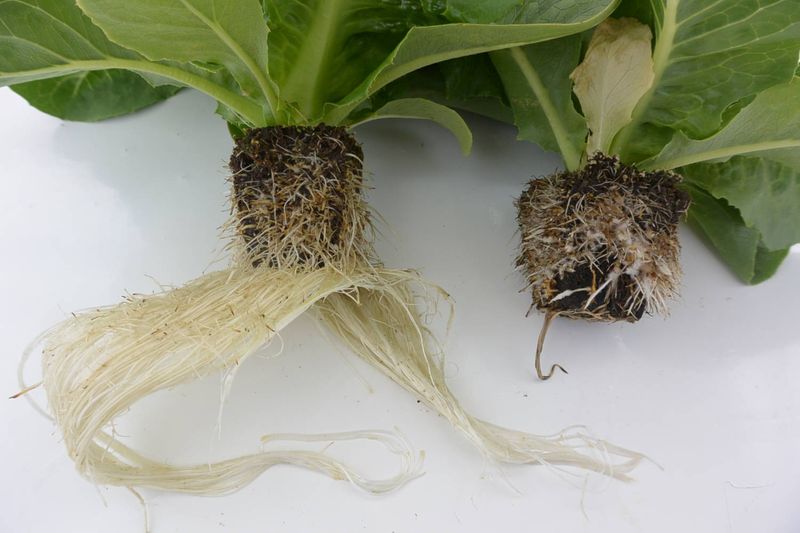
Lift one struggling plant and inspect its roots before blaming ants. If the lettuce is bolting, judge heat and your local planting date as a separate issue, using UF/IFAS lettuce guidance and Texas A&M’s fall guide.
Do not treat soil just because ants are around, and do not expect a drench to save an infested crop, as UC IPM notes. Good prevention helps, but it is no guarantee.
A few minutes with the roots beats a season of guessing.