
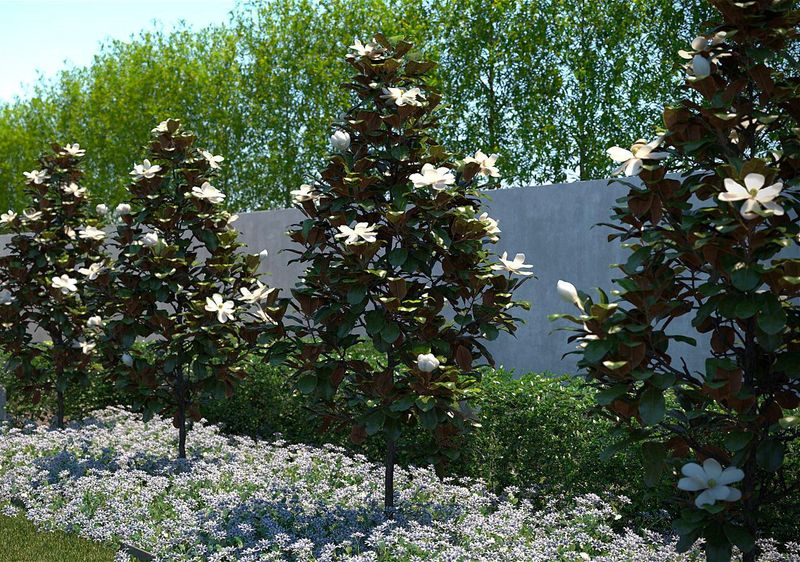
Plenty of North Carolina homeowners plant a row of Leyland cypress for fast privacy, only to watch the trees brown out and die a few years later. Our hot, humid summers, heavy clay soils, and fungal diseases are hard on this non-native hybrid.
The good news is that several native shrubs can give you a thick, green screen that holds up better and feeds local birds and pollinators too. Here are eight NC natives worth planting instead.
1. Wax Myrtle
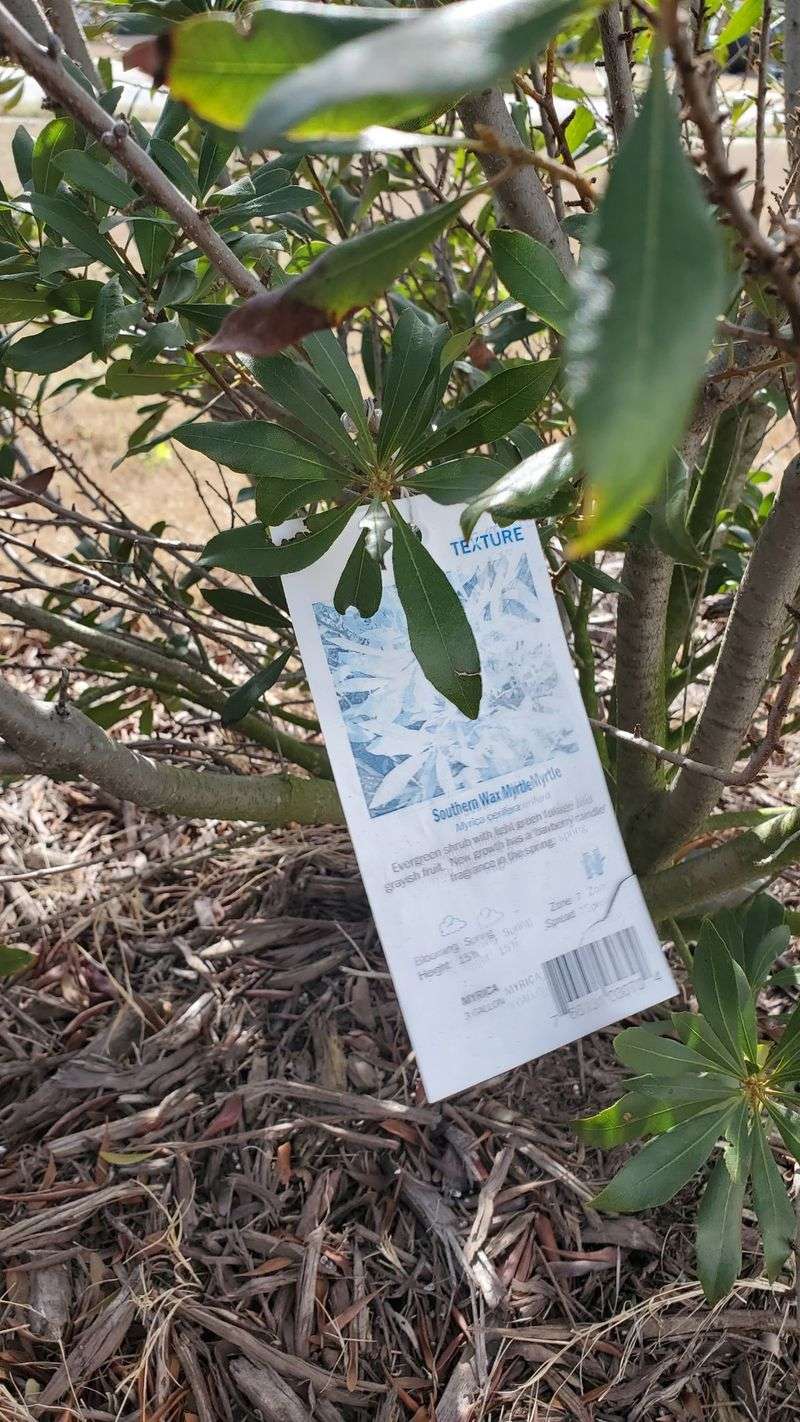
Ask a coastal plain gardener what never quits, and wax myrtle usually comes up first. It grows fast, often 3 to 5 feet a year once settled, so it can match the speed people want from Leyland cypress.
Unlike Leylands, which often struggle with Seiridium canker and Botryosphaeria dieback in our humid summers, wax myrtle tends to shrug off disease. It handles sandy soil, salt spray, wet spots, and Piedmont clay with little fuss.
Female plants carry waxy gray berries that yellow-rumped warblers and bluebirds eat through winter. Colonists once boiled those berries to make bayberry candles, which is why the leaves smell so pleasant when brushed.
Plant it 6 to 8 feet apart for a solid screen within a few seasons.
2. American Holly
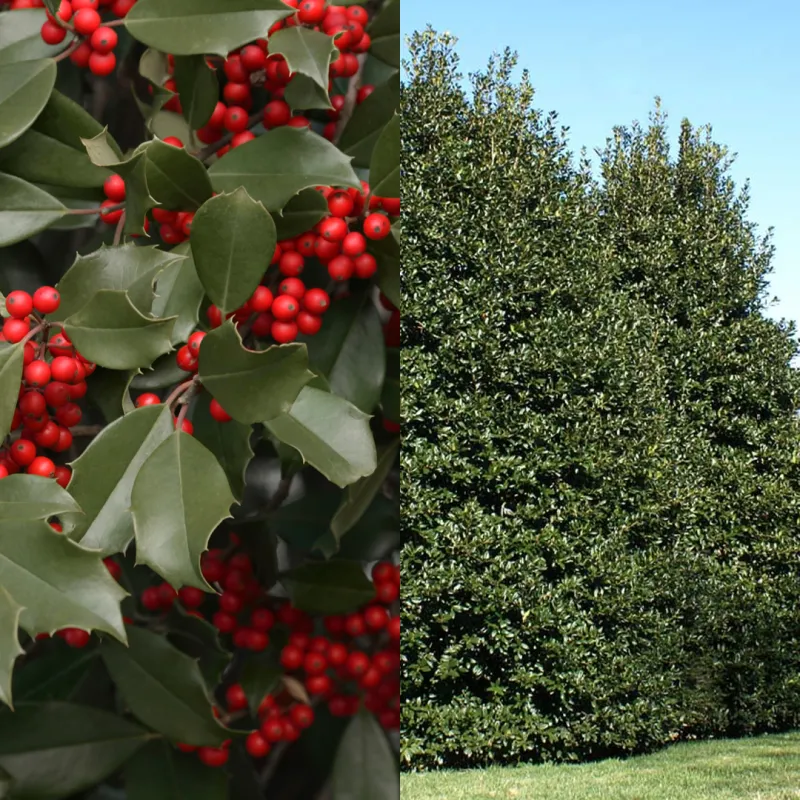
Slow and steady wins the privacy race here. American holly will not shoot up overnight, but a row planted today becomes a dense, evergreen wall that can last generations.
The spiny leaves make it a natural barrier along property lines, and that same prickliness gives songbirds a safe place to nest away from cats and hawks. Mockingbirds, robins, and cedar waxwings strip the red berries in late winter.
Choose a few female plants with at least one male nearby for good berry set. Holly prefers well-drained, slightly acidic soil, which describes much of the Piedmont and Sandhills.
Pair it with a faster shrub in front if you need cover sooner.
3. Eastern Red Cedar
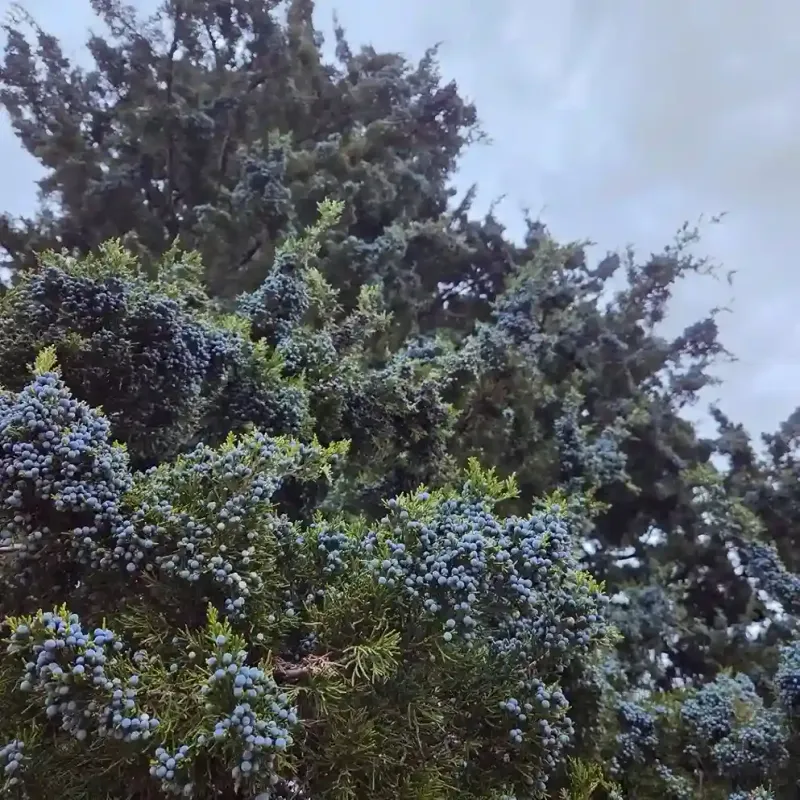
Picture the dark green columns lining old fence rows across rural North Carolina. Those are Eastern red cedars, and they have been surviving our weather without help for centuries.
If you like the look of Leyland cypress, this is the closest native match. It handles drought, poor soil, and summer heat that can stress shallow-rooted Leylands, and its bluish berrylike cones feed more than 50 bird species.
One caution: cedar can host cedar-apple rust, so keep it away from apple orchards. Give it full sun and room to spread, and it may provide year-round screening and winter shelter for birds.
4. Inkberry Holly
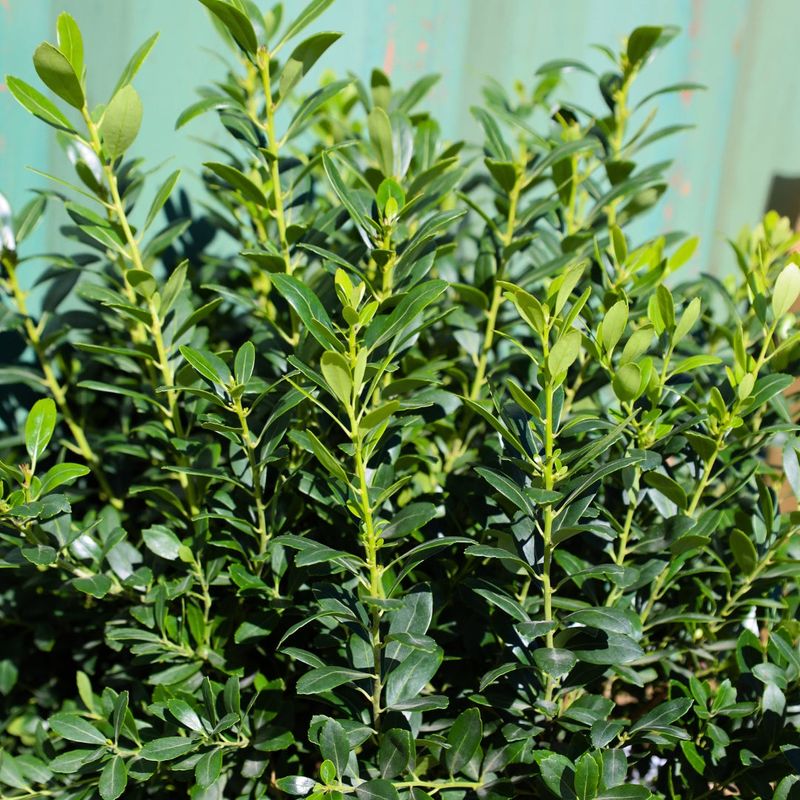
Need privacy around a patio, not a two-story wall? Inkberry is your answer.
It grows 5 to 8 feet tall with fine, glossy leaves and small black berries. Native to wet coastal areas, it handles soggy soils where many shrubs rot, making it handy near downspouts or low corners.
Bees love its tiny spring flowers and produce prized gallberry honey from them. Newer compact selections stay tidy with almost no pruning, which fits a low-effort yard nicely.
5. Southern Magnolia
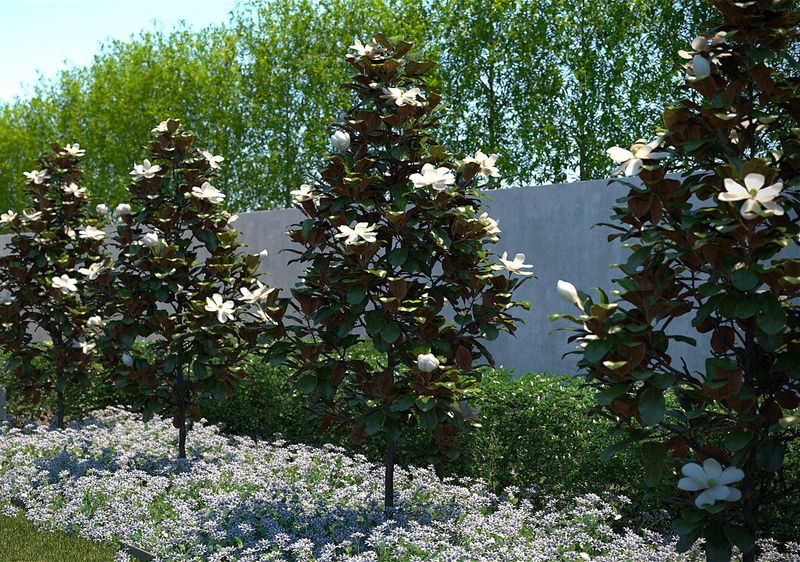
Few plants say Southern porch quite like a magnolia in June bloom. The huge white flowers smell of lemon and cream, and the thick evergreen leaves block views all year.
Full-size trees reach 60 feet or more, so look for compact forms like Little Gem or Teddy Bear, which top out closer to 15 to 25 feet. Those fit suburban lots and still give dense cover.
Magnolias are an ancient group that existed before bees, so beetles still pollinate the blooms. Leaves drop steadily, so plant where you can let them stay as mulch instead of raking forever.
6. Yaupon Holly
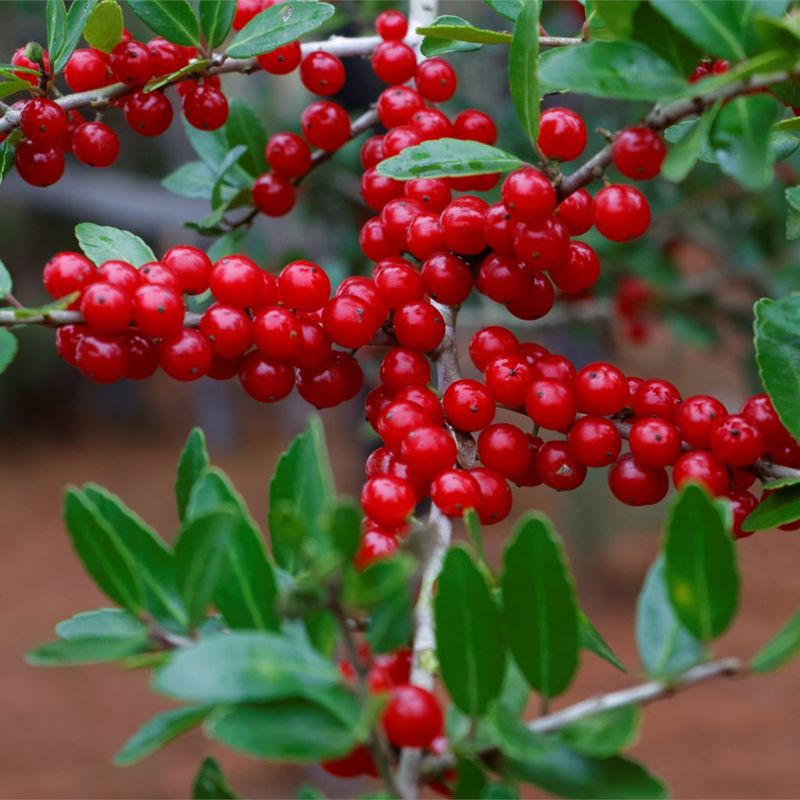
Tough as nails might be an understatement. Yaupon handles drought, salt, heat, wet clay, and heavy pruning, and it keeps on growing.
Upright forms reach 15 to 20 feet and fill in thickly enough to block neighbors. The bright red berries on female plants feed bluebirds and mockingbirds in winter, and spring flowers draw native bees.
Fun fact: yaupon is the only native North American plant with caffeine, and Native peoples brewed its leaves into tea. Deer usually leave it alone, which is a bonus in many NC suburbs.
7. Florida Anise
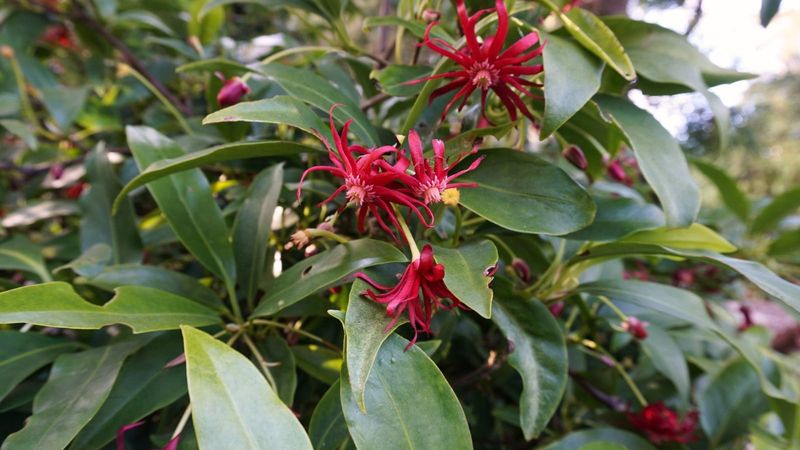
Shady lots are where Leyland cypress struggles most, since it wants full sun. Florida anise steps in happily under tall pines and oaks.
Native to the Gulf region and well suited to eastern and central North Carolina, it grows 6 to 10 feet tall with large leaves that smell like licorice when crushed. Deer tend to skip it because of that scent.
Spring brings odd, dark red starlike flowers. It likes moist soil, so mulch well and water during August dry spells.
8. Mixed Native Hedgerow
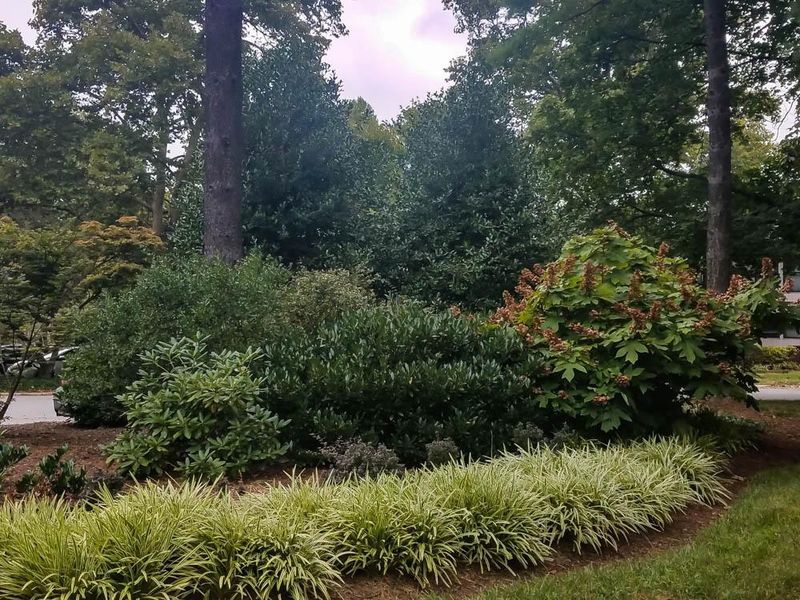
Here is the real secret: do not plant just one thing. Most Leyland failures spread down a row because every tree is the same and disease jumps from one to the next.
A staggered mix of wax myrtle, yaupon, red cedar, and holly means one sick plant leaves no gaping hole. Add a few flowering natives like sweetbay magnolia or Virginia sweetspire in front for pollinators.
Varied layers give birds nesting spots, food through the seasons, and cover from predators. Birds such as wrens and bluebirds may also help keep insect numbers in check.
Plant in fall, when cooler weather helps roots settle before next summer’s heat.