
Hydrangeas are beautiful, but they can be fussy about water, pruning, and even the kind of sun they get. If you want big color in your yard without so much second-guessing, there are easier shrubs to grow.
The nine below are good places to start, especially for Southern gardeners dealing with heat, long summers, and busy weekends.
1. Abelia
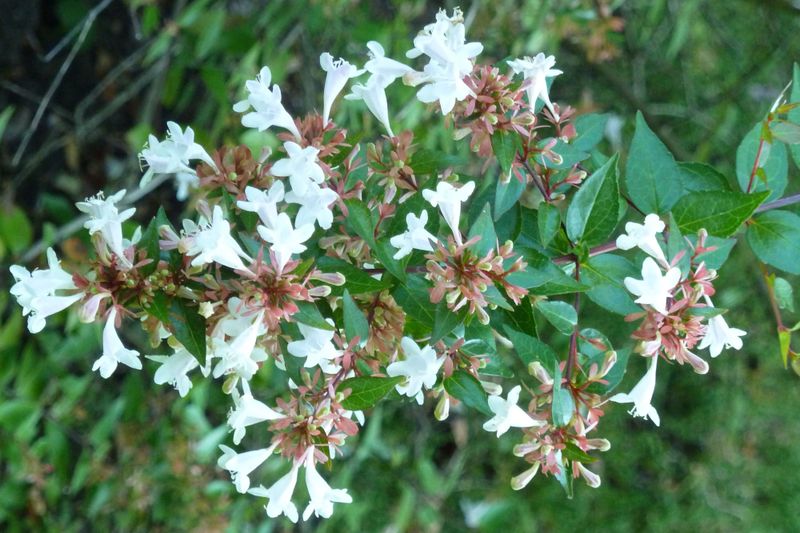
Some shrubs seem happy no matter what summer throws at them, and abelia is one of that rare bunch. While hydrangeas often wilt, scorch, or sulk when watering slips, abelia keeps going with a much calmer attitude.
It blooms for a long stretch, has a graceful shape, and asks for very little once established.
Southern gardeners appreciate abelia because it handles heat and humidity far better than many old-fashioned flowering shrubs. In much of Florida, coastal Texas, and the broader South, it can flower from spring into fall, which gives you more color for less work.
Hummingbirds often visit the small trumpet-shaped blooms, so the plant earns its space even when the flowers are not huge or flashy.
Care is refreshingly simple. Give it full sun to part shade, decent drainage, and regular water during the first growing season.
After that, abelia usually needs only occasional deep watering in dry spells and light pruning if you want to tidy the outline.
What makes it different from the rest of this list is its airy, elegant habit. Abelia softens hard corners, spills nicely along walkways, and works in foundation beds where hydrangeas might feel too needy or too bulky.
2. Loropetalum
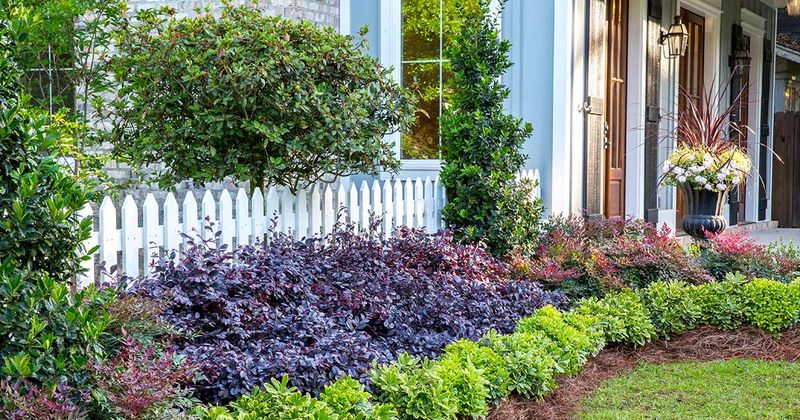
Color lovers who get tired of waiting for a shrub to look good usually fall hard for loropetalum. Even before the flowers appear, the deep purple or burgundy foliage gives the yard a bold, finished look.
That built-in leaf color is a huge advantage over hydrangeas, which can look plain between bloom cycles.
In the South, loropetalum has become a favorite for good reason. It tolerates heat, deals fairly well with humidity, and can fit into many yard styles, from tidy front-entry beds to looser mixed borders.
The fringe-like pink flowers show up most heavily in spring, and many varieties repeat lightly later, giving you extra interest without demanding much in return.
Placement matters more than pampering. Full sun usually brings the best foliage color and stronger blooming, though some afternoon shade can help in the hottest inland spots.
Once rooted in, loropetalum often needs less babying than hydrangeas, especially if your soil drains well and you avoid overwatering.
Its standout trait is year-round visual punch. You are not relying on one dramatic flower flush to carry the whole season.
For homeowners who want steady curb appeal with only occasional shaping, loropetalum may feel like a much smarter trade.
3. Texas Sage
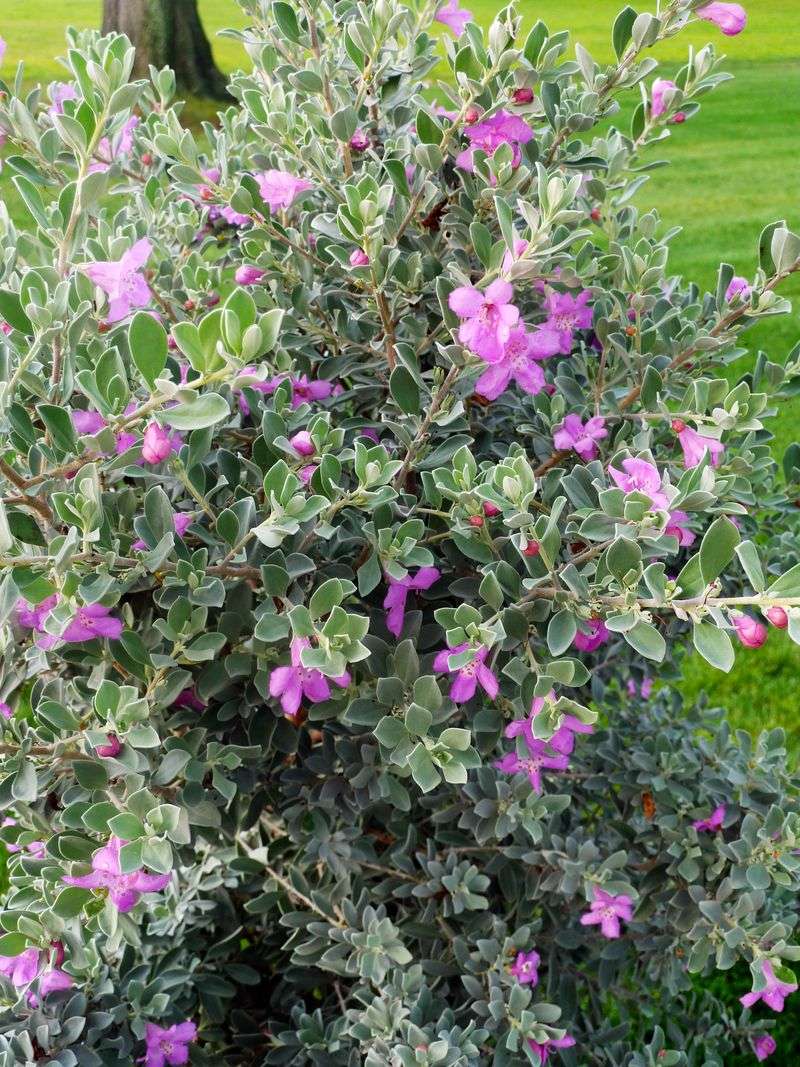
Hot, dry yards can make hydrangeas look like they regret every life choice, but Texas sage seems built for that challenge. Its silvery leaves stay attractive through brutal weather, and after humidity rises or rain moves through, the purple blooms can appear like a small celebration.
Few shrubs give that much payoff with so little fuss.
For Texas gardeners, this one is almost a cheat code. It thrives in full sun, tolerates reflected heat, and usually performs better when gardeners resist the urge to overwater it.
In parts of Florida with sandy, fast-draining soil and strong sun, it can also work well if drainage is sharp and winter cold is not extreme.
The main rule is simple: do not treat it like a thirsty hydrangea. Texas sage prefers leaner conditions and may struggle in heavy, soggy ground.
Once established, it often needs only occasional deep watering during very long dry spells, and pruning can be limited to light shaping after bloom.
Its special role on this list is drought toughness. If your goal is a flowering shrub that still looks polished during punishing Southern summers, Texas sage offers the kind of resilience that hydrangea growers usually wish they had discovered much sooner.
4. Indian Hawthorn
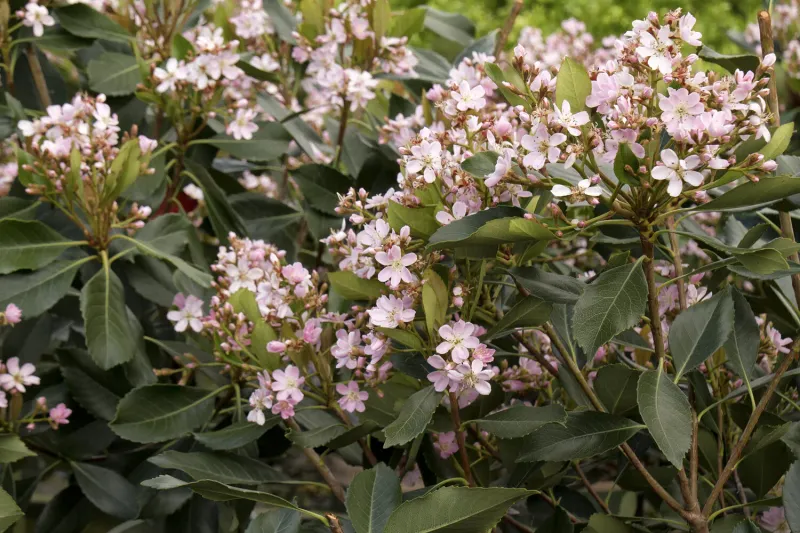
Front-yard gardeners often want one thing above all else: a shrub that stays neat without constant correction. Indian hawthorn answers that wish with a naturally compact shape, glossy evergreen leaves, and spring flowers that brighten an entry bed without turning maintenance into a project.
Compared with hydrangeas, it feels far more self-contained.
Across warm Southern landscapes, especially in parts of Florida and coastal Texas, Indian hawthorn has long been used for foundation plantings, low hedges, and walkway borders. The pink or white flower clusters arrive in spring, and the tidy form holds nicely through the rest of the year.
Birds may also notice the small berries that can follow flowering.
Good drainage and air flow matter because leaf spot can be more common in very damp conditions, especially if plants are crowded or overhead watering is frequent. Still, when sited well in sun to light shade, Indian hawthorn usually asks for less pruning, less rescue work, and less emotional energy than hydrangeas.
That alone makes it appealing to busy homeowners.
What sets it apart here is scale and order. If hydrangeas sometimes feel oversized or floppy for a narrow bed, Indian hawthorn gives you flowers, evergreen structure, and a crisp outline that suits porches, paths, and smaller suburban spaces.
5. Bottlebrush
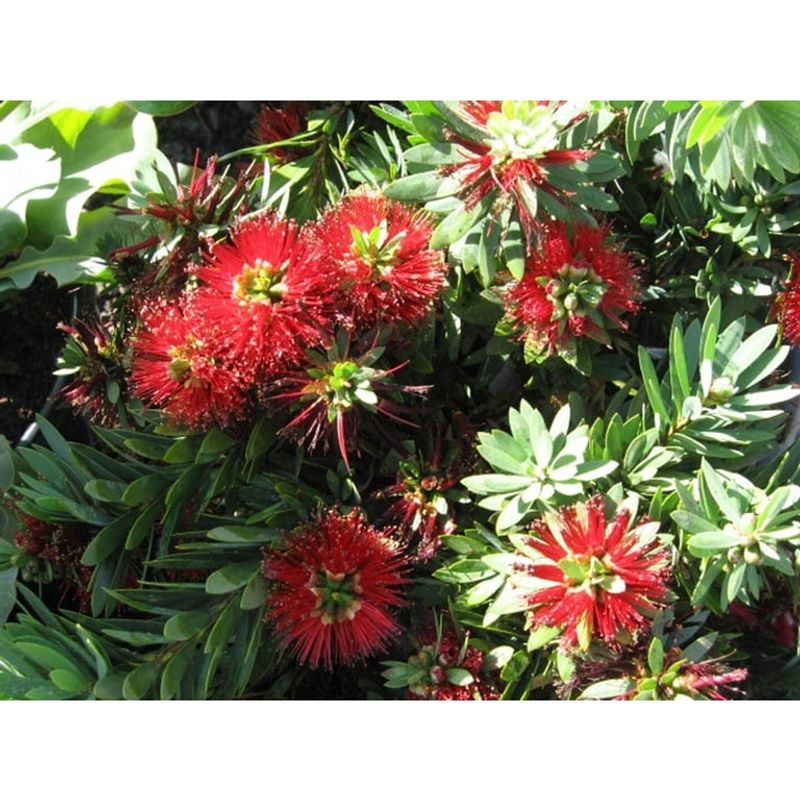
Nothing about bottlebrush is shy. The bright red blooms look like little fireworks, and hummingbirds often show up fast once the flowers open.
If hydrangeas feel too delicate for your taste, bottlebrush brings a bolder, more energetic look that still stays easy to manage in warm regions.
Gardeners in Florida know this plant well, and parts of Texas can grow it successfully too, especially in milder areas with lots of sun and good drainage. The narrow leaves give the shrub a fine texture, and many forms bloom repeatedly in warm weather.
That repeat performance is useful when you want color over a long outdoor-living season rather than one short floral moment.
Care is straightforward. Bottlebrush likes full sun, appreciates regular water while establishing, and usually becomes more forgiving as roots settle in.
Light pruning after bloom can help shape it, but constant fussing is rarely necessary, which is a welcome change for anyone worn out by hydrangea timing and moisture demands.
The reason it earns a spot on this list is simple: wildlife value with drama. You get an eye-catching flowering shrub that can also support pollinators and hummingbirds, making it a practical choice for gardeners who want beauty and motion in the same space.
6. Rose of Sharon
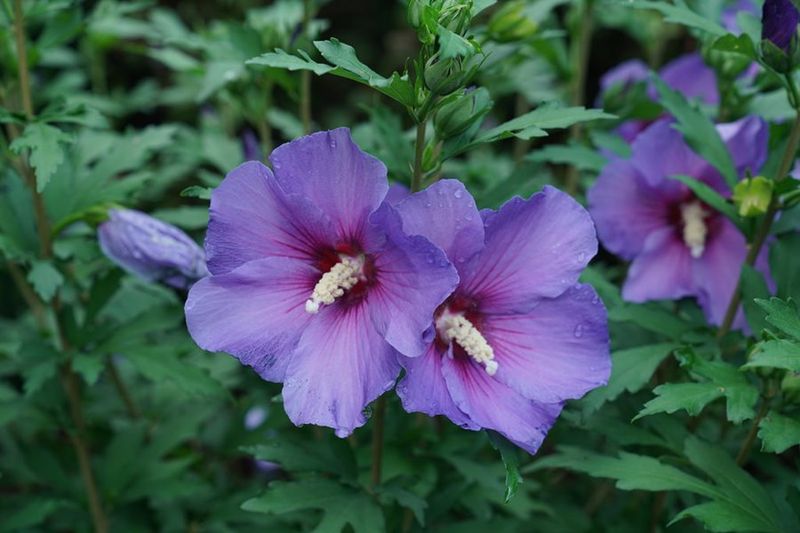
Late summer can be a disappointing time in the garden when spring bloomers are finished and hydrangeas look tired from heat. Rose of Sharon steps into that gap with big, hibiscus-like flowers that keep the yard feeling alive when many other shrubs have already faded.
It brings a cheerful, old-fashioned charm without requiring precious care.
Although often linked with more temperate gardens, Rose of Sharon can do very well in much of the South if it gets sun and reasonably drained soil. It handles heat better than many people expect, and its bloom season is one of its biggest strengths.
When the weather turns long and sticky, having a shrub that still wants to flower feels like a real win.
You may need to remove occasional seedlings, since some varieties can self-sow, but newer cultivars can reduce that issue. Pruning is usually simple and can be done to shape the plant or encourage stronger blooming.
Unlike hydrangeas, you generally do not spend much time worrying about exact flower-bud timing after winter damage.
Its distinctive value is season extension. Rose of Sharon is for gardeners who want their beds to stay colorful deep into summer, especially near fences, side yards, or sunny back borders where a dependable bloomer really earns its keep.
7. Dwarf Crape Myrtle
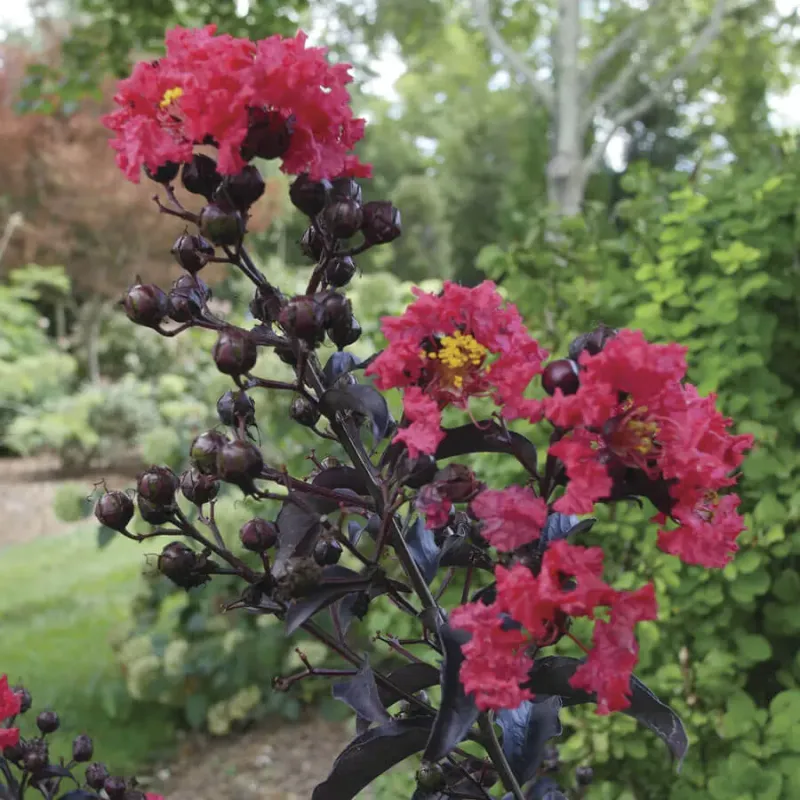
When the sun feels relentless and the driveway throws back extra heat, dwarf crape myrtle keeps performing like it never got the memo to struggle. Long bloom time, strong summer color, and a manageable size make it one of the smartest hydrangea alternatives for Southern yards.
It offers that satisfying look of abundance without the same level of worry.
Unlike tree-form crape myrtles, dwarf varieties fit more easily into foundation beds, mixed borders, and small front-yard spaces. They bloom through the hottest part of the season, which is exactly when hydrangeas often need the most attention.
In Florida, Texas, and much of the South, that heat tolerance is a practical advantage, not just a nice bonus.
Plant it in full sun, avoid overfeeding, and give it space for air circulation. Once established, many dwarf types need only moderate watering and occasional thinning or shaping.
You also skip much of the confusion that comes with hydrangea pruning, because the plant is generally more forgiving about how homeowners manage it.
Its defining edge is summer stamina in compact form. If you want a shrub that can handle reflected heat near sidewalks, mailboxes, or front entries while still delivering bright flowers for weeks, dwarf crape myrtle is hard to ignore.
8. Firebush
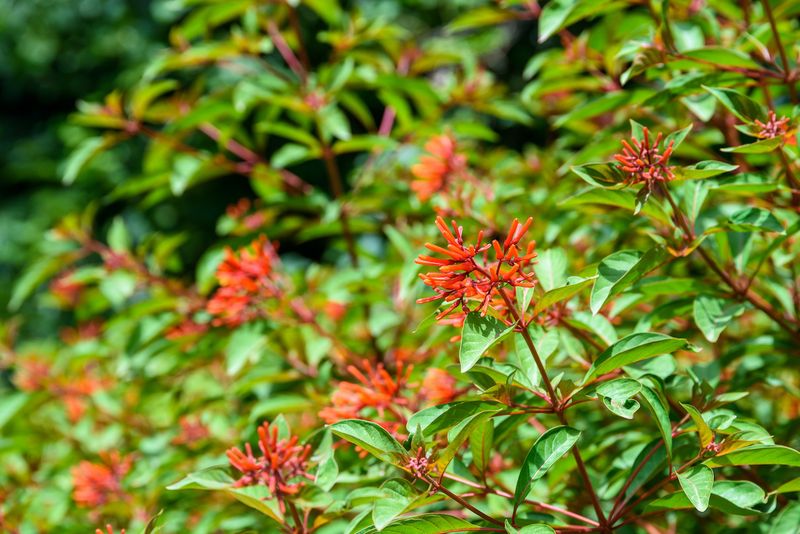
Few shrubs look more alive in summer than firebush. The orange-red tubular flowers seem to glow against the foliage, and butterflies and hummingbirds often treat the plant like a favorite stop.
For gardeners who want color plus wildlife activity, it can feel much more rewarding, and much less demanding, than a thirsty hydrangea.
Firebush shines in Florida and in the warmest parts of Texas, where long heat stretches do not scare it off. It grows quickly, blooms over a long season, and recovers well from light pruning.
In cooler parts of the South, it may die back in winter and return from the roots, which can still make it useful if you want a shrub-like presence through the warm months.
Give it sun for the heaviest bloom, though it can often handle a bit of light shade. Regular watering helps while it establishes, but once settled, firebush usually proves more adaptable than many gardeners expect.
It can also fit nicely near patios, pool areas, and back borders where bright flower color helps energize the whole space.
The big reason it belongs here is pollinator power. Firebush is not just another easy shrub with blooms.
It turns a plain bed into a livelier, more animated part of the yard, which is a different kind of payoff than hydrangeas usually provide.
9. Plumbago
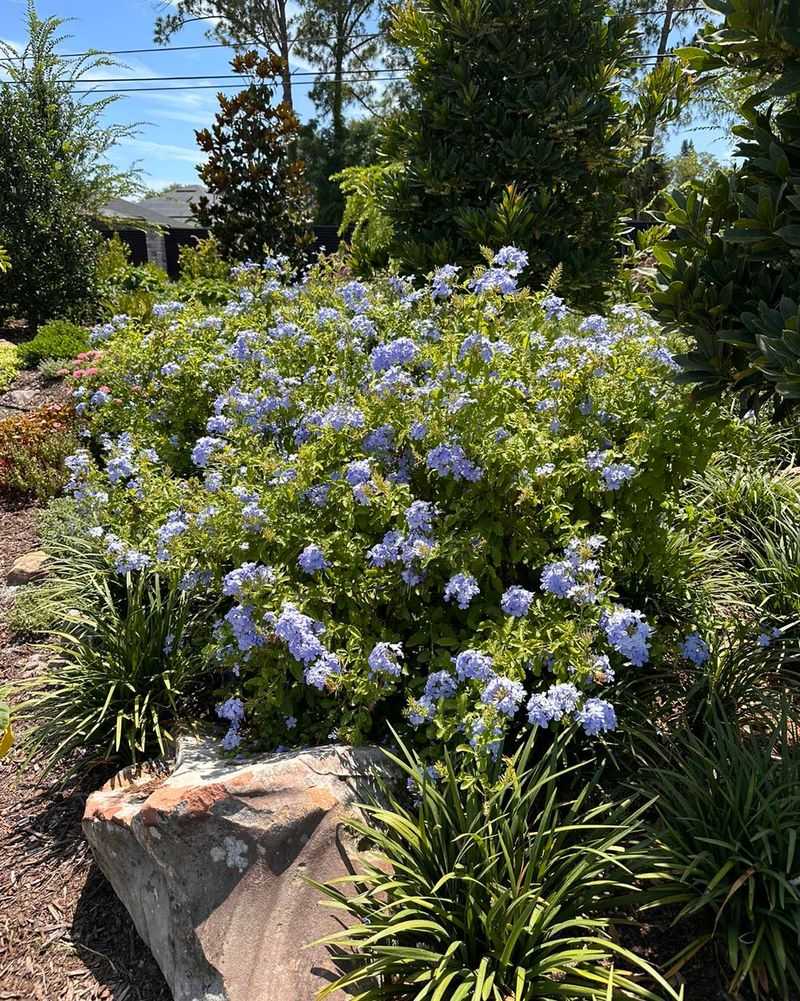
Soft blue flowers are surprisingly hard to find in shrubs, which is part of what makes plumbago so memorable. The color feels cool even in blazing weather, and the plant has an easy, relaxed habit that suits casual Southern gardens beautifully.
If hydrangeas seem too particular for your schedule, plumbago is a gentler, less stressful choice.
Florida gardeners often use plumbago for long-lasting warm-season color, and it can also do well in the milder parts of Texas. The blooms come in clusters and can continue for months, especially when the plant gets plenty of sun and a little encouragement from occasional trimming.
Its loose shape works well along fences, around patios, or spilling into mixed borders.
Plumbago is not a formal hedge shrub, and that is part of its charm. It responds well to light pruning but rarely needs precision shaping unless you want a tidier outline.
Average watering during establishment is helpful, and mature plants often handle typical Southern heat better than broad-leaved bloomers that scorch or droop.
What earns plumbago a place on this list is mood. Not every easy shrub has to be bold or heavy.
Plumbago brings a breezy, cooling look to hot landscapes, giving homeowners a flowering plant that feels effortless in both care and appearance.