
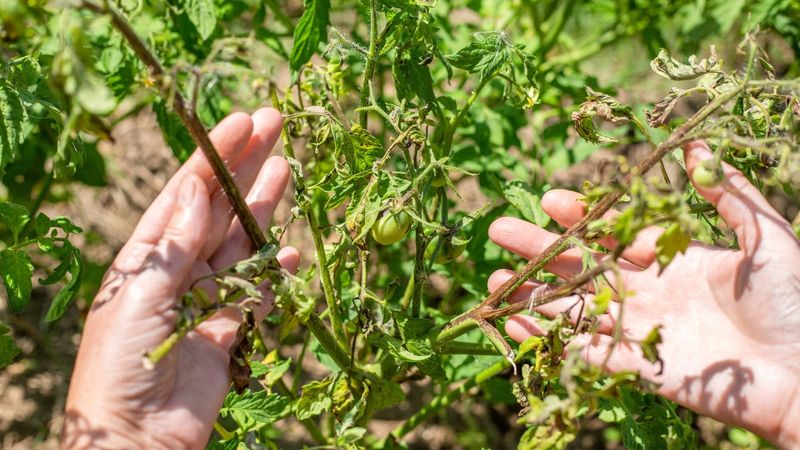
Your tomato plants look better than ever, thick with dark-green leaves, but the fruit has nearly stopped coming. August heat and fertilizer history can both play a role in that slowdown, and figuring out which one is responsible changes what you should do next. Getting the diagnosis right now matters, because the season’s last chance for new fruit is still within reach.
Lush vines suggest excess nitrogen only when the feeding history supports it
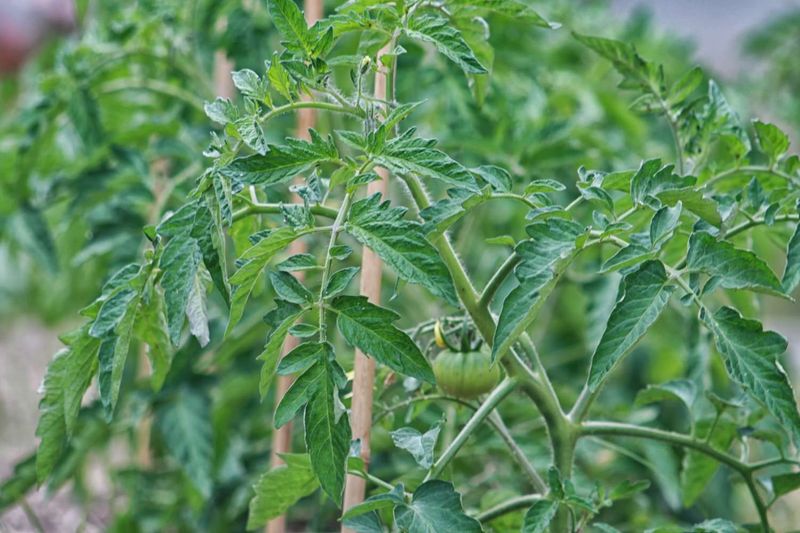
Nitrogen is a plant’s engine for building leaves and stems, and too much of it can keep a tomato running in that leafy, vegetative gear long after it should have shifted toward flowering and fruiting. University Extension programs across the country document that high nitrogen promotes dark-green, vigorous growth while delaying flowering, fruit set, and maturity. That pattern is real, but it is only part of the picture.
A tomato plant can look exactly the same way for other reasons. Indeterminate varieties naturally produce abundant foliage throughout the season. Rich native soil, generous watering, and good growing conditions can all create a plant that looks almost too healthy. Variety selection alone can account for a noticeably leafier plant than a neighbor’s garden shows.
Before blaming the fertilizer bag, review what you have actually applied over the past four to six weeks. Fish emulsion, manure teas, urea, lawn fertilizer, and repeated tomato-food products are all common sources of nitrogen that can accumulate. UMN Extension guidance on growing tomatoes cautions that nutrient diagnosis is difficult because multiple problems can produce similar symptoms. The feeding history, not the foliage alone, is what determines whether excess nitrogen deserves attention here.
August heat can stop new tomatoes on a properly fed plant
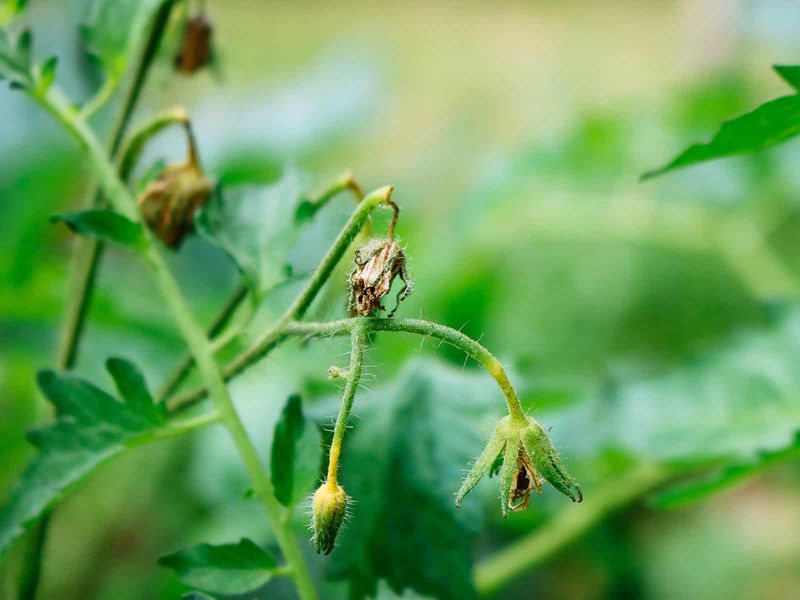
Even when fertilizer has been applied correctly, August heat can shut down fruit production on its own. High daytime temperatures and especially warm nights interfere with the entire pollination process, from pollen release and viability to germination and fertilization inside the flower. When that process fails, flowers drop or simply never develop into fruit.
UMN Extension research on heat and vegetable gardens identifies daytime temperatures around 90 degrees Fahrenheit and nighttime temperatures around 70 degrees Fahrenheit as approximate points where tomato pollination becomes unreliable. Those numbers are practical guidelines rather than precise biological switches. The actual impact depends on how long the heat lasts, humidity levels, the specific cultivar, which stage the flower has reached, and whether the plant is already under water stress.
One detail worth noting: heat tends to affect new flowers while existing fruit keeps developing. A plant with green tomatoes already on the vine may simply be stuck in a gap where heat has prevented any new flowers from setting. UGA Extension gardening guidance points out that production often resumes once temperatures moderate, meaning the plant has not necessarily lost its ability to fruit. The window to capture that late-season set is worth protecting now rather than after the heat breaks.
Pause repeated high-nitrogen feeding instead of chasing a bloom booster
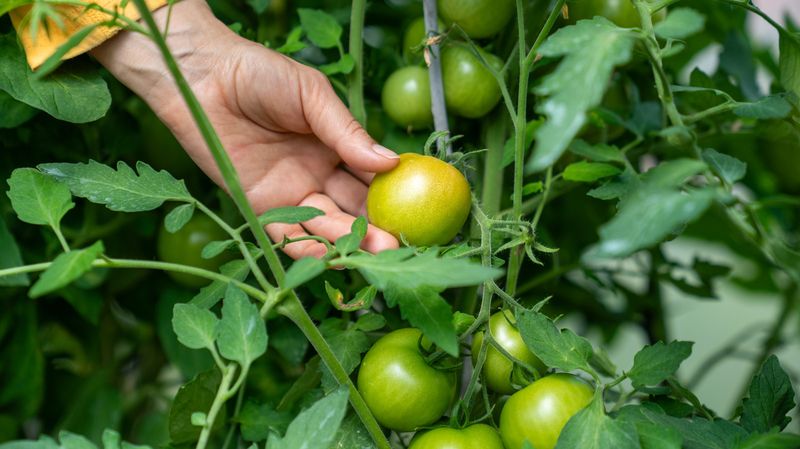
When a tomato plant is unusually leafy and the gardener has been applying nitrogen-rich products on a regular schedule, the most defensible immediate action is to pause those applications. That means stopping routine use of fish emulsion, manure teas, urea, lawn fertilizer, and repeated tomato-food products while you gather better information about what the soil and plant actually need.
That pause is a temporary diagnostic step, not a permanent ban on feeding. UMN Extension fertilizing guidance is clear that fertilizer decisions should be based on soil-test results and product-label directions rather than on visual symptoms alone. Stopping unnecessary nitrogen while you assess is safe; stopping all feeding indefinitely without knowing the soil’s status is not always the right call.
Resist the urge to substitute a bloom booster, high-phosphorus product, or potassium supplement automatically. OSU Extension nutrient management guidance and MU Extension’s fresh-market tomato publication both recommend testing and crop-specific management rather than swapping one product for another without evidence. Adding calcium, phosphorus, or potassium to soil that already has adequate levels can create nutrient imbalances and contribute to environmental runoff without helping the plant.
Check whether the problem is fruit set, ripening, or fruit damage
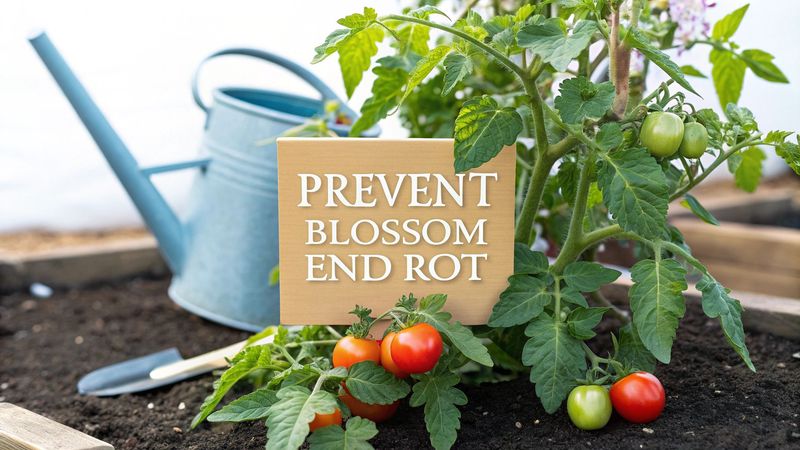
Dropped flowers, green fruit that refuses to turn red, and dark sunken spots on the bottom of developing tomatoes can all appear at the same time, but they point toward different causes and call for different responses. Lumping them together as a fertilizer problem leads to fixes that do not match what is actually happening.
When flowers fall off or no new fruit appears, the first step is to check recent temperatures, pollination conditions, plant type, watering history, and fertilizer history. UMN Extension heat research notes that temperatures above roughly 85 degrees Fahrenheit can also slow red pigment development in fruit that has already formed. A vine covered in green tomatoes that refuse to color up may simply be experiencing heat-related ripening delay rather than a nutrient failure.
Blossom-end rot is a separate problem entirely. It produces a dark, sunken, leathery lesion at the bottom of a developing fruit, not a dropped flower or a green tomato. Utah State University Extension’s tomato guide and UGA Extension’s blossom-end-rot resource both connect it to inconsistent water uptake, root damage, rapid growth, heat, and sometimes excess nitrogen. Consistent moisture management, not a calcium supplement, is the most practical first response.
Keep moisture steady while flowers and fruit face heat
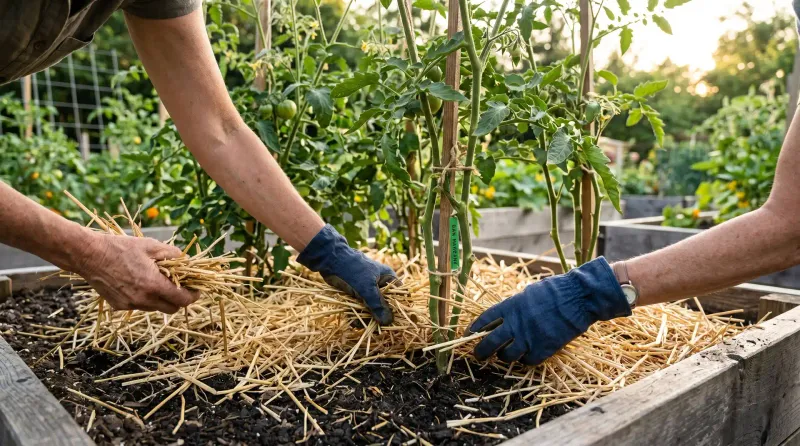
Steady soil moisture supports every part of the plant during heat stress, from root function and nutrient uptake to the water pressure inside developing fruit. Severe swings from dry to wet and back again are particularly harmful during flowering, fruit set, and fruit development, when even brief stress can cause flowers to abort or blossom-end rot to develop on fruit that is already forming.
USU Extension’s tomato growing guide recommends deep root-zone irrigation and mulch as practical tools for maintaining even moisture. Drip or soaker irrigation is worth considering where practical because it delivers water directly to the root zone while keeping foliage drier, which can reduce foliar disease pressure during humid summer weather.
Mulch applied around the base of the plant helps moderate soil temperature and slow evaporation, giving roots a more stable environment during the hottest parts of the day. Consistent moisture will not reverse flowers that heat has already damaged, and it is not a substitute for addressing fertilizer or heat problems directly. The goal here is to remove moisture stress as a compounding factor so the plant is in the best possible condition when temperatures eventually moderate.
Use temporary afternoon shade without sacrificing foliage
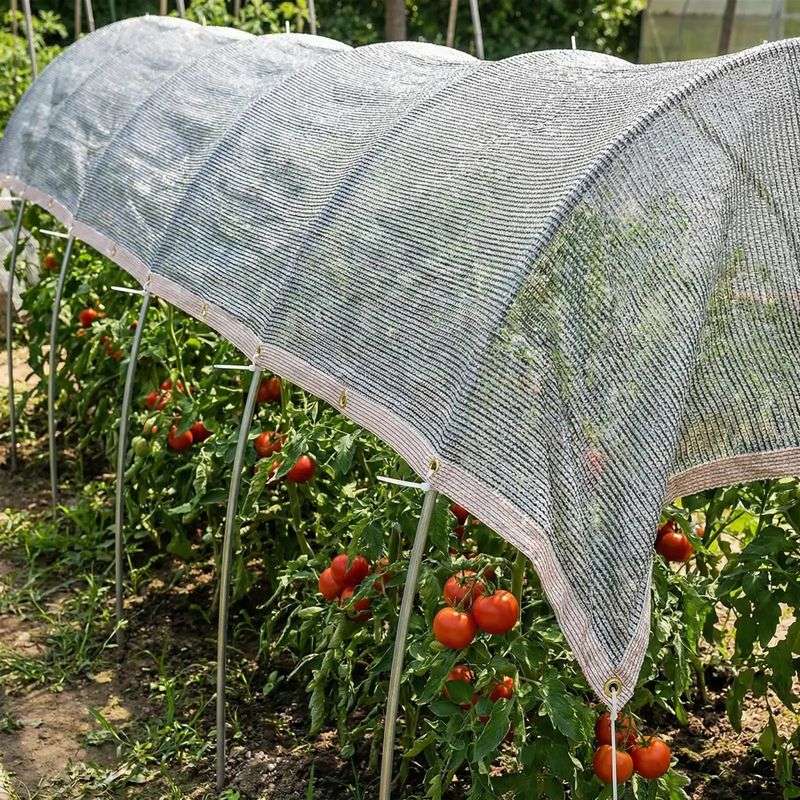
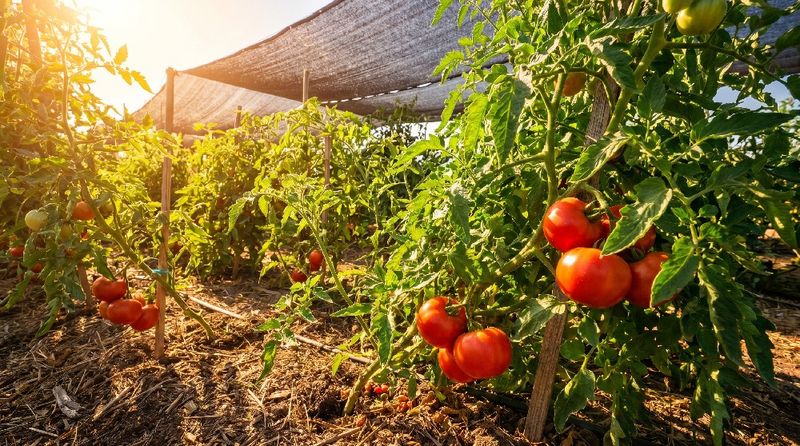
Shade cloth can reduce the intensity of afternoon sun and lower air temperature around the plant during the hottest hours of the day. UA Cooperative Extension guidance on growing tomatoes recommends approximately 20 to 40 percent shade cloth or temporary afternoon shade in very hot conditions, supported on stakes or a frame above the plant rather than laid directly on the foliage.
That last detail matters more than it might seem. Shade cloth draped tightly on leaves traps heat and moisture against the plant and can cause more harm than the sun it was meant to block. A supported structure that allows air movement underneath keeps the microclimate around the plant cooler without creating new problems.
Shade may improve conditions for future flowers, but it cannot restore flowers that heat has already damaged, and it will not guarantee that new flowers set fruit. Excessive or permanent shade creates a different problem: reduced light slows growth and can reduce flowering over time. On the pruning question, hold off on removing significant foliage during a heat wave. Leaves shade the fruit from direct sun, and removing too many of them can expose tomatoes to sunscald, which is a separate kind of heat damage that appears as pale, papery patches on the fruit surface.
A soil test helps determine whether feeding should resume
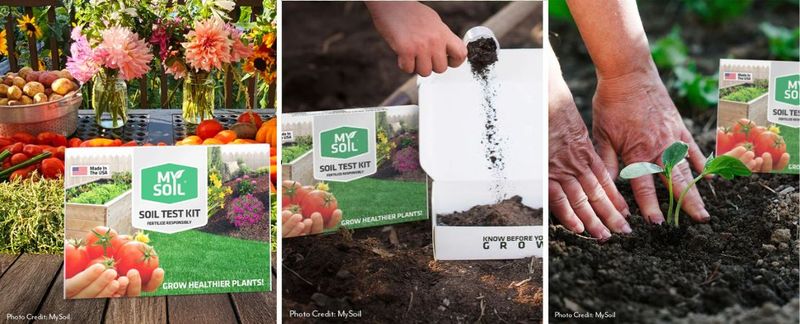
Visual symptoms can point toward a problem, but they cannot reliably confirm a nutrient diagnosis on their own. Soil testing gives you actual measurements of nitrogen, phosphorus, potassium, pH, and calcium in your specific garden soil, which makes any subsequent feeding decision far more defensible than guessing from the plant’s appearance.
UMN Extension’s fertilizing guide is explicit that soil-test results need to be interpreted alongside plant symptoms, crop guidance, soil conditions, cultivar, production system, and product-label directions. A number on a lab report does not translate directly into a fertilizer action without that context. Tissue testing is a more specialized option for in-season assessment, particularly for commercial-scale growers, but it is less commonly available to home gardeners.
One situation where nitrogen genuinely may be running low later in the season is a garden with low organic matter. Colorado State University Extension’s tomato resource notes that these soils can run short of nitrogen during the growing season, with older leaves yellowing and yield declining as a result. If testing or crop guidance identifies a real need, a measured sidedress application guided by the product label is a reasonable response. What Extension sources consistently advise against is repeated blanket feeding without evidence of need, regardless of what a product label’s suggested schedule says.
Skip rescue products that do not match the evidence
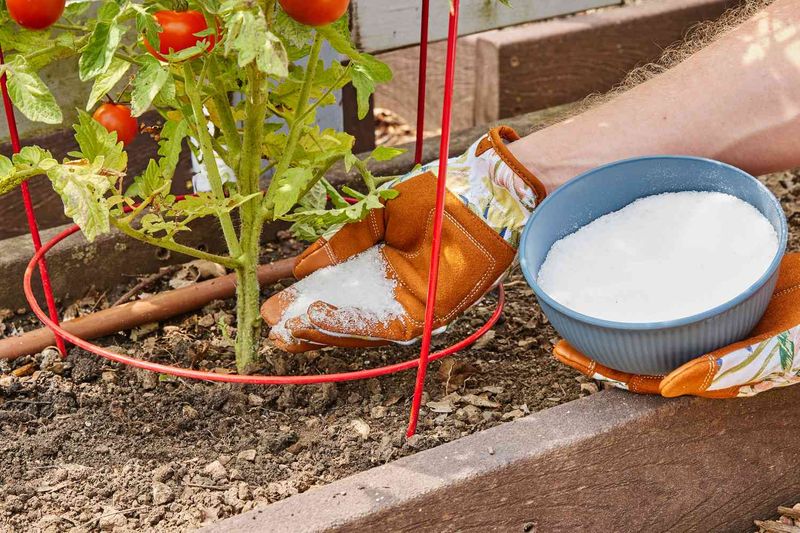
When tomatoes stall, the garden center aisle can look very appealing. Bloom boosters promise more flowers. Potassium supplements claim to support fruiting. Calcium sprays market themselves as blossom-end-rot cures.
Epsom salts show up in gardening forums as a fix for almost everything. Most of these products are not harmful in the right situation, but applying them without evidence of a matching deficiency rarely helps and can make things worse.
OSU Extension nutrient management research cautions that adding phosphorus to soil that already has adequate levels is ineffective and contributes to runoff pollution. MU Extension’s tomato production guidance similarly frames potassium as a nutrient to apply when testing identifies a need, not as an automatic supplement because fruiting has begun. Excess nutrients can create imbalances that affect the uptake of other nutrients the plant actually does need.
UMN Extension’s review of common soil home remedies finds that Epsom salts do not prevent blossom-end rot and may worsen magnesium-calcium balance when magnesium is already adequate. For blossom-end rot, UGA Extension’s blossom-end-rot resource points to consistent moisture as the most practical intervention. One firm warning applies across all of this: never use lawn weed-and-feed products or any fertilizer containing herbicide near tomatoes. UMN Extension’s tomato guide warns that fertilizer containing weed killer can kill vegetable plants outright.
Pause unneeded nitrogen, protect the plant, and reassess after the heat
A leafy tomato plant with a recent history of frequent high-nitrogen feeding should not receive another routine application right now. Pausing those applications is the one feeding change that makes sense as an immediate step, and it carries low risk whether nitrogen excess or heat turns out to be the bigger problem.
From there, three actions cover the most ground: hold off on unsupported nitrogen products, keep soil moisture even and reduce extreme heat exposure where practical using mulch, deep irrigation, and temporary shade, and use soil testing along with crop guidance to direct any future fertilizer decision. UMN Extension heat research and UMN Extension fertilizing guidance both support this sequence as a starting point rather than a guaranteed cure.
Flowers already damaged by heat will not come back. Later flowers, though, can still set fruit once conditions moderate, and that window is what these steps are designed to protect. The most useful thing a gardener can do right now is stop adding stress and start gathering real information.