
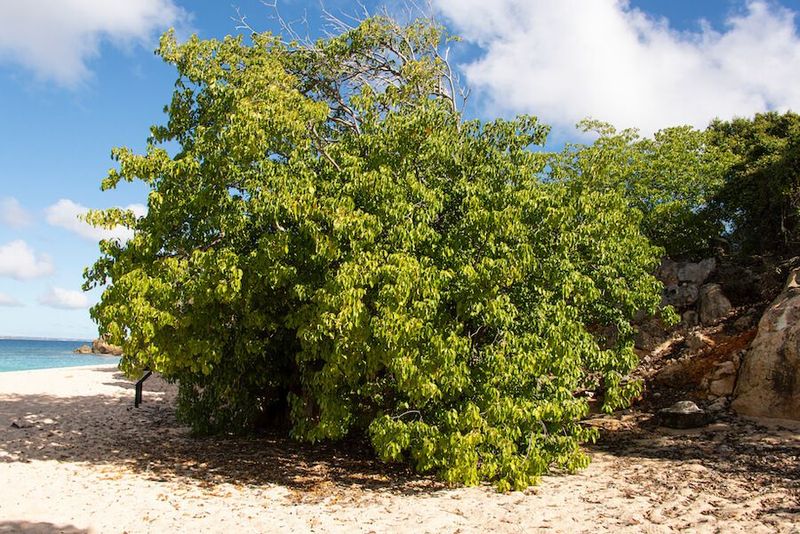
Most Floridians know to watch their step for snakes, but few know to watch for a small, apple-bearing tree along the coast. Manchineel is a real hazard, with sap, fruit, and smoke that can all cause harm.
It grows in only a small part of the state, though, so the facts matter more than the scary stories. Here is how to spot it from a safe distance and what to do if you ever cross paths with it.
Manchineel is a coastal South Florida hazard, not a routine statewide backyard tree
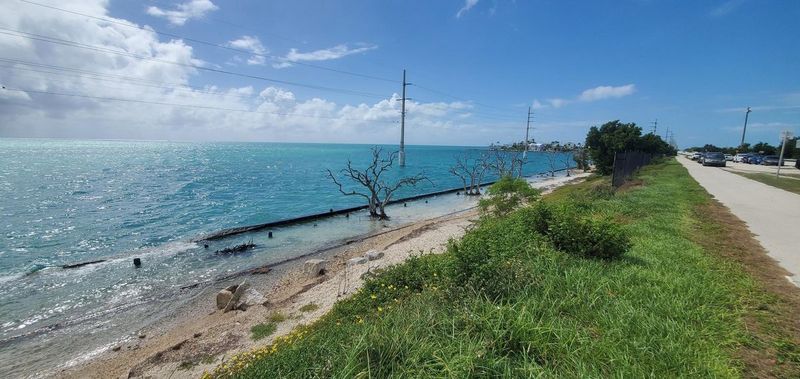
Manchineel gets a lot of dramatic press, but its real range in Florida is small. UF/IFAS Extension describes it as a tree of seacoasts and brackish swamps, often growing among mangroves.
It is native to southern Florida and the Keys.
Florida’s endangered plant records place it in Miami-Dade and Monroe counties. There it turns up in rockland and maritime hammocks and in tidal swamps.
If you garden in Tampa, Orlando, or the Panhandle, you are very unlikely to find one in your yard.
That is why the state’s list of endangered and threatened plants matters here. Manchineel is protected because wild populations are scarce, not because it is sprouting in neighborhoods everywhere.
Calling it a common backyard menace would be a stretch.
A better way to think about it is as a place-based hazard. Hikers, beachgoers, boaters, and homeowners near coastal hammocks and tidal areas of the Keys and Miami-Dade should know what it is.
Everyone else can simply be curious about it.
Knowing the map takes some of the fear out of the topic. You can stay alert in the right places without worrying about every green tree you pass.
How to recognize a suspected manchineel without touching it
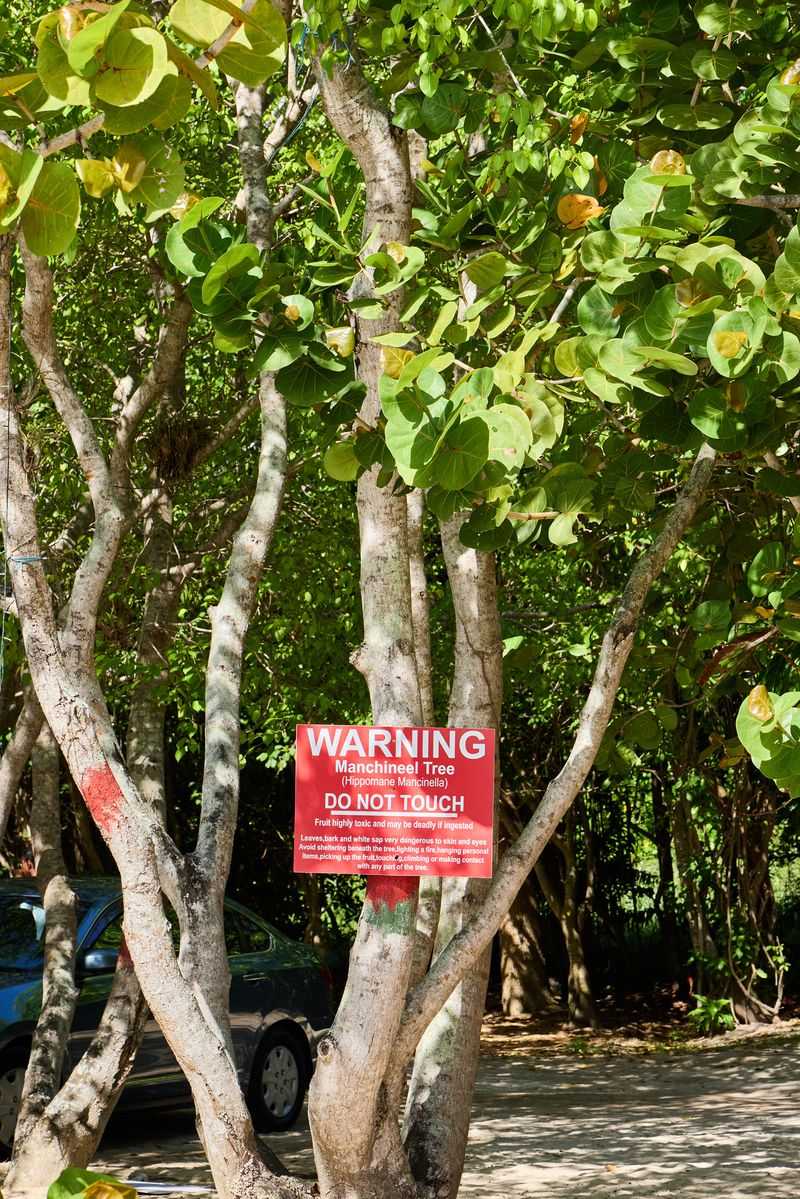
Spotting a suspected manchineel starts with your eyes and stays there. UF/IFAS lists a few visual clues.
Look for glossy-looking leaves with finely toothed edges, reddish-gray bark that looks cracked, and small apple-like fruit.
The fruit is green to greenish-yellow and roughly 1 to 2 inches across. That size and color can fool people into thinking it is a crabapple or a small tropical fruit.
Treat that resemblance as a reason to back away.
These traits are only clues. Plenty of coastal plants have shiny leaves, and a tree can look different depending on its age and the season.
Only an expert can confirm what you are looking at.
So what should you do if a tree in a coastal hammock ticks a few boxes? Take a photo from a distance and note the location.
Then share it with a county extension office or a native plant professional.
Do not touch the leaves, pick up fallen fruit, scrape the bark, or taste anything to test your guess. A good ID habit is to let the tree stay exactly as you found it.
Sap, fruit, and smoke create different exposure risks
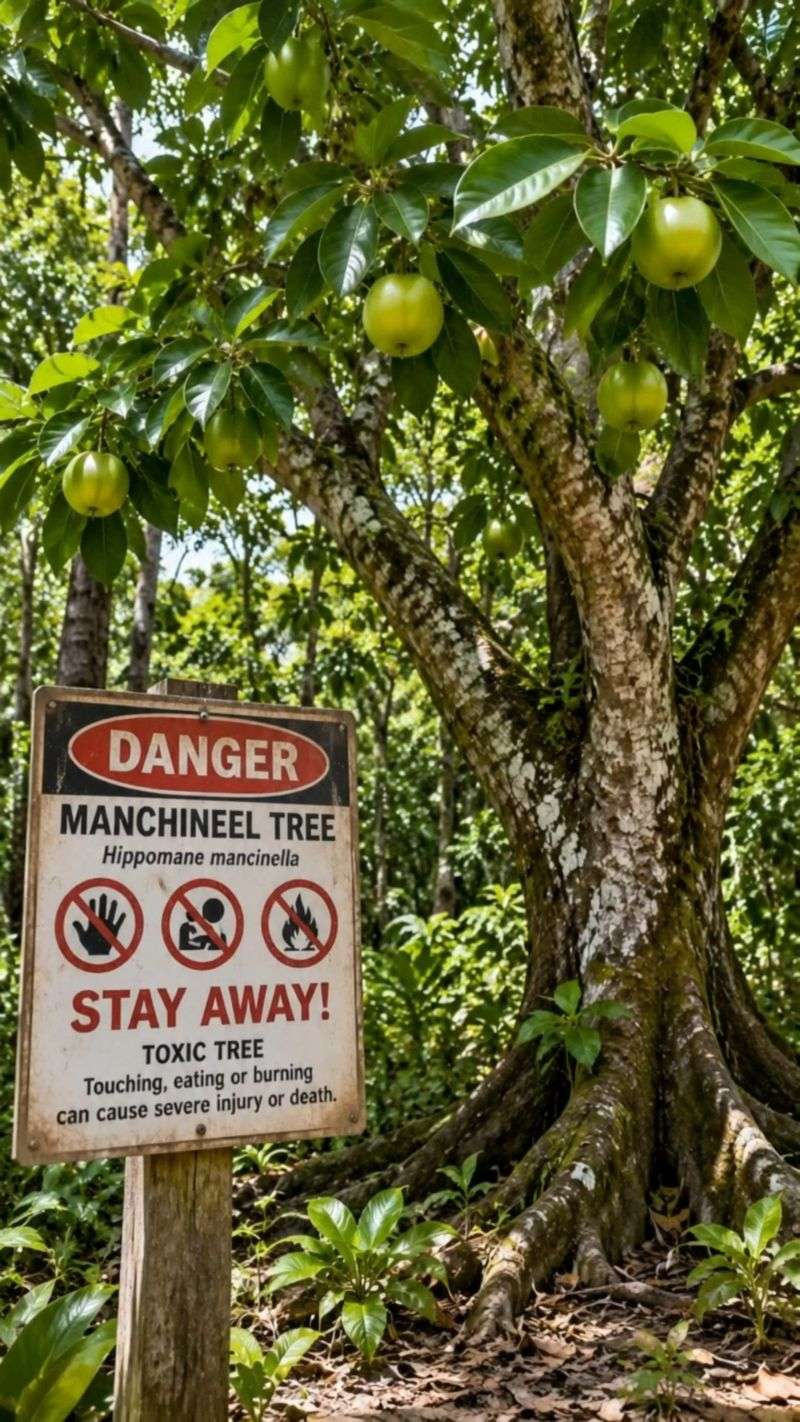
Manchineel can cause trouble in three different ways, and each one works a little differently. Its milky sap can cause blistering skin irritation.
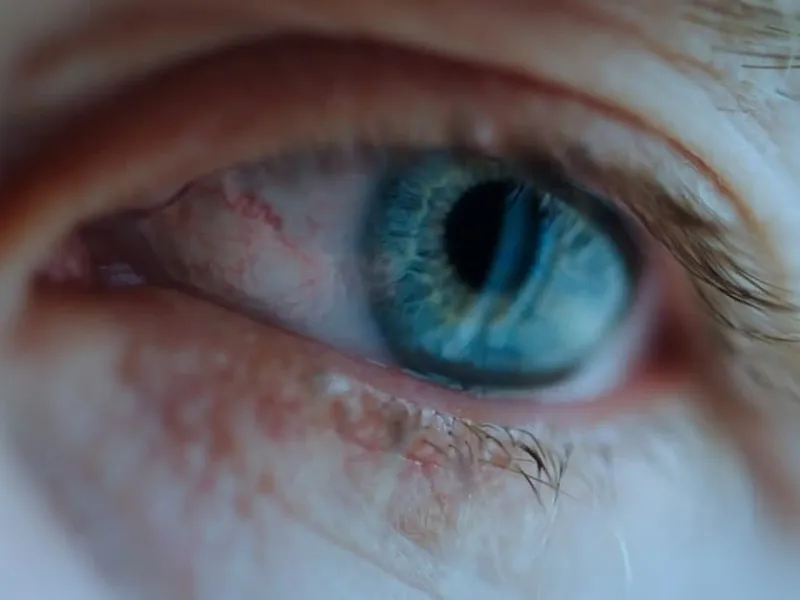
If sap reaches the eyes, UF/IFAS notes it can lead to serious inflammation.
Eating the fruit is another route. It can injure the mouth and digestive tract.
Extension materials use strong language about potential lethality, so the fruit deserves real respect.
Fresh numbers help put that in perspective. A retrospective study of 97 fruit poisoning cases found that mouth and throat pain, irritation, abdominal pain, and diarrhea were common.
Serious complications were rare in that series, with one case of laryngeal edema and one of slowed heart rate. A single bite is not automatically fatal, but nobody should test that.
Smoke is the third route. Burning manchineel wood can irritate the eyes, and eye inflammation and temporary blindness have been reported.
That does not mean every whiff of smoke leads to blindness, but it is a good reason to never burn driftwood or brush you cannot identify.
In short, harm depends on how the exposure happens and how much. Sap on skin, fruit in the mouth, and smoke in the eyes are separate problems that call for separate precautions.
The snake comparison has no proven winner
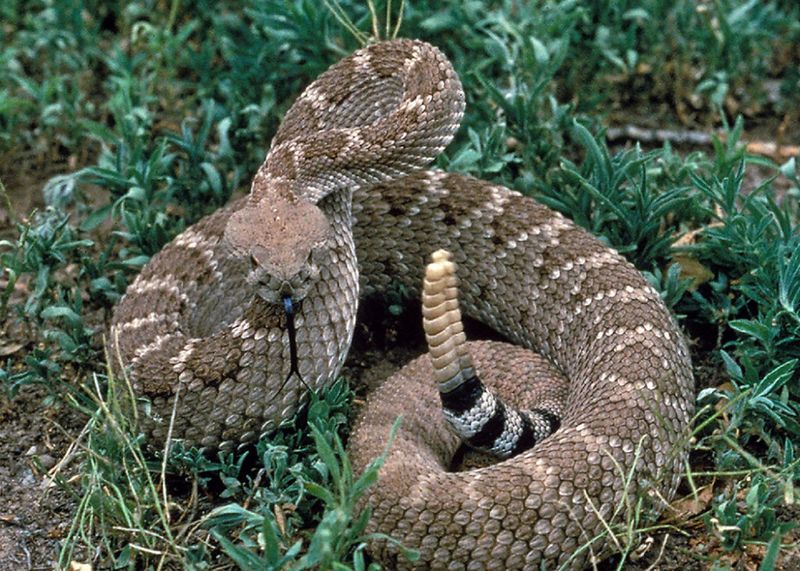
Headlines love a showdown, but no data crown a winner between manchineel and Florida’s venomous snakes. Nobody has measured the two against each other in Florida.
The two hazards are simply different, so a ranking would be guesswork.
Snakes are easier to put in context. Florida’s Poison Control Centers note that most snake species in the state are nonvenomous.
Bites from venomous species, though, can require immediate medical care.
That is a practical rule worth keeping. If you think a venomous snake has bitten you, get medical help right away rather than waiting to see what happens.
Manchineel works differently. It stays rooted in one spot, and trouble starts only when someone touches it, eats it, or burns it.
Snakes move and may surprise you, while the tree is a stationary hazard you can learn to avoid.
So the useful takeaway is not who wins. Each deserves its own sensible precautions, and both are best admired from a safe distance.
Avoid contact, including sheltering beneath a suspected tree in rain
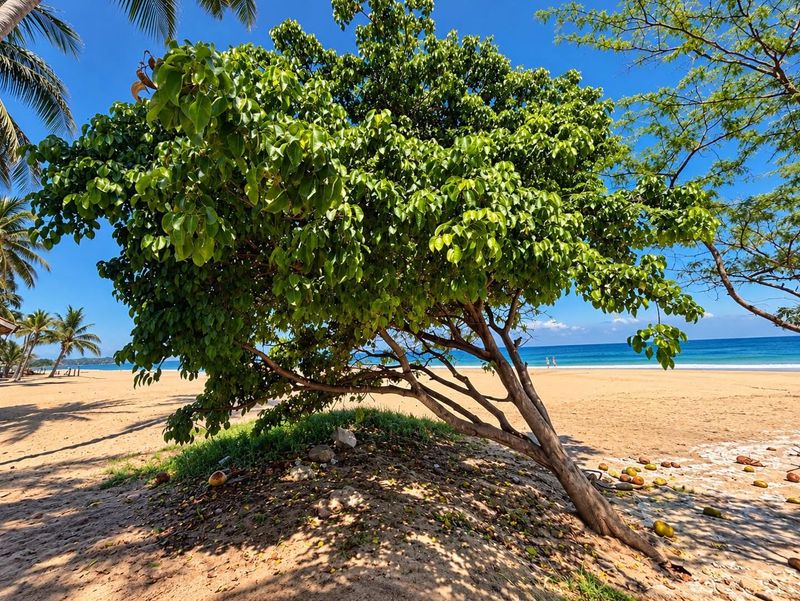
Prevention here is refreshingly simple: keep your hands, mouth, and lighter away from it. Do not touch or eat any part of a suspected manchineel.
Skip the sap and any fresh-cut wood, and never burn it.
Rain adds a twist. UF/IFAS advises against standing under the tree during a shower, since water dripping off it may carry sap.
A published clinical report backs up that caution. Doctors described dermatitis in students who sheltered under one during a rainstorm.
It is one documented case, not proof that everyone who ducks under a tree gets hurt.
Here is a handy habit for beach walks in the Keys or Miami-Dade. If rain starts, pick a spot you can confidently identify, such as a building or pavilion, instead of the nearest leafy tree.
If you do suspect manchineel, simply walk away. Do not pick up a fruit for a closer look or snap a twig to see the sap.
Leaving the area is the safest way to investigate.
Rinse exposure promptly and contact Poison Help
If you think you have been exposed, start by leaving the area. Then match your response to the route of exposure.
Quick action usually helps.
For skin contact, Poison Control’s first aid guidance says to rinse with running water for at least 15 minutes. For eyes, rinse for 15 to 20 minutes.
Keep the water flowing gently and do not rub.
If you breathed in smoke, move to fresh air right away. Get away from the fire and anyone burning wood nearby.
Next, call Poison Help at 1-800-222-1222. HRSA’s Poison Help page explains that not every contact with a poison leads to poisoning, and that risk depends on the route and circumstances.
A specialist can give advice that fits your situation.
Severe symptoms, such as trouble breathing, call for emergency care. Call 911 or go to the nearest emergency room instead of waiting.
If you can, tell responders you may have touched a manchineel.
This advice is no substitute for a medical assessment. It is simply what to do in the first few minutes while help is on the way.
Leave suspected-tree removal to qualified people
Finding a suspected manchineel on your property can feel like an emergency, but grabbing a saw is the wrong response. Manchineel is state-listed as endangered.
That legal status changes what you can do.
The Florida Department of Agriculture and Consumer Services says harvesting or collecting an endangered plant or its parts requires landowner permission and an FDACS permit. That covers cutting, collecting, and gathering pieces of the plant.
Safety points the same way. Sap on skin, flying wood chips, and smoke from burning debris are all ways a do-it-yourself job could go wrong.
Mistaking another plant for manchineel, or the reverse, is also easy.
A better plan is to keep people and pets away, mark the area with a visible barrier from a distance, and ask for guidance. Your county extension office, FDACS, or a qualified arborist or native plant specialist can help sort out identification and next steps.
The state’s endangered plant notes are a useful reference for those conversations.
Some plants earn respect from afar. Manchineel is one of them.