
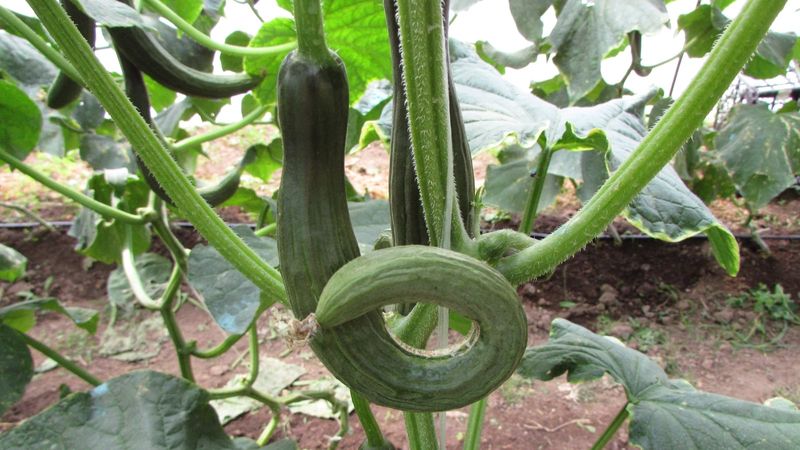
Pulling a cucumber off the vine and finding one end fat and swollen while the other tapers into a narrow point is genuinely puzzling. Uneven watering during fruit development is one recognized cause, but poor pollination can produce the exact same shape. Before making any changes, it helps to look at the whole picture: soil moisture, flower activity, recent weather, and what the rest of the plant is doing.
The shape is a clue, not a diagnosis
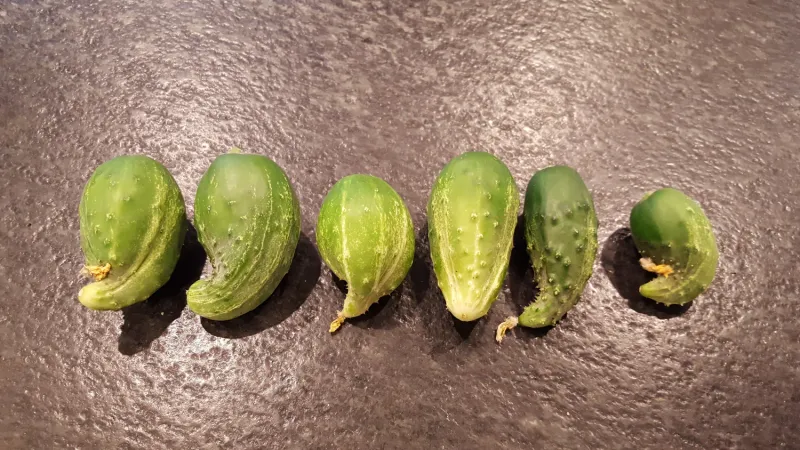
A cucumber that balloons at one end and narrows to a point or pinch at the other is sending a signal, but that signal has more than one possible meaning. Utah State University Extension irrigation guidance links inconsistent moisture during flowering and fruit development with misshapen fruit, uneven sizing, and pointed ends. That connection is real and worth taking seriously.
The catch is that poor pollination can produce fruit that looks almost identical. UC IPM’s cucurbit pollination resource describes fruit that is small, deformed, or underdeveloped at one end as a common result of incomplete pollination. Low bee activity, rainy or cool weather, extreme heat, and insecticide exposure can all reduce pollination quality.
Physical injury, temperature swings, disease, and variety characteristics can also play a role. Treating the shape as a confirmed diagnosis rather than a starting clue risks fixing the wrong thing. A more useful approach is to compare watering history alongside flower activity, recent weather patterns, plant appearance, and any signs of physical damage before settling on a cause.
How uneven moisture can distort new fruit
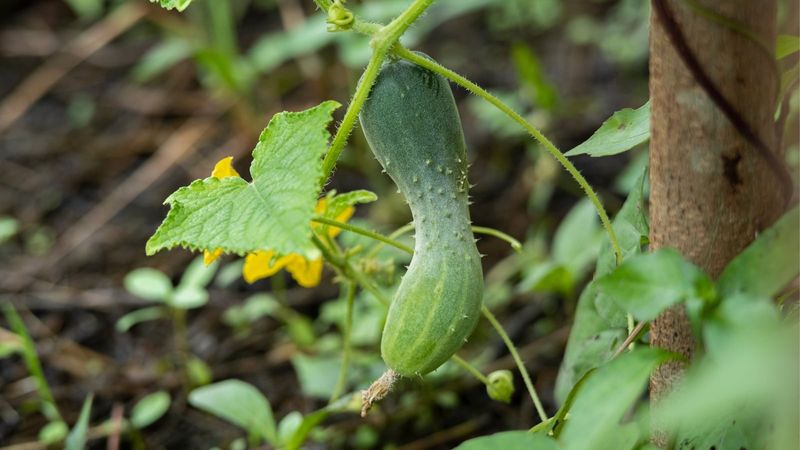
Cucumbers are mostly water by weight, and the cells that form a young fruit depend on a steady supply of moisture to expand evenly. When soil moisture swings between dry and wet during the weeks a fruit is sizing up, different parts of the fruit may receive unequal resources at different moments, leading to uneven cell development and irregular shape.
According to UC Master Gardeners of Sacramento County guidance on summer abiotic disorders, moisture stress during critical growth windows can affect fruit size, flavor, and texture alongside shape. A cucumber that experiences a dry spell early in development and then receives heavy water later may show a narrow section that corresponds to the drought period, followed by a fuller section that formed after watering resumed.
Heat and drought can also reduce pollinator visits and pollen quality at the same time they stress the plant, so a misshapen fruit during a hot, dry stretch may reflect overlapping causes rather than one clean explanation. Moisture stress does not automatically explain every pointed or pinched cucumber, but it is a plausible contributing factor worth examining alongside pollination conditions and weather history.
Stabilize the root zone without overwatering
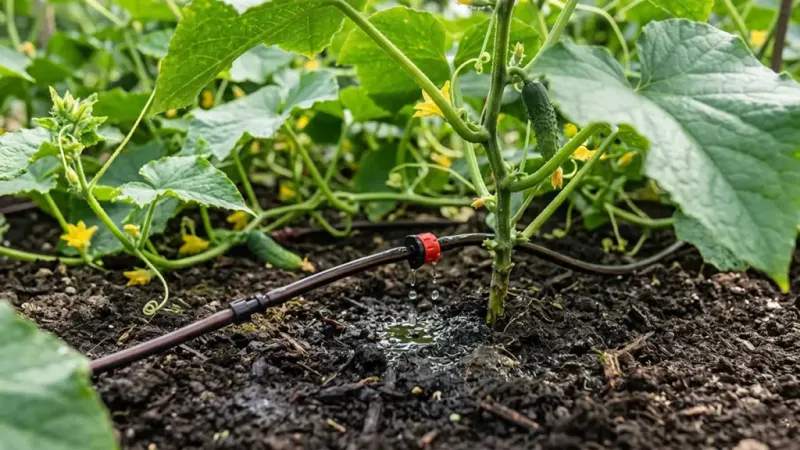
Checking the soil before reaching for the hose is the most practical first step. Push a finger or a narrow trowel a few inches into the root zone near the base of the plant. If the soil feels dry at that depth, water thoroughly. If it still feels moist, wait and check again in a day or two.
University of Minnesota Extension’s cucumber growing guide suggests roughly 1 inch of water per week from rainfall or irrigation as a reasonable starting point, with the understanding that hot weather, sandy soils, containers, trellised plants, and peak fruit development can all push that number higher. This is a flexible guideline, not a fixed prescription. Heavy clay soils hold moisture longer and may need less frequent watering, while containers and sandy beds dry out faster and may need more attention.
Deep, infrequent watering encourages roots to follow moisture downward, which makes plants more resilient during brief dry spells. Light, frequent sprinkles wet only the top inch or two and do little for a plant under heat stress. Drip irrigation, a soaker hose, or careful hand-watering at soil level delivers moisture more evenly than overhead sprinklers and keeps foliage drier, which helps reduce fungal disease pressure.
Mulch laid 2 to 3 inches deep around the base of the plant slows evaporation and can noticeably reduce how often watering is needed. Aim for evenly moist soil throughout the root zone. Saturated soil is not the goal: excess moisture can encourage root rots, fruit rots, cracking, and foliar disease, all of which create their own problems on top of shape issues.
Check pollination before blaming irrigation
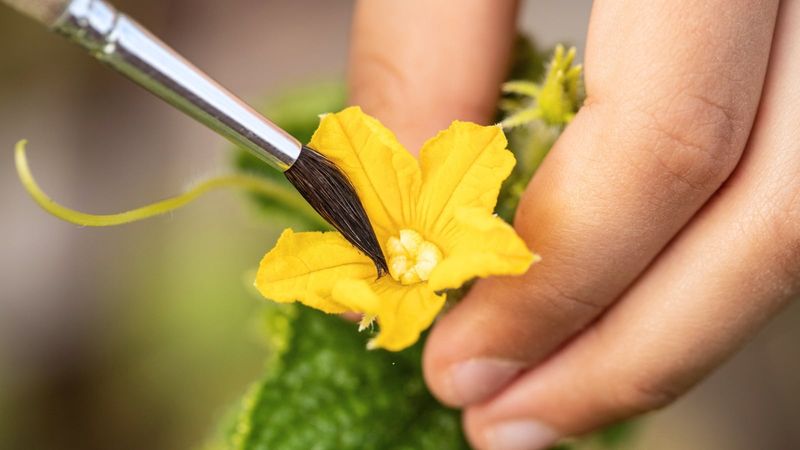
Pollination is worth examining closely before concluding that watering is the problem. When a cucumber flower receives incomplete or no pollen transfer, the developing fruit often grows poorly at the blossom end, producing a shape that is narrow, flat, or underdeveloped on one side. UC IPM’s guide to poor pollination in cucurbits identifies low bee activity, cool or rainy weather, excessive heat, and insecticide exposure as conditions that can all reduce pollination success in garden cucumbers.
A few practical questions can help distinguish a pollination problem from a moisture issue. Were bees or other insects visiting flowers during the period when the affected fruit was forming? Did the weather turn unusually cool, rainy, or hot around that time? Were any pesticides applied near bloom?
If flower visits seem low, hand-pollination is a reasonable troubleshooting step: use a small artist’s brush to transfer pollen from an open male flower (the one without a tiny fruit at its base) to the sticky center of a female flower. University of Minnesota Extension notes on pollination requirements support this approach when insect activity is inadequate.
One important distinction: most standard backyard cucumber varieties require pollination to set fruit. Parthenocarpic varieties, which are bred for greenhouse and high-tunnel production, can set fruit without pollination. For those specialty types, pollination can actually cause seeded, curved, or irregular fruit. If you are growing a parthenocarpic variety, check the seed packet before assuming that low pollinator activity is the issue.
When insecticides are needed for another pest problem, EPA guidance on protecting pollinators from pesticides recommends avoiding unnecessary applications, never spraying blooming flowers or active pollinators, minimizing drift, and following the product label. Label directions take priority over any general timing rule.
Look for clues that point elsewhere
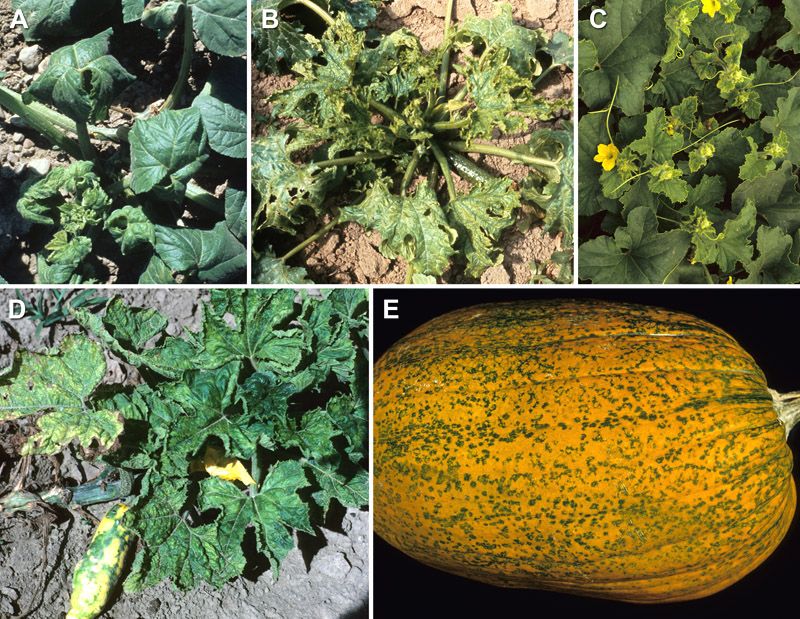
When stabilizing moisture and observing pollination conditions does not lead to better-shaped fruit on subsequent flushes, other factors deserve attention. Variety characteristics are worth checking first: some cucumber types naturally produce more curved or irregular fruit, and the seed packet or catalog description may confirm this. Temperature stress at either extreme can also affect fruit development. Prolonged exposure to temperatures below about 65 degrees Fahrenheit during fruit set can interfere with normal sizing in some varieties.
Penn State Extension’s high-tunnel cucumber guide identifies low fertility and boron toxicity as separate possibilities when misshapen fruit persists. These two conditions point in opposite directions, which is why adding fertilizer without testing first can make things worse rather than better. A soil test is a more reliable guide than guessing at what might be missing or excessive.
Mechanical injury from a trellis wire, a clip, or an animal brushing against a young fruit can create a localized pinch that has nothing to do with water or pollination. Check developing fruit for any points of contact or pressure.
Disease is a more serious possibility when misshapen fruit appears alongside other plant symptoms. University of Minnesota Extension’s plant diagnostic tool lists mottled or mosaic leaves, stunted growth, distorted new growth, and reduced overall vigor as warning signs that may indicate a viral infection. UC IPM’s cucumber mosaic resource confirms that virus-related distortion often shows up across multiple fruits and plant parts at once. Adjusting watering will not resolve a virus, and plants with severe symptoms may need to be removed to protect neighboring plants.
Manage the fruit that has already formed
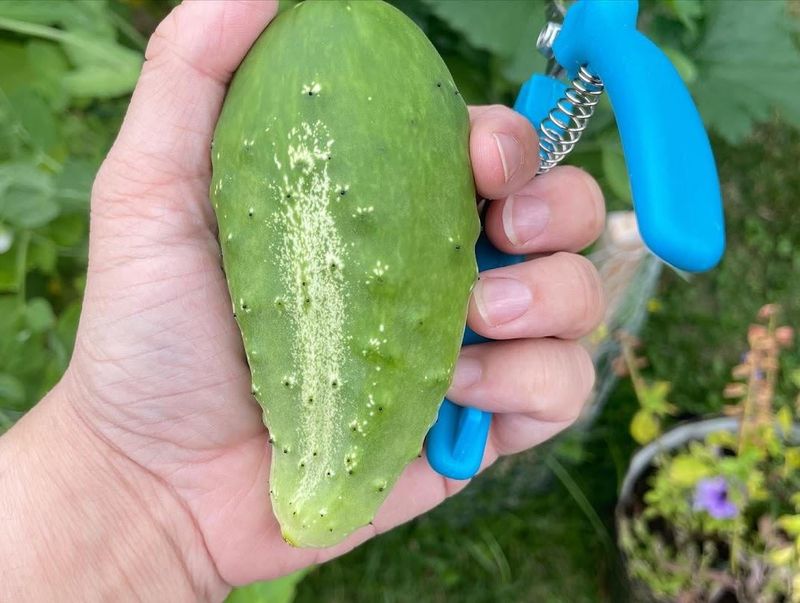
Realistic expectations matter here. A cucumber that has already developed a fat section and a narrow section will not gradually straighten as it continues to mature. The cells that formed unevenly are fixed in place, and no change in watering, feeding, or care will reshape fruit that has already sized up that way.
The more useful move is to remove badly misshapen or overmature fruit from the vine promptly. Utah State University Extension’s cucumber growing guide recommends removing large or missed cucumbers to keep the plant focused on producing new fruit rather than maturing seed inside old ones. Leaving an overripe cucumber on the vine sends a signal to the plant that its reproductive work is done, which can slow or stop new fruit production.
Mississippi State University Extension’s cucumber page reinforces the importance of frequent harvesting because cucumbers grow rapidly after pollination. Checking the vines every day or two during peak season prevents fruit from slipping past the ideal harvest window. Once moisture is more consistent and pollination conditions improve, new fruit forming under those better conditions has a reasonable chance of developing more evenly. One misshapen fruit does not by itself identify the cause or predict what the rest of the harvest will look like.
Decide whether the cucumber is cosmetic or unsafe
Shape alone is not a reliable indicator of whether a cucumber is safe to eat. A fruit that grew crooked, pinched, or lopsided due to moisture variation or incomplete pollination may look unusual but still have firm flesh, normal color inside, and a mild flavor. Cosmetic irregularity by itself does not make a cucumber inedible.
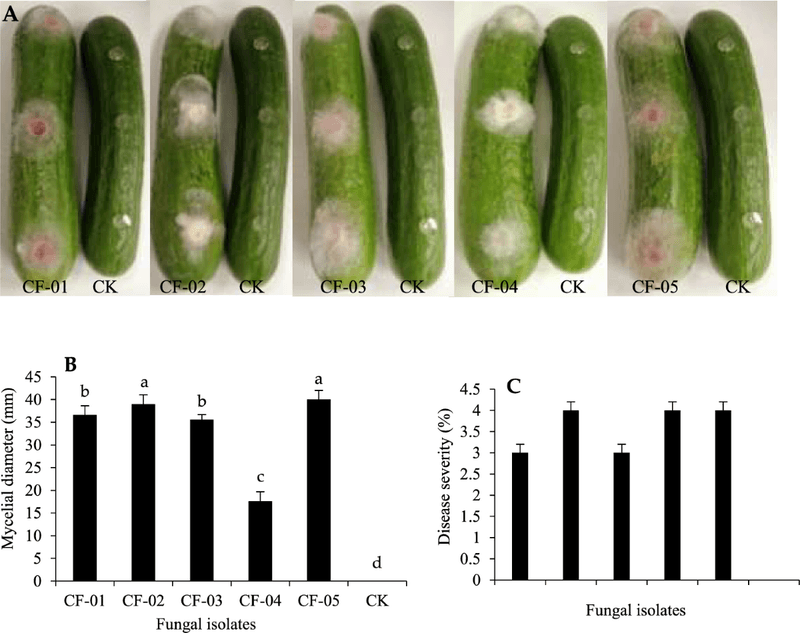
UC Davis vegetable research guidance on cucumbers notes that deformed fruit can be edible. The more important evaluation is what the fruit feels and looks like beyond its shape. Soft spots, sunken areas, visible mold, unusual lesions, or a foul smell are signs that the fruit has deteriorated and should not be eaten, regardless of whether its shape looks normal or not.
Fruit that appears alongside disease symptoms on the plant, particularly mosaic or mottled foliage, warrants more caution. While the virus itself does not make the cucumber toxic, fruit from a heavily infected plant may be bitter, poorly developed, or already partially decayed. Evaluate the whole plant, not just the individual fruit, before deciding what to do with the harvest. When in doubt about a fruit that shows lesions or unusual internal discoloration, discarding it is the safer choice.
Use the next fruit to test your diagnosis
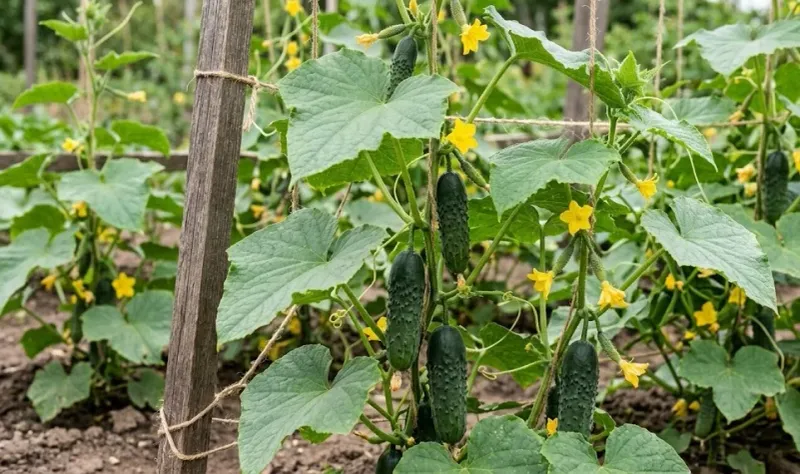
The fruit forming right now on the vine is where any changes you make will show up first. Start by checking root-zone moisture and adjusting your watering approach as described earlier. Then spend a few minutes observing the flowers: are bees or other insects visiting? Are male and female flowers open at the same time?
USU Extension irrigation guidance and UC IPM pollination guidance both point to the same approach: assess conditions together rather than acting on a single variable.
If the next wave of fruit develops with better shape under steadier moisture and good pollinator activity, moisture was likely a contributing factor. If distortion continues despite those improvements, shift attention toward variety, temperature patterns, fertility, disease, or physical injury. USU’s cucumber growing resource is a useful reference as you work through those possibilities. A garden that produces one odd cucumber has not failed; the next fruit is your best evidence.