
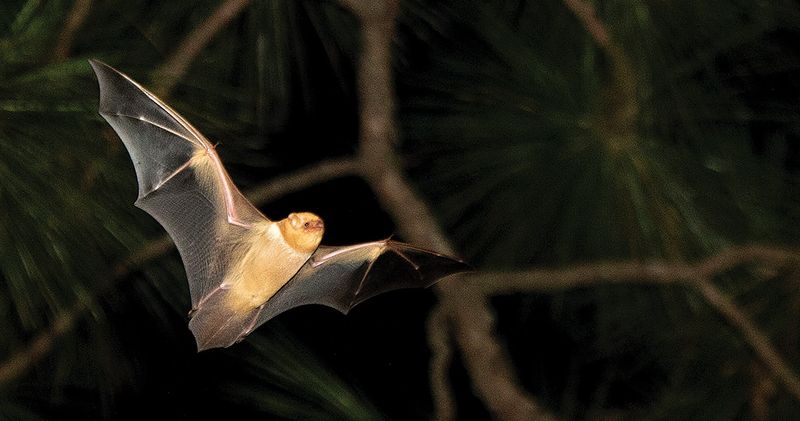
North Carolina summers bring fireflies, garden tomatoes, and unfortunately, clouds of mosquitoes that can make an evening outside feel unbearable. Bats are one of the state’s most overlooked native allies, quietly hunting insects after dark while most homeowners are reaching for the bug spray. Encouraging bats to roost near your yard is a genuine conservation win, and it may come with some incidental mosquito reduction on the side. This guide explains what the research actually shows, what steps help bats thrive, and what you still need to do on your own to keep your family protected.
Bats eat mosquitoes, but they do not guarantee a cooler summer yard
Every summer, the idea spreads across neighborhood Facebook groups: put up a bat house and watch your mosquito problem disappear. The reality is more interesting and more complicated than that. North Carolina bats genuinely do eat mosquitoes, and recent science confirms it with hard evidence rather than folklore.
A 2022 study used DNA analysis to identify mosquito species in the guano of three bat species common to the southeastern United States. That research detected 17 mosquito species in bat droppings, including six that are known arbovirus vectors, meaning mosquitoes capable of spreading diseases such as West Nile virus and Eastern equine encephalitis. Bats are clearly eating the kinds of mosquitoes that public-health officials worry about.
What the same study could not confirm was whether that predation actually reduces mosquito populations or disease risk at the scale of a single yard. The authors specifically called for more research to answer that question. Mosquito consumption varies with bat species, habitat type, season, temperature, and the time of night, so a figure you may have heard, such as one bat eating thousands of mosquitoes per night, is not a reliable prediction for your property.
Bats are also generalist hunters. A 2018 Wisconsin study found mosquito DNA in about 72 percent of little brown bat samples and 33 percent of big brown bat samples, but both species were also eating moths, beetles, flies, gnats, lacewings, and other insects. What a bat eats on a given night depends on what is available.
NC State Extension notes that while bats do consume mosquitoes, they do not have a significant impact on mosquito populations. That is the honest baseline. A bat house is best understood as a wildlife stewardship project that may bring some incidental insect control along with it, rather than a replacement for the mosquito-prevention steps covered later in this guide.
A bat-friendly yard starts with habitat, not a box

Before ordering a bat house online, take a walk around your yard and ask a simpler question: is there anything here a bat could already use? Mature trees with loose bark, natural cavities, and standing dead wood, called snags, are the roosting habitat that North Carolina bats evolved to use. Protecting what you already have is more valuable than adding a structure to a yard that has been stripped bare.
North Carolina is home to 17 bat species, all of them insect-eaters. Four are federally threatened or endangered, and ten are listed as Species of Greatest Conservation Need by the state. White-nose syndrome, a fungal disease that has killed millions of bats across North America, has hit several North Carolina cave-roosting species particularly hard. Habitat loss makes recovery even harder for bats that are already struggling.
The U.S. Fish and Wildlife Service recommends protecting natural roost habitat as the priority step before installing artificial boxes. If your yard has a large old tree with cavities, a snag that poses no safety risk, or a woodland edge with dense canopy, leaving those features in place does more for local bats than any store-bought structure.
A bat house becomes most useful when natural options are genuinely scarce, such as in a newer subdivision where mature trees have been removed or on a property that has been heavily cleared. NC State Extension describes artificial bat houses as an additional safe roost option, not a substitute for a functioning landscape. Think of the box as a supplement to good habitat, not a shortcut around it.
Choose a location that gives bats warmth, access, and a clear flight path
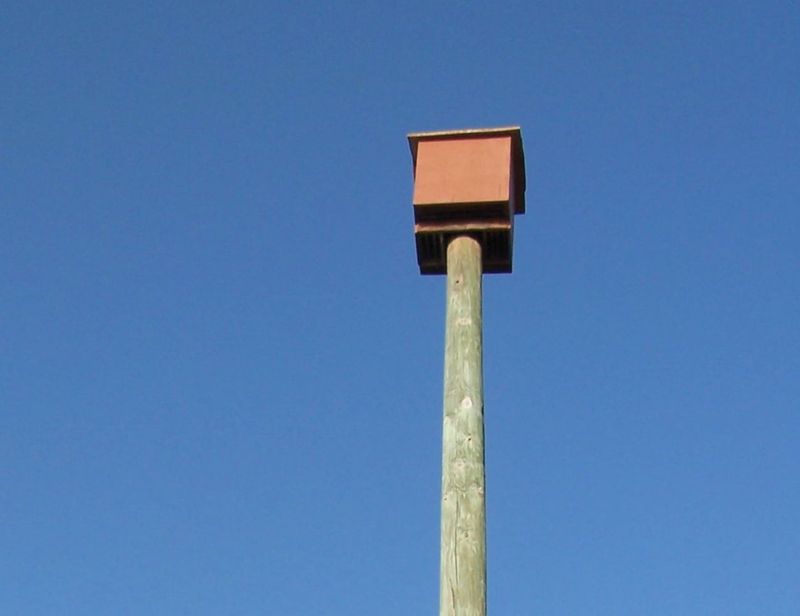
Where you put a bat house matters at least as much as what kind you buy. Bats need a roost that warms up reliably, sits high enough to give them a safe flight path out, and is not blocked by branches or easy for predators to reach. Getting those three things right is a practical decision process, not a formula you copy from a general guide.
Mounting the house on a pole or the side of a building is almost always better than hanging it in a tree. Tree branches can block the entry slot and create perches for hawks, owls, and climbing predators. NC Wildlife guidance recommends placing the house at least 10 feet off the ground with roughly seven hours of direct summer sunlight. Bat Conservation International adds that there should be at least 12 feet of open space below the exits so bats can drop into flight without hitting the ground or vegetation.
These two recommendations come from different sources and reflect slightly different priorities, so treat them as overlapping guidelines rather than a single rule.
Proximity to water and forest edges can improve the odds of occupancy. NC State Extension’s wildlife gardening guidance notes that bats tend to forage where insect activity is concentrated, which often means near ponds, streams, marshes, and woodland edges. A house placed near a clean permanent water source gives bats both a drinking spot and a hunting ground nearby.
One important warning: any water feature near the house must be managed so it does not become a mosquito nursery. Still, shallow containers, clogged gutters, and unmaintained birdbaths can all produce mosquitoes faster than bats can eat them. The goal is permanent, moving, or regularly refreshed water, not accidental standing water. Walk your property before you install anything and look at it through both a bat-friendly and a mosquito-breeding lens at the same time.
Build or buy a house bats can grip and use
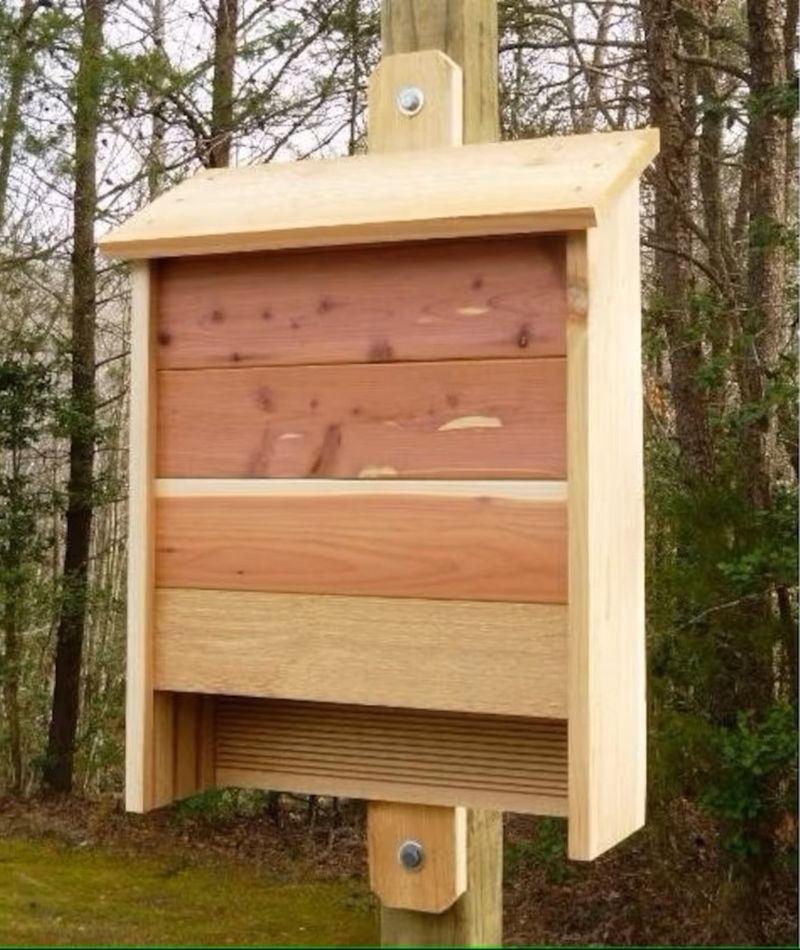
A bat house that looks great on a pole but has the wrong interior is just a decorative box. Bats need a surface they can cling to reliably, a structure that stays dry inside, and enough space for a small colony to cluster together for warmth. Those requirements translate directly into a short list of construction criteria worth checking before you buy or build.
Bat Conservation International’s house guidelines call for rough, untreated interior wood or a material that provides secure footholds, sealed exterior seams that prevent rain from soaking the interior, no smooth plastic or metal surfaces inside, and a multi-chamber design where possible. Multiple chambers give bats options as temperatures shift through the day, allowing them to move toward cooler or warmer sections without leaving the roost entirely.
NC State Extension echoes the importance of interior texture and weathertight construction. A house that leaks during a summer thunderstorm or offers slick walls that bats cannot grip will simply go unused, no matter how well it is positioned.
One point worth keeping in mind: a well-built house cannot make up for poor placement, excessive heat, or a yard that offers bats nothing to eat nearby. Construction quality and siting work together. Avoid boxes marketed with decorative cutouts, smooth painted interiors, or features clearly designed for human aesthetics rather than bat function. Skip any product claiming to include scent lures or attractant materials, as those additions do not help and may discourage use.
In hot parts of North Carolina, prevent the house from overheating
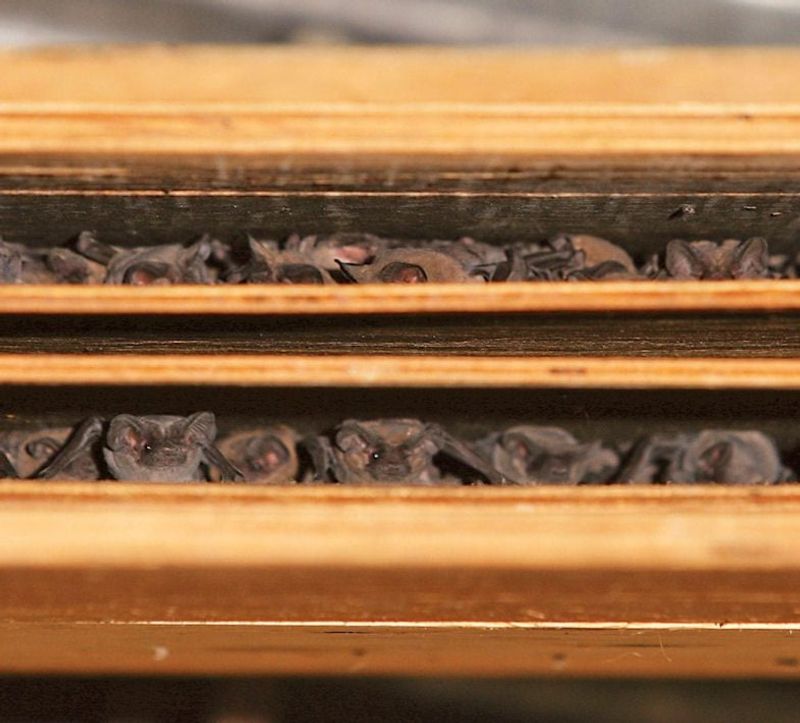
Advice about bat houses often says to paint the box dark and face it south for maximum heat. That recommendation made sense in cooler climates and older research, but North Carolina summers can push temperatures well beyond what bats can survive inside a poorly ventilated dark box. Heat management deserves its own attention before you finalize your installation plan.
Current Bat Conservation International guidance acknowledges that hot southern conditions may require lighter exterior colors, added ventilation, shade structures, or paired houses that allow bats to move between units as temperatures change. A box that reaches lethal internal temperatures on a July afternoon in the North Carolina Piedmont or coastal plain will not be used, or worse, could trap and kill pups that cannot yet fly.
The right approach is to assess your specific site before choosing a color or orientation. A south-facing pole in an open yard with no shade will absorb heat differently than a south-facing building wall shaded by a roof overhang. NC Wildlife installation guidance recommends the roughly seven-hour sunlight target, but that figure assumes a moderate climate. In the hotter parts of the state, you may need to shade the box during the hottest afternoon hours while still ensuring morning sun reaches it.
Check the interior temperature of your proposed site on a hot summer afternoon before mounting the house. If a dark surface there becomes too hot to touch, reconsider the color, add a shade panel above the box, or shift the mounting position slightly. Getting this detail right at the start saves the effort of relocating the house after bats have been slow to move in.
Patience matters more than gimmicks
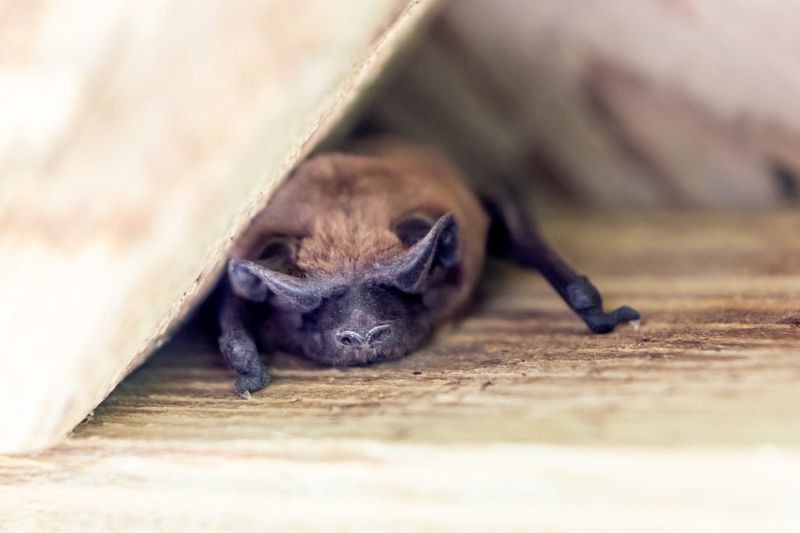
After the house goes up, the hardest part of bat stewardship begins: waiting. Many homeowners expect bats to move in within a few weeks and pull the house down when nothing happens by fall. That impatience costs both the homeowner and the bats.
NC State Extension reports that bat houses may take up to two years to be discovered and used, and even a well-placed, well-built house carries no guarantee of occupancy. Bats explore new roosts cautiously, often scouting a site over multiple nights before committing. A house that sits empty through one full summer is not a failed project.
Some homeowners try to speed things up with shortcuts that do not work. Catching a bat and placing it inside the box is dangerous and counterproductive. Bat Conservation International is clear that guano placed inside the box, commercial scent lures, sound recordings, and similar attractants are ineffective, and handling bats creates unnecessary risk of exposure to rabies virus. There is no shortcut that reliably substitutes for good placement, sound construction, and time.
The most useful thing you can do after installation is leave the house alone. Check it occasionally from a distance at dusk to see if bats are emerging, but avoid approaching closely or disturbing the roost. If two full seasons pass without any use, reassess the siting rather than adding attractants. The most common reasons for failure are insufficient sunlight, a blocked flight path, an overheated interior, or a location too far from water or foraging habitat.
Fixing those conditions gives the house a genuine second chance.
Pair bat habitat with mosquito control that works at ground level

Bats can reduce the insects flying around your yard on a given night, but they cannot patrol your neighbor’s property, drain your gutters, or stop mosquitoes from breeding in a forgotten bucket behind the shed. Ground-level mosquito control is not optional just because a bat house is up.
CDC recommends emptying, scrubbing, turning over, covering, or discarding any container that holds water at least once a week, covering rain barrels with tight-fitting lids, and keeping gutters clear so they drain properly. Mosquitoes can complete their life cycle in surprisingly small amounts of still water, including saucers under flower pots, clogged downspout troughs, and low spots in tarps.
The North Carolina Department of Health and Human Services adds that birdbath and pet bowl water should be changed at least twice weekly and that window and door screens should fit tightly with no tears or gaps. These steps directly cut the mosquito population that breeds on your property before any bat ever gets involved.
Water features such as ponds, streams, and marshes can support bat foraging by concentrating insect activity, but stagnant water in tree holes, containers, and other small sites is a primary mosquito-breeding source that CDC specifically recommends eliminating. If you add a pond to attract bats, stock it with mosquitofish or native plants that discourage standing-water breeding, and do not let it go stagnant.
For personal protection, use EPA-registered insect repellents according to their labels, wear long sleeves and pants during peak mosquito hours at dawn and dusk, and keep screens in good repair. NC State Extension’s mosquito management guidance reinforces that mosquitoes can arrive from neighboring properties, so even a perfectly managed yard cannot rely on a single strategy. If you need to treat a large unavoidable water body, follow product directions carefully. Broad insecticide spraying around the yard can reduce the insect prey that bats depend on and may expose bats to contaminated food, so Bat Conservation International recommends against routine pesticide use when supporting bat habitat.
Prioritize source reduction first.
Welcome bats outdoors without creating a home-safety problem
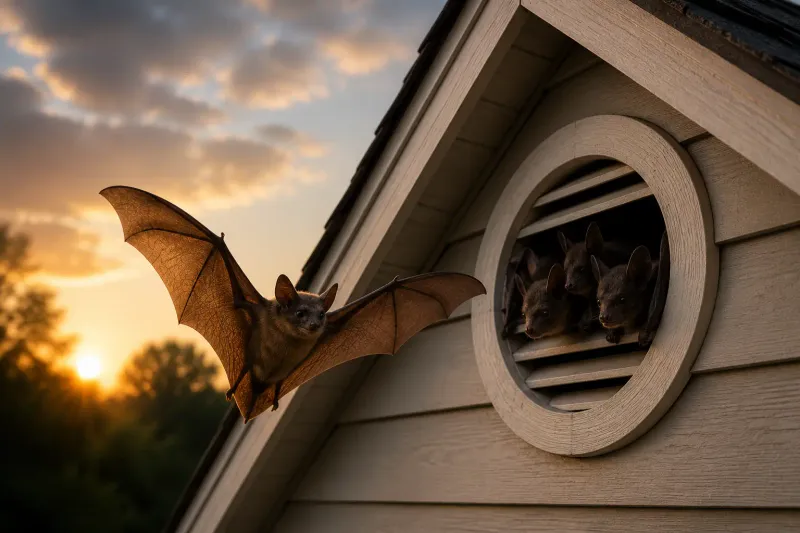
Wanting bats in your yard and wanting bats out of your living room are both reasonable goals, and they are not in conflict. The key is understanding where the boundary is and how to maintain it safely and legally.
Never handle a bat with bare hands, and keep bats out of living spaces entirely. Bats can squeeze through openings as small as a quarter-inch, so inspecting the roofline, eaves, attic vents, and chimney cap regularly is good practice. CDC guidance on bats and rabies explains that if a bat is found in a room where someone was sleeping or where a child or pet was left unattended, you should contact your local public-health department, because bat bites can be tiny and may go unnoticed. Do not wait for a visible wound before seeking advice.
CDC’s clinical guidance notes that rabies exposure assessment after bat contact should be handled by public-health professionals, not by a wait-and-see approach at home. Most bats do not carry rabies, but the risk is real enough that no-touch precautions and prompt reporting after possible contact are the right response.
Accumulated guano near food-preparation areas, play spaces, or heavily trafficked spots is a separate concern. NIOSH warns that disturbing accumulated bird or bat droppings can release Histoplasma spores, a fungus that causes a respiratory illness called histoplasmosis. Guano under a well-placed outdoor bat house is generally not a problem, but any buildup near areas where people gather regularly should be addressed carefully.
If bats are roosting inside your home and you want to remove them, timing matters under North Carolina law. NC Wildlife advises homeowners to complete any exclusion work before May 1, when the pup-rearing season begins. From May 1 through July 31, sealing entry points can trap flightless pups inside and cause them to die. NC Wildlife’s bat resources page and the state’s licensed Wildlife Control Agent directory are the right starting points if you need professional help.
These eviction rules apply to buildings, not to installing a yard bat house, which you can do at any time of year.
The best bat plan is a long-term wildlife-and-mosquito strategy
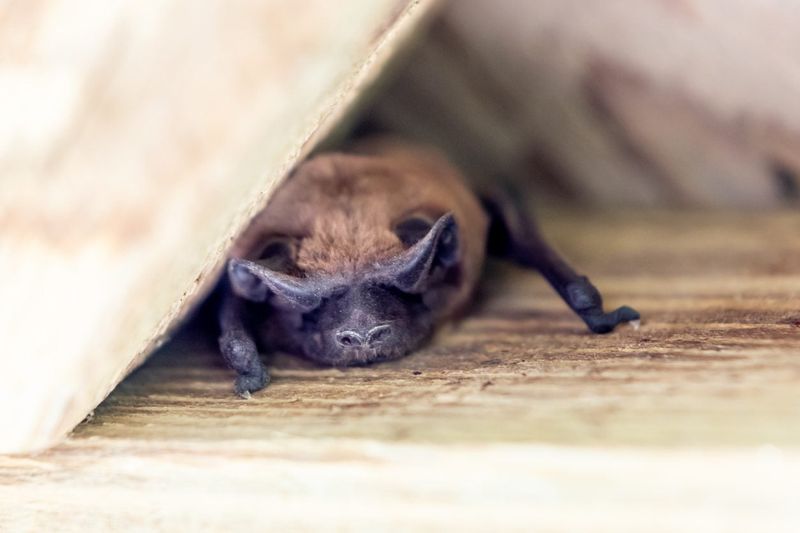
Putting this all together, the most effective approach is one that treats bat conservation and mosquito prevention as parallel projects rather than a trade-off. Neither one replaces the other, and both are worth doing.
Protect natural roosts where you can, then add a properly sited and heat-managed bat house if your property has a suitable spot and a scarcity of natural cavities. Allow at least two seasons before judging whether the house is working, and resist the urge to add attractants or relocate the box after a single empty summer. Meanwhile, eliminate standing water, repair screens, change birdbath water twice a week, and use EPA-registered insect repellents when you are outside during peak mosquito hours.
NC State Extension is candid that bats do not have a significant impact on mosquito populations at the yard level, and that honesty should shape your expectations. The U.S. Fish and Wildlife Service frames bat boxes primarily as habitat support, especially where natural roosts have been lost. Judge your bat project by that standard, and any mosquito reduction you notice becomes a welcome bonus rather than a promise that was never kept.
NC State Extension’s bat resource page and CDC’s home mosquito-control guidance are both worth bookmarking as practical references. A yard that supports native bats and actively removes mosquito breeding sites is doing two good things at once, and that combination is more dependable than either strategy alone.