
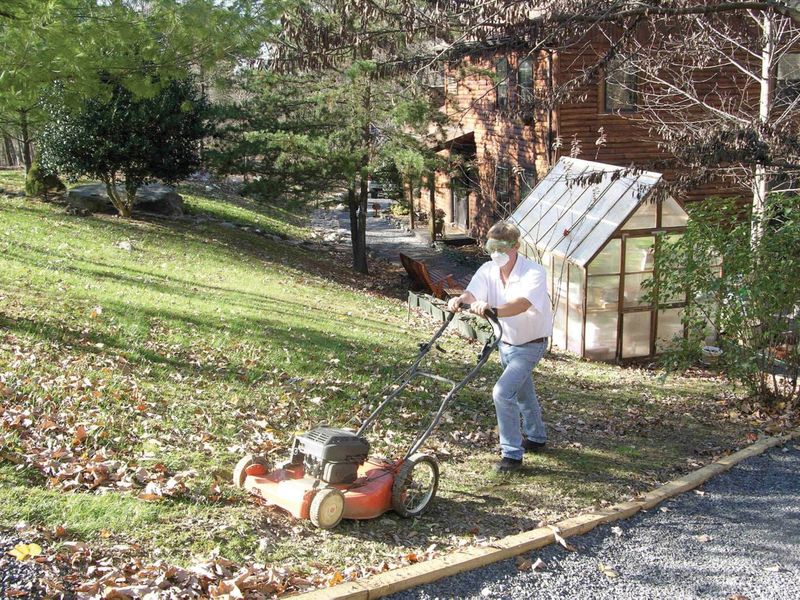
Fallen leaves pile up fast, and raking them is nobody’s favorite weekend job. A mower can chop a modest layer of leaves into small bits that settle into the grass and break down over time.
That can trim some of your collection work and return organic matter to the soil. It only works under the right conditions, though, so here is how to tell when to mow, when to rake, and where the extra leaves can go.
What leaf mowing can—and cannot—do
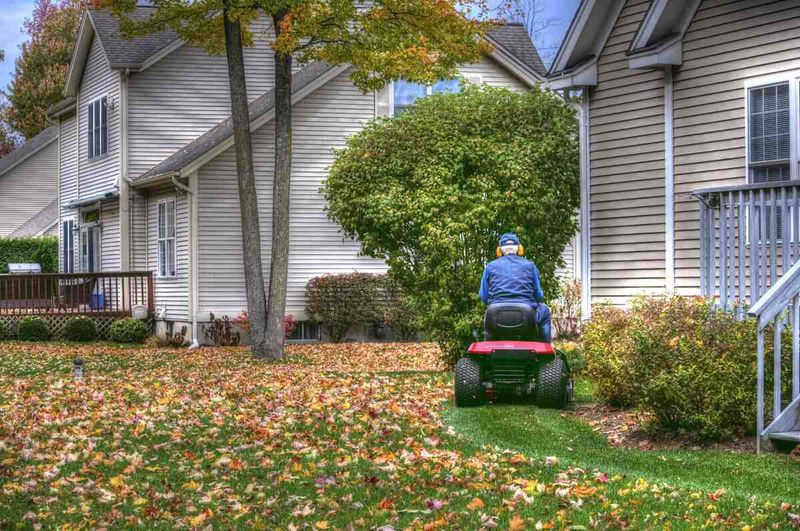
Mowing a light covering of fallen leaves right where they land is a simple way to recycle yard material. Texas A&M AgriLife recommends mowing a light leaf covering in place, preferably with a mulching mower.
The chopped pieces sift down to the soil, where they add organic matter and some nutrients as they break down.
Florida guidance agrees on the basic idea. UF/IFAS advises shredding fallen leaves to speed decomposition and return nutrients and organic matter.
For many yards, that means fewer bags to fill and fewer trips to the curb.
Still, think of it as a shortcut for part of the job, not a full lawn plan. Leaves will not supply every nutrient your grass needs, so fertilizer decisions should still follow your turf, your soil, and your goals.
Nobody can promise greener grass next spring from leaf mowing alone, and your usual watering, mowing, and weed control stay on the calendar.
The biggest limit is amount. If the lawn still looks buried after you mow, you have more leaves than the turf can handle, and the next section covers what to do about that.
Keep only a light layer on the turf
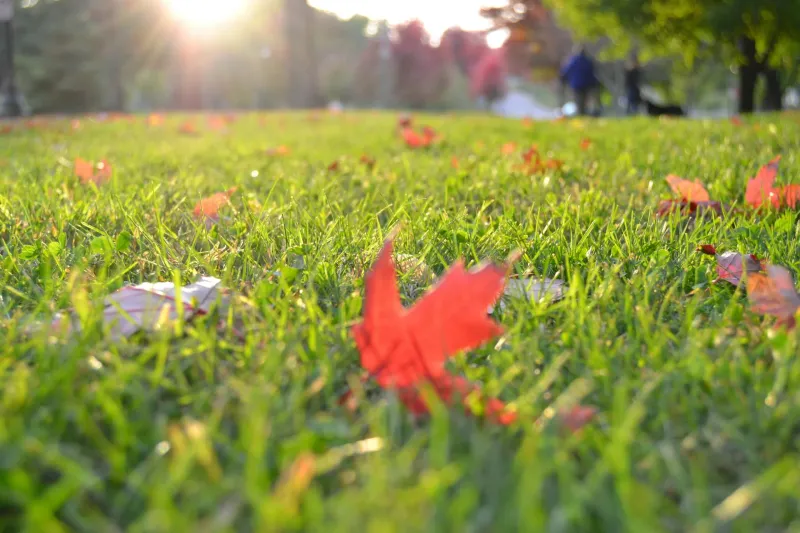
Before you start the mower, look at the yard. If you can clearly see grass through the fallen leaves, you are likely dealing with the light covering that mowing in place suits.
Texas A&M’s advice is limited to that kind of light layer.
Deep drifts are a different story. Missouri Extension warns that a heavy layer can hold moisture and raise the chance of disease, and a thick mat can also block light from the grass underneath.
No one has set a single leaf-depth number that fits every Southern lawn, so skip any magic measurement you may have seen. Use your eyes instead.
After mowing, the turf should still show through, with no blanket of leaf bits sitting on top.
If mowing would leave the grass buried, remove some leaves first. Rake or blow the heaviest areas, such as the zone under a big live oak or pecan, and move that excess to garden beds or a compost pile.
Then mow what remains. A quick check after the first pass tells you whether you need to collect more.
Mow for small, even fragments
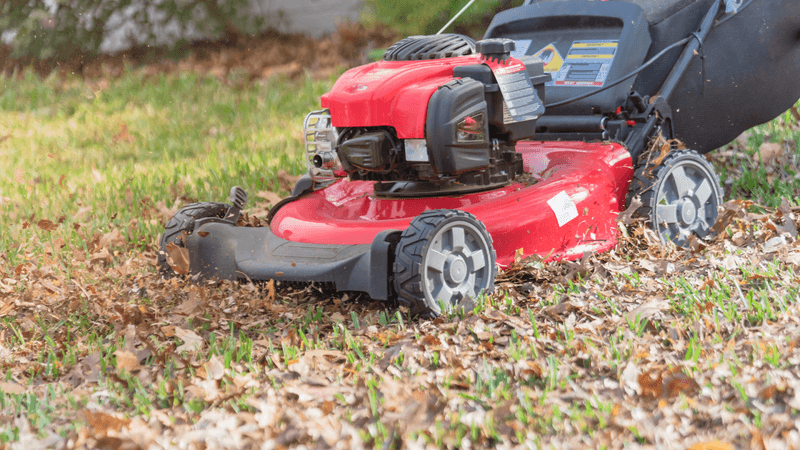
Fragment size matters more than most people expect. Tiny, scattered pieces drop between the grass blades and break down, while big clumps sit on top and smother the turf.
The goal is an even sprinkle, not little piles.
Timing helps. UGA Extension’s grasscycling guidance says to mow when conditions are dry enough to avoid clumping.
Wet leaves bunch up and stick together, so wait for a dry afternoon after the dew has burned off.
If the first pass leaves large pieces behind, go over the area again. Missouri Extension recommends multiple passes for finer bits.
Overlapping your path or crossing the yard in a different direction can work well.
Take a look behind the mower. If you spot windrows or dense strips, slow down and make another pass or rake those spots thin.
When you can see soil and grass between the bits, you are on track.
Let turf conditions set the mowing schedule
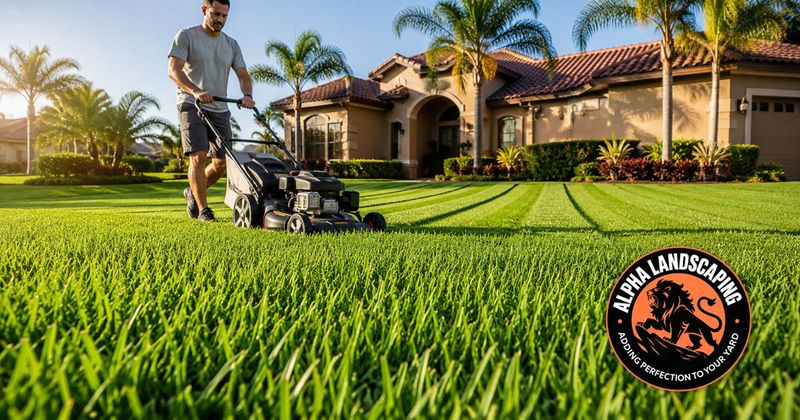
Your lawn’s needs come first, and leaves come second. A sharp blade gives a cleaner cut on grass and chops leaves better too.
Set the mower to the height that suits your grass species.
For example, UF/IFAS lists a 3.5 to 4 inch mowing height for standard St. Augustinegrass, with different guidance for dwarf cultivars. Its Florida mowing guidance also says to remove no more than one-third of the blade at a time.
Season and weather matter as well. Warm-season grass growth slows or stops as it goes dormant, and some North Florida lawns may not need mowing in winter, depending on the grass and the weather.
A lawn in South Texas or South Florida may keep growing much longer than one farther north.
If your turf is dormant or the ground is soggy, do not mow just to shred leaves. Rake or relocate them instead, and save the mower for when the grass actually needs a trim.
Put excess leaves to work elsewhere
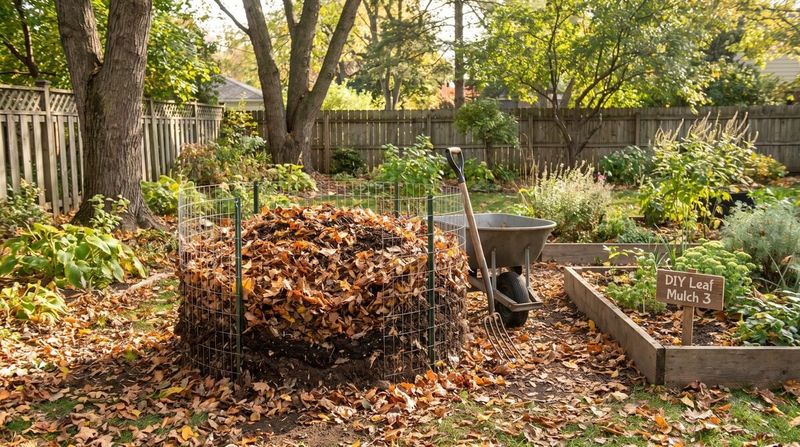
Plenty of yards produce more leaves than the lawn can handle, and that is fine. Extra leaves make useful mulch around trees, shrubs, and garden beds.
Texas A&M describes these uses as alternatives to bagging.
A compost pile is another good spot. UF/IFAS covers composting and mulching as ways to recycle yard waste.
Shredding the leaves first, even with a quick mower pass over a pile, helps them break down faster.
These are ways to use the extra, not permission to leave a heavy layer on the grass. If the turf is still smothered, move more leaves off it.
Watch the hard surfaces too. UF/IFAS warns that yard material left on pavement can wash or blow into waterways.
Sweep stray bits from the driveway, sidewalk, and street edge back onto the lawn, and keep them away from storm drains.
Leave some leaves for habitat if you choose
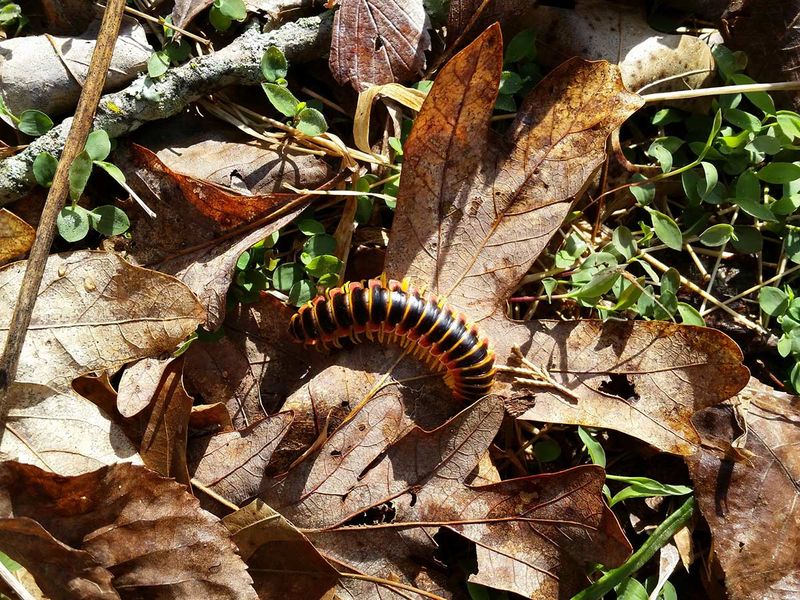
Leaf litter is more than yard waste. UGA Extension notes that it can provide overwintering habitat, and that shredding can harm insects or eggs living in the leaves.
If you enjoy fireflies, butterflies, or birds that forage in the litter, that tradeoff is worth thinking about.
You do not have to choose all or nothing. Leave some leaves whole in beds, under shrubs, or in a back corner where they will not bother anything.
Mow the lawn leaves if you like, but keep thick layers off the grass.
The lawn and the wildlife corner can share the same yard. Texas A&M’s guidance centers on a light covering for turf, so extra whole leaves belong in beds, not on the grass.
Mowing a light layer is an optional recycling shortcut. It will not hand you free fertilizer or guarantee a greener spring, but it can make fall a little lighter.
A yard that serves both grass and garden creatures does the most with what the trees give you.