
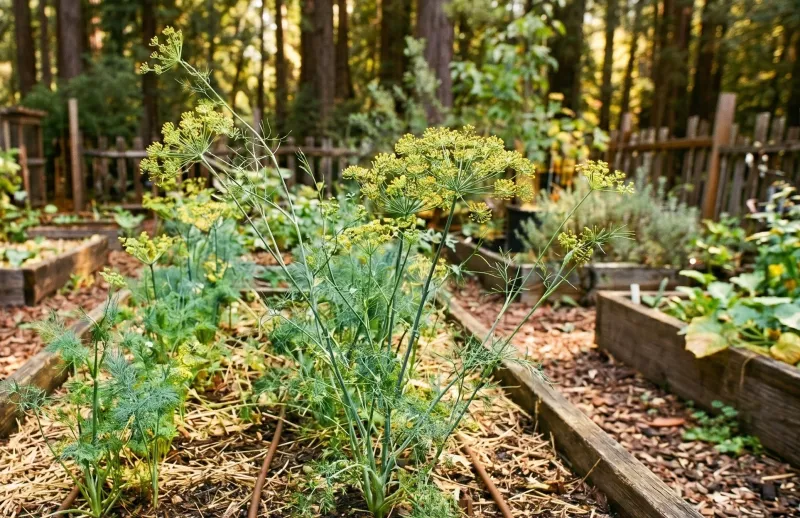
You can water, feed, and stake your tomatoes perfectly and still end up with a few sad, cracked fruits by midsummer. Sometimes the real problem is growing right next door.
Certain plants steal water, share diseases, attract pests, or even release chemicals that hold tomatoes back. Planning your beds now can help next year’s tomato plants stay healthy and loaded with fruit.
1. Black Walnut
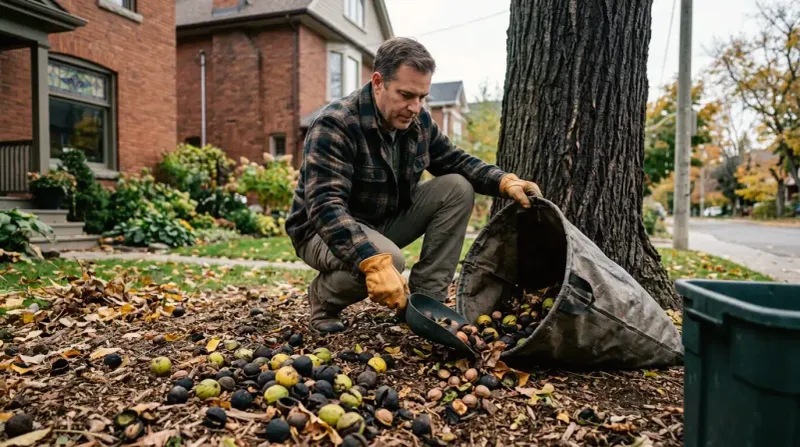
Picture healthy tomato transplants that suddenly wilt and brown, almost overnight, even though the soil is moist. Many gardeners who see this discover a black walnut tree standing somewhere nearby.
The culprit is juglone, a natural chemical released by the roots, leaves, and hulls.
Tomatoes are among the most sensitive plants to juglone. Even small amounts in the soil can cause leaves to yellow, stems to droop, and plants to collapse before setting much fruit.
The roots of a mature walnut may spread well beyond the edge of the canopy, sometimes 50 feet or more.
Fun fact: Pecans, which are common across Texas and the Southeast, are walnut relatives and also produce some juglone, though usually far less. Hickories do too.
If your yard has one of these trees, place tomato beds as far away as practical. Raised beds lined with landscape fabric and filled with fresh soil may help reduce exposure, though they are not a guaranteed fix.
Avoid using walnut leaves, hulls, or wood chips in compost or mulch around edibles. A wilting tomato near a walnut usually will not recover, so relocating next season is often the smartest move for a better harvest.
2. Potatoes
They look like natural partners, and in a way they are. Potatoes and tomatoes belong to the same nightshade family, which sounds friendly until you realize family members share the same illnesses.
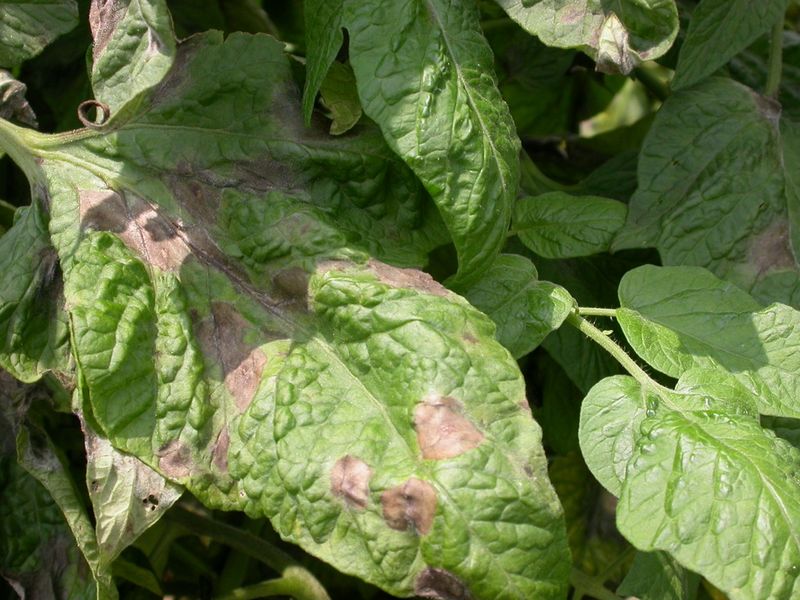
Early blight and late blight are the big worries. Late blight is the disease famous for the Irish potato famine of the 1840s, and it can jump from potato foliage to tomato leaves quickly in warm, wet weather.
In humid Florida and Gulf Coast summers, fungal spores may spread with splashing rain and morning dew.
Colorado potato beetles also enjoy both crops. Once they build up on potato plants, they can wander over and chew tomato leaves down to the stems, reducing the energy your plants need for fruit.
Keep these two crops in separate beds, ideally at least 10 feet apart, and do not plant tomatoes where potatoes grew last year. A three-year rotation can help lower disease pressure in the soil.
Inspect lower leaves often for dark, target-like spots, and remove infected foliage promptly. Good spacing and mulch may slow splashing spores, giving your tomatoes a fairer shot at a full, healthy crop by summer.
3. Fennel
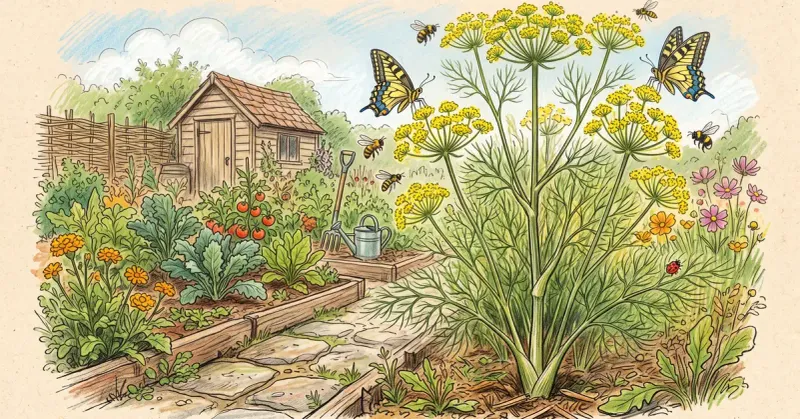
Gardeners have whispered for generations that fennel simply does not play well with others. Its reputation as the loner of the vegetable patch has some real reasons behind it.
Fennel is thought to release compounds from its roots that can slow the growth of nearby plants, a process called allelopathy. Research on fennel specifically is still limited, so treat this as a strong caution rather than settled science.
Even so, many growers report stunted, slow tomatoes when the two share a bed.
The bigger, more obvious problem is size. Bronze and Florence fennel can reach four to five feet tall, shading young tomatoes and competing hard for water during hot Southern stretches.
Here is the good news. Fennel is a fantastic host plant for black swallowtail caterpillars and draws beneficial insects like ladybugs and hoverflies, which may help control aphids.
So you do not have to give it up.
Grow fennel in its own container or a dedicated corner bed, several feet from your tomatoes. You will still enjoy the butterflies and the licorice-flavored fronds, while your tomato plants get full sun, steady moisture, and room to set fruit without a pushy neighbor.
4. Corn
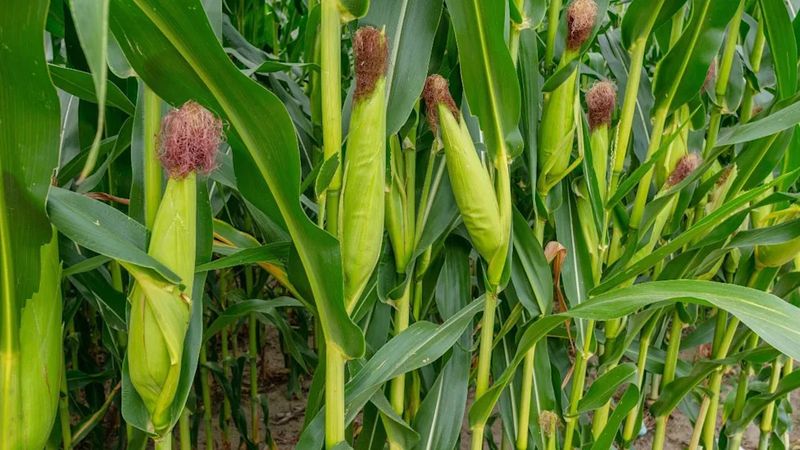
Here is a pest with two names and one appetite. The same caterpillar that bores into corn ears as the corn earworm becomes the tomato fruitworm when it moves over to your tomatoes.
Planting corn and tomatoes side by side can give this moth a buffet. Adults lay eggs on corn silks, and the next generation may drift over to tomatoes, chewing holes into green fruit and leaving them rotten from the inside.
In Texas and Florida, where several generations can hatch in one long season, damage often builds quickly.
Height is another issue. Sweet corn grows six feet or taller and can cast heavy afternoon shade on tomatoes, which need at least six to eight hours of direct sun to flower and fruit well.
Both crops are heavy feeders too, so they compete for nitrogen in the same soil.
Give each crop its own space, and if you must grow both, plant corn on the north side of the garden so it does not shade the tomatoes. Check tomato fruit often for small, round entry holes.
Handpicking caterpillars and using Bt, a natural bacterial spray, may help reduce damage when caught early.
5. Cabbage and Broccoli
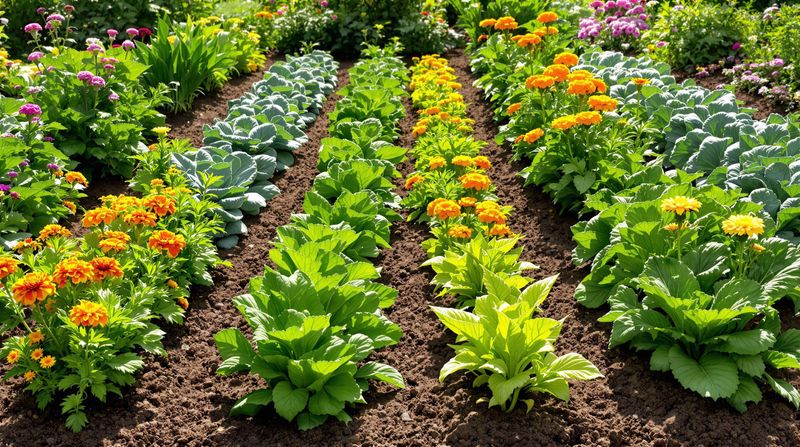
Spring in the South often means a crowded garden. Your fall cabbage and broccoli are still finishing up just as it is time to set out tomato transplants, so squeezing them together feels efficient.
Unfortunately, cabbage family crops, called brassicas, and tomatoes tend to slow each other down. Both are hungry plants that pull large amounts of nutrients from the soil.
When they share a tight space, neither may get enough, and tomatoes often respond with pale leaves, fewer blossoms, and smaller fruit.
Some gardeners also notice that tomatoes seem to stunt brassica growth, and vice versa. The exact reason is not fully understood, but competition for nitrogen and water likely plays a big part.
The better plan is timing and spacing. In Florida and much of Texas, harvest cool-season brassicas by early spring, then refresh the bed with compost before tomatoes go in.
If your broccoli is still producing, plant tomatoes in a separate bed instead of tucking them between heads.
Cauliflower, kale, kohlrabi, and Brussels sprouts fall into the same group, so the same rule applies. Keeping these crops apart often leads to stronger tomato plants and a heavier summer harvest.
6. Eggplant
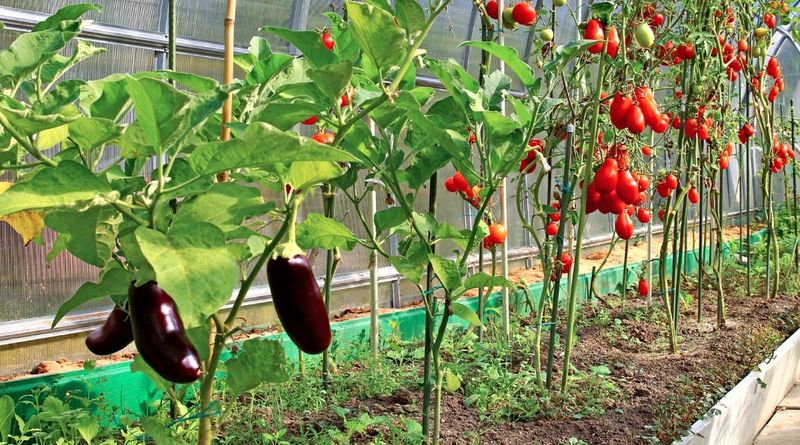
Eggplant seems like a charming bedmate. It enjoys the same heat, the same sun, and the same rich soil as tomatoes, and it thrives in long Southern summers.
That similarity is exactly the trouble. As another nightshade, eggplant shares many of the same pests and diseases.
Flea beetles, spider mites, hornworms, and verticillium wilt all move happily between the two. When you plant them shoulder to shoulder, you create one large target instead of two smaller ones.
Verticillium and fusarium wilt live in the soil for years. If one plant gets infected, the fungus can spread through the bed and cause tomatoes to yellow on one side, wilt in the afternoon heat, and quit producing early.
Spread nightshades out across your garden rather than grouping them. Try placing eggplant in one bed with beans or herbs, and tomatoes in another.
Choose wilt-resistant tomato varieties, often labeled with V and F on seed packets and plant tags.
Watch closely for tiny shotgun holes in leaves, the classic flea beetle sign. A light row cover on young eggplant may help protect it, which in turn can keep pest numbers lower near your tomatoes.
7. Peppers Packed Too Close
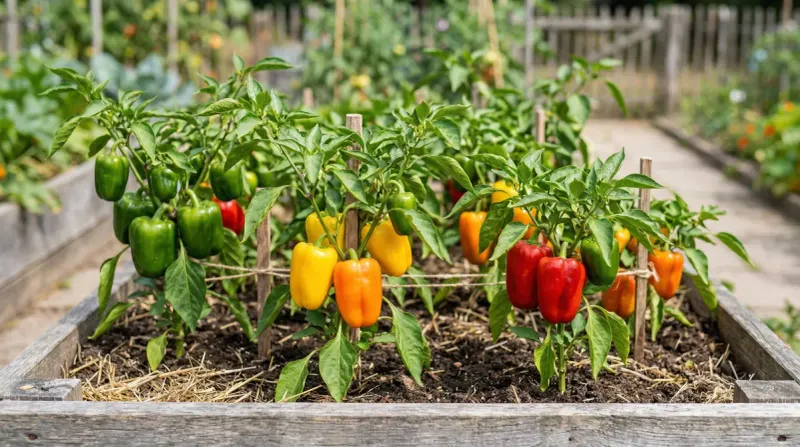
Plenty of gardening guides say peppers and tomatoes make fine neighbors, so this one may surprise you. The key word in this heading is close.
Peppers are nightshades too, and in hot, humid regions like Florida, Louisiana, and East Texas, bacterial spot is a serious threat to both. The bacteria spread through splashing water and can create small, dark, greasy spots on leaves and raised scabs on fruit.
When plants touch, airflow drops and leaves stay wet longer, which helps the disease move faster.
Tomatoes also grow much taller and wider than most pepper plants. A sprawling indeterminate tomato can easily shade peppers out, while crowded peppers make it harder for tomato foliage to dry after rain.
You can still grow both in the same garden. Just give each plenty of breathing room, at least 18 to 24 inches between peppers and three feet between tomato plants.
Water at the soil level instead of overhead, and mulch to reduce splashing.
Copper sprays may help slow bacterial spot, but they will not cure infected plants. Buying clean, disease-free transplants is often the best prevention for a healthier patch overall.
8. Dill at Full Maturity
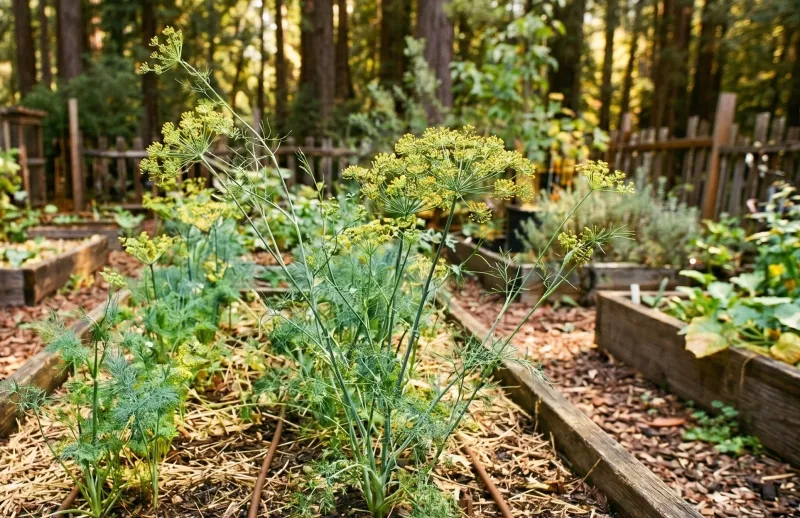
Young dill and tomatoes actually get along nicely. The trouble starts once dill grows up, flowers, and reaches three or four feet tall.
Mature dill is believed by many experienced gardeners to slow tomato growth, possibly through chemicals it releases as it ages. The science here is thin, so think of it as a widely shared garden observation rather than proven fact.
What is easier to see is how tall, flowering dill crowds tomato plants and soaks up water.
Dill is also a cousin of carrots, and carrot family plants can host some pests and diseases, including certain root-knot nematodes, that bother tomatoes in sandy Southern soils.
On the bright side, young dill attracts tiny parasitic wasps that may help control tomato hornworms. Its early growth also may lure some aphids away.
A smart compromise is to plant dill near tomatoes early in the season, then pull it or move it before it flowers. You can also grow it in nearby pots and harvest often to keep it bushy and short.
In Florida and Texas, dill grows best in cool months anyway, so it naturally fits before tomato season rather than right alongside it.
9. Kohlrabi
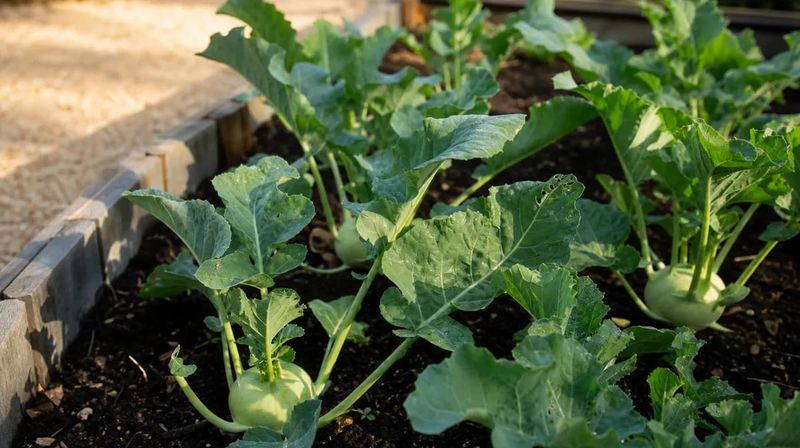
Kohlrabi looks like a vegetable from outer space, with its round swollen stem and leaves sprouting out like antennae. As fun as it is to grow, it makes a poor tomato neighbor.
Gardeners have long reported that tomatoes planted beside kohlrabi tend to grow slowly and set less fruit. Like its brassica relatives, kohlrabi is a heavy feeder and draws a lot of nitrogen and potassium from the soil.
Tomatoes need steady potassium to build firm, flavorful fruit, so competition here can hit your harvest directly.
Kohlrabi also attracts cabbage loopers and aphids. Aphids are not picky, and once their numbers explode they may spread to tender tomato growth, curling leaves and spreading viruses.
Did you know? The name comes from German words meaning cabbage turnip, which describes its taste pretty well.
Across the South, kohlrabi is a cool-season crop best planted in fall and harvested by early spring. Pull it before setting out tomatoes, then add compost and a balanced fertilizer to rebuild the soil.
If you want both, keep kohlrabi in a separate bed. Your tomato plants will thank you with stronger growth and more fruit clusters.
10. Sunflowers
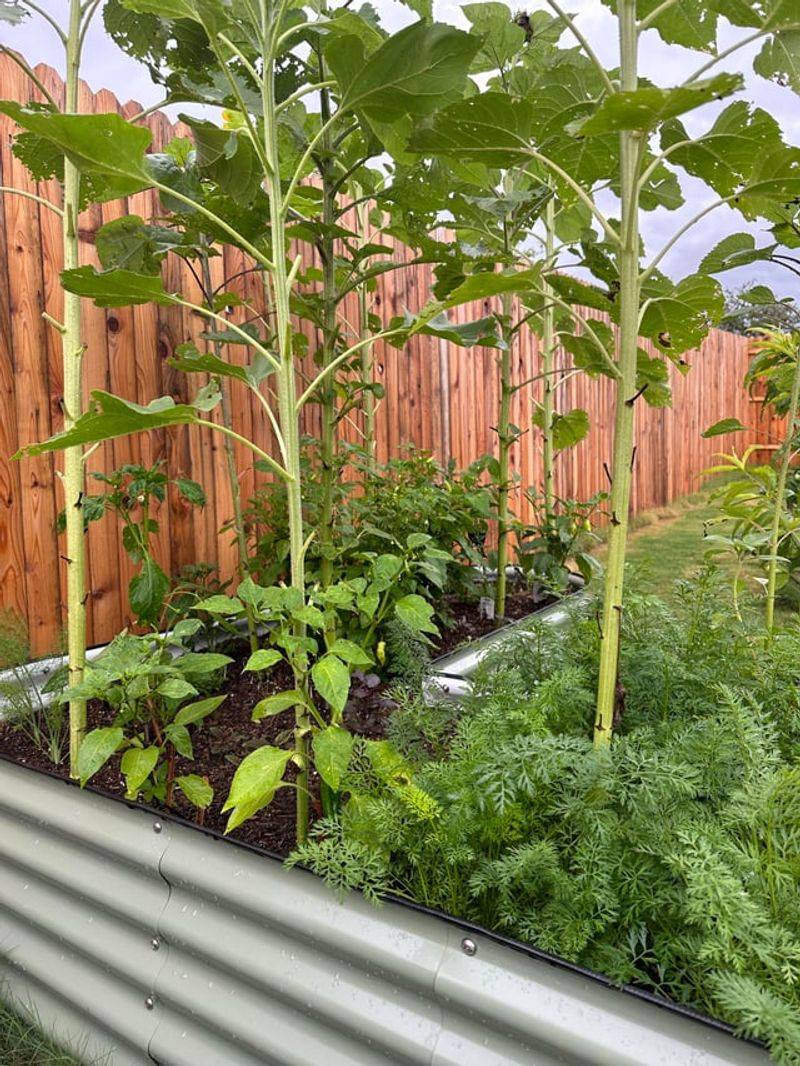
Few things are cheerier than a row of giant sunflowers nodding over the garden fence. Placed beside tomatoes, though, that sunny smile can turn into a shady problem.
Sunflowers can grow eight to twelve feet tall, and their wide leaves block light from shorter crops. Tomatoes that do not get six to eight hours of full sun often produce lots of leaves but few flowers and fruit.
There is also a chemical concern. Sunflower roots, leaves, and seed hulls contain compounds that may suppress the growth of some nearby plants.
Fallen hulls under bird feeders are a common example, where little else seems to grow. Studies vary on how strongly this affects tomatoes, but caution makes sense.
Sunflowers are also extremely thirsty. In a hot Texas July, they can pull water from the soil quickly, leaving tomatoes stressed and prone to blossom end rot, which shows up as dark sunken patches on the bottom of fruit.
Keep sunflowers on the north edge of your garden or in a separate pollinator strip at least several feet away. They will still bring bees to your yard without stealing light or moisture from the tomatoes.
11. Cucumbers in Tight Quarters
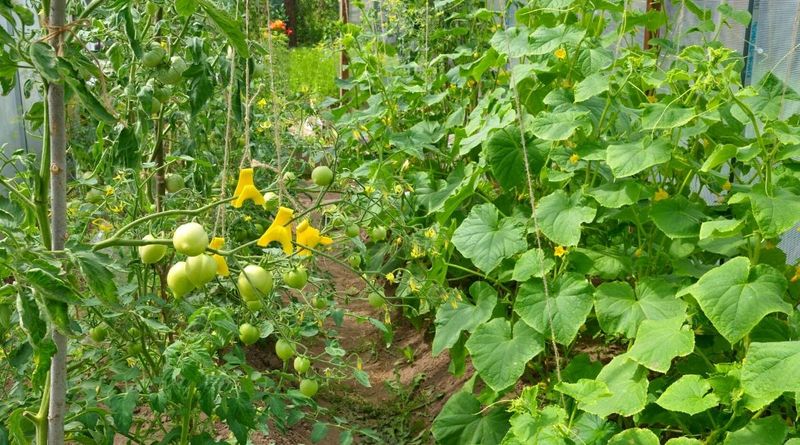
Summer gardens in the South are bursting with cucumbers and tomatoes at the same time, so it feels natural to grow them in one bed. Done carelessly, this pairing can leave both crops struggling.
Cucumber vines sprawl fast. Left alone, they climb up tomato cages and wrap around stems, cutting off airflow.
Humid air trapped in a tangle of leaves is the perfect setting for powdery mildew, downy mildew, and early blight to take hold.
Both plants are also thirsty and fast-growing. When packed together, they compete for water during heat waves, which can lead to cracked tomatoes and bitter cucumbers.
Cucumber mosaic virus, spread by aphids, can infect tomatoes as well, causing mottled, distorted leaves and small fruit.
You do not have to choose one or the other. Simply give cucumbers their own trellis at least a few feet away from tomato cages.
Growing vertically keeps leaves drier and makes harvesting easier.
Water both crops deeply in the morning at soil level. Scout regularly for aphids and spray them off with water or insecticidal soap.
With space between them, these two summer favorites may both reward you generously.
12. Rosemary
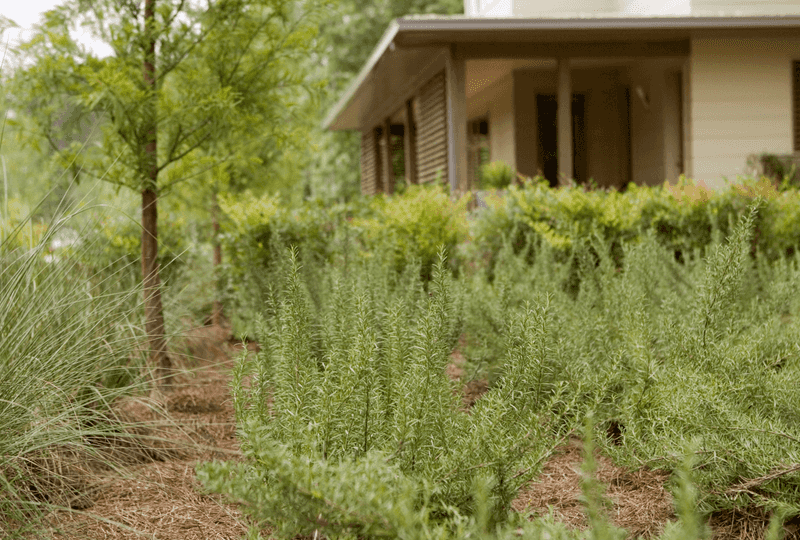
Rosemary smells wonderful and grows like a champ in Southern heat. The catch is that it wants almost the opposite care that tomatoes need.
Native to the dry hills of the Mediterranean, rosemary prefers lean, sandy soil and very little water. It can easily develop root rot if kept consistently moist.
Tomatoes, on the other hand, need deep, regular watering and rich soil to keep fruit forming and avoid splitting.
When you plant them together, one plant always loses. Water enough for your tomatoes, and rosemary may yellow and decline.
Water for rosemary, and tomatoes may wilt, drop blossoms, or develop blossom end rot from uneven moisture.
Rosemary also grows into a large woody shrub in Florida and Texas, sometimes four feet wide, crowding out nearby tomato roots over time.
Fun fact: Rosemary has been a symbol of remembrance since ancient Greece, when students wore sprigs in their hair while studying.
Plant rosemary in its own sunny spot or a container near the garden. Its scent may still help confuse some pests nearby.
Meanwhile, surround tomatoes with moisture-loving partners like basil, which shares their watering needs and makes a delicious match in the kitchen too.