
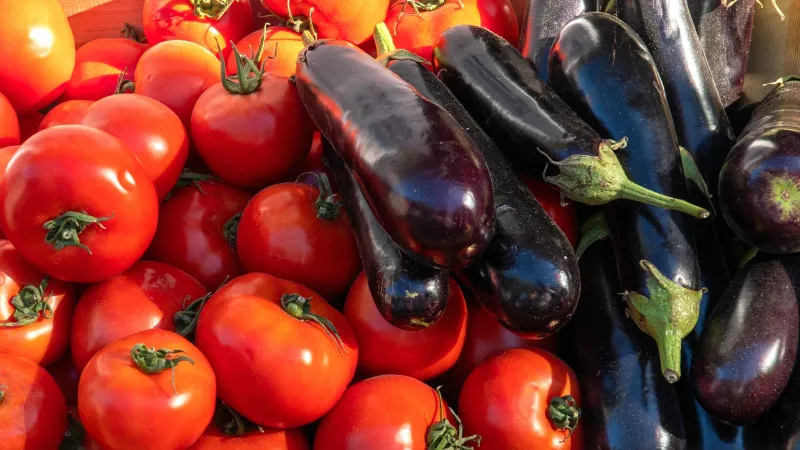
Tomatoes are the star of most Southern summer gardens, but they can be surprisingly picky about who lives next door. Some plants steal water, invite pests, or trade diseases that leave your vines weak and your basket half empty.
The frustrating part is that the damage happens slowly, so you might not notice until harvest day feels disappointing. Here are eight neighbors to keep far from your tomato bed so your plants stay strong all season.
1. Cabbage and Other Brassicas
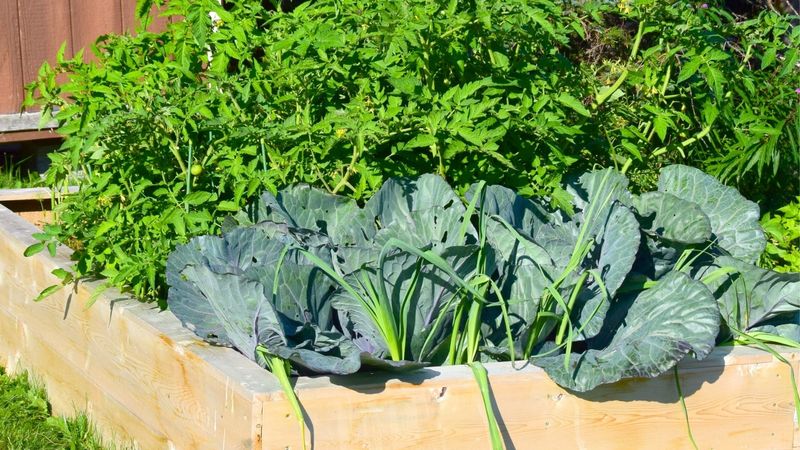
Cabbage looks harmless sitting there in the bed, but it plays a quiet tug-of-war with your tomatoes for the same nutrients. Brassicas, which include broccoli, cauliflower, kale, and Brussels sprouts, are heavy feeders that pull nitrogen and other minerals out of the soil fast.
When they share a bed with tomatoes, both plants can end up hungry. You may see slower growth, smaller fruit, and vines that never quite reach their full size.
In Florida and Texas heat, that competition gets even harder on stressed roots.
Cabbage also prefers cooler, moist conditions, while tomatoes love warmth and steady watering, so keeping them happy in the same spot is a constant battle. Their differing needs often leave one crop sulking.
If you love growing both, give them separate beds or plant your brassicas in the cooler shoulder seasons when tomatoes are done. A little distance can keep both crops fed and productive.
Fun fact: cabbage and its cousins have been competing with garden neighbors for centuries, which is why old-timers learned to keep them in their own corner.
2. Corn
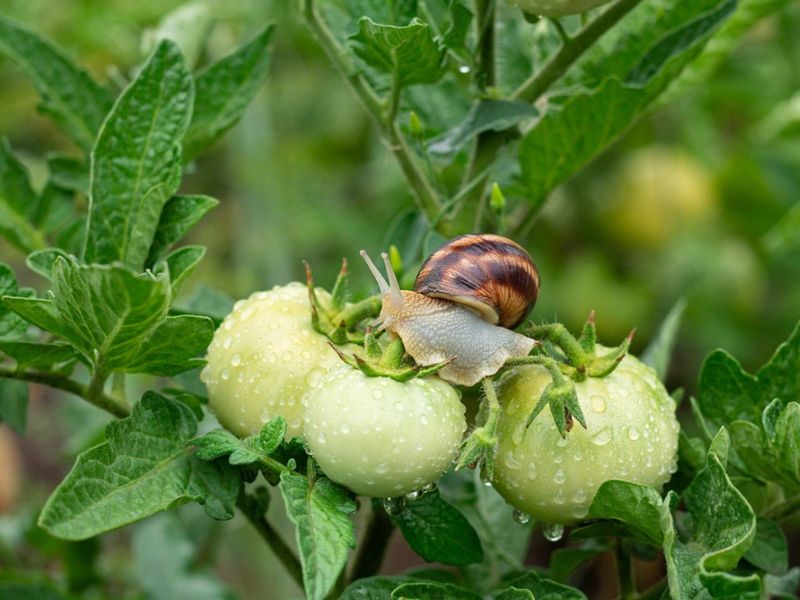
Picture a row of tall corn swaying in the summer breeze, then imagine your tomatoes sitting in its shadow all afternoon. That shade is the first problem, since tomatoes crave full sun to ripen properly.
Corn and tomatoes also share a very unwelcome enemy: the tomato fruitworm, which is the same critter known as the corn earworm. Planting them close together can roll out the welcome mat for this pest, letting it move easily from one crop to the other.
On top of that, corn is a greedy feeder that pulls heavy amounts of nitrogen from the soil. Your tomatoes may end up fighting for the same food and losing.
In warm Southern gardens where pest pressure runs high, separating these two can noticeably reduce chewed fruit and wormy surprises at harvest.
If you want both crops, plant corn on the far side of the garden, ideally where it won’t throw shade on your tomato bed. Giving each plenty of room helps keep pests guessing and lets your tomatoes soak up every ray of sun they need.
3. Potatoes
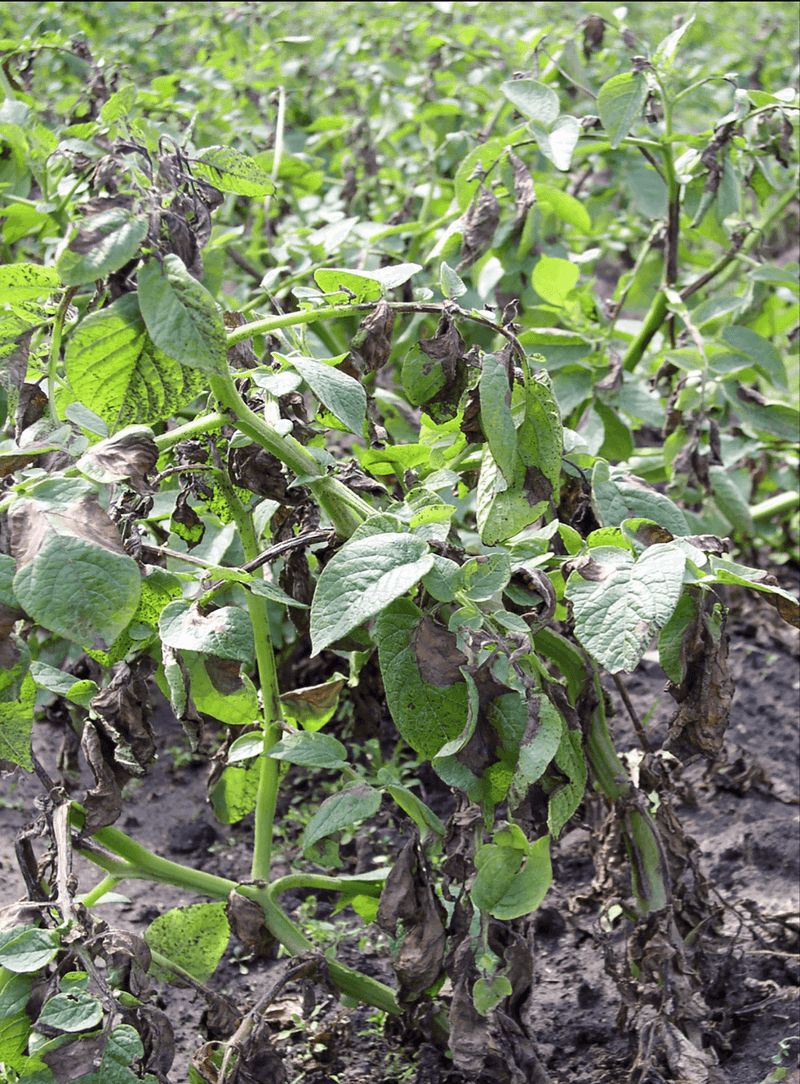
Potatoes and tomatoes are close cousins, both members of the nightshade family, and that family bond is exactly why they make terrible neighbors. Because they are so similar, they catch and spread the same diseases with alarming ease.
The big worry is blight, a fungal problem that can sweep through both crops and turn healthy leaves into brown, mushy messes. Plant them side by side and a single outbreak can wipe out two harvests instead of one.
Potatoes also live underground, so digging around to harvest them can nick tomato roots and stir up soil-borne trouble. That disturbance opens the door to more disease.
In humid Southern climates where fungal issues thrive, keeping these two apart is one of the smartest moves you can make. Damp Florida summers especially favor blight.
Give them separate beds and, ideally, rotate where each grows from year to year to keep disease from settling in.
A little planning here protects both crops. Your tomatoes will thank you with cleaner leaves, and your potato hills will stay healthier too.
4. Fennel
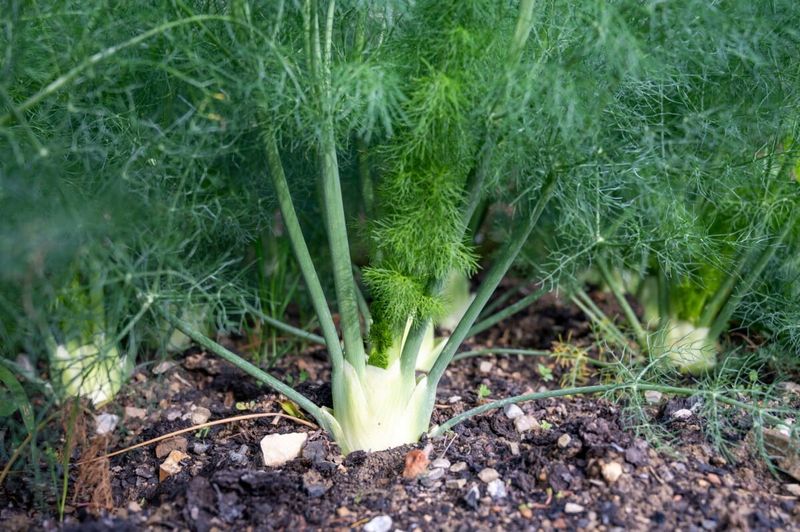
Fennel is the loner of the vegetable world, and it earns that reputation honestly. With its feathery leaves and licorice scent, it seems like a lovely herb, but it releases chemicals from its roots that can slow down or stunt nearby plants.
Tomatoes are especially sensitive to this quiet form of chemical warfare, known as allelopathy. Plant fennel too close and your tomato vines may grow weak, produce fewer flowers, and set disappointing fruit.
What makes fennel tricky is that the harm isn’t obvious. There are no chewed leaves or spotted diseases to blame, just a tomato plant that mysteriously refuses to thrive.
Most seasoned gardeners solve this by giving fennel its own container or a spot far from the main vegetable patch. Isolation keeps it from bothering anything else.
If you enjoy fennel for cooking or for the swallowtail butterflies it attracts, grow it in a pot on the patio instead. That way you get the flavor and the pollinators without sabotaging your tomatoes.
When it comes to fennel, distance really is the friendship your tomatoes need.
5. Dill (Mature)
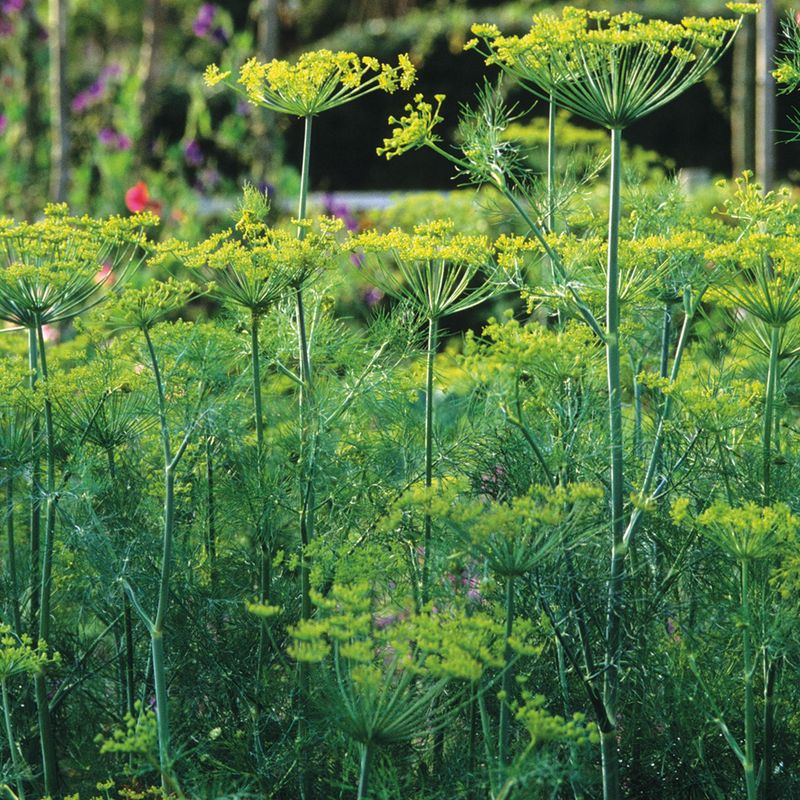
Here’s a twist: young dill can actually help tomatoes, but let it grow up and the story changes fast. In its early stages, dill may attract helpful insects and even improve tomato growth a bit.
Once dill matures and starts to flower and set seed, it turns into a rival. Mature dill can stunt tomato growth and compete for space and nutrients, undoing any early benefit it offered.
The timing catch is what trips up so many gardeners. You plant dill with good intentions, forget about it, and by midsummer that towering, flowering stalk is quietly working against your tomatoes.
In long Southern growing seasons, dill bolts quickly in the heat, so it reaches that troublesome stage faster than you might expect.
The fix is simple: harvest dill young and often, and pull it before it goes to flower near your tomato bed. If you want dill for seed, plant that batch well away from your tomatoes.
Treat dill as a short-term guest rather than a permanent roommate, and both plants can coexist without dragging down your harvest.
6. Walnut Trees (Black Walnut)
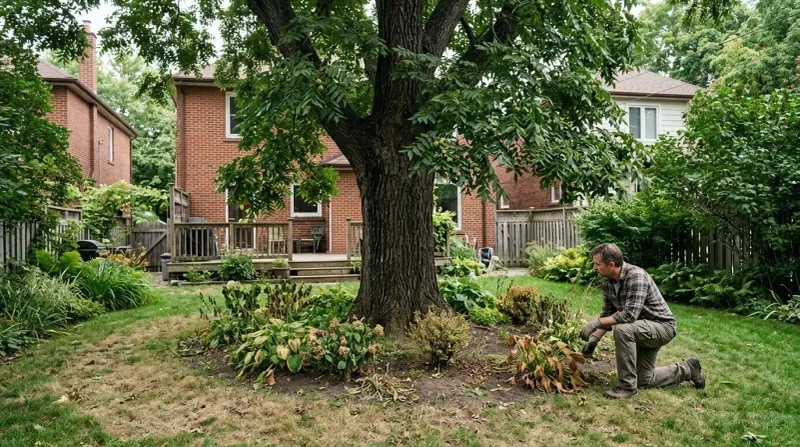
If you have a black walnut tree looming over your yard, your tomatoes are in real danger before they even sprout a flower. Black walnuts produce a natural compound called juglone that seeps from their roots, leaves, and nuts into the surrounding soil.
Tomatoes are highly sensitive to juglone, and exposure can cause them to wilt, yellow, and collapse even when they get plenty of water and sun. It’s often mistaken for disease, but the culprit is the tree.
The tricky part is reach. Walnut roots spread far underground, so the toxic zone can extend well beyond the shade of the canopy, sometimes fifty feet or more from the trunk.
Gardeners in older Southern neighborhoods with established walnut trees run into this problem often, and it can be baffling until they learn the cause.
The safest solution is to grow tomatoes in raised beds or large containers filled with fresh soil, placed away from the tree’s root zone. Barriers between the soil and the ground help too.
Keep tomatoes clear of walnuts, and you’ll avoid a mystery that has frustrated growers for generations.
7. Eggplant and Peppers Grouped Together
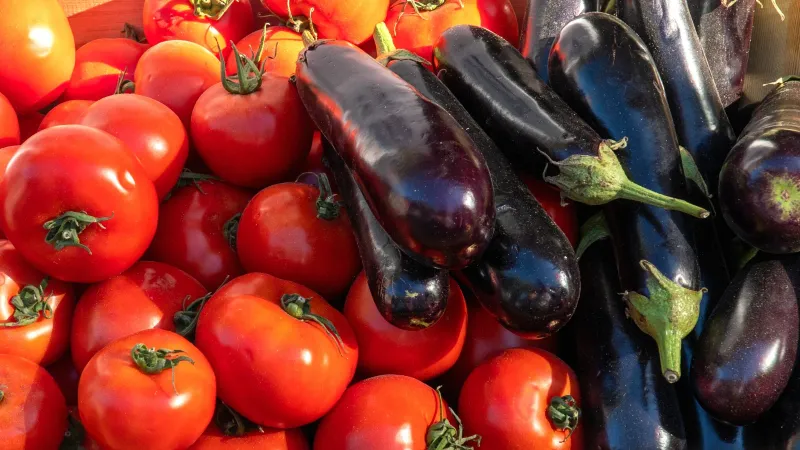
Peppers and eggplant seem like natural tomato buddies since they all love the same warm weather, but crowding all three nightshades together is asking for trouble. They share family ties, which means they share pests and diseases just as freely as potatoes do.
Group them tightly and problems like blight, bacterial spot, and hungry beetles can bounce from plant to plant with almost no effort. One sick eggplant can put your whole tomato patch at risk.
Eggplant in particular is a magnet for flea beetles and spider mites, which happily move over to tomatoes once they’ve settled in. In hot Texas and Florida gardens, these pests multiply quickly.
The plants also compete for the same nutrients and root space, so packing them in can leave everyone underfed and underwhelming at harvest.
You don’t have to give up any of these crops. Just space them out, tuck a few unrelated plants between them, and rotate their locations each year.
Spreading out your nightshades breaks the pest highway and keeps a single outbreak from spreading. Your tomatoes stay healthier when they’re not surrounded by their entire family.
8. Mint
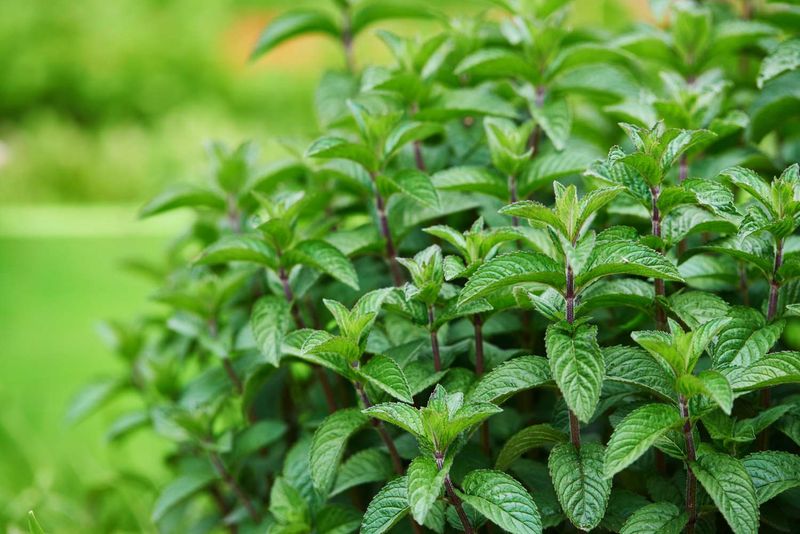
Mint smells wonderful and makes great tea, but plant it in the ground near your tomatoes and you’ve unleashed a slow-motion takeover. Mint spreads through aggressive underground runners that shoot out in every direction, claiming territory faster than almost any garden plant.
Before long, those runners tangle into your tomato roots, stealing water and nutrients your fruit desperately needs. The competition is relentless and hard to reverse once mint is established.
Digging it out rarely works, because even a tiny leftover piece of root can sprout a whole new patch. Gardeners who let mint loose often spend seasons trying to reclaim their beds.
In the long, warm Southern growing season, mint gets an extended window to run wild, making it even more of a bully than it is up north.
The good news is that mint behaves beautifully in a pot. Keep it in a container on the porch or sink a buried pot into the bed to trap the roots.
Enjoy mint’s fragrance and flavor all you like, just don’t let it share soil with your tomatoes. Containment is the secret to keeping the peace.