
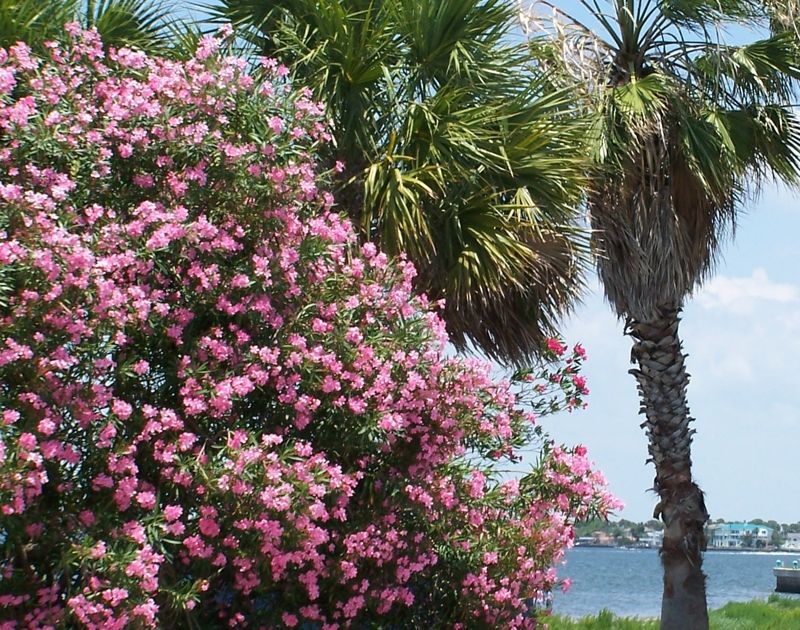
A shrub with pink or white blooms may be growing along your fence right now, and it deserves a second look. Oleander is a common Florida landscape plant, and parts of it can be poisonous if swallowed.
Some people even compare it to a cottonmouth, but that claim is unproven. Here is what to know so you can keep your yard looking good and your family safe.
The familiar Florida shrub is likely oleander

Florida roadsides and landscapes are full of tall, glossy shrubs with showy pink, white, or red flowers. The one that best fits the headline is common oleander, known botanically as Nerium oleander.
Without a photo, we can only say it is the likely suspect, but it matches well.
According to UF/IFAS Gardening Solutions, oleander is widely cultivated and commonly planted along Florida highways. It handles heat, sandy soil, and neglect, which is why landscapers like it.
That track record makes it a familiar sight, though no source puts a number on how many home yards have one.
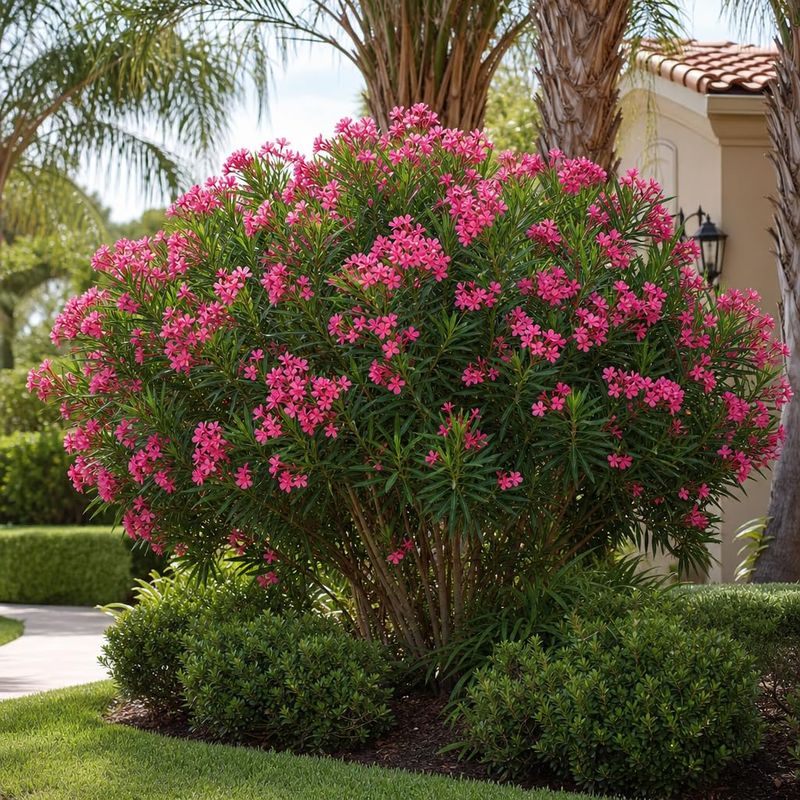
The leaves are long, narrow, and leathery, and they often grow in groups of three around the stem. Flowers show up in clusters at the branch tips through much of the warm season.
If you are not sure what you have, a county extension office can help confirm it.
A second plant shares the name and causes confusion. Yellow oleander, Cascabela thevetia, has yellow or peach flowers and much thinner, willow-like leaves.
Toxicology references such as MedlinePlus sometimes discuss the two together, but they are different plants. This article focuses on common oleander, the one most people picture.
Knowing which plant you have is the first practical step. Everything else, from pruning habits to what to do after an accident, builds on it.
What makes oleander poisonous?
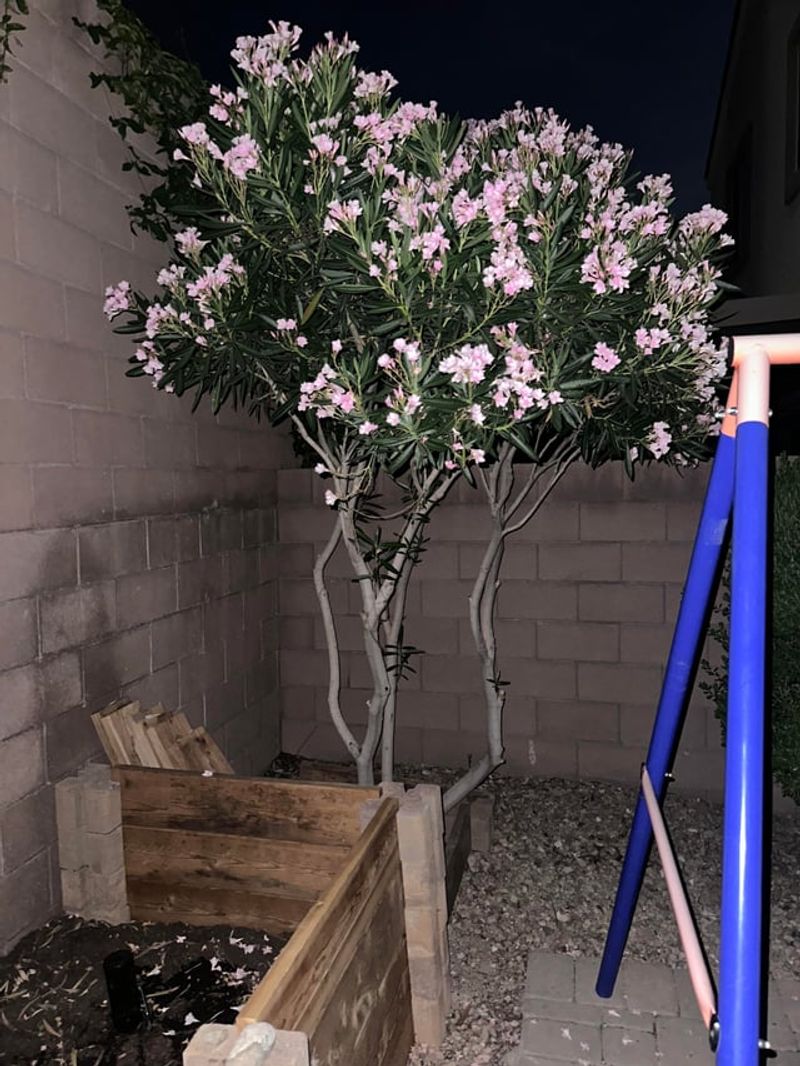
Oleander contains compounds called cardiac glycosides. These chemicals affect the heart, which is why the plant gets so much attention from poison experts.
UF/IFAS lists oleander in its guide to common poisonous landscape plants in Florida.
Swallowing plant material can cause stomach and intestinal symptoms. It can also affect the cardiovascular system, including an irregular or slow heartbeat and low blood pressure.
Every part of the plant is considered poisonous, from leaves to flowers to stems.
Not every exposure looks the same. Symptoms and seriousness depend on how much was swallowed, who swallowed it, and how quickly they got care, as described by MedlinePlus.
There is no amount that can be called safe for a homeowner to guess at, and no way to predict one person’s outcome from a general description.
Think about who is most likely to be at risk in a real yard. A curious toddler who picks up a leaf, a dog chewing on a fallen branch, or a grazing animal near a fence line all fit the picture.
Adults rarely eat landscape shrubs by accident, but mistakes happen, such as using a stick as a skewer.
The takeaway is simple. The danger lives in swallowing the plant, so your plan should focus on keeping plant parts out of mouths and out of reach.
The cottonmouth comparison has limits
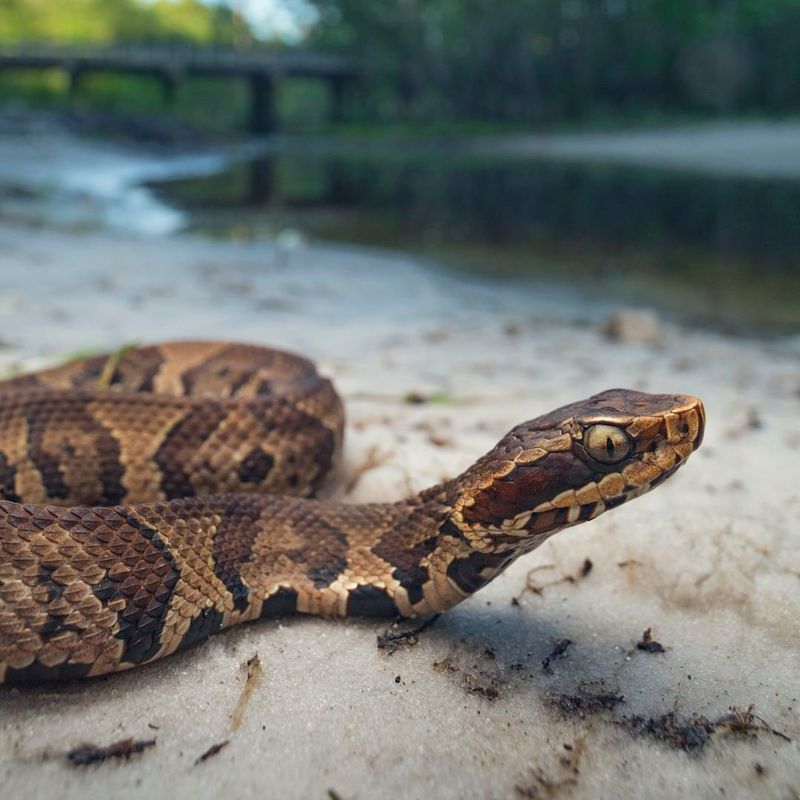
Setting oleander against a cottonmouth makes for a dramatic headline, but the two hazards work very differently. Oleander poisoning generally happens when someone swallows plant material.
A cottonmouth harms by biting and injecting venom.
On the snake side, Poison Control explains that bites can cause painful swelling. Some bites need antivenom, while others are dry bites with milder symptoms.
Poison Control also notes that cottonmouths prefer to be left alone, so if you meet one, walk away. The idea that they chase people is a myth.
On the plant side, MedlinePlus describes oleander poisoning as a serious problem that can involve the heart and digestive system. The severity depends on the amount swallowed and how fast care arrives.
Here is the catch. Neither source offers a side-by-side measure of real-world risk, like injuries per year or the chance of a bad outcome.
So the claim that one is more dangerous than the other is a provocative question, not a proven ranking.
A better way to think about it is by exposure. You meet a snake outdoors by surprise, and you meet oleander only if you handle it or eat it.
Both deserve respect, and both have clear steps that lower the chance of trouble.
Walking past the shrub is not the same as exposure
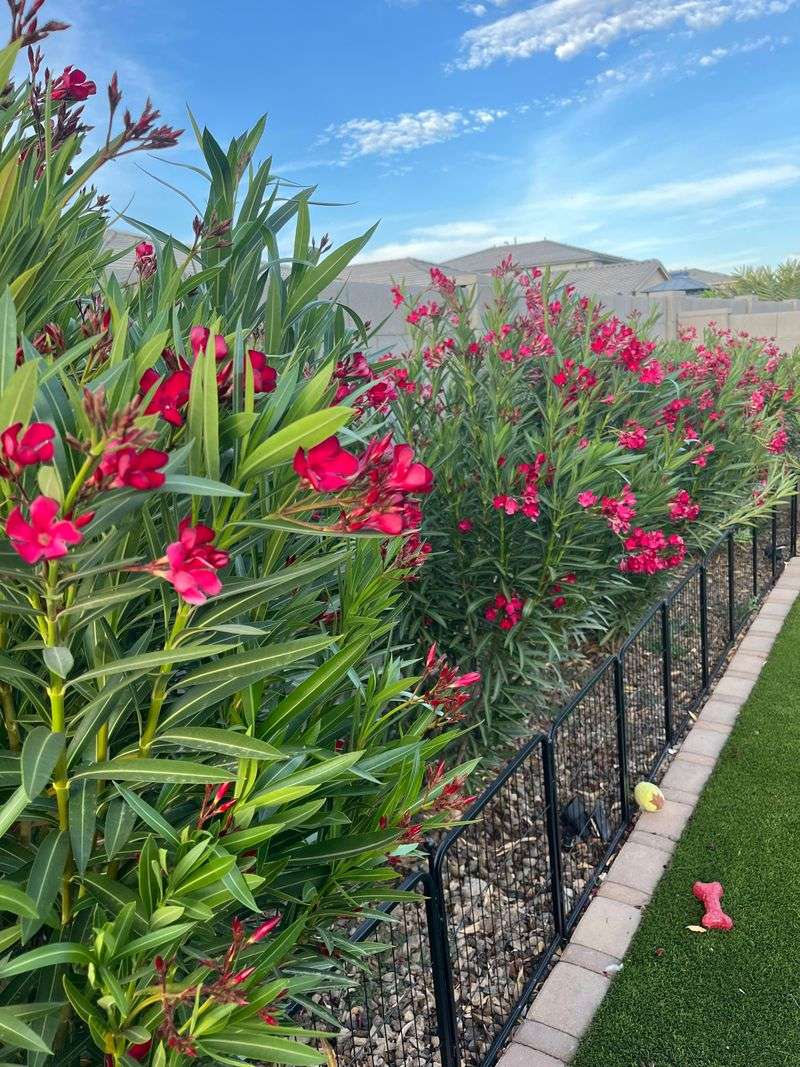
Having an oleander by the driveway does not mean you are being poisoned each time you walk to the mailbox. The documented concerns are more specific than that.
They involve swallowing plant material, sap that irritates skin or eyes, and smoke from burning cuttings.
That list comes from UF/IFAS Gardening Solutions. Nothing in it suggests that simply standing near an intact shrub is the same as poisoning.
Presence is not exposure.
The route matters when you size up a real incident. A child who chewed a leaf is a swallowing situation.
A gardener who rubbed an eye after pruning has a sap situation. Someone who stood downwind of a brush fire fed with trimmings faces a smoke situation.
Each calls for different thinking, and telling the helper which one happened gives them a better picture.
A quick yard check can help. Look for low branches that kids or pets can reach, leaves that drop onto play areas, and spots where trimmings tend to pile up.
Those are the places where proximity can turn into contact.
Staying alert is smart. Staying anxious about a shrub you simply pass is not.
Prune and dispose of oleander with care
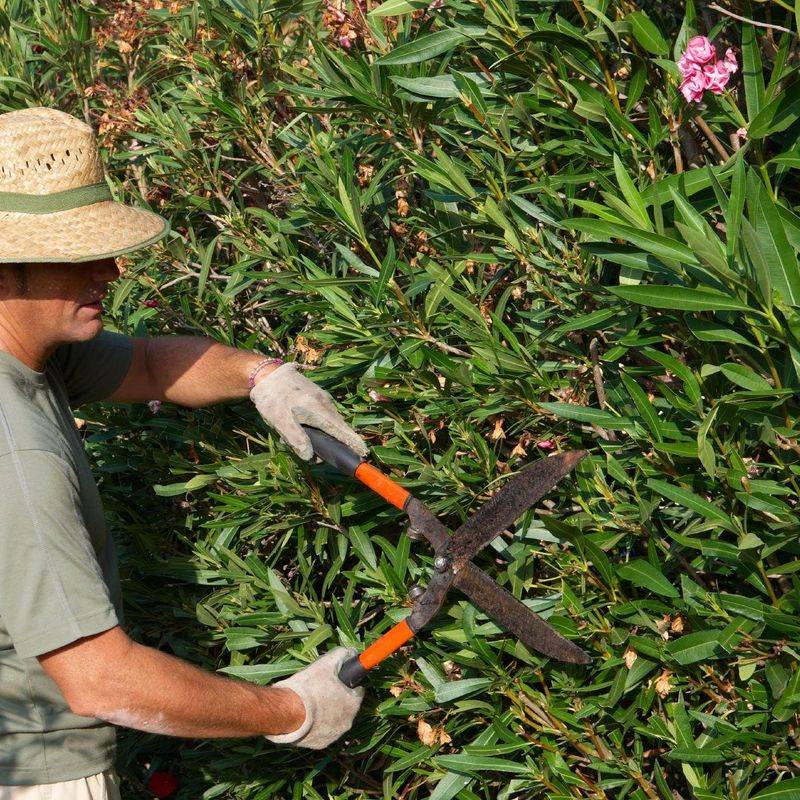
Pruning day is when most people have real contact with oleander, so a few habits go a long way. UF/IFAS advises wearing disposable gloves, since the sap can irritate skin and eyes.
Long sleeves and eye protection make sense too.
Wash your hands after handling cuttings, even if you wore gloves, and take care when removing the gloves. Avoid touching your face while you work.
Clean your pruners before using them on anything else.
Keep plant parts away from children, pets, and grazing animals. Fallen clippings are easy to forget, so rake them up promptly instead of leaving them on the lawn overnight.
If you have horses, goats, or other livestock, keep trimmings well outside their reach.
Do not burn oleander trimmings. UF/IFAS warns that the smoke may carry toxins and cause respiratory difficulty.
A backyard burn pile may feel like the easy way to clear a big hedge, but it is the wrong move here.
Instead, follow your local yard-waste disposal rules. Many Florida counties and cities set their own bagging, bundling, or pickup requirements, so a quick call or website check will tell you what to do.
Bag the cuttings, label them if your service asks, and keep the bags closed until pickup.
Summer growth often means heavier trimming. A little prep before you start keeps the job routine.
A possible ingestion calls for prompt expert guidance

If you think someone swallowed any part of an oleander, call U.S. Poison Control at 1-800-222-1222 right away.
The line is there for exactly this situation, and you can find more on the Poison Control contact page. Have the person’s age and a rough idea of what was eaten ready if you can.
Do not wait to see whether symptoms show up. Waiting wastes time, and the experts can judge the situation better than a guess can.
Also do not decide on your own that the amount was too small to matter. No homeowner-safe amount has been established.
Do not try to make the person vomit unless Poison Control or a health professional tells you to. MedlinePlus gives this same instruction.
Let the specialist on the line decide the next step, whether that is home monitoring or a trip for medical care.
Pets and livestock need quick professional help too, so contact a veterinarian if an animal chewed on the shrub. Keep a piece of the plant or a clear photo, since it helps confirm what was involved.
Save the number in your phone today. In a stressful moment, having it ready saves precious time.
Informed caution—not a danger ranking
Swallowing oleander can be dangerous, and that deserves respect. Still, UF/IFAS and MedlinePlus do not show that it beats a cottonmouth in a danger contest.
Handle cuttings with gloves, skip the burn pile, and call Poison Control after a possible ingestion.
A shrub in the yard is a plan to make, not a reason to panic.