
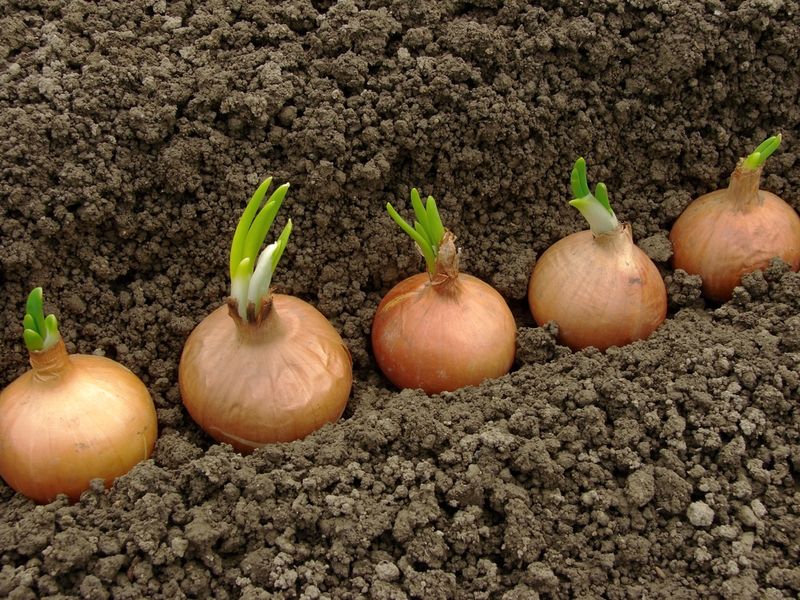
Big, sweet onions start with a good plan in the fall. Southern gardeners can grow bulb onions through the cool months, but the best planting time changes with your location and whether you start from seed, sets, or transplants.
Picking the right variety and the right week gives your onions more time to grow before they begin to form bulbs. Here is how to match your garden to local advice.
There Is No Single Southern Onion Deadline
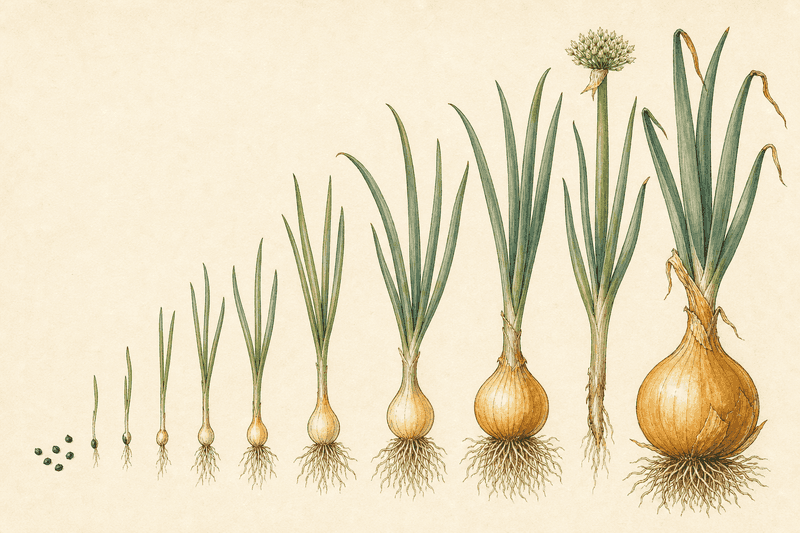
On October 6, planting is timely in many Southern gardens, but the South does not share one closing date. The right window depends on where you live and how you start your onions.
Florida guidance from UF/IFAS gives North Florida a mid-September to mid-November seeding window. Central and South Florida seed in October and transplant in December and January.
North Florida transplants go in from November through January.
Texas A&M AgriLife Extension recommends sowing bulb onion seed from October through December. Transplants set in January or February can still produce bulbs in May through July.
Georgia is tighter for seed. The UGA onion production guide centers direct seeding around October 15, give or take a week.
It generally sets transplants in November and December, and January can work, though later planting may mean smaller bulbs.
So the clock is ticking for a Georgia seed sower, while a North Florida or Texas gardener has weeks to spare. Check your own area and method first.
Day Length Helps Determine When Onions Bulb
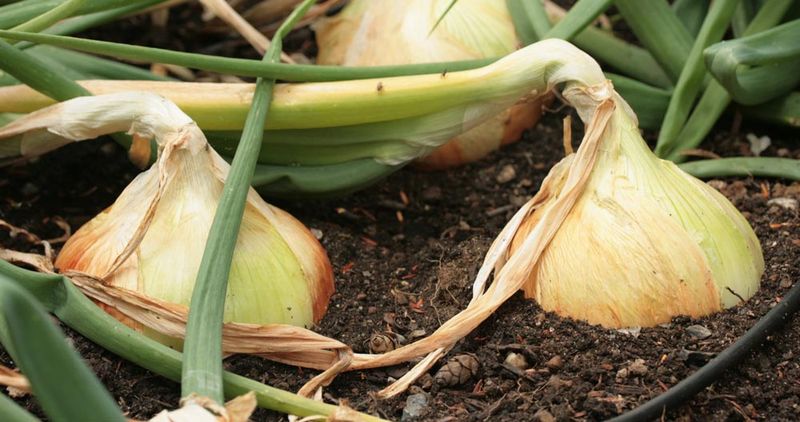
Onions do not bulb because the calendar says so. Each cultivar has a critical day length, and once daylight reaches it, the plant starts forming a bulb.
That is why planting date matters in a different way. It decides how much leaf and root growth the plant has made before that signal arrives.
NC State Extension says short-day types start bulbing at about 10 to 12 hours of daylight and stresses matching cultivar, planting window, and climate.
Short-day onions are the usual fit for Southern fall and winter growing. UGA describes them as starting bulbs at roughly 10 to 13 hours of light, and UF/IFAS Gardening Solutions points Florida gardeners toward short-day varieties.
Day length differs by latitude, and varieties differ in how they respond. Texas A&M also lists intermediate-day choices for some Texas gardens, so read the tag and your local variety list rather than going by color or name alone.
Seeds, Sets, and Transplants Call for Different Plans
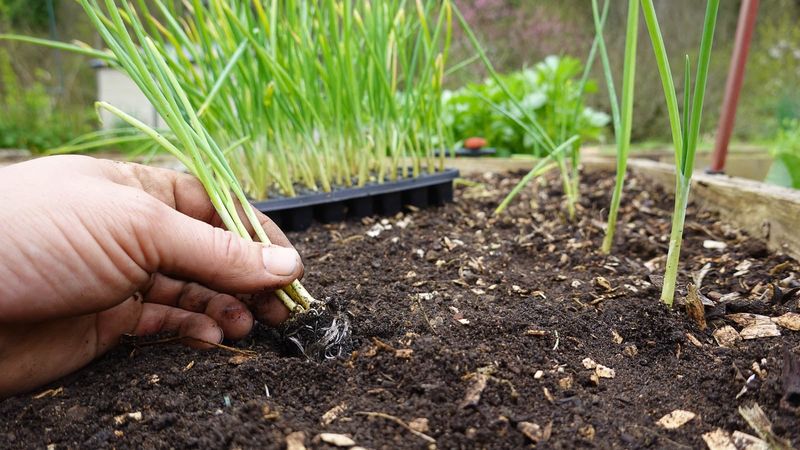
Seeds, sets, and transplants are three different starting points. Seeds are sown and thinned, transplants are young plants, and sets are small bulbs.
Texas A&M describes sets this way, while Arkansas Extension describes transplants as young plants that have not yet begun bulbing.
The method you choose changes which dates apply. In Florida, UF/IFAS lists separate seeding and transplant windows, and the transplant window opens later.
Seeds give the widest variety choice and the longest growing runway, but they need more attention early on. Transplants save weeks and can be easier for beginners.
Sets are simple to plant, though they are not the best option for every region or cultivar.
No single method is best for everyone. Pick one, then look up the dates for that method in your area.
Give Plants Time to Grow Before Bulbing
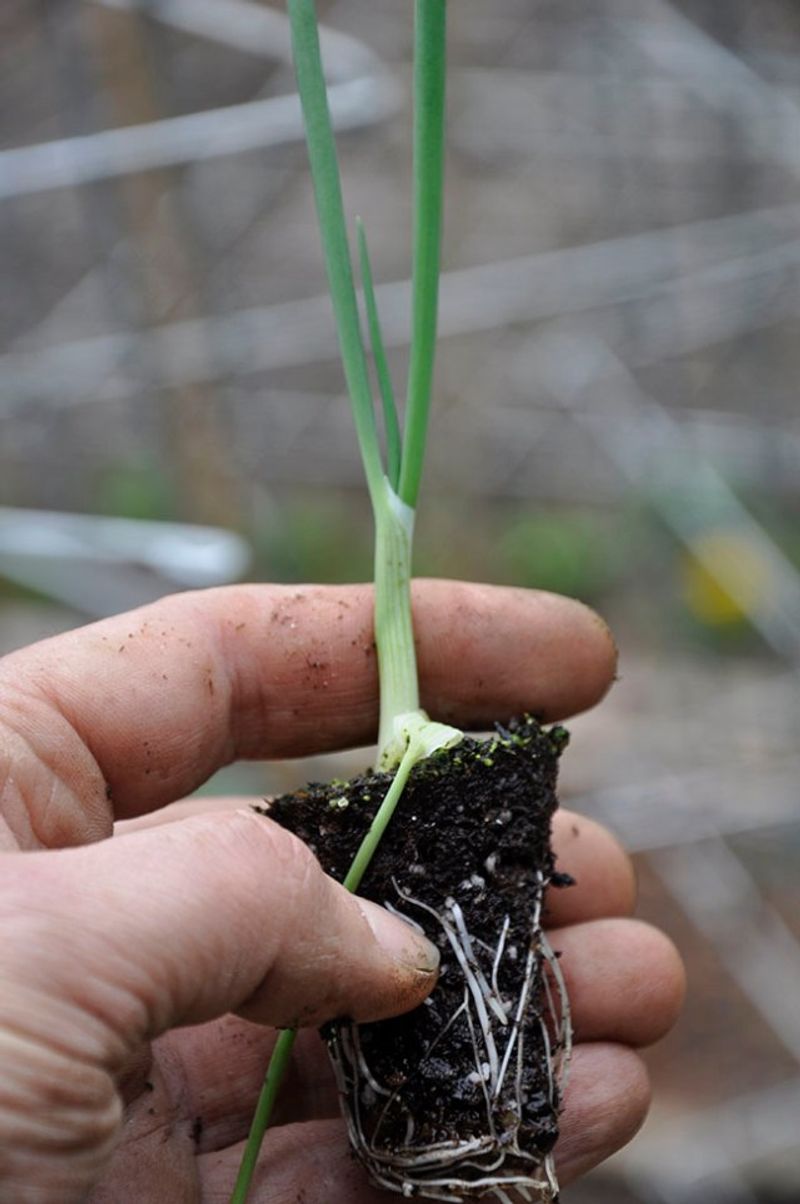
Think of the weeks before bulbing as the growing stage. A plant with more healthy leaves and roots when daylight triggers bulbing has more to feed the bulb with, which may help it grow larger.
Planting at your locally recommended time gives onions that chance. UGA notes that later planting may produce smaller bulbs, and NC State lists planting date alongside cultivar, spacing, moisture, and fertility as factors in bulb size.
Bigger transplants are not automatically better. Arkansas Extension advises pencil-sized transplants and notes that larger plants do not necessarily yield earlier or larger bulbs.
A sturdy, pencil-sized plant set at the right time is a better goal than the biggest transplant in the bundle. Even then, bulb size is never guaranteed.
Support Steady Growth With Suitable Care
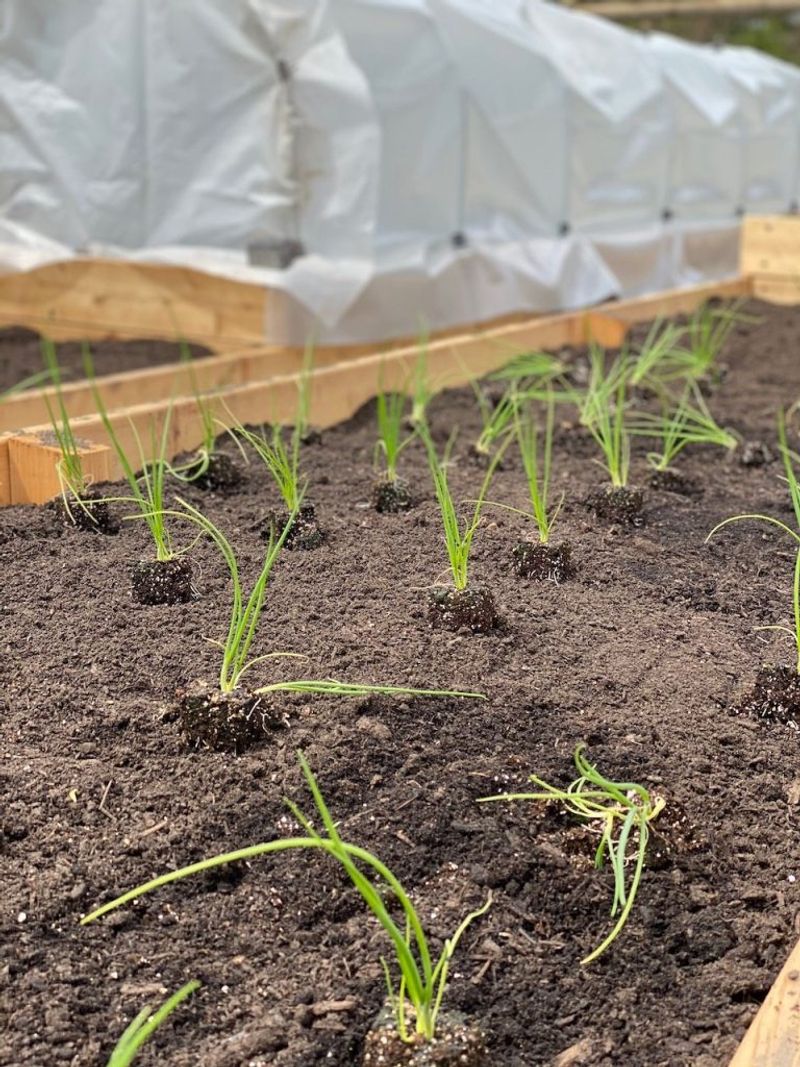
Onions do best in full sun and well-drained soil. Texas A&M also recommends slow, deep watering and keeping weeds from competing, since onions have shallow roots and little defense against crowding.
Spacing depends on region and method. For Florida, UF/IFAS gives 3 to 4 inches between seeded plants and 4 to 6 inches between transplants.
In Texas, A&M recommends thinning seedlings to 2 to 3 inches and setting sets or transplants about 3 inches apart.
Those numbers are not interchangeable across every garden, so match them to your region and how you planted.
Fertilizer is best handled locally. Texas A&M’s directions are written for Texas home gardens, and NC State recommends soil testing and test-based nutrient management.
A soil test through your county Extension office will tell you what your bed actually needs.
Skip Shortcuts That Do Not Enlarge Bulbs
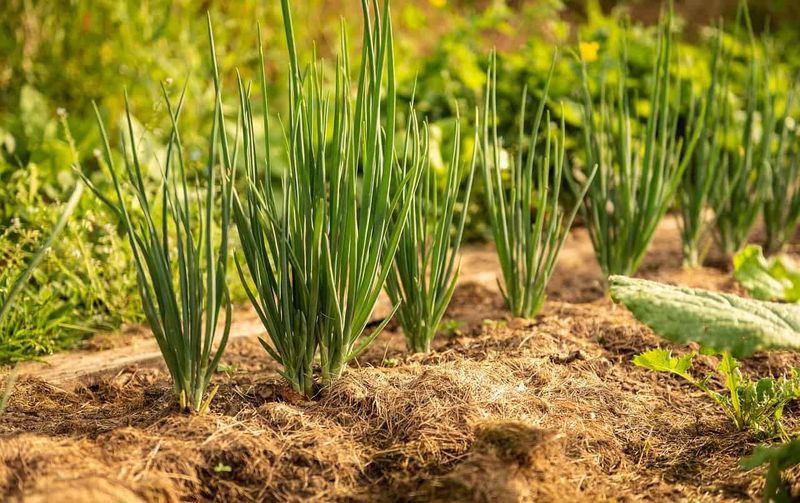
You may hear that bending or breaking onion tops makes bulbs bigger. Arkansas Extension says it does not increase bulb size and can hinder enlargement.
Mississippi State Extension agrees and adds that it can invite neck rot.
Pulling soil away from the bulb is another myth. Arkansas Extension explains that bulbing is controlled by day length, variety, and temperature, and that exposing bulbs does not increase bulbing and may sunburn white varieties.
Put that effort into the things that matter: a cultivar that suits your day length, a planting date from local guidance, proper spacing, and steady moisture.
Check Your Local Guidance Before Planting
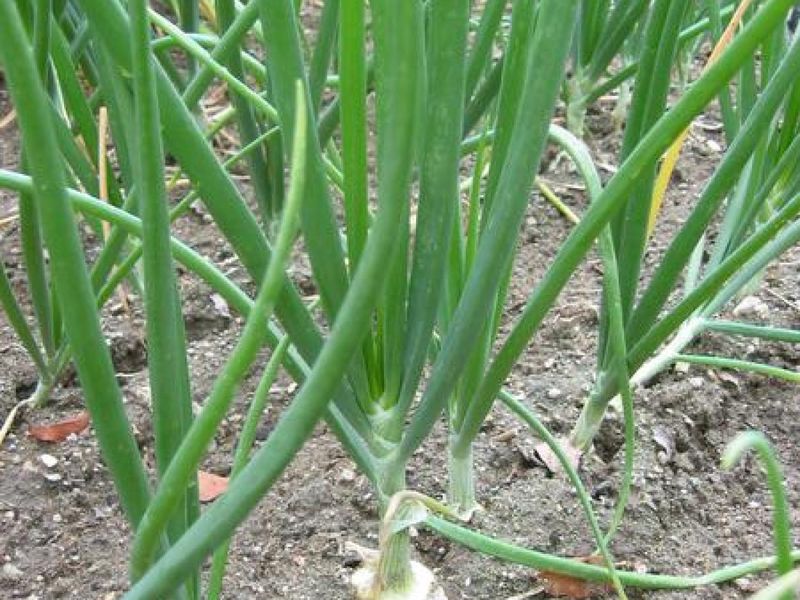
Start with your region, such as North Florida, Central Texas, or south Georgia. Then confirm the dates for your chosen material, whether seed, sets, or transplants, using UF/IFAS or Texas A&M, or your own state Extension.
Next, pick a cultivar suited to your day length, as NC State advises. Good timing gives plants a chance to grow, but the bulbs will decide their own size.