

A sweet-smelling plant that keeps rats away sounds like the perfect garden fix. Peppermint is the plant most people picture, but the science is not that tidy.
Rat activity also varies by species and by state, so Florida and Texas yards may not follow the same fall pattern. Here is what peppermint can and cannot do, plus the steps that actually make a yard and home less welcoming to rats.
Peppermint is a garden choice, not a proven rat repellent
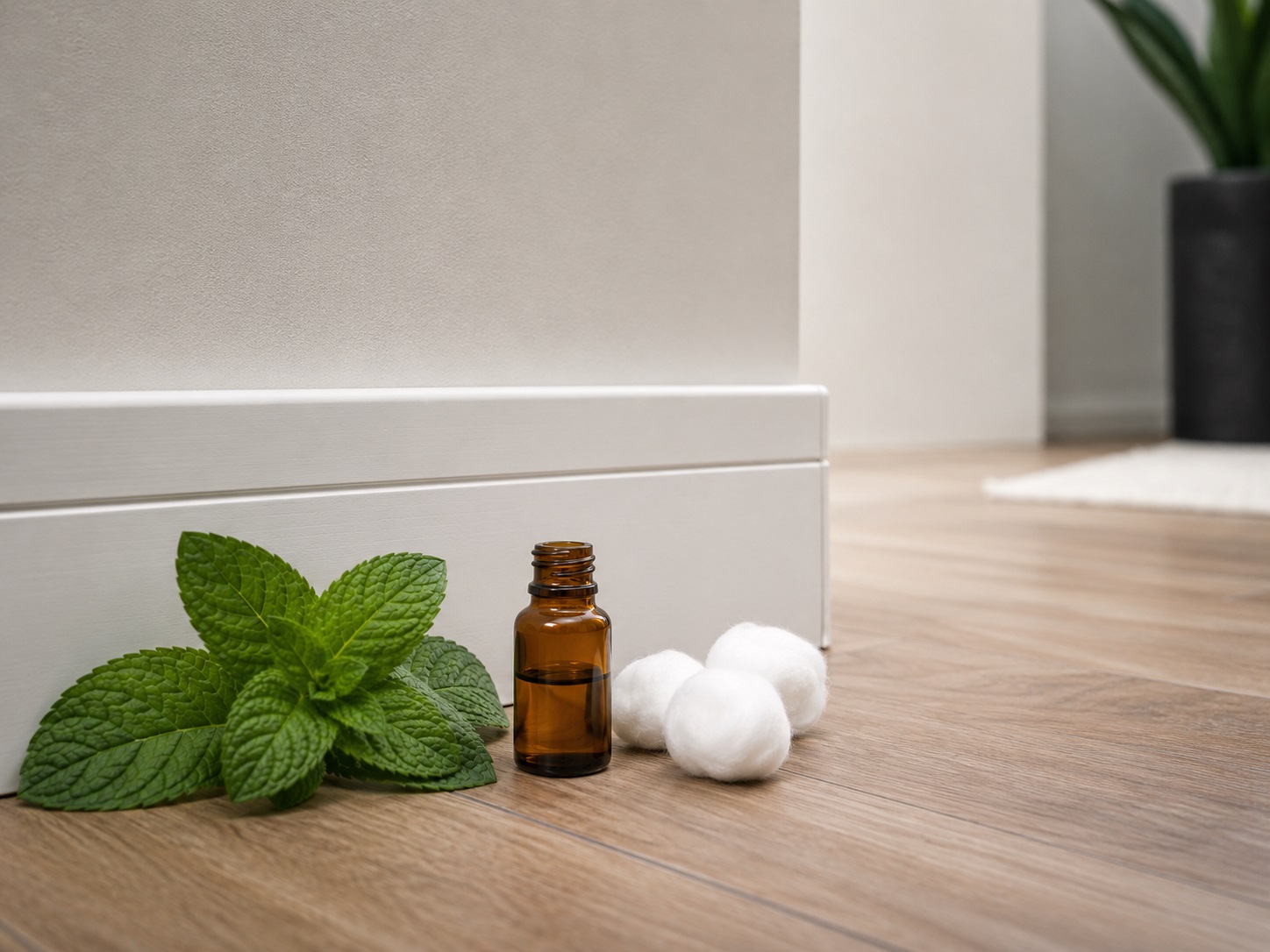
Peppermint is the most likely plant behind the fragrant-plant promise, and it is easy to see why. The scent is strong, fresh, and pleasant to people.
Still, a nice smell in the garden is not the same as a rat-free yard.
The main evidence comes from a 2010 rat study that tested peppermint oil and other extracts in a controlled arena. The extracts changed how the rats behaved there.
The authors said more research was needed to learn whether the effect holds up in real settings.
That matters because concentrated oil in a test arena is very different from living plants in a yard. Nothing in the study shows that planting peppermint keeps rats out of a garden.
University of California IPM adds that odors may repel rats briefly, but repellents have not solved rat problems for more than a short time. Grow peppermint if you enjoy it for tea or fragrance, and keep it in a pot, since it spreads fast.
Just do not count on it as your defense.
Fall can prompt an inspection, but rat patterns vary
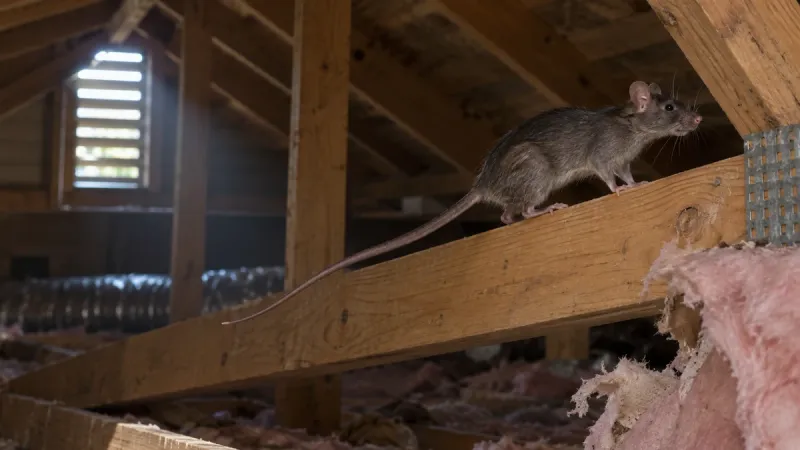
Cooler weather makes a handy reminder to look around for rodent activity. The catch is that the timing depends on which animal and which state you mean.
In Texas, Texas A&M’s rodent action plan notes that mouse problems can increase as fall temperatures cool. That is guidance about mice, so it should not be stretched to cover every rodent.
Florida looks different. UF/IFAS describes roof rats there as breeding year-round, with peaks in spring and fall.
So a Florida yard can have roof rats in any month, and fall is one of two busy stretches rather than the start of a surge.
The practical takeaway is simple. Treat fall as one good checkup point, not the only one.
Walk the property, look at the roofline and foundation, and fix problems before you see a rat, not after.
Reduce food and shelter around the yard
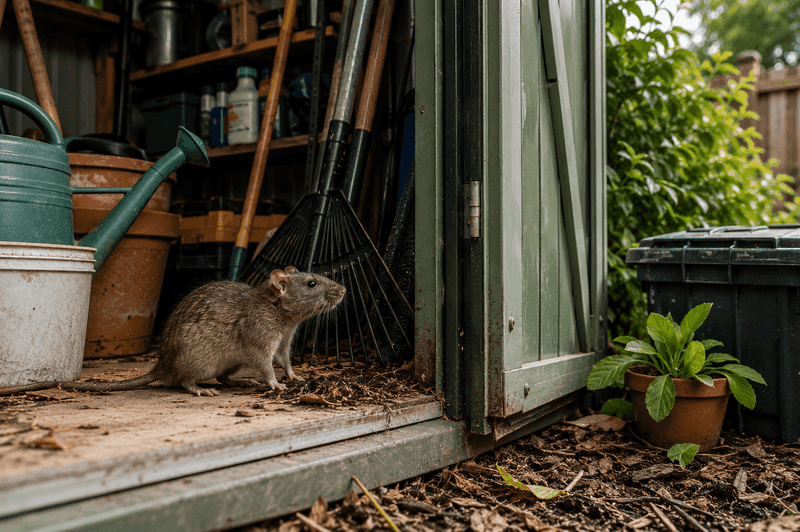
Rats stay where food and cover are easy to find, so taking those away may make your yard less appealing. These steps lower the odds of trouble, but they cannot guarantee rats will stay away.
Start with food. Keep garbage in lidded cans, store pet food and animal feed in sealed containers, and pick up fallen or rotting fruit from citrus, mango, and pecan trees.
Clear out garden debris, too, since a pile of old vines makes a cozy hideout.
Next, look at shelter. CDC guidance supports moving brush and wood piles away from the house, ideally raised off the ground.
Plant placement counts as well. UF/IFAS advises keeping plants at least 2 feet from the house at their mature size and pruning limbs that touch or overhang it.
Those limbs act like bridges to the roof, which matters most where roof rats climb.
Inspect and seal routes into the home
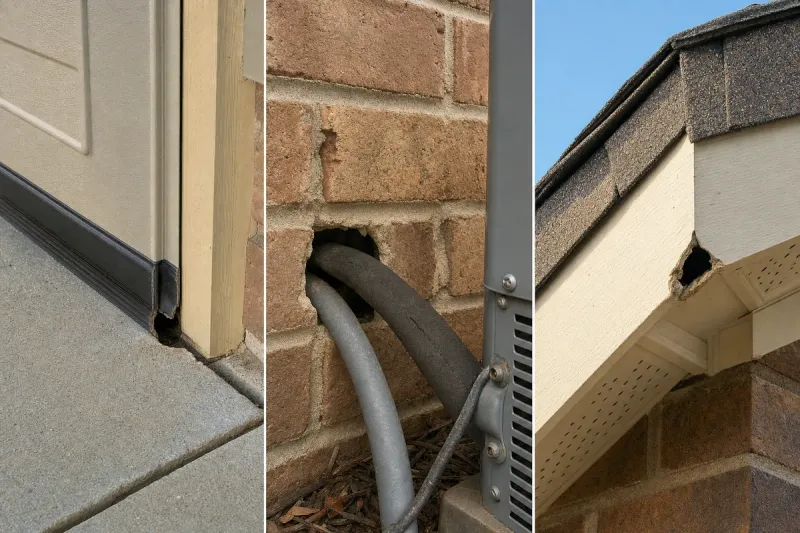
Even a tidy yard will not help much if rats can walk right into the house. A slow lap around the outside can show where they might get in.
Check the foundation, doors, windows, vents, eaves, and spots where utility lines enter the walls. Look for gaps, cracks, and chewed edges.
Do the same inside, under sinks and in the garage or attic.
UC IPM advises sealing openings larger than 1/4 inch. That is smaller than most people expect, about the width of a pencil.
For bigger holes, the CDC lists options such as metal, hardware cloth, and cement. Soft fillers alone are easy for rodents to chew through.
Sealing blocks access, but it will not clear out rats already inside. If you hear scratching or find fresh droppings, deal with the active problem first so animals are not trapped indoors.
Look for signs and consider where rats may be nesting
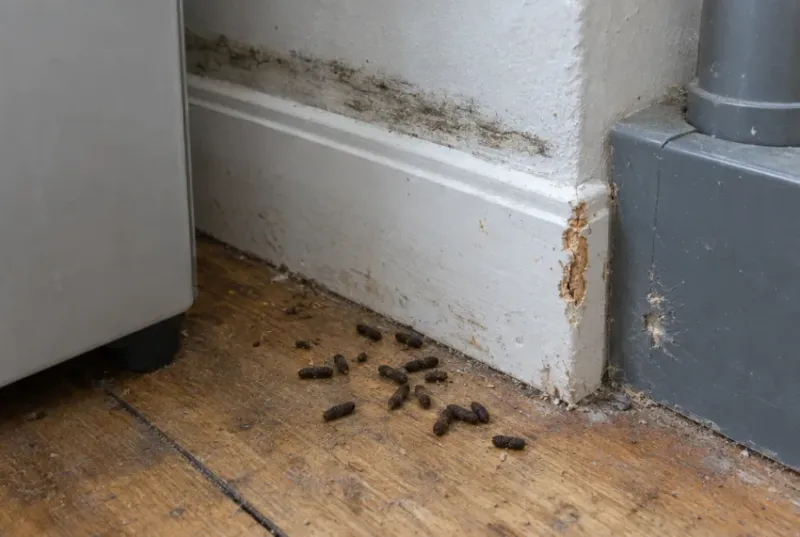
Clues often show up before you ever see a rat. Look for droppings along walls, gnaw marks on wood or wiring, greasy runways along fences, burrow holes, and fruit with chewed edges.
Where a rat nests can hint at the kind you have. UC IPM explains that Norway rats commonly burrow, while roof rats climb and may nest in trees, shrubs, or buildings.
Texas A&M AgriLife Extension also covers managing both rats and mice, which helps when you are not sure what you are dealing with.
Use these signs as a guide, not a verdict. A burrow near a compost pile points you to the ground, while damaged fruit high in a tree and noises in the attic point upward.
If the clues are confusing, your county extension office or a pest professional can help sort it out.
Respond to active signs with safe control and cleanup
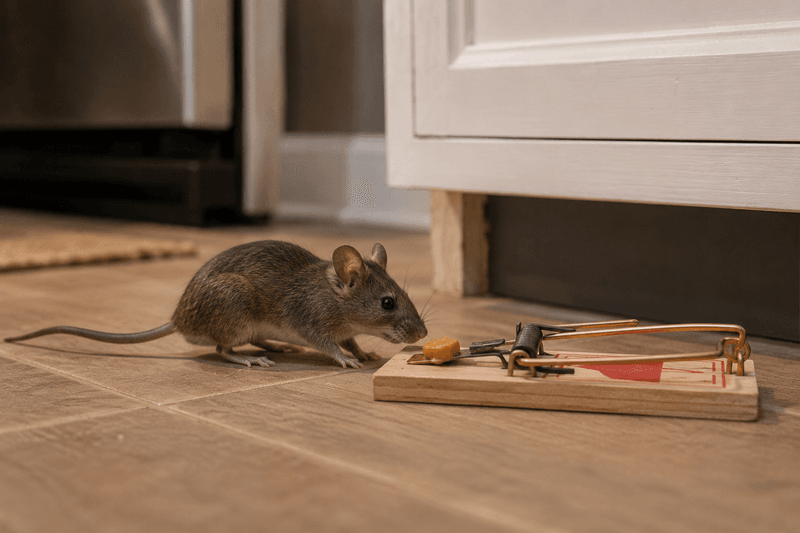
If rats are active, use methods with a track record rather than fragrance. UC IPM recommends snap traps and says to keep them out of reach of children and pets.
Placing them inside a covered box or along walls helps.
Be careful with bait. Rodent baits can harm pets and wildlife, so follow the product label and use an appropriate protected bait station if you choose bait.
Skip the mothballs. The EPA says using registered mothballs at an unlisted site, such as a fence line, is unlawful, and it can also be unsafe.
Cleanup needs care too. Following CDC guidance, do not sweep or vacuum droppings.
Wear gloves, wet them with disinfectant, let it sit as directed, then wipe them up.
A pleasant-smelling plant can’t do any of this work for you, but a clean, sealed yard can.