
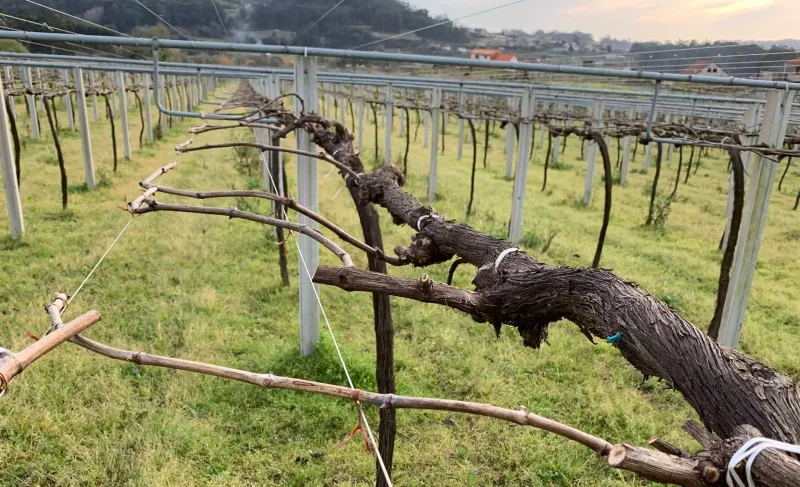
Muscadine vines can grow fast, and a few winter cuts shape how the vine behaves for the whole next season. Cut at the wrong time or in the wrong spots, and you may remove the very buds that make fruit.
Cut with a plan, and you get a vine that is easier to handle and better set up to carry a crop. Here is how to match your timing and your cuts to the vine in your yard, whether you garden in Florida, Texas, or somewhere nearby.
How dormant pruning supports next season’s crop
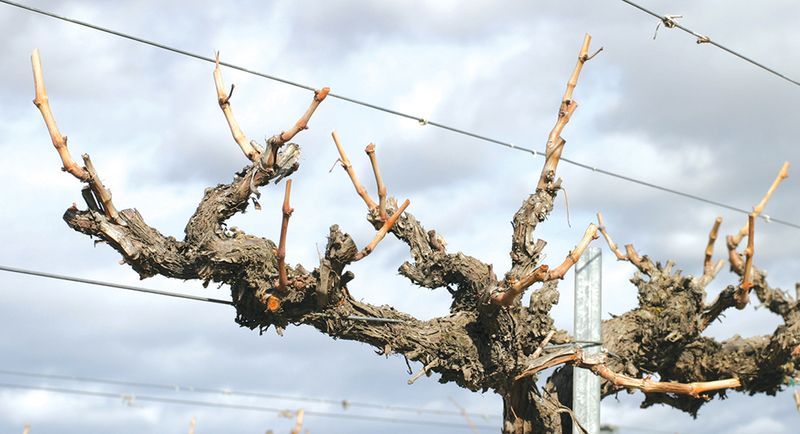
Every muscadine cluster you pick next summer will hang from a new shoot. Those shoots grow out of buds on wood the vine made last season, so the buds you keep in winter are the starting point for next year’s fruit.
That is why selective cuts matter, as UF/IFAS muscadine guidance explains. Pruning keeps well-spaced fruiting buds and holds back the tangle of excess growth that shades the vine and makes it hard to manage.
It also helps prevent overcropping, when a vine sets more fruit than it can ripen well. University of Georgia specialists call late winter prime time for this work on dormant vines.
Here is the honest part. Pruning supports a productive vine, but it cannot promise a bigger harvest.
Yield also depends on vine health, cultivar, training, weather, and how many viable buds you retain, a point NC State Extension reinforces in its pruning steps.
When to prune in Florida and Texas
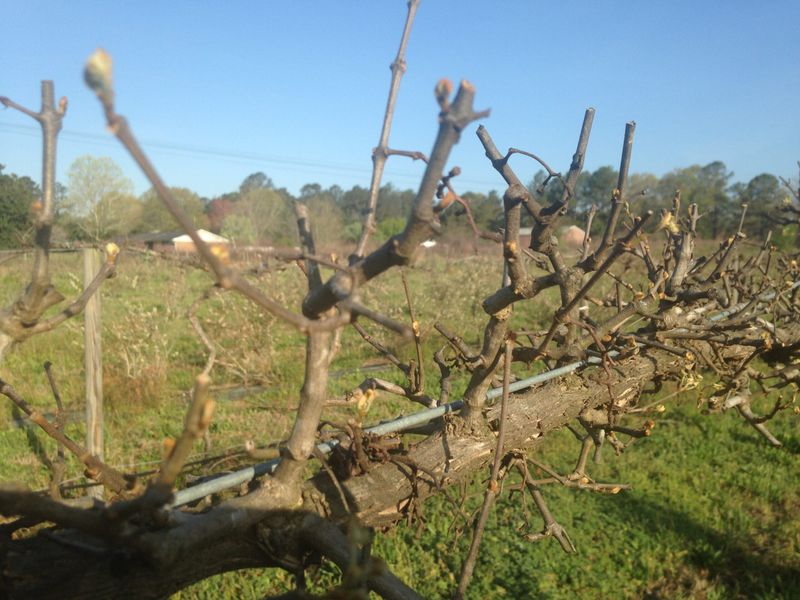
Florida gardeners have a clear window. UF/IFAS recommends pruning from mid-January to mid-March.
It warns that cutting in November or December can raise the risk of winter injury in some cultivars, especially before they have adjusted to cold.
Texas is less settled. A Texas A&M muscadine profile suggests January or February.
An older Texas A&M arbor page points to November or December to reduce sap bleeding.
Since the advice differs, skip the hunt for one statewide date. Texas stretches from humid east to dry west, so let your local conditions guide you.
The rule that holds everywhere is simple. Prune while the vine is dormant, and finish before the buds begin to swell.
If your area gets hard freezes into late winter, waiting a bit within that window is a reasonable call.
Read the structure of an established vine
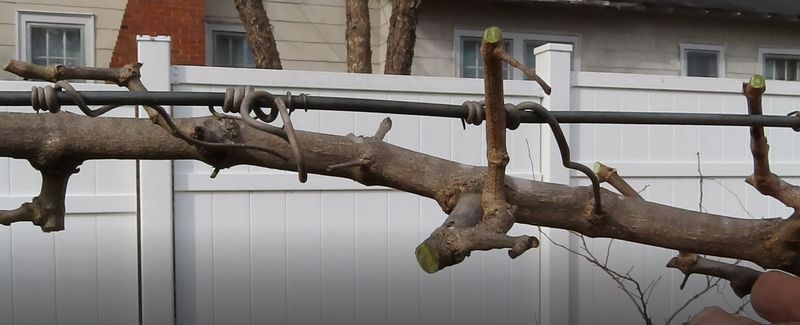
Before you cut anything, look at how the vine is built. The trunk is the main stem rising from the ground.
The cordons are the long permanent arms stretching along the wire, and the fruiting shoots grow from spurs along those arms.
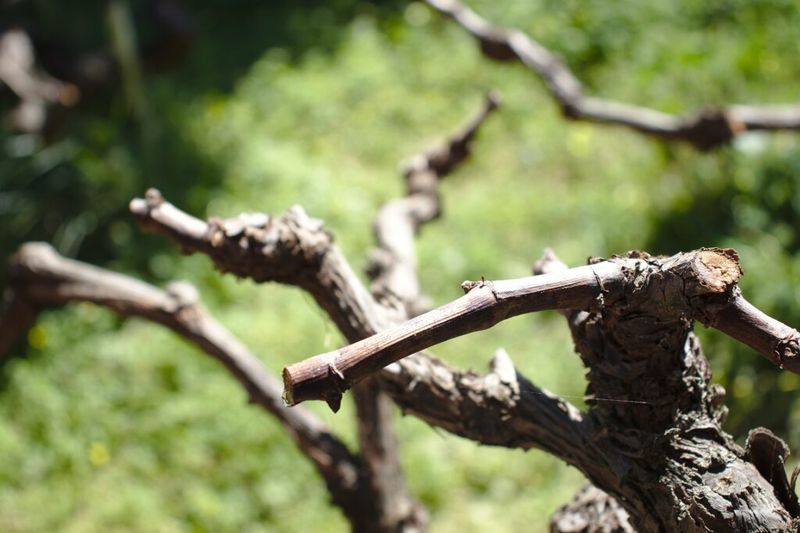
On an established, trained vine, last season’s shoots are shortened to short spurs. A Texas A&M guide advises cutting previous-season shoots back to two or three buds and spacing the spurs along the cordon.
UF/IFAS gives a similar rule: two to four buds, about every six inches. Treat those numbers as a starting guide, not a formula for every vine.
Your training system changes the plan. A single-wire cordon, a two-wire setup, and an arbor each hold wood differently, so work out where your permanent arms run first.
Then you can tell which growth is structure and which is just last year’s extra.
Make selective cuts with suitable tools
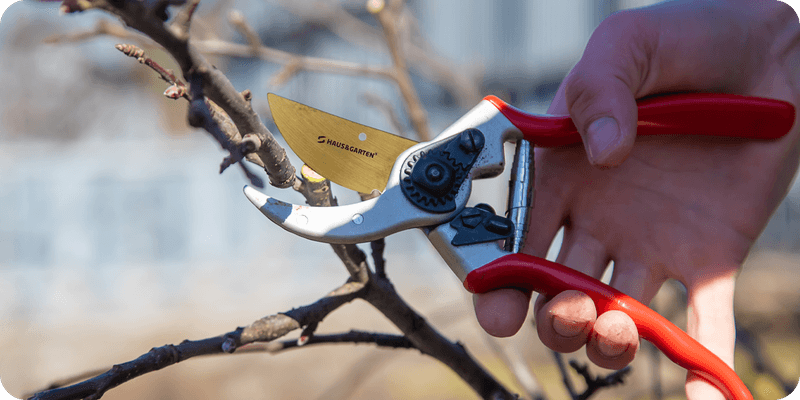
Start by finding the permanent cordons and leaving them alone. Then walk along each arm and pick the spurs to keep, aiming for even spacing rather than a crowded row.
Next, cut last season’s shoots back to the bud count your local guidance suggests. Remove dead, weak, and tangled growth, and any shoots hanging down to the ground.
The goal is selective cuts, not chopping the whole vine back.
Match the tool to the wood. NC State’s step-by-step pruning approach works through the vine in order, and sharp hand pruners handle small shoots cleanly.
Loppers take on thicker wood.
Keep your tools clean. UGA Extension pruning advice supports disinfecting blades when you remove diseased tissue or move between plants where disease is a worry.
A quick wipe with rubbing alcohol often does the job.
Finish by pulling cut wood off the trellis, since tangled leftovers make next year’s pruning harder.
Train young vines before using mature-vine pruning
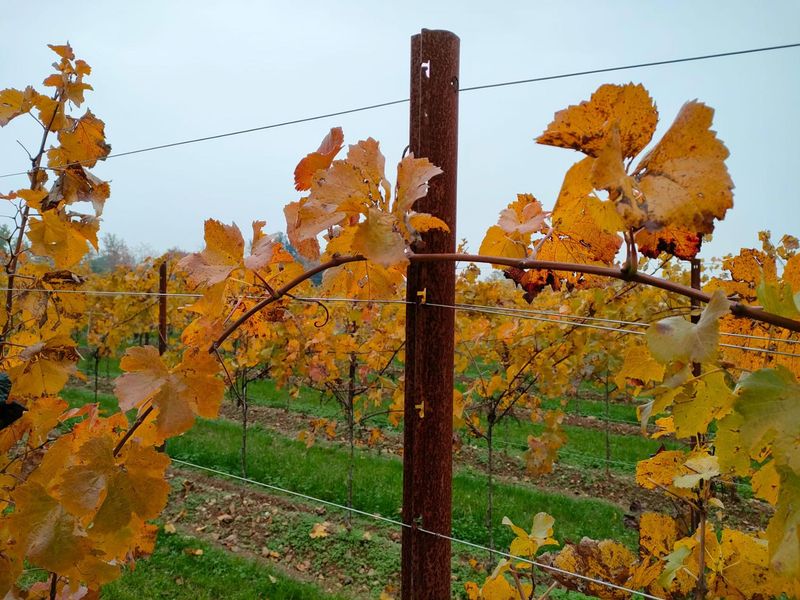
A new vine has a different job than an old one. Its first priority is to build a strong trunk and cordons, not to bear a crop.
If you are tempted to follow spur-pruning steps on a vine that is only a year or two old, hold off. Those instructions fit established, trained vines, and applying them early can cut away the wood you are trying to grow.
The Texas A&M muscadine guide recommends removing flower clusters in the first year so the vine puts its energy into structure. In the second year, depending on how well the vine has grown, you may thin clusters instead of letting it carry a full load.
Not every young vine needs the same treatment. A vigorous one that has already reached the wire may be ready sooner than a slow one in poor soil.
Judge by growth, not the calendar. Once the trunk is up and cordons are set, mature-vine pruning makes sense.
Renovate overgrown vines without expecting an instant crop
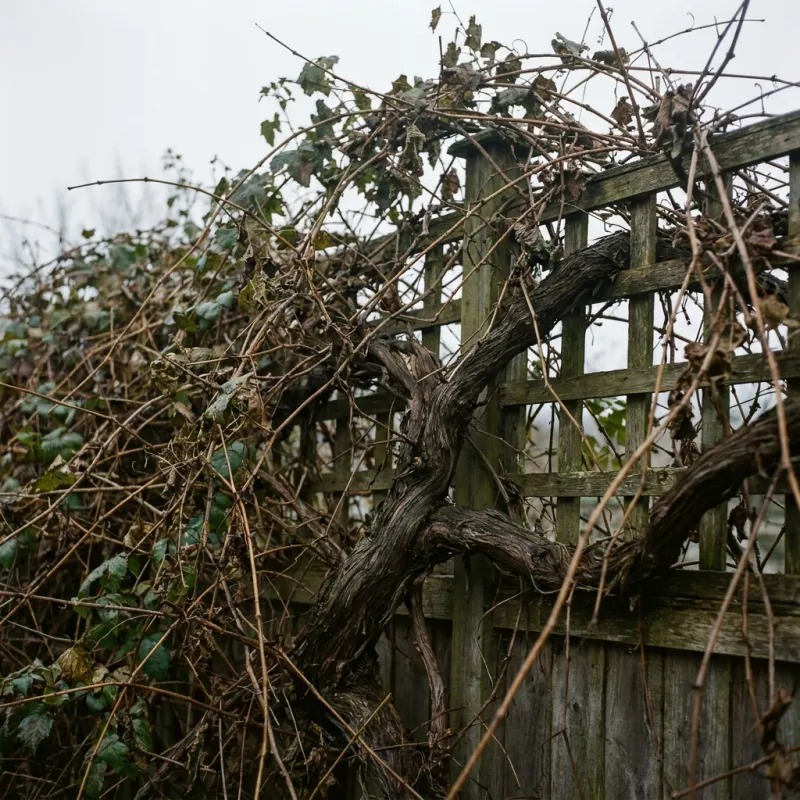
An overgrown vine tempts you to cut hard and start fresh. Be careful, because that fix has a cost.
University of Georgia guidance notes that cutting back to the original arm may mean no grapes the following year on that section.
Staged renovation softens the loss. Work on one section or arm at a time over a couple of seasons, so some of the vine keeps fruiting while the rest is restored.
You may see advice to remove 80 to 90 percent of last year’s growth. That figure shows up in Texas A&M and NC State material for particular established vines and systems, so do not treat it as a rule for every backyard vine.
Finally, if sap drips from cuts made near spring growth, stay calm. UF/IFAS reports no demonstrated injury from bleeding, and the cuts do not need sealing.
Prune for a sound vine, not a guaranteed harvest
Check your local dormant window, decide whether your vine is established or still in training, and cut to fit its structure. UF/IFAS is a good starting point for Florida timing.
Good pruning gives you a vine that is easier to manage and better set up for a crop, but no cut can promise one. A tidy vine is simply a fair start for summer.