
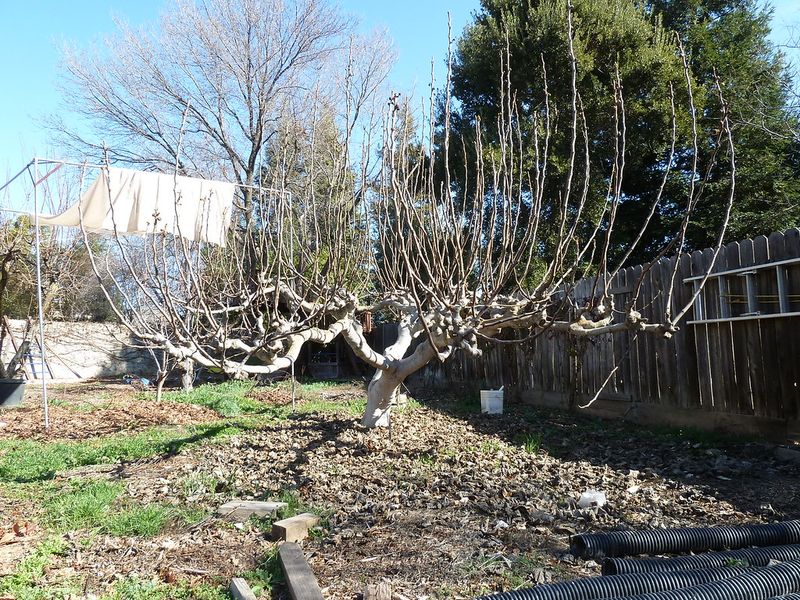
Fig trees can look shaggy by late fall, and many gardeners reach for the pruners. But some of those tidy-looking branches may be carrying the seeds of next summer’s first figs.
A few smart choices now can help you keep the fruit you want while still shaping your tree.
Two crops use two different kinds of wood
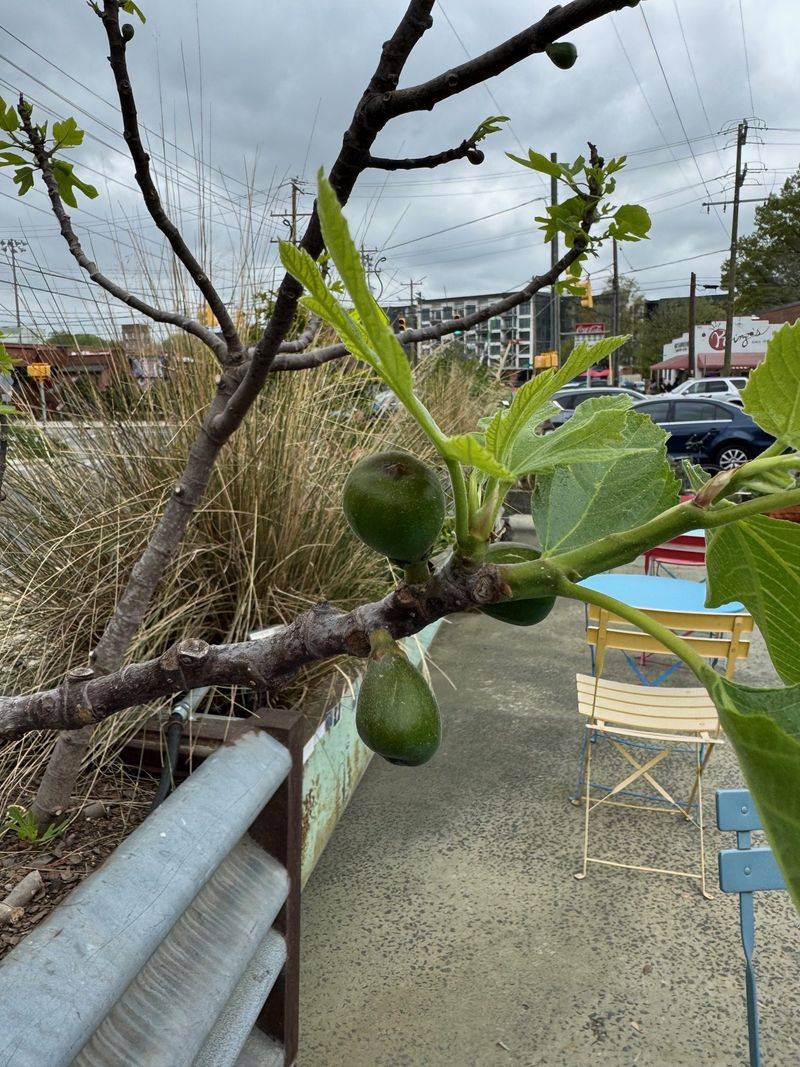
A fig tree can have two harvests, and each one grows on different wood. The early crop, called brebas, forms on branches that grew last year.
The main crop generally forms on the current season’s growth, according to UC Master Gardeners of San Luis Obispo County.
That split is why a winter cleanup can backfire. Cut off healthy branches from last season and you can reduce or remove brebas on those branches, if your variety makes them at all.
Cut lightly and you leave plenty of wood in place.
The title’s warning is a bit too big, though. Losing brebas is not the same as losing the whole year’s figs, because the main crop can still grow on new shoots.
Maryland Extension also notes that results depend on the cultivar, how severely you prune, and growing conditions.
So the real question is simple: how much early fruit do you want, and which branches carry it?
Does your fig tree produce brebas?
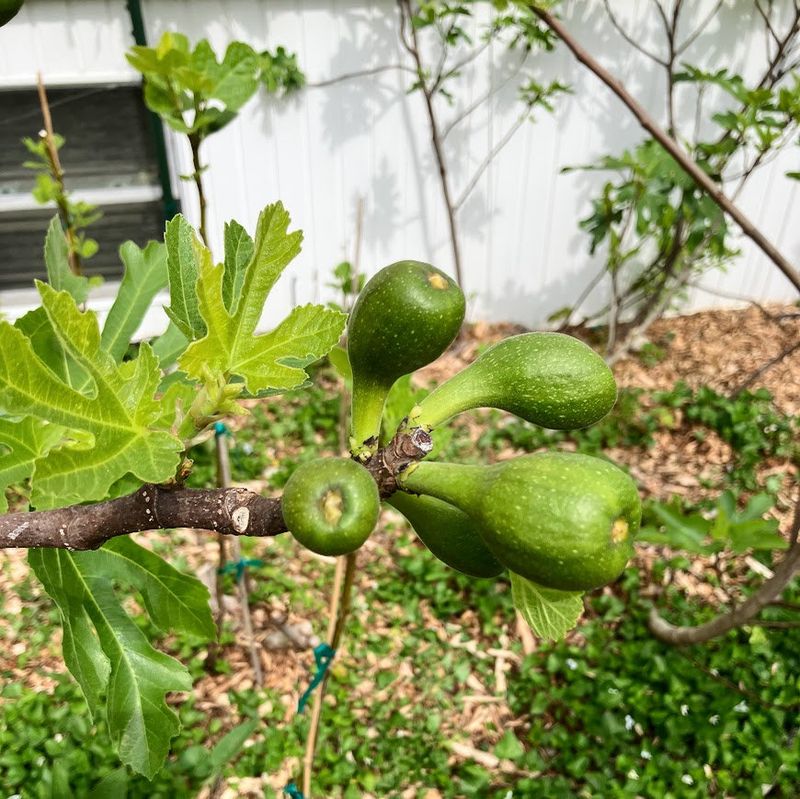
Before you protect any branches, find out whether your tree even makes an early crop. Fig cultivars differ here.
UC Extension says some common figs produce brebas while others may not, so a neighbor’s tree may not behave like yours (see UC guidance on figs).
Even a breba-capable tree is not guaranteed to deliver. Maryland Extension says breba yield depends on the cultivar, pruning severity, and growing conditions.
A cold snap or a heavy cut can change the outcome.
Look at your own tree’s history. Do tiny figs show up on last year’s wood in spring, well before summer?
Check the plant tag or nursery records for your cultivar name too.
If you see brebas most years, preserving some prior-year wood may be worth it. If you never do, you have more freedom to prune for other reasons.
Protect healthy last-year branches if you want brebas
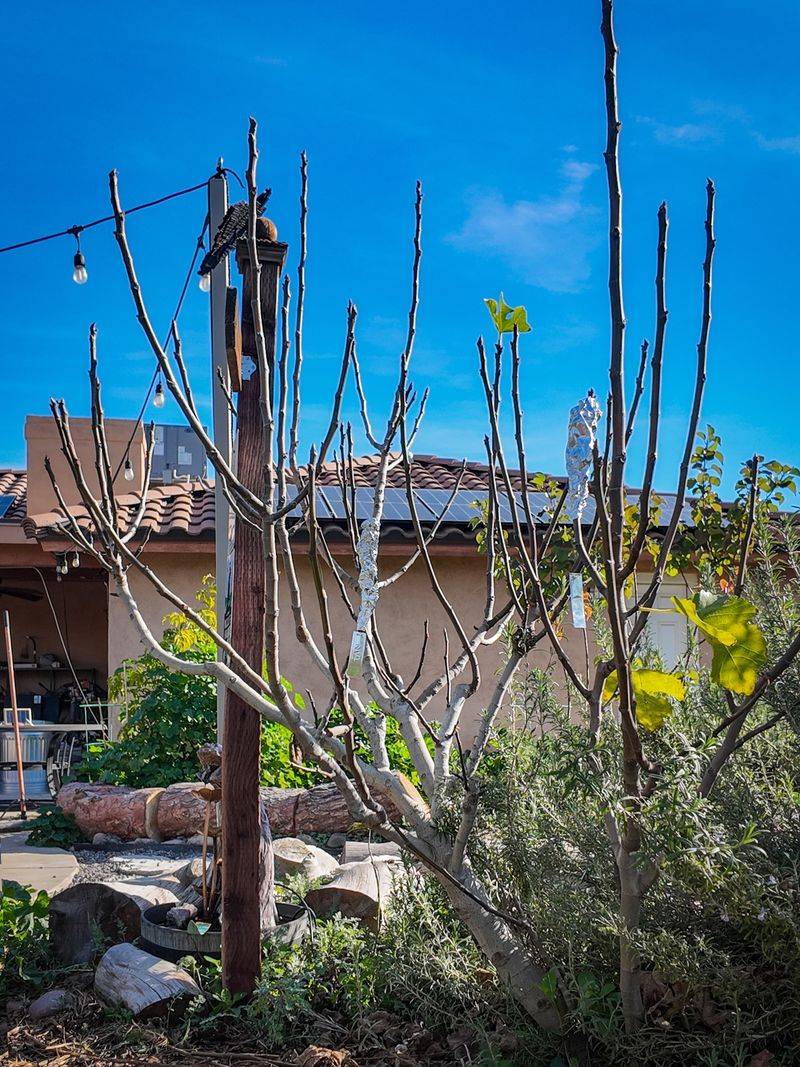
Last season’s healthy branches are the ones to think twice about. Those are the shoots that may carry the early crop, and cutting them can remove brebas from those branches.
The UC Master Gardeners describe this link between prior-year wood and the first crop.
Picture two gardeners. One trims a fig back hard because it looks messy and loses most of the early figs.
The other removes only one crossing limb and keeps the rest of last year’s growth.
Keeping that older wood is a crop choice, not a rule for tree health. Mature figs can produce their main crop on new growth, so a tree is not harmed just because you did not save every branch.
UC’s fig pruning and thinning page is a helpful reference for deciding what to cut.
Removing wood for a clear reason, such as damage or a size limit, is a different decision from tidying for looks.
Match pruning timing to your climate and goal
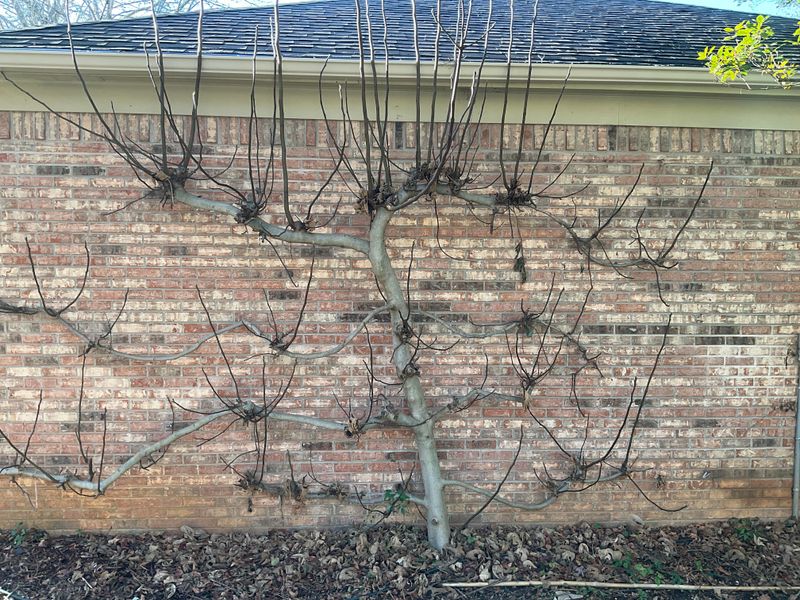
No single date works for every Southern yard. In Florida, UF/IFAS recommends that growers who prune do it after harvest, and it warns that heavy winter pruning can eliminate the following year’s crop.
California guidance reads a little differently. UC advice treats dormant-season pruning as generally appropriate, but it cautions that trees grown for brebas should avoid heavy winter cuts.
UC’s pruning and thinning page adds further detail.
So late fall or winter is not automatically wrong. A light cut to remove a dead limb is a very different job from a heavy cutback.
Start with your own goal. Then check your county extension office for local timing, and think about which last-year wood you want to keep.
That beats picking a calendar date from a neighbor.
Texas cultivars show why hard pruning is not universal
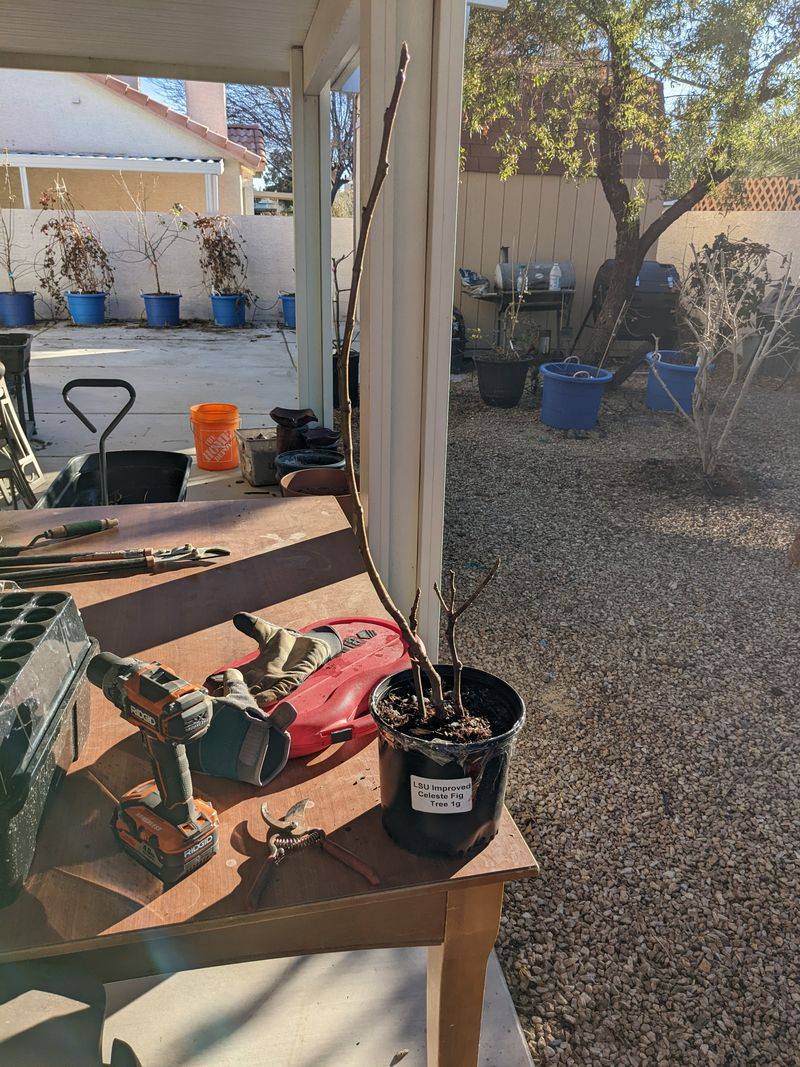
Texas gardeners see how much varieties differ. Texas A&M AgriLife Extension reports that heavy pruning of a mature ‘Celeste’ reduces its crop.
If you grow that one, a hard cutback has a real cost.
The same publication says ‘Texas Everbearing’, also called ‘Brown Turkey’, can produce a fair to good crop on new growth after severe freeze injury. That is a specific response to a specific event, when a freeze has already killed the top growth.
It is not a green light for hard pruning on every fig. A tree recovering from freeze damage is in a different situation than a healthy tree you simply want to shrink.
The practical lesson is to learn your own cultivar. Pruning a ‘Celeste’ like a ‘Texas Everbearing’ could leave you with fewer figs than you expected.
Make targeted cuts and protect your skin
Prune for a reason you can name. Dead, damaged, or rubbing branches are good candidates, and so are limbs that push the tree past the size you can manage.
UF/IFAS frames pruning around the tree’s real needs rather than a yearly buzz cut.
Healthy prior-year branches deserve a second look before they go. Removing them just for neatness can cost you brebas on those branches.
UC’s pruning and thinning guidance can help you judge what to thin.
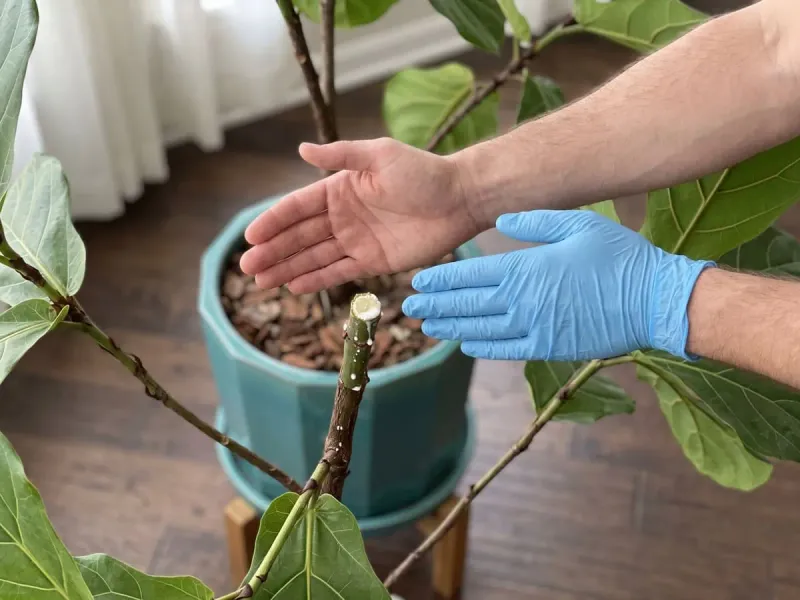
Gloves matter here. Fig branches release milky latex that can irritate skin, as both UF/IFAS and Maryland Extension point out.
Wear long sleeves too, and wash up after you finish. Make clean cuts just above a bud or at a branch junction, and step back often to see what the tree still needs.
Weigh the early crop against the main crop
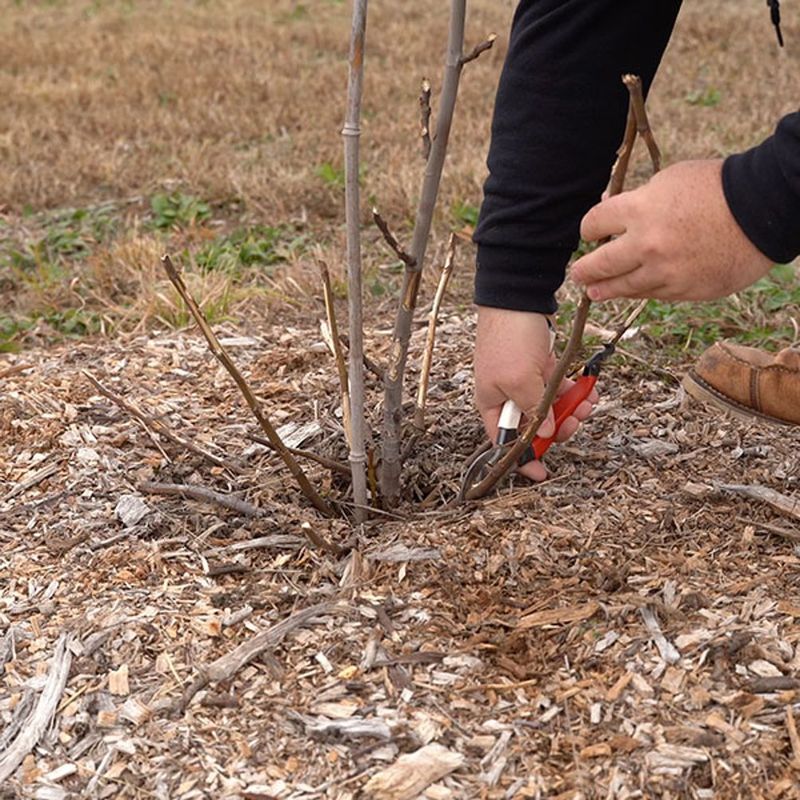
Here is a simple rule to carry into the garden. If your cultivar produces brebas and you value them, keep healthy prior-year wood and prune only what you must.
If not, you can prune more freely for health, size, or shape.
Brebas are not the whole harvest, and keeping every branch is not required. Bigger is not always better either.
Maryland Extension says an unusually large early crop can affect the quality of the later main crop.
That makes selective pruning the middle path. You remove a few problem limbs and leave the rest, rather than doing a hard cleanup that strips the tree of last year’s growth.
UC guidance supports caution with heavy cuts when brebas matter to you.
A fig tree forgives a light hand far more often than a heavy one.