
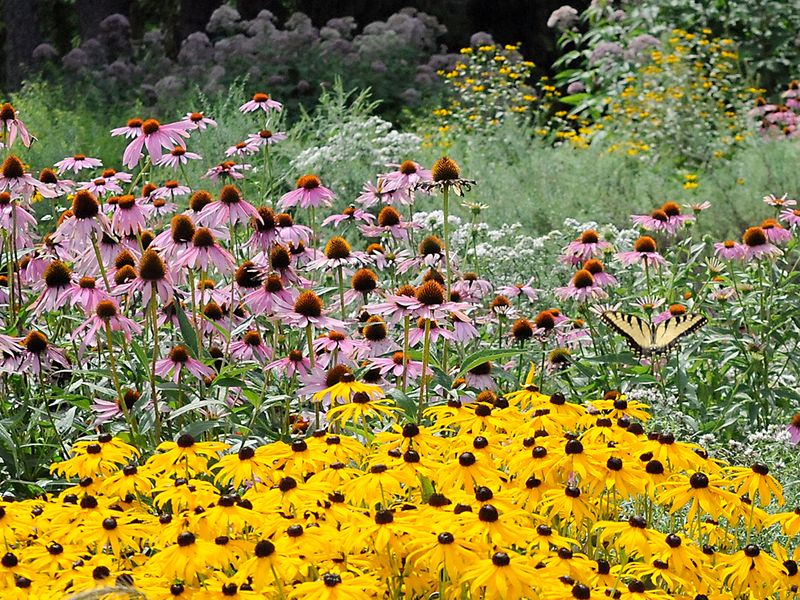
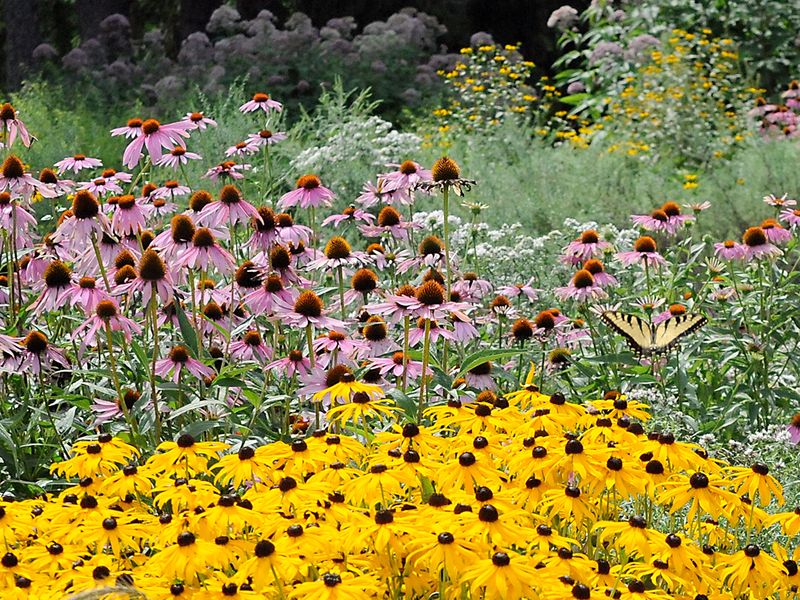
That bare slope in your yard, the one that washes out every time it rains, can turn into a living wall of color by spring. Fall is the perfect time to scatter native seeds across North Carolina soil, because winter’s cold and moisture wake them up naturally.
The right natives hold the hillside in place, feed monarchs and bees, and cut down on the mowing you dread. Here are ten native seeds that thrive on tough slopes and reward you with a wildflower show come warmer weather.
1. Black-Eyed Susan (Rudbeckia hirta)
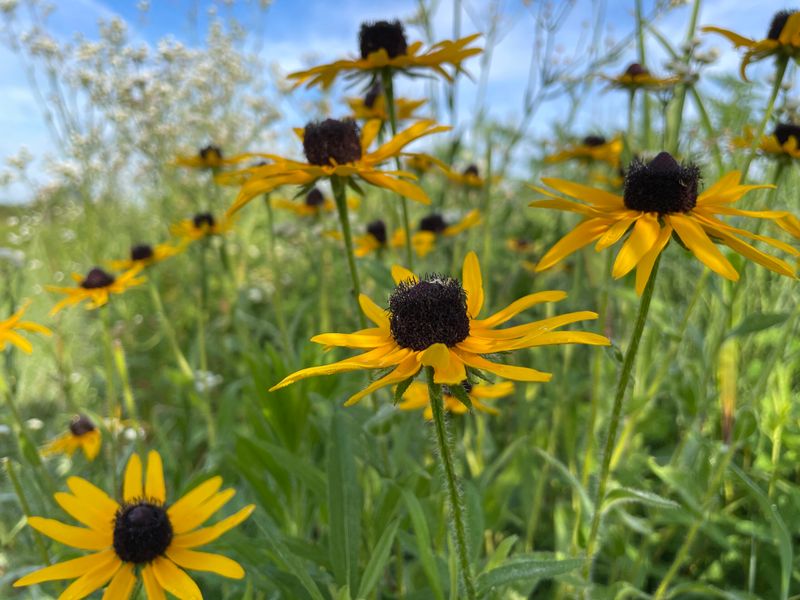
Golden petals with a chocolate-brown center make this one of the easiest natives to love, and it forgives nearly every rookie mistake. Black-eyed Susan sprouts fast and spreads on its own, which is exactly what a bare slope needs.
Its roots grab loose Piedmont clay and hold soil that would otherwise slide downhill after a storm. Bees and small butterflies swarm the blooms all summer, and goldfinches pick the seed heads clean in fall.
Scatter the seed on cleared ground before the first frost and let winter do the work. By late spring you will see the first rosettes, and by June the slope glows yellow with almost no effort from you.
2. Purple Coneflower (Echinacea purpurea)
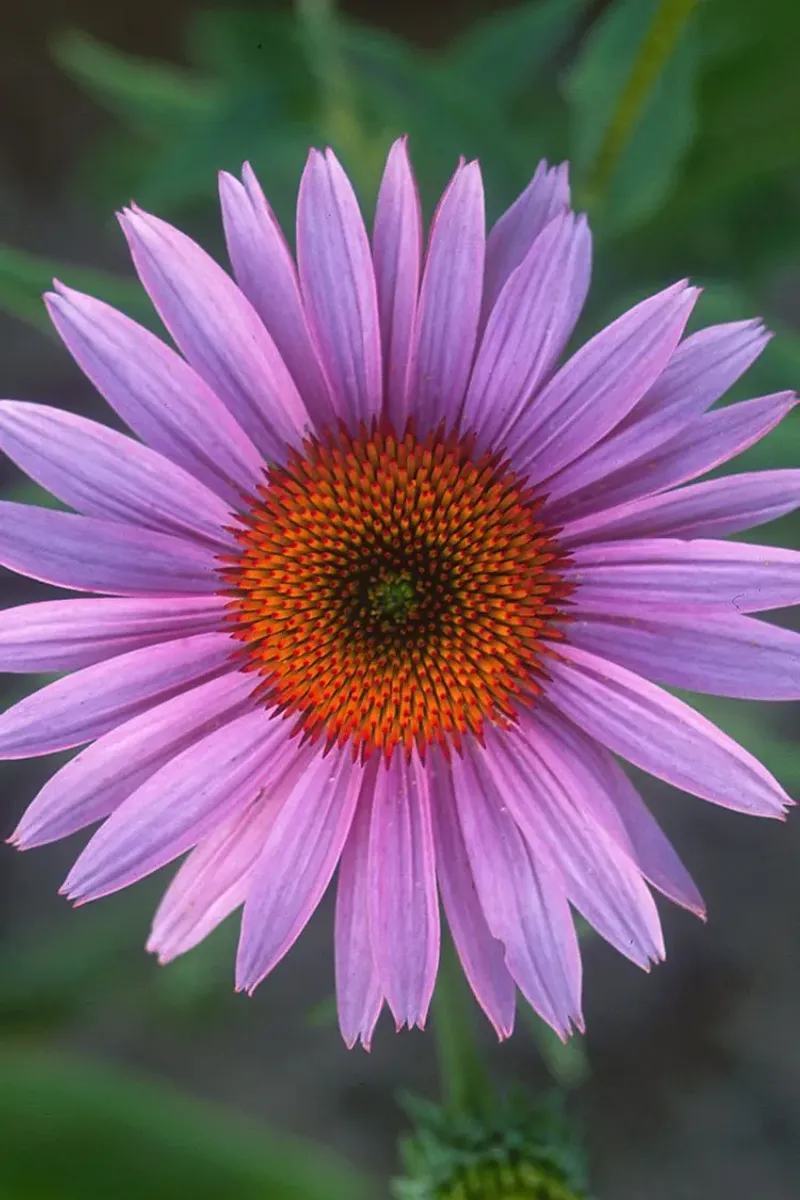
Few natives pull their weight quite like the purple coneflower, standing tall through July heat when weaker plants wilt. The daisy-shaped blooms rise on sturdy stems that shrug off wind and drought once established.
Deep taproots dig into hard ground, anchoring your slope while pulling up moisture from below. Monarchs and swallowtails treat the flat-topped centers like a landing pad, and finches raid the dried seed heads through winter.
Fun bit: this is the same echinacea sold in cold-remedy tea aisles. Sow the seeds in fall so the cold spell they need, called stratification, happens naturally in your yard instead of your refrigerator.
3. Lanceleaf Coreopsis (Coreopsis lanceolata)
Coreopsis is the plant that makes a slope look like sunshine spilled down the hill. Cheerful yellow blooms cover the ground for weeks, and the plant reseeds so freely you rarely have to replant.
It handles the poor, dry, gravelly spots where grass gives up, making it a natural fit for eroded banks across the Piedmont and coastal plain. Fine roots knit the surface together and slow runoff during heavy rain.
Native bees and tiny pollinators find these flowers irresistible, and the low, mounding growth chokes out weeds. Toss the seed thin across bare ground in autumn and thin nothing come spring, since coreopsis fills in the gaps itself.
4. Butterfly Milkweed (Asclepias tuberosa)
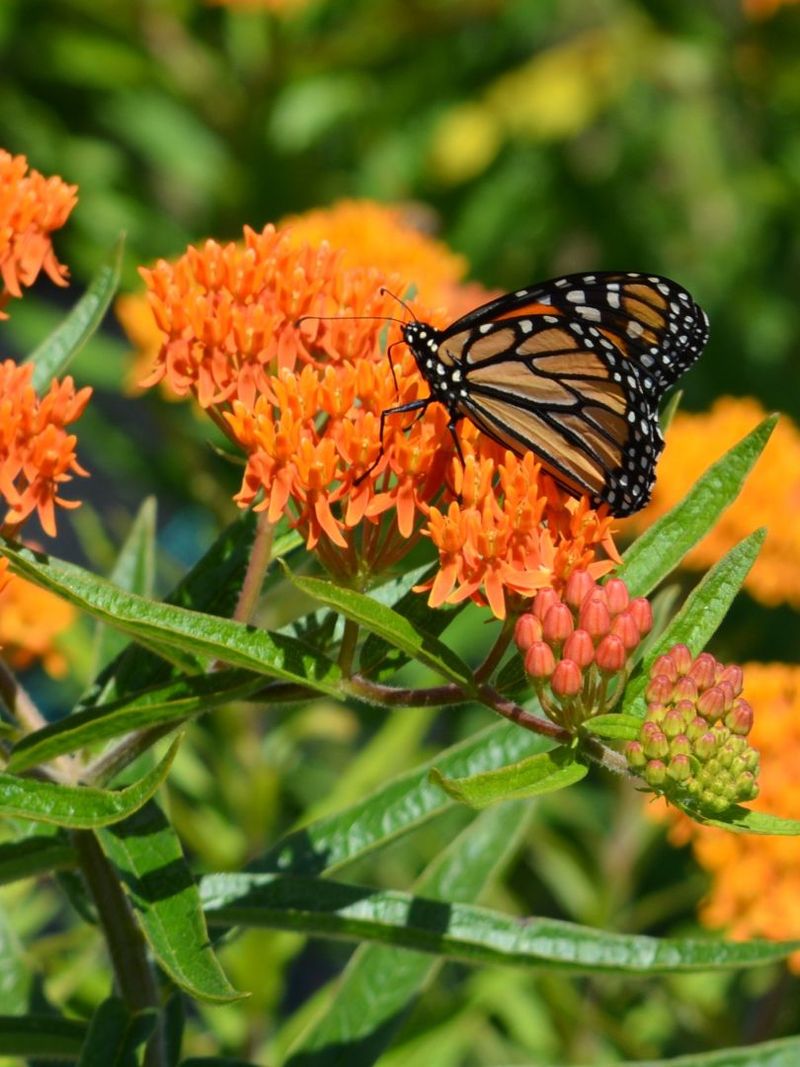
If you want monarchs, this is the seed that matters most. Butterfly milkweed is the host plant monarch caterpillars must have, and its blazing orange clusters draw butterflies from across the neighborhood.
Unlike its swamp cousins, this milkweed craves dry, sandy, well-drained ground, which is precisely what most bare slopes offer. A thick taproot bores deep, holding the hillside firm even during a drought.
Plant it once and leave it alone, because the taproot dislikes being disturbed. Fall sowing gives the seed its cold rest, and by the following summer you may be watching striped caterpillars munch their way to becoming monarchs right in your yard.
5. Partridge Pea (Chamaecrista fasciculata)
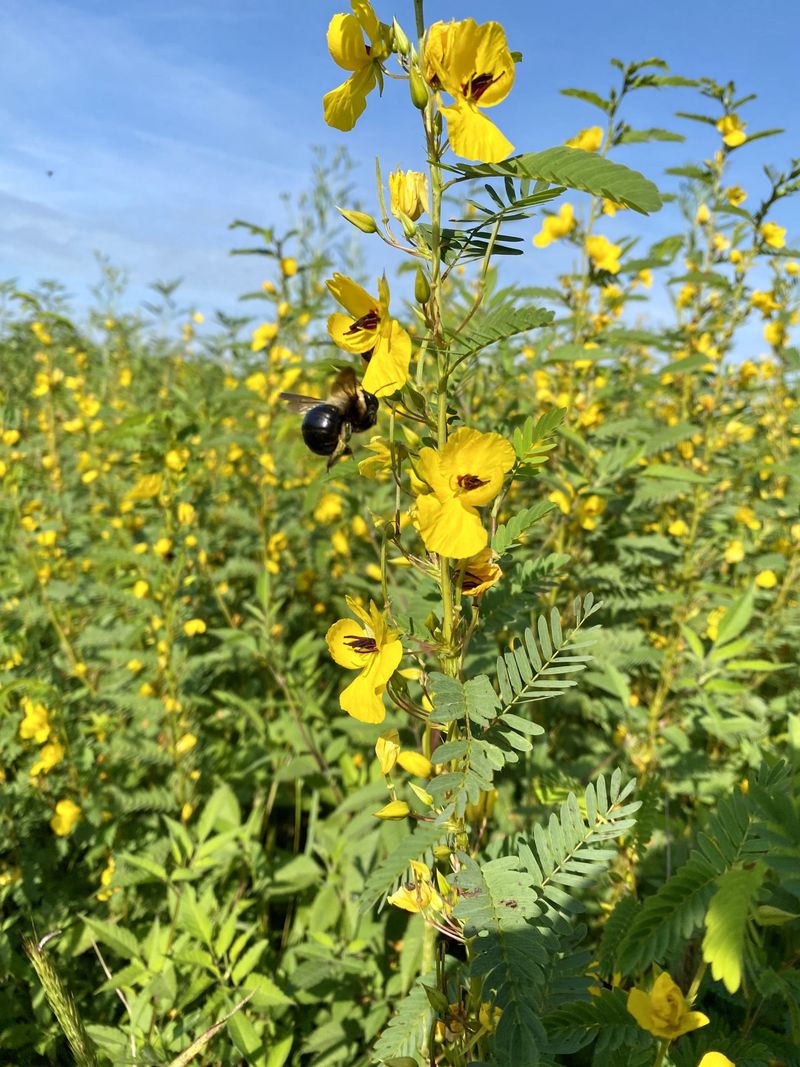
Here is a quiet workhorse that improves your soil while it blooms. Partridge pea is a native legume, meaning it pulls nitrogen from the air and feeds the ground, leaving the slope richer than it found it.
The lacy foliage and small yellow flowers cover disturbed banks quickly, which is why roadside crews use it to stabilize raw cuts. Bobwhite quail and songbirds feast on the seeds, and bumblebees work the blooms all season.
It reseeds itself as an annual, so a single fall scattering can keep coming back year after year. For a rough, sandy, sun-baked bank that nothing else will touch, this pea may be your best first move.
6. Wild Bergamot (Monarda fistulosa)
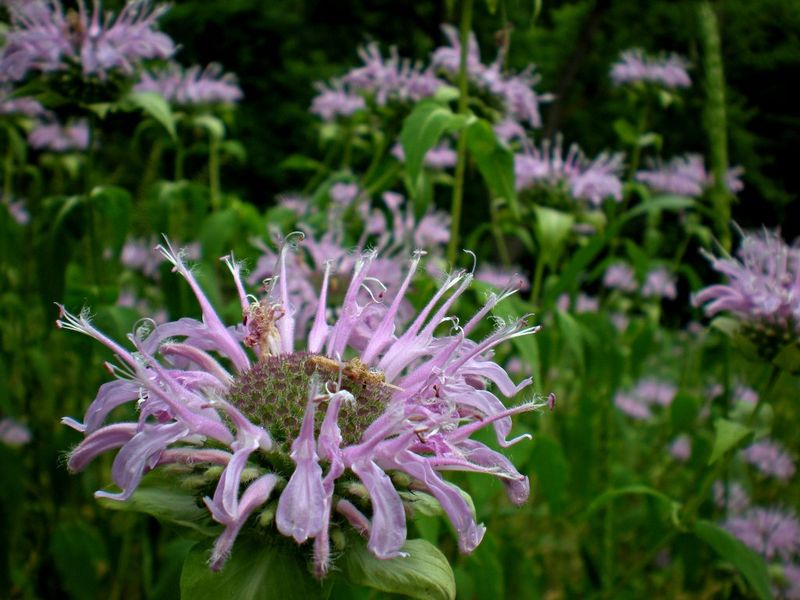
Crush a leaf and you will catch a whiff of oregano and mint, the same aromatic oils that make wild bergamot a pollinator magnet. The shaggy lavender blooms buzz with bees, and hummingbirds dart between them all summer.
Also called bee balm, it spreads by underground runners, weaving a mat that locks down loose soil on a slope. It tolerates the dry, lean conditions of an exposed bank and comes back stronger each year.
The strong scent can also make deer think twice before browsing your hillside. Sow it in fall among your other natives, and by the second summer you will have a fragrant, humming stretch of purple.
7. Little Bluestem (Schizachyrium scoparium)
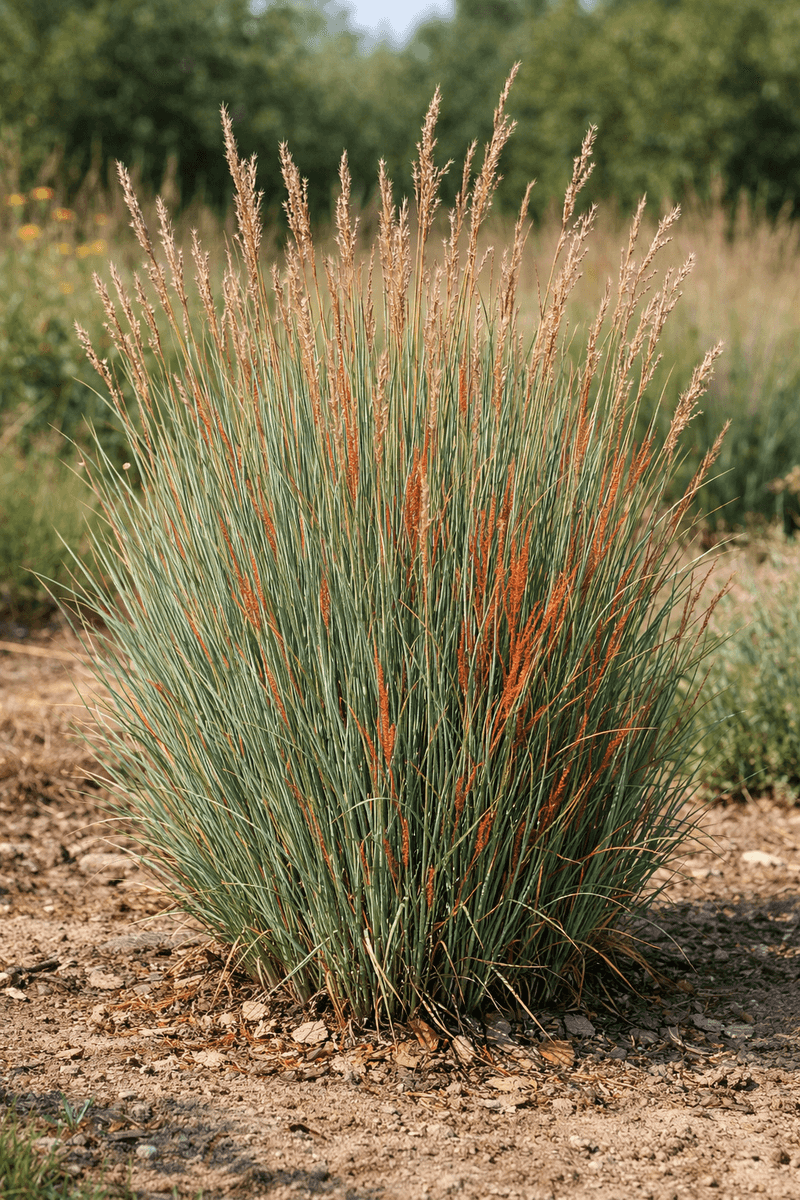
Every wildflower wall needs a backbone, and this native grass supplies it. Little bluestem grows in tidy blue-green clumps that turn a stunning copper-orange in fall, giving your slope color long after the flowers fade.
Its deep, fibrous roots reach several feet down, making it one of the finest natural erosion fighters you can plant on a North Carolina bank. The clumps also shelter ground-nesting bees and skipper butterfly caterpillars.
Mixed among your flowers, it keeps everything from flopping and fills winter gaps with texture and movement. Scatter the seed in fall, and the grass will settle in quietly, ready to hold the hill through every season.
8. Eastern Columbine (Aquilegia canadensis)
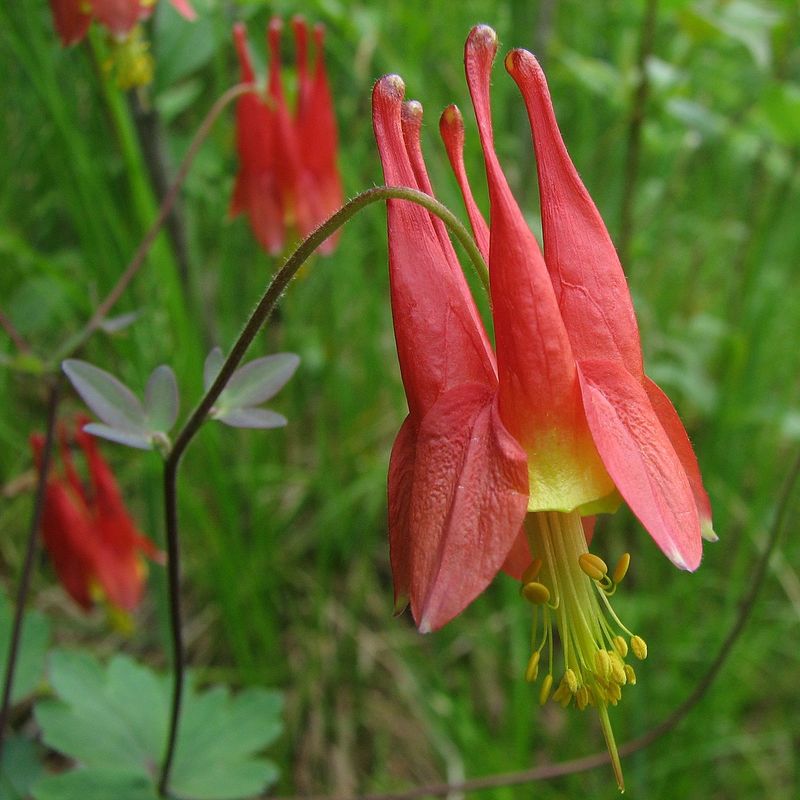
For the shadier, rockier stretch of your slope where sun-lovers sulk, columbine steps in. Its nodding red-and-yellow lanterns appear in early spring, one of the first native blooms to greet returning hummingbirds.
The plant tucks its roots into crevices and thin soil, thriving on the tricky spots where other seeds wash away. It reseeds gently, filling shaded pockets without ever taking over.
Ruby-throated hummingbirds time their spring arrival to flowers like this one, so you are feeding travelers who fly thousands of miles. Fall sowing lets the fine seed chill through winter, giving you dainty blooms while the rest of the slope is just waking up.
9. New England Aster (Symphyotrichum novae-angliae)
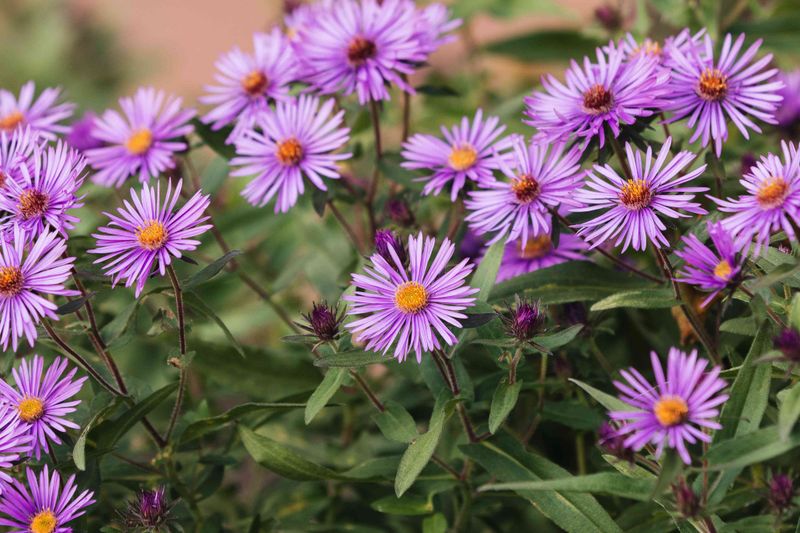
When most of the garden is calling it quits, New England aster is just getting started. Its royal-purple blooms explode in late summer and fall, feeding pollinators desperate for one last meal before winter.
Migrating monarchs lean on these flowers to fuel the long trip south, so a hillside of asters becomes a roadside diner for butterflies. The tall, bushy clumps also fill in the upper reaches of a slope where you want height.
Sprawling roots hold soil while the plant reseeds to expand its patch each year. Scatter the seed in autumn, and you will bookend your wildflower season with color from spring right through the first cool nights.
10. Lemon Beebalm (Monarda citriodora)
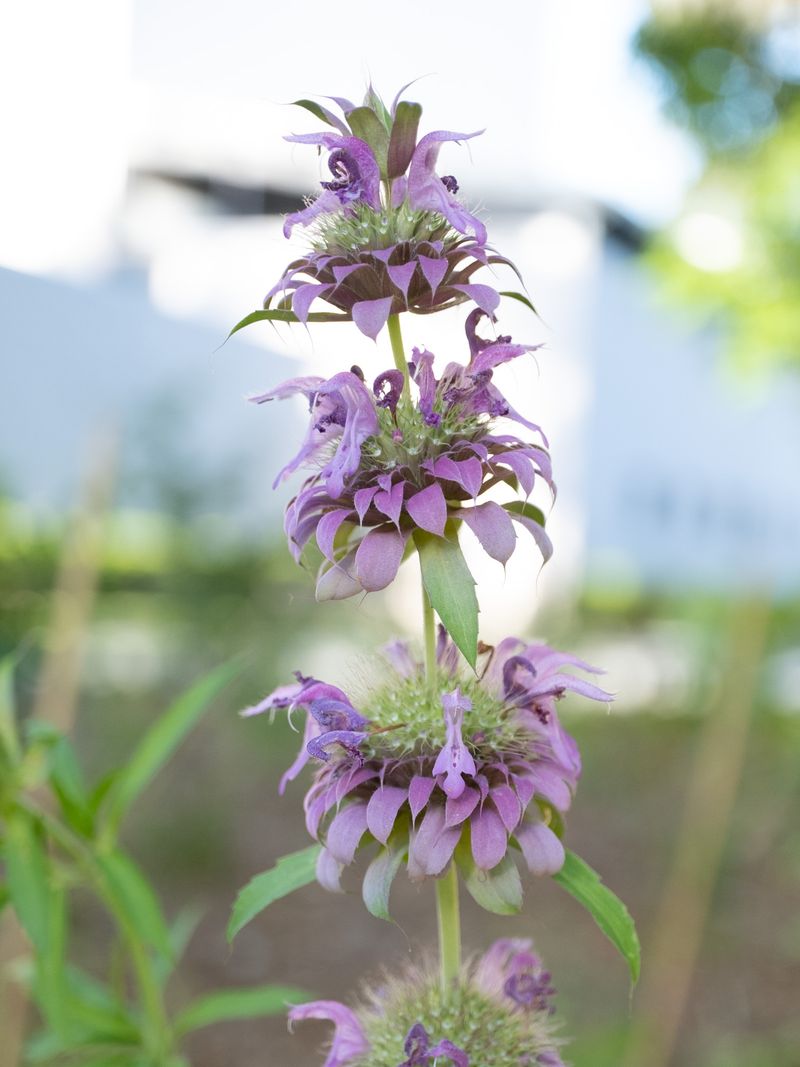
Rub the foliage and a bright lemony scent rises, hinting at why pollinators and gardeners both adore this one. Lemon beebalm stacks its pink-purple flowers in tiered whorls up the stem, a slightly wilder look than its bergamot cousin.
An easygoing annual and short-lived native, it establishes fast on open ground and reseeds to hold its place. The citrusy oils tend to keep deer and rabbits from nibbling, a bonus on a slope you cannot easily fence.
Bees, moths, and butterflies work the layered blooms from late spring into summer. Fold it into your fall seed mix for a fragrant, low-fuss layer that fills gaps while your slower perennials find their feet.