
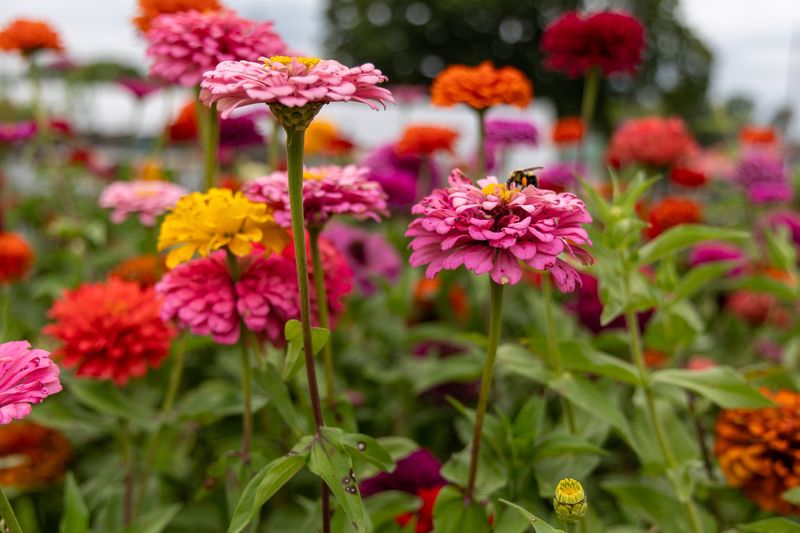
Plenty of Southern gardeners stare at their fading summer zinnia beds in September and wonder whether it is too late to get another round of color before cold weather arrives. The honest answer is: it depends on where you live and how many frost-free weeks you have left.
In parts of Florida and other warm Southern locations, a September sowing can produce a real flush of blooms before frost, but the same move made too close to a hard freeze is a gamble. Knowing how to read your local calendar and your seed packet turns that gamble into a reasonable plan.
September may still work in Florida and other warm locations
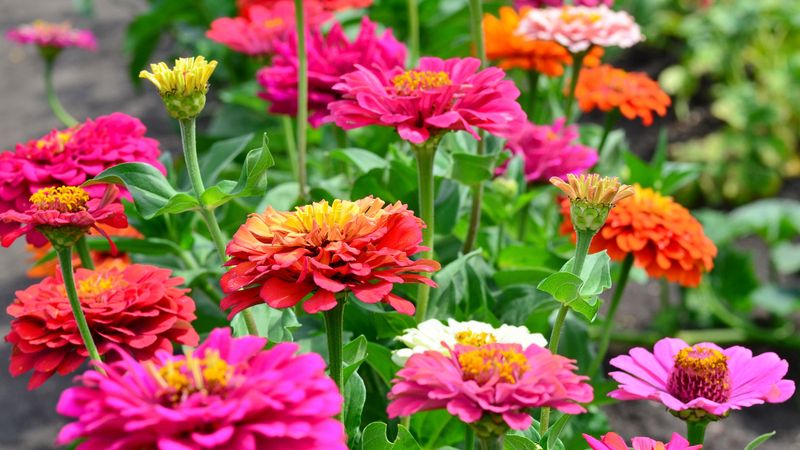
For Florida gardeners asking whether September is already too late, the short answer is no, at least not automatically. UF/IFAS guidance on zinnias specifically lists August through September as suitable planting months for southern Florida, and the same source notes that fall-planted zinnias in South Florida can bloom right up until the first frost.
That is a meaningful window, not a marginal one.
North Florida gardeners are not left out either. The UF/IFAS North Florida Gardening Calendar recommends zinnias in September specifically for fall color, which confirms that even the cooler northern tier of the state can support a late-season planting when conditions cooperate.
What these Florida recommendations do not do is extend automatically to every other Southern state. A September sowing in coastal Mississippi or central Georgia may work if the local frost date is far enough out, but that requires checking local conditions rather than borrowing Florida’s calendar.
The realistic goal here is a possible extra flush of blooms before frost arrives, not a winter flower crop. Zinnias are warm-season annuals, and frost ends the season for them regardless of when they were planted.
Use frost timing to judge your real deadline
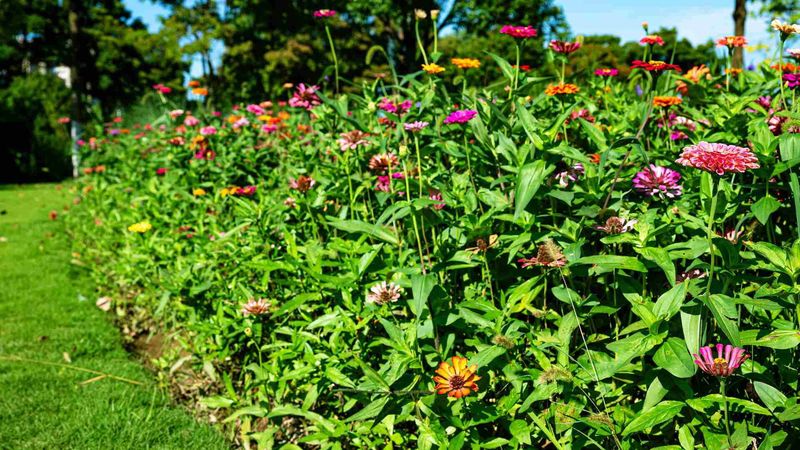
The month name on the calendar matters far less than the number of warm weeks still ahead of you. University of Georgia Cooperative Extension classifies zinnias as tender annuals that typically grow poorly in low temperatures, and they draw a clear contrast between zinnias and frost-tolerant plants like pansies.
These are not the same category of plant, and treating them as interchangeable leads to disappointment.
The frost cutoff is firm. UC Agriculture and Natural Resources states plainly that zinnias die at the first frost, and UF’s commercial production guidance echoes that they do not tolerate frost.
A warm autumn in southern Florida, where frost may not arrive until December or January, is a genuinely different situation from a September planting made in northern Georgia or the Tennessee border region, where the first frost can arrive in October.
The practical step is to look up your area’s average first frost date, then count how many weeks of reliably warm weather remain. Compare that number against your chosen variety’s days to maturity, which is printed on the seed packet.
If the math leaves a reasonable margin, September sowing is worth attempting. If the frost window is already close, the result becomes more speculative, and managing expectations honestly saves wasted effort.
Direct-sow while the soil remains warm

Warm soil is the single biggest factor working in your favor with a September sowing, and you want to take full advantage of it before temperatures drop. UF/IFAS recommends direct sowing zinnias where they will grow and notes that indoor-started seedlings can become spindly if started too early indoors.
Getting seeds into a sunny, well-drained bed while ground temperatures are still in the 70 to 80 degree Fahrenheit range gives them the best possible start.
Texas A&M AgriLife Extension lists approximately 70 degrees Fahrenheit as the optimum germination temperature for zinnias and notes that seeds can emerge in as few as five days under ideal conditions. Iowa State University Extension puts common zinnia germination at around 70 degrees with emergence in roughly five to seven days, and specifies that seeds should be lightly covered rather than buried deeply.
A reasonable expectation for most late-summer soils in the South is emergence within one to two weeks. Press seeds about a quarter inch into the soil, firm the surface lightly, and keep the seedbed evenly moist until sprouts appear.
Avoid letting the top of the soil dry out completely during germination, but equally avoid waterlogging it. Once seedlings are up and growing, zinnias handle drier conditions better than soggy ones.
Choose the sunniest, best-drained spot in the yard, because shaded or wet soil slows everything down at a time when every warm day counts.
Count backward from the expected bloom date
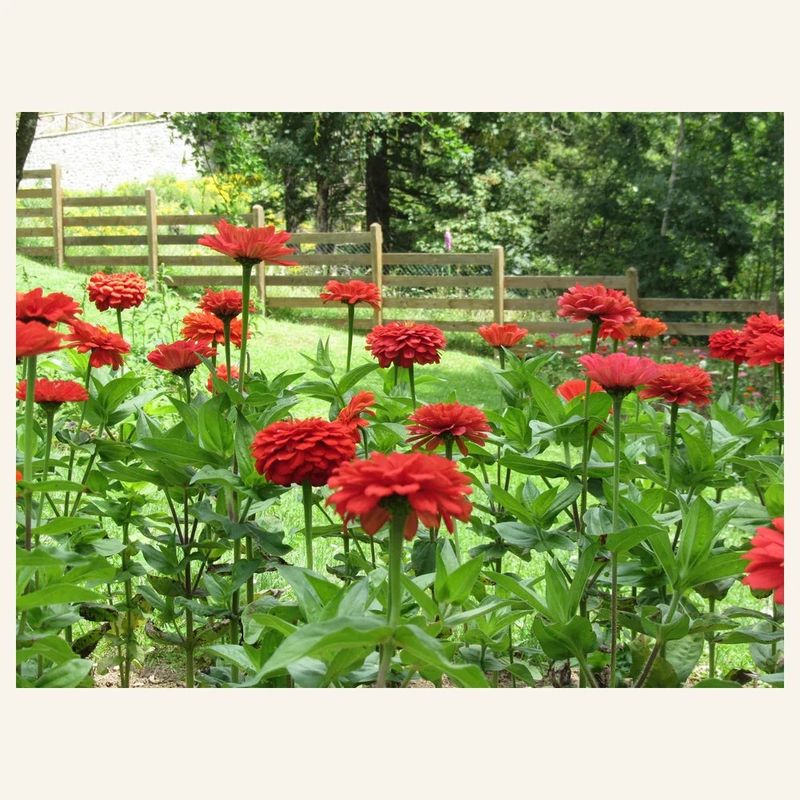
Germination and flowering are two very different milestones, and mixing them up is one of the most common reasons a late-season planting disappoints. Seeds emerging from the soil in five to seven days is a germination timeline, not a bloom timeline.
Clemson Cooperative Extension estimates that many zinnias need roughly 8 to 12 weeks from planting to reach maturity and produce flowers. That window is the number that matters for planning a fall sowing.
The seed packet is the most reliable tool you have. Read the days-to-maturity figure printed on it, then count backward from your local expected first frost date.
Build in a few extra days for slower germination or a cool stretch of weather, because real gardens rarely match the optimum conditions described on packaging. UF/IFAS notes that cultivar and plant size affect performance, so a compact dwarf variety and a tall cutting type will not necessarily reach bloom on the same schedule.
Iowa State’s germination guidance reinforces that even the emergence step varies with soil temperature, which means a slightly cooler September bed may push emergence closer to ten days than five. Factor that in when you run your numbers.
If the math shows eight to twelve warm weeks between now and your frost date, a September sowing has a plausible shot at flowers. If the window is tighter than that, the outcome is possible but not something to count on.
Support a healthy late-season display
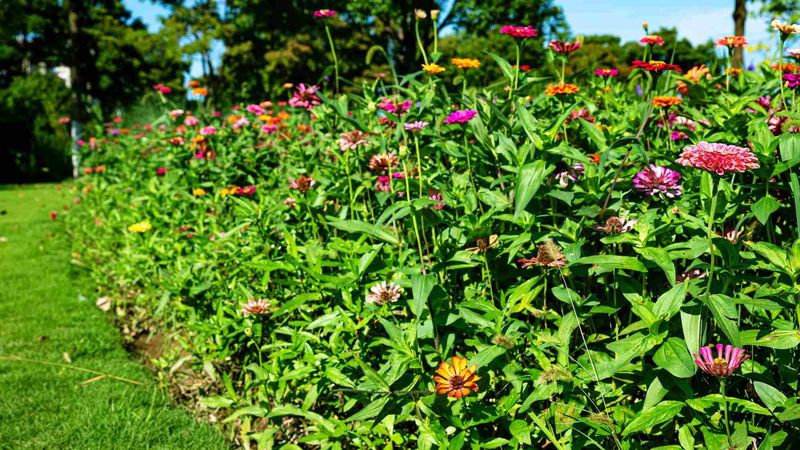
Good siting and consistent care give a fall planting the best chance of producing flowers before the season closes. Full sun is non-negotiable for zinnias.
UF/IFAS lists full sun as the light requirement and notes that zinnias tolerate a range of soil types but not wet soils. A bed that holds water after rain is a poor choice, especially in the fall when cooler nights slow soil drainage.
Spacing matters more than many gardeners realize. UF/IFAS Gardening Solutions recommends approximately 12 to 18 inches between plants and warns that crowding encourages disease.
Giving each plant room to breathe also improves airflow around the foliage, which helps leaves dry faster after rain or irrigation and reduces the conditions that favor fungal problems.
Keep the seedbed evenly moist while seeds are germinating and while young plants are getting established. Once zinnias are growing steadily, they are relatively drought-tolerant, though regular watering supports continued flowering.
Water at the root zone rather than overhead when possible, and avoid leaving foliage wet for long periods. Removing spent flowers consistently is one of the simplest ways to extend the bloom period.
UF/IFAS specifically recommends deadheading old flowers to encourage continued flowering, so make a habit of going through the bed every few days and snipping off anything that has passed its peak.
Late planting can reduce heat stress but not eliminate disease
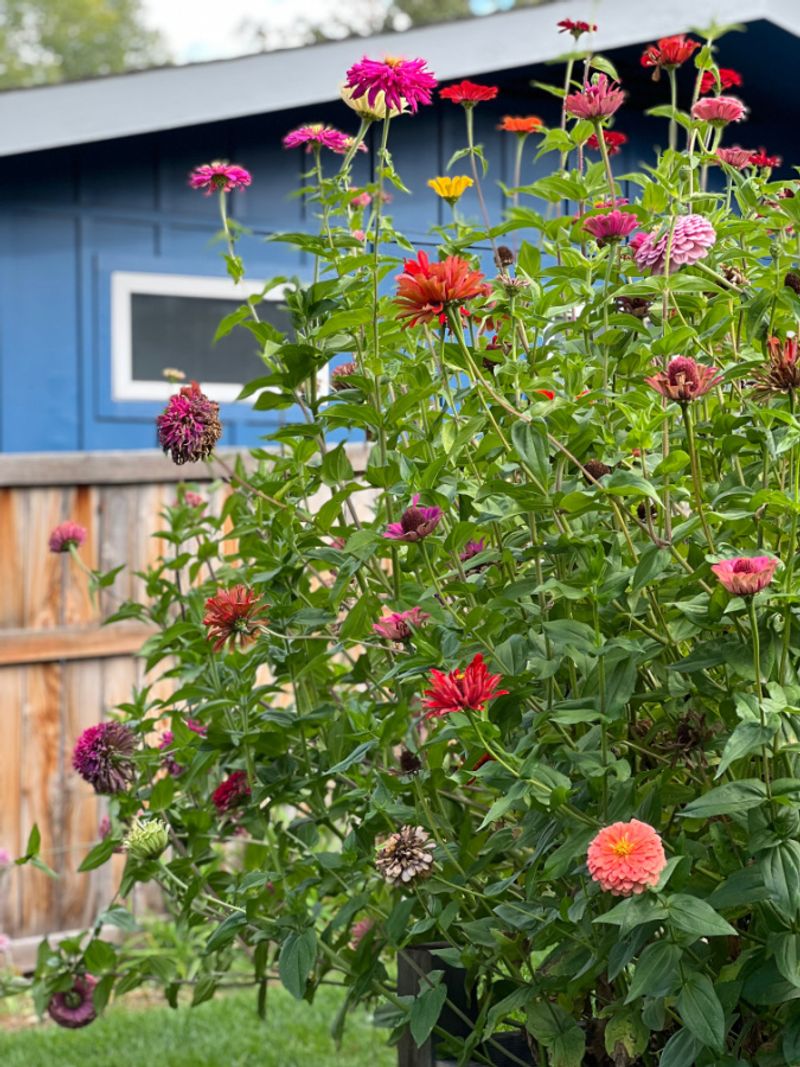
One genuine advantage of a September sowing is that the worst summer heat is usually behind you. UF/IFAS commercial production guidance describes zinnias as suitable for both spring and fall field production and notes that mid-summer heat and disease pressure can limit performance.
A fall planting sidesteps the most punishing temperatures, which can translate to healthier-looking plants and more consistent flowering.
The tradeoff is that warm, humid conditions in the South can still favor powdery mildew and leaf spots, even in September and October. Illinois Extension notes that disease-resistant zinnia series are less susceptible to powdery mildew but are not immune to it, and recommends spacing, sanitation, and careful watering as the foundation of disease management.
Choosing a resistant variety is a smart starting point, not a complete solution.
If disease pressure becomes serious, some gardeners consider fungicide or horticultural oil treatments. University of Maryland Extension specifically warns that certain horticultural oils should not be applied above 85 degrees Fahrenheit, and all pesticide products require strict label compliance before use.
Remove and discard visibly diseased leaves rather than leaving them on the soil, and avoid overhead irrigation practices that keep foliage wet for extended periods. These cultural steps do more to protect a fall planting than any spray applied after disease is already established.
Make the decision from your remaining warm weeks
The clearest decision rule comes down to warm weeks, not the calendar month. Gardeners in southern Florida, and others in locations with a comparably long warm season, have solid reason to try a September sowing when the soil is still warm and the cultivar’s days to maturity fit inside the remaining frost-free window.
UF/IFAS Gardening Solutions supports fall planting in South Florida with the expectation of blooms until the first frost, and that is the strongest published backing for this timing.
Gardeners with a tighter window should treat the outcome as possible rather than probable. A well-established nursery transplant can sometimes deliver color sooner than a newly sown seedbed, but the advantage depends on plant size, cultivar, how quickly it establishes, and the weather that follows.
Clemson Extension’s maturity estimates apply to seed-grown plants, so a transplant head start is real but variable.
The realistic target is extra color before frost, nothing more. Zinnias will not carry through winter, and reseeding the following year is weather-dependent and unreliable as a strategy.
A September sowing made with clear eyes and a good frost-date calculation is a worthwhile bet in the right location, and knowing your odds ahead of time is what separates a pleasant surprise from a frustrating one.