
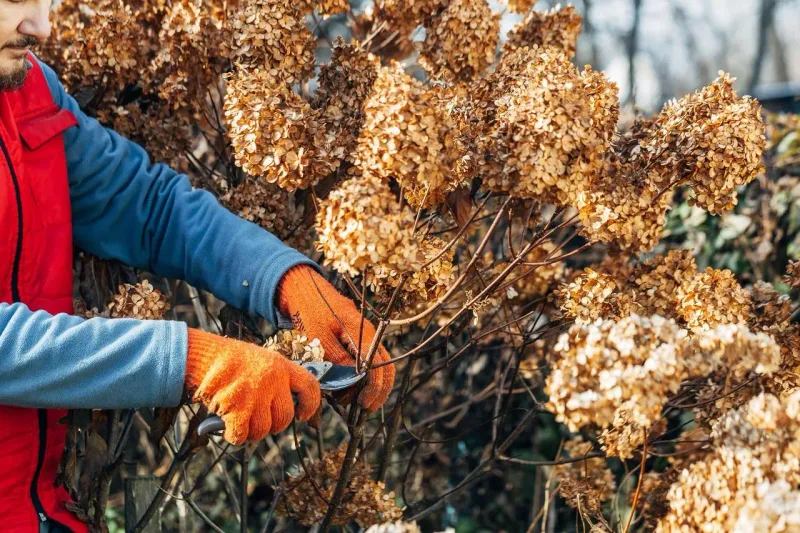
Fall can feel like the perfect time to tidy up your hydrangeas, but for many Southern gardeners, that seasonal cleanup ends up costing next year’s flowers. The biggest risk is cutting back the wrong type of hydrangea at the wrong time, and it happens quietly – the plant looks fine all winter, then barely blooms come summer.
Knowing your hydrangea’s wood type before you reach for the shears is the one step that changes everything.
Start with the hydrangea’s wood type
Before any fall pruning decision makes sense, you need to know whether your hydrangea blooms on old wood or new wood. Old wood refers to stems the plant grew during the previous season.
Those stems carry overwintering flower buds that are already set by the time fall arrives. New wood is the current season’s fresh growth, and flowers on those types develop later in the season after the plant pushes out new stems.
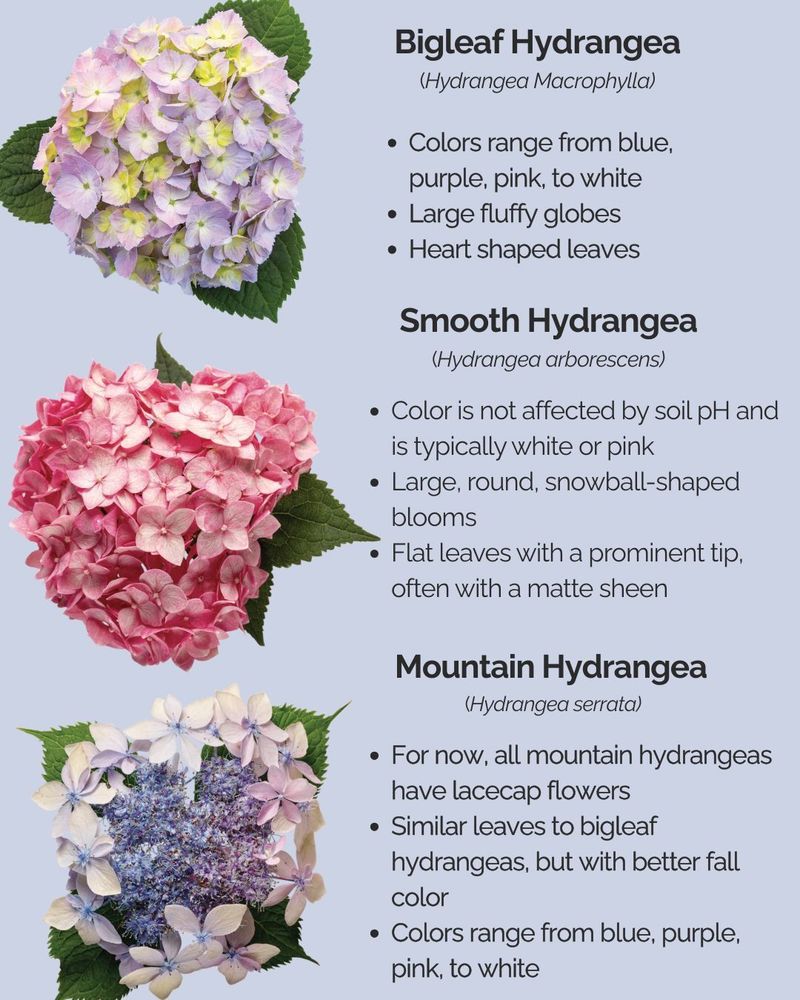
Bigleaf hydrangeas, sometimes called French hydrangeas, and oakleaf hydrangeas are the two types most commonly found in Southern yards, and both are primarily old-wood bloomers. Panicle hydrangeas, including popular cultivars like ‘Limelight,’ and smooth hydrangeas, including ‘Annabelle,’ are new-wood types.
The pruning rules for these two groups are genuinely different, so treating them the same is where most gardeners go wrong.
The most reliable way to sort out which type you have is to check the plant label or look up the cultivar name. Flower color and bloom shape are not dependable guides.
Reblooming bigleaf cultivars like those in the Endless Summer series sit in an important middle ground – University of Maryland Extension notes they can flower on both old and new wood, but hard pruning can still remove their early-season old-wood bloom flush. Paulding County UGA Extension puts it plainly: pruning hydrangeas depends entirely on the type you are growing.
Knowing yours turns a confusing fall chore into a straightforward decision.
Why fall hard-pruning costs old-wood blooms
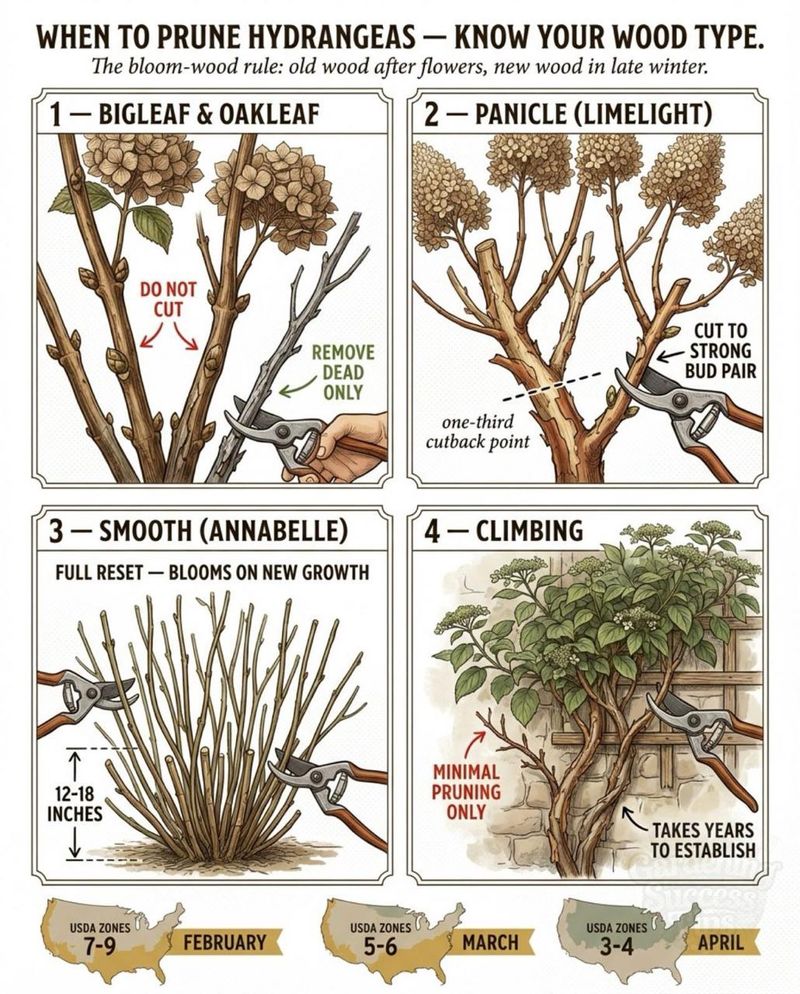
Hard-pruning an old-wood hydrangea in fall is the move most likely to leave you staring at a shrub full of leaves but almost no flowers the following summer. Bigleaf and oakleaf hydrangeas set their flower buds on the stems they grew earlier in the season.
By the time fall arrives, those buds are already sitting on the plant, waiting out the winter. Shearing the shrub, cutting it to the ground, or making low cuts along major stems removes those buds before they ever get a chance to open.
UGA Cooperative Extension’s guide to growing bigleaf hydrangea specifically warns that late-summer, fall, and winter pruning removes potential flowers. The plant itself is not harmed – it will leaf out and look healthy – but the bloom crop for that season is gone.
Missing the pruning window usually costs you one season of flowers rather than permanently damaging the shrub, which is reassuring, but one lost bloom season is still a frustrating outcome after a full year of waiting.
Selective removal of dead, broken, or diseased wood is a different matter entirely. Cutting out a stem that is clearly dead or damaged does not threaten next year’s flowers the way shearing healthy stems does.
The key distinction is between targeted cleanup and broad cutbacks. University of Maryland Extension draws a clear line between deadheading spent flower heads and hard pruning major stems, and notes that deadheading is not required for plant health.
Removing a spent flower cluster is not the same as cutting the stem back far enough to strip out the buds below it.
Can your hydrangea handle dormant pruning?
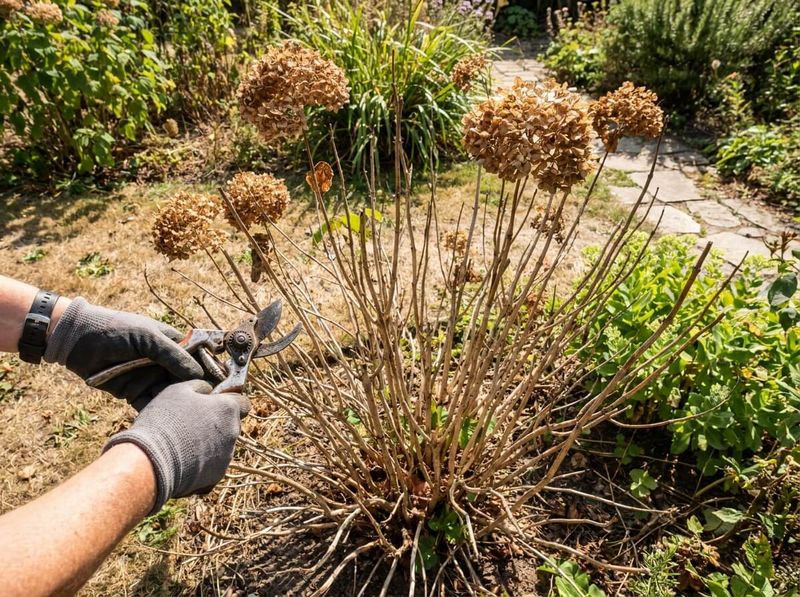
Panicle hydrangeas and smooth hydrangeas operate on a completely different schedule from bigleaf and oakleaf types. Because they flower on new wood – growth the plant produces in the current season – fall pruning does not strip away already-formed flower buds the way it does on old-wood types.
A ‘Limelight’ panicle hydrangea or an ‘Annabelle’ smooth hydrangea that gets cut back in fall will still push out new growth in spring and flower on that new wood.
That said, late winter or early spring is still the preferred pruning window for these types, and for good reason. University of Minnesota Extension recommends waiting until late winter or early spring for panicle and smooth hydrangeas because the dried flower heads left on the plant through winter add visual interest and can provide some minor cold protection to the stems beneath them.
Pruning too early also risks encouraging new growth that a late cold snap can damage. UGA Extension’s guide to pruning ornamental plants supports this timing for dormant-season work on new-wood shrubs.
Reblooming bigleaf cultivars deserve a separate note here. Varieties in the Endless Summer line and similar series can produce flowers on both old and new wood, which makes them more forgiving of an occasional pruning mistake.
However, cutting back old stems on a reblooming type can still reduce or eliminate the early-season old-wood bloom flush, leaving only the later new-wood flowers. More flexibility does not mean these cultivars are immune to the effects of fall hard-pruning.
Fall fertilizer is not a proven bloom-killer
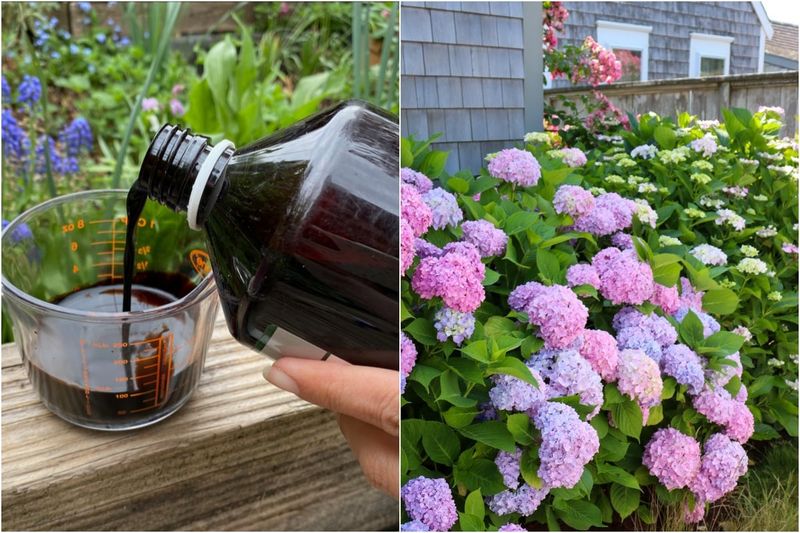
Skipping fall fertilizer is reasonable advice, but the reason matters. Once a hydrangea enters dormancy, it is not actively growing and does not need a nutrient boost.
Applying fertilizer at that point is largely wasted effort – the plant cannot use it, and high-nitrogen products in particular can push late-season growth that is vulnerable to cold damage. UGA Extension’s fall garden guidance makes clear that dormant landscape plants generally do not need fertilizer in fall or winter.
What the evidence does not show is that ordinary fall fertilizer directly prevents hydrangeas from blooming the following year. Treating this habit as an equal partner to hard-pruning old-wood stems overstates what the research actually supports.
The pruning mistake has a clear, direct mechanism – you remove the buds, the buds cannot open. The fertilizer concern is about unnecessary application and the risk of stimulating untimely growth, not about fertilizer molecules somehow blocking flower formation.
A more useful approach is to feed hydrangeas during active growth in spring or early summer, guided by a soil test rather than a calendar assumption. Product labels on fertilizers include application timing for good reason – following them keeps feeding aligned with the plant’s actual needs.
Automatic high-nitrogen applications in fall, without testing the soil first, are a habit worth dropping simply because they offer no real benefit to a plant that has stopped growing for the season.
What to do instead this fall
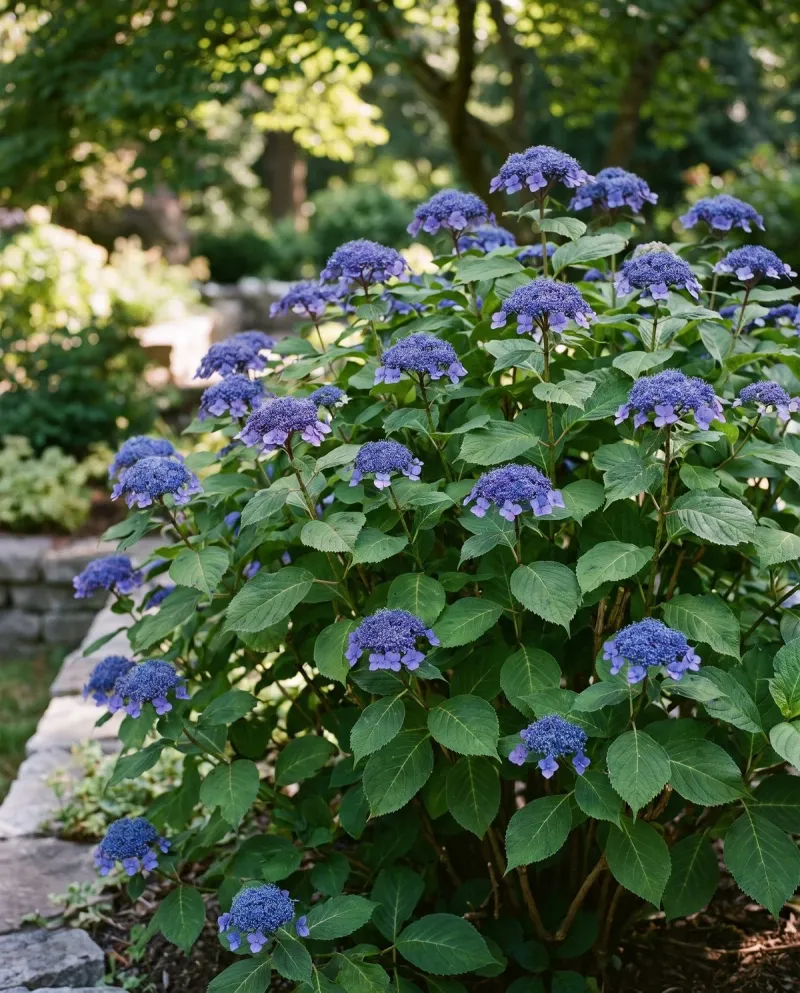
For old-wood hydrangeas like bigleaf and oakleaf types, the most productive fall routine is largely a hands-off one. Leave healthy stems alone.
The buds for next year’s flowers are already on those stems, and the goal through fall and winter is to keep them there. Paulding County UGA Extension reinforces that timing matters more than any other pruning variable, and for old-wood types, the safe major-pruning window closes shortly after flowering ends – often by late summer in Georgia and similarly timed climates.
Selective cleanup is still on the table. Remove stems that are clearly dead, broken, or diseased.
If deadheading spent flower clusters appeals to you, keep cuts high on the stem. University of Maryland Extension notes that deadheading is optional for plant health and should never become a deep cut into the stem that removes the buds sitting below the spent head.
Think of it as tidying the top of the stem, not reshaping the shrub.
Moisture management deserves attention in fall, especially for bigleaf hydrangeas. UGA’s bigleaf hydrangea guide recommends keeping soil moist but well-drained, and notes that the plant may need supplemental water during dry stretches.
In Florida, UF/IFAS guidance on establishing shrubs advises adjusting irrigation to match rainfall rather than running it on a fixed schedule. Applying 3 to 5 inches of organic mulch around the root zone – kept away from direct stem contact – conserves moisture and moderates soil temperature.
Texas A&M AgriLife Extension identifies mulch as a practical tool for both moisture conservation and soil temperature management in home landscapes.
Cold can steal blooms even when pruning was right
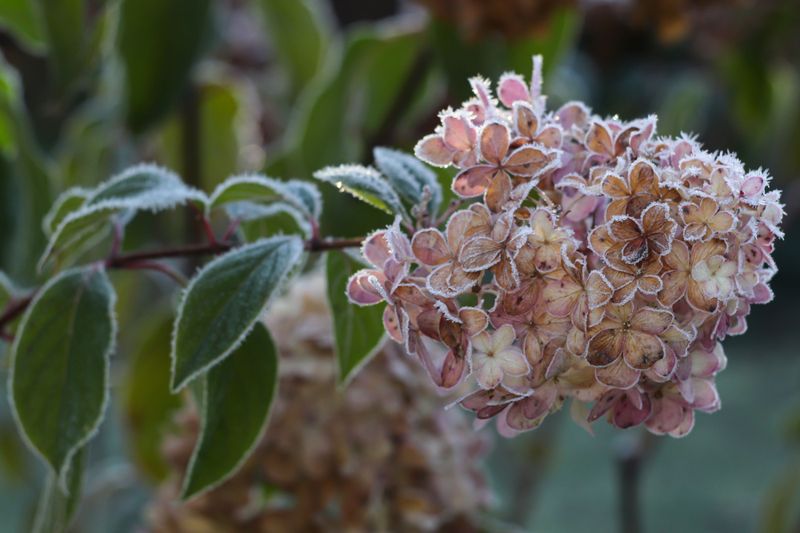
Gardeners who follow every pruning rule correctly can still walk outside in late spring to find their bigleaf hydrangea barely blooming. Winter freezes and late-spring frosts can damage flower buds on old-wood hydrangeas independently of anything done with pruning shears.
UGA Extension’s coverage of spring freezes and landscape plants explains how a sudden temperature drop after buds have begun to swell can cause significant damage even on otherwise healthy shrubs.
Mulch helps moderate soil moisture and temperature around the root zone, but it cannot reliably protect exposed flower buds sitting on stems above the ground from a hard freeze. UGA Extension’s winter landscape protection guidance describes mulch as a soil-level tool, not a canopy-level shield.
The UGA bigleaf hydrangea publication notes that cold injury is a real and recurring cause of bloom failure in the Southeast, separate from pruning decisions.
Regional variation matters here too. Bigleaf hydrangeas perform differently across the South depending on winter temperatures, shade availability, and soil moisture.
UF/IFAS Gardening Solutions describes French hydrangeas as best suited to north and central Florida, where shade and relatively cool winter conditions support them – not a blanket recommendation for the hottest parts of south Florida. Oakleaf hydrangea also needs at least some shade in Florida to perform well.
Understanding your specific climate zone and microsite conditions is part of setting realistic expectations for spring blooms.
The safe fall rule is simple: identify, preserve, and wait
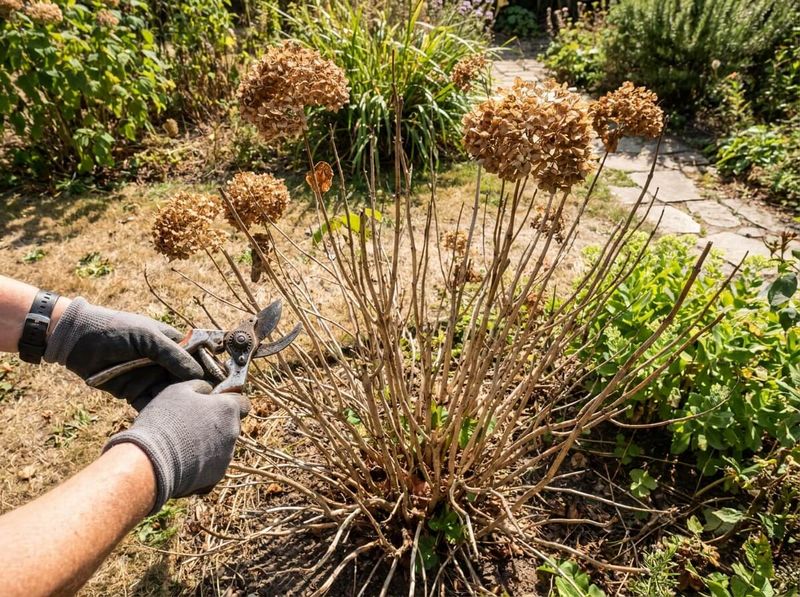
Three steps cover most of what Southern gardeners need to get right with hydrangeas in fall. Identify the type from the plant label or cultivar name, preserve healthy old-wood stems on bigleaf and oakleaf types, and wait for the species-appropriate pruning window before making any major cuts.
For old-wood hydrangeas, that window is shortly after flowering ends – not in fall, not in winter, and not in early spring. UGA Extension’s bigleaf hydrangea guidance and University of Minnesota Extension both point to timing as the central variable.
Panicle and smooth hydrangeas are the exception – their new-wood blooming habit means fall or dormant pruning does not strip away existing buds, though late winter or early spring is still preferable. Skipping routine fall fertilizer on any dormant hydrangea is a sensible habit, as UGA Extension confirms, but it is not the same category of risk as cutting bud-bearing stems off an old-wood shrub.
One bad pruning decision on a bigleaf hydrangea may mean fewer flowers for one season – the plant recovers – but the season of lost blooms is the cost worth avoiding. Getting the identification right once makes every future fall easier.