
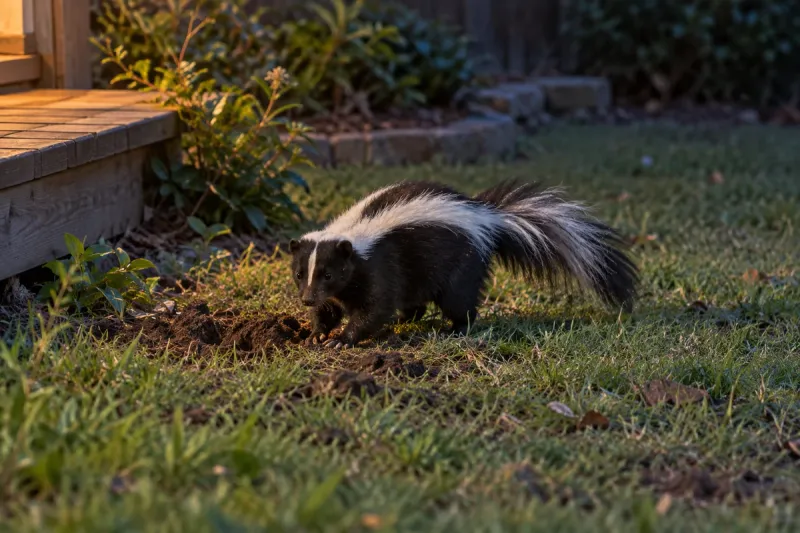
Walk out on a winter morning and find a scatter of small, shallow holes in your lawn, and it is natural to wonder who did it. A skunk might be the culprit, and grubs might be part of the story, but neither is a sure thing.
Texas lawns have more than one possible explanation, and the right next step depends on what you find in the turf. Here is how to sort out the clues before you spend money or pick up a pesticide.
Those shallow holes are clues, not a diagnosis
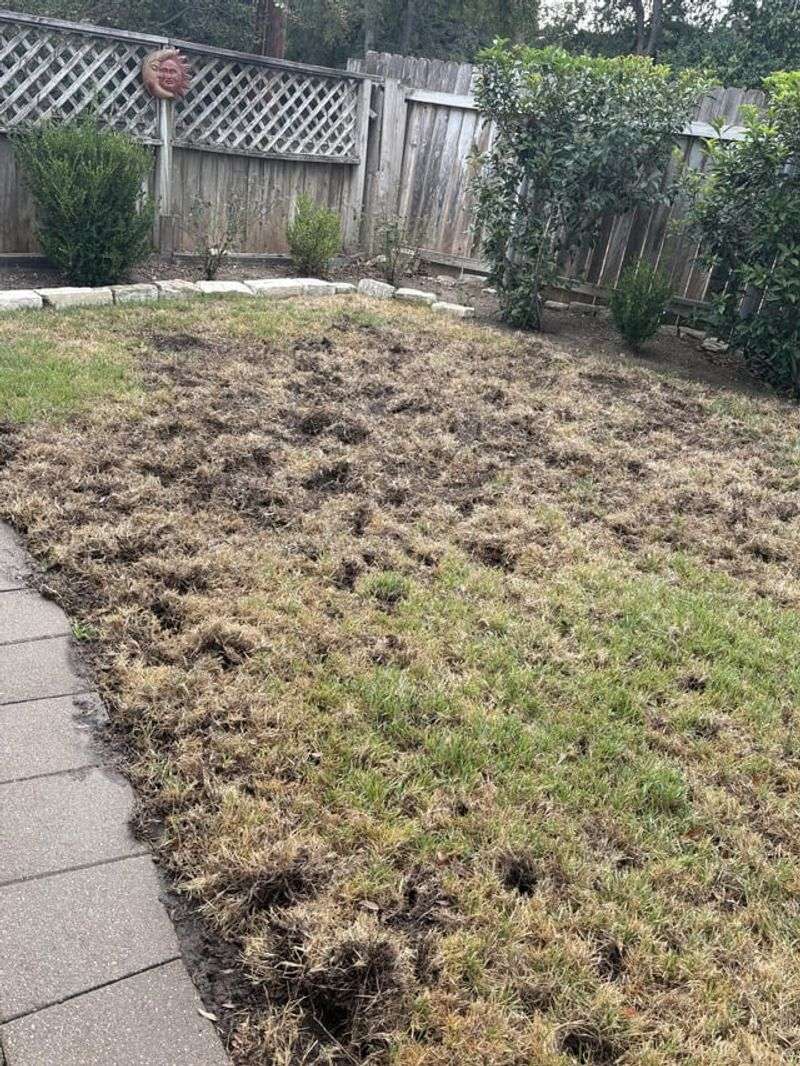
Small holes and torn-up patches in winter grass are easy to see, and they make you want an answer right away. Skunks and other animals do sometimes dig in turf while searching for food, and Texas A&M AgriLife skunk guidance describes skunks feeding on grubs and other insects.
That link between digging and food is real. But it does not tell you who dug your particular holes.
A hole is something you can observe. A cause is something you have to confirm.
Raccoons, armadillos, opossums, birds, and even dogs can leave disturbed ground, and a single divot rarely points to one animal. Without a sighting, a trail camera photo, or tracks, the digger stays a guess.
The same goes for grubs. Holes do not prove grubs are in the soil, and they do not prove grubs hurt the grass.
Texas A&M white grub guidance notes that animals dig in search of grubs, but that does not make every divot evidence of an infestation.
Think of two separate problems that may or may not overlap. Grubs can injure turf by feeding on roots.
A foraging animal can tear up turf all on its own. A lawn can have one without the other, so the holes are a reason to look closer, not a verdict.
The rest of this guide walks through who might be visiting, what winter changes, how to check your grass, and when treatment makes sense.
Why a skunk might be in your lawn
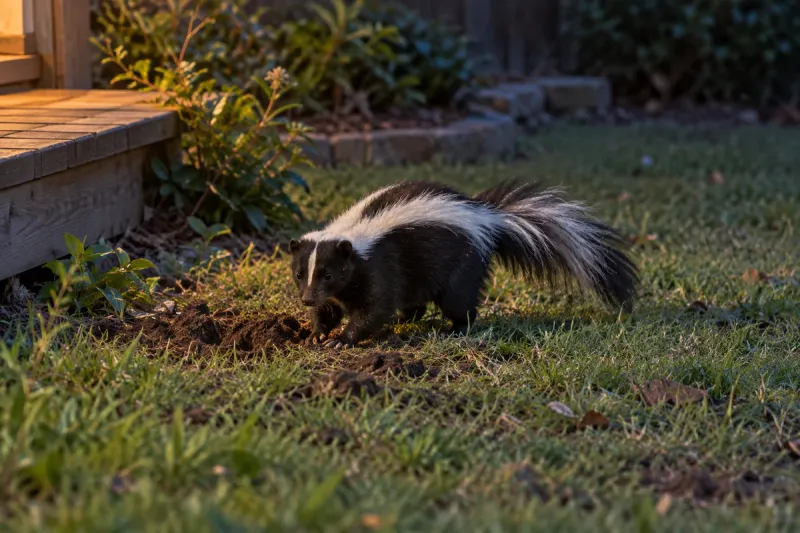
Skunks are not picky eaters. According to Texas A&M AgriLife, they eat grubs and other insects, along with small rodents, carrion, fruit, and other foods.
So a skunk crossing your yard is not automatically hunting grubs. It could be after beetles, crickets, fallen fruit, pet food left outside, or a quick snack from the compost area.
Striped skunks live all across Texas, so Central Texas yards are well within their range. Texas Parks and Wildlife describes them as largely nocturnal and says they seem more active in winter than during summer heat.
That fits the pattern many homeowners notice: tracks and fresh digging show up overnight, and the animal itself is rarely seen.
If a skunk does dig for grubs, it makes sense that it would nose into turf where soft, moist soil is easy to open. That is a plausible picture, but it is only a picture.
No one can say how many grubs a skunk removes from a lawn, or that its digging keeps a damaging population in check. Calling it free grub control is a fun idea, not a proven result, and the digging itself can leave the lawn looking rough.
A practical way to read the clues is to look at timing and pattern. Holes that appear overnight, scattered across a few spots, fit a nighttime forager.
Beyond that, treat the skunk as one possible visitor and keep gathering information.
Winter changes the grub story
Here is the catch with the winter-grub theory: the calendar. Texas A&M entomology guidance says Texas white grubs generally stop feeding in fall and remain mostly dormant through winter and spring.
Root feeding, the kind that thins out turf, is not what grubs are doing in January.
Skunks, on the other hand, stay active. Because TPWD notes that skunks may be busier in the cooler months, a skunk can be digging in winter for reasons that have nothing to do with fresh grub damage.
It might be finding dormant grubs, or it might be after other insects or food.
That means winter holes do not show active grub feeding or current grub-caused injury. If your grass looks thin or brown right now, much of that may be normal winter dormancy in warm-season turf, cold stress, or earlier summer problems like drought and heat.
None of this rules grubs out. It just moves the question.
Instead of asking whether grubs are eating the lawn this week, ask whether the turf shows signs of root damage and whether grubs are present in meaningful numbers. The next section shows how to check.
Check the turf before blaming grubs
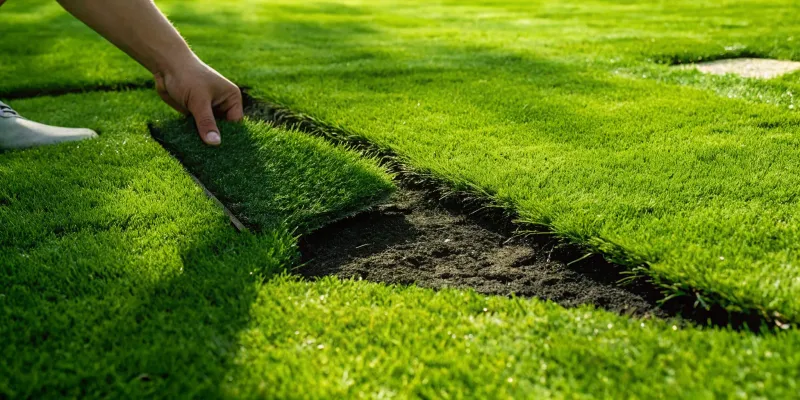
A few minutes with a spade tells you more than any guess. Choose the edge of the suspect patch, where healthy grass meets dying grass, because that is where root feeders tend to show up.
Cut and lift several small sections of turf, a few inches deep, in different spots.
Now look at what comes up. Turf damaged by grubs often lifts easily, almost like loose carpet, because few roots hold it down.
If the grass stays firmly anchored and the roots look healthy, grub root injury is less likely, even if the surface is torn up.
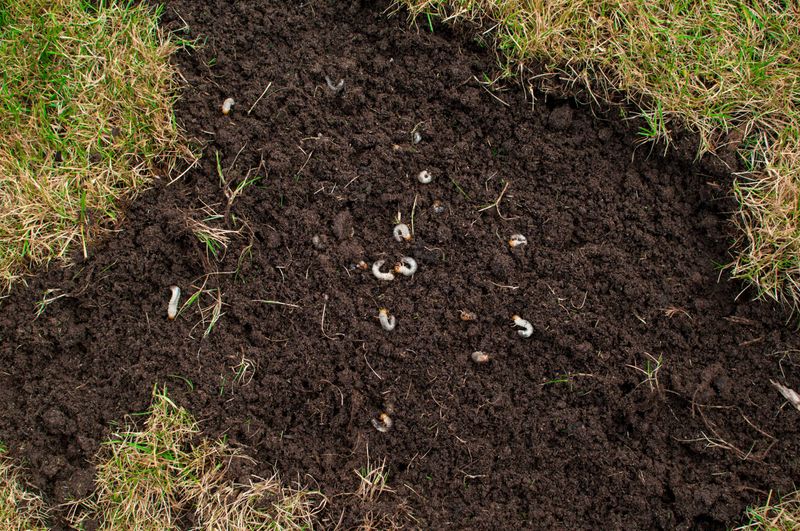
Next, check the soil and root zone for grubs. White grubs are plump, pale, C-shaped larvae with brown heads.
Count what you find in each section and compare it with Texas A&M guidance, which gives roughly 5 to 10 grubs per square foot as a level above which damage may occur.
That number is a guide, not a guarantee. Finding a few grubs does not mean they are hurting the lawn, and a count near the range does not mean every yard needs treatment.
A strong, well-watered lawn may tolerate some grubs, while a stressed one may not.
Also keep the two kinds of damage separate. Ragged holes and flipped sod with healthy roots point to an animal digging.
Dead turf with weak roots and grubs in the soil points toward grub feeding. You might find one, the other, or neither.
Skip winter treatment based on holes alone
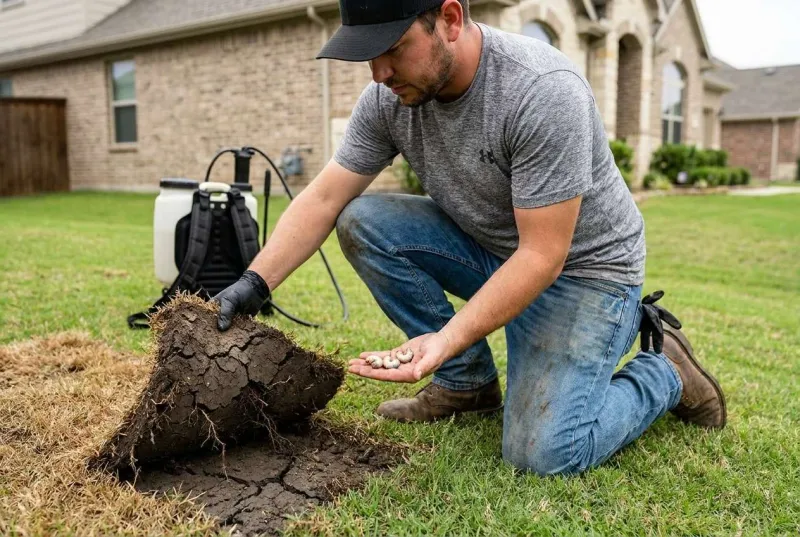
Reaching for a grub killer after spotting holes is tempting, but holes alone are not a good reason. They do not show that grubs are present, and they do not show that grubs have injured the turf.
A winter application would not repair damage that has not been established, and it may spend money and add chemicals for no clear gain.
Let evidence guide the decision. If your inspection finds loose turf, few roots, and grubs at or above roughly 5 to 10 per square foot, treatment may be worth discussing.
If you find healthy roots and few or no grubs, the better move is usually to fix the underlying lawn stress and leave the product on the shelf.
Timing matters too. Texas A&M identifies June in South Texas and early July in North Texas as typical timing for preventive treatment.
Central Texas sits between those regions, so local conditions matter, and so do the directions on the product label.
The reason for that summer window ties back to the grub life cycle. As Texas A&M entomology explains, grubs generally stop feeding in fall, so winter is not when they are actively chewing roots.
A smart winter plan is simple: mark your calendar, note where the holes appeared, and plan an inspection of any damaged areas. Then decide with real information.
Give a skunk room to pass
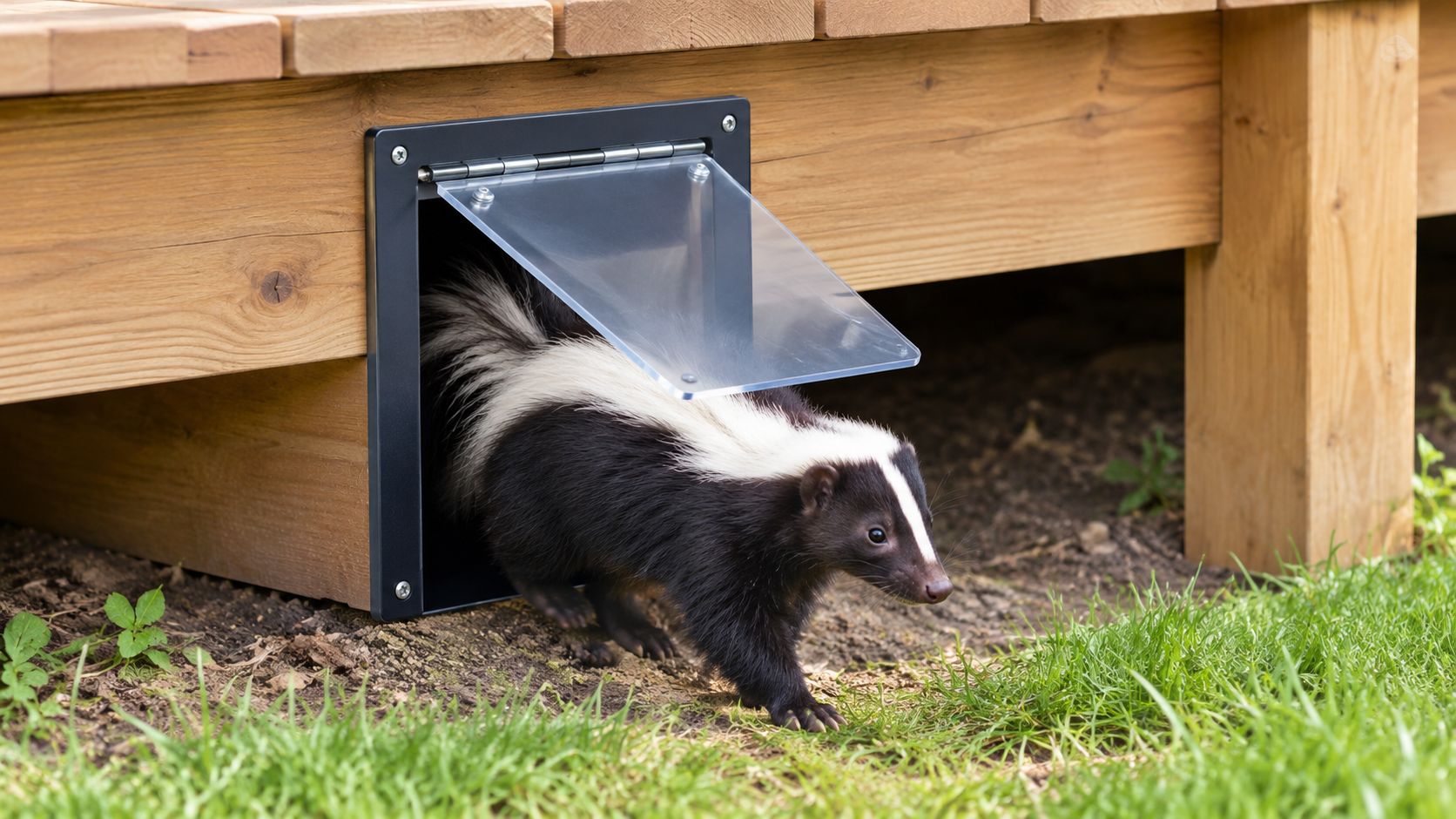
Whatever is digging, a skunk deserves distance. Keep children and pets away from it, bring pets indoors at dusk if you know one is visiting, and never try to handle, feed, trap, or relocate it.
Texas A&M AgriLife identifies skunks as a leading source of rabies in the state, which is one more reason to stay back.
Keep your pets’ rabies vaccinations current. Texas DSHS rabies guidance advises avoiding contact with wildlife and not touching sick or injured animals.
Call your local animal control if a skunk looks sick, is injured, acts unusually tame, or otherwise seems off. Stumbling, daytime wandering without fear, or odd behavior are all good reasons to make that call and let trained staff handle it.
If a bite happens, or saliva touches an open wound or mucous membrane such as the eyes, nose, or mouth, contact public-health officials promptly for guidance. Do not wait to see how it goes.
Treat holes as a reason to investigate
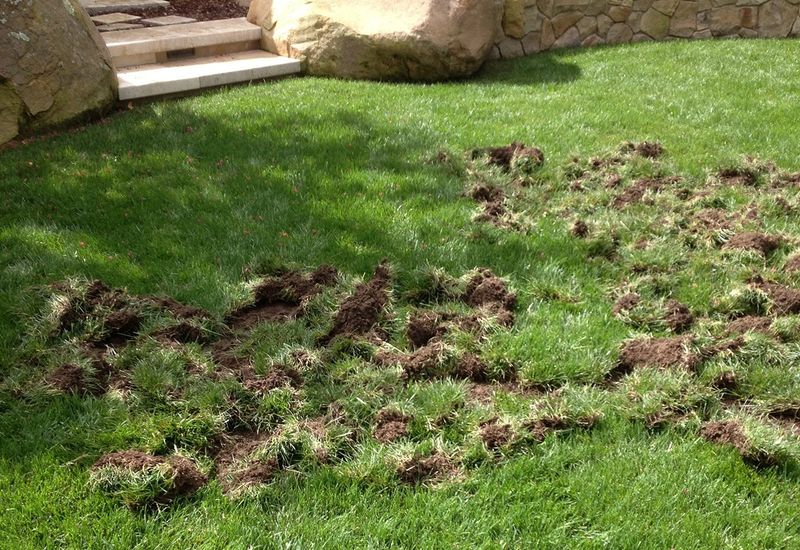
Here is the rule to keep: notice the holes, inspect the damaged turf, and let what you find in the soil decide whether to treat. Check the edges of dying patches, look at the roots, and count any grubs using Texas A&M guidance.
A skunk may be foraging in your yard, but its presence proves neither grub damage nor reliable pest control.
A few shallow holes are a question the lawn is asking you, not an answer.