
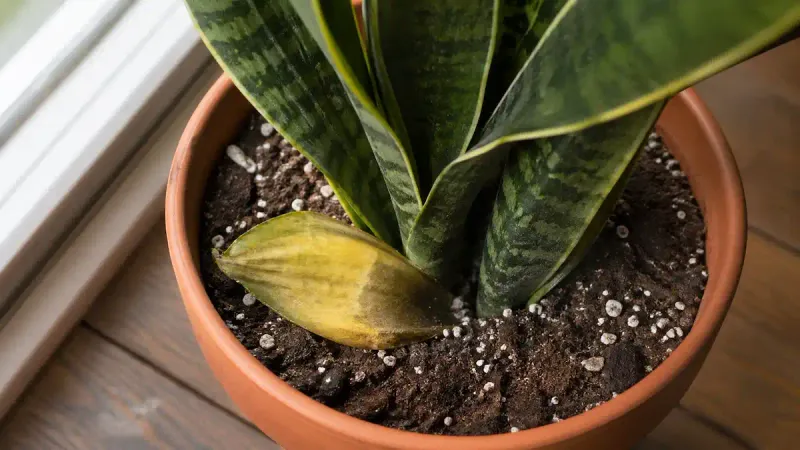
You touch the base of your snake plant and the leaf feels soft, squishy, and wrong. That sight can make any plant owner worry.
Mushy bases often point to a wet-soil problem, but the symptom alone does not tell the whole story. A few simple checks can help you figure out what is happening before you do anything drastic.
Mushy bases are a warning, not a diagnosis
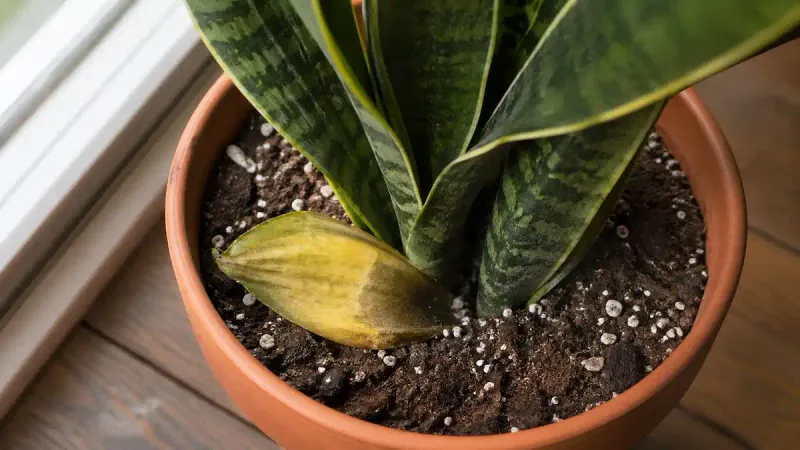
Soft tissue at the bottom of a snake plant leaf is a signal to slow down. A Cooperative Extension response about snake plants links mushy leaves or shoot bases with too much moisture and suggests looking at the roots.
Still, a mushy base is a clue, not a verdict. It can go along with root rot, but it is not the same thing as root rot.
Mushy tissue can also have other causes, and plant health specialists at the University of Florida point out that a plant that looks overwatered may be dealing with disease instead, or in addition.
So before you reach for the watering can, pause. Look at the soil, the pot, and the roots first.
Those checks will tell you far more than the leaf alone.
Watering before the mix dries can keep roots too wet
Here is the leading suspect. If you water again while the potting mix is still wet, the roots may never get a break from moisture.
Roots need air as well as water, and soil that stays soggy can damage them and open the door to rot.
Guidance on watering container houseplants from Virginia Cooperative Extension stresses matching water to what the plant and mix actually need. Extension advice on snake plants also ties mushy bases to overwatering, which fits this pattern.
One thorough watering is not the problem. A deep drink followed by time to dry out is normal care.
Trouble builds when the next watering arrives before the mix has dried, over and over.
This is a likely cause, not a confirmed one. Wet mix, damaged roots, and a soft base together make a much stronger case than any one clue by itself.
Check the soil and roots before watering again
Start with the soil. Push a finger or a wooden skewer several inches into the mix.
If it comes out damp or has soil clinging to it, hold off on water.
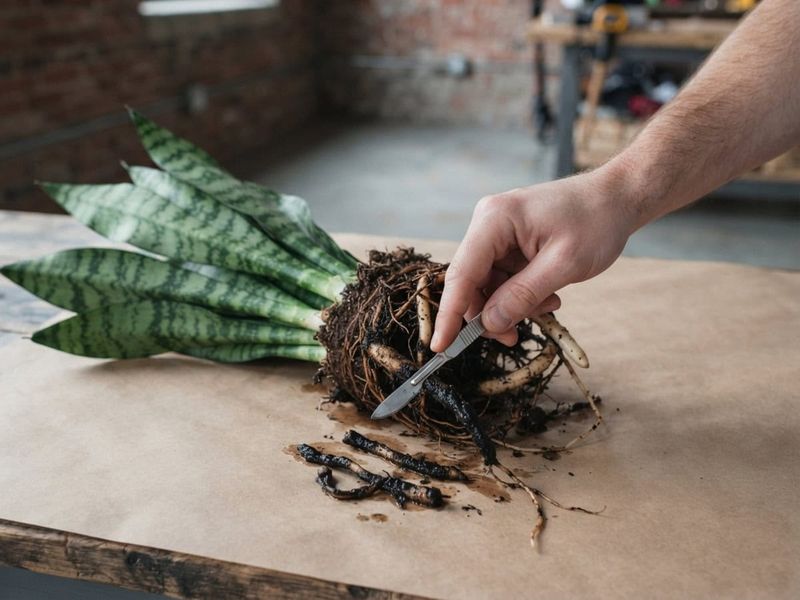
If the base is soft or the plant looks unwell, slide it out of the pot and look at the roots. Per Iowa State University Extension, healthy roots are firm and light in color, while dark, soft, or mushy roots point to rot.
Wet soil plus damaged roots makes overwatering a much stronger explanation, which matches the root check recommended in this Extension answer.
Be careful with other symptoms. Wilting or yellowing alone cannot tell you whether a plant needs water, because too little and too much can both cause them.
Let the soil and roots guide you instead.
Poor drainage can keep the pot wet
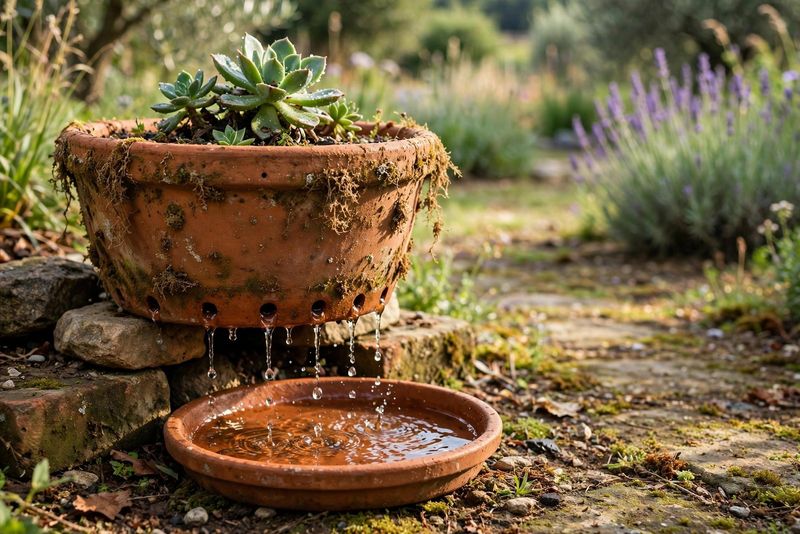
Sometimes the watering habit is fine and the pot is the culprit. A container with no drainage holes holds water at the bottom, right where the roots sit.
Check underneath. Make sure the growing pot has holes, and tip out any water collecting in a saucer or decorative outer pot.
If you love a pot without holes, Iowa State succulent guidance suggests using it as a cachepot around a smaller draining pot.
After you water, give the plant time to drip. Move it to a sink, let the extra flow out, and then set it back.
The same guidance says not to leave the pot sitting in water.
A dense, heavy mix can also stay wet longer than a gritty, fast-draining one, so notice how the soil feels days after watering.
Remove damaged tissue and replant healthy sections
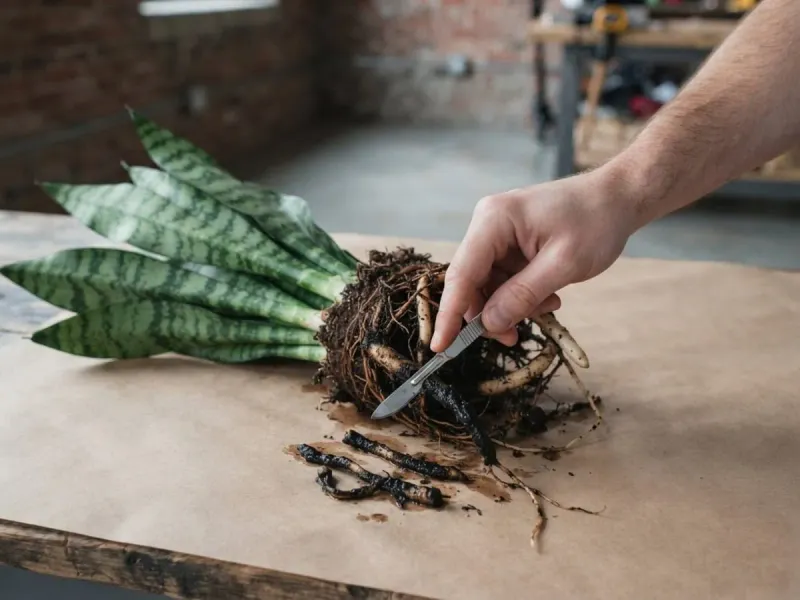
If you find rotted roots or mushy tissue, cutting away the damaged parts is the usual next step. A Cooperative Extension reply recommends removing damage and replanting.
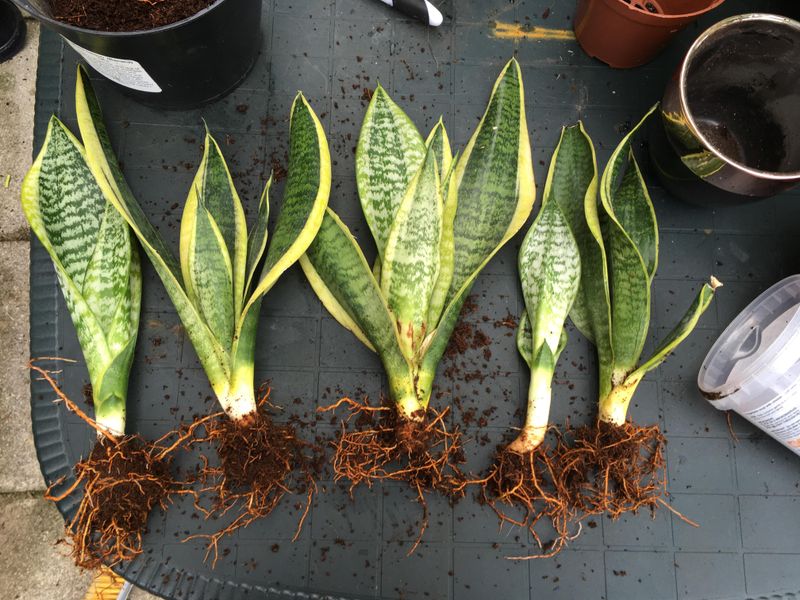
Use a clean, sharp tool, and wipe it between cuts to lower the chance of spreading problems. Keep any firm, healthy sections, then repot them in fresh, well-drained mix in a pot with drainage holes.
Recovery is never guaranteed, but this gives healthy tissue its best chance.
Watch for signs that something else is going on. If damage is limited to a single leaf, or keeps spreading after you have fixed the wet conditions, another cause may be involved, including leaf rot.
An Extension plant pathology response describes leaf rot as separate from root rot.
Appearance alone cannot confirm a bacterial disease, so if the problem continues, consider asking your local Extension office.
Let conditions—not a calendar—guide watering
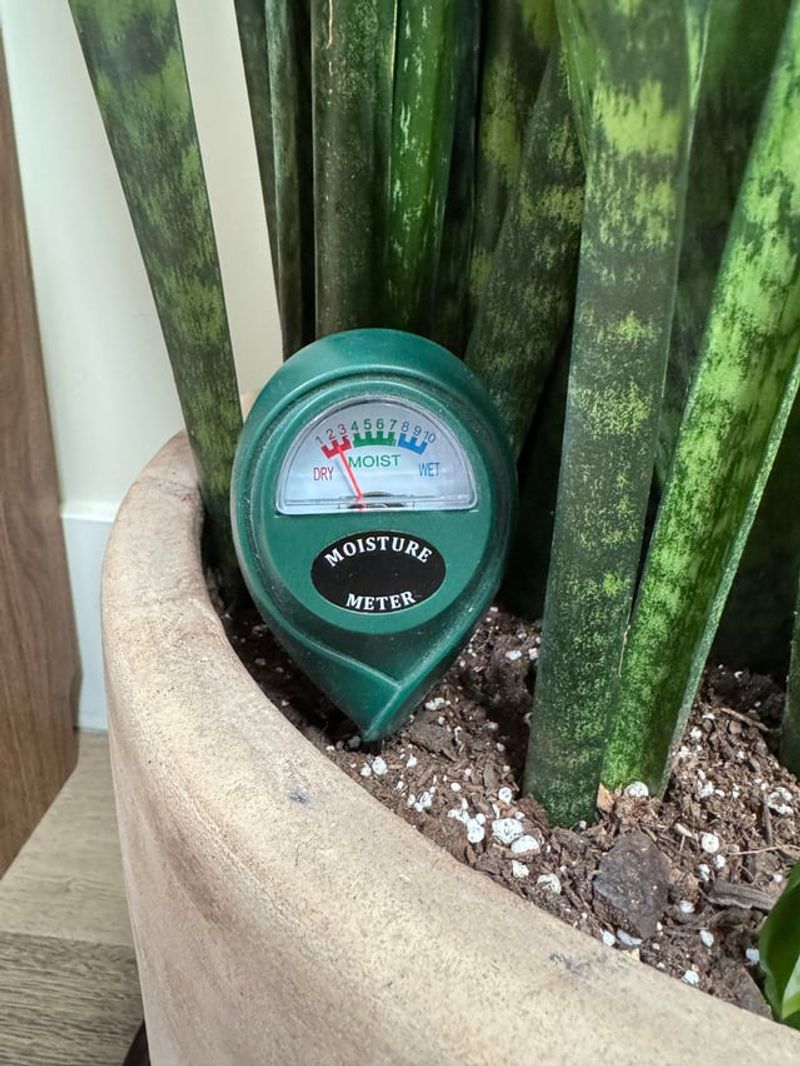
A steady routine beats a fixed schedule. Check the mix, let it dry between waterings, then water thoroughly and let the extra drain away.
Illinois Extension advises letting the soil dry completely, and Iowa State suggests checking several inches down.
Fall is a good moment to reassess. Nebraska Extension notes that indoor plants generally need less water as light and temperatures drop, and Colorado State says snake plants grow more slowly in the cooler months.
How fast your pot dries still depends on your light, room temperature, mix, and pot size. Advice on timing varies, so skip any promise of a set number of weeks.
Treat the season as a cue to look closer, not as a calendar. Your soil will tell you more than the date ever will.