
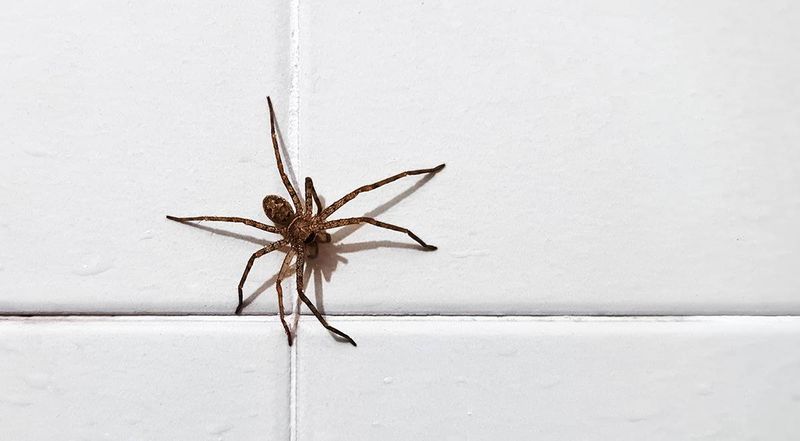
Cool weather does not mean every critter in your yard has gone to sleep. In late fall, North Carolina woodpiles and leaf piles turn into cozy shelters for snakes, spiders, and even scorpions.
Knowing who might be hiding there can save you from a nasty bite or sting while you rake or grab firewood. Here are ten creatures you could meet this season, plus simple ways to handle each one safely.
1. Copperhead
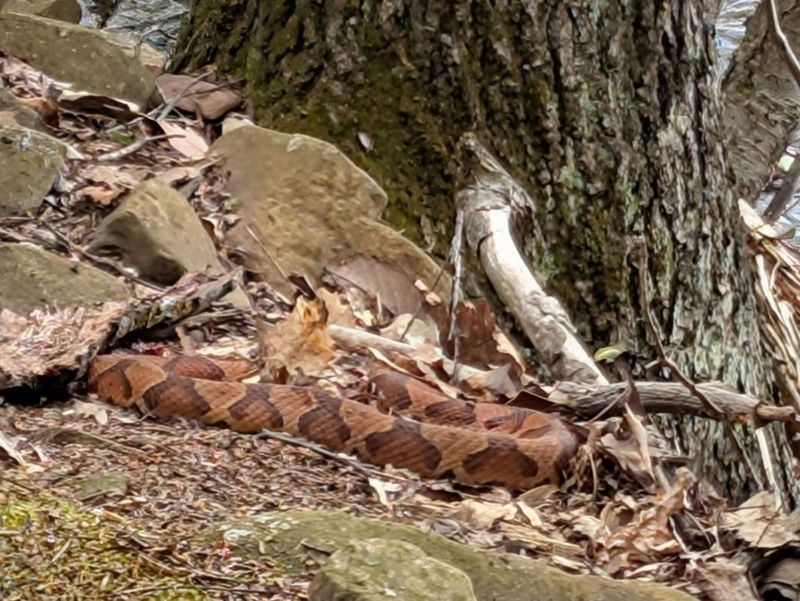
Picture grabbing a log on a chilly November evening and spotting a copper-colored head blending into the oak leaves. Copperheads cause more venomous bites in North Carolina than any other snake.
Their tan, hourglass-banded bodies are almost invisible in fallen leaves.
On warm fall afternoons, they often bask near woodpiles before slipping back into cover. They stay active until hard frosts settle in, sometimes into December.
Many head for rocky dens to spend the winter, but stragglers linger close to homes.
To stay safe, wear thick gloves and boots when moving wood or leaves. Use a rake or long tool to shift piles instead of your hands.
If you see one, back away slowly and let it leave, or call a wildlife removal pro.
If someone is bitten, keep them calm, remove rings or tight items, and head to the ER. Skip the ice, tourniquets, and cutting the wound.
2. Timber Rattlesnake
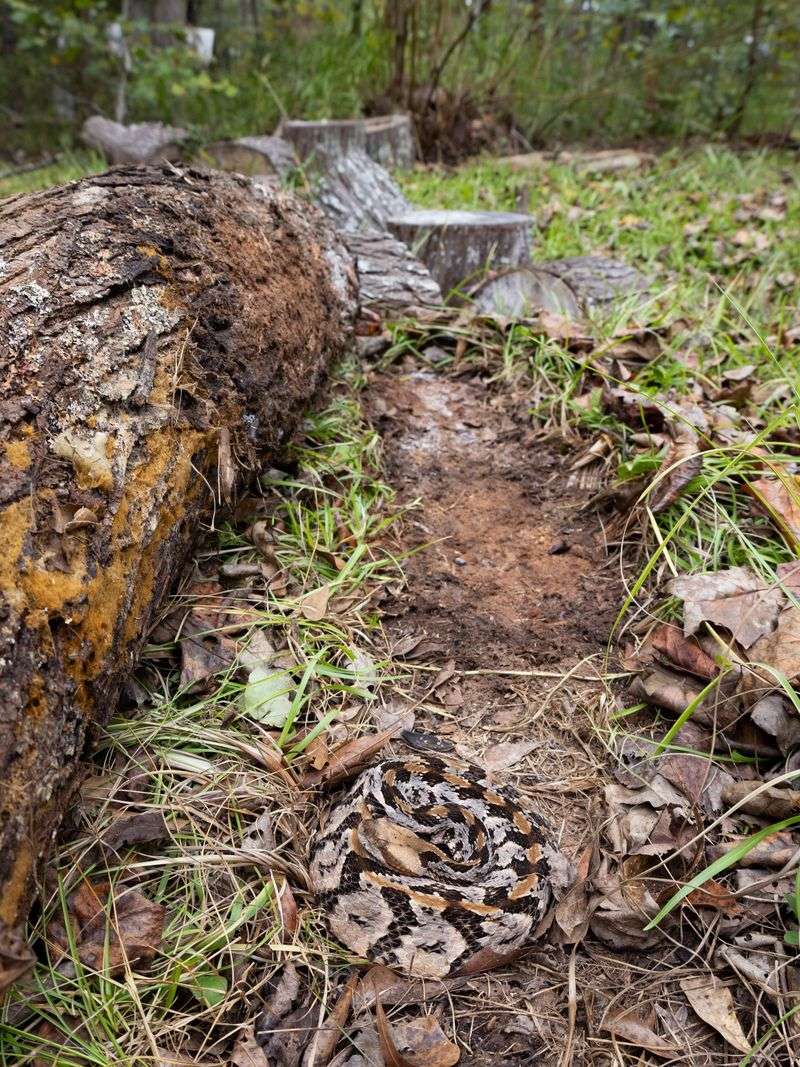
Folks in the mountains and the coastal plain sometimes call it the canebrake rattler. The timber rattlesnake is big, heavy, and carries a powerful venom.
Luckily, it is also famously calm and would rather lie still than strike.
Late fall finds these snakes traveling back to their winter dens, and they may rest under brush or log piles along the way. Their dark zigzag bands look like shadows on dry leaves.
A rattle warning helps, but cold snakes often stay quiet.
Give any rattlesnake at least six feet of space and never try to kill or move it. Timber rattlers are a protected species of special concern in North Carolina.
Keep kids and dogs leashed near wooded edges, and call your county wildlife office if one sets up near the house.
3. Black Widow Spider
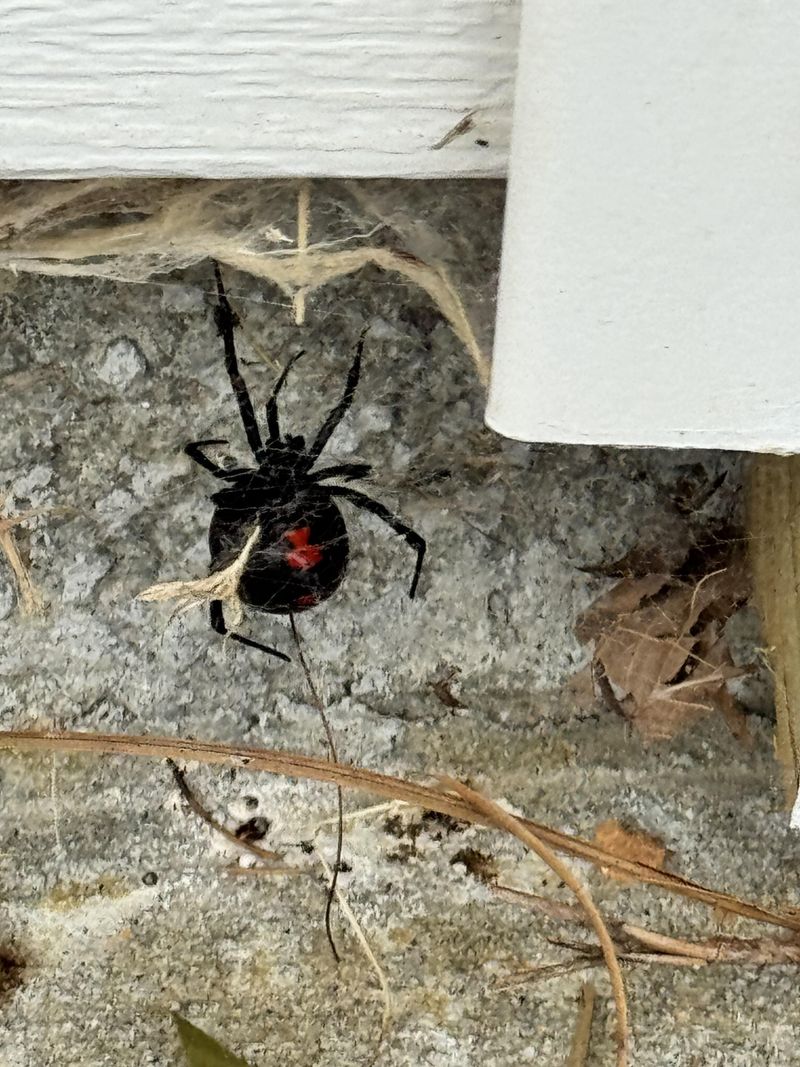
Shiny, jet black, and wearing a red hourglass on her belly, the female black widow is easy to recognize once you flip her over. Of course, nobody should actually flip her over.
She hides in the dark gaps of stacked firewood, under boards, and in old flower pots.
Webs from this spider look messy and tangled, often low to the ground. North Carolina has both the southern and northern black widow.
Bites are rare but can cause strong muscle cramps, sweating, and belly pain.
Wear gloves every time you load firewood, and shake out each piece before carrying it indoors. Store wood off the ground and away from the house walls.
If bitten, wash the area, apply a cool cloth, and call Poison Control at 1-800-222-1222 or see a doctor.
4. Brown Recluse Spider
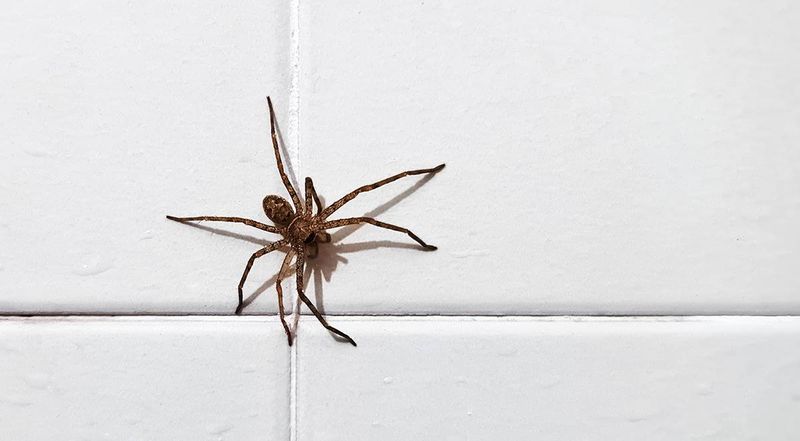
Here is some good news to start: brown recluses are actually uncommon in most of North Carolina. Still, a few turn up each year, often carried in with boxes, furniture, or firewood.
Knowing what they look like helps you avoid panic over harmless look-alikes.
A true recluse is tan with a dark violin shape behind its eyes. It has six eyes in pairs instead of the usual eight.
These shy spiders like dry, quiet places such as garages, sheds, and stacked wood.
Shake out gloves, shoes, and outdoor blankets before using them. Seal cracks around sheds and keep clutter low.
Any bite that turns into a spreading sore should be checked by a doctor right away.
5. Southern Unstriped Scorpion
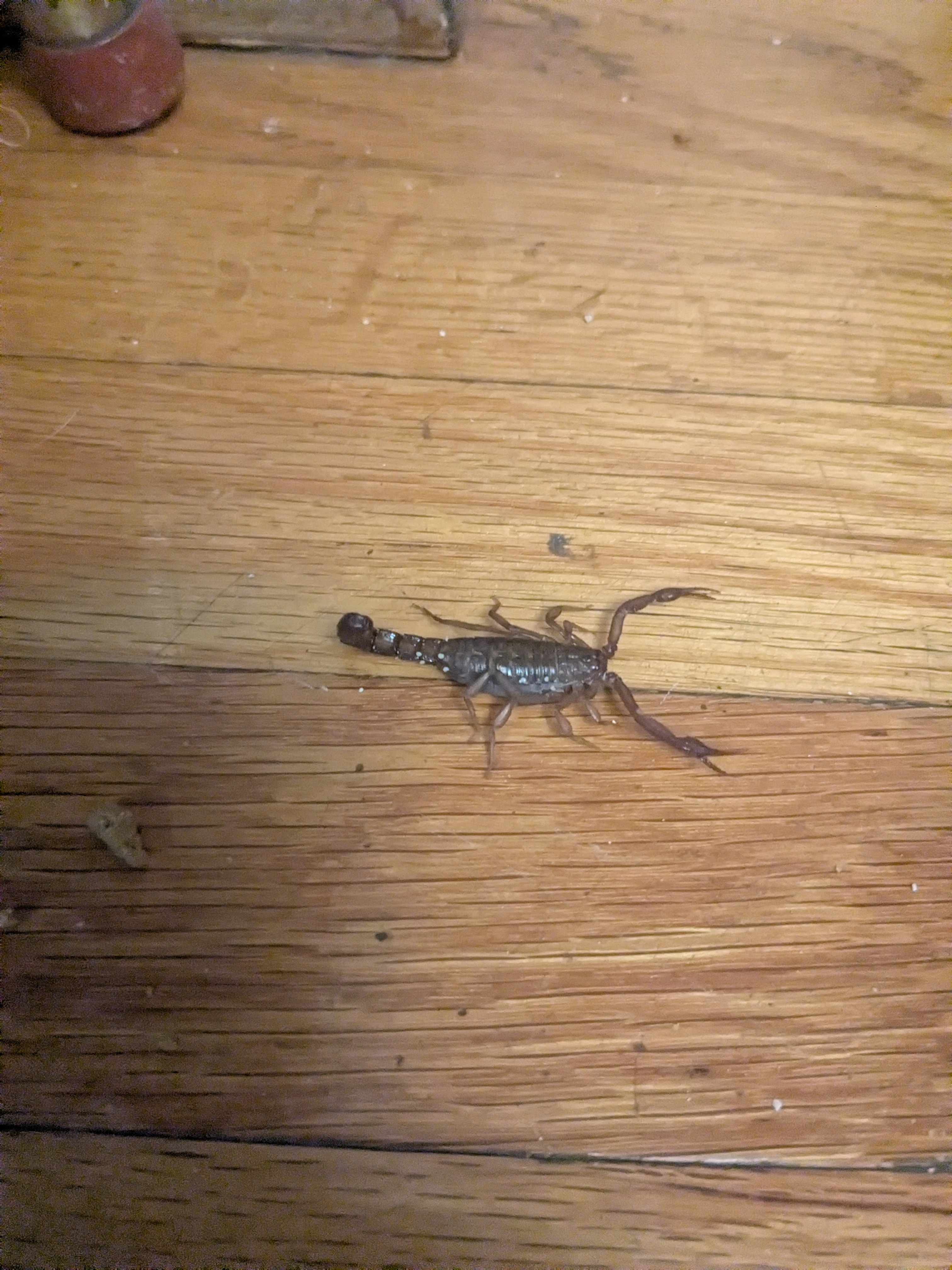
Most people are shocked to learn North Carolina has a native scorpion. The southern unstriped scorpion is small, about two inches long, and dark brown.
It lives mostly in the western part of the state and loves loose bark on firewood.
A sting feels a lot like a bee sting. It hurts, swells a little, and usually fades within a few hours.
People with allergies should watch for trouble breathing or hives.
Fun fact: scorpions glow under ultraviolet light, so a cheap blacklight flashlight can reveal them at night. Brush off bark before bringing logs inside and keep firewood racks outdoors.
Wash any sting with soap and water and use a cold pack for relief.
6. Eastern Cottonmouth
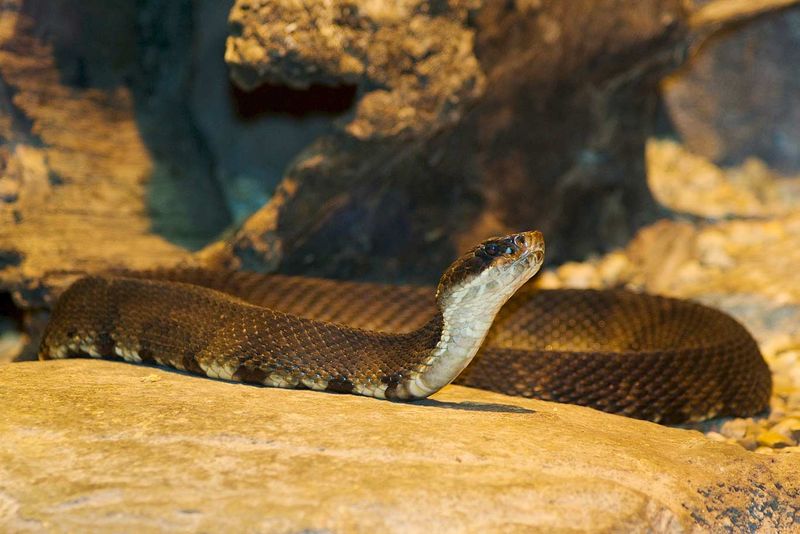
Live near a pond, swamp, or ditch in eastern North Carolina? Then the cottonmouth may share your neighborhood.
This chunky, dark snake sometimes opens its mouth wide to flash a cotton-white lining as a warning.
As water cools, cottonmouths wander to drier spots like brush piles and leaf heaps near the shore. They are usually found east of Interstate 95.
Many harmless water snakes look similar, so it pays to keep your distance from all of them.
Clear leaves and debris away from docks, sheds, and paths near water. Keep a flashlight handy for evening chores.
Never try to catch or kill one, since that is when most bites happen.
7. Harmless Rat Snakes and Look-Alikes
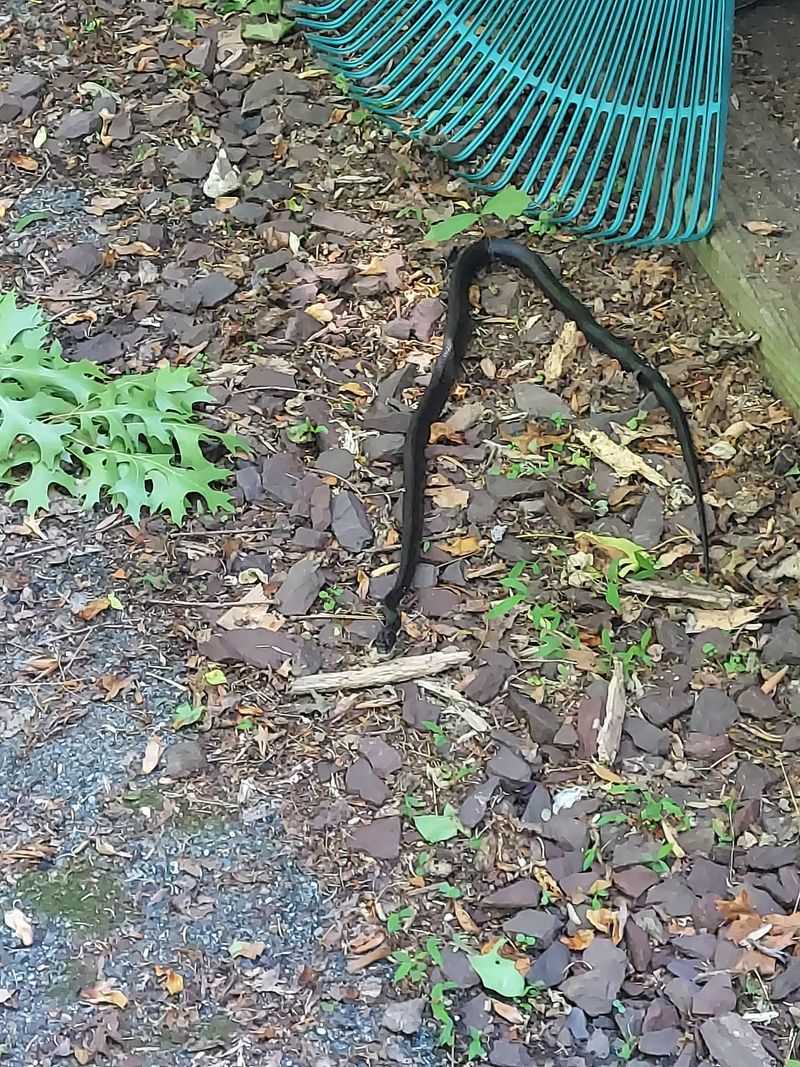
Not every snake in the woodpile is a threat, and some are real friends. The eastern rat snake, a long glossy black snake, hunts mice that love woodpiles too.
Young rat snakes have gray blotches that cause plenty of copperhead confusion.
Other harmless neighbors include the northern water snake, eastern garter snake, and the tiny brown snake. Corn snakes, with their orange saddles, also get mistaken for copperheads.
A quick photo sent to a local extension office can settle any doubt.
The best plan is simply to leave these snakes alone. They keep rodent numbers down, which means fewer pests in your garage.
If you find one indoors, gently guide it out with a broom.
8. Wolf Spiders
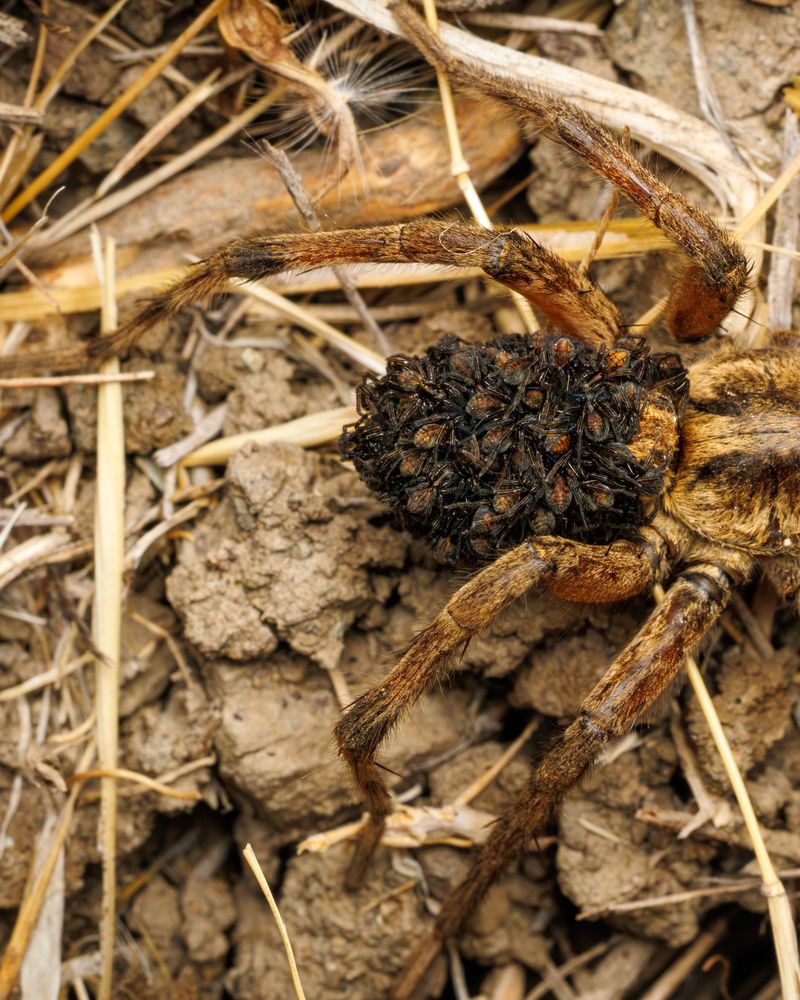
Big, hairy, and fast, a wolf spider racing out from a leaf pile can make anyone jump. Don’t let its size fool you, though.
These hunters are mostly harmless to people.
Wolf spiders do not spin webs to catch prey. They run down insects on the ground instead.
Mother wolf spiders even carry their babies around on their backs, which is a wild sight in autumn.
A bite might sting a bit, but it is no worse than a bee. Let them stay outdoors where they eat crickets and other pests.
Seal door gaps if they start sneaking inside for warmth.
9. Yellow Sac Spiders and Other Woodpile Hitchhikers
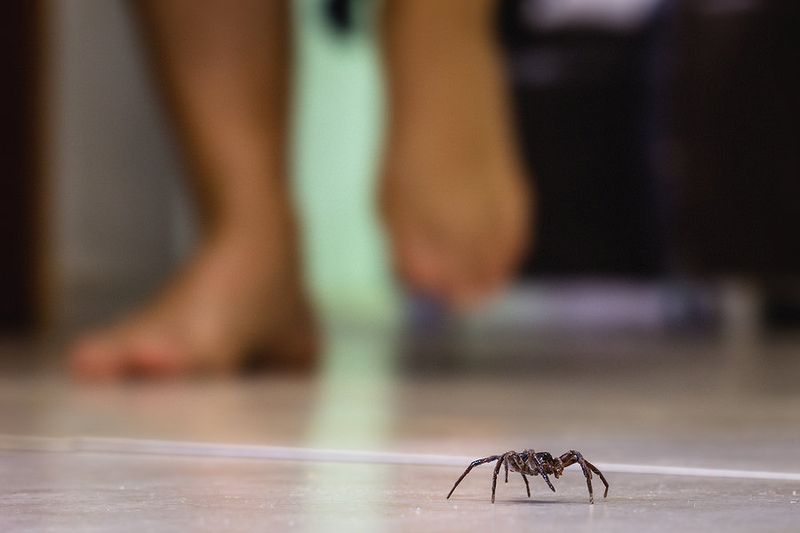
Ever bring in an armload of firewood and later spot a pale little spider on the hearth? That might be a yellow sac spider.
These tiny, light-colored spiders hide in silky sacs in logs and leaves.
Their bites can cause mild redness and itching, but serious problems are rare. Other woodpile tag-alongs include centipedes, stink bugs, and even ticks on mild days.
Most are more annoying than dangerous.
Only bring in as much wood as you’ll burn that day. Knock logs together outside to shake off riders.
A quick vacuum around the fireplace keeps any escapees from settling in.
10. Smart Woodpile and Leaf Pile Habits
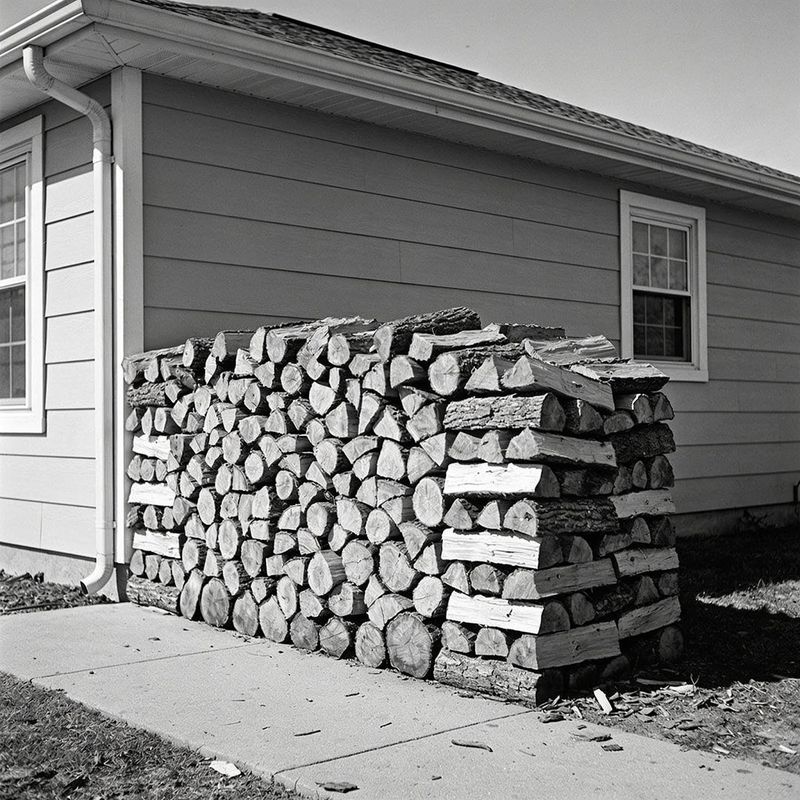
A few simple habits can make your yard far less inviting to all of these critters. Start by storing firewood on a raised rack at least 20 feet from your house.
Keep the stack tidy and off the bare ground.
Bag or compost leaves quickly instead of leaving big piles sitting for weeks. Mow tall grass along fences and clear brush near doors.
Fewer hiding spots mean fewer mice, and fewer mice mean fewer snakes.
Always wear sturdy gloves and closed shoes for yard work. Keep a flashlight by the back door for after-dark trips to the woodpile.
Save Poison Control’s number in your phone, and you’ll be ready for anything the season brings.