
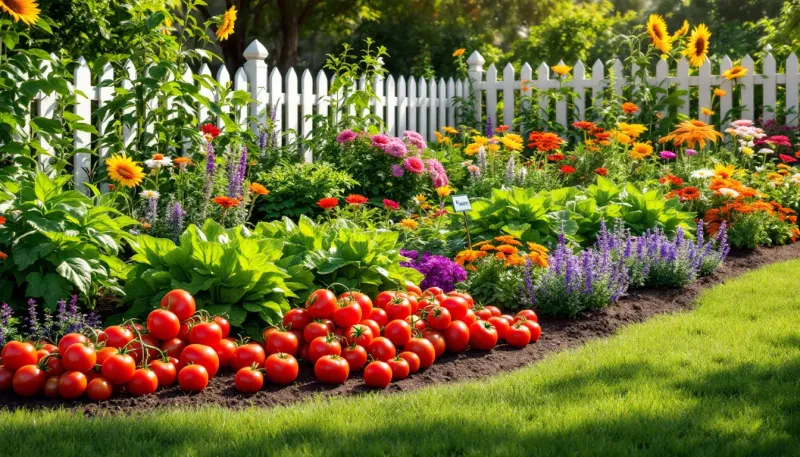
You might be surprised to learn that a few plants you would love to grow in your Southern backyard are actually restricted or banned. Some carry pests that threaten citrus groves, others spread so fast they choke out native plants, and a few are watched closely by federal rules.
Knowing which crops fall on the restricted list can save you from fines and headaches. Here is a friendly rundown of everyday foods you may want to think twice about before planting.
1. Sugarcane
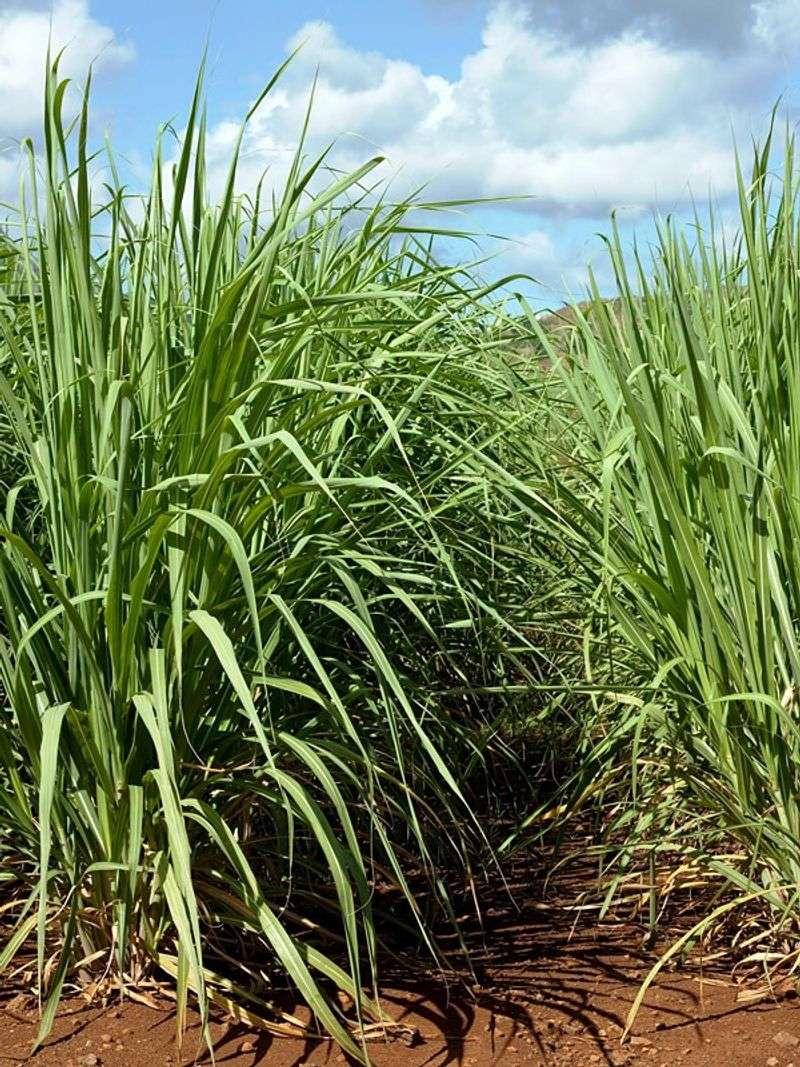
Chewing on a fresh stalk of homegrown sugarcane sounds like a sweet dream, but in parts of Florida and other citrus-growing states it can land you in trouble. Sugarcane can host diseases and pests that threaten commercial crops, so regulators keep a close eye on where it is planted.
Some states require permits or ban backyard planting outright to protect the sugar industry from spreading problems like mosaic virus and certain borers. What feels like an innocent hobby plant can quietly become a launchpad for issues that ripple across entire farms.
If you live in the South and dream of that garden-to-table sweetness, check with your local agricultural extension office first. They can tell you whether your county allows it and what rules apply.
Fun fact: sugarcane is actually a giant grass, closely related to the lawn under your feet. That family tie is part of why it can share pests with other crops so easily.
A quick phone call before planting may save you from an expensive surprise later on.
2. Currants and Gooseberries
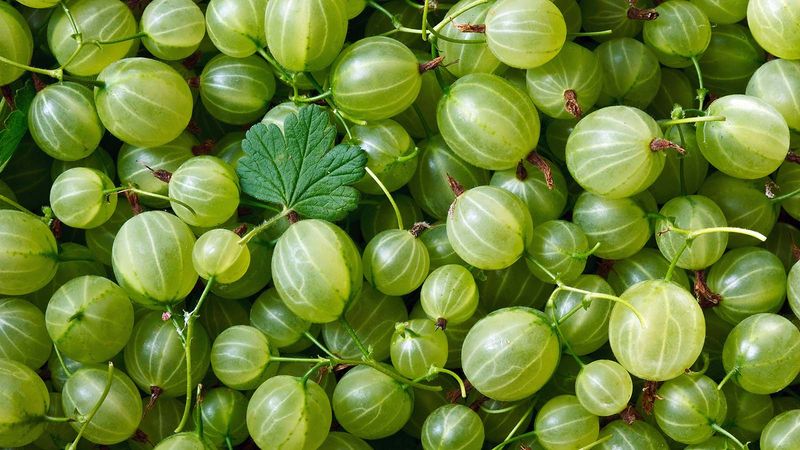
Tart, jewel-like currants and gooseberries have a surprising criminal past in America. For decades these berries were banned in many states because they can carry white pine blister rust, a fungus that devastated valuable pine forests.
The federal ban was lifted long ago, but the decision now rests with individual states, and some still restrict or forbid growing them. A few areas allow only certain rust-resistant varieties, while others say no entirely.
Southern gardeners often overlook these berries anyway because they prefer cooler climates, but adventurous growers sometimes try them in shadier spots. Before you order plants online, it pays to confirm your state has not kept the old rules on the books.
What makes these berries different from most restricted crops is that the danger was never to people or other food plants. The whole problem was about protecting towering white pines used for timber.
Because of that, the map of where you can grow them is patchy and confusing. Your local extension office can clear things up in minutes and steer you toward a legal, tasty variety.
3. Bamboo (Running Types)
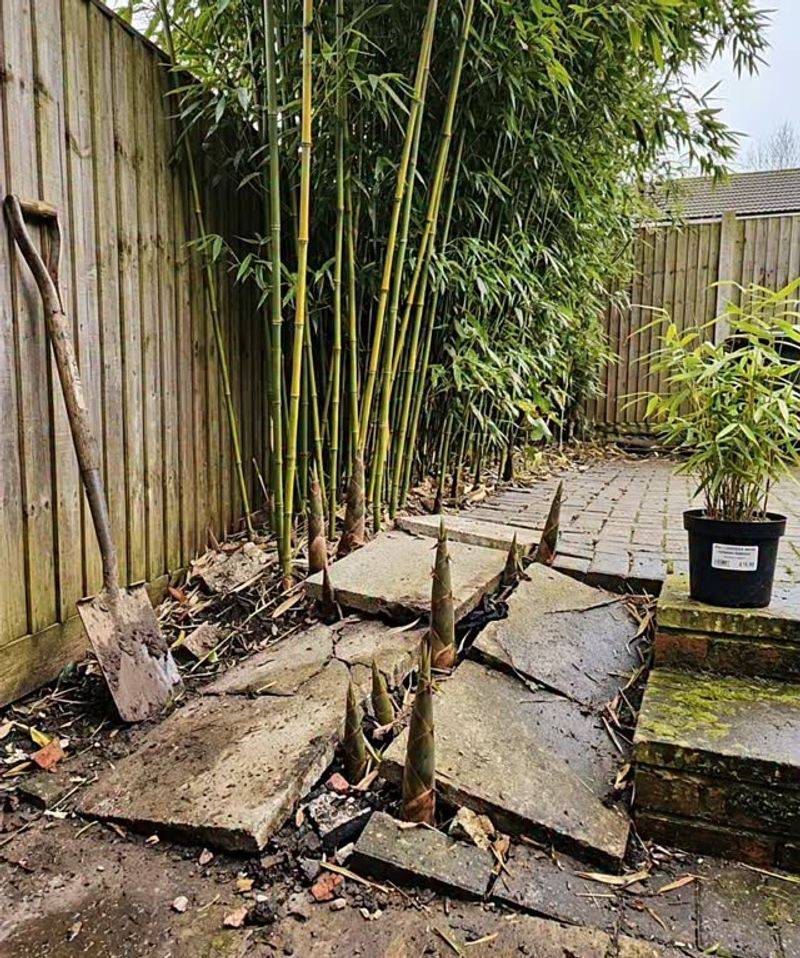
Bamboo shoots are a delicious, crunchy ingredient, and many folks love the idea of harvesting their own. The catch is that running bamboo spreads underground at an alarming pace, and several communities have banned or heavily regulated it because of the chaos it causes.
Left unchecked, it can march under fences, crack driveways, and invade a neighbor’s yard, sparking lawsuits and hard feelings. Some towns require deep root barriers or fines homeowners whose bamboo escapes onto other properties.
Clumping bamboo tends to be far better behaved, so if you crave those edible shoots, that type is usually the safer and legal choice. The running kind is the troublemaker on the restricted list.
Here is the wild part: bamboo is one of the fastest-growing plants on Earth, with some species shooting up more than a foot in a single day. That superpower is exactly why local rules exist.
Before planting anything labeled bamboo, read your city ordinances and pick a container or clumping variety to keep the peace with your neighbors and your foundation.
4. Citrus Trees (In Quarantine Zones)
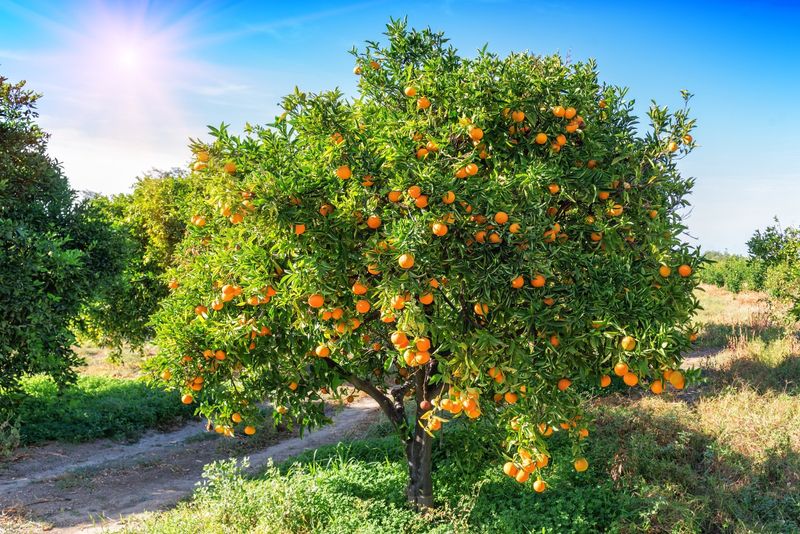
Nothing says Southern living like plucking an orange off your own tree, yet citrus is one of the most tightly controlled backyard crops in Florida and Texas. Citrus greening disease and the tiny psyllid insect that spreads it have put entire regions under quarantine.
In many affected areas you cannot legally move citrus plants across county lines, and buying trees from unregulated sources is a big no. The goal is to slow a disease that has already cost growers billions and can wipe out a tree over time.
What sets citrus apart from other listed crops is how personal it feels to residents here, where backyard oranges and grapefruits are practically a tradition. That emotional pull makes the rules extra important to follow.
If you want a tree, buy only certified, disease-free stock from a licensed nursery in your area. Homeowners can also help by watching for yellowing leaves and lopsided, bitter fruit, which may signal greening.
Reporting suspected cases to your extension office can protect your neighborhood and the wider industry from a fast-moving threat.
5. Water Spinach (Kangkong)
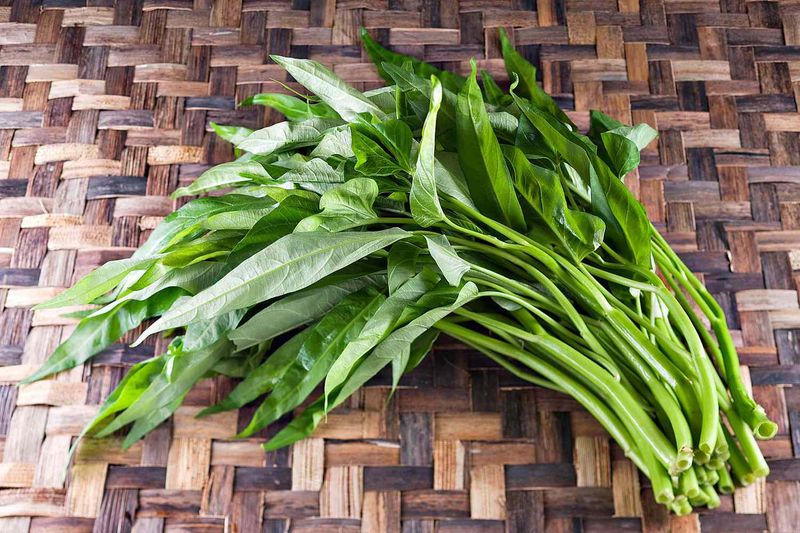
A staple in many Asian kitchens, water spinach is prized for its tender stems and quick stir-fry appeal. Growing it at home, though, is illegal in a number of states and federally listed as a noxious weed because it takes over waterways with frightening speed.
Toss a few plants into a warm Southern pond or ditch and they can form thick mats that clog drainage, crowd out native species, and choke fish habitat. Florida and Texas both watch this plant carefully due to their many canals and wetlands.
A special permit is sometimes required just to grow it commercially, and casual backyard planting is off the table in restricted areas. That is a shame for home cooks, but the ecological risk is simply too high.
The trait that lands water spinach on the list is its love of standing water combined with runaway growth. Unlike a tidy raised-bed veggie, it wants to sprawl and float everywhere.
If you crave that flavor, buy it from grocers instead and leave the growing to licensed operations under strict oversight.
6. Elderberry (Certain Areas)
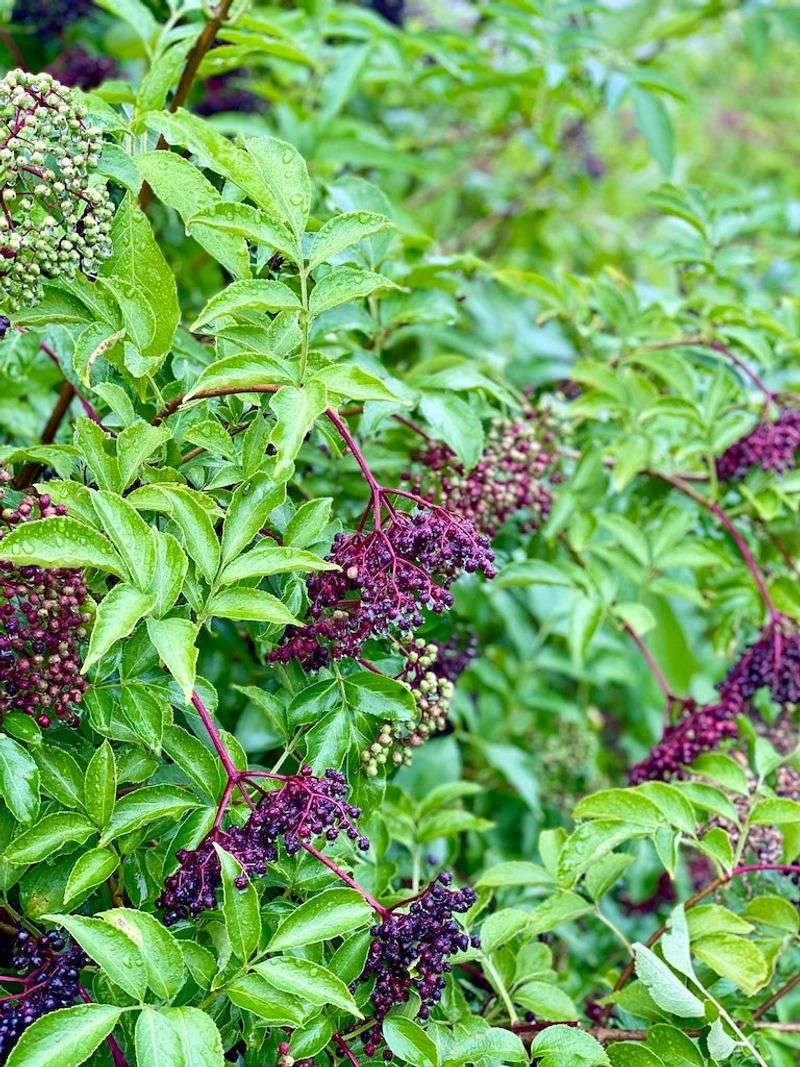
Elderberry syrup has become a wellness favorite, and plenty of gardeners want their own supply. Surprisingly, in some regions certain elderberry species are flagged as invasive or restricted, and a few states limit which types you can plant.
The bigger wrinkle is safety rather than spread. Raw elderberries, along with the leaves, stems, and unripe fruit, contain compounds that can make you sick if eaten uncooked, so some jurisdictions and sellers treat the plant with caution.
What makes elderberry stand out on this list is that the concern blends ecology with human health, a combination most restricted crops do not share. That double reason means the rules vary widely from place to place.
If you want to grow it in the South, choose a recognized cultivated variety suited to your zone and confirm it is not restricted locally. Always cook the berries before eating or turning them into syrup.
Fun tidbit: elderflowers are perfectly edible raw and make a lovely cordial, so the plant offers a legal treat even where the berries need extra care and preparation.
7. Wild Rice (Protected Varieties)
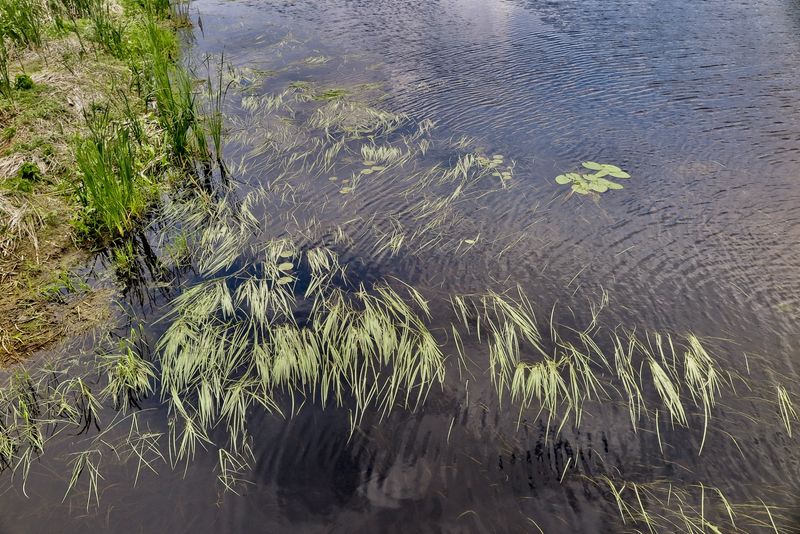
Nutty, chewy wild rice feels like the ultimate homestead crop, but growing it is not as simple as scattering seed in a pond. In several states, native wild rice stands are legally protected, and harvesting or planting them is regulated to preserve wild populations and cultural traditions.
Because wild rice thrives in specific wetland conditions, introducing it to the wrong waterway can disrupt fragile ecosystems and even outcompete the native strains it is meant to honor. That is why permits and rules often come into play.
What separates wild rice from the other crops here is that the restrictions aim to protect the plant itself, not to keep it out. It is a conservation story rather than a pest or invasion worry.
Southern gardeners rarely have the cool, clean marshes wild rice loves, so it is a tricky fit anyway. If you are set on trying it, contact wildlife and agricultural agencies to learn what is allowed.
Choosing cultivated paddy rice instead may give you a legal, lower-stress harvest without stepping on protected wild stands or sensitive natural habitats.